Suzhou · China
Overview
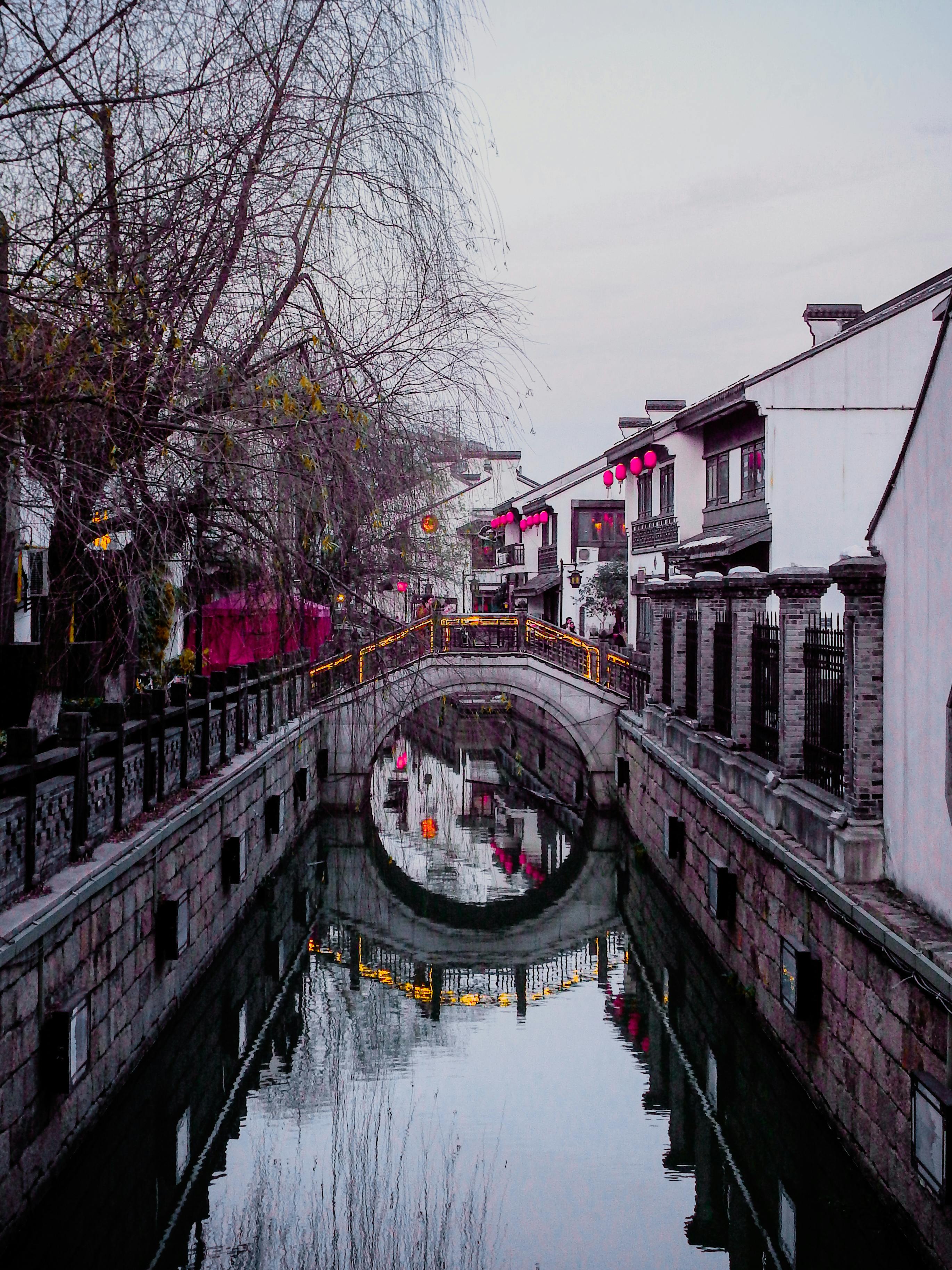
In Suzhou, you aren't just visiting a city; you are stepping into a centuries-old watercolor painting that happens to have lightning-fast Wi-Fi.
Suzhou is widely regarded as the 'Venice of the East,' characterized by its intricate network of canals, stunning UNESCO-listed classical gardens, and a pace of life that feels far more intentional than the frantic energy of Shanghai. For the remote professional, it presents a compelling case: you get the high-tech infrastructure necessary for global work, such as reliable internet and an efficient metro, coupled with a serene atmosphere perfect for deep work.
Culturally, Suzhou is a deep dive into the heart of Jiangnan heritage. You will find yourself working from modern office complexes in the Suzhou Industrial Park one day, and wandering through 16th-century rockeries the next. Because the city is so well-connected, many nomads use it as a base to enjoy a lower cost of living compared to China's major first-tier hubs, while still having access to world-class dining and leisure. The climate supports an active lifestyle, with plenty of outdoor spaces for evening strolls along the canal banks.
History
Founded in 514 BC, Suzhou is one of the oldest cities in the Yangtze River Basin.
Founded in 514 BC, Suzhou is one of the oldest cities in the Yangtze River Basin. It rose to prominence as the capital of the State of Wu and became a crucial center for silk production, which anchored its wealth for centuries. The city's layout, defined by its water gates and streets, has remained remarkably consistent since the Song Dynasty, reflecting a deep respect for historical urban planning.
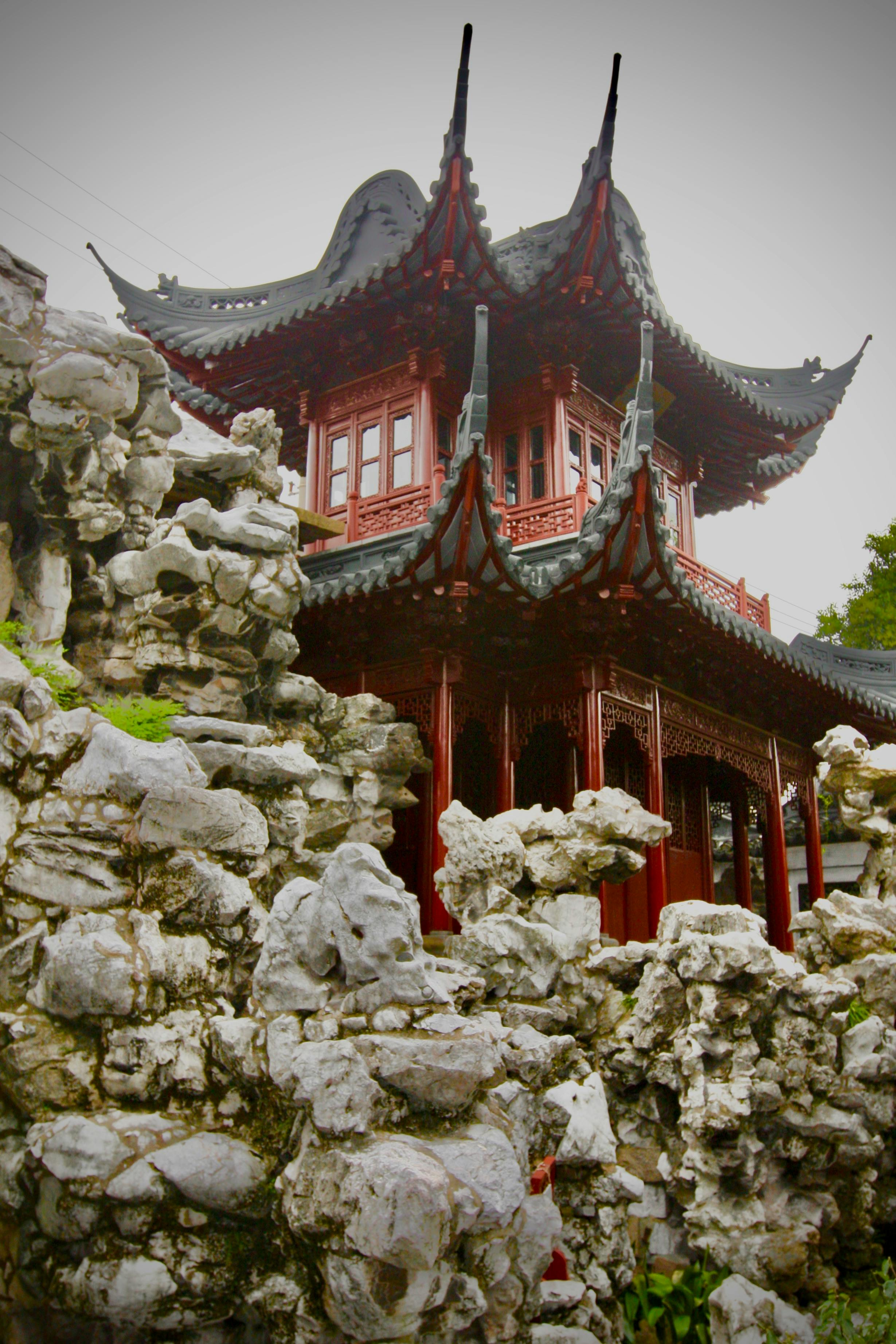
During the Ming and Qing dynasties, the city became a magnet for scholars and wealthy merchants who built the elaborate private gardens that define the city's character today. These gardens were not just leisure spaces but expressions of philosophical ideals and artistic excellence, eventually leading to their recognition as UNESCO World Heritage sites. In recent decades, Suzhou has undergone a rapid transformation, integrating a massive industrial development zone that has turned it into a modern technological powerhouse while maintaining a strict preservation policy for its ancient core.
514 BC
Founding of the CitySuzhou was established as the capital of the Wu Kingdom, marking the beginning of its long history as a regional power.
1276
Yuan Dynasty GrowthThe city became a major hub for international trade, further solidifying its status as a prosperous center of commerce.
1600s
Garden Golden AgeWealthy merchants and officials built the most elaborate private gardens, cementing the city's reputation as a cultural capital.
1994
Industrial RevolutionThe establishment of the Suzhou Industrial Park signaled the start of a massive era of modern, high-tech development.
Where to Stay
Choose your base camp
Distinct neighbourhoods, different rhythms. Pick the one that fits your work-life balance.
Historic Charm
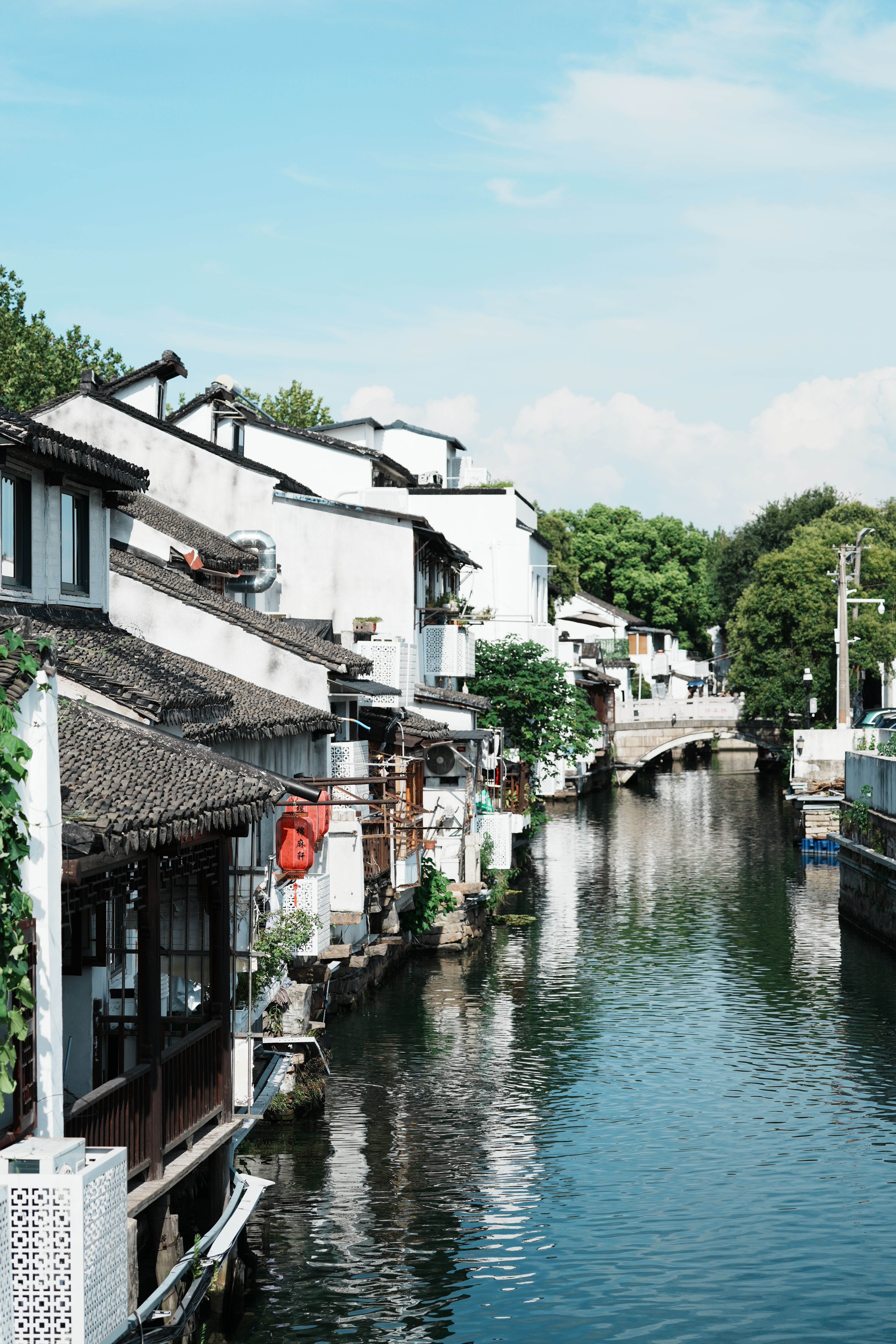
Gusu District
The old city center where you can experience traditional life and stay in charming guesthouses. It is perfect for those who want to be within walking distance of the classic gardens.
Modern Living
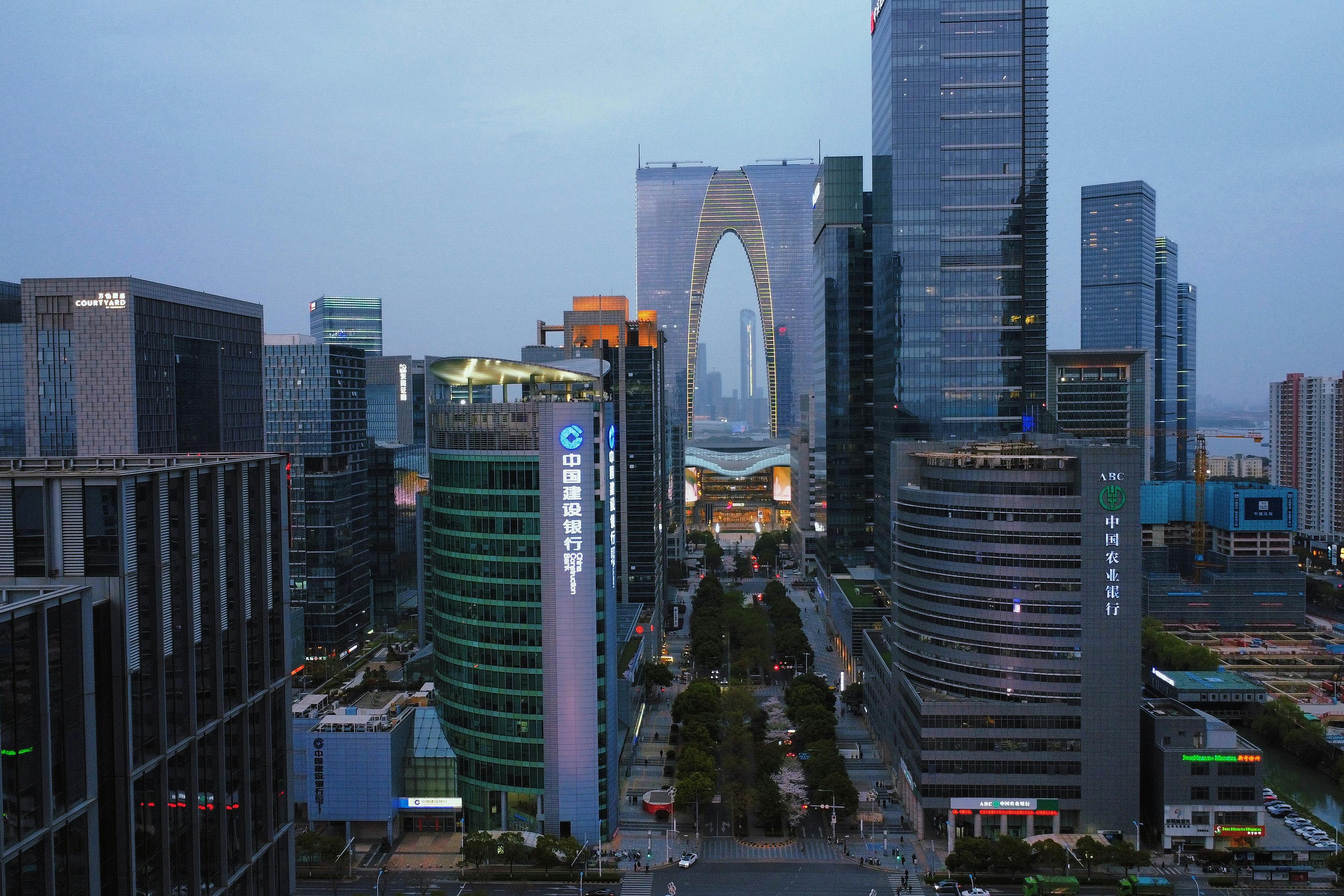
Suzhou Industrial Park
A high-tech district offering modern serviced apartments and proximity to large office hubs. It is the preferred choice for digital nomads needing a contemporary, hassle-free environment.
Places to Go
The experiences that will make you never leave
These aren't tourist checkboxes — they're the experiences that reset your sense of what's normal.
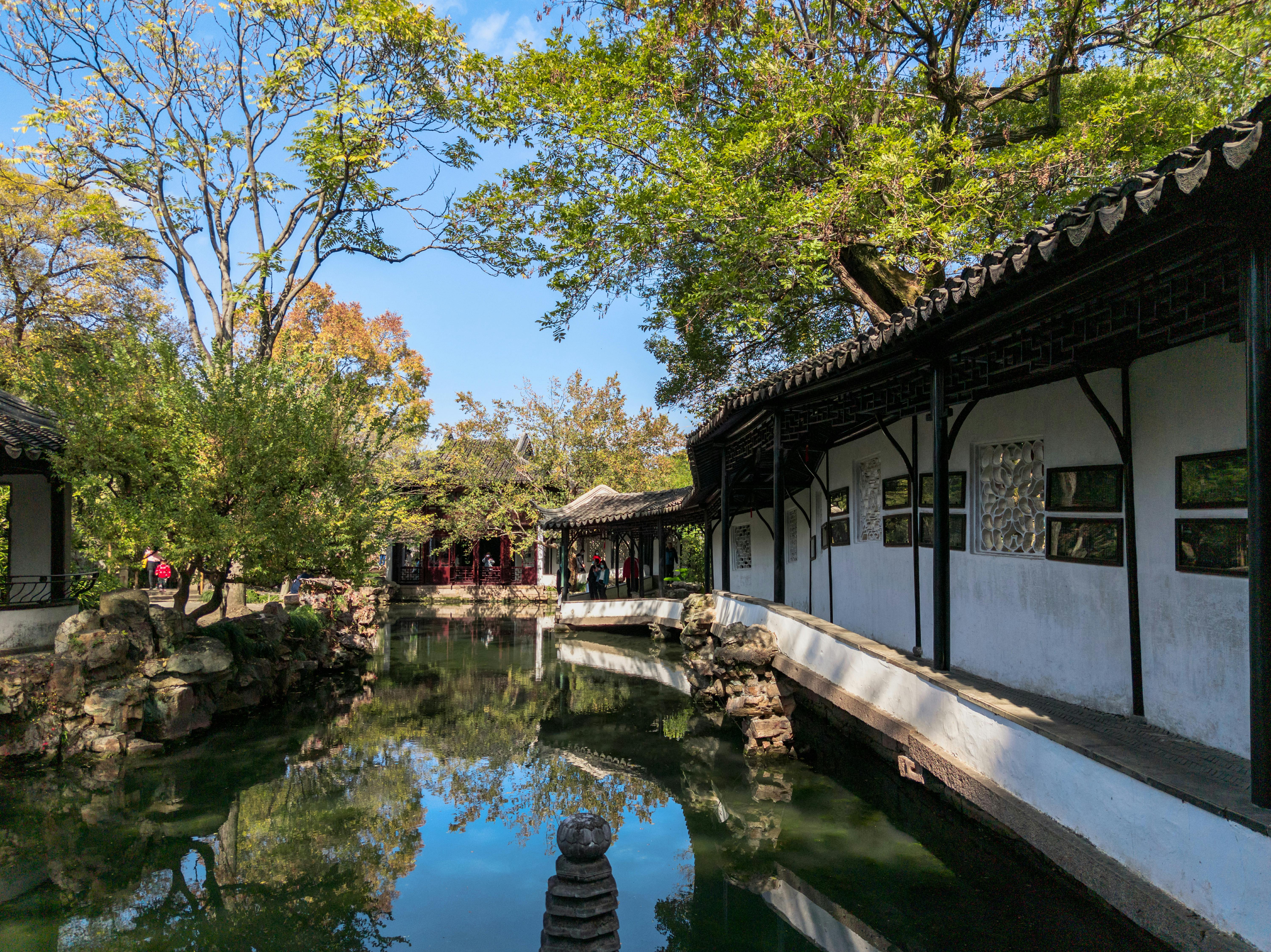
Top Pick
Humble Administrator's Garden
This is the largest and most famous garden in Suzhou, reflecting the intricate design principles of the Ming Dynasty. It features a sprawling layout of ponds, pavilions, and bridges.
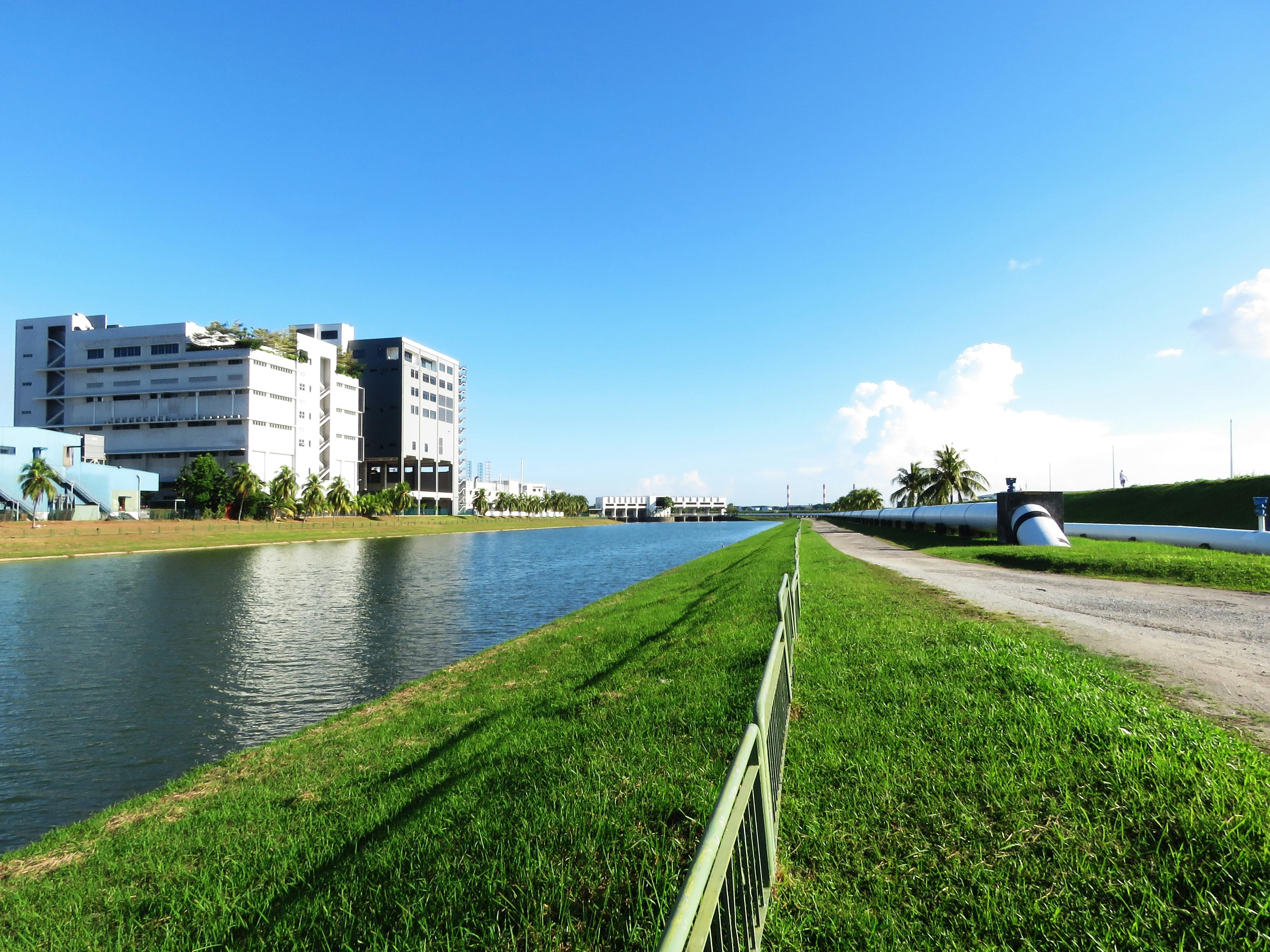
Official Tourism
Pingjiang Road
A historic street running alongside a canal, Pingjiang Road is the heart of old Suzhou. It is filled with traditional teahouses, boutique shops, and local snack vendors.
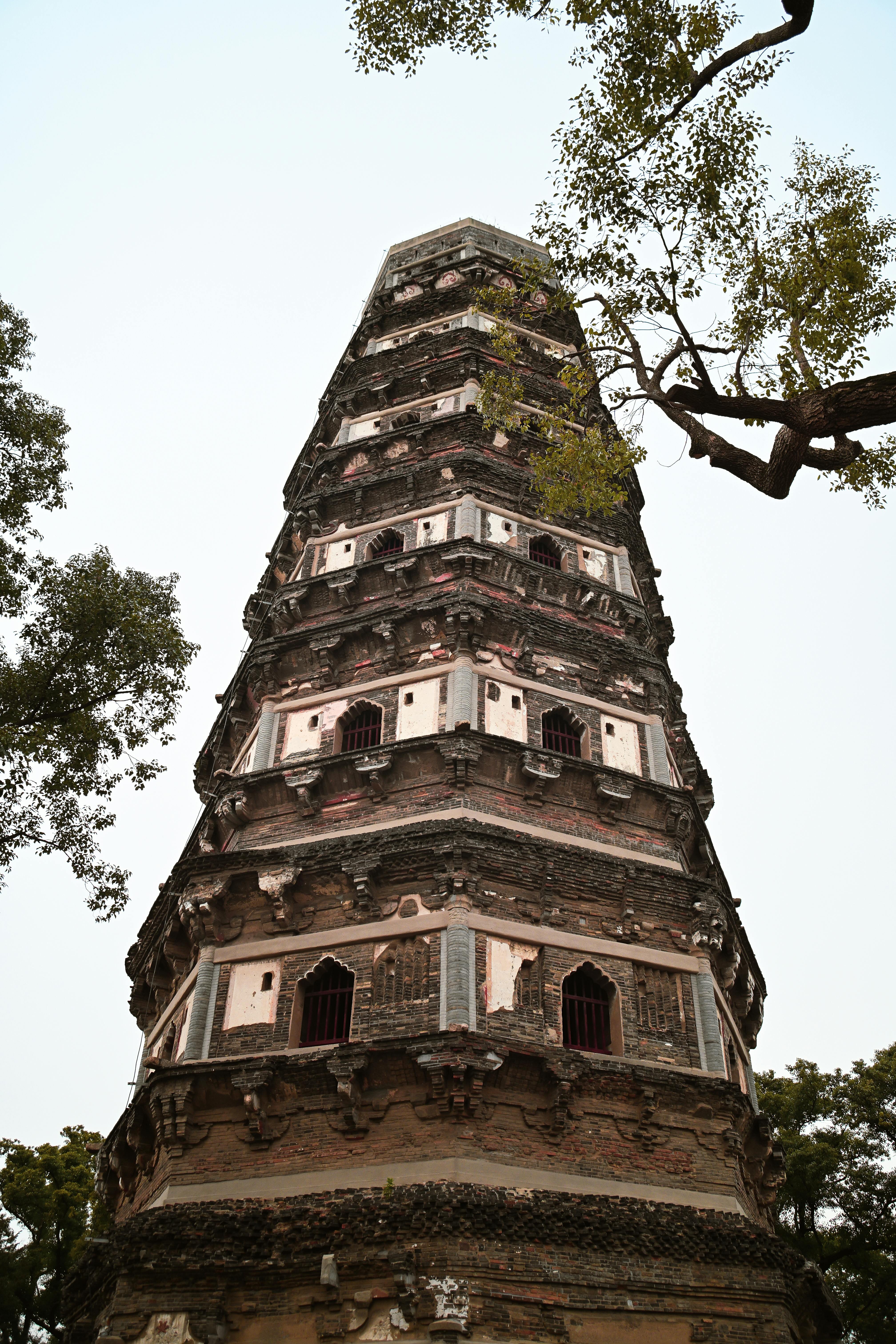
Wikipedia
Tiger Hill
Known for the iconic Yunyan Pagoda, which leans slightly like the tower in Pisa, Tiger Hill offers beautiful parkland and legendary tales. It is a quintessential stop for any visitor interested in Suzhou's ancient history.

Official Site
Suzhou Museum
Designed by the world-renowned architect I.M. Pei, this museum perfectly blends modern architectural minimalism with traditional Suzhou design elements. It houses a vast collection of ancient relics and art.

Work & Connectivity
Stay connected wherever you work
The nomad community here is real — cafés and coworking spaces where you can work and meet others.
WeWork Suzhou Center
Located in the heart of the business district, this space offers premium amenities, fast internet, and a great community for networking.
Innoway Space
A popular hub for startups and digital professionals providing flexible seating and high-speed connectivity.
Budget & Costs
What it costs to live in Suzhou
Choose your lifestyle tier. Comfortable = furnished accommodation, local + occasional Western food, transport, leisure.
$1168
per month · USD · comfortable lifestyle
ModerateFurnished studio, local restaurants, transport, and weekend trips.
Exchange rates
Check xe.com or your bank for current USD to local currency.
Check xe.com or your bank for current USD to local currency.
🏠 Rent 44%$511/mo
🍽️ Food 22%$256/mo
🚌 Transport 6%$73/mo
💡 Utilities 6%$73/mo
🎭 Leisure 16%$183/mo
🏥 Health 6%$73/mo
Connectivity
Well connected to the world
Internet and transport options for remote workers.
📶
Internet
Good — fibre common
Check local providers.
🏢
Coworking
From ~$80/mo
Dedicated spaces available.
🚌
Local Transit
8 / 10
Metro to Shanghai and nearby towns
SZV
Suzhou Guangfu Airport
20 km from centre
Safety & Visa
Safe, welcoming, and easy to enter
Safety Score8 / 10
✗ Tap Water✓ Night Safe📞 110
Visa
Check your entry options
Many nationalities get visa-free or visa-on-arrival. Check official government sources for your citizenship before travel.
Culture & Festivals
Local soul, nomad-friendly
Multiculturalism5/10
Foodie Scene5/10
🌤️ Warm Climate🍜 Amazing Food🏯 Canals💵 Mid-Range🛕 Cultural Depth
Apr
Suzhou Garden Festival
Celebrates the peak blooming season across the city's famous UNESCO heritage gardens.
If you have time, take the high-speed train to nearby Shanghai or Hangzhou for a weekend trip, as both are accessible in under an hour.
Food & Nightlife
A feast for every mood
From street food to cafés and nightlife — every meal is an event.
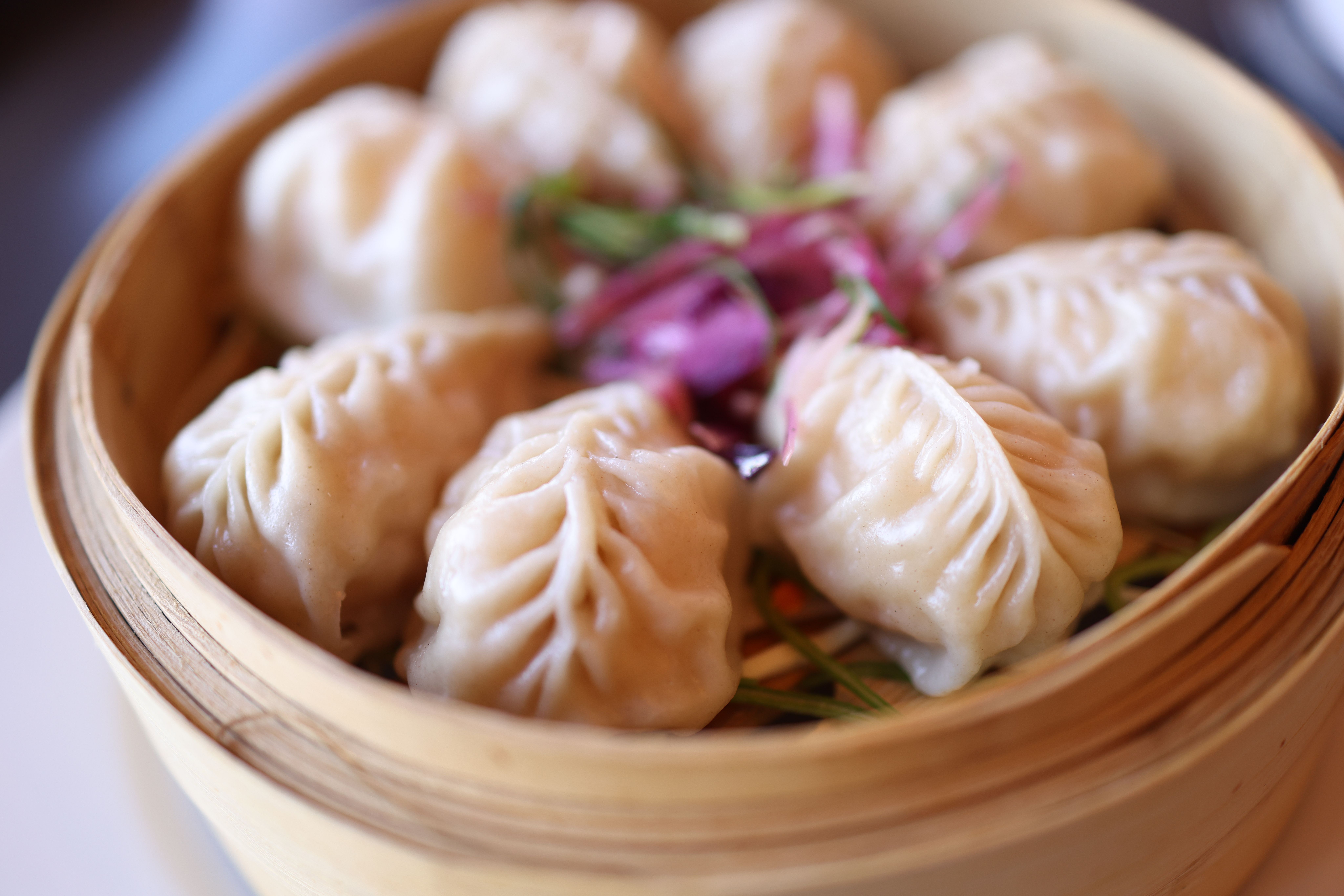
Street Food
Guanqian Street
This bustling area is the best place to sample classic Suzhou snacks, including sweet and savory dumplings and local noodle dishes.

Fine Dining
Jiangnan Cuisine
Indulge in sweet, delicate flavors synonymous with the Yangtze River region, often featuring fresh fish and seasonal vegetables.
Climate
Best months: May, Jun, Sep, Oct
Avg humidity75%
Avg AQI85
The best time to visit Suzhou is during the spring months of April and May or the autumn months of September and October. During these periods, the weather is mild and comfortable, allowing you to fully enjoy the city's famous gardens and outdoor canal walks without the intensity of summer humidity or winter chills.
Avoid visiting during January and February, as temperatures drop significantly, and it can be quite gray and damp. Spring, particularly April, is a peak time for local festivities as the blossoms begin to bloom and the cultural atmosphere hits its annual stride.
Monthly temperatures °C
BestAvoidShoulder
Practical Info
Everything you need to know
🏥
Healthcare
Suzhou has high-quality medical facilities, with many larger hospitals offering international departments. Ensure your travel insurance covers private clinics for convenience.
💱
Money
China is a cashless society. You must link a bank card to WeChat Pay or Alipay to pay for anything, from street food to metro tickets.
🌐
Connectivity
High-speed internet is available everywhere, but you will need a reliable VPN to access non-Chinese sites. Download all necessary apps before arrival.
Tips
Quick tips
- Always carry a power bank as your phone is your lifeline.
- Use a VPN before you even land to avoid connectivity issues.
- Learn basic Mandarin phrases to navigate local markets.
- Rent a bicycle to explore the canal paths in the early morning.
- Download the Didi app for easy local transport.
- Try 'Squirrel Mandarin Fish', a local delicacy.
- Respect the quiet nature of the classical gardens.
Further Reading