
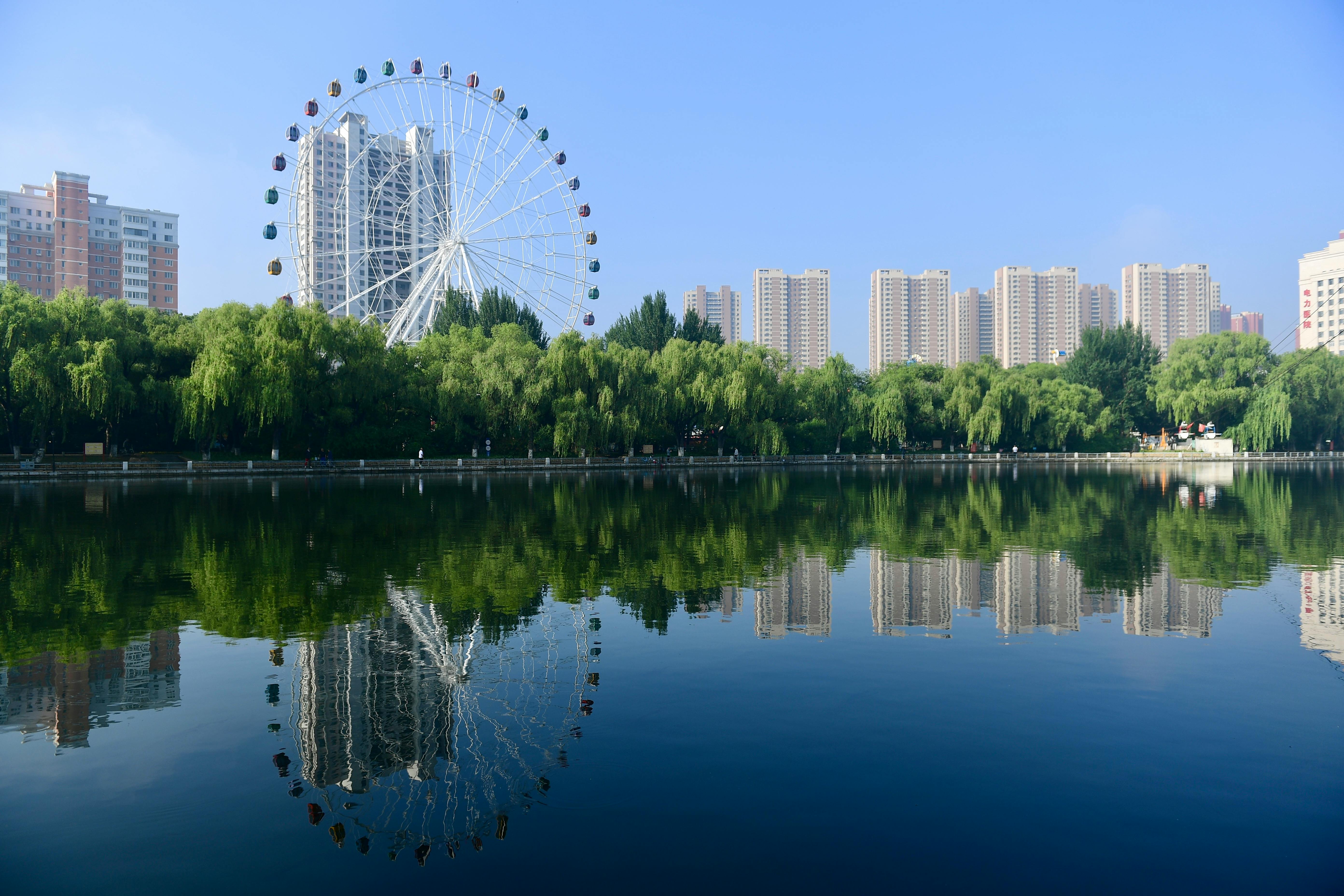
Shenyang · China
Overview
Shenyang is where imperial history meets the industrial heart of China; it is a city for those who prefer substance over typical tourist trails.
Shenyang serves as the capital of Liaoning province and acts as the cultural and economic anchor of the Dongbei region. Nomads who find themselves here are often drawn by the affordable cost of living and the opportunity to experience a side of China that is less frequented by international tourists. The city presents a blend of grand imperial architecture and the gritty, industrious reality of Northeast China.
While the climate can be quite challenging due to the harsh winters, the city comes alive during the summer months. It is an ideal destination for those interested in history, hearty regional cuisine, and a slower pace of life than the frantic metropolitan hubs of Shanghai or Beijing. Navigating the city is straightforward thanks to its reliable public infrastructure, making it a functional, if unconventional, remote work base.
History
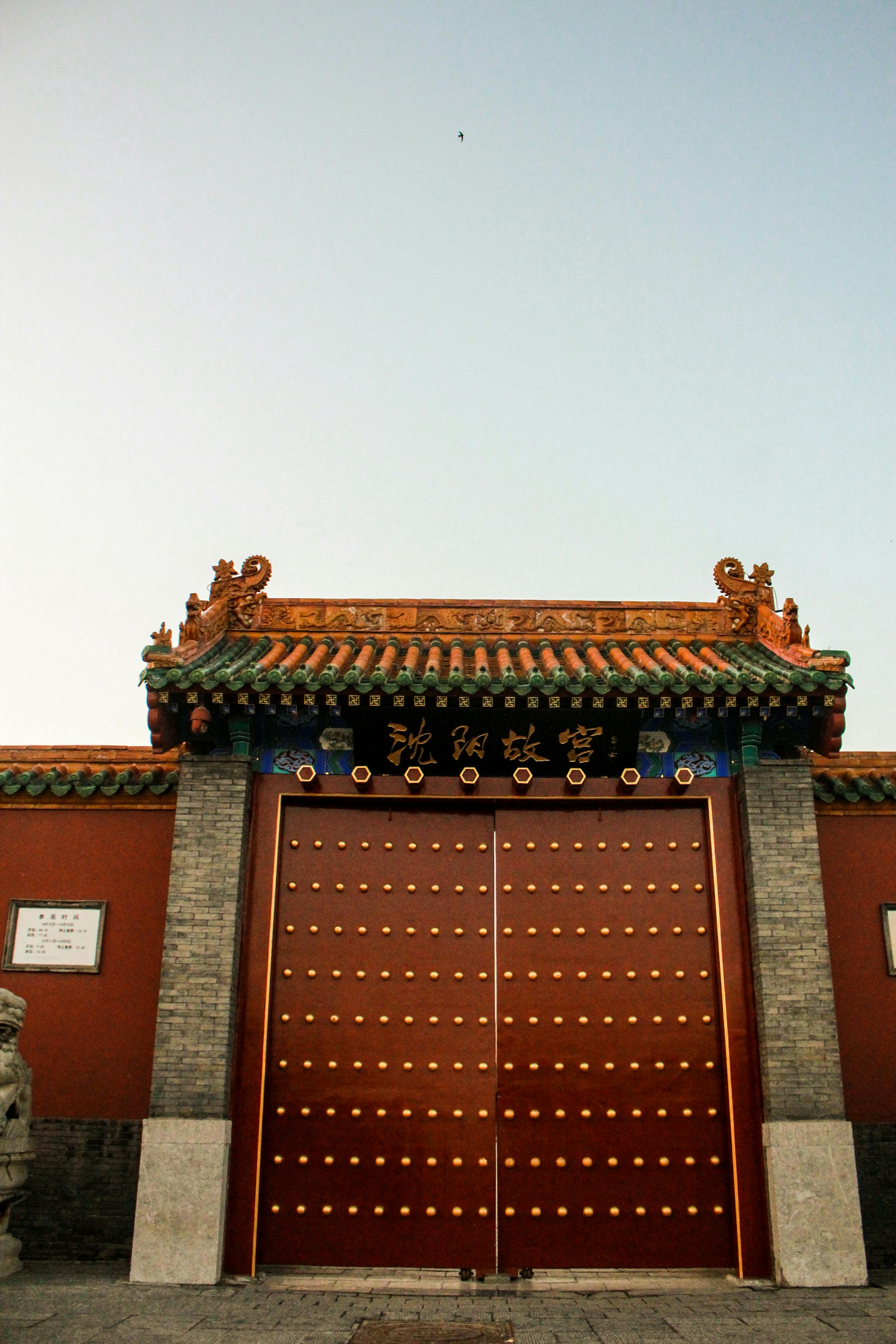
Shenyang has a storied past as the birthplace of the Qing Dynasty, originally known as Mukden.
Shenyang has a storied past as the birthplace of the Qing Dynasty, originally known as Mukden. It served as the capital of the Manchus before they conquered the rest of China and moved the court to Beijing. Throughout the 20th century, the city underwent significant transformation, becoming a major industrial center during the Japanese occupation and subsequent periods of rapid development in the People's Republic of China.
The city retains a unique character shaped by this blend of royal history and the heavy industrial influence of the Soviet-era style architecture found in many neighborhoods. Today, Shenyang balances its heritage as a former imperial center with its ongoing role as a vital industrial and logistical hub for Northern China.
1625
Qing CapitalNurhaci, the founder of the Qing Dynasty, designated Shenyang as the capital of the Manchu state.
1644
Move to BeijingAfter the capture of Beijing, the Qing court relocated, leaving Shenyang as the auxiliary capital.
1905
Russo-Japanese WarThe city was the site of the massive Battle of Mukden, marking a turning point in regional power dynamics.
1931
Mukden IncidentThe staged event served as the pretext for the Japanese invasion of Manchuria.
1948
LiberationThe city was captured by the People's Liberation Army during the Liaoshen Campaign, transitioning to modern governance.
Where to Stay
Choose your base camp
Distinct neighbourhoods, different rhythms. Pick the one that fits your work-life balance.
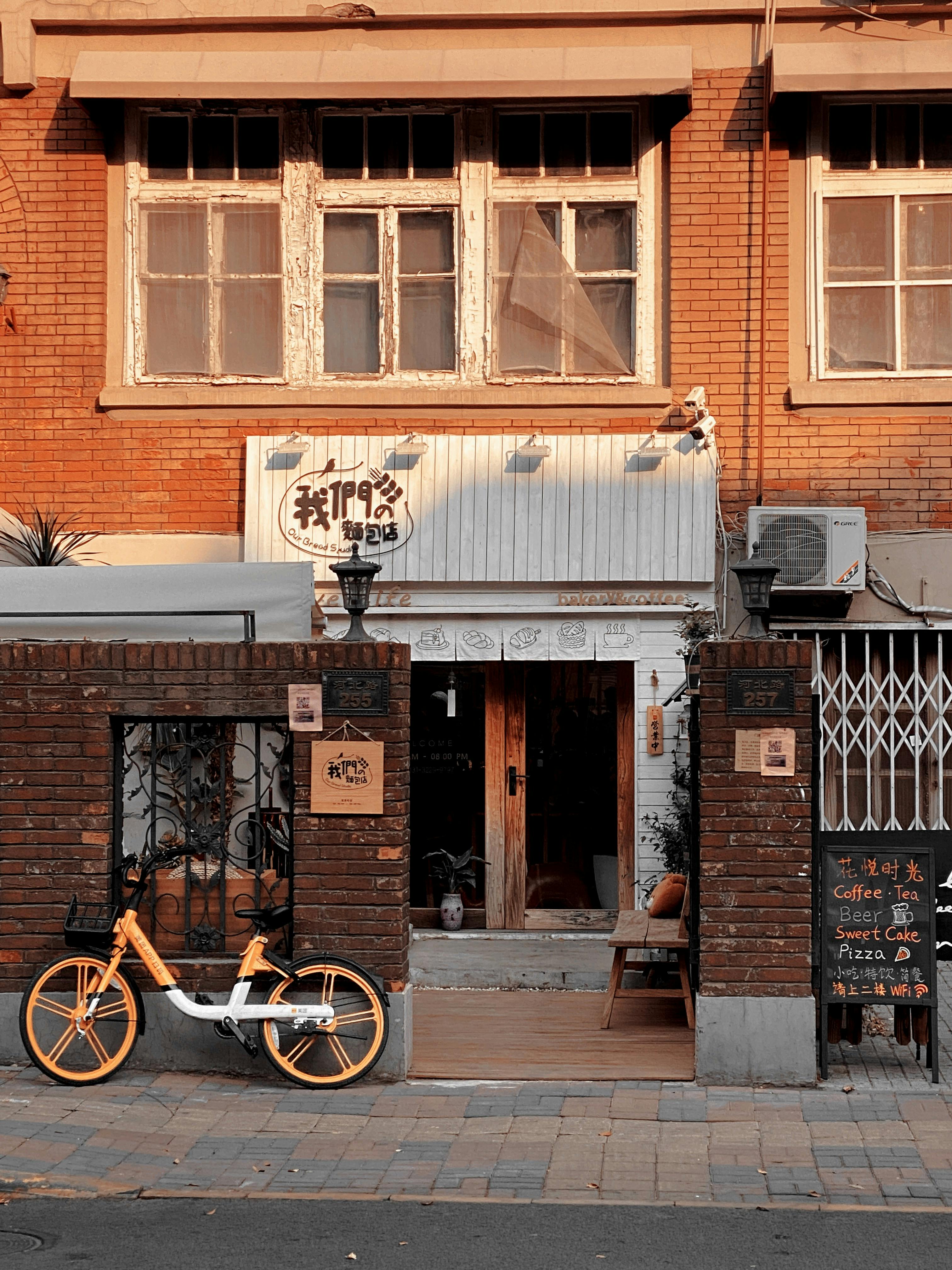
Central Hub
Heping District
This is the bustling heart of Shenyang, offering easy access to shopping and public transport. It's the most convenient area for nomads who want to be in the center of the action.

Modern Living
Hunnan District
A rapidly developing area south of the river that features newer apartment complexes and wider streets. It offers a quieter vibe compared to the dense city center.
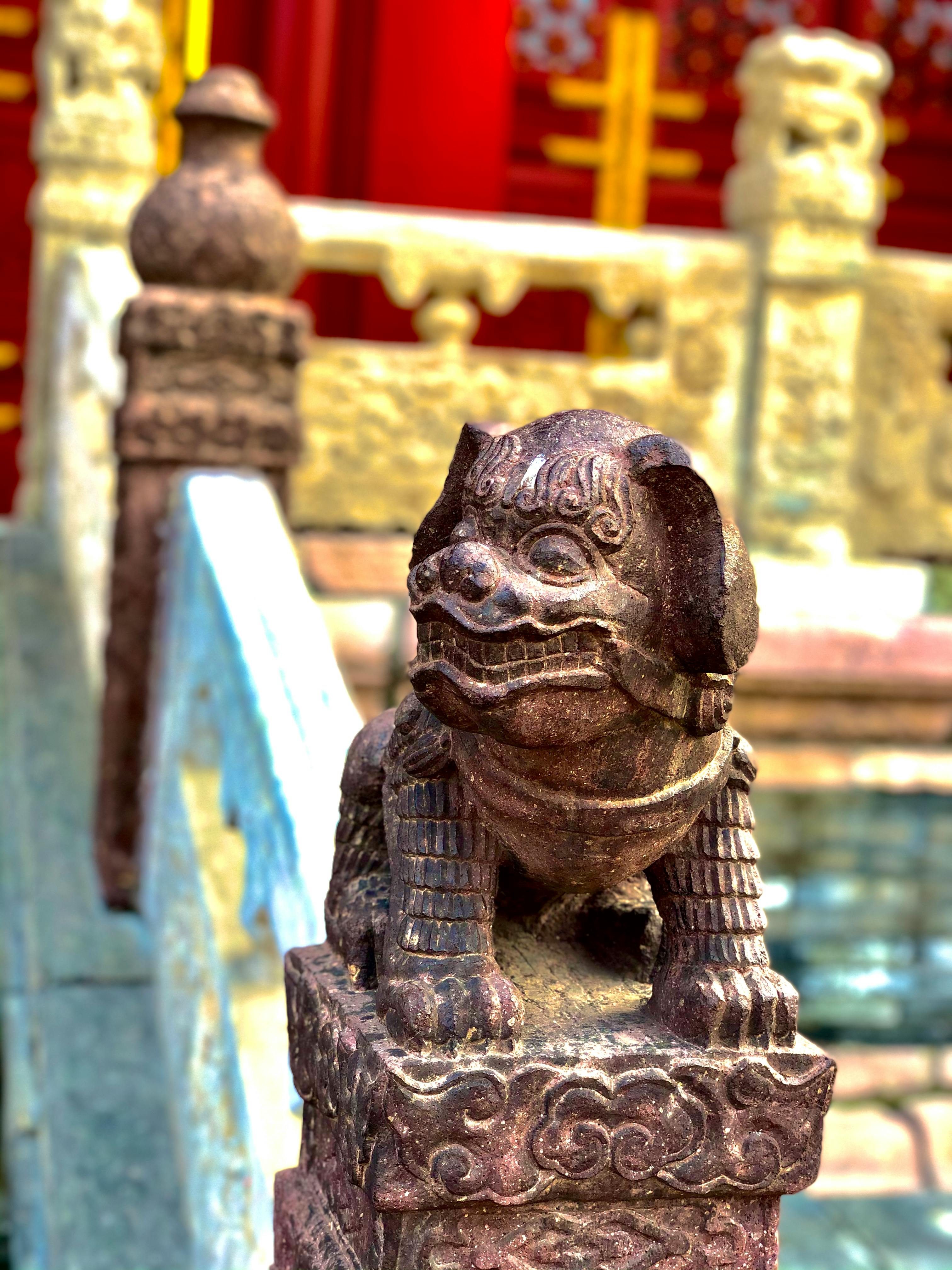
Industrial Heritage
Tiexi District
Once the core of China's heavy industry, this area is now seeing a creative rebirth. It's ideal for those interested in the city's transformation and industrial architecture.
Places to Go
The experiences that will make you never leave
These aren't tourist checkboxes — they're the experiences that reset your sense of what's normal.
Top Pick
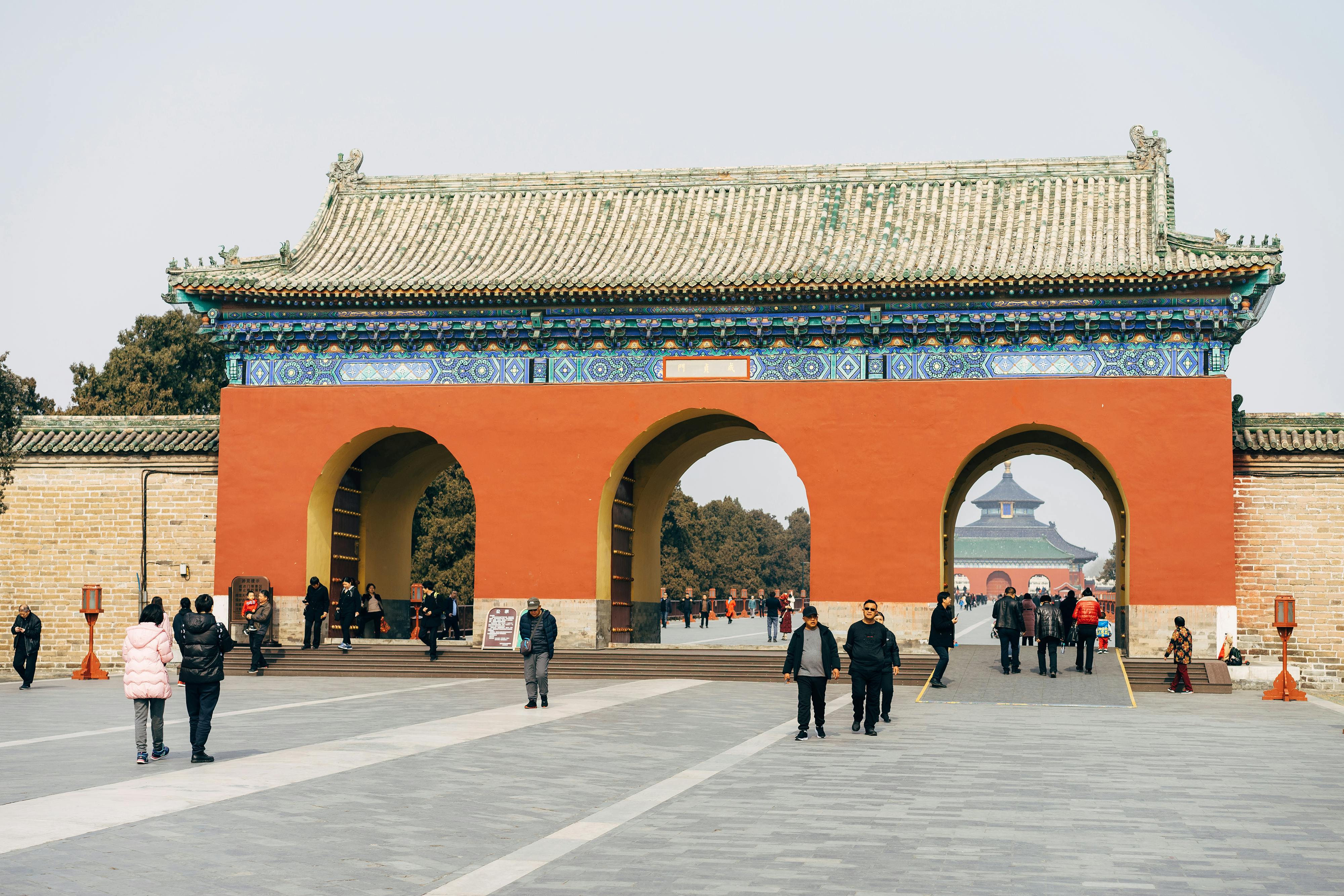
Mukden Palace
This UNESCO World Heritage site is the former imperial palace of the early Qing Dynasty. It is a stunning complex that showcases unique Manchu architectural styles distinct from those in the Forbidden City.
Official Tourism
Zhaoling Mausoleum
Located within Beiling Park, this site contains the tomb of the second Qing emperor. It is a serene location surrounded by beautiful trees and traditional structures.
Visit
Beiling Park
The largest park in Shenyang, offering vast green spaces for walking, relaxing, and observing local life. It is the perfect escape from the urban density of the city center.

Visit
Zhongjie
This is one of the oldest and most vibrant commercial streets in China. It is packed with shops, local vendors, and street food stalls, making it a perfect spot for people-watching.

Official Website
Liaoning Museum
An excellent institution housing a vast collection of artifacts related to the history of Northeast China and the Qing Dynasty. It provides necessary context for understanding the region's past.

Work & Connectivity
Stay connected wherever you work
The nomad community here is real — cafés and coworking spaces where you can work and meet others.
Shenyang Innovation & Entrepreneurship Center
A professional space designed for startups and entrepreneurs, providing desks and meeting rooms with decent internet.
iMaker Space
A community-focused space that is great for networking with local tech-savvy residents.
Budget & Costs
What it costs to live in Shenyang
Choose your lifestyle tier. Comfortable = furnished accommodation, local + occasional Western food, transport, leisure.
$1022
per month · USD · comfortable lifestyle
ModerateFurnished studio, local restaurants, transport, and weekend trips.
Exchange rates
Check xe.com or your bank for current USD to local currency.
Check xe.com or your bank for current USD to local currency.
🏠 Rent 45%$460/mo
🍽️ Food 25%$256/mo
🚌 Transport 5%$51/mo
💡 Utilities 7%$72/mo
🎭 Leisure 12%$123/mo
🏥 Health 6%$61/mo
Connectivity
Well connected to the world
Internet and transport options for remote workers.
📶
Internet
Good — fibre common
Check local providers.
🏢
Coworking
From ~$80/mo
Dedicated spaces available.
🚌
Local Transit
7 / 10
Metro and bus
SHE
Shenyang Taoxian International Airport
22 km from centre
beijingbusanchengduchongqingfrankfurtfukuokaguangzhouhangzhou
Safety & Visa
Safe, welcoming, and easy to enter
Safety Score7 / 10
✗ Tap Water✓ Night Safe📞 110
Visa
Check your entry options
Many nationalities get visa-free or visa-on-arrival. Check official government sources for your citizenship before travel.
Culture & Festivals
Local soul, nomad-friendly
Multiculturalism6/10
Foodie Scene7/10
❄️ Cold Winter🍜 Amazing Food🏛️ Qing History💵 Mid-Range
Jun
Shenyang International Tourism Festival
A series of events and displays showcasing the culture and history of the region.
Shenyang's history as a hub for industry provides an interesting contrast to the pristine imperial palaces, making it a unique stop for travelers interested in the evolution of modern China.
Food & Nightlife
A feast for every mood
From street food to cafés and nightlife — every meal is an event.
Regional Cuisine
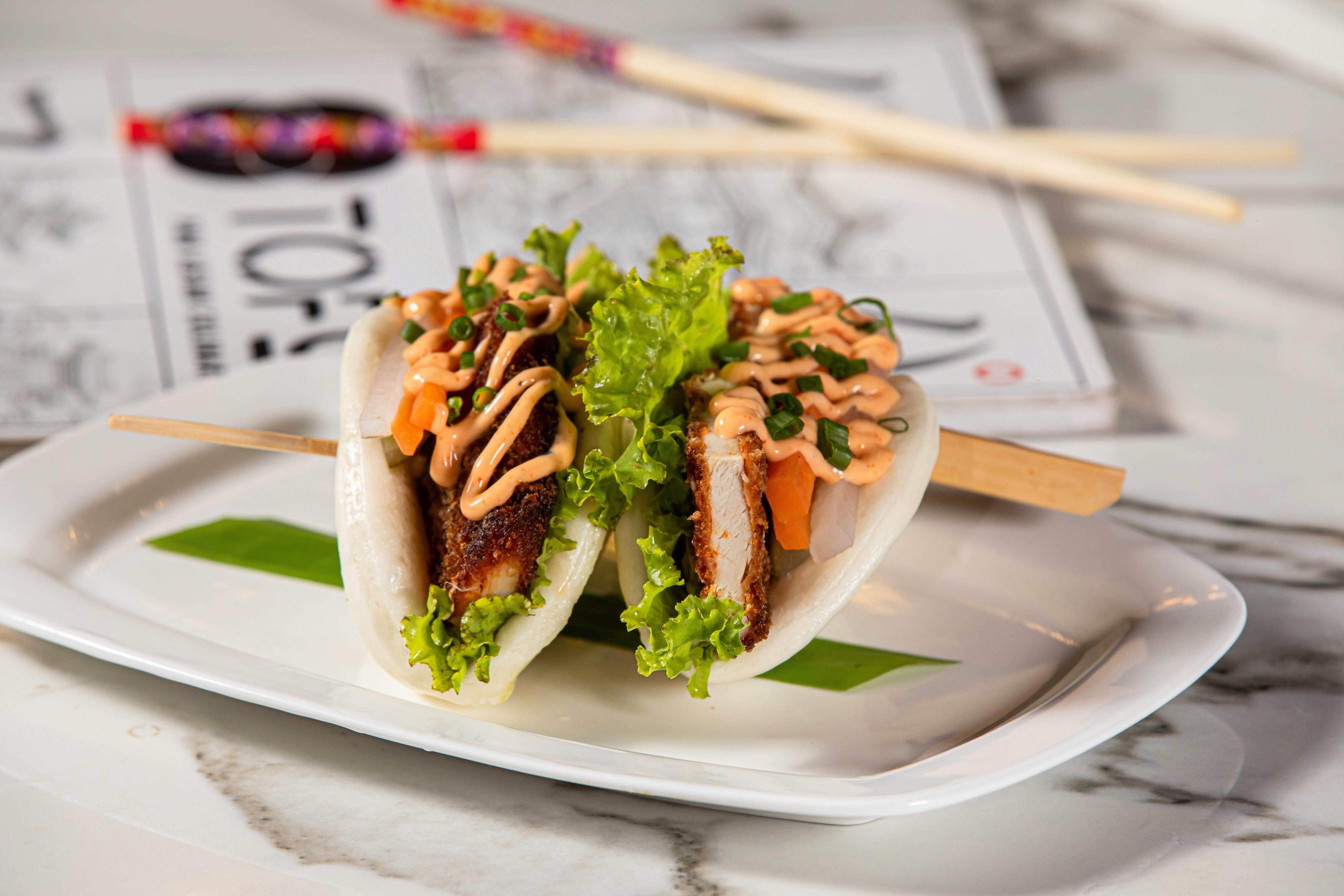
Dongbei Specialties
Don't miss out on hearty local dishes like Guo Bao Rou (sweet and sour pork) and Suan Cai (fermented cabbage). These dishes are perfect for the cold weather.

Street Food
Zhongjie Market Stalls
The area around Zhongjie is perfect for sampling grilled meats, skewers, and local snacks at very low prices.
Climate
Best months: May, Jun, Jul, Aug, Sep
Avg humidity60%
Avg AQI95
The best time to visit Shenyang is during the warmer months, specifically from May to September. During this period, you can fully enjoy outdoor spaces like Beiling Park and stroll along the Hun River without the biting cold of the winter months.
Avoid traveling between November and March, as temperatures can plummet to -17°C, which restricts outdoor movement and makes city exploration difficult. While the winter offers a unique landscape, it is generally not recommended for those looking to maximize their productivity and exploration time.
Monthly temperatures °C
BestAvoidShoulder
Practical Info
Everything you need to know
🏥
Healthcare
Medical care is readily available in Shenyang with several large hospitals. Ensure you have travel insurance that covers international visits and major hospitals.
💱
Money
The local currency is the Chinese Yuan (CNY). Mobile payments like Alipay and WeChat Pay are essential, as cash is rarely used for daily transactions.
🌐
Internet & Connectivity
Broadband is reliable, but internet access in China is subject to local regulations. A high-quality, paid VPN is a non-negotiable tool for any digital nomad working in the country.
Tips
Quick tips
- Download Alipay and WeChat Pay immediately upon arrival.
- Learn a few basic phrases in Mandarin as English is not widely spoken.
- Carry a power bank at all times as mobile apps consume a lot of battery.
- Dress in layers if you arrive in the shoulder season.
- Use the Metro app for easier navigation of the train network.
- Always carry your passport for hotel check-ins and some public services.
- Respect local customs when visiting temples and mausoleums.
Further Reading