

Tenerife · Spain
Overview
Tenerife is the rare kind of place where you can hike a volcano in the morning, work on a high-speed connection in the afternoon, and end your day watching the sunset over the Atlantic.
Tenerife is more than just a beach destination; it is a diverse micro-continent that caters to every type of remote worker. The island is divided into a lush, cooler north and a dry, sunny south, allowing you to choose the vibe that fits your work-life balance perfectly. For those who prioritize community, the Cost of living in Tenerife makes it easy to rent a comfortable space while leaving plenty of budget to explore the island's unique Climate and varied ecosystems.
Nomads flock here for the seamless combination of fast fiber-optic internet and world-class outdoor activities. From working in a quiet cafe in the historic town of La Laguna to hitting the surf in El Médano after hours, the island maintains a relaxed pace that helps prevent burnout while keeping productivity high.
History
The history of Tenerife is deeply rooted in its indigenous Guanche culture, who inhabited the island…
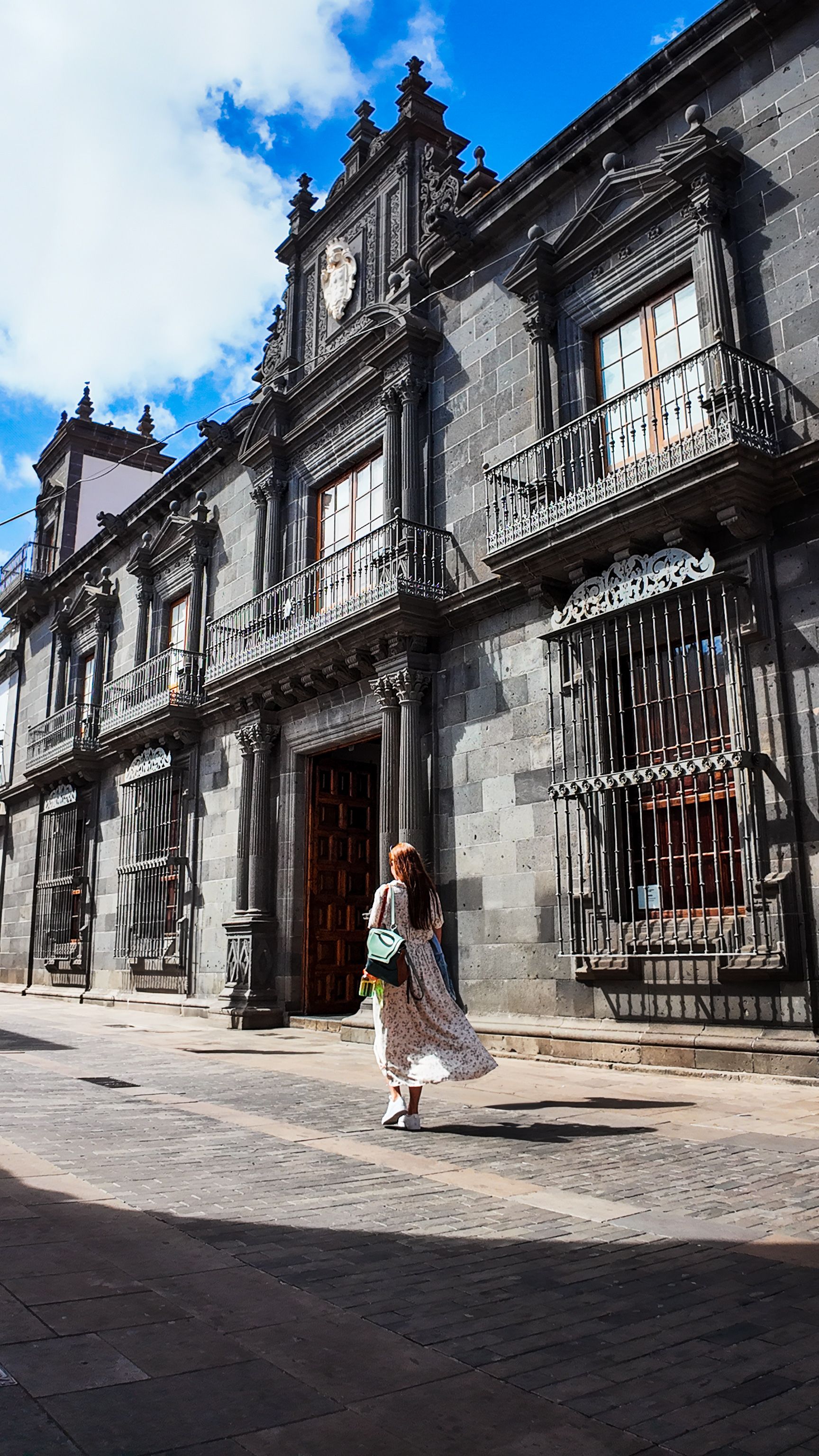
The history of Tenerife is deeply rooted in its indigenous Guanche culture, who inhabited the island long before the Spanish conquest. The Guanches left behind a legacy of cave dwellings and petroglyphs that can still be explored in parts of the island today. In the 15th century, the island was integrated into the Crown of Castile, which led to the founding of San Cristóbal de La Laguna, the island's first capital.
Over the centuries, Tenerife served as a vital maritime hub connecting Europe, Africa, and the Americas. This strategic position brought wealth, architecture, and cultural exchange to the island. Today, this rich past is preserved in the UNESCO-listed historic center of La Laguna and the colonial buildings scattered throughout Santa Cruz, creating a captivating backdrop for modern island life.
Pre-1496
Guanche EraThe island was inhabited by the indigenous Guanche people, who lived in a society organized into separate kingdoms.
1496
Spanish ConquestAlonso Fernández de Lugo completed the conquest of the island, bringing it under the control of the Crown of Castile.
1497
Foundation of La LagunaSan Cristóbal de La Laguna was founded and served as the administrative capital for several centuries.
1797
Battle of Santa CruzThe local militia successfully defended the island against an attack by Admiral Horatio Nelson of the British Navy.
1982
Autonomous RegionThe Canary Islands officially became an autonomous community of Spain, shifting the island's focus toward tourism and services.
Where to Stay
Choose your base camp
Distinct neighbourhoods, different rhythms. Pick the one that fits your work-life balance.
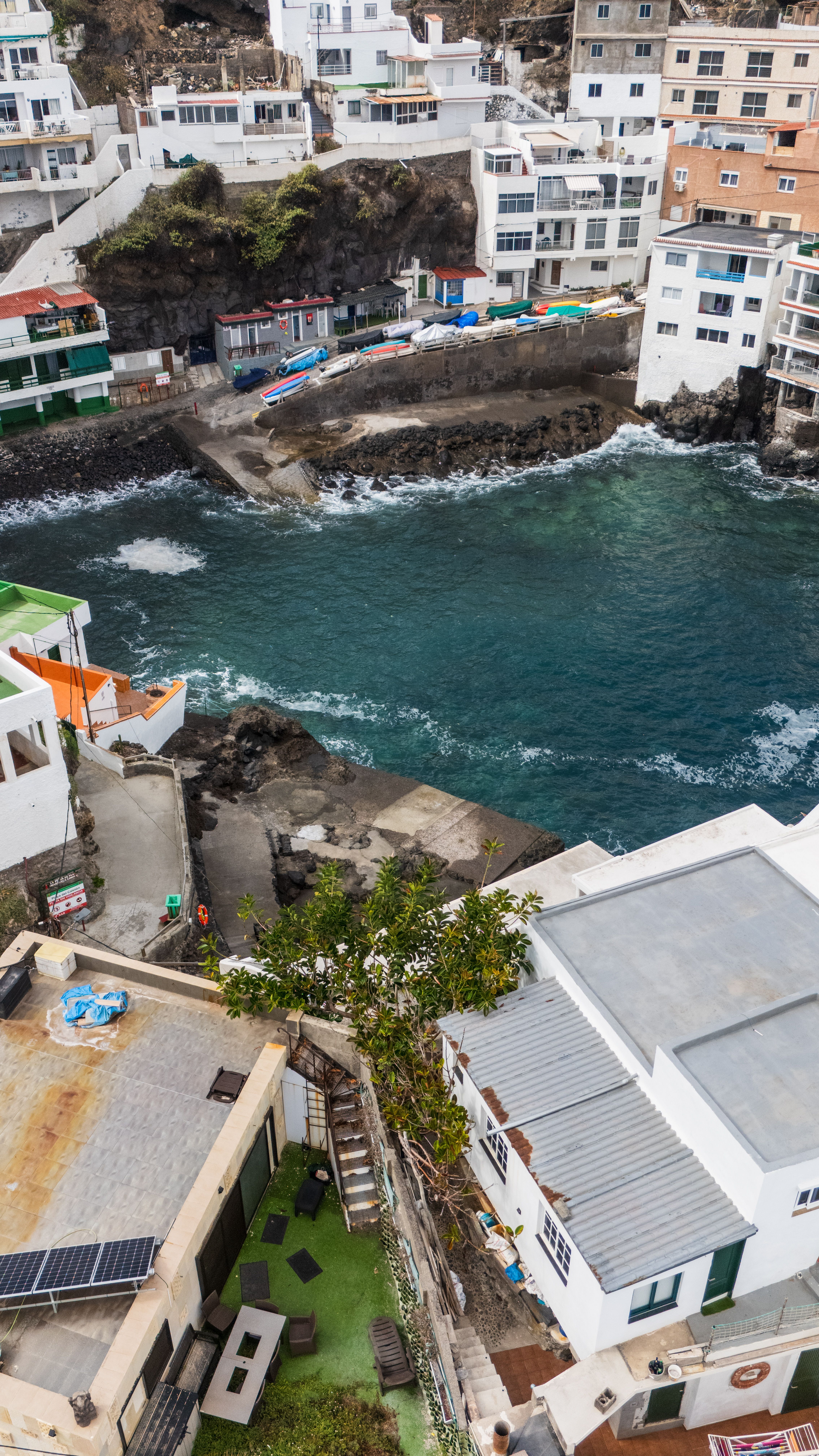
Urban Lifestyle
Santa Cruz
The capital city offers a bustling urban environment with plenty of shops, restaurants, and cultural venues. It is perfect for nomads who enjoy city living.
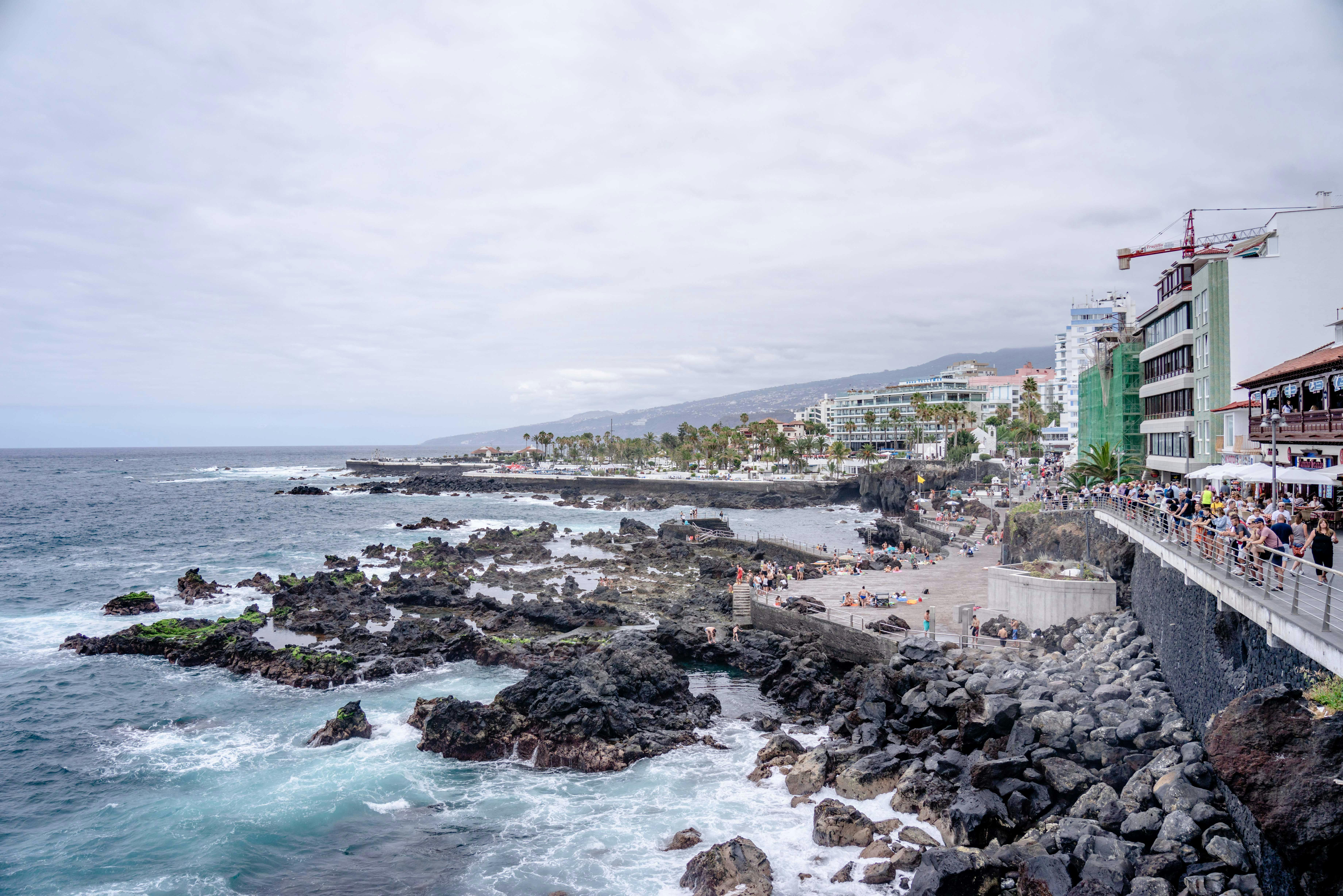
Coastal Charm
Puerto de la Cruz
Located in the north, this town retains a traditional Spanish feel with black sand beaches and lush greenery. It is popular with long-term residents and retirees.
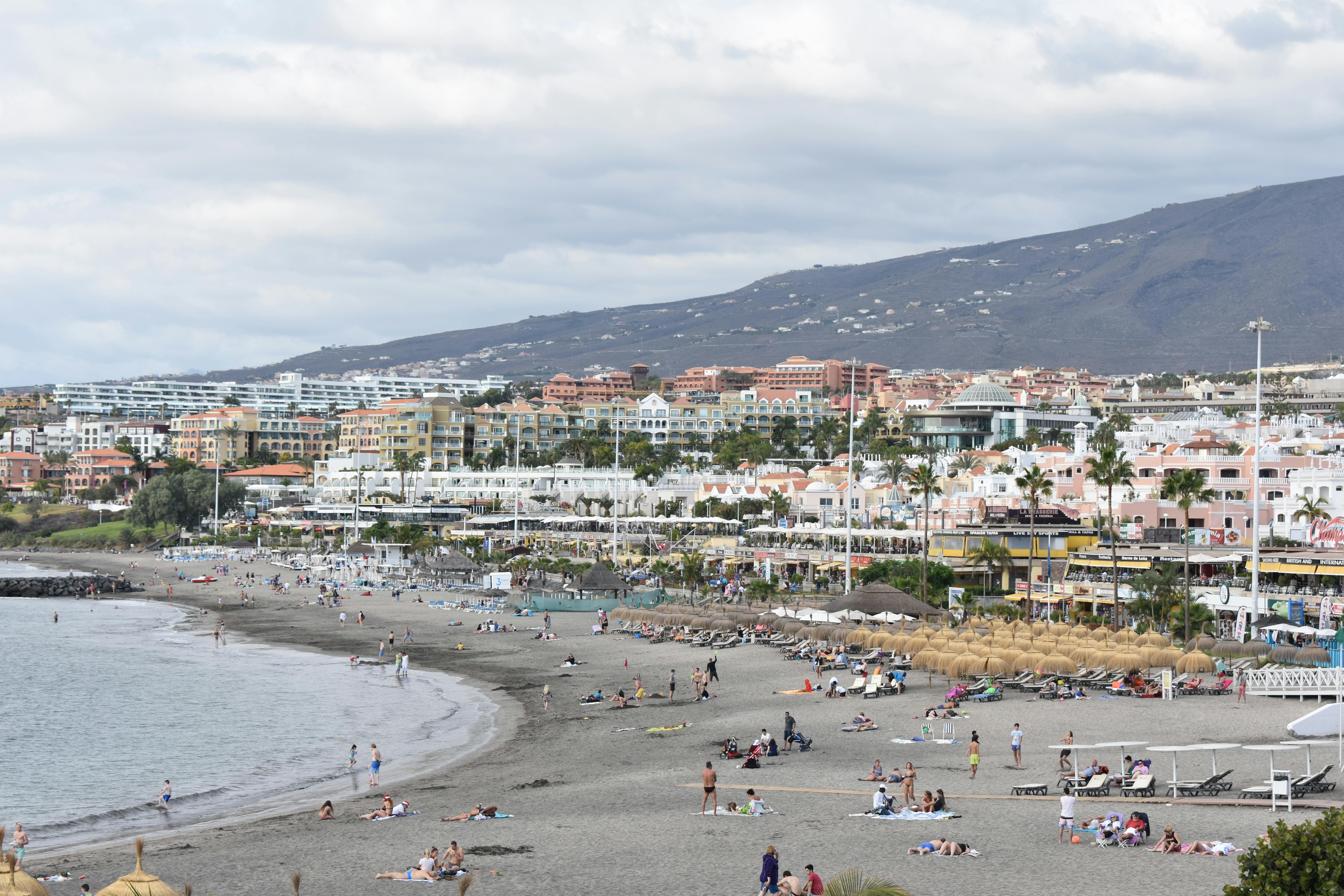
Tourist Favourite
Costa Adeje
Known for its upscale resorts and sunny weather, this area is ideal for those who want proximity to the beach and a wide range of tourist services.
Places to Go
The experiences that will make you never leave
These aren't tourist checkboxes — they're the experiences that reset your sense of what's normal.
Top Pick
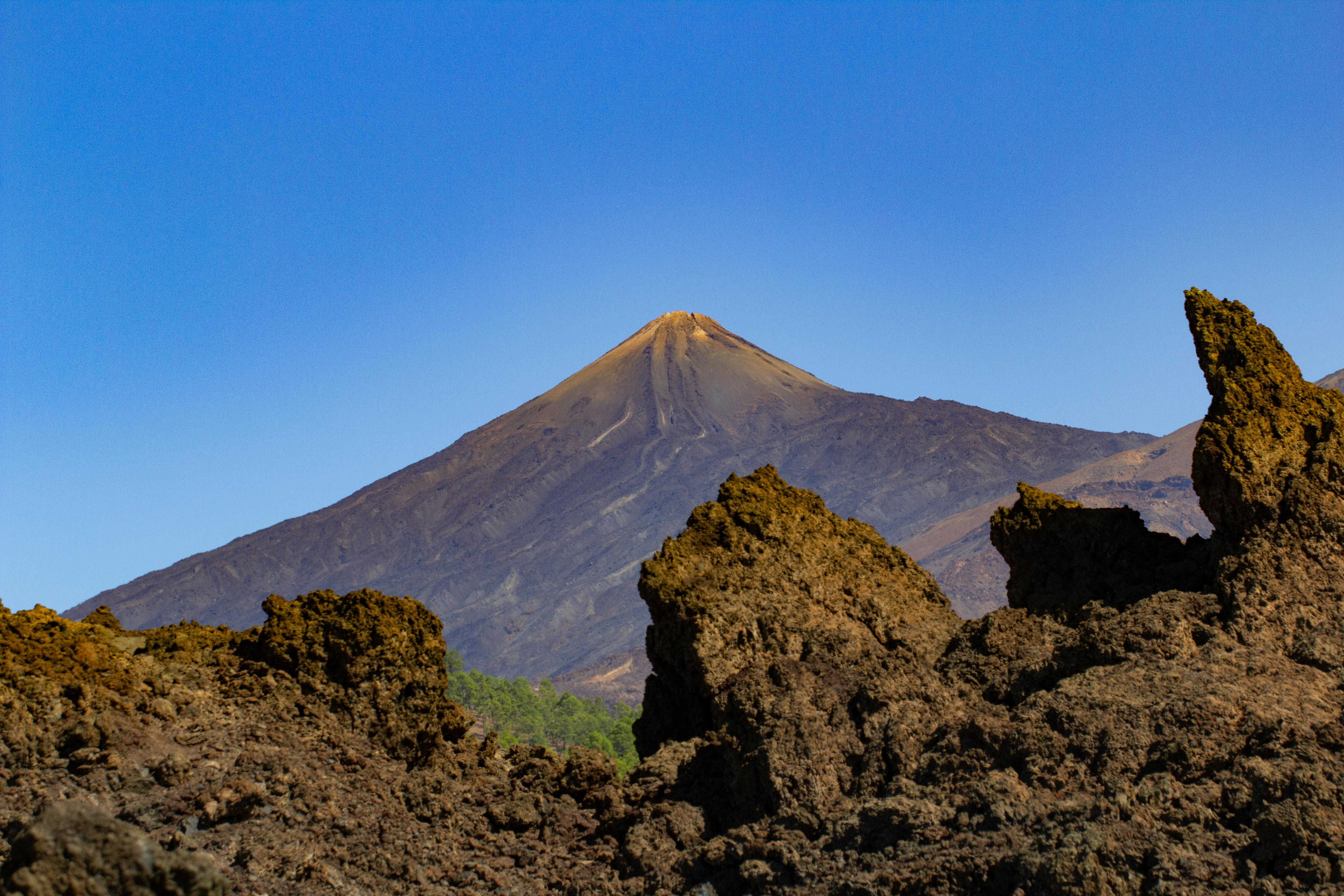
Mount Teide National Park
A UNESCO World Heritage site and the highest peak in Spain, Teide offers surreal volcanic landscapes. It is a must-visit for hikers and anyone wanting to see the stars from the best vantage point in Europe.
Visit Tenerife
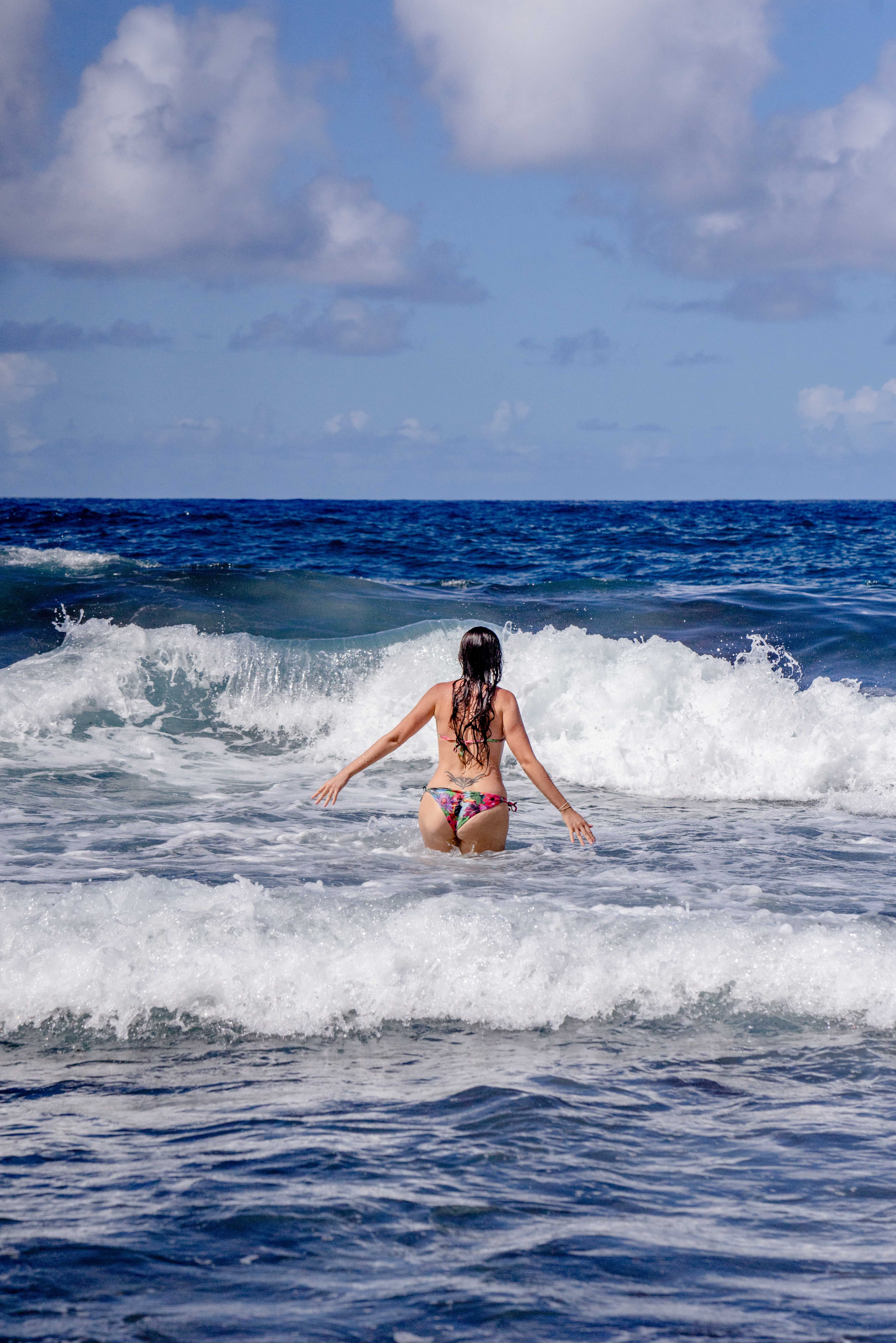
Playa de las Américas
Known as the island's primary hub for surfing and nightlife, this area is consistently buzzing with energy. It is a popular spot for nomads looking to socialize near the coast.
Wikipedia: Wildlife of Canary Islands
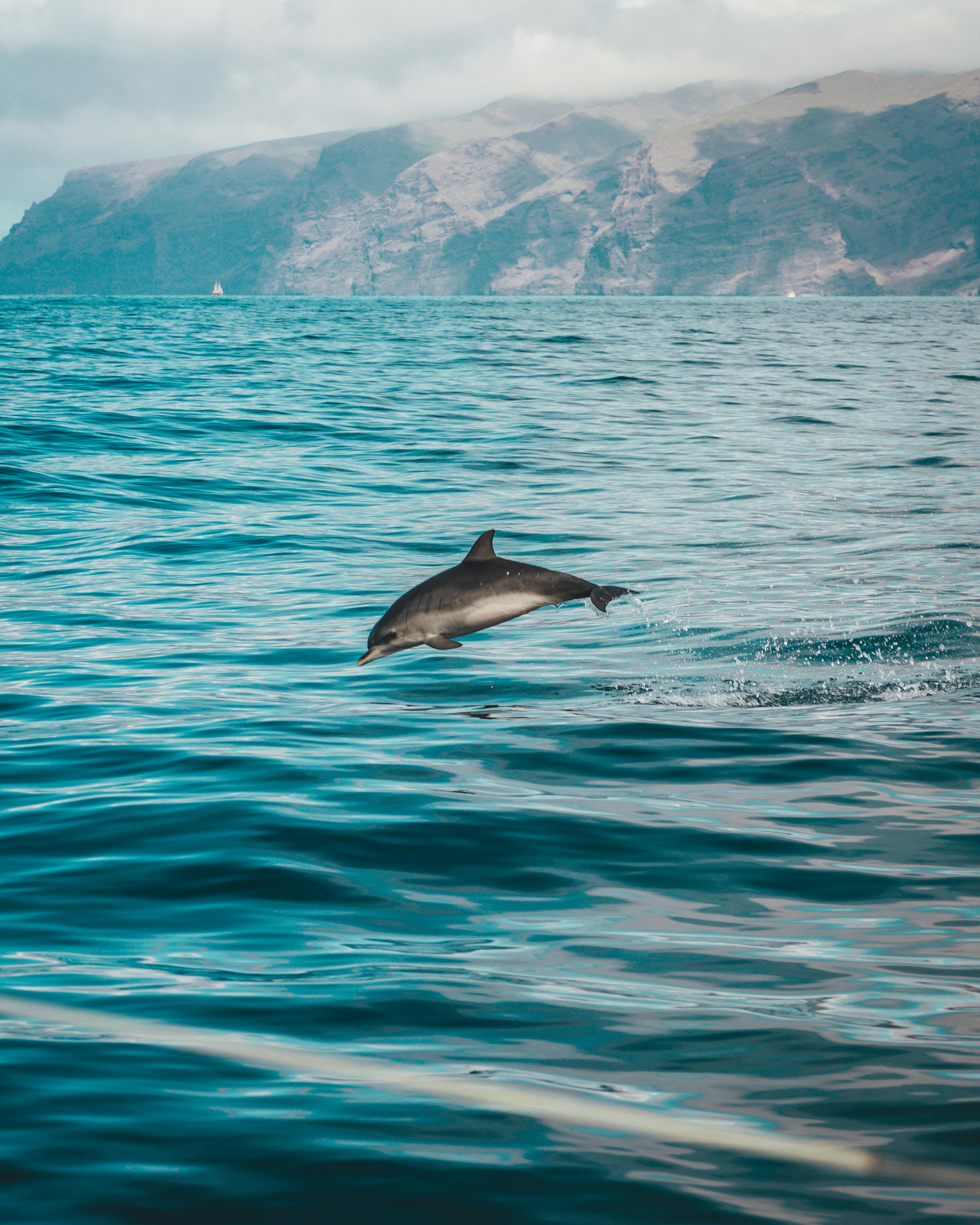
Whale Watching Tour
The waters between Tenerife and La Gomera are home to resident pods of pilot whales and dolphins. Tours are widely available and operate year-round, with peak sightings occurring between January and April.
Wikipedia
La Laguna Historic Town
As a UNESCO World Heritage site, the streets of La Laguna feel like a step back in time with beautiful colonial architecture. It is the cultural heart of the island and home to many local students and remote workers.
Official Tourism
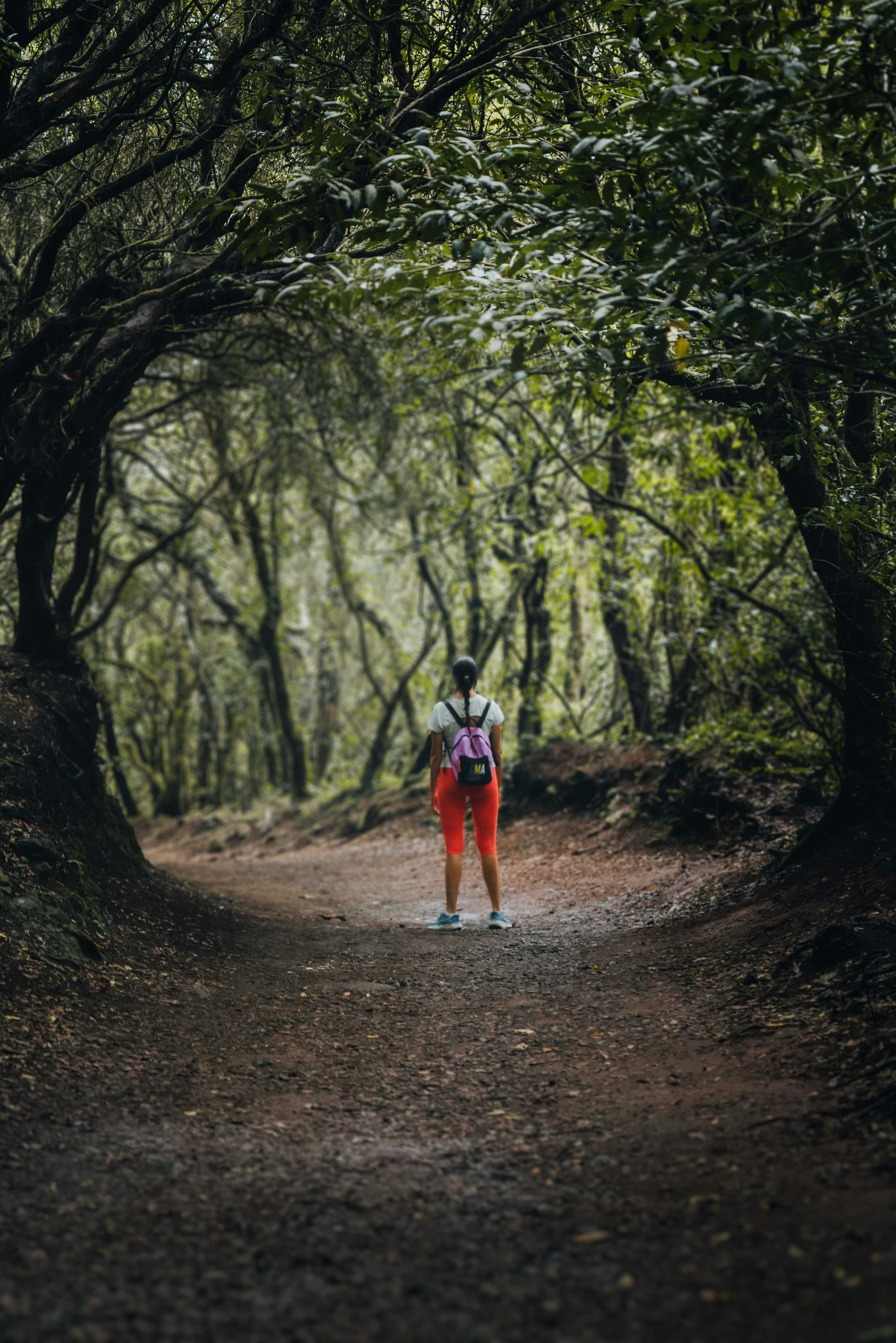
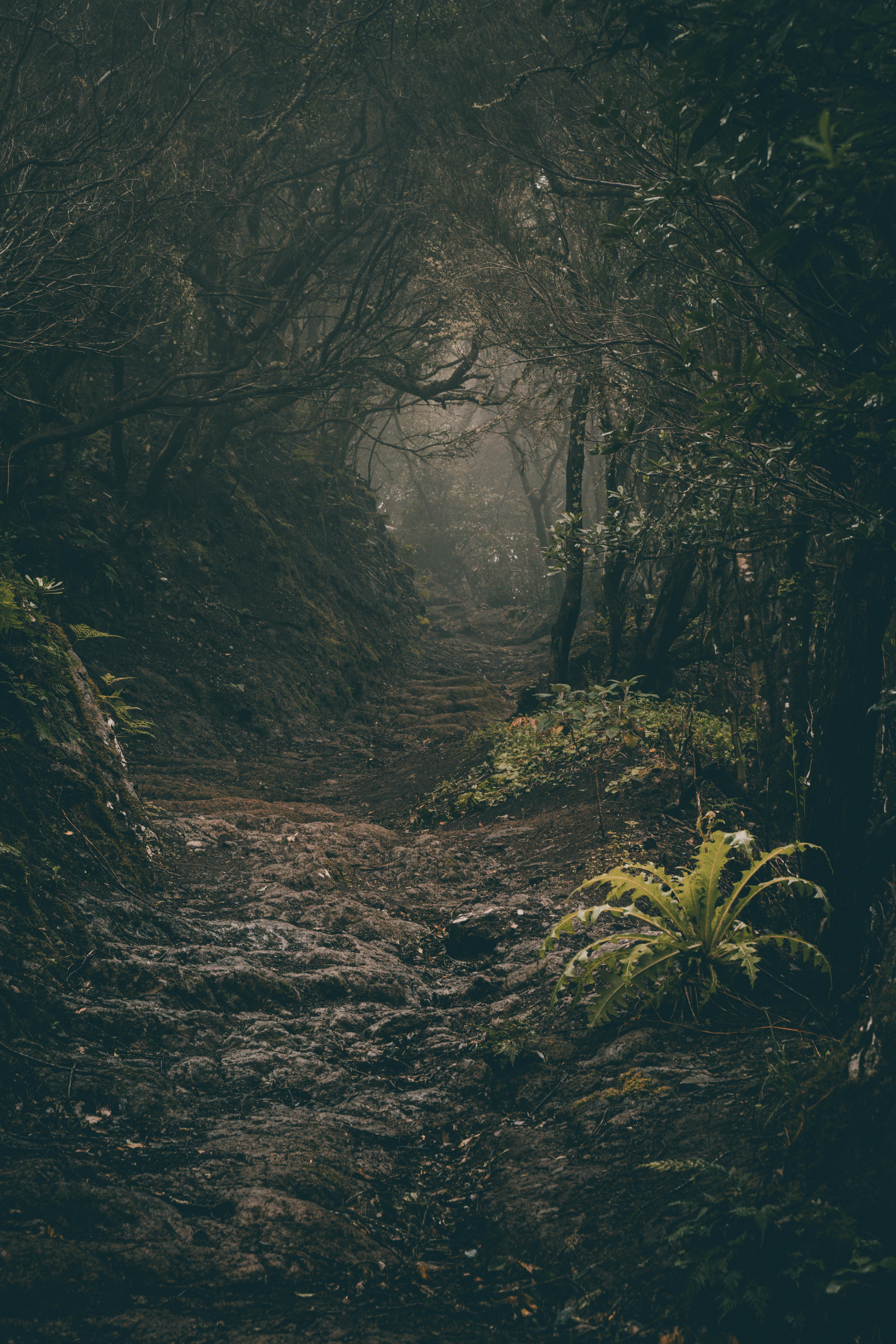
Anaga Rural Park
This protected biosphere reserve features ancient laurel forests and steep cliffs plunging into the sea. It is an ideal destination for those who love deep, remote hiking.

Work & Connectivity
Stay connected wherever you work
The nomad community here is real — cafés and coworking spaces where you can work and meet others.
The Crowdworking
A popular spot for freelancers to meet and exchange ideas in a productive environment.
Co-Work Latitud
Located conveniently for those staying in the northern parts of the island, offering a great professional atmosphere.
Nexternal Coworking Space
Modern facilities with high-speed internet and ergonomic workstations for remote professionals.
Budget & Costs
What it costs to live in Tenerife
Choose your lifestyle tier. Comfortable = furnished accommodation, local + occasional Western food, transport, leisure.
$1314
per month · USD · comfortable lifestyle
ModerateFurnished studio, local restaurants, transport, and weekend trips.
Exchange rates
Check xe.com or your bank for current USD to local currency.
Check xe.com or your bank for current USD to local currency.
🏠 Rent 45%$591/mo
🍽️ Food 25%$329/mo
🚌 Transport 5%$66/mo
💡 Utilities 7%$92/mo
🎭 Leisure 12%$158/mo
🏥 Health 6%$79/mo
Connectivity
Well connected to the world
Internet and transport options for remote workers.
📶
Internet
Good — fibre common
Check local providers.
🏢
Coworking
From ~$80/mo
Dedicated spaces available.
🚌
Local Transit
4 / 10
TITSA buses island-wide; rent a car for volcano & remote beaches
TFS
Tenerife South Airport
20 km from centre
alicanteamsterdambarcelonaberlinbolognabordeauxbristolcologne
Safety & Visa
Safe, welcoming, and easy to enter
Safety Score8 / 10
✓ Night Safe📞 112
Visa
Check your entry options
Many nationalities get visa-free or visa-on-arrival. Check official government sources for your citizenship before travel.
Culture & Festivals
Local soul, nomad-friendly
Multiculturalism5/10
Foodie Scene6/10
🌋 Teide🌤️ Warm Climate🍷 Cafe Culture🏄 Surf🏛️ Historic💎 Premium📶 Fast WiFi🔄 Four Seasons🔥 Top Nomad Pick🚆 Great Transit
Feb
Carnival of Santa Cruz
The island's biggest event, featuring elaborate parades and costumes, second only to Rio de Janeiro.
Mar
Tenerife Nomad Meetup
A recurring community event organized for remote workers to network and share insights.
Tenerife is uniquely positioned as a gateway between Europe and Africa, offering a blend of both worlds. The island’s commitment to sustainable tourism and its growing nomad scene make it an increasingly popular base for those seeking a long-term home in a sun-drenched environment.
Food & Nightlife
A feast for every mood
From street food to cafés and nightlife — every meal is an event.
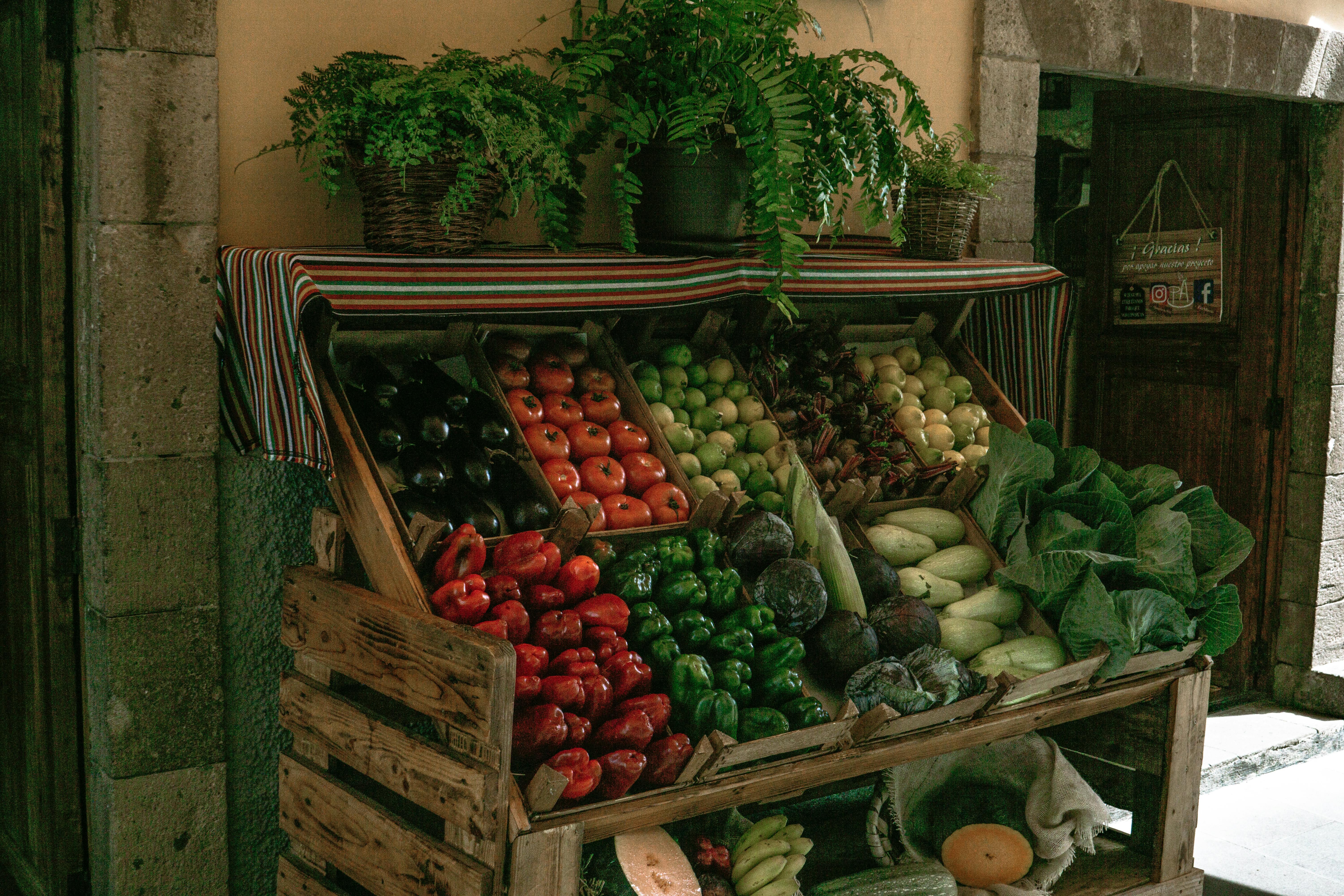
Street Food
Local Markets
Visit the local markets to sample fresh tropical fruits, Canarian cheeses, and freshly caught seafood. It is the most budget-friendly way to eat.
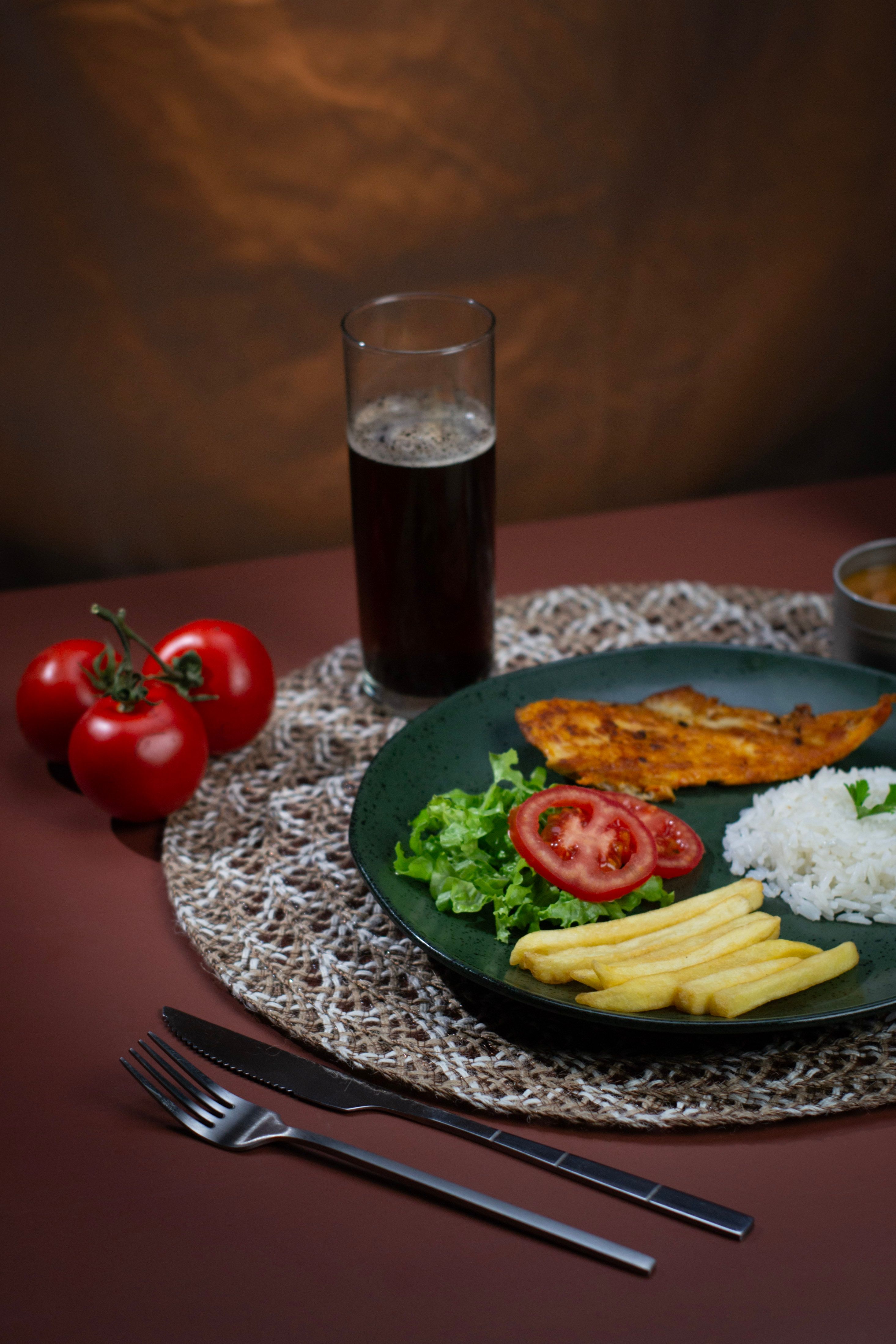
Dining
Guachinches
These are traditional, family-run eateries that serve simple, homemade Canarian food paired with local wine. It is an essential cultural experience.

Cafe Culture
La Laguna Coffee Scene
The narrow streets of the old town are packed with charming cafes perfect for an afternoon of working and people-watching.
Climate
Best months: Feb, Mar, Apr, May, Jun, Aug, Sep, Oct, Nov, Dec
Avg humidity68%
Avg AQI35
Tenerife is a year-round destination, but the best months for outdoor activities are February through June and August through December. The island's subtropical weather means you rarely face extreme conditions, though the northern regions can be cooler and more humid than the southern resorts.
February is a standout month due to the world-famous Carnival of Santa Cruz, which draws massive crowds. If you prefer avoiding the peak tourist rush, consider visiting during the shoulder months of May or October, when the weather remains warm and stable but the main attractions are less crowded.
Monthly temperatures °C
BestAvoidShoulder
Practical Info
Everything you need to know
🏥
Healthcare
Tenerife has high-quality public and private healthcare facilities. As part of Spain, residents and visitors with a European Health Insurance Card can access care easily.
💱
Money
The Euro is the official currency. Credit cards are widely accepted, but keep cash on hand for smaller cafes or shops in rural villages.
🌐
Language & Etiquette
Spanish is the official language. While English is spoken in tourist hubs, learning basic Spanish phrases will go a long way in making connections with locals.
Tips
Quick tips
- Rent a car to reach hidden beaches in the Anaga region.
- Use the Titsa bus app to track arrivals in real-time.
- Visit the Guachinches for authentic, budget-friendly meals.
- Stay in the north if you prefer lush greenery and cooler nights.
- Stay in the south if you are chasing constant sunshine and beach life.
- Join local nomad Facebook groups to stay updated on meetups.
- Tap water is generally safe, but many prefer bottled water for taste.
- Always carry a light jacket, as temperatures drop significantly when climbing the volcano.
Further Reading