
Santiago de los Caballeros · Dominican Republic
Overview
Santiago isn't just a place to work; it's a place to live the real Dominican rhythm, far from the polished edges of a resort.
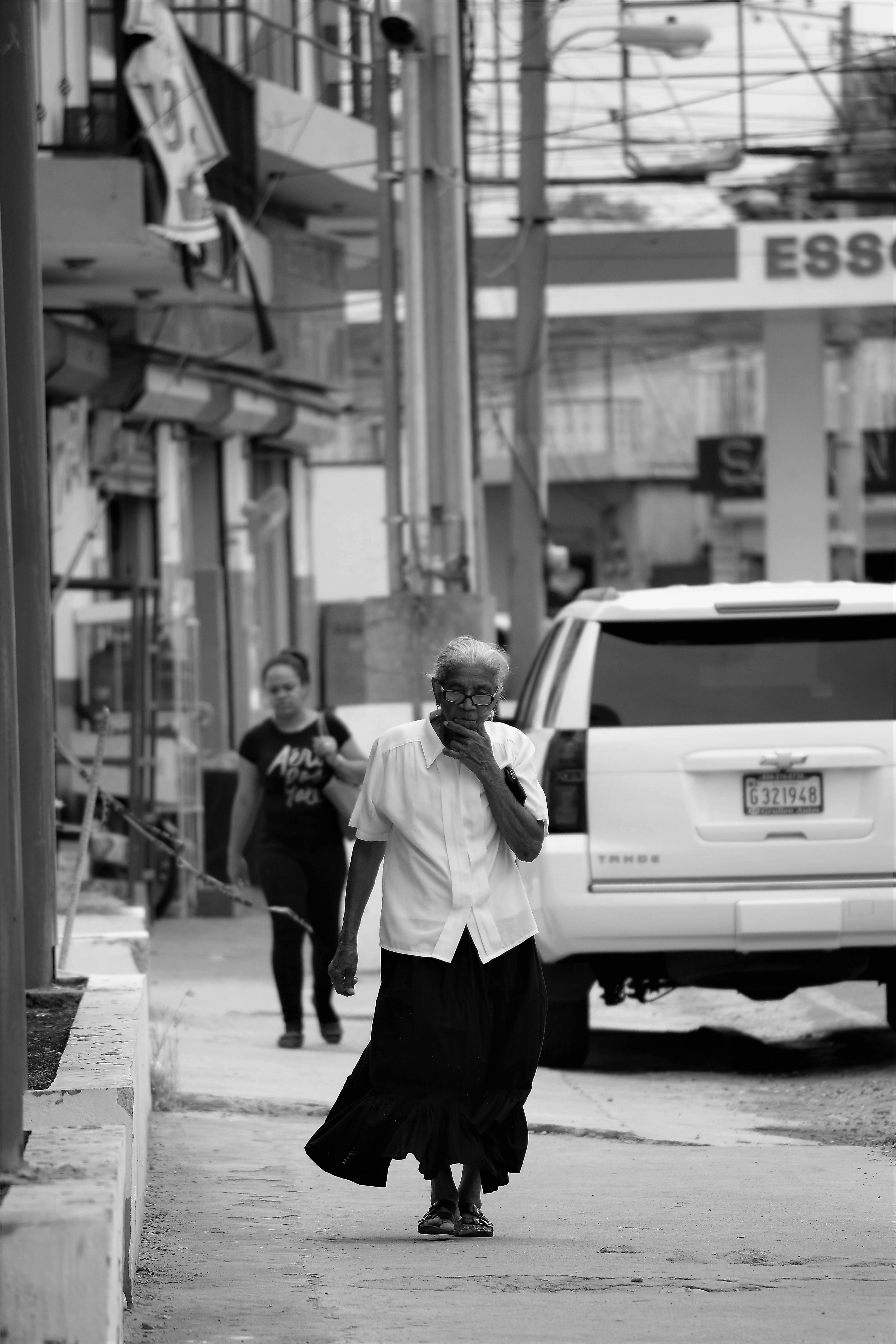
Santiago serves as the heart of the Cibao Valley and is widely considered the country’s cultural and industrial engine. Unlike the tourist-heavy coastal resorts, Santiago offers an unfiltered look at Dominican urban life, characterized by its bustling streets, strong coffee culture, and warm, welcoming locals known as 'Santiagueros'. Remote workers find the city appealing for its balance of affordability and authentic cultural immersion, away from the typical beach resort crowds.
The city provides a more stable and professional environment compared to the capital, Santo Domingo, making it a hidden gem for long-term stays. With a monthly cost of living around $1300, it is a highly accessible destination for freelancers and entrepreneurs. Whether you are navigating the lively downtown markets or finding a quiet cafe to work, the city rewards those who seek to understand its deep-rooted traditions and industrial spirit.
History
Founded in 1495 by Christopher Columbus, Santiago de los Caballeros—or simply 'Santiago'—is one of t…
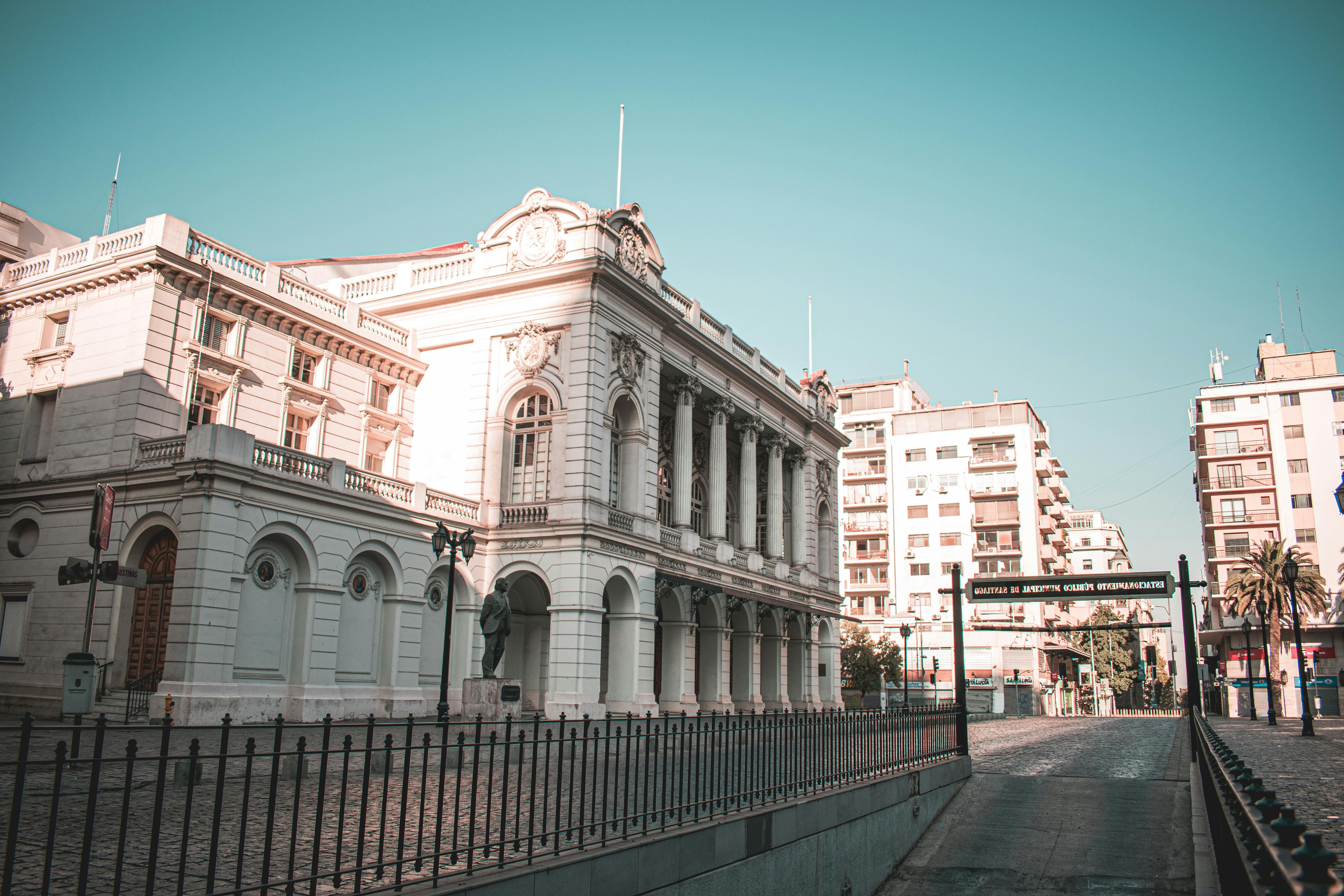
Founded in 1495 by Christopher Columbus, Santiago de los Caballeros—or simply 'Santiago'—is one of the oldest cities in the Americas. It was originally established as La Vega, but following an earthquake in 1562, it was relocated to its current site along the banks of the Yaque del Norte River. The city earned its name, 'City of the Gentlemen,' in honor of the thirty noblemen who accompanied Columbus during the initial settlement of the island.
Throughout the 19th and 20th centuries, Santiago became the intellectual and economic hub of the Dominican Republic. It played a pivotal role in the country's struggles for independence and sovereignty, particularly during the Restoration War against Spain. Today, the city reflects this rich heritage through its well-preserved architecture, grand monuments, and the pride of its residents in maintaining their unique regional identity.
1495
FoundationChristopher Columbus founded the settlement as part of his early exploration of Hispaniola.
1562
RelocationAfter a massive earthquake destroyed the original city, it was rebuilt at its current location on the banks of the Yaque del Norte.
1863
Restoration WarSantiago was the site of significant conflicts during the war to restore Dominican independence from Spain.
1944
Monument InaugurationThe Monument to the Heroes of the Restoration was built, becoming the city's most iconic landmark.
Where to Stay
Choose your base camp
Distinct neighbourhoods, different rhythms. Pick the one that fits your work-life balance.
Expat Favourite
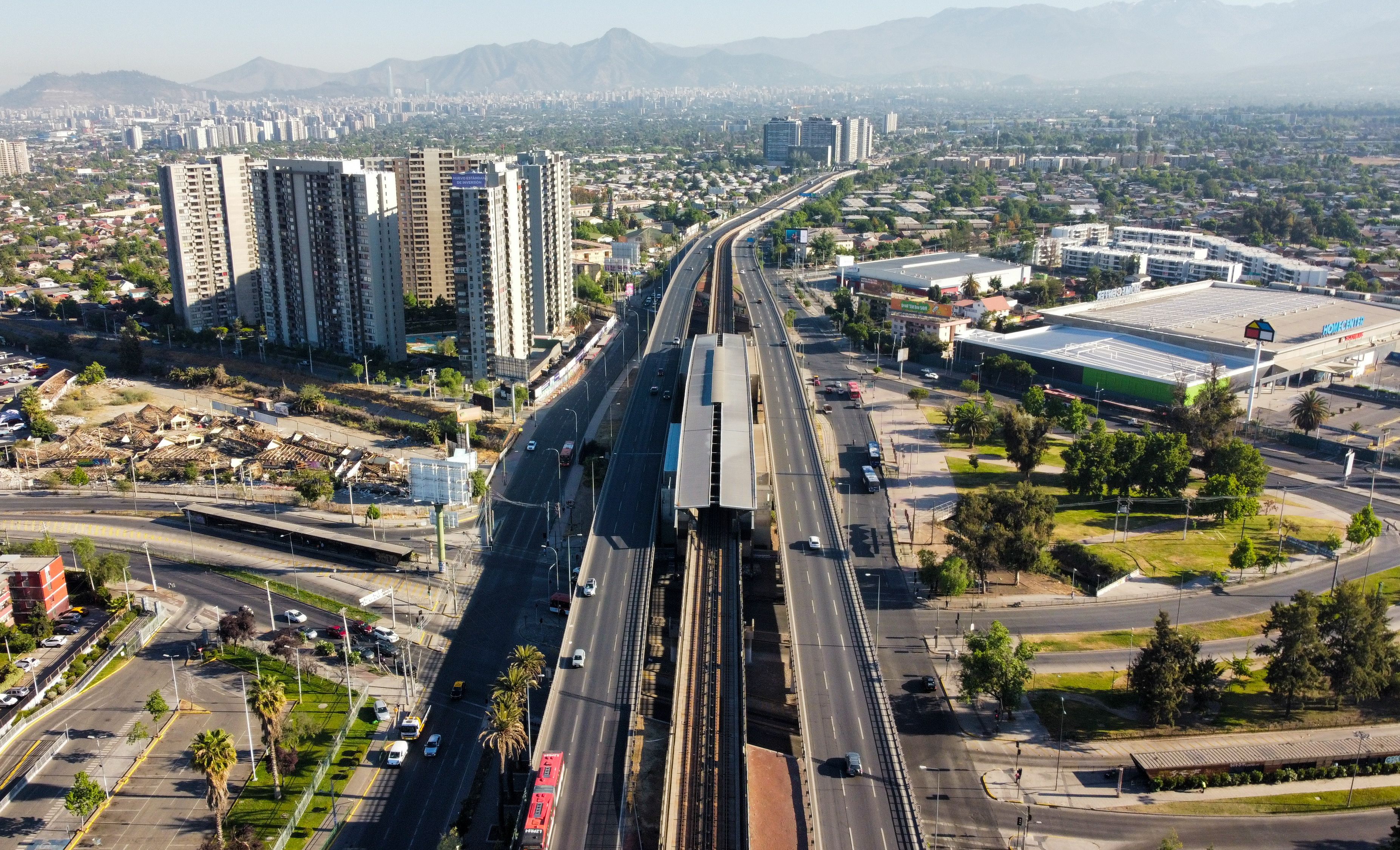
Los Jardines
A well-developed, safer neighborhood known for being popular with expats and remote workers. It offers a variety of modern apartments and proximity to many cafes.
Upscale Living
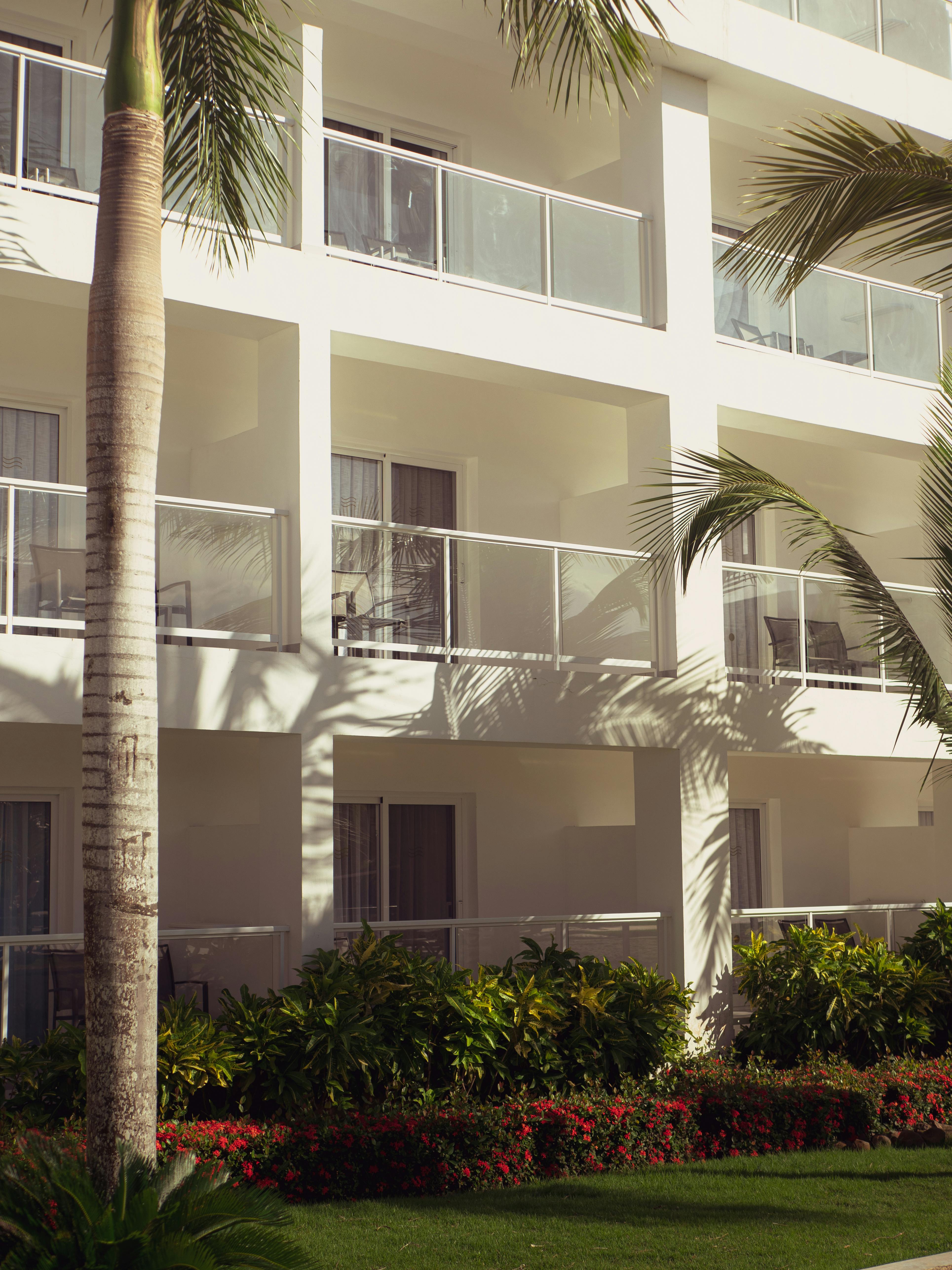
La Trinitaria
An affluent area featuring high-end gated communities and luxury housing options. It is perfect for those seeking quiet and security during their stay.

Central Hub
Centro Ciudad
The heart of the city where the action happens. Ideal for those who want to be steps away from local markets, plazas, and the main historic sites.
Places to Go
The experiences that will make you never leave
These aren't tourist checkboxes — they're the experiences that reset your sense of what's normal.
Top Pick
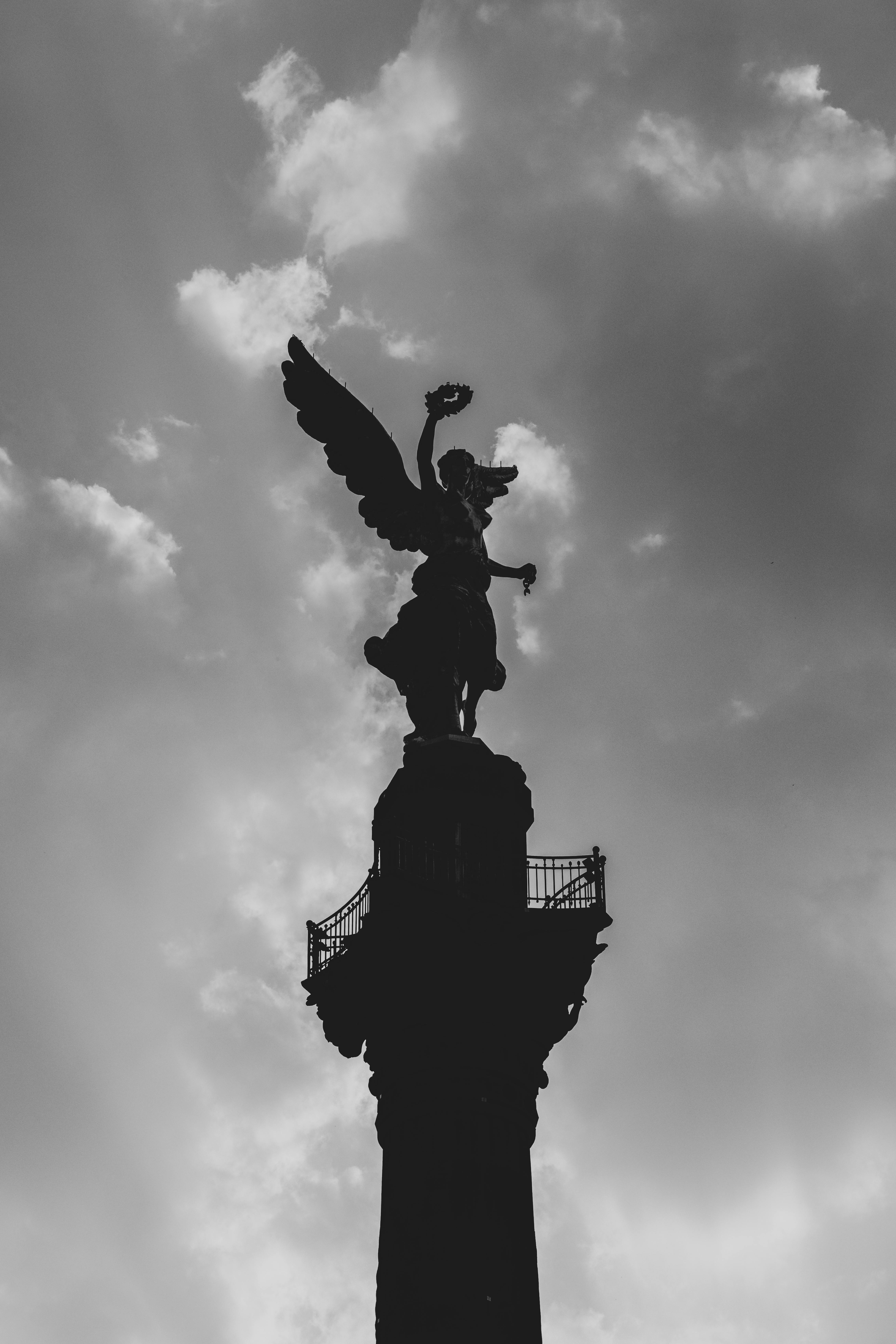
Monumento a los Héroes de la Restauración
This massive, white marble monument stands on a hill overlooking the city and is the most recognizable site in Santiago. It honors the soldiers who fought for independence during the Dominican Restoration War. Visitors can climb to the top for a panoramic view of the entire valley.
Official Website
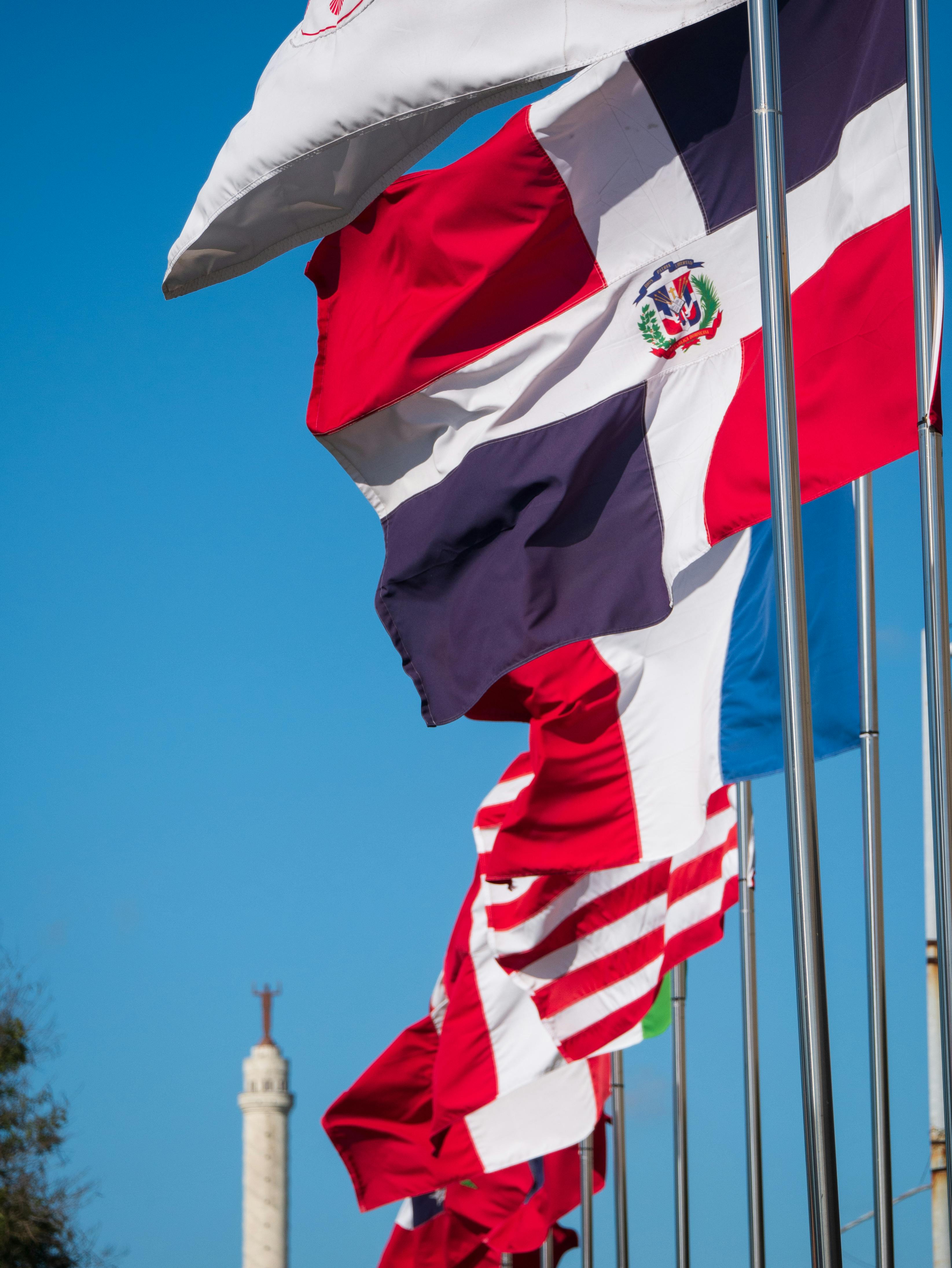
Centro Leon
This world-class cultural center features rotating exhibitions on Dominican art, history, and the ecology of the island. It is widely considered one of the best museums in the country and is a must-visit for understanding the local culture. The gardens are particularly peaceful for a quiet afternoon stroll.
Work & Connectivity
Stay connected wherever you work
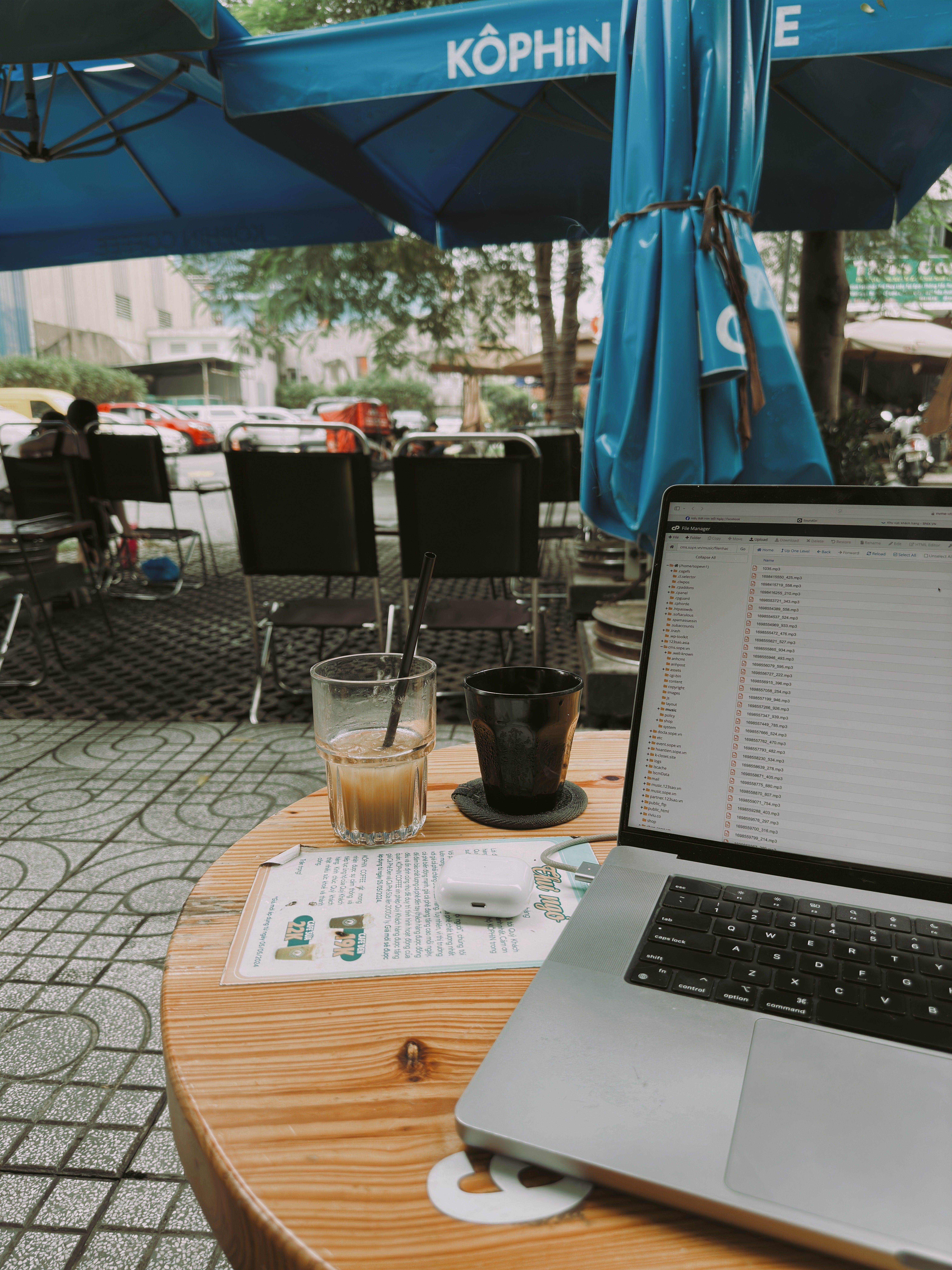
The nomad community here is real — cafés and coworking spaces where you can work and meet others.
Innovacion y Emprendimiento
A professional space designed for entrepreneurs, offering stable internet and a collaborative environment. Highly recommended for those on tight deadlines.
Coworking Cibao
A popular hub for the local tech community, providing dedicated desks and meeting rooms with high-speed connectivity.
Budget & Costs
What it costs to live in Santiago de los Caballeros
Choose your lifestyle tier. Comfortable = furnished accommodation, local + occasional Western food, transport, leisure.
$949
per month · USD · comfortable lifestyle
ModerateFurnished studio, local restaurants, transport, and weekend trips.
Exchange rates
Check xe.com or your bank for current USD to local currency.
Check xe.com or your bank for current USD to local currency.
🏠 Rent 38%$365/mo
🍽️ Food 27%$256/mo
🚌 Transport 8%$73/mo
💡 Utilities 10%$91/mo
🎭 Leisure 10%$91/mo
🏥 Health 8%$73/mo
Connectivity
Well connected to the world
Internet and transport options for remote workers.
📶
Internet
Good — fibre common
Check local providers.
🏢
Coworking
From ~$80/mo
Dedicated spaces available.
🚌
Local Transit
5 / 10
Scooter and taxi common.
20 km from centre
Safety & Visa
Safe, welcoming, and easy to enter
Safety Score6 / 10
✗ Tap Water✓ Night Safe📞 112 or local emergency number
Visa
Check your entry options
Many nationalities get visa-free or visa-on-arrival. Check official government sources for your citizenship before travel.
Culture & Festivals
Local soul, nomad-friendly
Multiculturalism5/10
Foodie Scene5/10
Remote work
Feb
Carnaval de Santiago
The most vibrant time of year, featuring elaborate costumes, masked characters, and intense community street celebrations.
Jul
Fiestas Patronales
Traditional religious and cultural celebrations dedicated to the city's patron saint, filled with music, food, and dance.
For a change of pace, the lush mountains of Jarabacoa are only a short drive away and provide a perfect weekend escape for hiking or nature photography.
Food & Nightlife
A feast for every mood
From street food to cafés and nightlife — every meal is an event.
Street Food
Local Eateries
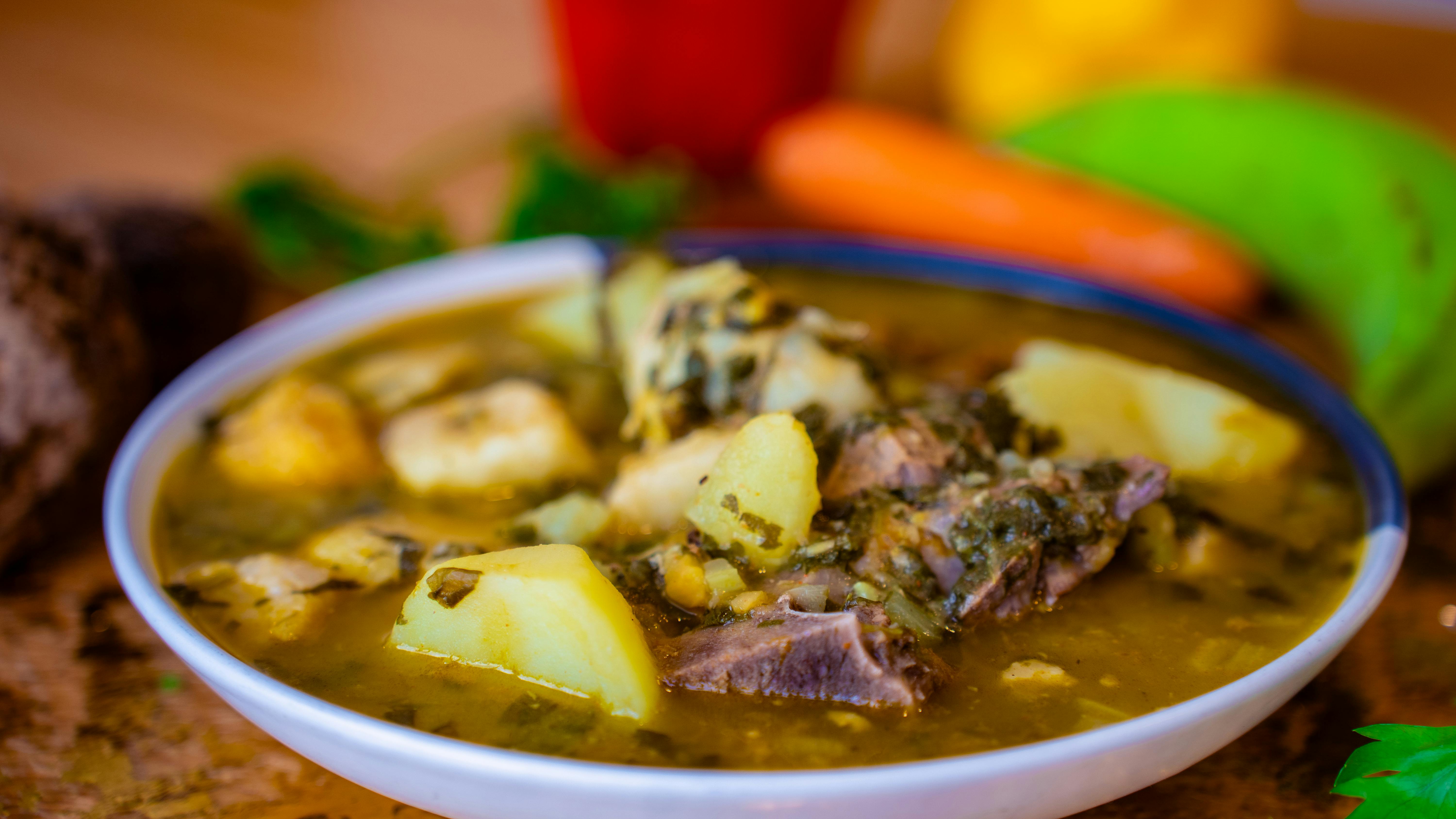
Be sure to try 'moro' (rice and beans) and 'sancocho' (hearty meat and vegetable stew) from street vendors for an authentic and affordable experience.

Café Culture
Santiago Coffee Houses
Santiago has a burgeoning coffee scene with many small roasteries offering high-quality Dominican beans. Perfect for a morning work session.
Climate
Best months: Jan, Feb, Mar, Apr, May, Jun, Jul, Aug, Sep, Oct, Nov, Dec
Avg humidity75%
Avg AQI50
Santiago de los Caballeros enjoys a tropical climate that makes it a year-round destination, though most digital nomads prefer the slightly cooler months from January to April. During this time, humidity is manageable, and outdoor events are more frequent. The later months can experience more rainfall, but the city remains vibrant and accessible throughout the entire calendar.
While there are no specific 'avoid' months, travelers should monitor the weather during the hurricane season from June to November. Regardless of when you arrive, you will find a consistent community and plenty of cultural activity to keep you engaged throughout your stay.
Monthly temperatures °C
BestAvoidShoulder
Practical Info
Everything you need to know
🏥
Healthcare
Medical facilities are accessible, with several private clinics providing professional services. Ensure you have comprehensive travel insurance that covers international medical care.
💱
Money
The local currency is the Dominican Peso (DOP). While credit cards are accepted in major venues, carry cash for smaller local businesses and public transport.
🌐
Language & Etiquette
Spanish is the primary language. Learning basic phrases will significantly improve your interactions, as English is not widely spoken outside of hospitality sectors.
Tips
Quick tips
- Always carry a portable power bank for those long work sessions.
- Stick to bottled water to avoid digestive issues.
- Learn basic Spanish phrases to navigate local markets.
- Download offline maps to help with navigation.
- Use ride-sharing or local radio taxis rather than street-hailed ones at night.
- Respect local dress codes when visiting religious sites.
- Carry a mix of small bills for tipping and small purchases.
Further Reading