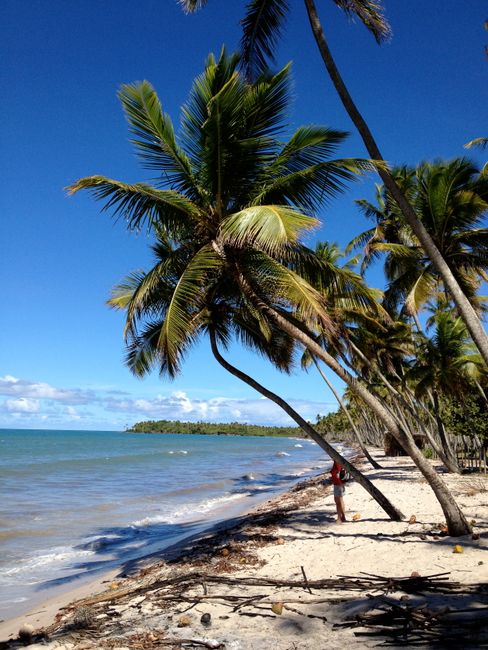

Samaná · Dominican Republic
Overview
Samaná isn't just a place to work; it's a place to recalibrate your relationship with nature while staying connected to the world.
The Samaná Peninsula is distinct from the more commercialized tourist hubs of the Dominican Republic, offering a vibe defined by wild landscapes, coconut palms, and rugged coastline. For nomads who prioritize nature over big-city hustle, the region provides a unique setting where work can be balanced with afternoon dips in the Caribbean Sea. While the infrastructure is developing, the Cost of living in Samaná remains an attractive proposition for those living on a mid-range budget.
Connectivity can be a challenge here, so most nomads rely on high-speed mobile data hotspots as their primary source of internet. If you enjoy a laid-back lifestyle where your morning commute involves a motorbike ride along the coast followed by a coffee in a vibrant beach town, this destination is hard to beat. Always stay mindful of the tropical Climate when planning your stay to maximize your time outdoors.
History
The history of the Samaná Peninsula is marked by its isolation and unique cultural composition, incl…
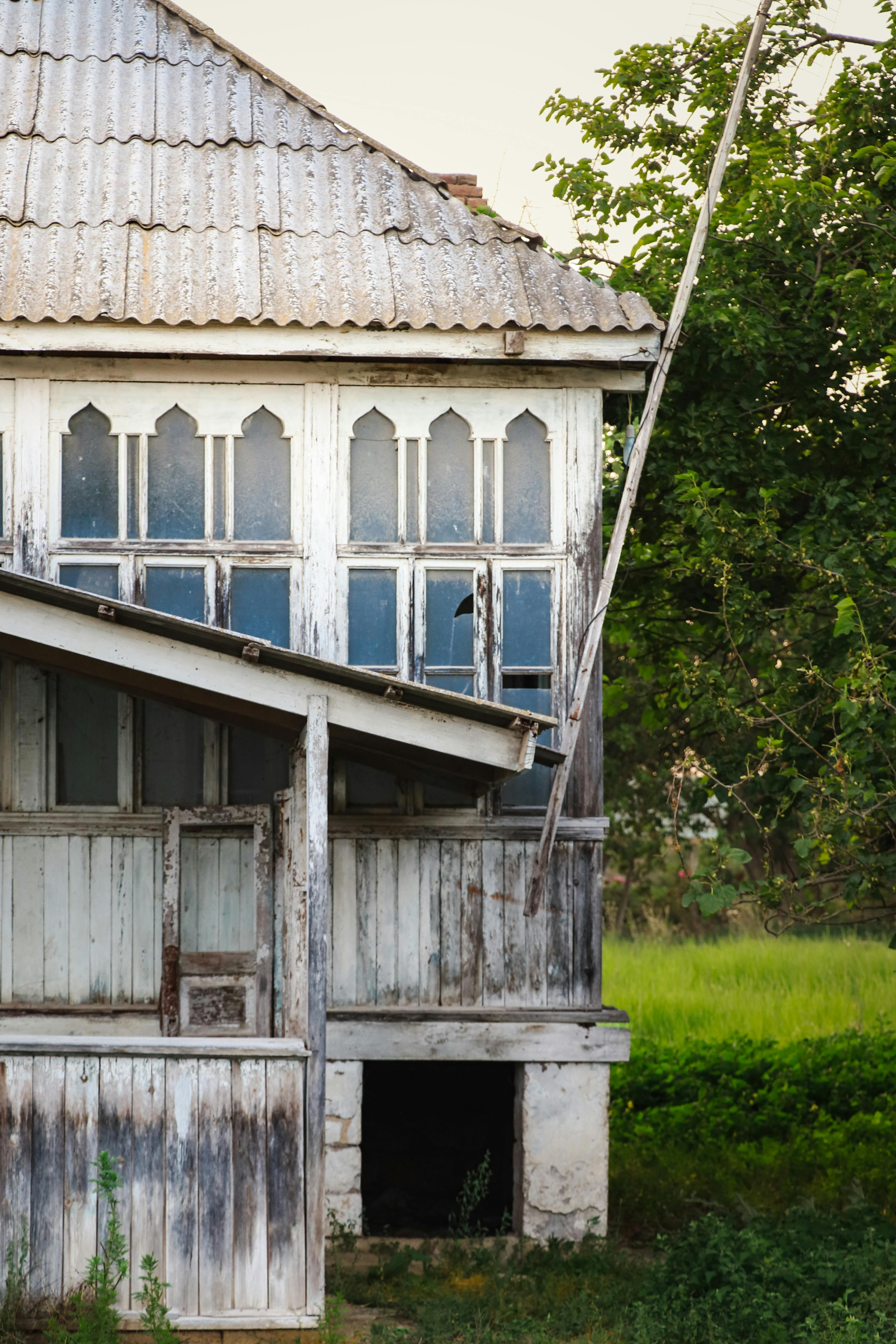
The history of the Samaná Peninsula is marked by its isolation and unique cultural composition, including the descendants of African American freedmen who settled here in the 19th century. This has given the region a distinct linguistic and cultural flavor that differentiates it from the rest of the country. Historically, the area was largely agricultural and difficult to access, which allowed it to preserve its pristine natural landscapes.
In more recent decades, Samaná has slowly opened up to tourism, transitioning from a quiet fishing and farming enclave to a sought-after destination for eco-conscious travelers and digital nomads. Despite this growth, it maintains a strong connection to its roots, keeping its wild, untamed spirit alive.
1492
Columbus ArrivalChristopher Columbus landed in Samaná Bay, where he encountered the local indigenous Taíno people.
1824
Arrival of FreedmenA group of African American freedmen arrived from the United States, bringing their culture and language to the peninsula.
1990s
Tourism DevelopmentThe construction of the airport and road improvements began to open the peninsula to international visitors.
2008
Highway ConnectionThe completion of the Juan Pablo II Highway drastically reduced travel time from Santo Domingo, boosting the local economy.
Where to Stay
Choose your base camp
Distinct neighbourhoods, different rhythms. Pick the one that fits your work-life balance.
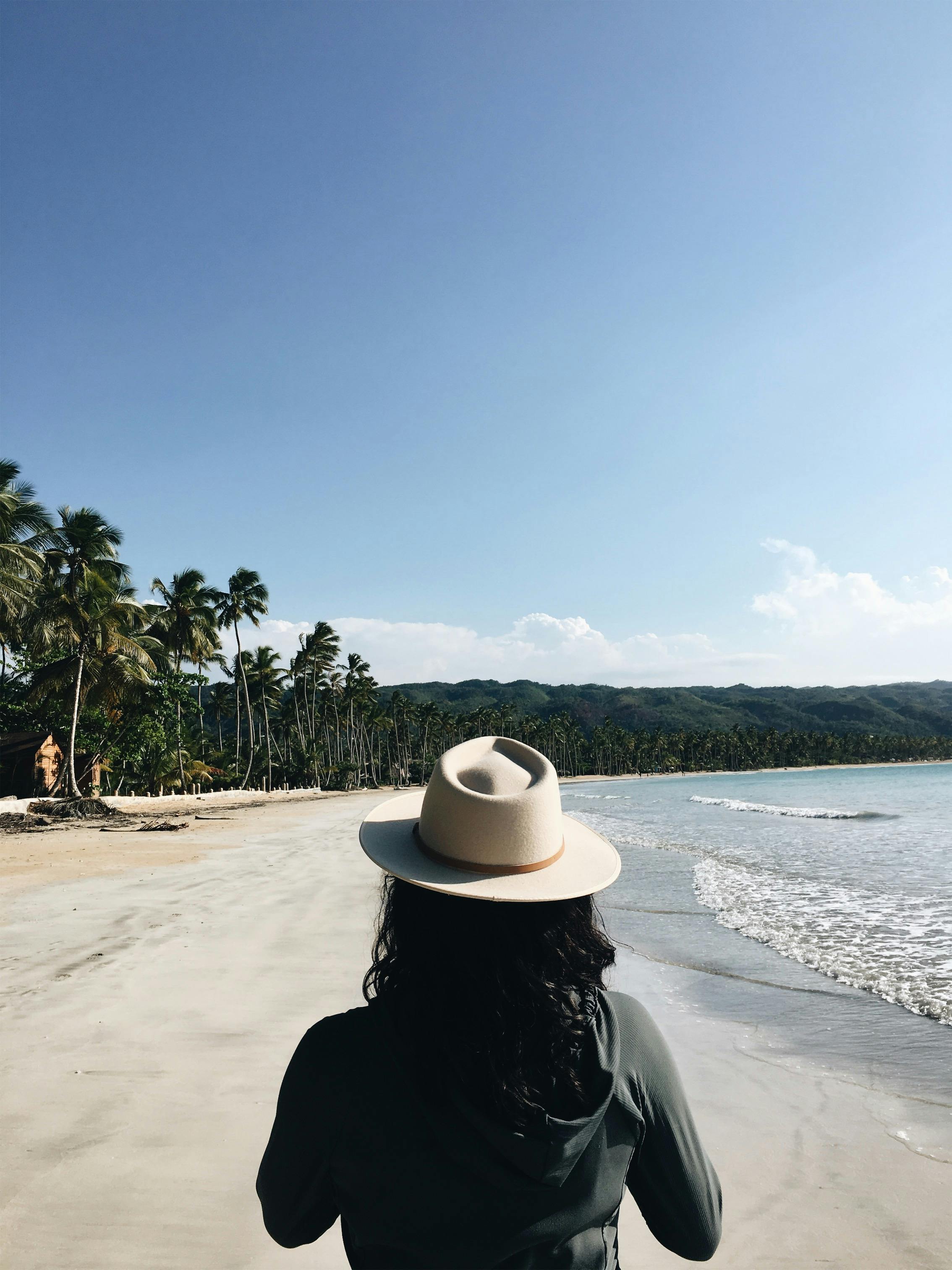
Nomad Hub
Las Terrenas
The most popular area for expats and digital nomads, offering a mix of beach bars, cafes, and reliable amenities. It is a vibrant, walk-friendly town with a cosmopolitan feel.

Local Vibe
Santa Bárbara de Samaná
The main town of the region, perfect for those wanting a more authentic experience. Housing here is more affordable and caters to those living like a local.
Slow Living
Las Galeras
Located at the far end of the peninsula, this quiet village is ideal for those looking to disconnect and enjoy pristine, remote beaches.
Places to Go
The experiences that will make you never leave
These aren't tourist checkboxes — they're the experiences that reset your sense of what's normal.
Top Pick
El Limón Waterfall
A stunning 52-meter high waterfall accessible by hiking or horseback riding through the lush jungle. It is a must-see for those who love adventure and natural beauty.
Wikipedia: Los Haitises
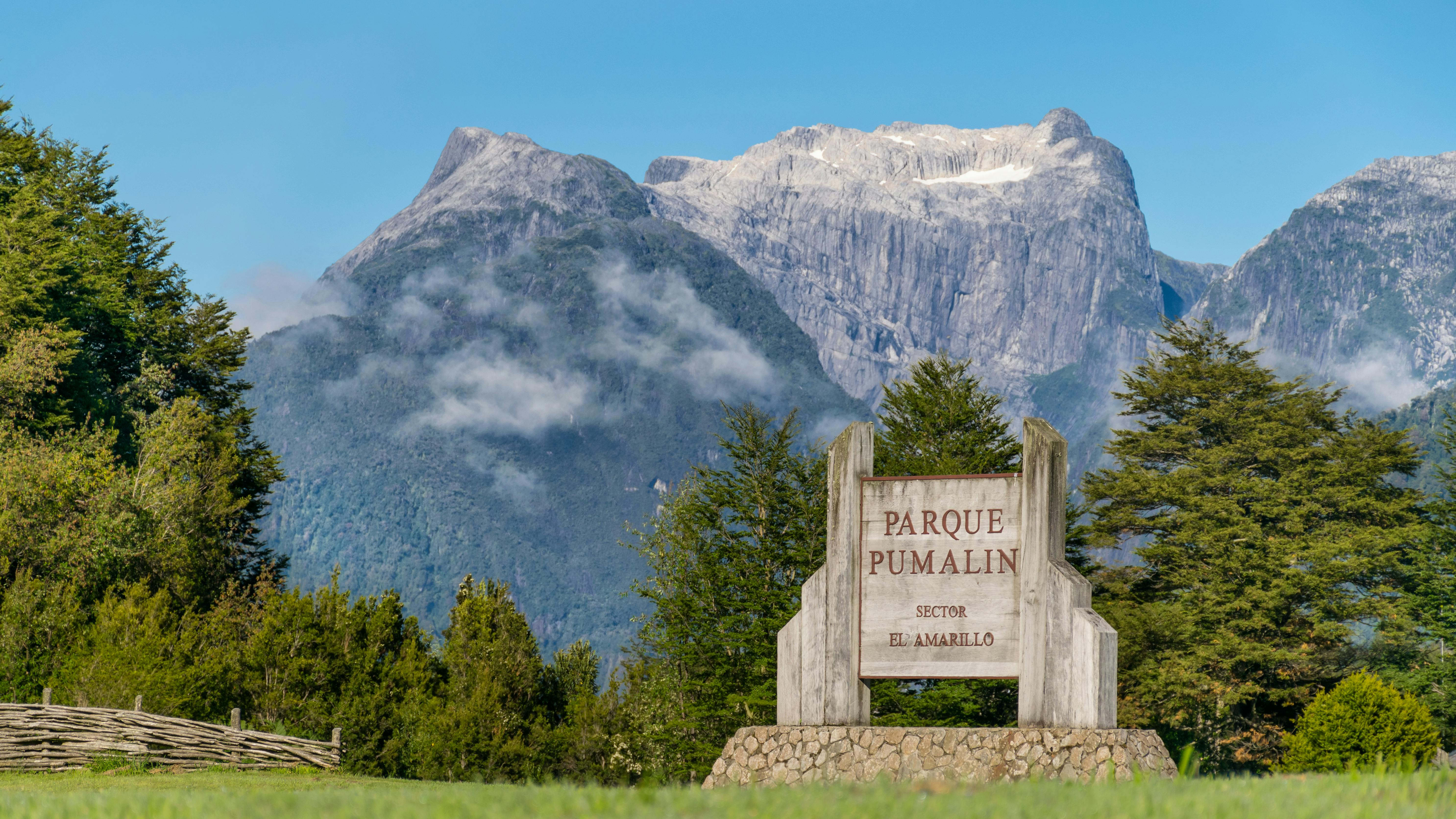
Los Haitises National Park
This protected park features mangrove forests, caves with indigenous petroglyphs, and massive limestone formations rising out of the water. Boat tours are the primary way to explore this breathtaking area.
Work & Connectivity
Stay connected wherever you work
The nomad community here is real — cafés and coworking spaces where you can work and meet others.
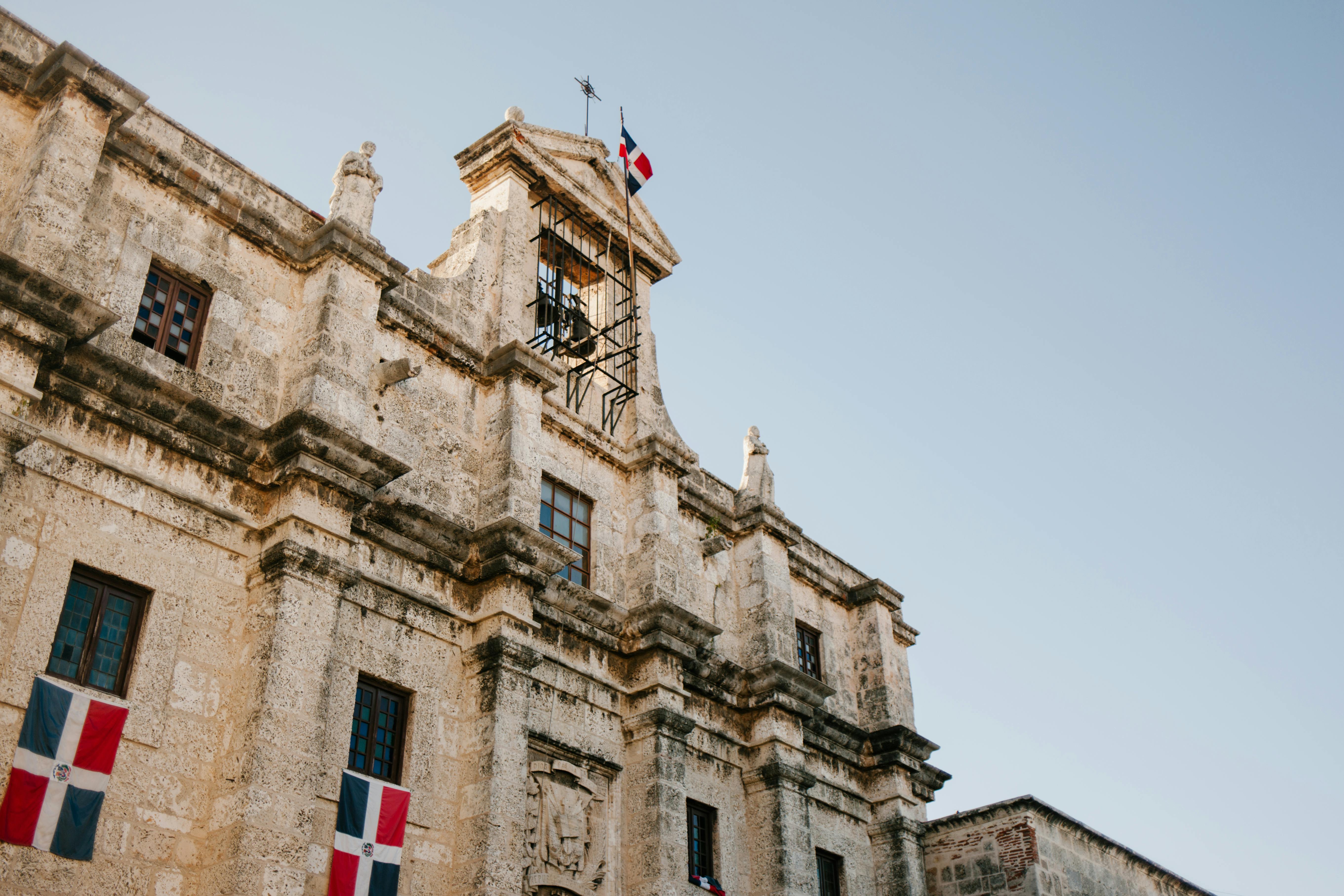
Café Local in Las Terrenas
While there are few formal coworking spaces, several cafes in Las Terrenas provide stable Wi-Fi and comfortable seating for a few hours of work.
Hotel Lobbies
Many upscale hotels in the area offer quiet, air-conditioned spaces that are accommodating to remote workers during the day.
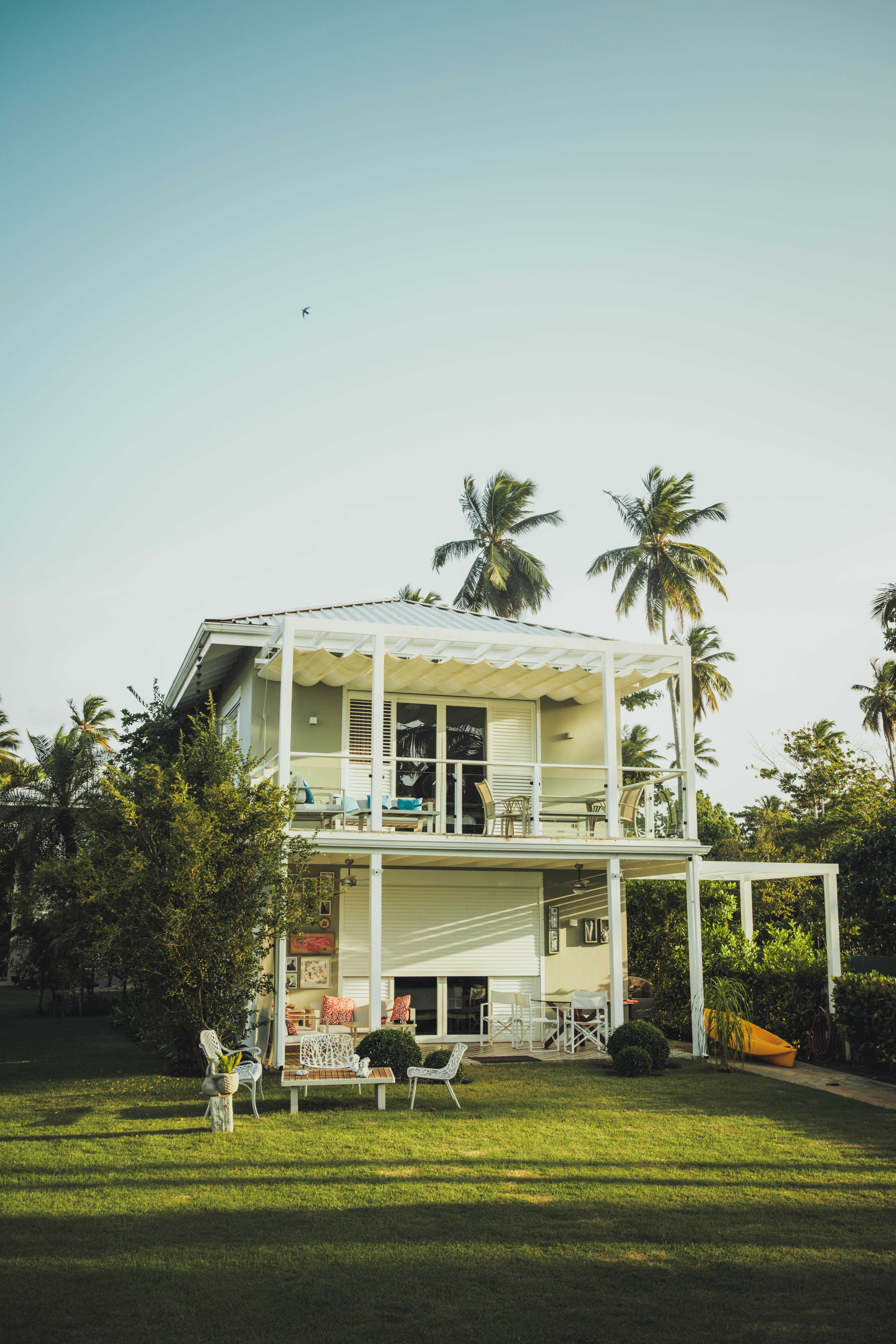
Beachfront Bungalows
The best 'workspace' is often your own balcony or patio overlooking the ocean, provided you have a reliable mobile internet setup.
Budget & Costs
What it costs to live in Samaná
Choose your lifestyle tier. Comfortable = furnished accommodation, local + occasional Western food, transport, leisure.
$1022
per month · USD · comfortable lifestyle
ModerateFurnished studio, local restaurants, transport, and weekend trips.
Exchange rates
Check xe.com or your bank for current USD to local currency.
Check xe.com or your bank for current USD to local currency.
🏠 Rent 43%$438/mo
🍽️ Food 29%$292/mo
🚌 Transport 5%$55/mo
💡 Utilities 5%$55/mo
🎭 Leisure 13%$128/mo
🏥 Health 5%$55/mo
Connectivity
Well connected to the world
Internet and transport options for remote workers.
📶
Internet
Good — fibre common
Check local providers.
🏢
Coworking
From ~$80/mo
Dedicated spaces available.
🚌
Local Transit
5 / 10
Scooter and taxi common.
20 km from centre
Safety & Visa
Safe, welcoming, and easy to enter
Safety Score6 / 10
✗ Tap Water✓ Night Safe📞 112 or local emergency number
Visa
Check your entry options
Many nationalities get visa-free or visa-on-arrival. Check official government sources for your citizenship before travel.
Culture & Festivals
Local soul, nomad-friendly
Multiculturalism5/10
Foodie Scene5/10
Remote work
Jan
Whale Watching Season
Thousands of humpback whales migrate to Samaná Bay, creating a unique natural festival-like atmosphere.
Feb
Dominican Independence Day
Celebrated with parades, music, and festivities across the country, showing off local pride and traditions.
The Samaná Peninsula is ideal for those who prefer the outdoors. From surfing in Playa Cosón to hiking the hidden trails near El Limón, you will never run out of weekend activities to recharge your creative batteries.
Food & Nightlife
A feast for every mood
From street food to cafés and nightlife — every meal is an event.

Street Food
Local Comedores
Small, family-run eateries where you can find hearty plates of rice, beans, and fresh meat for a very low price. It is the best way to eat like a local on a budget.
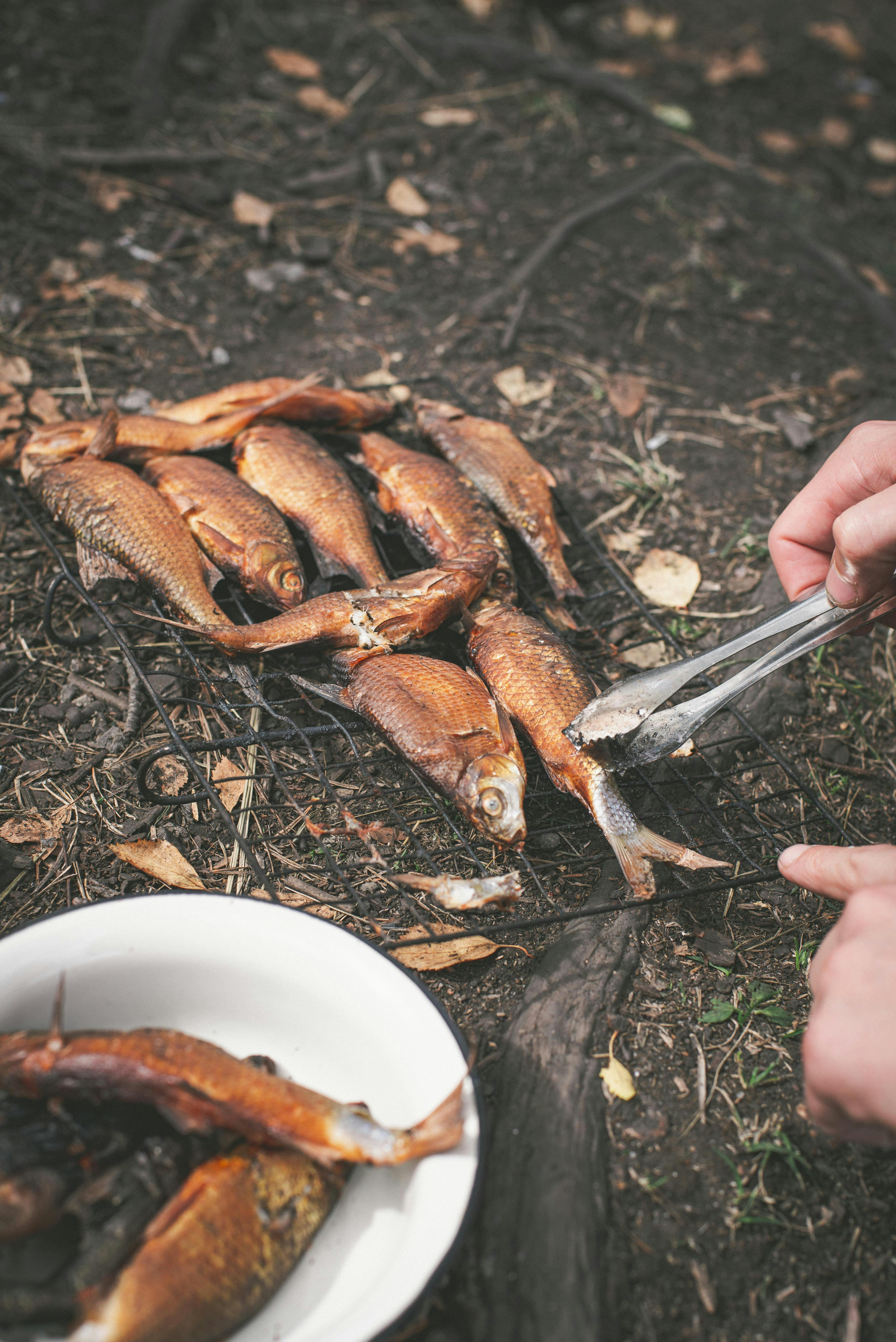
Fresh Seafood
Beachfront Shacks
Enjoy the catch of the day served directly on the sand. The seafood here is exceptionally fresh and usually caught by local fishermen nearby.
Climate
Best months: Jan, Feb, Mar, Apr, May, Jun, Jul, Aug, Sep, Oct, Nov, Dec
Avg humidity80%
Avg AQI25
Samaná is a year-round destination, with tropical temperatures consistently hovering in the comfortable range. The weather is generally pleasant regardless of when you visit, though it is worth noting that the winter months attract whale-watching enthusiasts, which can make accommodation slightly more competitive.
Since there are no specific 'avoid' months, you can plan your trip based on your personal preference for humidity and crowd levels. The entire year offers plenty of sunshine and temperate conditions suitable for remote work, provided you have a reliable backup power solution for your setup.
Monthly temperatures °C
BestAvoidShoulder
Practical Info
Everything you need to know
🏥
Healthcare
Basic medical care is available in major towns like Santa Bárbara. For serious conditions, evacuation to Santo Domingo or Santiago may be required.
💱
Money
The currency is the Dominican Peso (DOP). ATMs are available in larger towns, but it is always wise to carry some cash for smaller shops and transport.
🌐
Connectivity
Invest in a local SIM card with a high data plan from providers like Claro or Altice. Public Wi-Fi is rarely reliable enough for professional work.
Tips
Quick tips
- Always carry a portable power bank for your devices.
- Learn basic Spanish phrases to communicate with local taxi drivers.
- Rent a scooter if you are comfortable, but wear a helmet.
- Buy fresh fruit at local markets rather than imported supermarkets.
- Use a VPN to secure your connection on public Wi-Fi networks.
- Try to book accommodation with a backup generator.
- Carry mosquito repellent as tropical areas can be buggy.
Further Reading