Las Terrenas · Dominican Republic
Overview
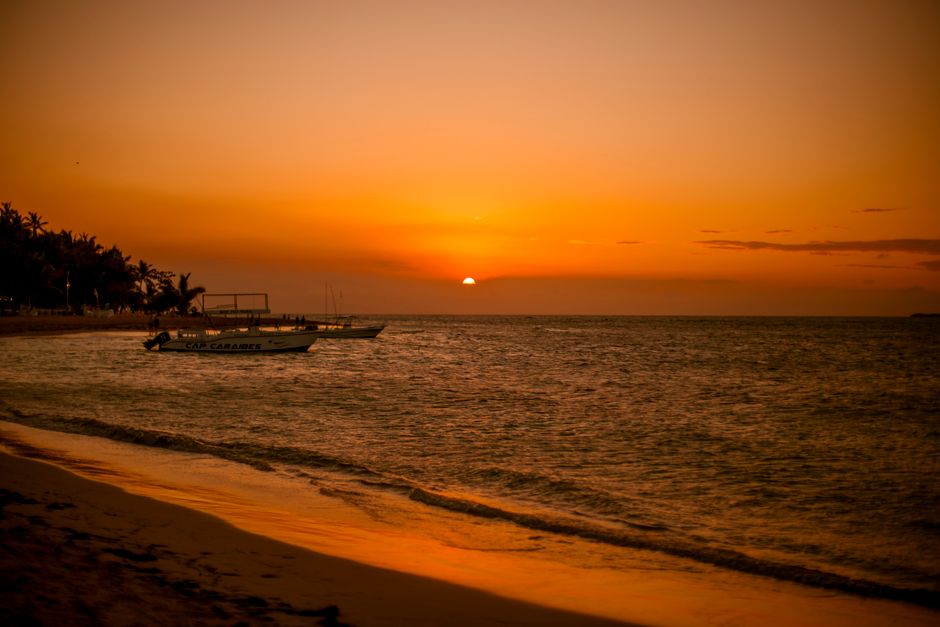
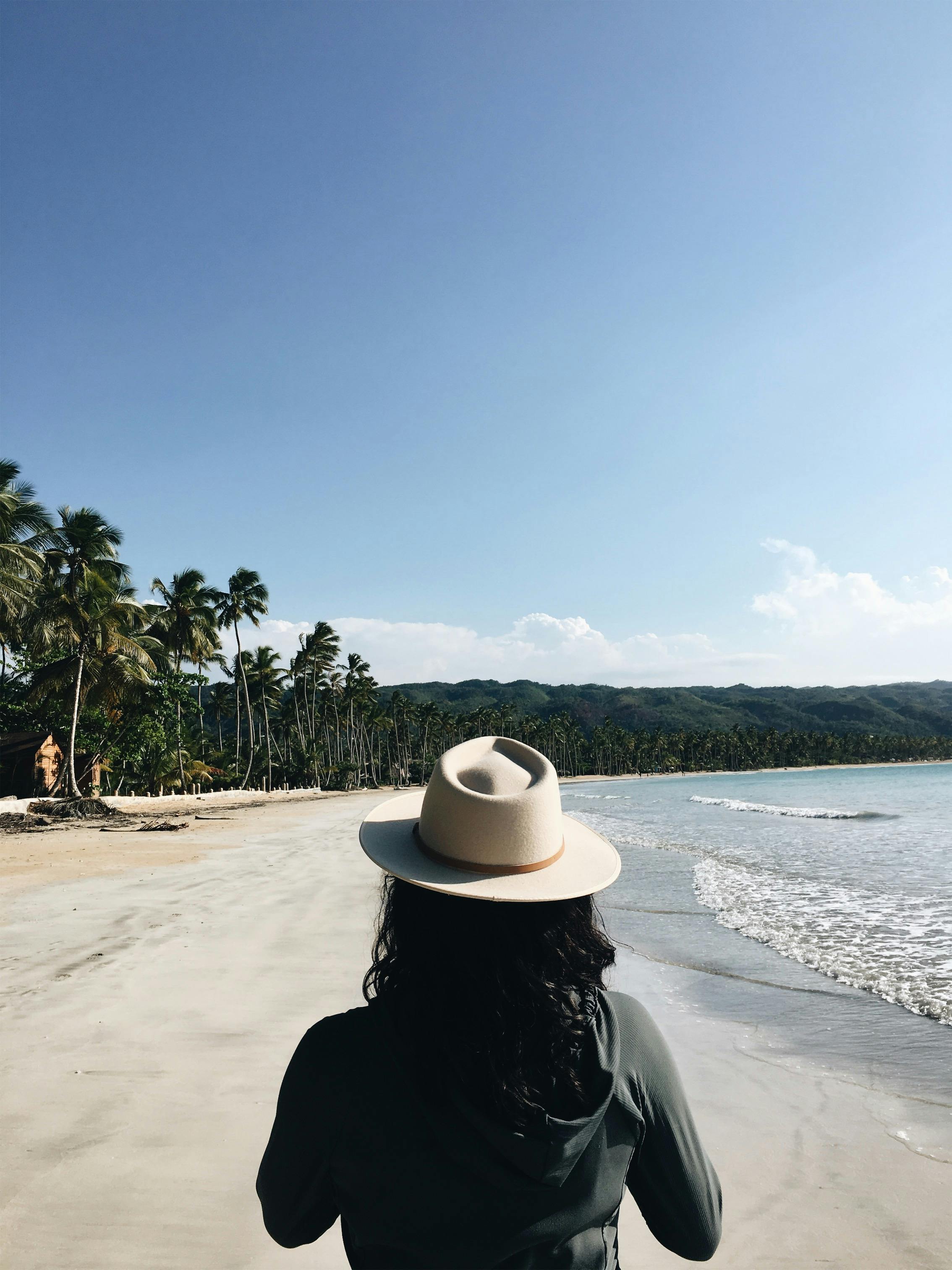
Las Terrenas is where the Caribbean spirit meets a touch of European sophistication, creating a paradise that is hard to leave once you've felt the sand between your toes.
Las Terrenas has evolved from a quiet fishing village into a vibrant hub for travelers seeking a slower pace of life without sacrificing modern comforts. The town's atmosphere is defined by a significant French and European expat influence, which has cultivated an impressive cafe culture and a diverse dining scene that pairs perfectly with the pristine Caribbean coastline.
For digital nomads, the community is small but growing, focused on wellness and outdoor activities like kiteboarding and exploring nearby waterfalls. While life here is inherently relaxed, you will find enough infrastructure to stay connected. Remember to check the Cost of living in Las Terrenas to understand local spending, and keep in mind that the Climate is tropical year-round, making it a reliable destination for beach lovers.
History
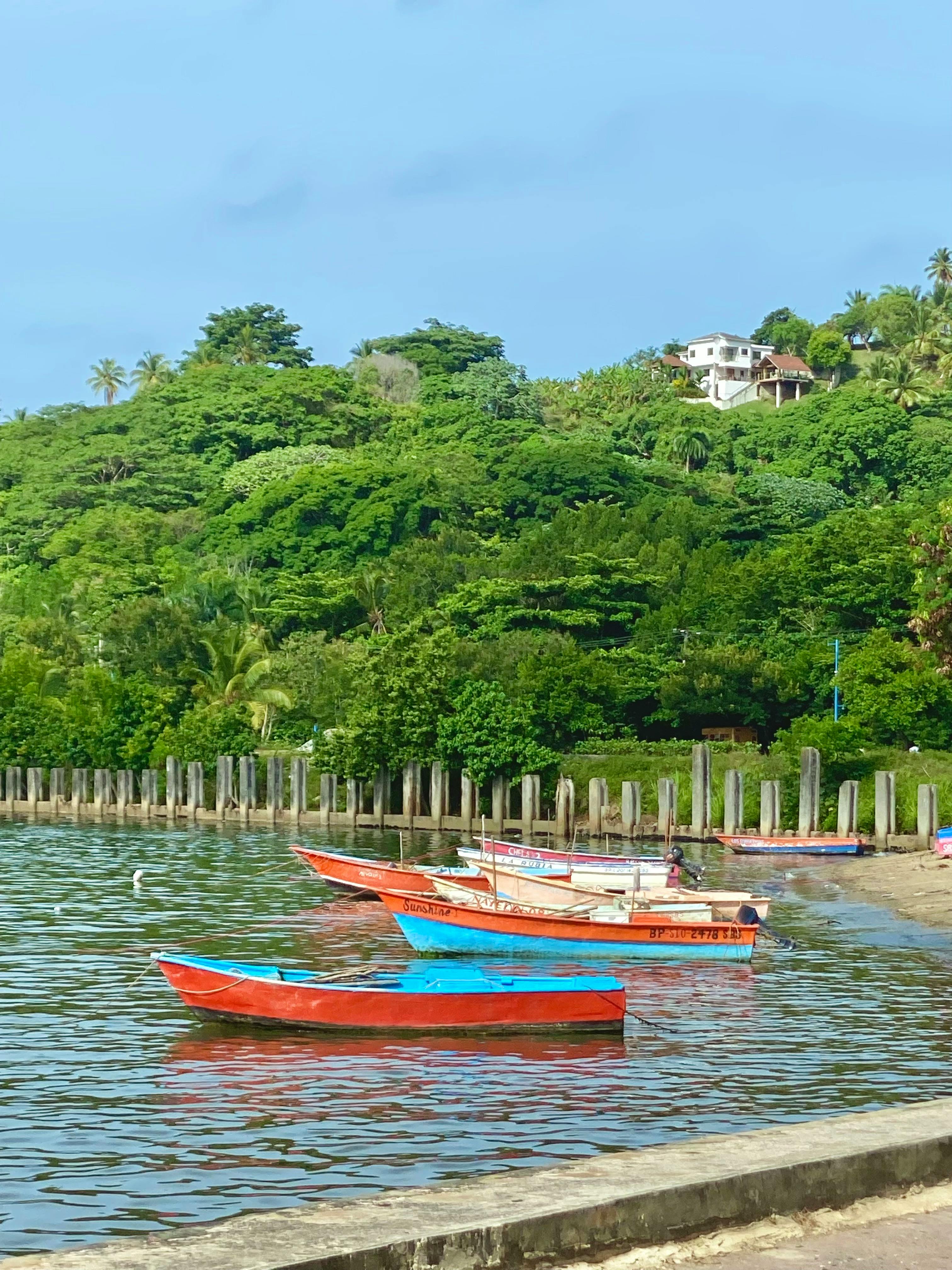
Originally a small, isolated fishing village, Las Terrenas remained largely off the map until the 1970s and 1980s.
Originally a small, isolated fishing village, Las Terrenas remained largely off the map until the 1970s and 1980s. Its transformation began when European travelers, particularly from France and Italy, started visiting the area, enchanted by the untouched beaches and the lush beauty of the Samaná Peninsula. This influx of international visitors gradually shifted the local economy from strictly fishing to a burgeoning tourism industry.
Over the past few decades, the town has developed into a cosmopolitan enclave. Despite the growth, Las Terrenas has managed to preserve its authentic Dominican roots while integrating the European influence that gives it its distinct 'French-Caribbean' charm. Today, it stands as a testament to successful cultural integration, where traditional wooden houses sit comfortably alongside modern boutique villas and beachfront restaurants.
1940s
Early Fishing RootsLas Terrenas functioned as a remote and quiet fishing village accessible only by horse or boat.
1970s
The First ExplorersEuropean travelers begin to discover the hidden beauty of the beaches, marking the start of a small tourism wave.
1990s
Infrastructure BoomConstruction of roads and basic utility infrastructure begins to connect the town more effectively with the rest of the peninsula.
2010s
Nomad & Expat GrowthThe town becomes a recognized hotspot for international expats and digital nomads seeking a tropical base.
Where to Stay
Choose your base camp
Distinct neighbourhoods, different rhythms. Pick the one that fits your work-life balance.

Social Hub
Pueblo de los Pescadores Area
The center of social life, offering easy access to restaurants, nightlife, and the beach. Ideal for those who want to be in the middle of everything.
Beach Life
Playa Bonita Neighbourhood
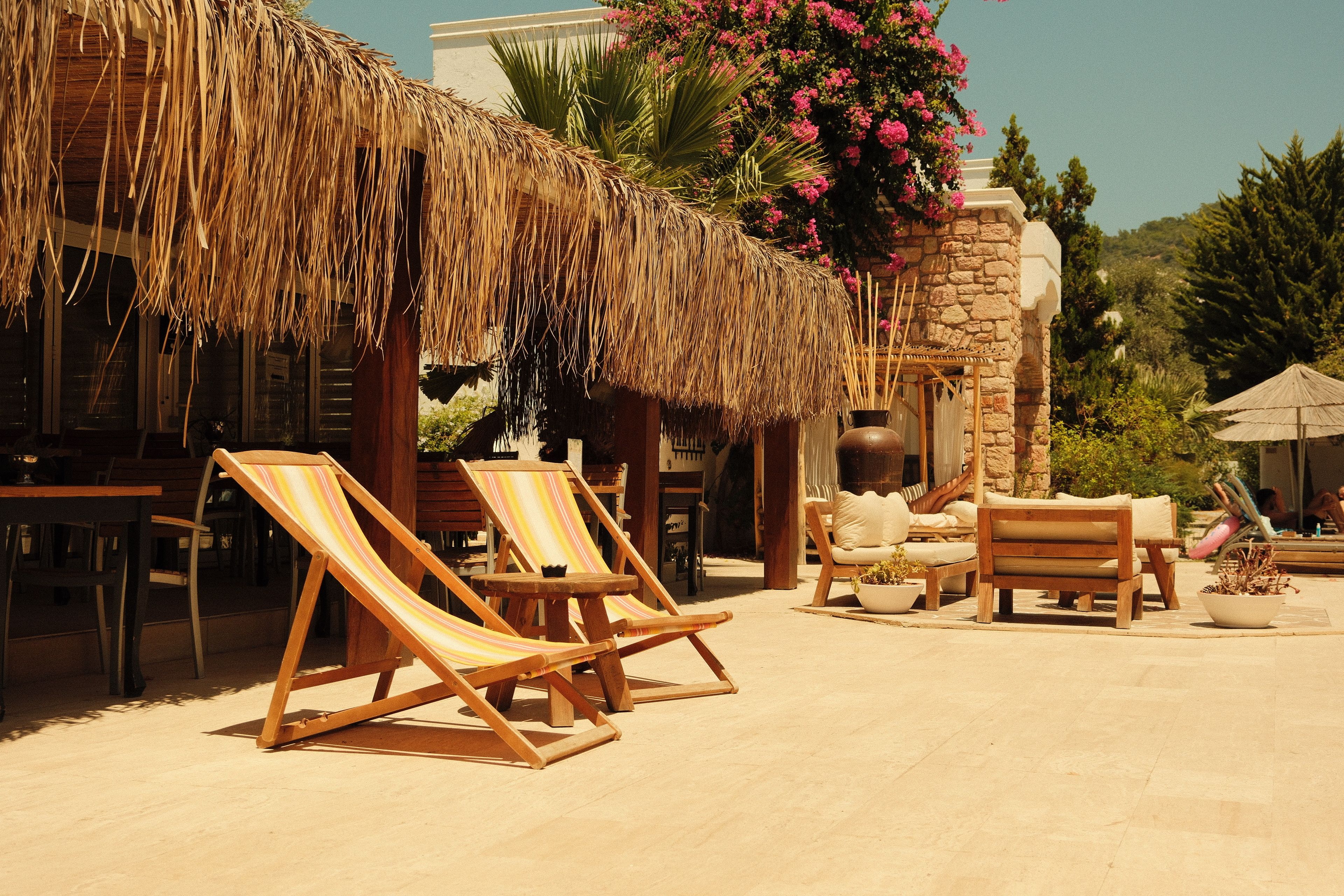
More upscale and quieter, featuring boutique hotels and private villas nestled among palm trees. Perfect for a peaceful, slow-living experience.
Budget Friendly
Town Center
Offers more local-style apartments and basic bungalows. It is close to markets and local transport hubs, making it excellent for budget-conscious nomads.
Places to Go
The experiences that will make you never leave
These aren't tourist checkboxes — they're the experiences that reset your sense of what's normal.
Top Pick
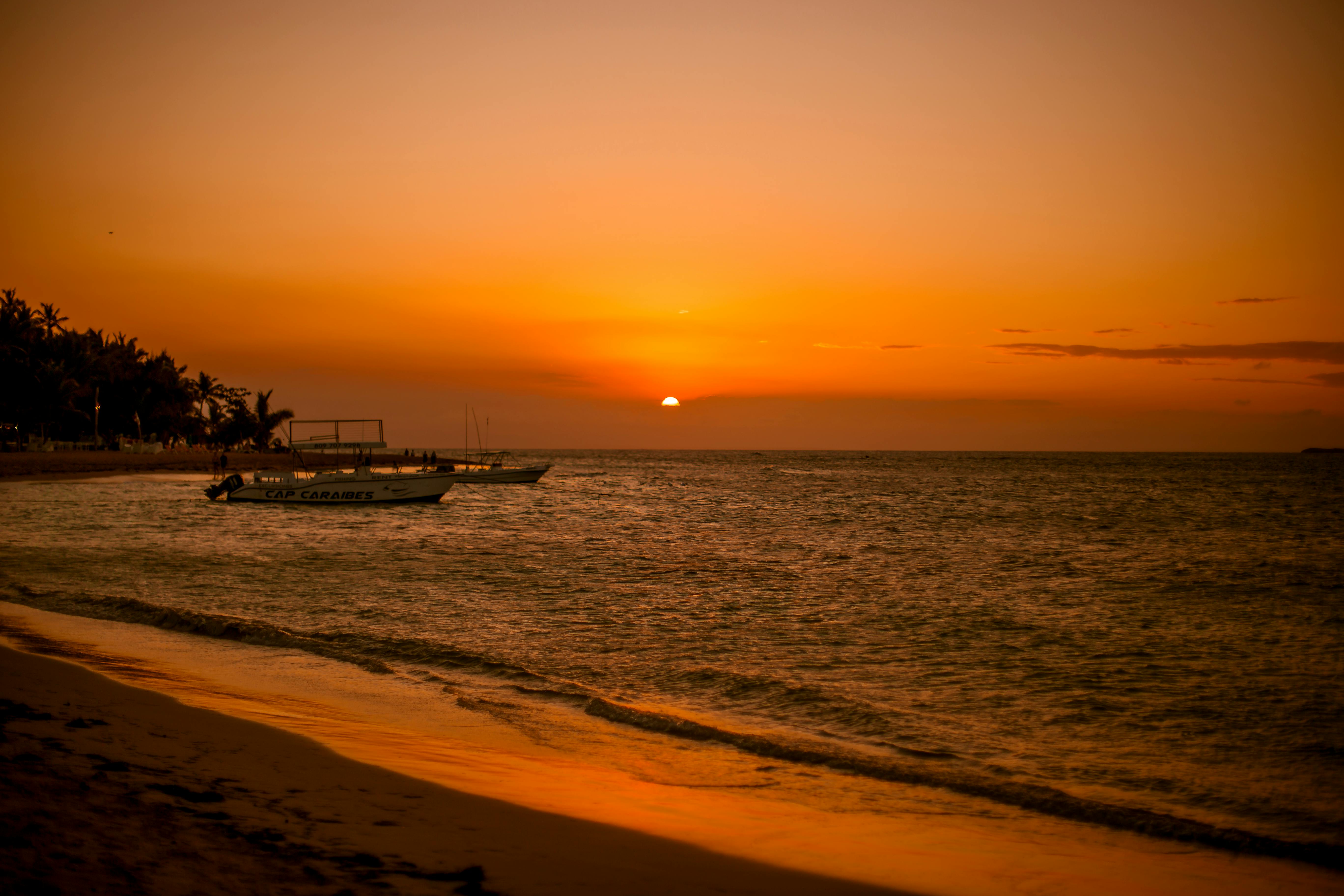
Playa Bonita
A stunning, picturesque beach known for its clear waters and lush palm tree backdrop. It is perfect for swimming, surfing, or simply relaxing under the sun.
Dominican Republic Tourism
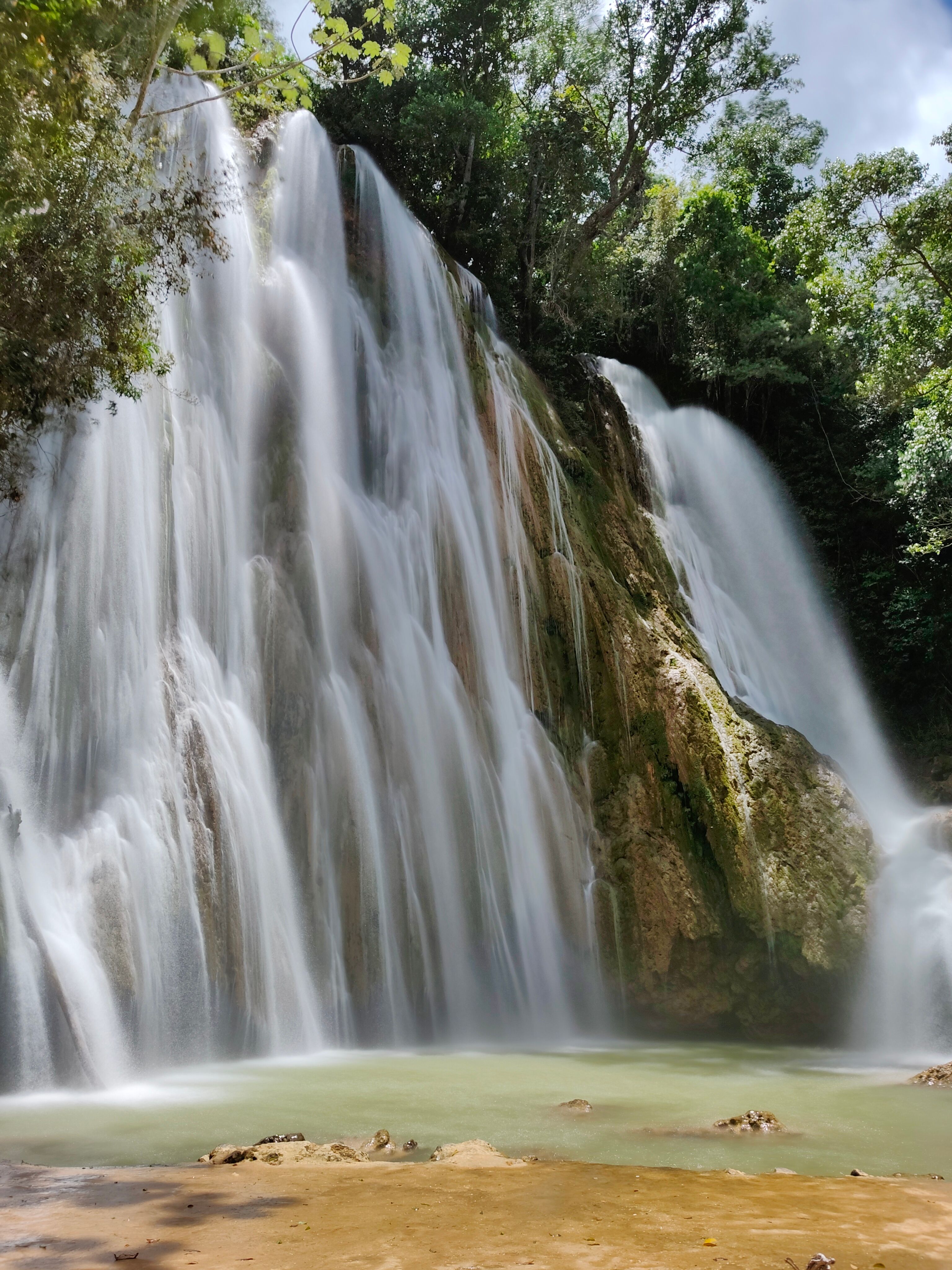
El Limon Waterfall
A magnificent waterfall hidden in the tropical jungle, requiring a short hike or horseback ride to reach. Swimming in the natural pool at its base is a highlight for most visitors.
Wikipedia: Humpback whale
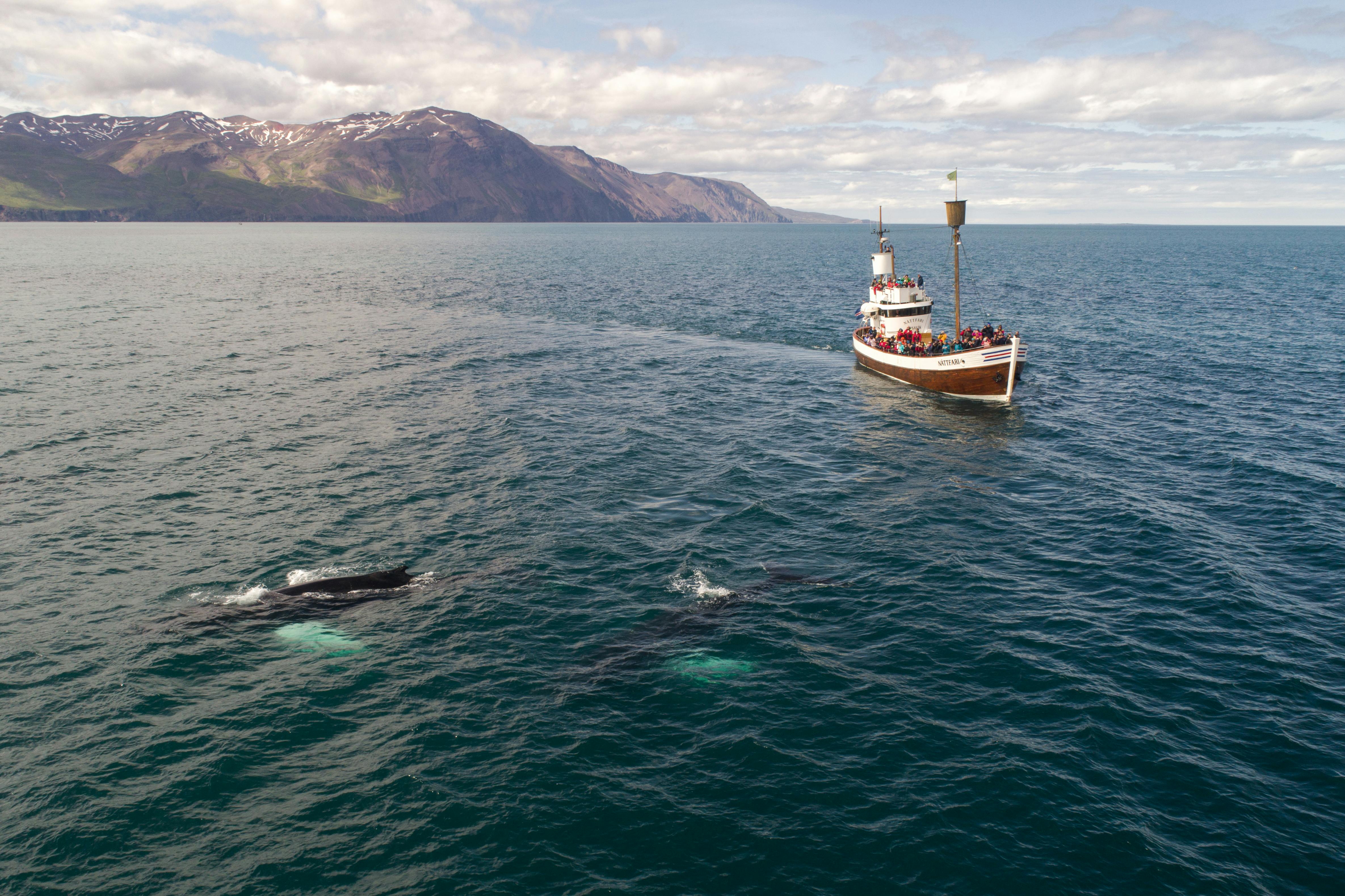
Samana Bay Whale Watching
Between January and March, humpback whales migrate to the warm waters of Samaná Bay. Boat tours offer an unforgettable chance to witness these majestic creatures in their natural habitat.
Visit
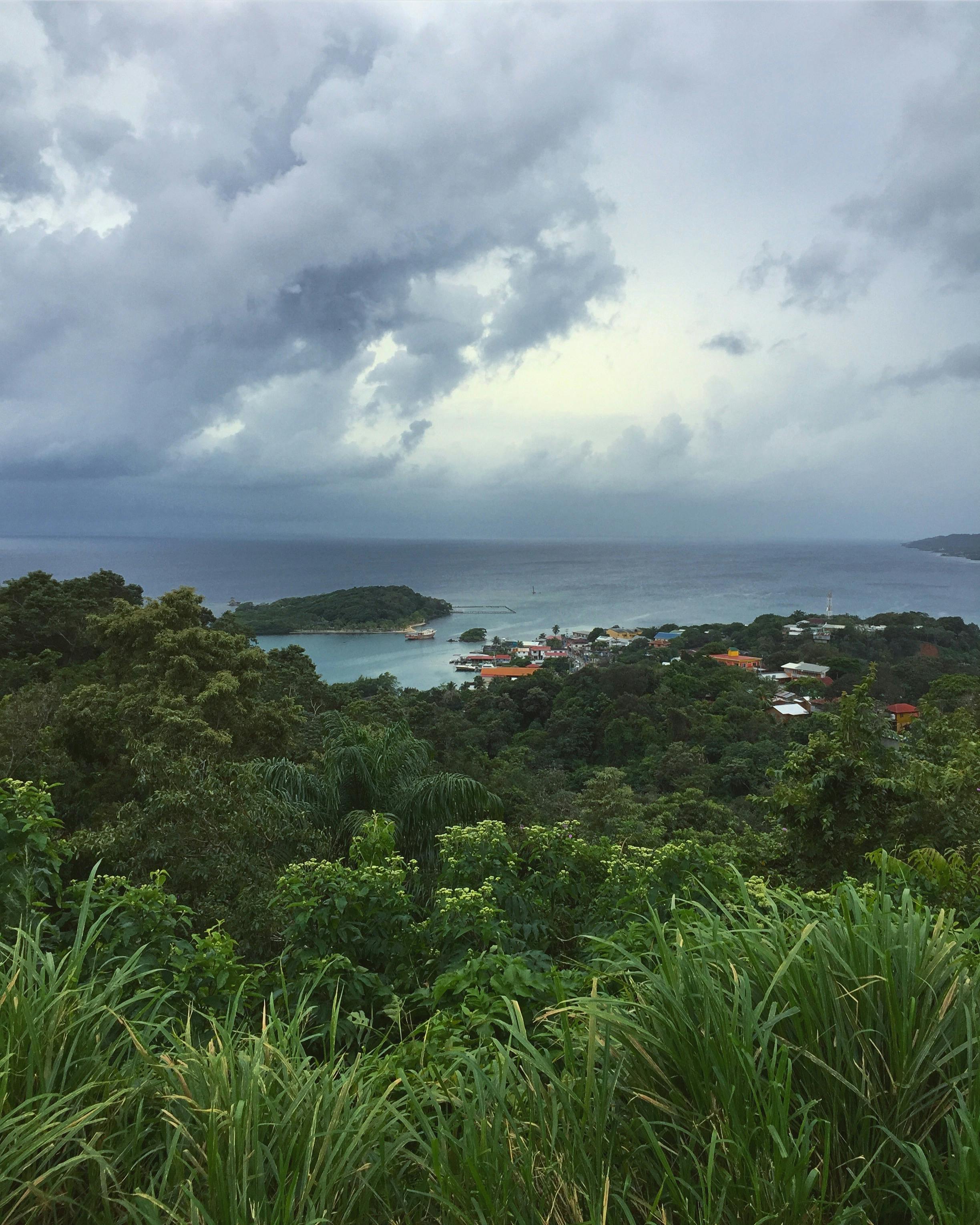
Pueblo de los Pescadores
A charming strip of former fisherman cottages turned into a lively hub of restaurants and bars. It is the perfect place to enjoy fresh seafood with ocean views.
Visit
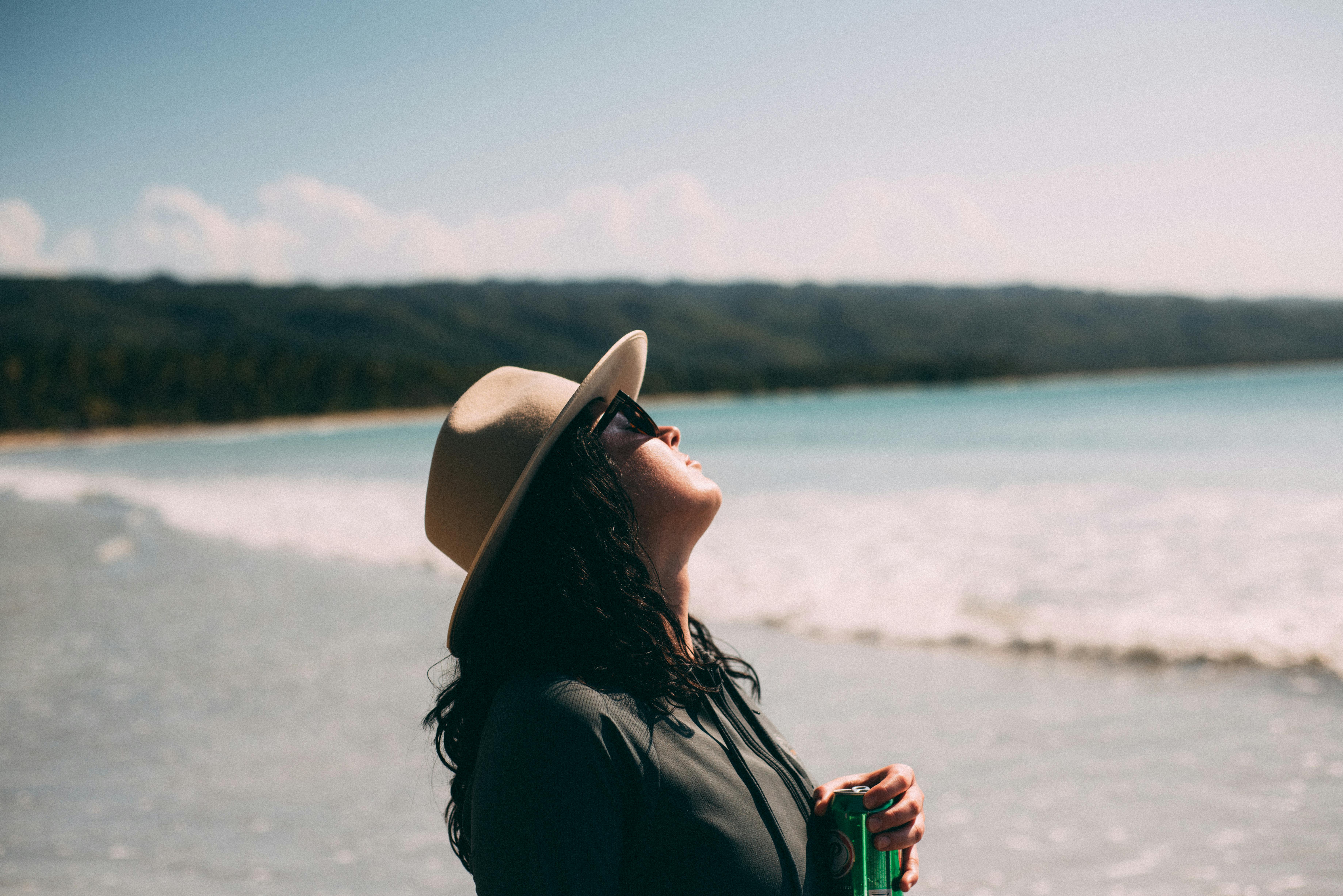
Playa Coson
An expansive, golden-sand beach ideal for long walks and sunset viewing. It is less crowded than the main beaches and provides a tranquil escape.
Work & Connectivity
Stay connected wherever you work
The nomad community here is real — cafés and coworking spaces where you can work and meet others.
CoWorking Las Terrenas
A dedicated space providing reliable internet, desks, and a community of remote workers. It is the go-to spot for focus.
Pura Vida Cowork
A relaxed environment that blends work with the island lifestyle. Excellent for networking with other digital nomads.
Budget & Costs
What it costs to live in Las Terrenas
Choose your lifestyle tier. Comfortable = furnished accommodation, local + occasional Western food, transport, leisure.
$803
per month · USD · comfortable lifestyle
ModerateFurnished studio, local restaurants, transport, and weekend trips.
Exchange rates
Check xe.com or your bank for current USD to local currency.
Check xe.com or your bank for current USD to local currency.
🏠 Rent 45%$361/mo
🍽️ Food 22%$177/mo
🚌 Transport 5%$40/mo
💡 Utilities 8%$64/mo
🎭 Leisure 14%$112/mo
🏥 Health 6%$48/mo
Connectivity
Well connected to the world
Internet and transport options for remote workers.
📶
Internet
Good — fibre common
Check local providers.
🏢
Coworking
From ~$80/mo
Dedicated spaces available.
🚌
Local Transit
3 / 10
Town center is walkable. Motoconchos are the main transport. Rent a scooter for flexibility.
AZS
Samana El Catey International
25 km from centre
montrealnewyorksanjuantoronto
Safety & Visa
Safe, welcoming, and easy to enter
Safety Score6 / 10
✗ Tap Water📞 911
Visa
Check your entry options
Many nationalities get visa-free or visa-on-arrival. Check official government sources for your citizenship before travel.
Culture & Festivals
Local soul, nomad-friendly
Multiculturalism6/10
Foodie Scene6/10
☀️ Tropical🍷 Cafe Culture🏖️ Beach🏖️ Coastal🏞️ Diverse Landscapes👍 Recommended💆 Wellness💚 Budget Friendly🗣️ Spanish Speaking😎 Great Weather
Jan
Whale Watching Season
The beginning of the annual migration of humpback whales into the bay.
Mar
Food & Culture Fest
Celebrations highlighting the unique fusion of Caribbean and French influences in the town.
The Samaná Peninsula is home to some of the most biodiverse areas in the country. If you have extra time, consider day trips to Los Haitises National Park for incredible nature experiences.
Food & Nightlife
A feast for every mood
From street food to cafés and nightlife — every meal is an event.
Street Food
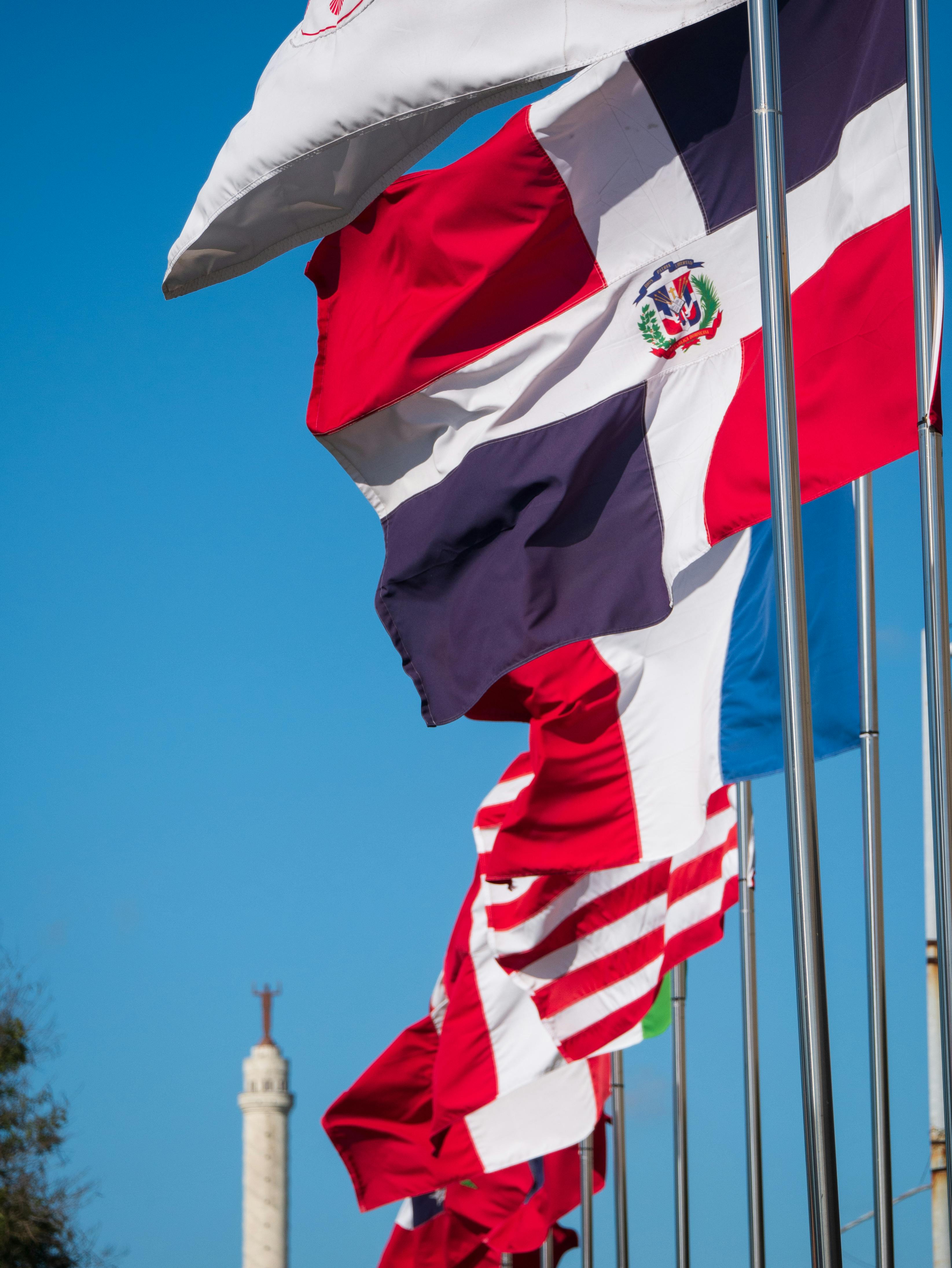
Local Banderas
Try the traditional 'bandera'—a hearty plate of rice, beans, and meat. It's affordable, delicious, and deeply authentic.
Fusion
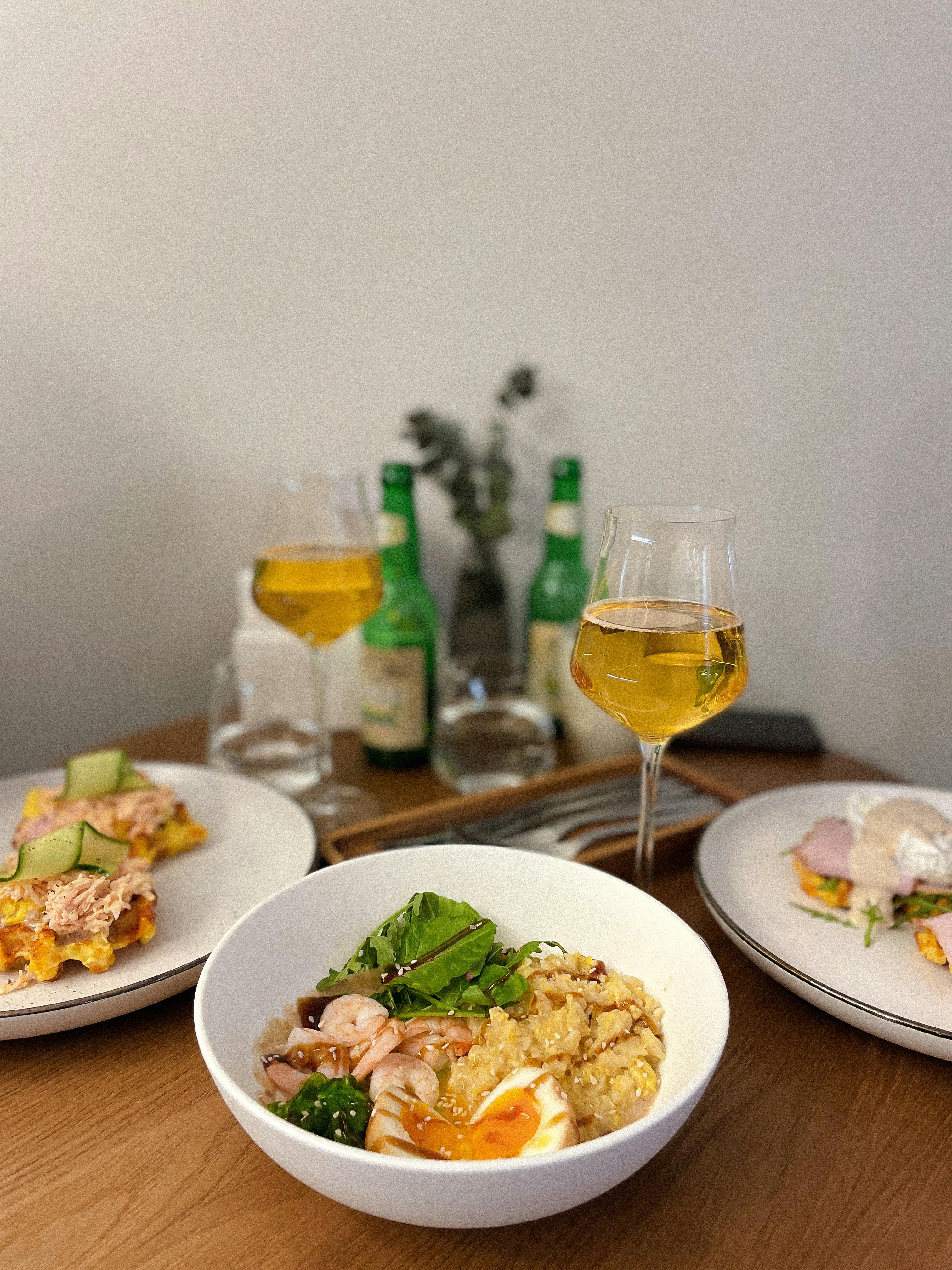
Franco-Dominican Dining
Enjoy unique fusion dishes that combine French culinary techniques with fresh, local Caribbean ingredients.
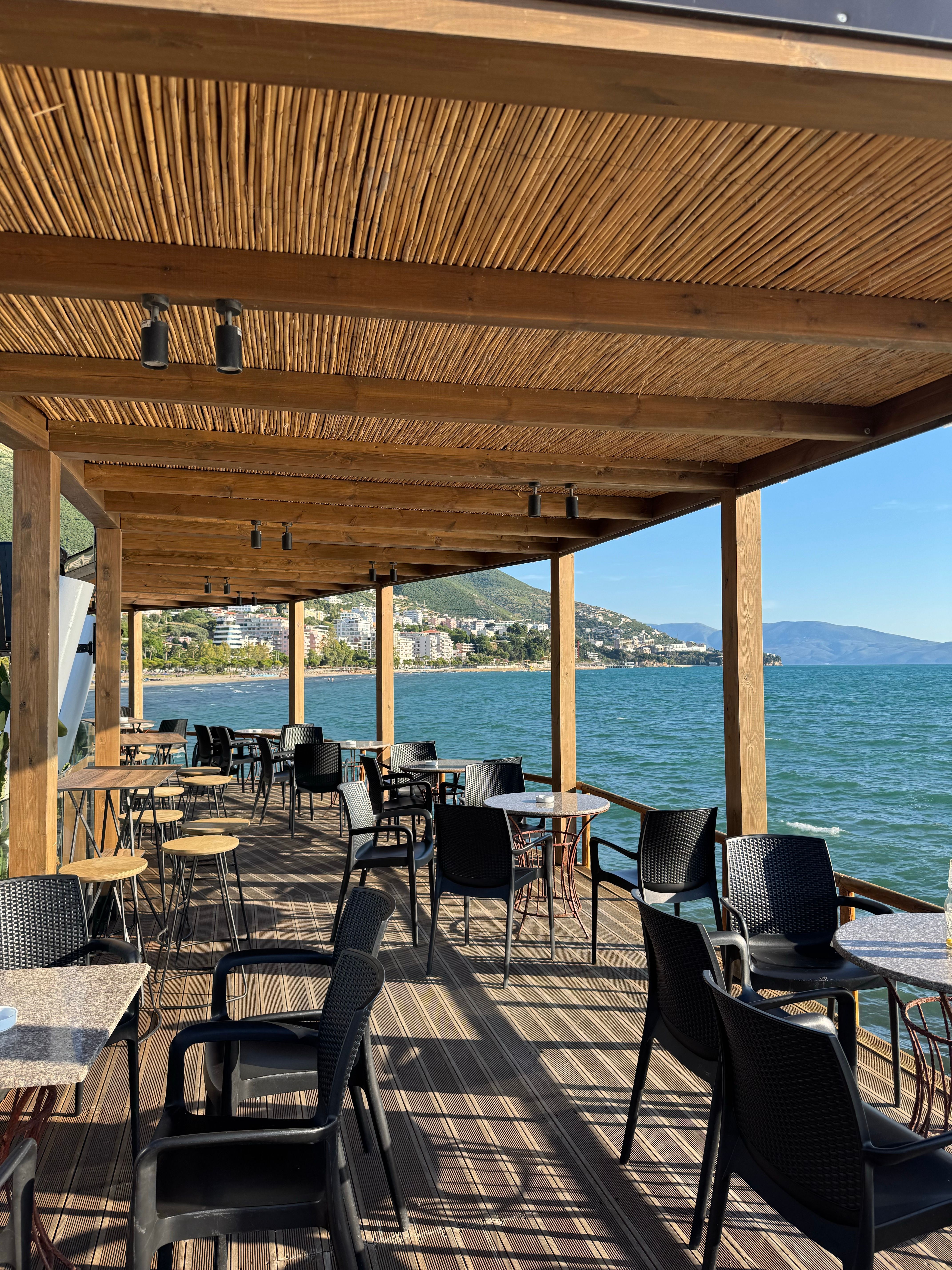
Café Culture
Beachside Coffee
Las Terrenas boasts a strong cafe culture where you can sip high-quality coffee while watching the waves.
Climate
Best months: Jan, Feb, Mar, Apr, May, Jun, Jul, Aug, Sep, Oct, Nov, Dec
Avg humidity82%
Avg AQI25
Las Terrenas enjoys warm, tropical weather throughout the year, making it a viable destination whenever you choose to arrive. The peak season for visitors is from January through April, when the weather is at its driest and most pleasant, providing perfect conditions for beach activities and outdoor exploration. This period also coincides with the spectacular whale watching season in Samaná Bay, which is a must-see event.
While there isn't a specific time to avoid, the rainy season can bring more frequent showers, typically between May and November. However, these are often brief tropical downpours followed by sunshine. If you prefer fewer crowds and lower costs, the shoulder months are ideal for settling into the local rhythm.
Monthly temperatures °C
BestAvoidShoulder
Practical Info
Everything you need to know
🏥
Healthcare
There are local clinics available for basic medical needs. For major issues, specialized care is accessible in larger cities, so travel insurance is strongly recommended.
💱
Money
The currency is the Dominican Peso (DOP). ATMs are available in town, but it is always useful to keep some cash on hand for small vendors and transport.
🌐
Connectivity
Public Wi-Fi is not universally reliable. We recommend purchasing a local SIM card (Claro or Altice) and ensuring your accommodation has verified fiber-optic internet.
Tips
Quick tips
- Learn basic Spanish phrases to navigate local markets easily.
- Always carry a portable charger for your phone.
- Rent a scooter if you plan to stay for more than two weeks.
- Try the fresh seafood at the beachfront restaurants.
- Respect local custom by dressing modestly when away from the beach.
- Carry a reusable water bottle to reduce plastic waste.
- Download a VPN to ensure secure access to your work networks.
Further Reading