
Gili Islands · Indonesia
Overview
The Gilis don't just offer a place to work; they offer a complete reset of your internal clock, where the only traffic jam you'll find is a horse-drawn carriage in the middle of a sandy road.
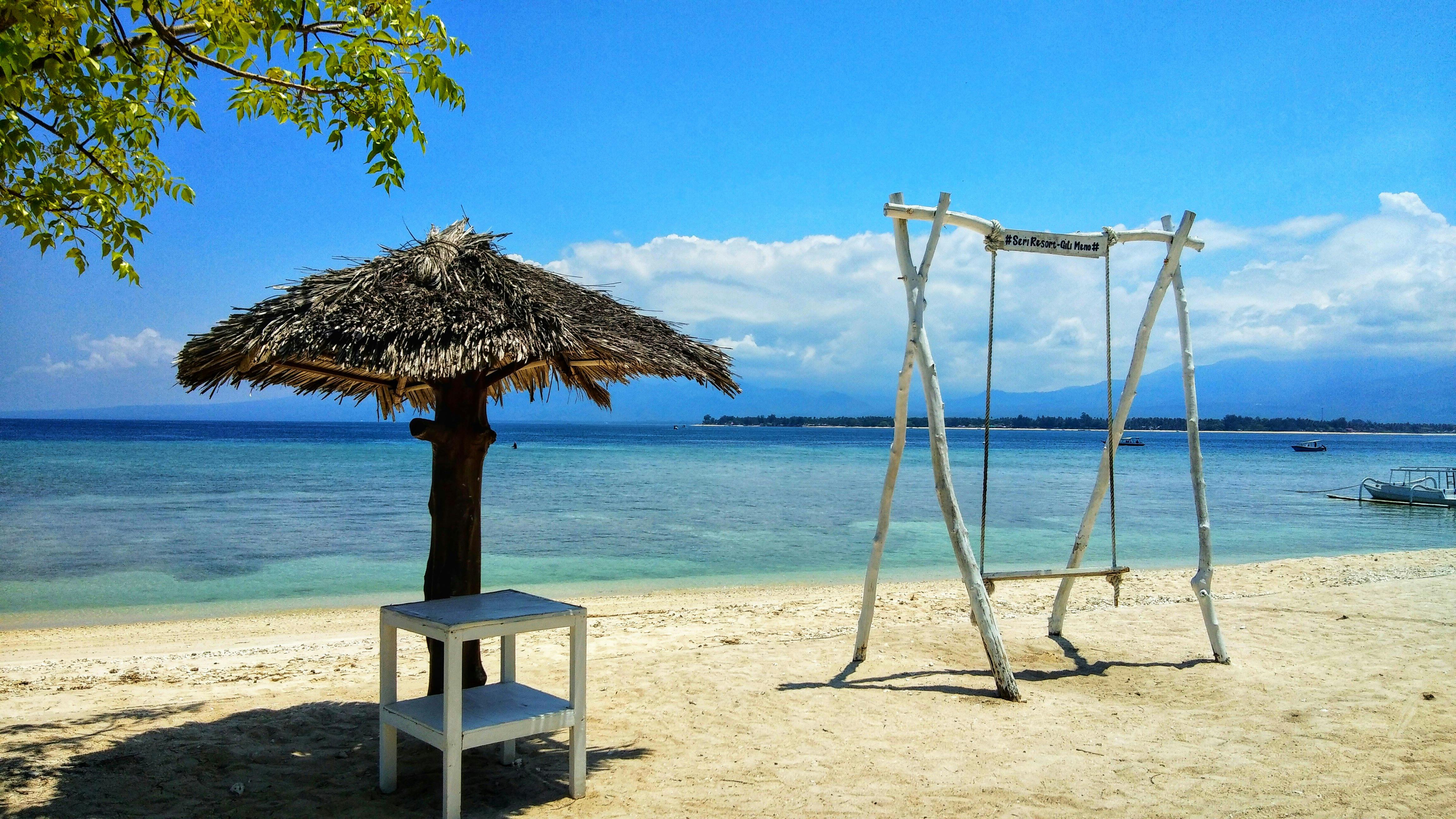
The Gili Islands—Trawangan, Meno, and Air—represent the quintessential Indonesian island experience. With motorized transport banned, the rhythm of life is set by bicycle bells and the gentle lap of the ocean. For remote workers, this creates an environment defined by deep focus sessions and immediate access to nature during breaks.
While the infrastructure is more rustic than in mainland hubs like Canggu, the islands attract a community that values slow living and environmental mindfulness. Understanding your cost of living and the local climate patterns is essential for a successful stay, as island life can be as demanding as it is rewarding.

History
Historically, the Gili Islands were sparsely populated, primarily by local fishermen from the Sasak…
Historically, the Gili Islands were sparsely populated, primarily by local fishermen from the Sasak ethnic group of Lombok. Until the 1980s, the islands were largely off the radar for international travelers, serving mainly as a stopover for nomadic fishing families who appreciated the abundance of marine life in the surrounding reefs.
In the late 20th century, the islands underwent a transformation as tourism began to develop. Gili Trawangan led the charge, initially attracting a backpacking crowd that prized the rugged, electricity-free beaches. Today, the islands have matured into a more refined destination, though they work hard to preserve their car-free status and environmental integrity.
Early 20th Century
Fisherman OutpostsThe islands were settled by Sasak fishermen who used them as temporary bases for their daily catches.
1980s
Discovery by BackpackersSmall-scale tourism began as independent travelers discovered the islands' pristine beaches and coral reefs.
2000s
Infrastructure ExpansionThe islands saw a steady increase in bungalow construction and the arrival of fast boat services from Bali.
2010s
Nomad IntegrationImproved connectivity and electricity led to the rise of remote work tourism alongside the traditional dive scene.
Where to Stay
Choose your base camp
Distinct neighbourhoods, different rhythms. Pick the one that fits your work-life balance.

Social Hub
Gili Trawangan
The largest and busiest island, perfect for nomads who enjoy a social scene, diverse dining, and frequent nightlife.
Slow Living
Gili Air
A more relaxed, balanced island that sits perfectly between the energy of Trawangan and the isolation of Meno.
Quiet Retreat
Gili Meno
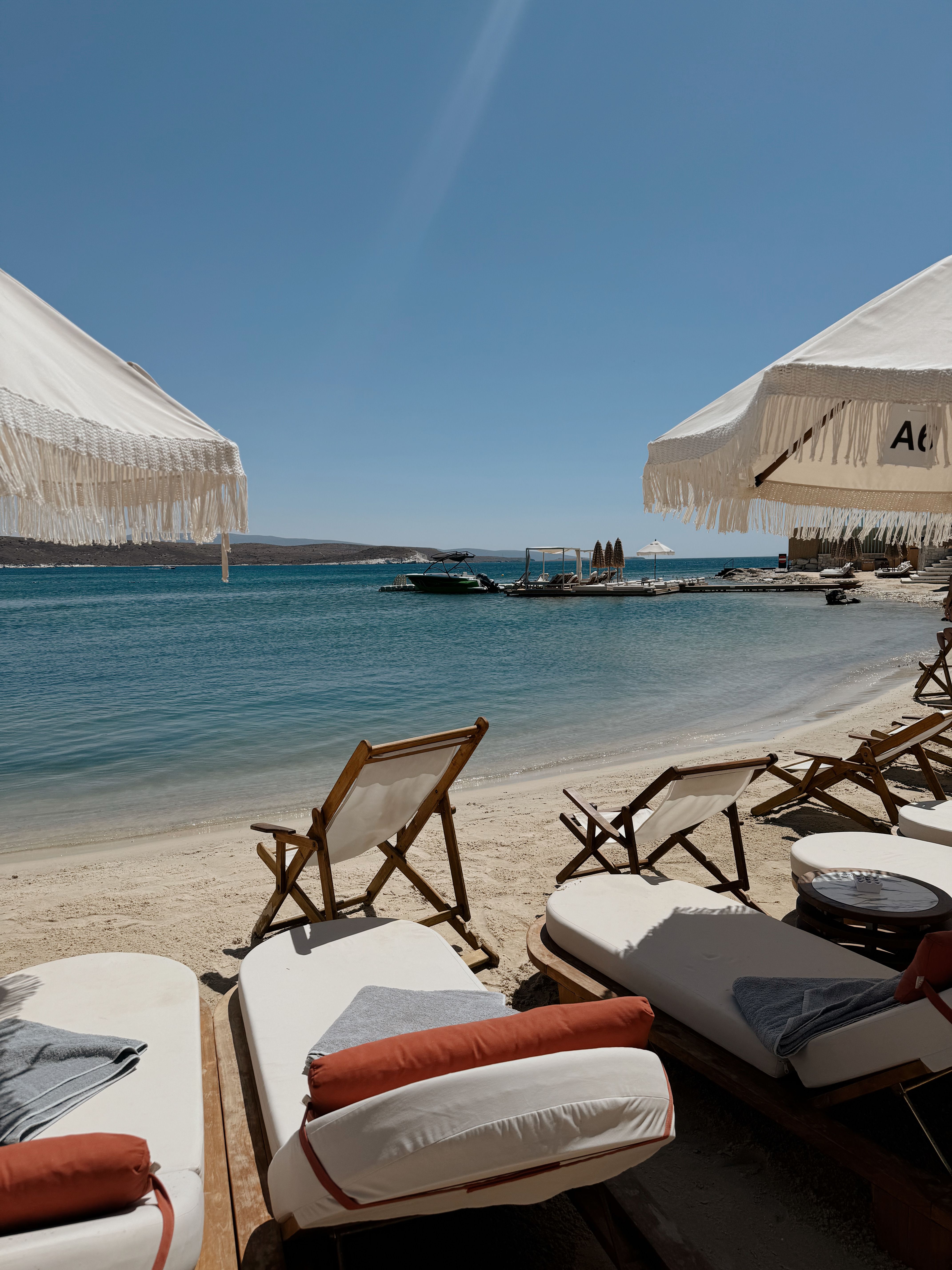
The quietest of the three, ideal for those seeking complete solitude and pristine, untouched beach settings.
Places to Go
The experiences that will make you never leave
These aren't tourist checkboxes — they're the experiences that reset your sense of what's normal.
Top Pick
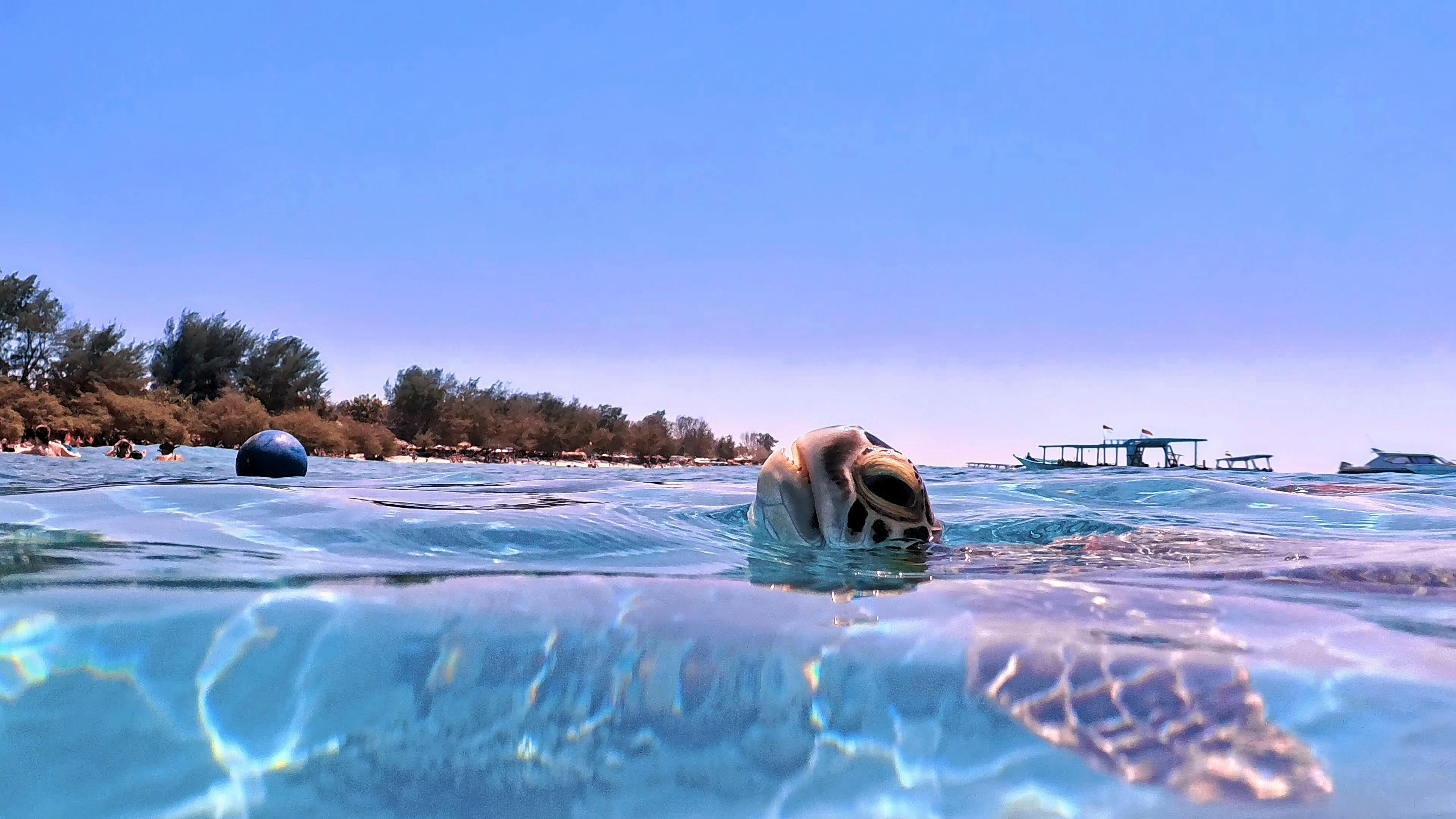
Gili Trawangan Turtle Sanctuary
This sanctuary works to protect sea turtle eggs and hatchlings before releasing them safely back into the ocean. It is a great place to learn about local marine conservation efforts.

Indonesia Tourism Board
Gili Air Coral Reefs
The waters surrounding Gili Air are teeming with life, making it one of the best spots for snorkeling right off the shore. Rent gear from any local vendor and swim out to see vibrant corals.

Work & Connectivity
Stay connected wherever you work
The nomad community here is real — cafés and coworking spaces where you can work and meet others.
Island Beach Cafés
Most beachside cafés offer a rustic office environment. Choose your spot based on reliable power outlets and ocean views.
Bungalow Verandas
Many long-stay bungalows provide a desk space, making your private porch the most consistent workspace available.
Budget & Costs
What it costs to live in Gili Islands
Choose your lifestyle tier. Comfortable = furnished accommodation, local + occasional Western food, transport, leisure.
$876
per month · USD · comfortable lifestyle
ModerateFurnished studio, local restaurants, transport, and weekend trips.
Exchange rates
Check xe.com or your bank for current USD to local currency.
Check xe.com or your bank for current USD to local currency.
🏠 Rent 42%$365/mo
🍽️ Food 29%$256/mo
🚌 Transport 4%$37/mo
💡 Utilities 8%$73/mo
🎭 Leisure 8%$73/mo
🏥 Health 8%$73/mo
Connectivity
Well connected to the world
Internet and transport options for remote workers.
📶
Internet
Good — fibre common
Check local providers.
🏢
Coworking
From ~$80/mo
Dedicated spaces available.
🚌
Local Transit
5 / 10
Scooter and taxi common.
20 km from centre
Safety & Visa
Safe, welcoming, and easy to enter
Safety Score6 / 10
✗ Tap Water✓ Night Safe📞 112 or local emergency number
Visa
Check your entry options
Many nationalities get visa-free or visa-on-arrival. Check official government sources for your citizenship before travel.
Culture & Festivals
Local soul, nomad-friendly
Multiculturalism5/10
Foodie Scene5/10
Remote work
Variable
Nyepi Laut
A local marine day where the seas are rested and motorized boat traffic is prohibited to allow the ocean to recover.
The islands are a collective effort in conservation; please respect the coral reefs by using reef-safe sunscreen and never stepping on the coral while snorkeling.
Food & Nightlife
A feast for every mood
From street food to cafés and nightlife — every meal is an event.
Street Food
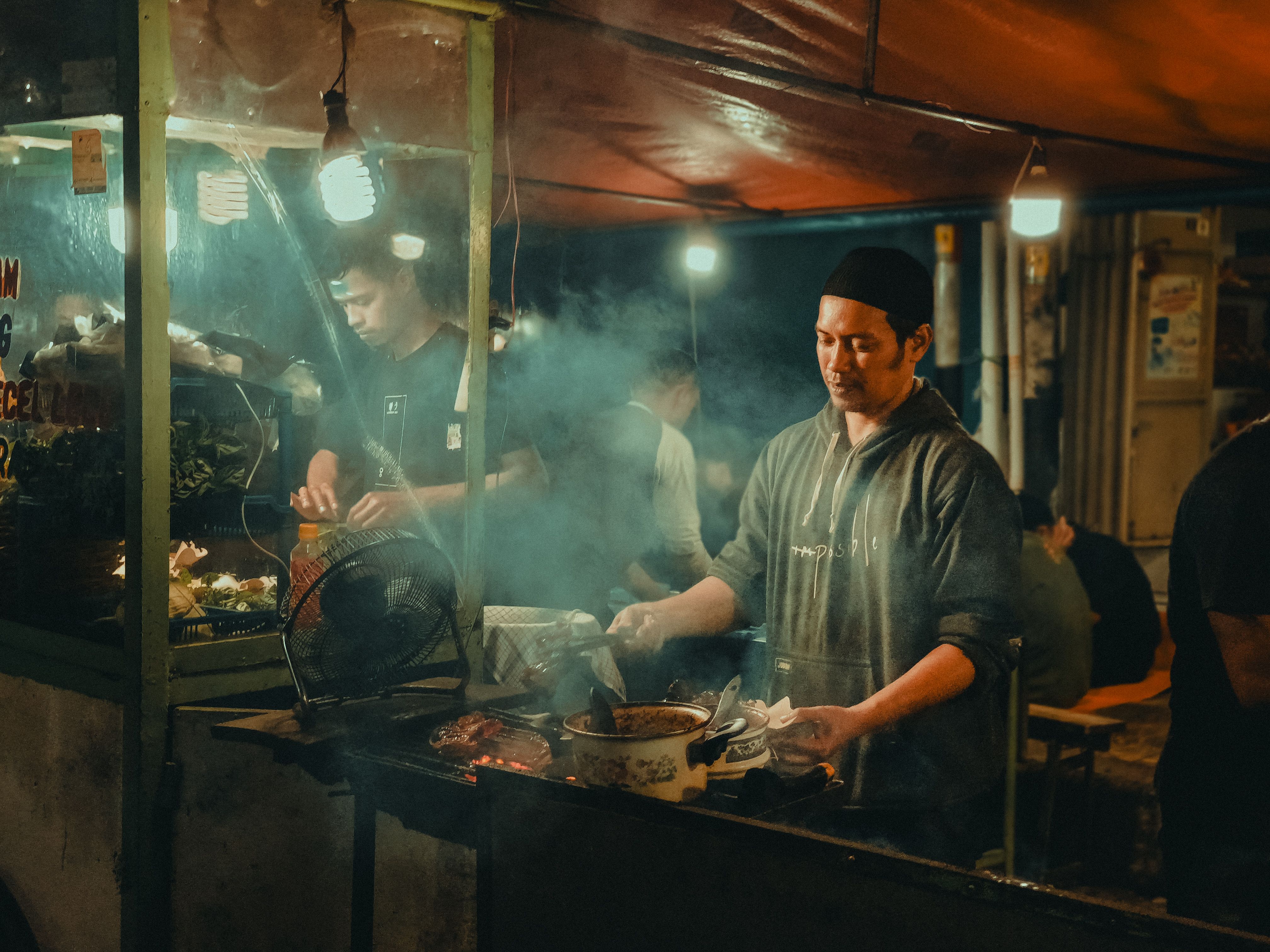
Night Market Trawangan
The night market is a must-visit for affordable local Indonesian dishes like grilled fish, nasi campur, and satay.

Café Culture
Island Coffee Shops
Several trendy cafés offer excellent specialty coffee and healthy breakfast options, perfect for a morning work session.
Climate
Best months: Jan, Feb, Mar, Apr, May, Jun, Jul, Aug, Sep, Oct, Nov, Dec
Avg humidity81%
Avg AQI25
The Gili Islands are generally pleasant year-round, though they follow Indonesia's tropical wet and dry cycles. The dry season, typically falling between May and September, offers the best conditions for snorkeling and outdoor work sessions, with lower humidity and plenty of sunshine.
The shoulder and wet seasons can bring intermittent rain, but rarely for long periods. Because the islands are relatively small, weather moves quickly, making them a viable destination throughout the year if you are comfortable with occasional tropical showers.
Monthly temperatures °C
BestAvoidShoulder
Practical Info
Everything you need to know
🏥
Healthcare
Medical facilities on the islands are limited. For serious health issues, you must be prepared to take a boat to Lombok or return to Bali.
💱
Money
ATMs are available but can occasionally run out of cash or experience technical issues. Always carry a backup supply of Indonesian Rupiah.
🌐
Language & Etiquette
Bahasa Indonesia is the primary language, but English is widely spoken in the tourism sector. Always dress modestly when visiting local residential areas.
Tips
Quick tips
- Always carry a portable power bank for your devices.
- Cycle everywhere to get to know the island layouts.
- Keep a backup local SIM card from a different carrier.
- Book fast boats from Bali well in advance.
- Carry a reusable water bottle to reduce plastic waste.
- Learn basic Indonesian phrases to connect with locals.
- Respect the 'no-motor' policy on the islands.
Further Reading