
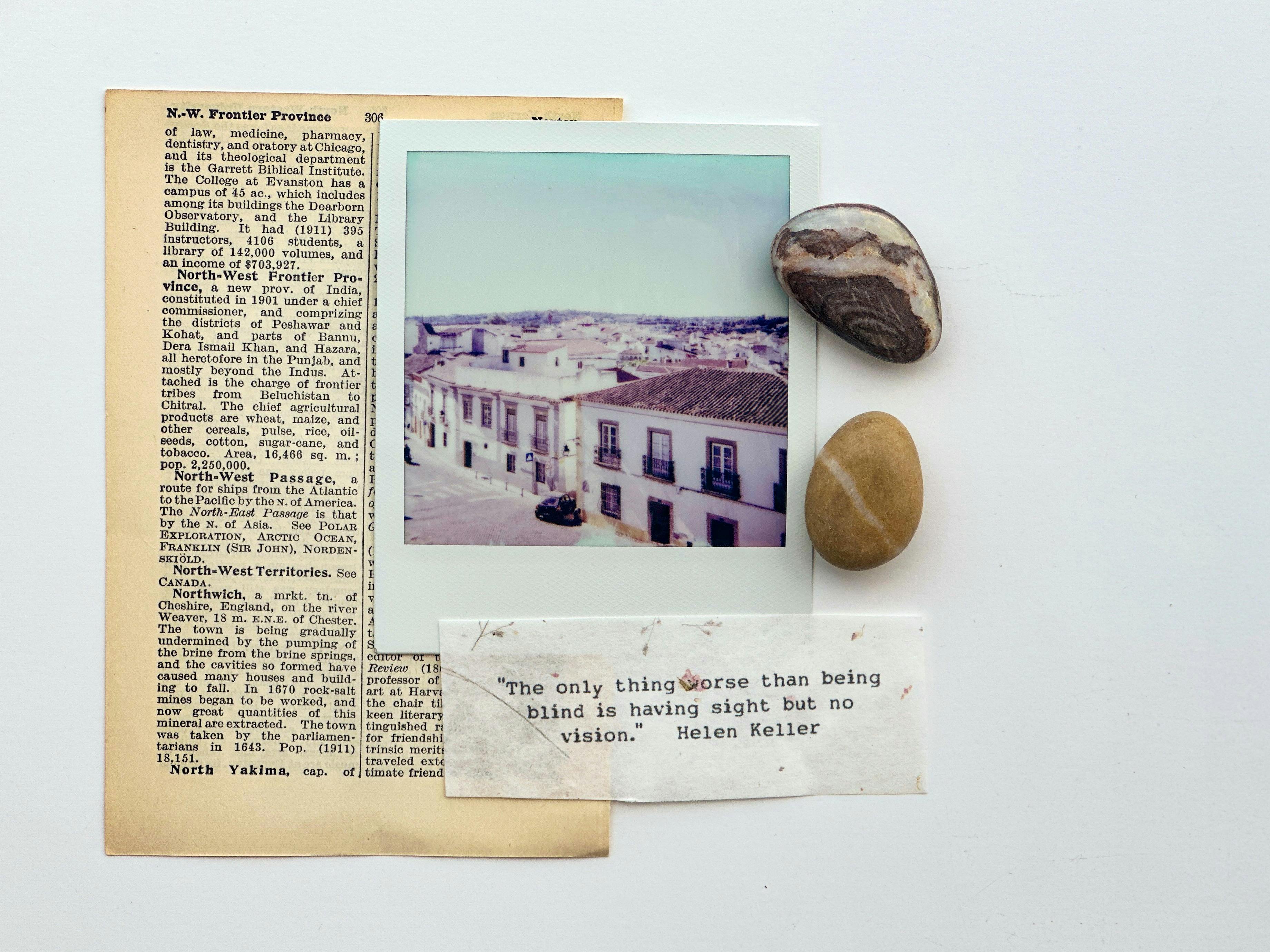
Évora · Portugal
Overview
Évora isn't just a place to work; it's a place to breathe, surrounded by the echoes of thousands of years of history.
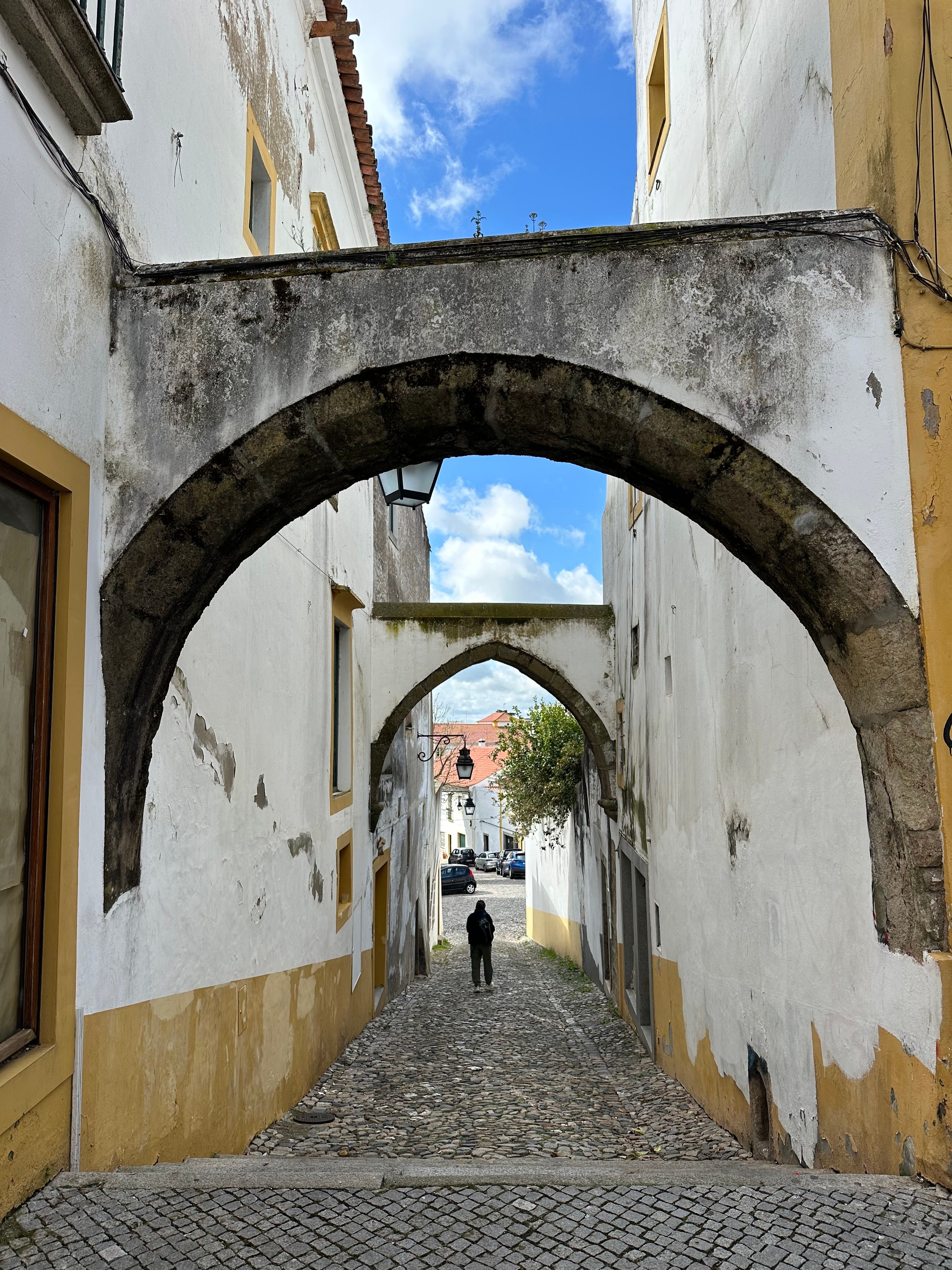
Évora is a UNESCO World Heritage site that blends Roman history, medieval architecture, and a modern, vibrant university scene. Digital nomads gravitate here for its exceptional quality of life, affordable rent, and the chance to disconnect from city noise while remaining productive. The city is highly walkable, with its historic core enclosed by ancient walls, creating a cozy and safe atmosphere.
While the pace is slower than in Lisbon, the reliable internet makes it a practical choice for those who value deep work. The local culture is deeply rooted in Alentejo traditions, from the rich, earthy cuisine to the world-renowned regional wines. If you prioritize peace, cultural immersion, and an affordable lifestyle, Évora offers a unique European base.
History
The history of Évora spans over two millennia, with layers of Roman, Visigothic, Moorish, and Portug…
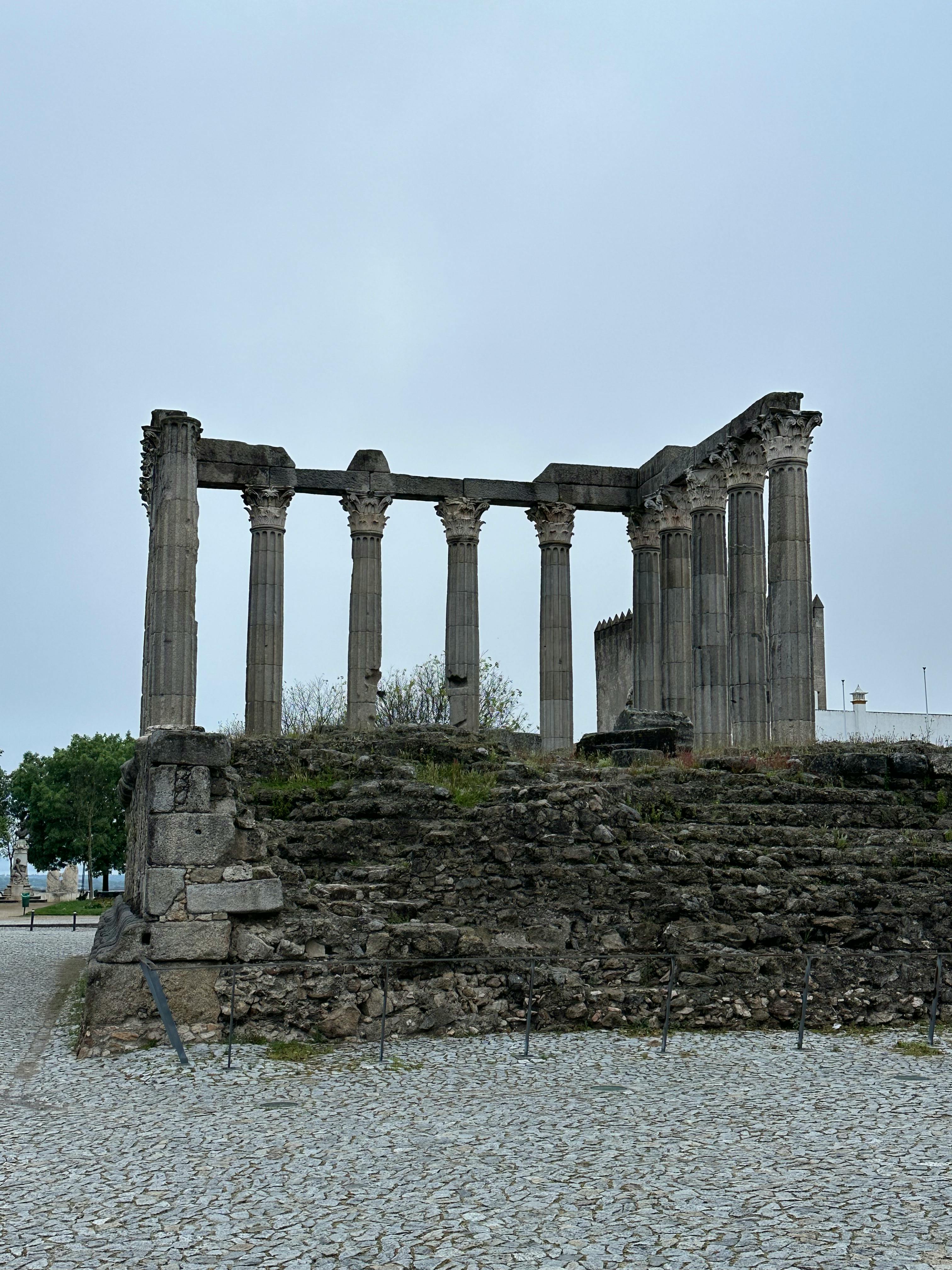
The history of Évora spans over two millennia, with layers of Roman, Visigothic, Moorish, and Portuguese influences clearly visible in its architecture. The Roman Temple, often misattributed to Diana, stands as a testament to the city's ancient status as Liberalitas Julia, a key administrative center in the Iberian Peninsula.
During the Middle Ages, the city became a royal seat, leading to the construction of the iconic Cathedral of Évora and the surrounding defensive walls. The Renaissance era saw a burst of intellectual growth with the founding of the University of Évora in 1559, which solidified the city's reputation as a cultural and educational hub in southern Portugal.
1st Century
Roman EstablishmentThe city flourished as the Roman town of Liberalitas Julia, leaving behind the stunning remains of a temple.
715
Moorish ConquestThe city was captured by Moorish forces, who renamed it Jabura and significantly influenced the urban layout.
1165
Christian ReconquestGeraldo sem Pavor (Gerald the Fearless) conquered the city for the Portuguese crown, marking the start of Christian rule.
1559
Founding of the UniversityThe establishment of the University of Évora sparked a period of academic and artistic renaissance in the city.
1986
UNESCO RecognitionThe historic center was classified as a UNESCO World Heritage site, protecting its unique architectural heritage.
Where to Stay
Choose your base camp
Distinct neighbourhoods, different rhythms. Pick the one that fits your work-life balance.

Heart of the action
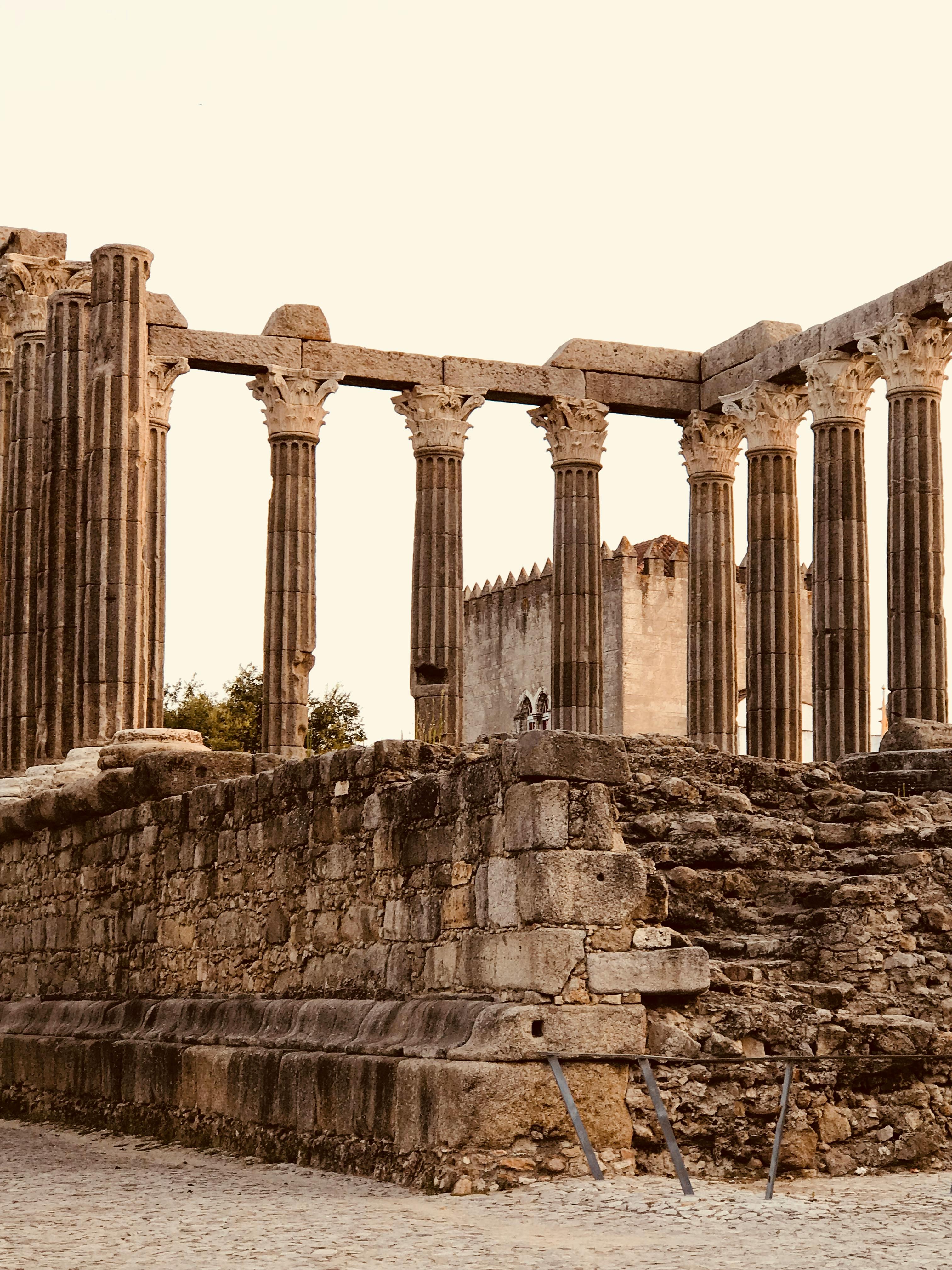
Centro Histórico
Living here puts you in the middle of all the attractions and cafes. Rent is slightly higher but you gain the convenience of being walking distance to everything.
Budget friendly
University District
This area offers great value for nomads looking to rent rooms. The atmosphere is youthful and energetic with plenty of affordable dining options.
Slow living
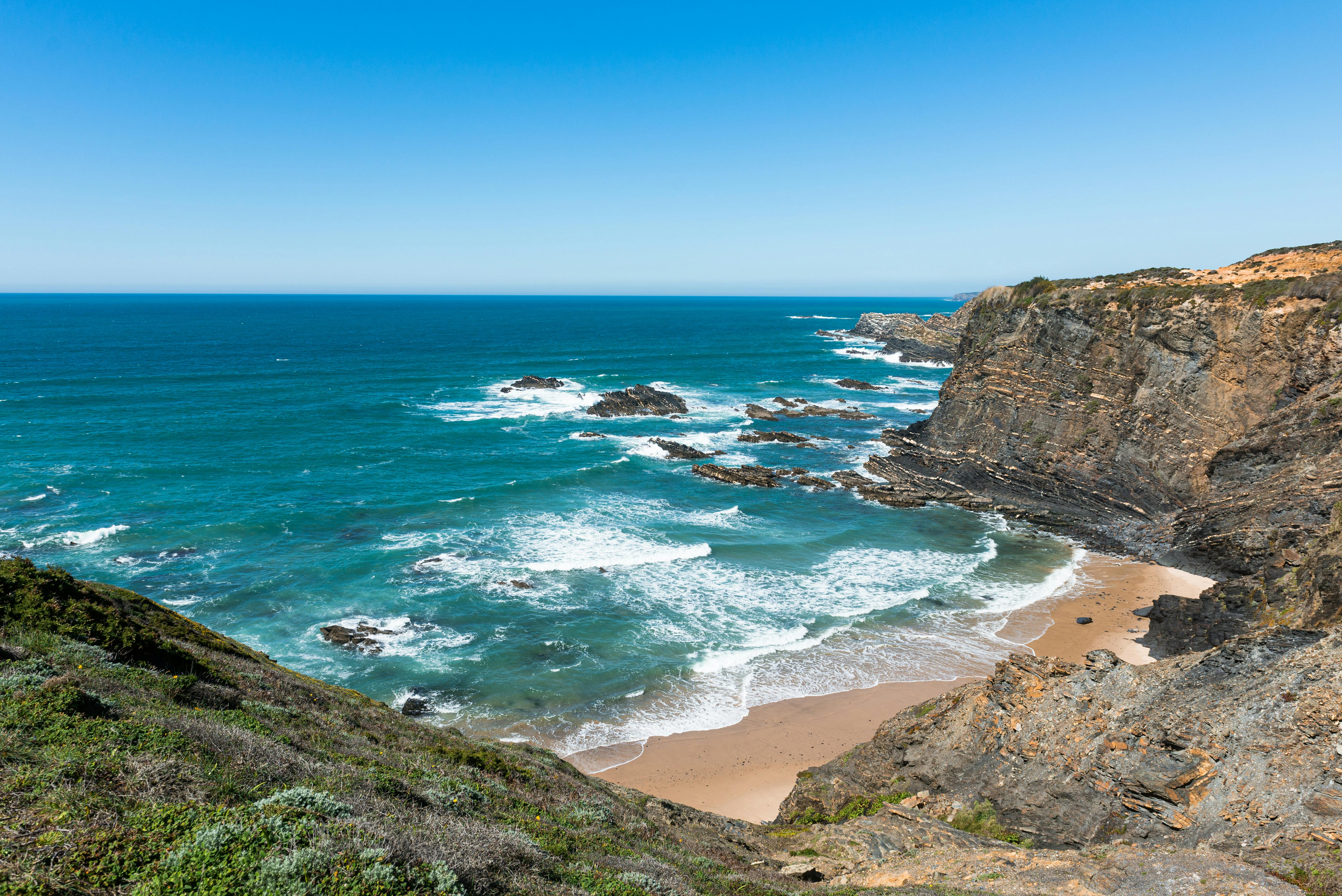
Outer City Limits
Perfect for those seeking extra space and quiet. You might need a bike or a car to reach the city center, but you get more value for your money here.
Places to Go
The experiences that will make you never leave
These aren't tourist checkboxes — they're the experiences that reset your sense of what's normal.
Top Pick
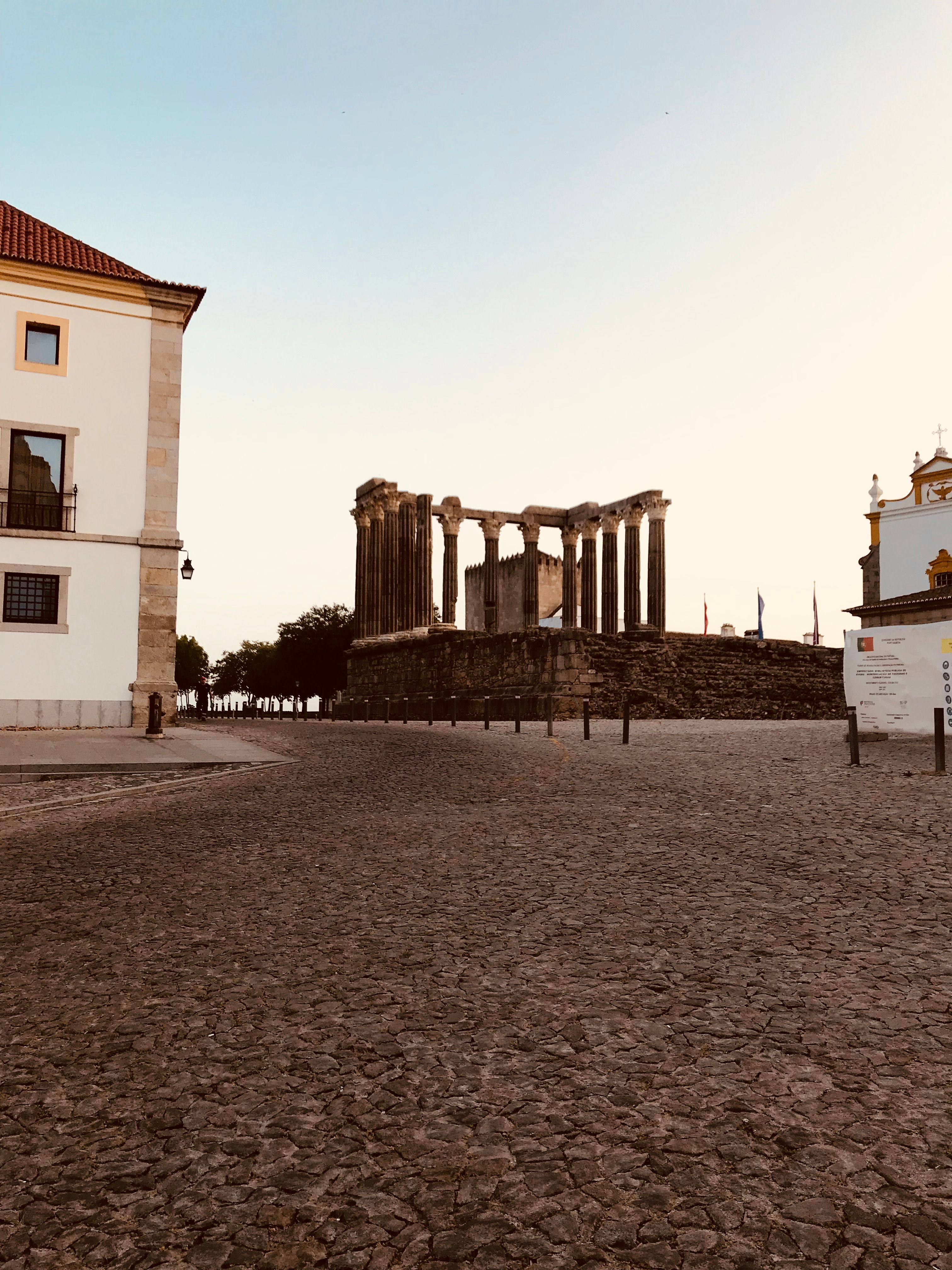
Templo Romano de Évora
This iconic 1st-century Roman temple is one of the best-preserved in the Iberian Peninsula. It is located in the center of the city near the Cathedral and offers a great backdrop for photos.
Official Website
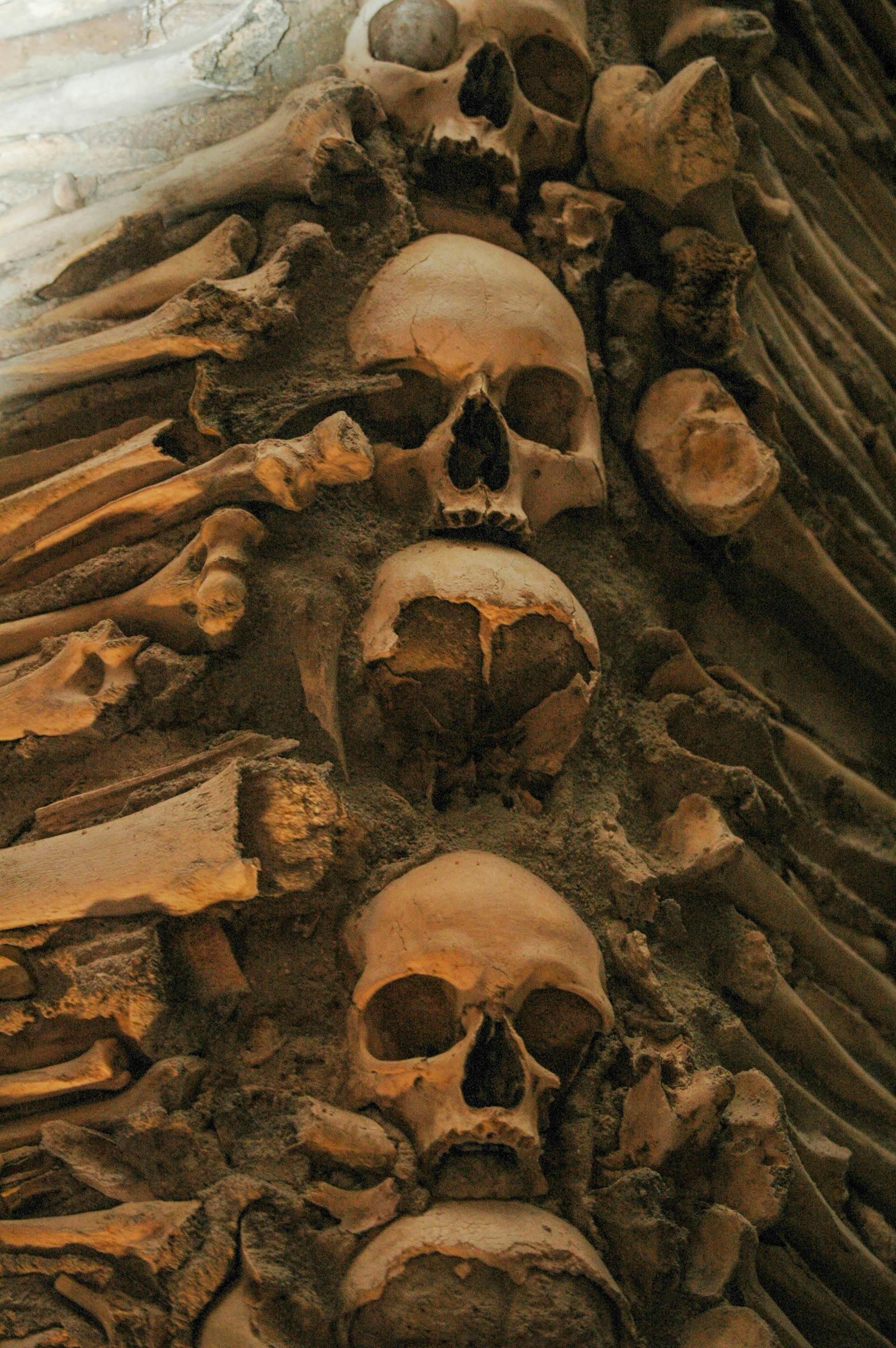
Capela dos Ossos
Located within the Church of St. Francis, this macabre yet fascinating chapel is lined with human bones. It is a famous landmark that reflects 16th-century perspectives on life and death.
Wikipedia
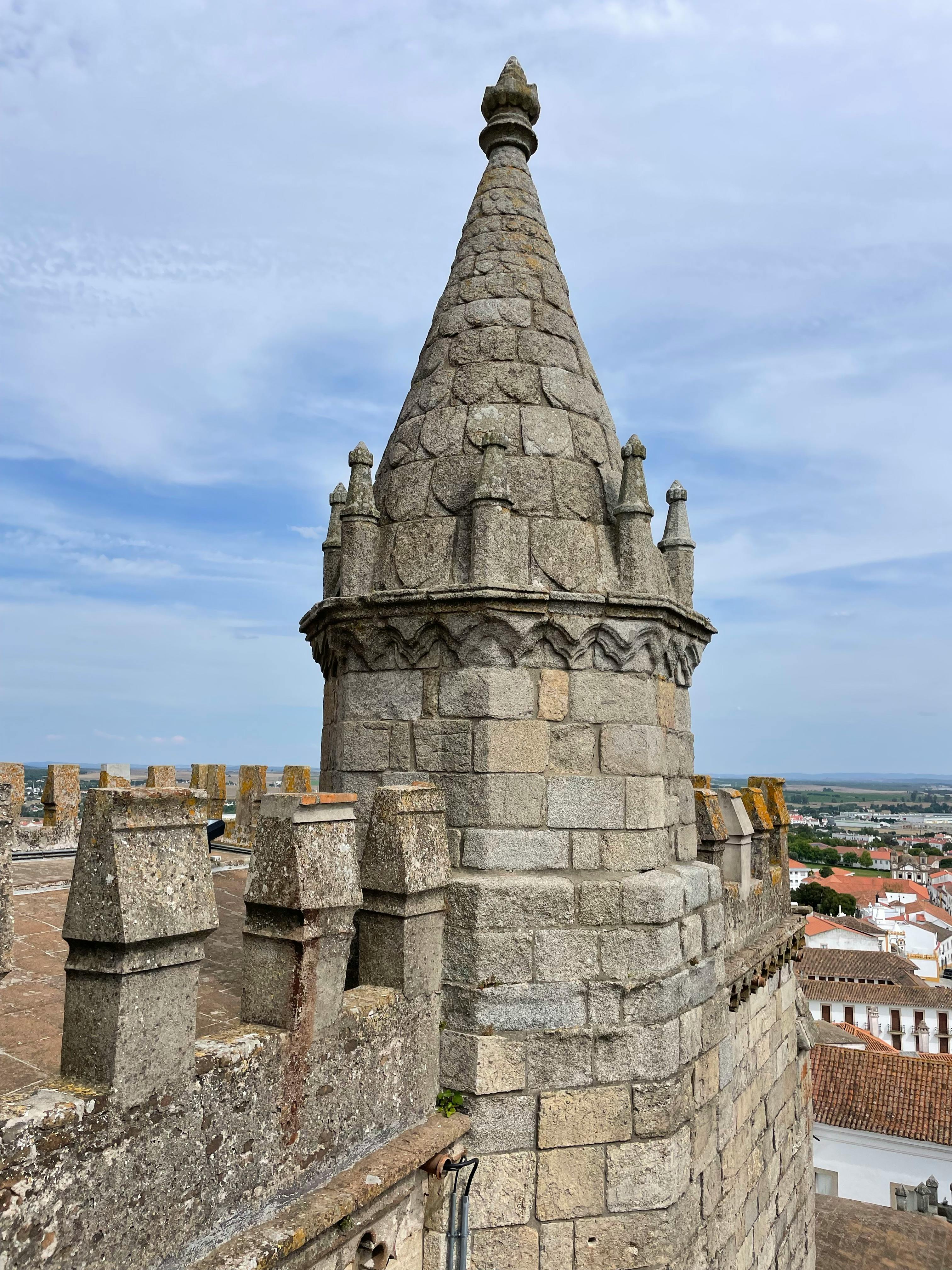
Sé de Évora
The Cathedral of Évora is a masterpiece of Gothic and Romanesque architecture. Visitors can climb to the roof for expansive views of the surrounding Alentejo plains.
Work & Connectivity
Stay connected wherever you work
The nomad community here is real — cafés and coworking spaces where you can work and meet others.
Espaço Inovação Évora
The primary coworking facility in the city, providing a professional environment for remote workers. Ideal for networking with local tech enthusiasts.
Local University Library
The library offers a quiet, academic environment suitable for deep focus. It requires a quiet demeanor and is perfect for students and digital nomads alike.
City Center Cafes
Several cafes around the main square provide free Wi-Fi and ample seating, perfect for a casual morning of emails.
Budget & Costs
What it costs to live in Évora
Choose your lifestyle tier. Comfortable = furnished accommodation, local + occasional Western food, transport, leisure.
$1205
per month · USD · comfortable lifestyle
ModerateFurnished studio, local restaurants, transport, and weekend trips.
Exchange rates
Check xe.com or your bank for current USD to local currency.
Check xe.com or your bank for current USD to local currency.
🏠 Rent 42%$511/mo
🍽️ Food 26%$310/mo
🚌 Transport 5%$55/mo
💡 Utilities 8%$91/mo
🎭 Leisure 12%$146/mo
🏥 Health 8%$91/mo
Connectivity
Well connected to the world
Internet and transport options for remote workers.
📶
Internet
Good — fibre common
Check local providers.
🏢
Coworking
From ~$80/mo
Dedicated spaces available.
🚌
Local Transit
5 / 10
Scooter and taxi common.
20 km from centre
Safety & Visa
Safe, welcoming, and easy to enter
Safety Score6 / 10
✗ Tap Water✓ Night Safe📞 112 or local emergency number
Visa
Check your entry options
Many nationalities get visa-free or visa-on-arrival. Check official government sources for your citizenship before travel.
Culture & Festivals
Local soul, nomad-friendly
Multiculturalism5/10
Foodie Scene5/10
Remote work
Jun
S. Pedro Festival
A traditional celebration with music, dancing, and local festivities that brings the community together.
Nov
Harvest Season
Celebration of the region's agricultural roots with special events focused on local wines and olive oils.
For those with a vehicle, Évora serves as a perfect hub to explore the wider Alentejo region, including the nearby megalithic sites like the Cromlech of Almendres, which are some of the oldest in Europe.
Food & Nightlife
A feast for every mood
From street food to cafés and nightlife — every meal is an event.
Regional Cuisine
Traditional Tascas
Head to a local 'tasca' to taste authentic Alentejo bread soup (açorda) and pork dishes. These venues are affordable and deeply traditional.

Wine Culture
Alentejo Wineries
The region is famous for its bold red wines. Many bars in the center offer wine tastings paired with local cheeses.
Climate
Best months: Jan, Feb, Mar, Apr, May, Jun, Jul, Aug, Sep, Oct, Nov, Dec
Avg humidity62%
Avg AQI35
Évora is accessible year-round, but spring and autumn are widely considered the ideal times for digital nomads. During these months, the temperatures are comfortable for exploring the historic streets without the intense heat of the summer months. Spring brings blooming wildflowers, while autumn marks the grape harvest season in the surrounding Alentejo vineyards.
Summers in Évora can be exceptionally hot, often exceeding 35°C (95°F), so you will need to plan your workday around air-conditioned spaces. Winters are mild but can be chilly at night, making it a quiet time to experience the city without tourist crowds. Regardless of when you visit, the city maintains a steady rhythm suitable for long-term remote stays.
Monthly temperatures °C
BestAvoidShoulder
Practical Info
Everything you need to know
🏥
Healthcare
Évora has a reliable public hospital and several local health clinics. Ensure you have travel insurance for any medical emergencies.
💱
Money
Portugal uses the Euro. While cards are widely accepted, it is helpful to carry some cash for small purchases at local markets or traditional cafes.
🌐
Language & Etiquette
Portuguese is the official language. While English is common in tourist areas, learning a few basic phrases goes a long way with the locals.
Tips
Quick tips
- Always carry a reusable water bottle, though note that tap water is generally not preferred for drinking by locals.
- Try the local 'queijadas' or other regional pastries early in the morning at a bakery.
- Visit the tourist information center near the Roman Temple for maps and event schedules.
- Learn basic Portuguese greetings to build rapport with your local hosts and neighbors.
- Plan your outdoor activities early in the day during summer months to avoid extreme heat.
- Check the university schedule if you plan to use local academic resources.
- Walk the city walls at sunset for a beautiful view of the plains.
Further Reading