Wuhan · China
Overview
Wuhan is not just a transit hub; it is the beating heart of central China where history and future collide on every street corner.
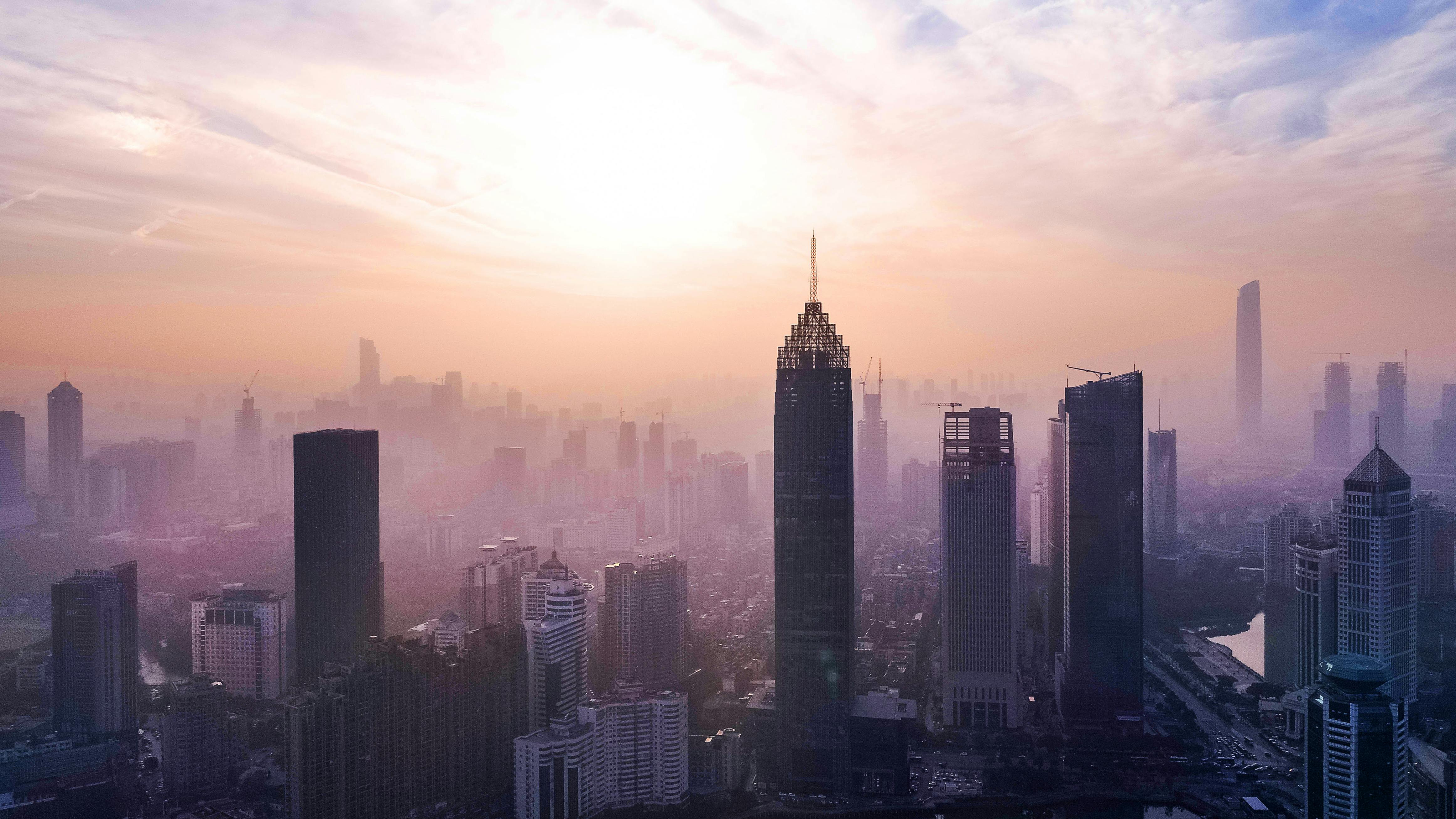
Often referred to as the 'Chicago of China,' Wuhan is a city defined by the confluence of the Yangtze and Han rivers. It is a sprawling metropolis split into three distinct areas—Wuchang, Hankou, and Hanyang—each offering a unique perspective on life in this central transport nexus. Nomads are drawn to its energetic university campuses, vibrant street food scene, and the sheer scale of urban development that makes it a true window into modern China.
While the city can be intense, it provides a fascinating, unfiltered experience for those who look beyond the surface. With a cost of living that remains accessible compared to coastal hubs, it is becoming a unique destination for remote workers who value authentic cultural immersion. Whether exploring the historic riverside or navigating its expansive green spaces, the climate shifts ensure there is always a new side of the city to discover.
History
Wuhan has a rich and complex history dating back over 3,500 years.
Wuhan has a rich and complex history dating back over 3,500 years. As the capital of Hubei Province, its location at the intersection of the Yangtze and Han rivers turned it into one of China's most important trade and transportation hubs throughout various dynasties. Historically known for the 'Three Towns' of Wuchang, Hankou, and Hanyang, it has long been a center for commerce and military strategy.
In the 20th century, the city became a focal point for major political shifts in China. It was the site of the 1911 Wuchang Uprising, which led to the downfall of the Qing Dynasty and the birth of the Republic of China. Today, the city reflects this layered past, where ancient monuments stand in the shadow of modern infrastructure, creating a living archive of China's transformation.
1500 BC
Panlongcheng PeriodEarly settlements emerged in the area, marking the foundation of urban development in the region.
1911
Wuchang UprisingThe site of the famous rebellion that sparked the Xinhai Revolution and ended imperial rule.
1957
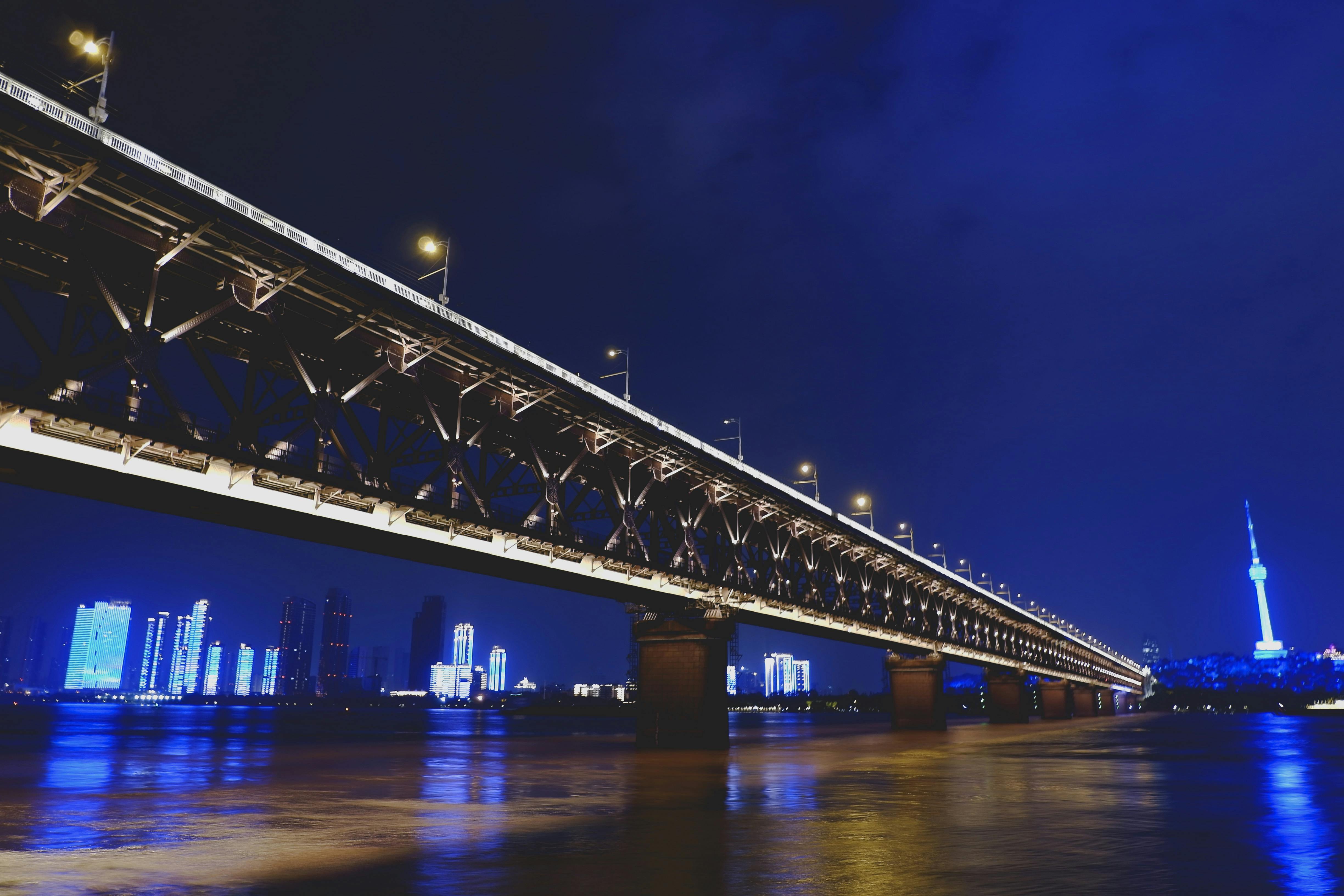
Yangtze River BridgeThe completion of the first bridge across the Yangtze River solidified Wuhan's role as a major transport hub.
2020
Modern ResilienceThe city became the focal point of global attention, later emerging as a symbol of urban recovery and infrastructure growth.
Where to Stay
Choose your base camp
Distinct neighbourhoods, different rhythms. Pick the one that fits your work-life balance.
Luxury Living
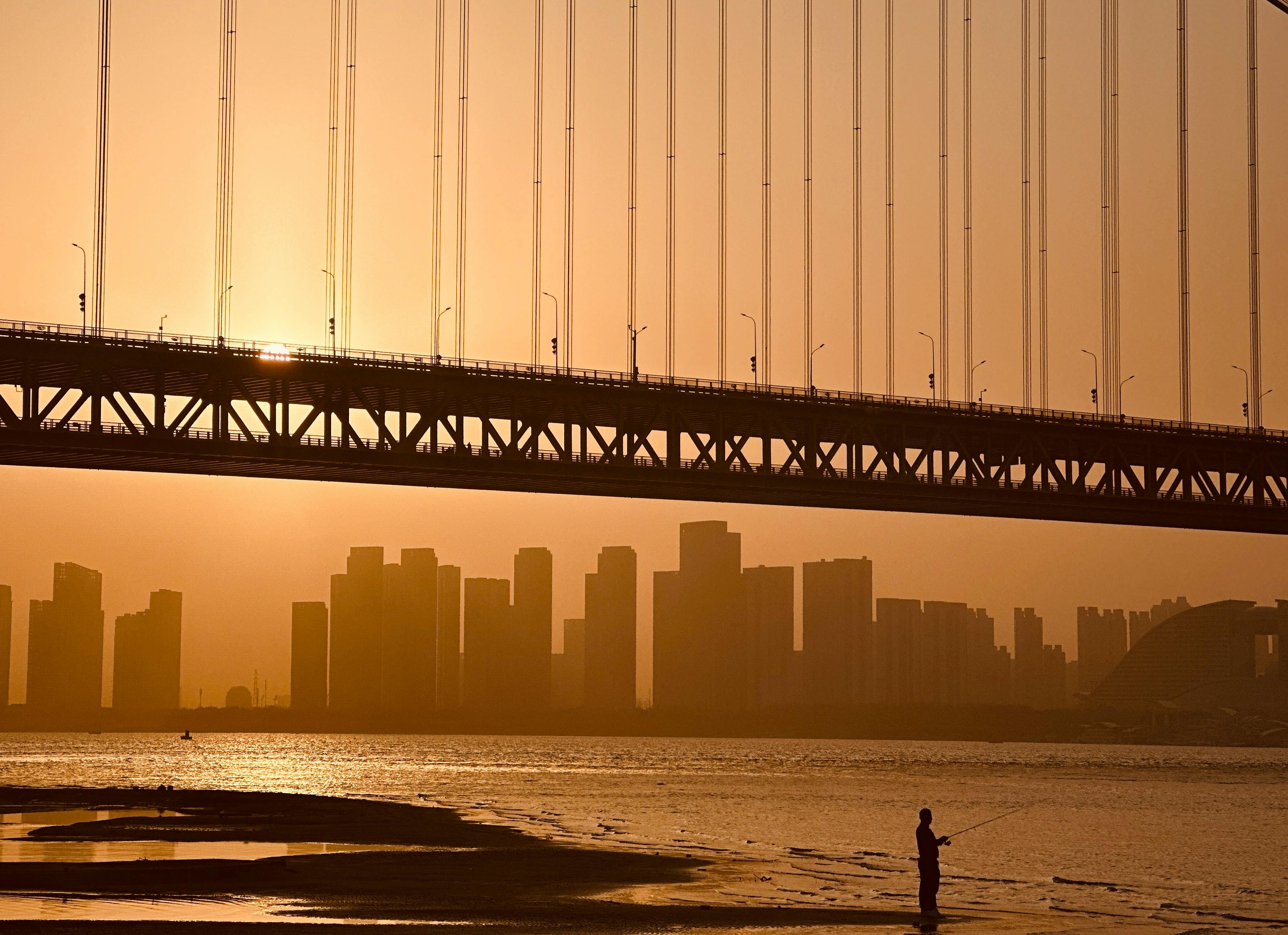
Jiang'an
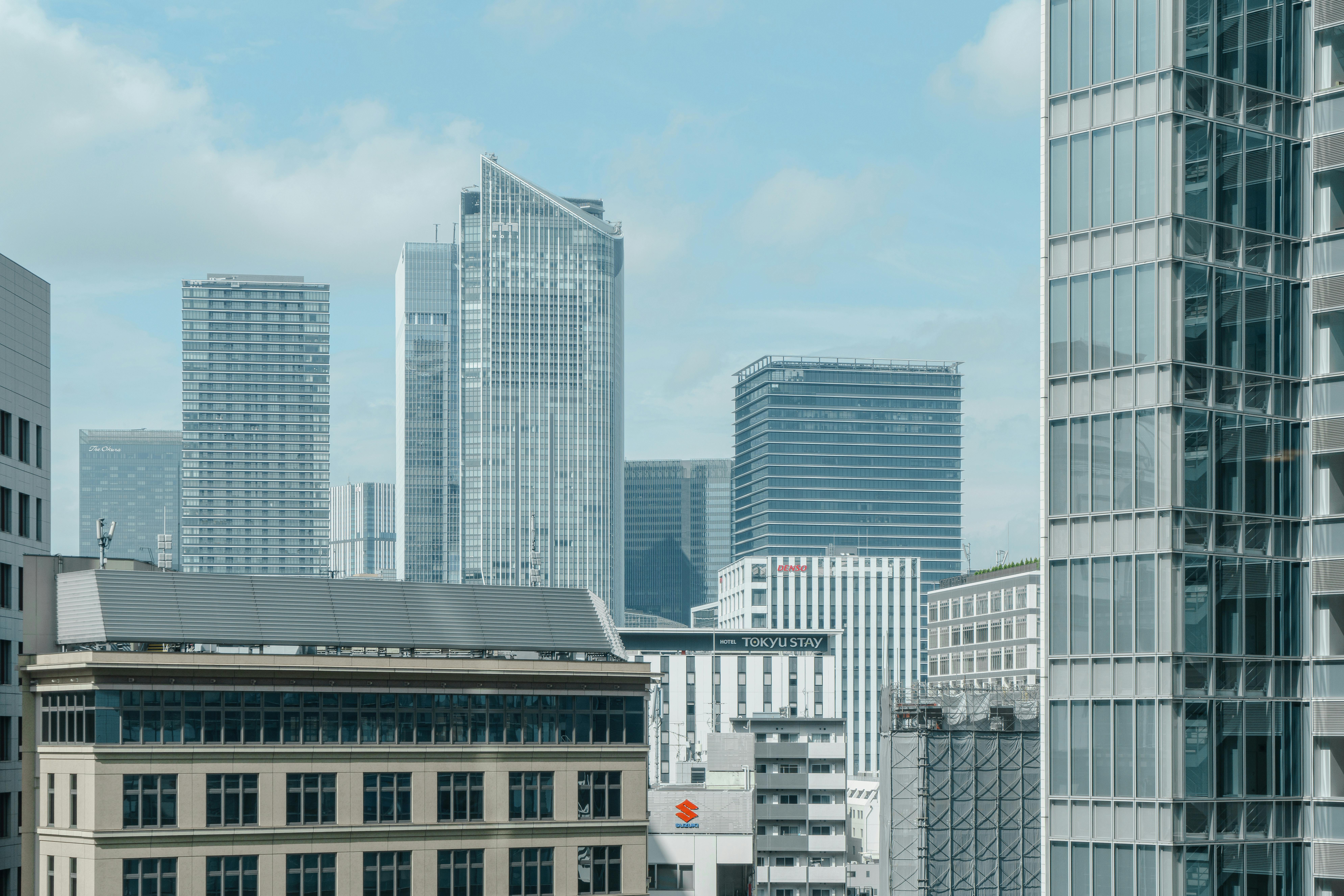
The premier area for high-end serviced apartments and river views. Perfect for those who want proximity to the best dining and shopping.
University Vibe
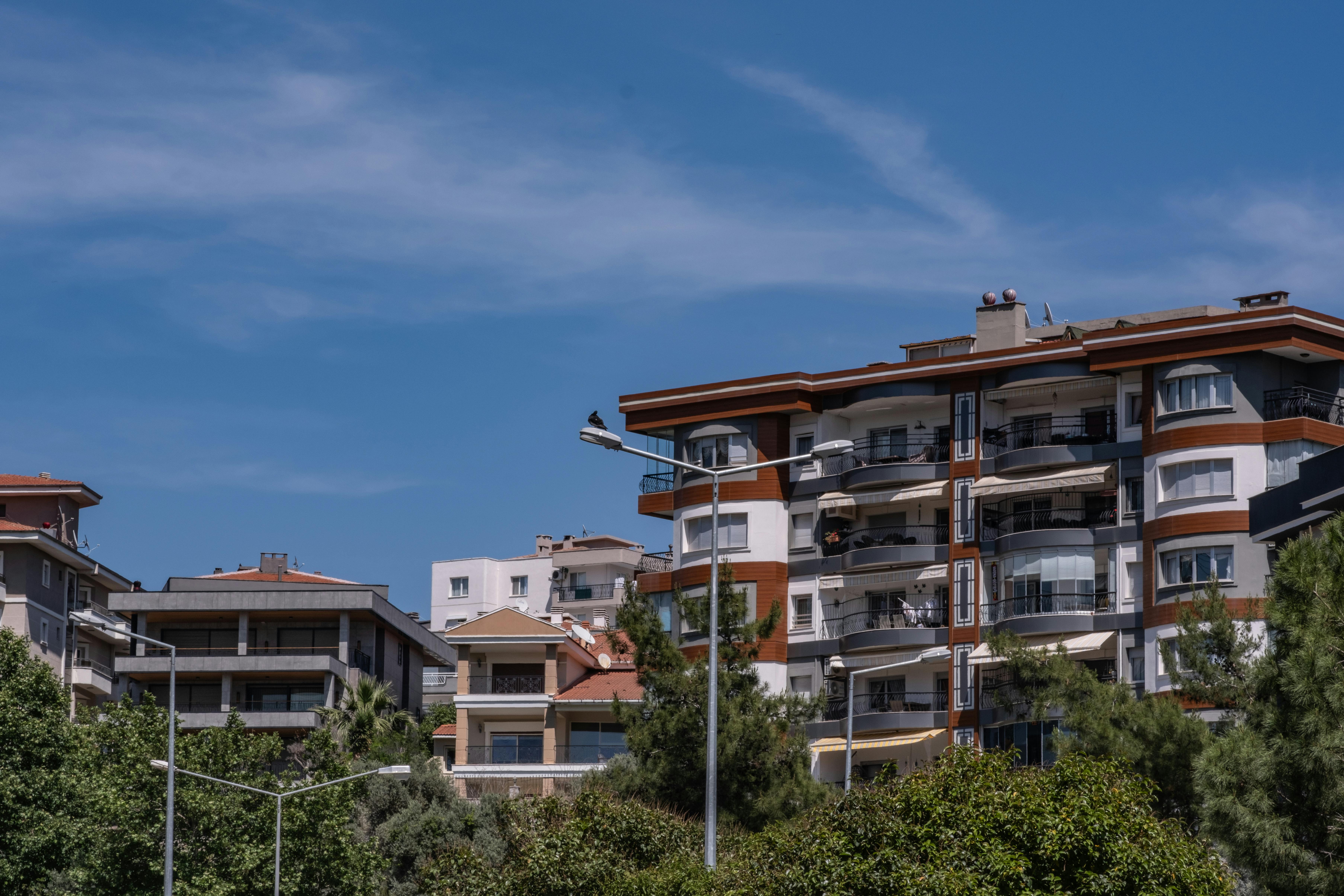
Wuchang
Known for its academic influence and proximity to parks. It offers a mix of local housing and student-friendly amenities.
Budget Friendly
Qiaokou
A dense, authentic district where basic, affordable housing is abundant. Ideal for nomads looking to minimize costs.
Places to Go
The experiences that will make you never leave
These aren't tourist checkboxes — they're the experiences that reset your sense of what's normal.
Top Pick
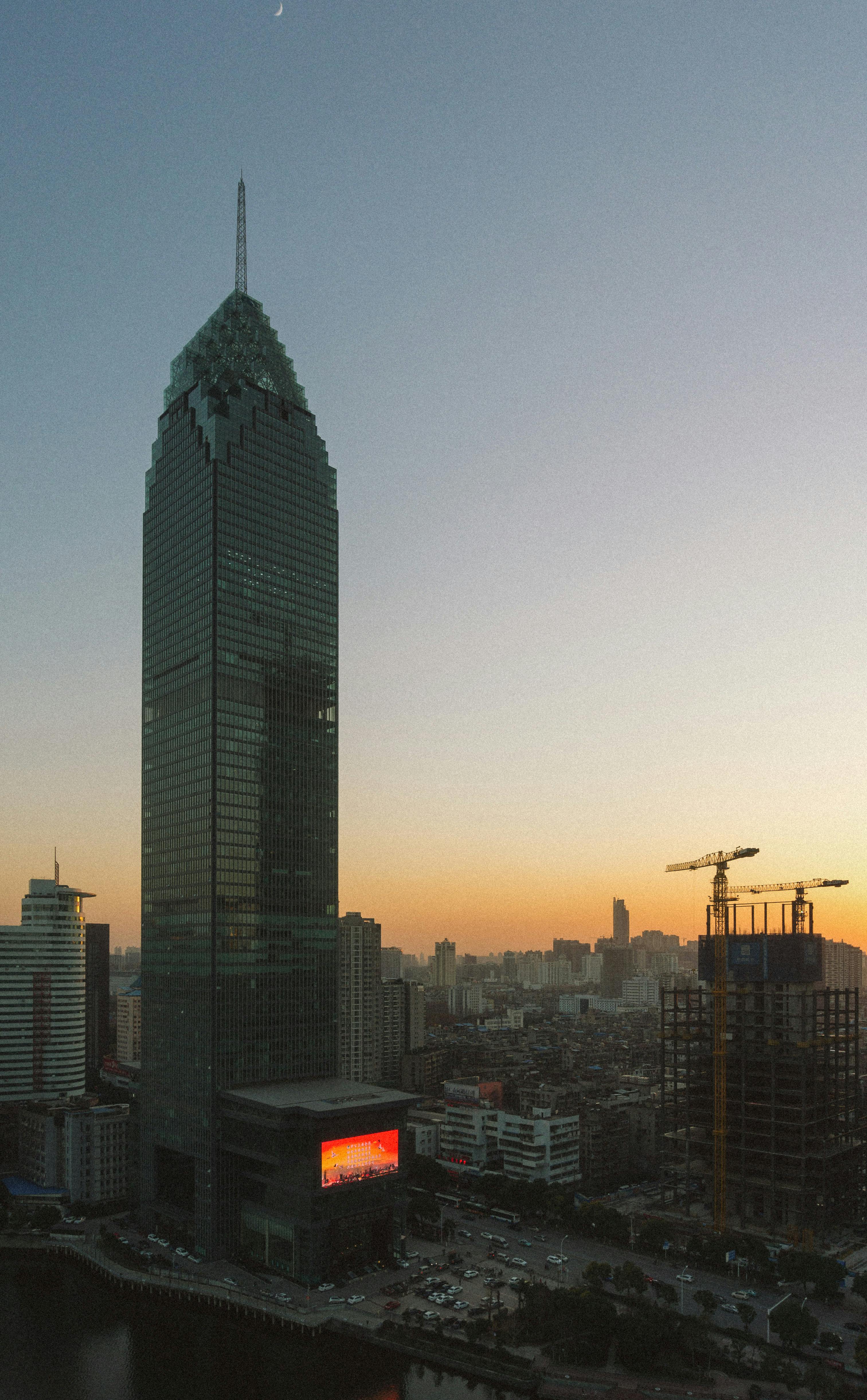
Yellow Crane Tower
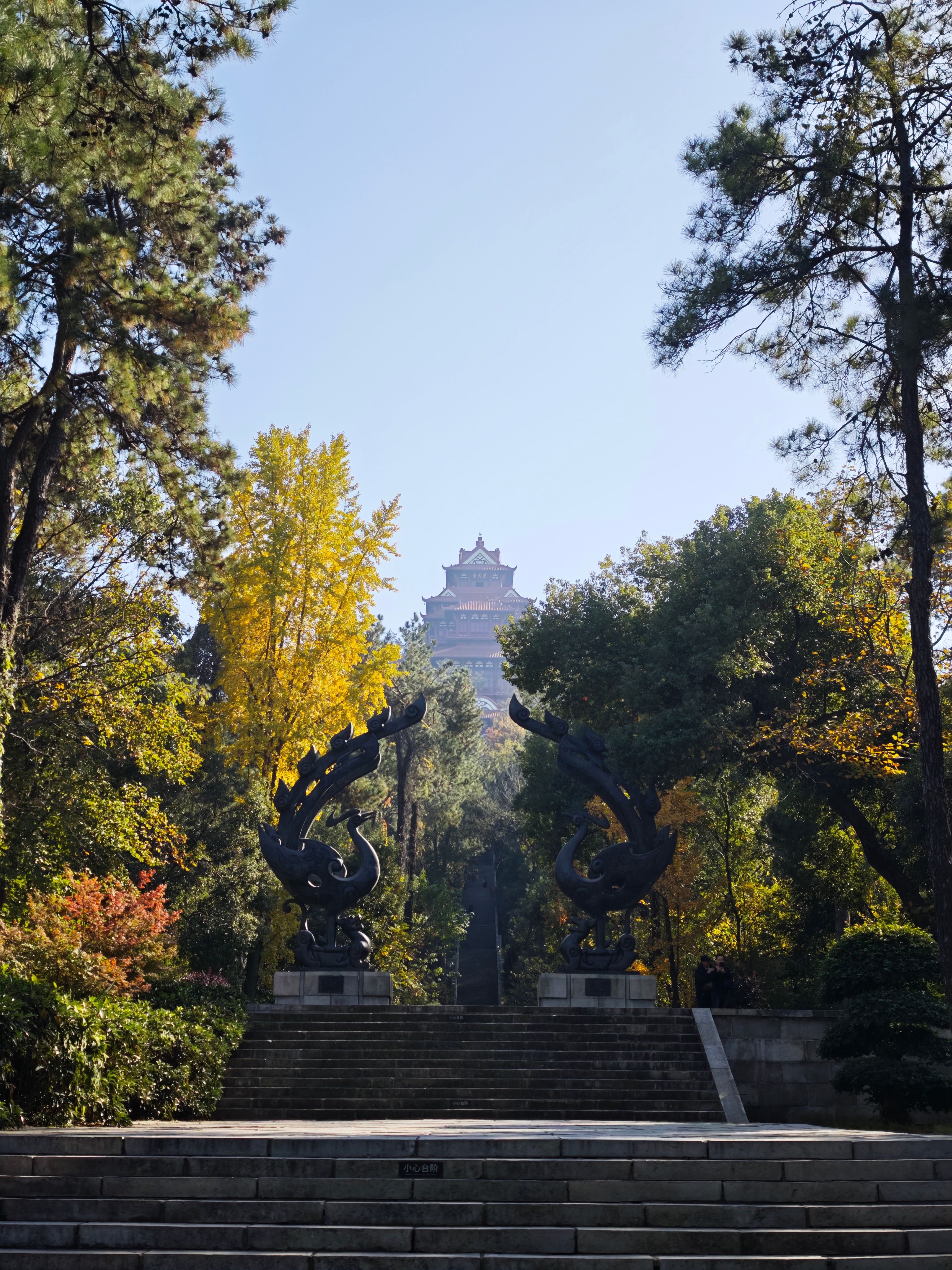
A historic landmark offering panoramic views of the Yangtze River. It is considered one of the Four Great Towers of China.
Tourism Site
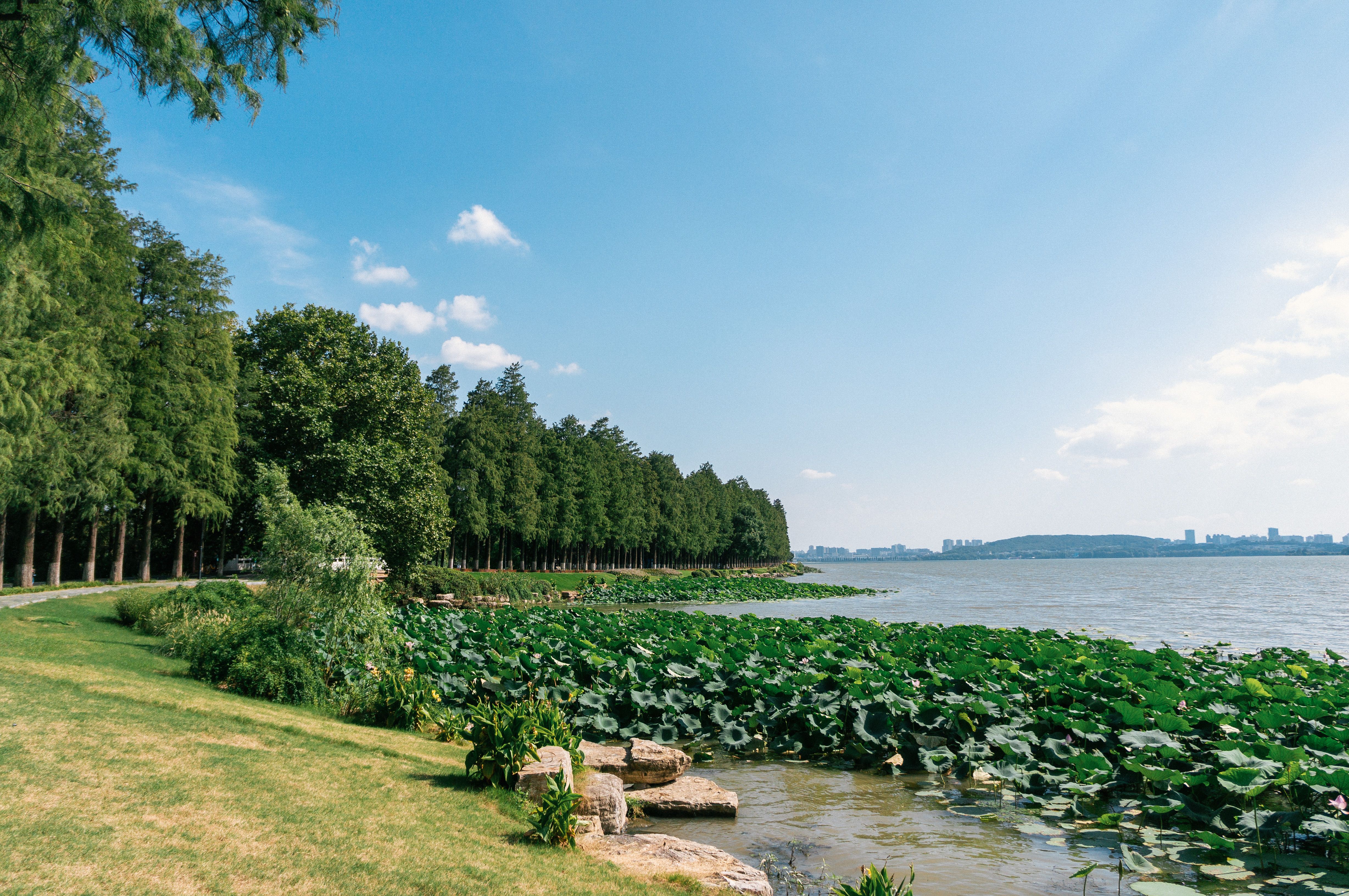
East Lake
A massive urban lake with extensive cycling paths and lotus gardens. It is the perfect escape from the concrete jungle.
YouTube
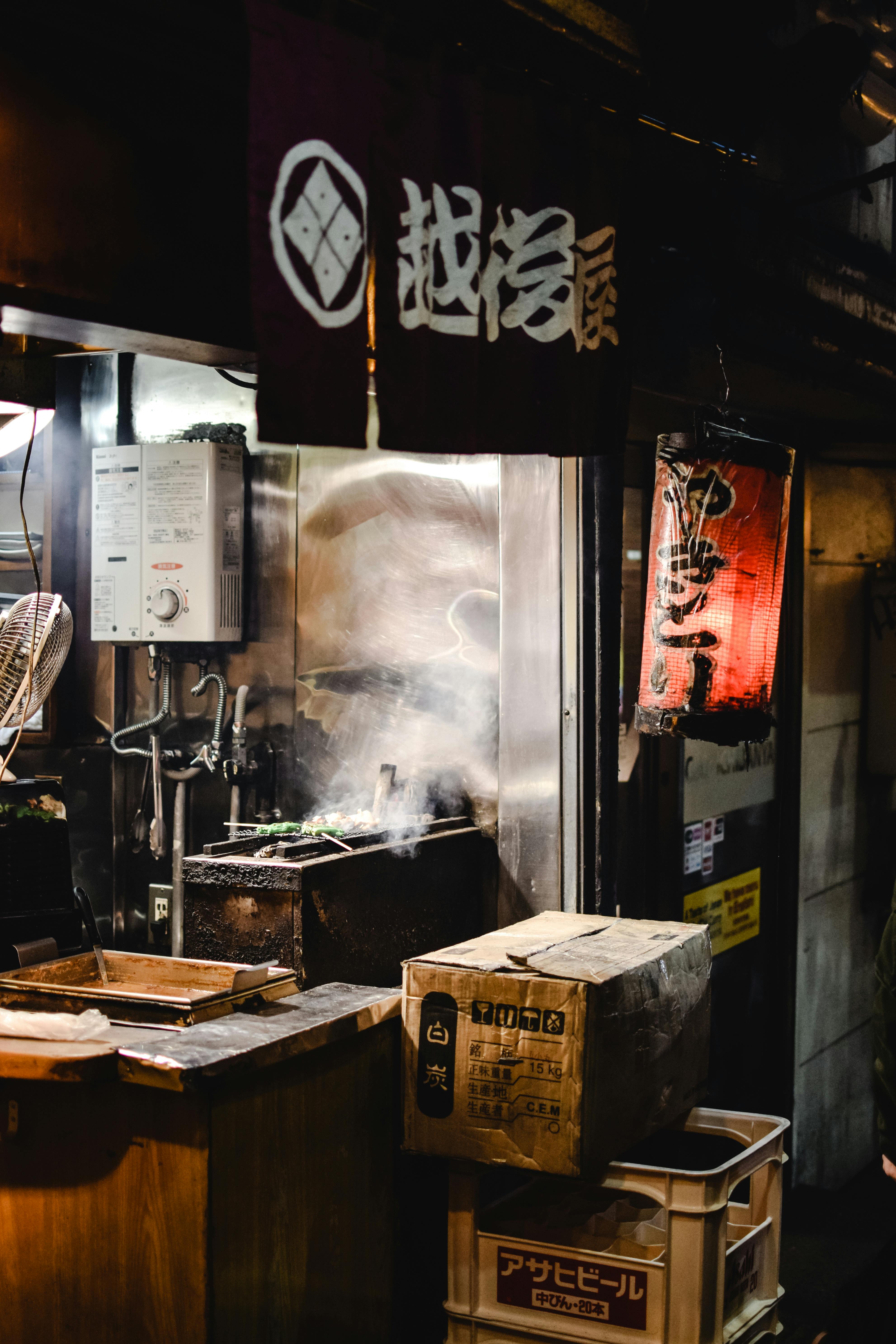
Hubu Lane
The go-to destination for local Wuhan snacks and street food culture. It is always bustling with life and smells of local spices.
Wikipedia
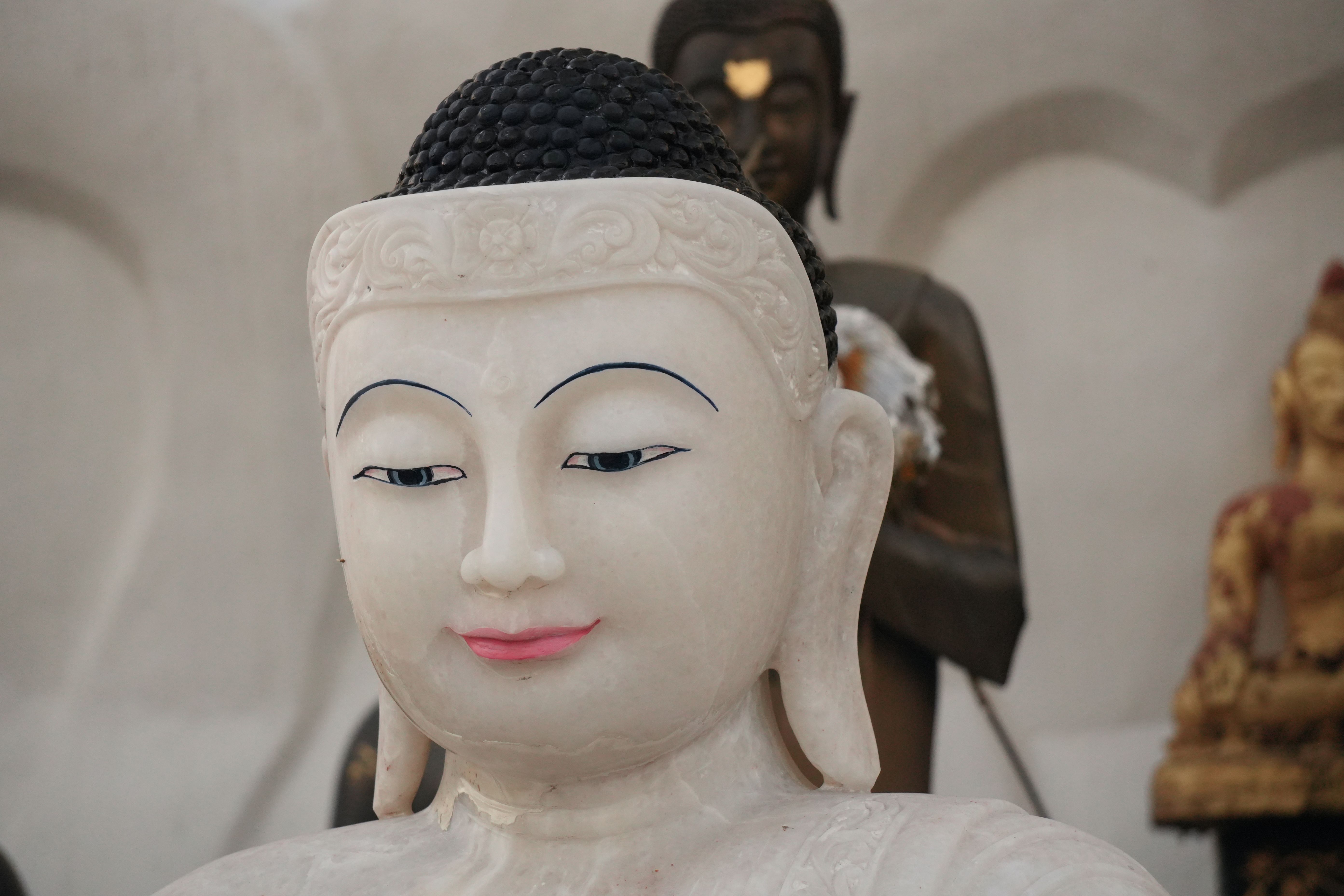
Guiyuan Temple
A serene Buddhist temple known for its 500 Arhat statues. It provides a quiet refuge in the middle of Hanyang.
Official Site
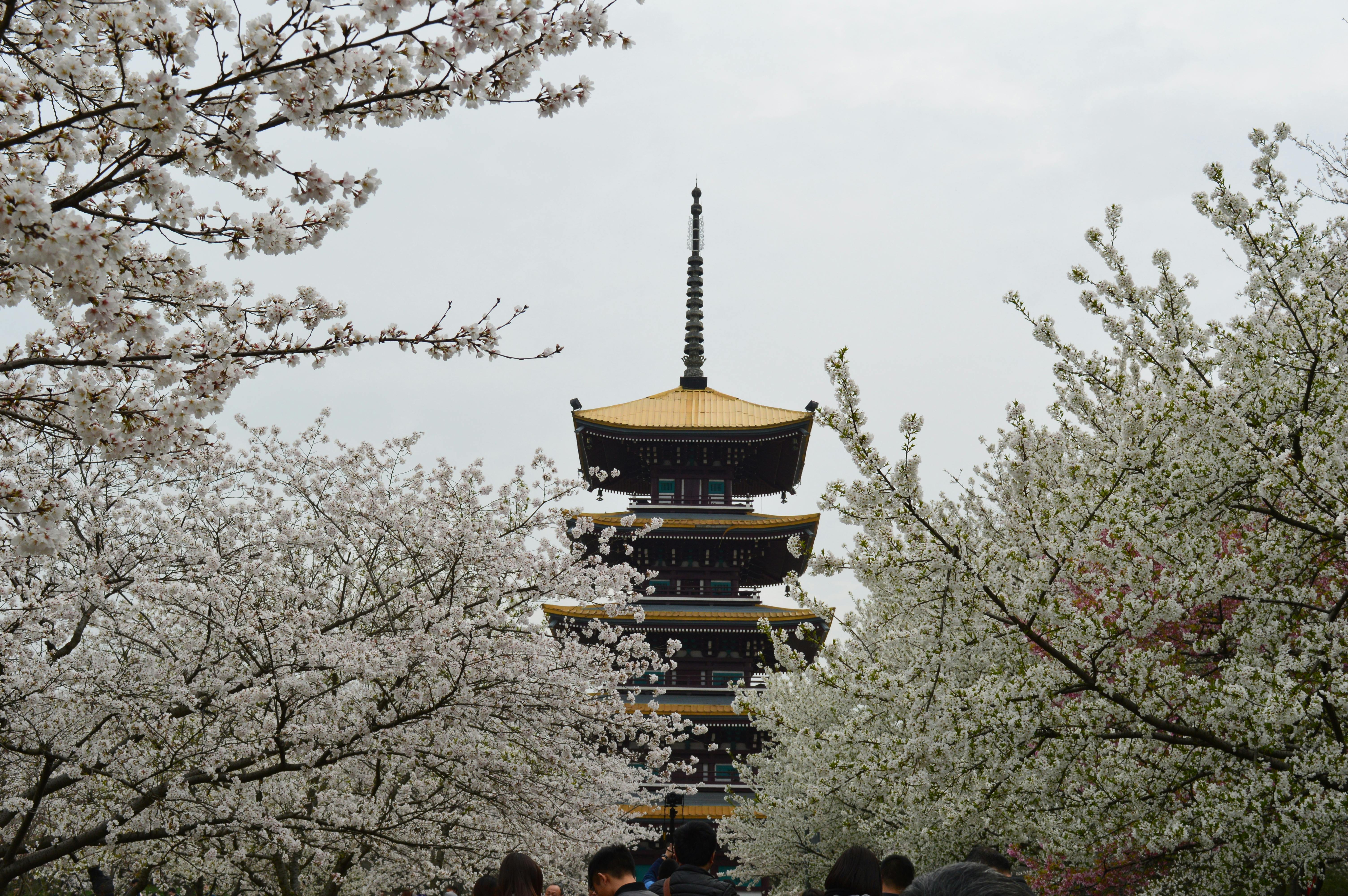
Wuhan University
Famed for its stunning campus architecture and cherry blossoms in spring. It is a scenic hub of academic energy.

Wikipedia
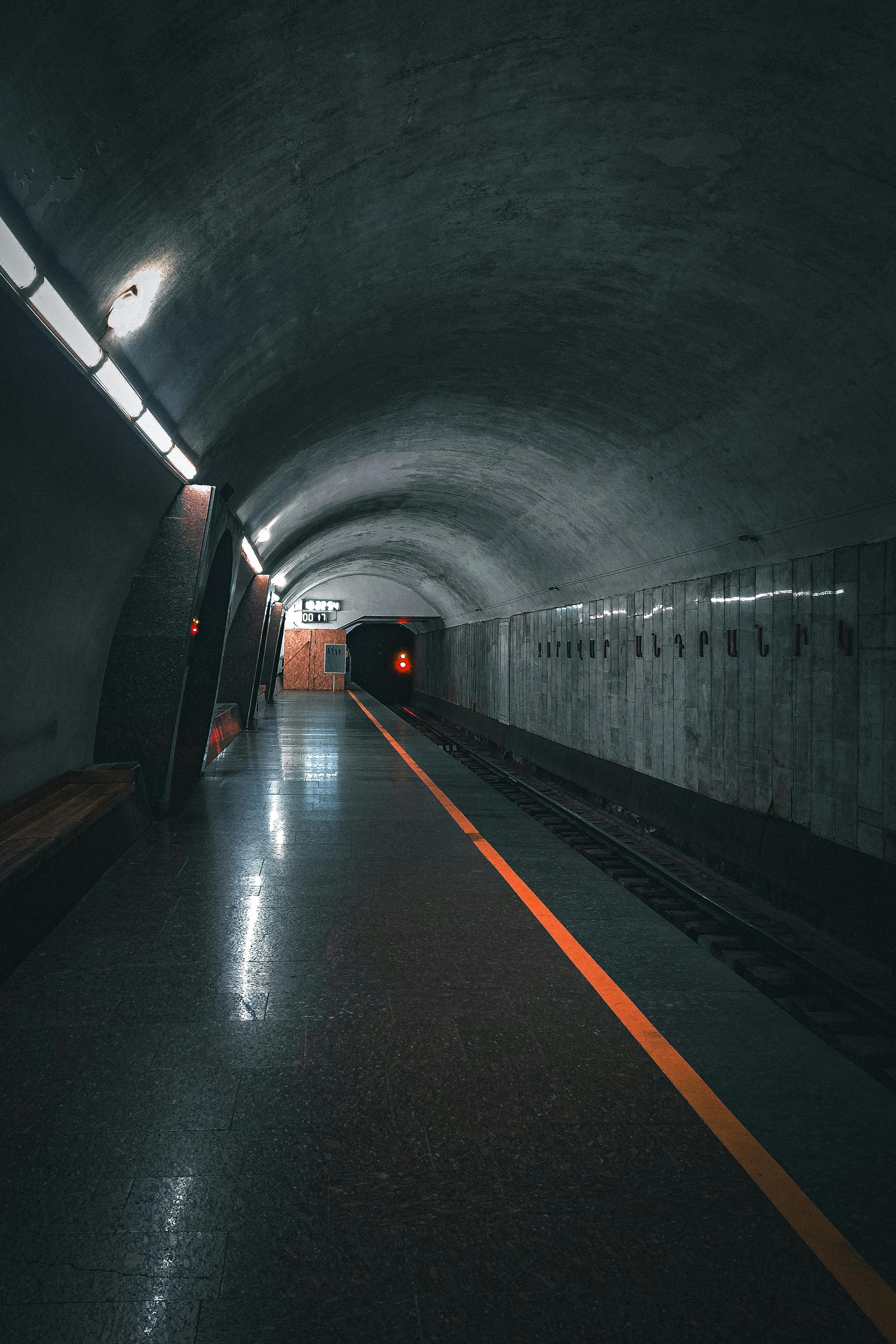
Hubei Museum
Home to ancient artifacts, including the famous Chime Bells. It is the best place to learn about regional history.
Work & Connectivity
Stay connected wherever you work
The nomad community here is real — cafés and coworking spaces where you can work and meet others.
Wuhan Hub 💼
A professional space designed for local entrepreneurs and international visitors. Features reliable high-speed internet and ergonomic workstations.
Ucommune 🌐
A large-scale coworking provider with several locations in the city. Great for networking and meeting other remote professionals.
Independent Coffee Shops ☕
Many cafes near the university districts offer decent Wi-Fi and quiet corners for focused work.
Budget & Costs
What it costs to live in Wuhan
Choose your lifestyle tier. Comfortable = furnished accommodation, local + occasional Western food, transport, leisure.
$1168
per month · USD · comfortable lifestyle
ModerateFurnished studio, local restaurants, transport, and weekend trips.
Exchange rates
Check xe.com or your bank for current USD to local currency.
Check xe.com or your bank for current USD to local currency.
🏠 Rent 45%$526/mo
🍽️ Food 25%$292/mo
🚌 Transport 5%$58/mo
💡 Utilities 7%$82/mo
🎭 Leisure 12%$140/mo
🏥 Health 6%$70/mo
Connectivity
Well connected to the world
Internet and transport options for remote workers.
📶
Internet
Good — fibre common
Check local providers.
🏢
Coworking
From ~$80/mo
Dedicated spaces available.
🚌
Local Transit
8 / 10
Wuhan Tong for metro
WUH
Wuhan Tianhe International Airport
26 km from centre
bangkokbeijingbusanchengduchiangmaichongqingdalianguangzhou
Safety & Visa
Safe, welcoming, and easy to enter
Safety Score7 / 10
✗ Tap Water✓ Night Safe📞 110
Visa
Check your entry options
Many nationalities get visa-free or visa-on-arrival. Check official government sources for your citizenship before travel.
Culture & Festivals
Local soul, nomad-friendly
Multiculturalism6/10
Foodie Scene7/10
🌤️ Four Seasons🍜 Amazing Food💵 Mid-Range💼 Transport Hub
Apr
Cherry Blossom Festival
A city-wide celebration of spring, particularly stunning at Wuhan University.
Wuhan is a massive city that rewards exploration by foot and bike-share. Don't be afraid to use the ferry systems to cross the Yangtze for a change of pace between districts.
Food & Nightlife
A feast for every mood
From street food to cafés and nightlife — every meal is an event.

Street Food
Hot Dry Noodles
The iconic breakfast dish of Wuhan. Simple, spicy, and sesame-infused, it can be found on almost every street corner.

Local Cuisine
Hubu Lane Stalls
A paradise for foodies offering everything from doupi to crayfish. An essential experience for anyone visiting the city.

Café Culture
Wuchang Coffee Scene
The area around Wuhan University has a thriving coffee culture, catering to the large student population.
Climate
Best months: Apr, May, Jun, Sep, Oct
Avg humidity75%
Avg AQI80
The best time to visit Wuhan is during the spring months of April and May or the autumn months of September and October. During these periods, the temperatures are mild and pleasant, making it ideal for walking through the city's many parks and historic sites. The city is particularly famous for its cherry blossoms at Wuhan University in April, which draws visitors from all over the country.
You should avoid the extreme climate months of January, February, and December, when temperatures can drop to freezing, and the humid, sweltering heat of mid-summer. Planning your visit around these shoulder seasons ensures you can enjoy the outdoor life and bustling street markets without battling the harsh seasonal extremes.
Monthly temperatures °C
BestAvoidShoulder
Practical Info
Everything you need to know
🌐
Connectivity
The city has excellent 5G coverage throughout urban areas. You must secure a reliable VPN before arriving to ensure your workflow remains uninterrupted.
💱
Money
Mobile payments via Alipay or WeChat Pay are standard everywhere. Carry a small amount of cash for smaller markets, but digital is king.
🏥
Healthcare
Healthcare facilities are modern and capable. Ensure you have travel insurance that covers international standards, as public hospitals can be crowded.
Tips
Quick tips
- Download a reliable VPN before your flight.
- Get a Wuhan Tong card for all public transit.
- Try 'Hot Dry Noodles' for a cheap local breakfast.
- Use Alipay for almost every transaction.
- Learn basic Mandarin phrases to assist with navigation.
- Carry a physical map or translation app.
- Avoid the mid-summer heat by working indoors during peak hours.
- Visit East Lake early in the morning to beat the crowds.
Further Reading