
Wellington · New Zealand
Overview
Wellington is a city that feels like a big village, where the coffee is strong, the wind is persistent, and the creative energy is constant.
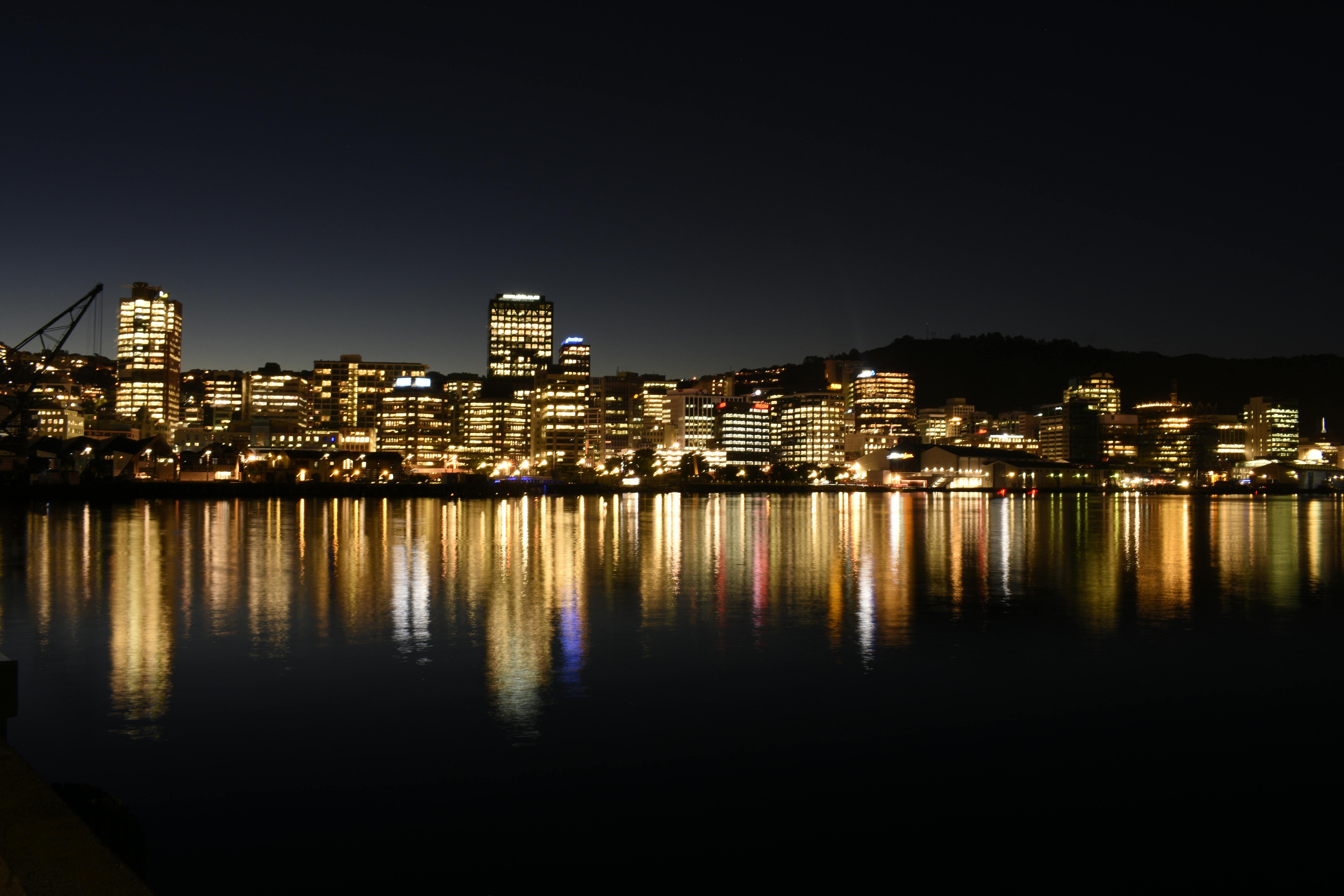
Wellington is widely regarded as the cultural soul of New Zealand. As a digital nomad, you will appreciate the city's walkability, which allows you to move between trendy cafes and professional coworking spaces with ease. The city’s hilly geography creates dramatic vistas, and the harbour provides a central focus for both social life and recreation. While the Cost of living in Wellington reflects the high quality of life found in an island nation, the trade-off is a high-functioning infrastructure that makes remote work effortless. The vibe is sophisticated yet relaxed, mirroring the laid-back nature of the local populace. Before booking your stay, check the climate trends to prepare for the city's notorious winds, which are a defining characteristic of this coastal hub.

History
Wellington was established by the New Zealand Company in 1840, serving as the first planned settleme…
Wellington was established by the New Zealand Company in 1840, serving as the first planned settlement for British colonists. It was named in honor of Arthur Wellesley, the first Duke of Wellington. The city officially replaced Auckland as the capital of New Zealand in 1865 due to its central location on the Cook Strait, which made it easier to govern both islands. Over the following decades, Wellington evolved into a vital port city and the administrative heart of the nation. Throughout the 20th century, the city underwent significant urban development, surviving multiple earthquakes and fires to retain its historic character while modernizing its skyline. Today, it stands as a global centre for film production, government, and the arts, with a unique identity built on its rugged geography and resilience.
1840
FoundationThe New Zealand Company establishes the first European settlement at the site of Wellington.
1865
Capital StatusWellington officially becomes the capital of New Zealand, replacing Auckland.
1902
Cable Car OpeningThe iconic Wellington Cable Car begins operation, connecting the city centre to the suburb of Kelburn.
1998
Museum OpeningTe Papa Tongarewa, the national museum of New Zealand, opens to the public.
Where to Stay
Choose your base camp
Distinct neighbourhoods, different rhythms. Pick the one that fits your work-life balance.
Central Hub
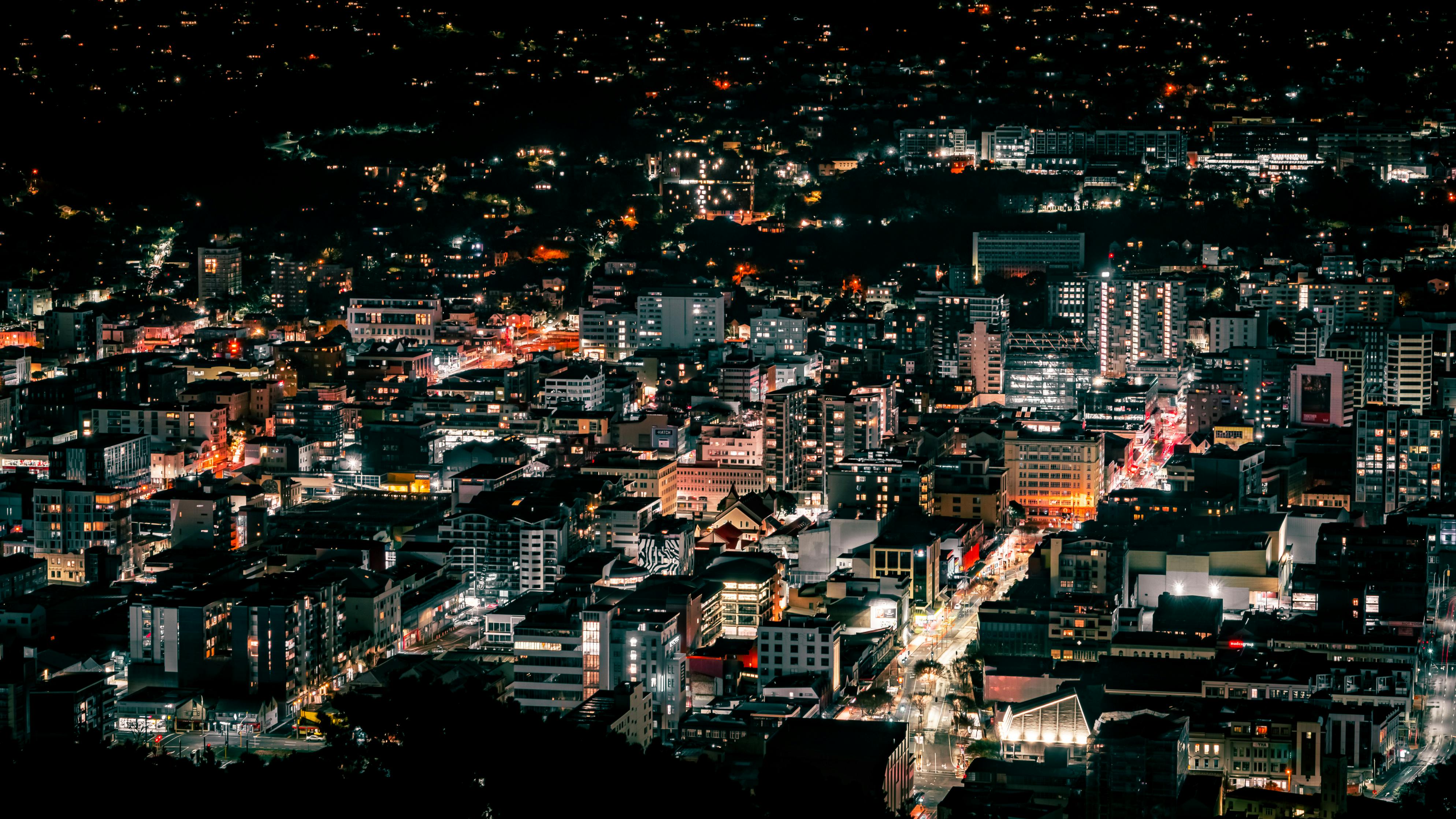
CBD
Best for those who want to be steps away from offices and major cultural sites. Expect premium pricing for modern apartments.
Budget Favourite
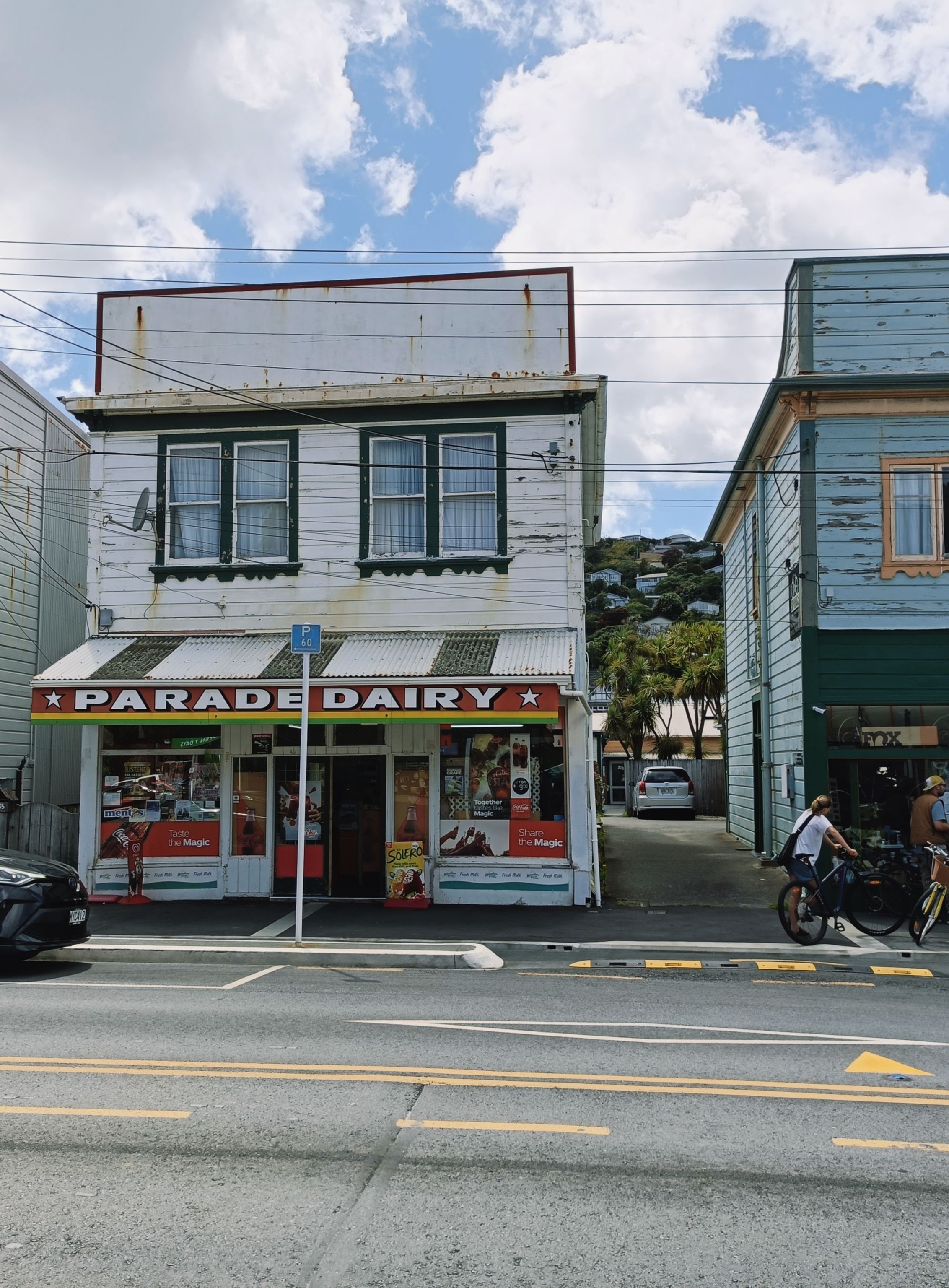
Newtown
A vibrant, multicultural neighbourhood known for its relaxed atmosphere and proximity to public transit. Rent is more affordable here than in the city center.
Luxury Coastal
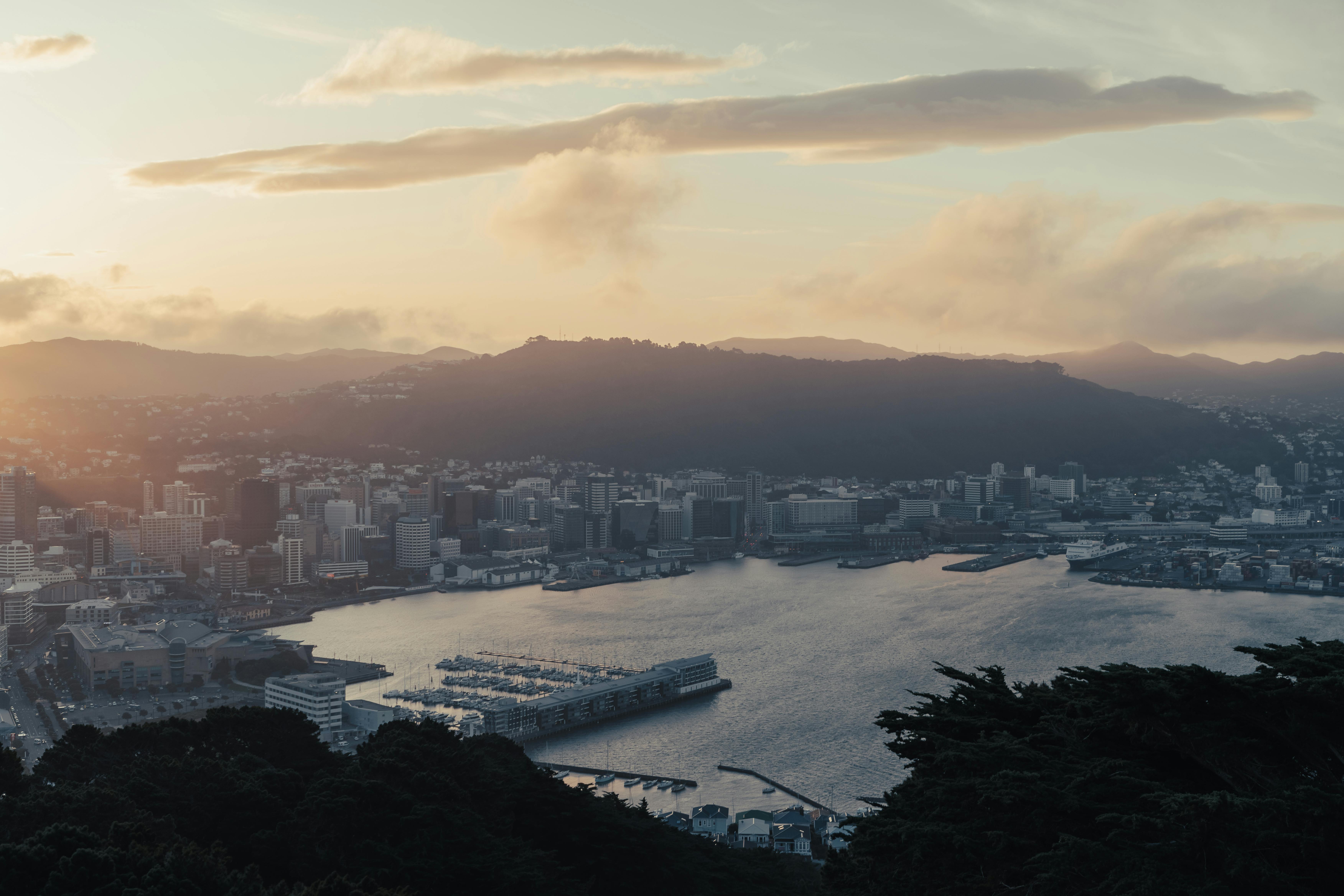
Oriental Bay
Upscale living with prime beach access and harbour views. Perfect for those seeking a high-end lifestyle.
Places to Go
The experiences that will make you never leave
These aren't tourist checkboxes — they're the experiences that reset your sense of what's normal.
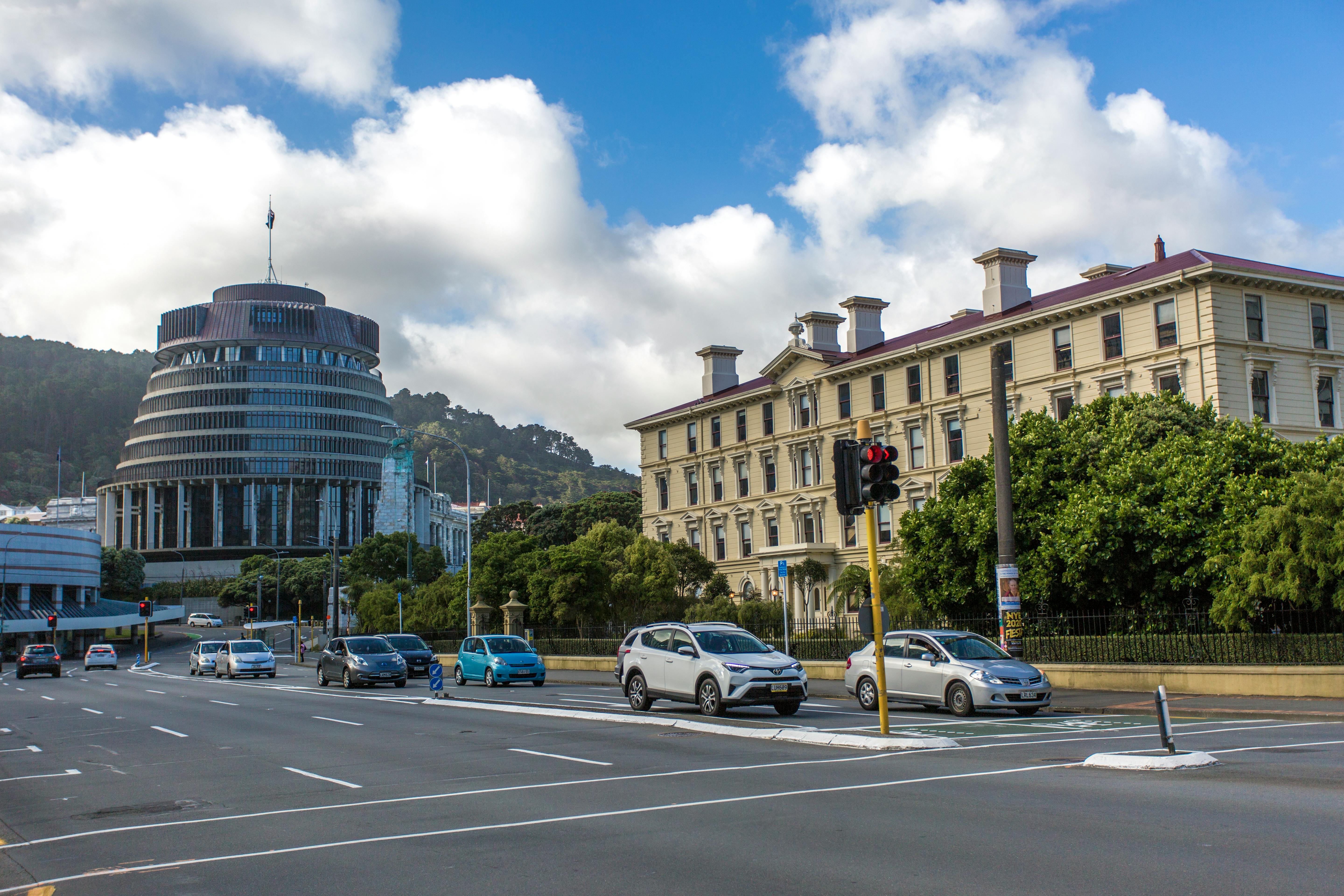
Top Pick
Te Papa Tongarewa Museum
New Zealand's national museum is a must-visit for its interactive exhibits on Maori culture and local history. It is situated right on the waterfront and offers free general admission.

Official Site
Wellington Cable Car
This historic tram takes you from Lambton Quay to the Botanic Garden. It offers panoramic views of the harbour and city skyline.
Official Site
Zealandia Eco-Sanctuary
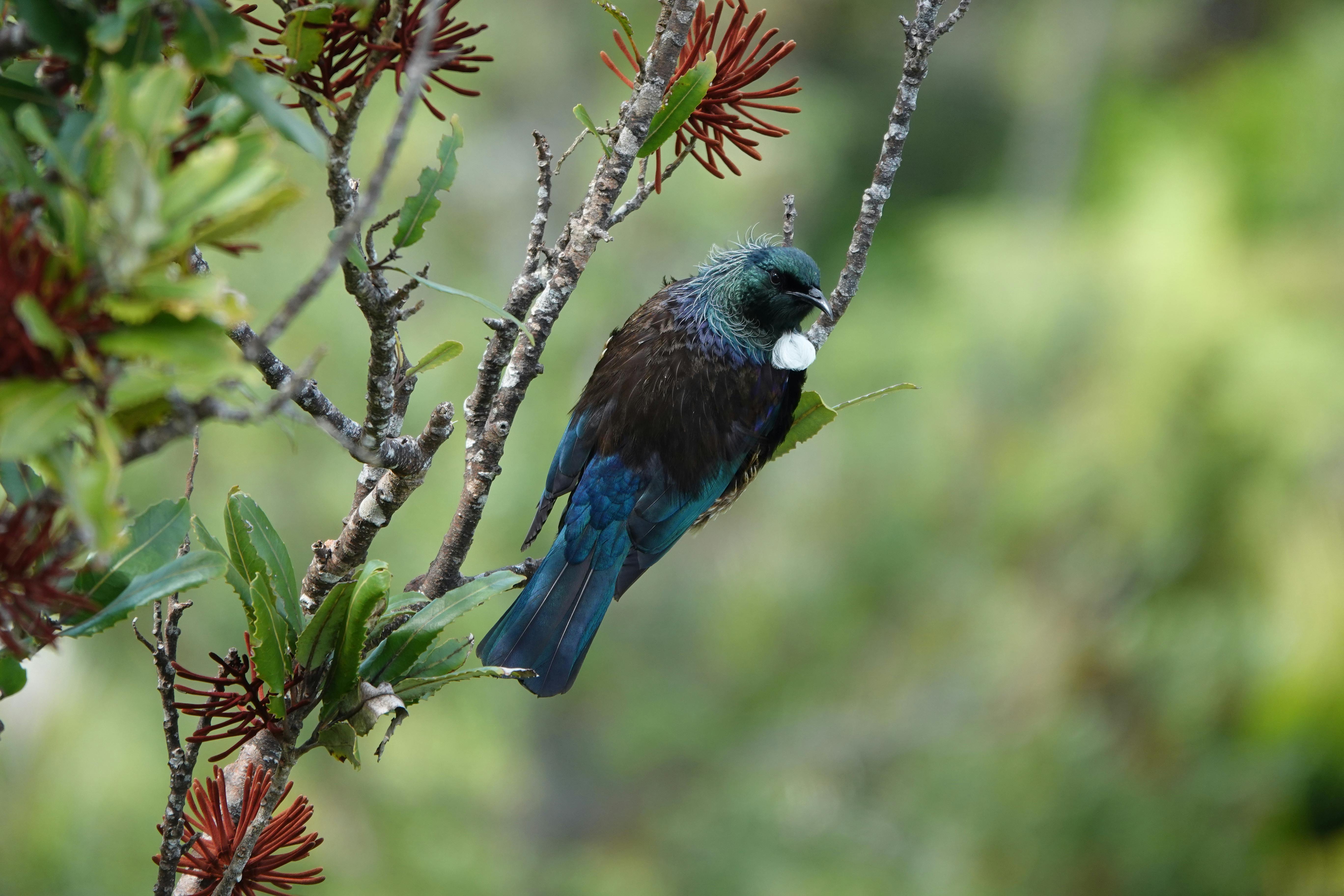
A groundbreaking conservation project located just minutes from the city center. It is home to many rare native birds and reptiles.

Official Site
Weta Workshop Tour
Explore the creative studios responsible for the visual effects in The Lord of the Rings and other major films. It is a world-class experience for movie buffs.
Visit
Cuba Street
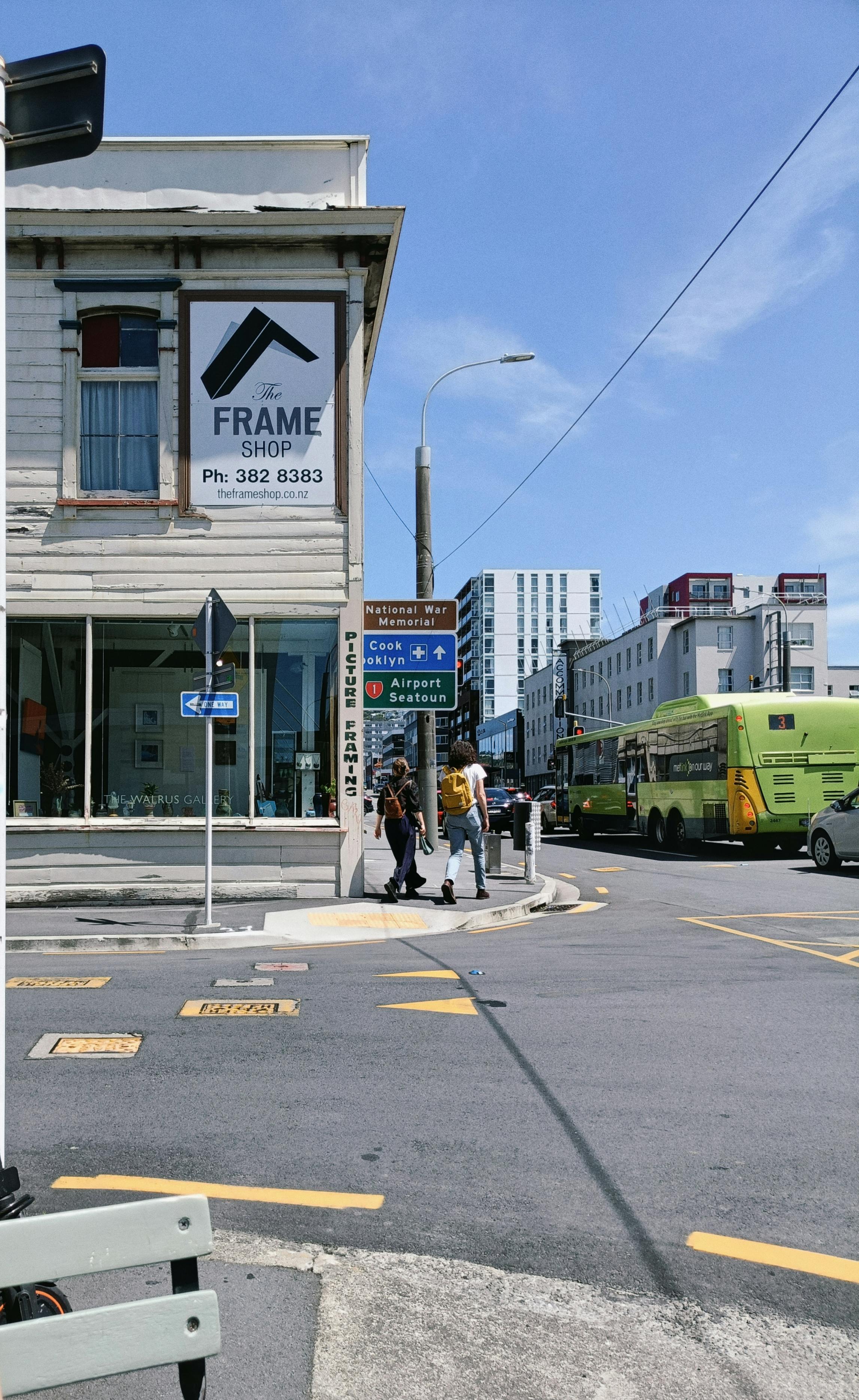
The heart of Wellington's bohemian vibe, featuring street performers, record stores, and diverse culinary options.
Work & Connectivity
Stay connected wherever you work
The nomad community here is real — cafés and coworking spaces where you can work and meet others.
Regus
A professional and corporate environment suitable for those who need a reliable, quiet workspace with full office amenities.
Hatch
A creative community-focused coworking space that offers great networking opportunities for digital nomads.
The Shed
Located in a renovated space, it provides a rustic yet modern aesthetic perfect for freelancers seeking inspiration.
Budget & Costs
What it costs to live in Wellington
Choose your lifestyle tier. Comfortable = furnished accommodation, local + occasional Western food, transport, leisure.
$2701
per month · USD · comfortable lifestyle
ModerateFurnished studio, local restaurants, transport, and weekend trips.
Exchange rates
Check xe.com or your bank for current USD to local currency.
Check xe.com or your bank for current USD to local currency.
🏠 Rent 45%$1215/mo
🍽️ Food 25%$675/mo
🚌 Transport 5%$135/mo
💡 Utilities 7%$189/mo
🎭 Leisure 12%$324/mo
🏥 Health 6%$162/mo
Connectivity
Well connected to the world
Internet and transport options for remote workers.
📶
Internet
Good — fibre common
Check local providers.
🏢
Coworking
From ~$80/mo
Dedicated spaces available.
🚌
Local Transit
7 / 10
Snapper card for bus + cable car; compact CBD very walkable
WLG
Wellington Airport
6 km from centre
aucklandbrisbanechristchurchmelbournenapierqueenstownrotoruasydney
Safety & Visa
Safe, welcoming, and easy to enter
Safety Score8 / 10
✓ Night Safe📞 111
Visa
Check your entry options
Many nationalities get visa-free or visa-on-arrival. Check official government sources for your citizenship before travel.
Culture & Festivals
Local soul, nomad-friendly
Multiculturalism7/10
Foodie Scene7/10
☕ Coffee🌊 Island Vibes🌬️ Windy🌿 Temperate🏄 Surf Culture🏖️ Coastal🐨 Unique Nature👍 Recommended👑 Luxury🔄 Four Seasons
Aug
Craft Beer Week
A celebration of the city's thriving microbrewery industry with events across the capital.
Jul
NZ International Film Festival
A prestigious event showcasing global and local cinematic talent throughout the city's historic theaters.
Wellington's film industry is a massive part of its cultural identity, so keep an eye out for film-related pop-up events throughout the year.
Food & Nightlife
A feast for every mood
From street food to cafés and nightlife — every meal is an event.

Café Culture
Wellington Coffee Scene
Wellington is world-renowned for its flat whites and independent roasteries. Exploring local cafes is an essential daily ritual.
Street Food
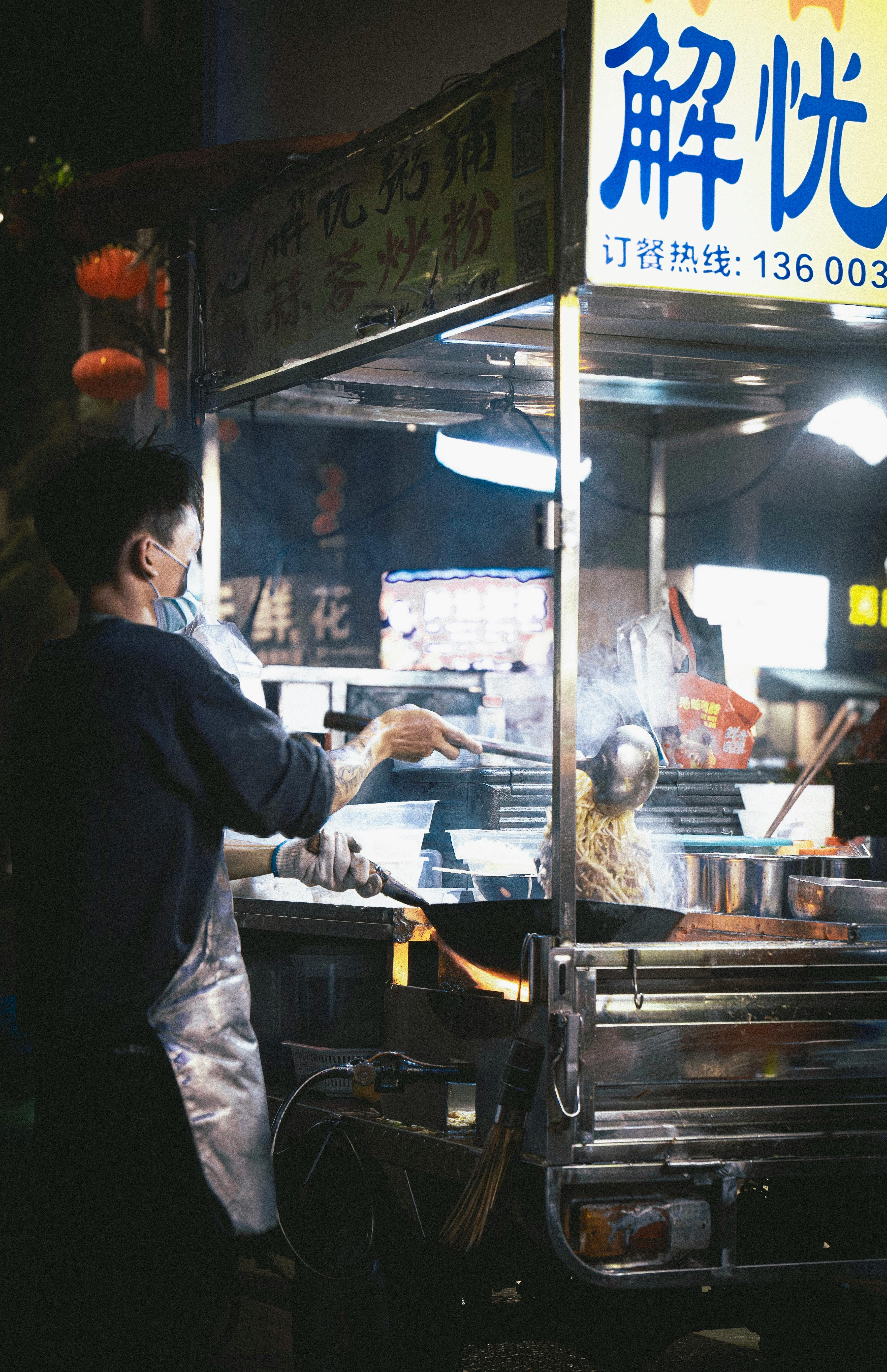
Cuba Street Bites
You will find everything from gourmet food trucks to small fusion eateries tucked into laneways along Cuba Street.
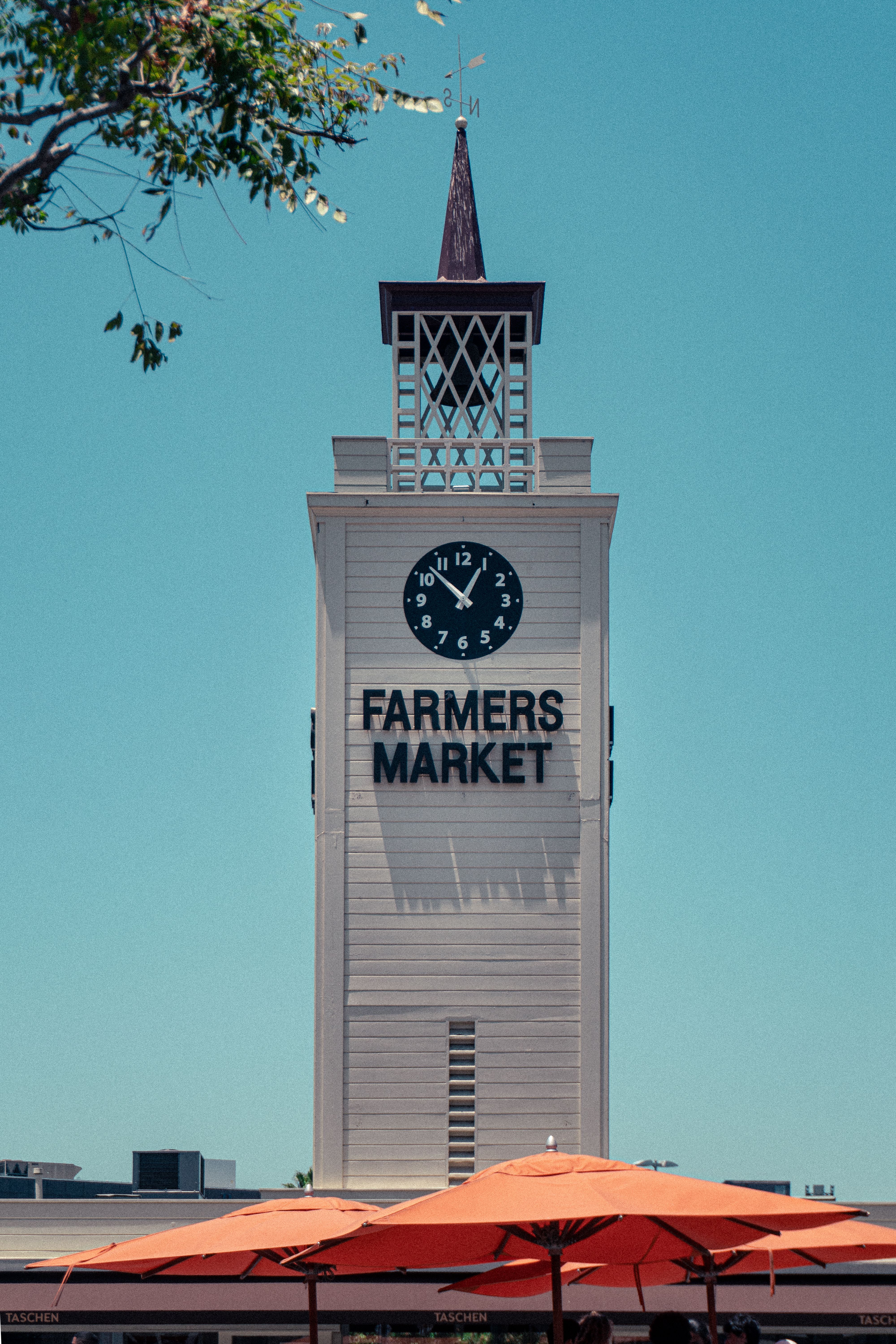
Market
Harbourside Market
Open on Sundays, this market is the best place to source fresh local produce, artisanal breads, and international delicacies.
Climate
Best months: Feb, Mar, Apr, Oct, Nov, Dec
Avg humidity81%
Avg AQI25
The best time to visit Wellington is during the warmer months from February to April, or late spring through early summer in October, November, and December. During these times, the weather is most conducive to outdoor activities like visiting the harbour or exploring local hiking trails. January and February are particularly pleasant with temperatures hovering between 20-25°C, perfect for enjoying the waterfront.
Monthly temperatures °C
BestAvoidShoulder
Practical Info
Everything you need to know
🏥
Healthcare
Wellington has excellent public and private healthcare facilities. Visitors should ensure they have adequate travel insurance, as medical costs for non-residents can be high.
💱
Money
The currency is the New Zealand Dollar. Credit cards are accepted almost everywhere, including in taxis and small cafes, making cash rarely necessary.
🌐
Language & Etiquette
English is the primary language. Kiwis are known for being friendly and informal, so don't be surprised if locals strike up a conversation while you are out and about.
Tips
Quick tips
- Always carry a windproof jacket, as the weather changes in minutes.
- Get a Snapper card on your first day for seamless public transport.
- Shop at Pak'nSave to keep your grocery budget in check.
- Visit the Botanic Garden during the early morning for the best photos.
- Don't be afraid to ask locals for coffee shop recommendations.
- Pack comfortable walking shoes; the city is quite hilly.
- Visit the Te Papa Museum on a rainy day to stay dry while being entertained.
Further Reading