

Auckland · New Zealand
Overview
Auckland is the only city in the world built on a basaltic volcanic field, meaning you're never more than a few minutes away from a dormant volcano or a pristine harbor view.
Auckland is New Zealand's economic powerhouse and cultural melting pot, offering remote workers a balanced lifestyle where business meets adventure. The city's geography is defined by its two harbors and a volcanic field, creating a sprawling urban environment that feels more like a collection of villages than a monolithic city. Nomads are drawn here for the high quality of life, reliable digital infrastructure, and easy access to beaches and rainforests for weekend escapes. Understanding the Cost of living in Auckland is essential for budget planning, while the Climate allows for outdoor activities nearly year-round, despite the frequent, mild rain common in maritime regions.

History
Auckland, or Tāmaki Makaurau in Māori, has a rich history centered around its strategic position between two harbors.
Auckland, or Tāmaki Makaurau in Māori, has a rich history centered around its strategic position between two harbors. Māori iwi (tribes) originally settled the area centuries ago due to the fertile land and abundant resources, constructing defensive pā (fortified villages) on many of the city's volcanic cones. The arrival of European settlers in the 19th century transformed the region into a major port and administrative center, eventually serving as the capital of New Zealand until 1865.
Following the colonial period, Auckland evolved into the country's most significant industrial and economic hub. The post-war era brought significant growth and increased immigration, particularly from Pacific Island nations, which solidified the city's identity as a vibrant, multicultural hub in the Pacific. Today, the city reflects a blend of indigenous heritage and modern global influences, evident in its architecture, arts, and culinary scene.
14th Century
Māori ArrivalThe ancestors of Māori iwi arrived and began establishing pā on the volcanic cones due to the strategic views and fertile soil.
1840
Founding of AucklandWilliam Hobson founded the city as the capital of New Zealand after signing the Treaty of Waitangi.
1865
Capital ShiftThe capital was moved from Auckland to Wellington to be more centrally located within the country.
1959
Auckland Harbour BridgeThe opening of the Harbour Bridge significantly increased the development of the North Shore.
2000s
Modern Urban ExpansionThe city underwent massive redevelopment, including the revitalisation of the Viaduct Harbour for global events like the America's Cup.
Where to Stay
Choose your base camp
Distinct neighbourhoods, different rhythms. Pick the one that fits your work-life balance.
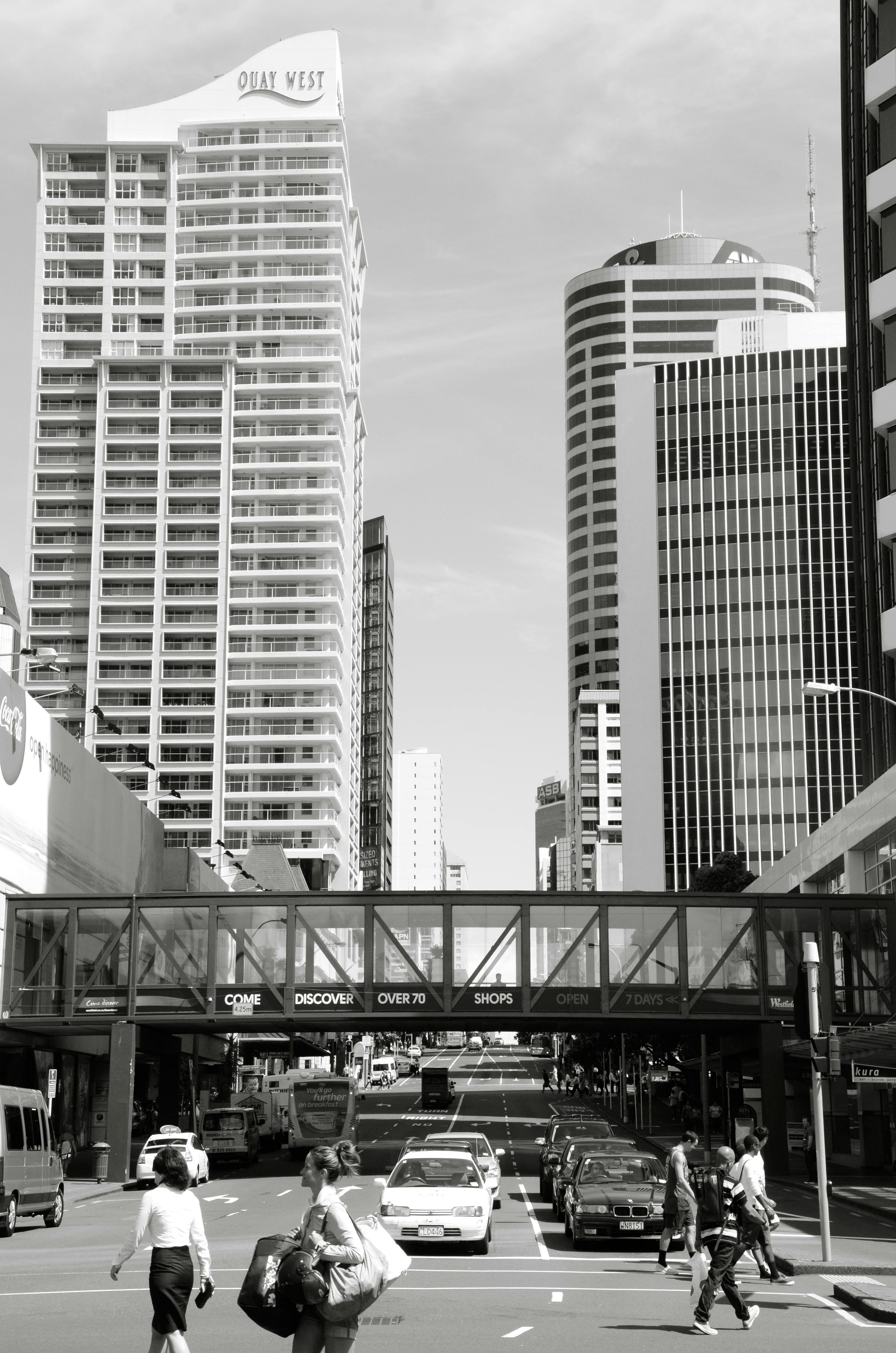
Budget Favourite
CBD
The central business district offers easy access to transport and high-density apartment living. It is ideal for nomads who want to be steps away from the main coworking hubs and nightlife.
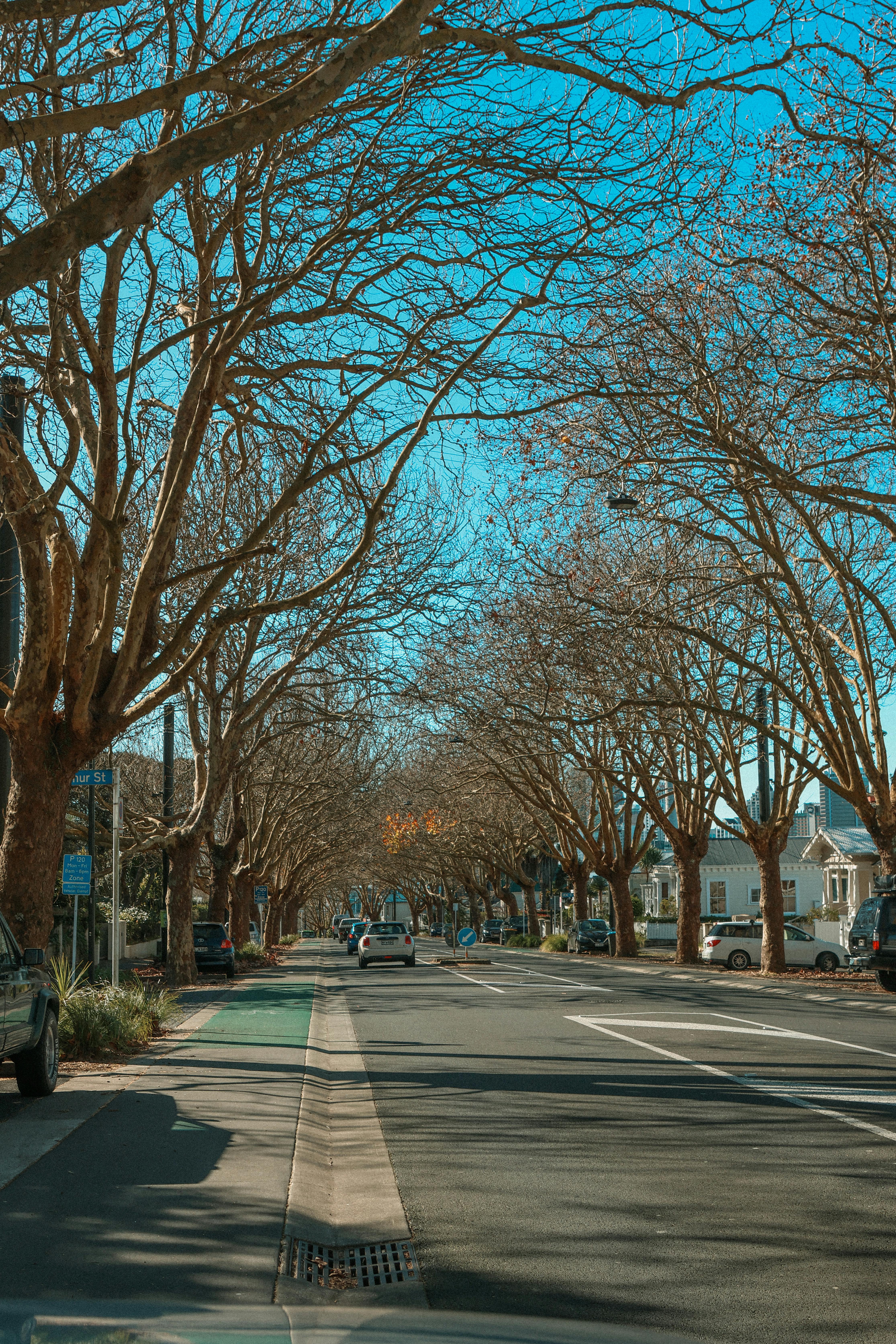
Café Culture
Ponsonby
Known for its trendy cafes, boutique shops, and vibrant nightlife, Ponsonby is a popular spot for a more comfortable, residential vibe. It is perfect for those who prefer walkability and a creative atmosphere.
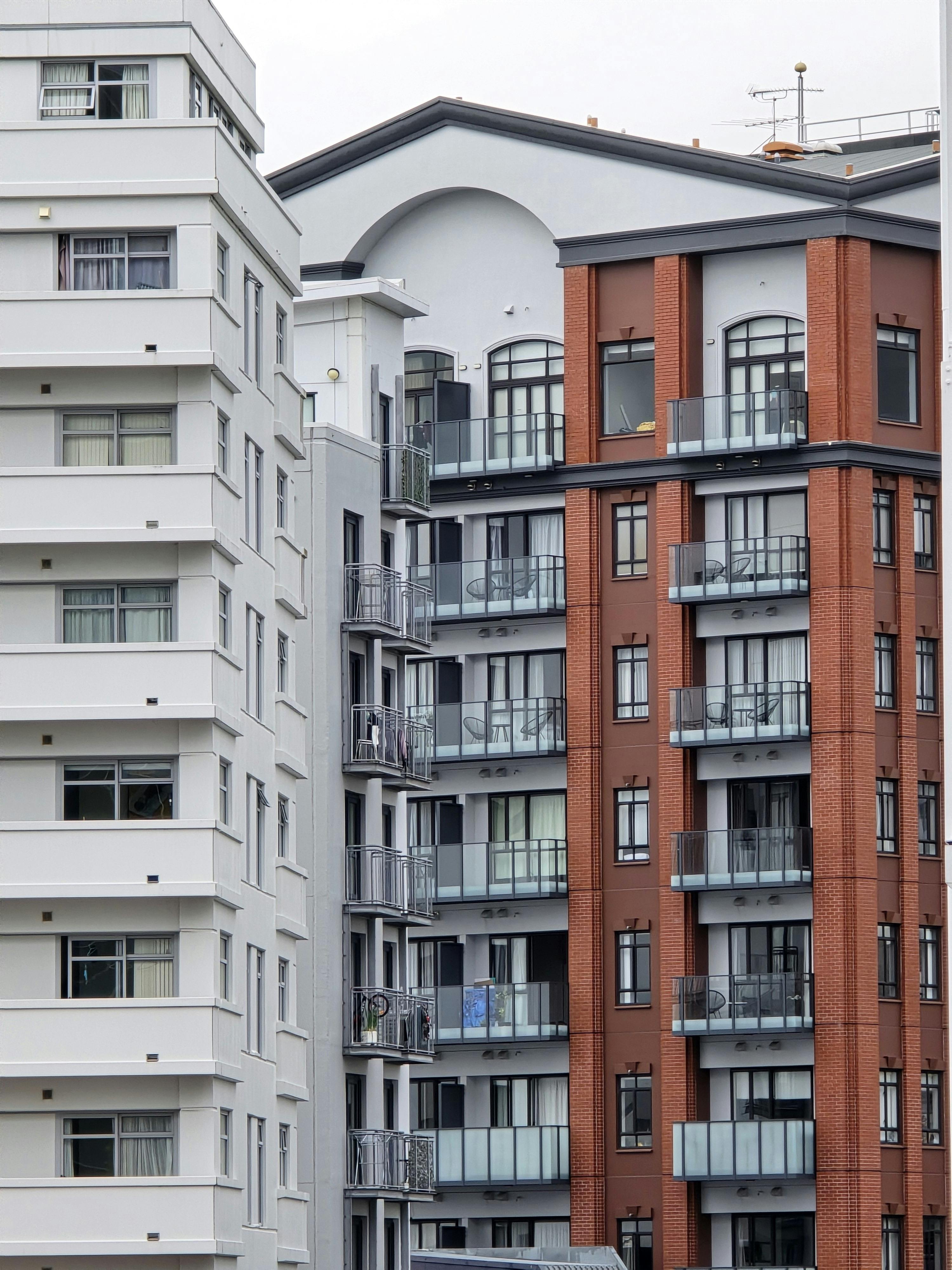
Luxury Living
Viaduct Quarter
This premium waterfront neighborhood offers high-end apartments and immediate access to fine dining and yachts. It provides the most luxurious experience for those looking to splurge.
Places to Go
The experiences that will make you never leave
These aren't tourist checkboxes — they're the experiences that reset your sense of what's normal.

Top Pick
Rangitoto Island Hike
A dormant volcanic island in the Hauraki Gulf, Rangitoto is perfect for a day hike to see stunning panoramic views of Auckland. You can take a ferry from downtown and spend the day exploring the unique volcanic rock formations.

Official Website
Sky Tower
Standing at 328 meters, the Sky Tower offers the best observation deck in the city. It is an iconic landmark and a great starting point for orientation.
Waiheke Tourism
Waiheke Island Wine & Beach
Known as the island of wine, Waiheke is only a 40-minute ferry ride from the city. It is famous for its world-class vineyards, olive groves, and beautiful beaches.
Visit
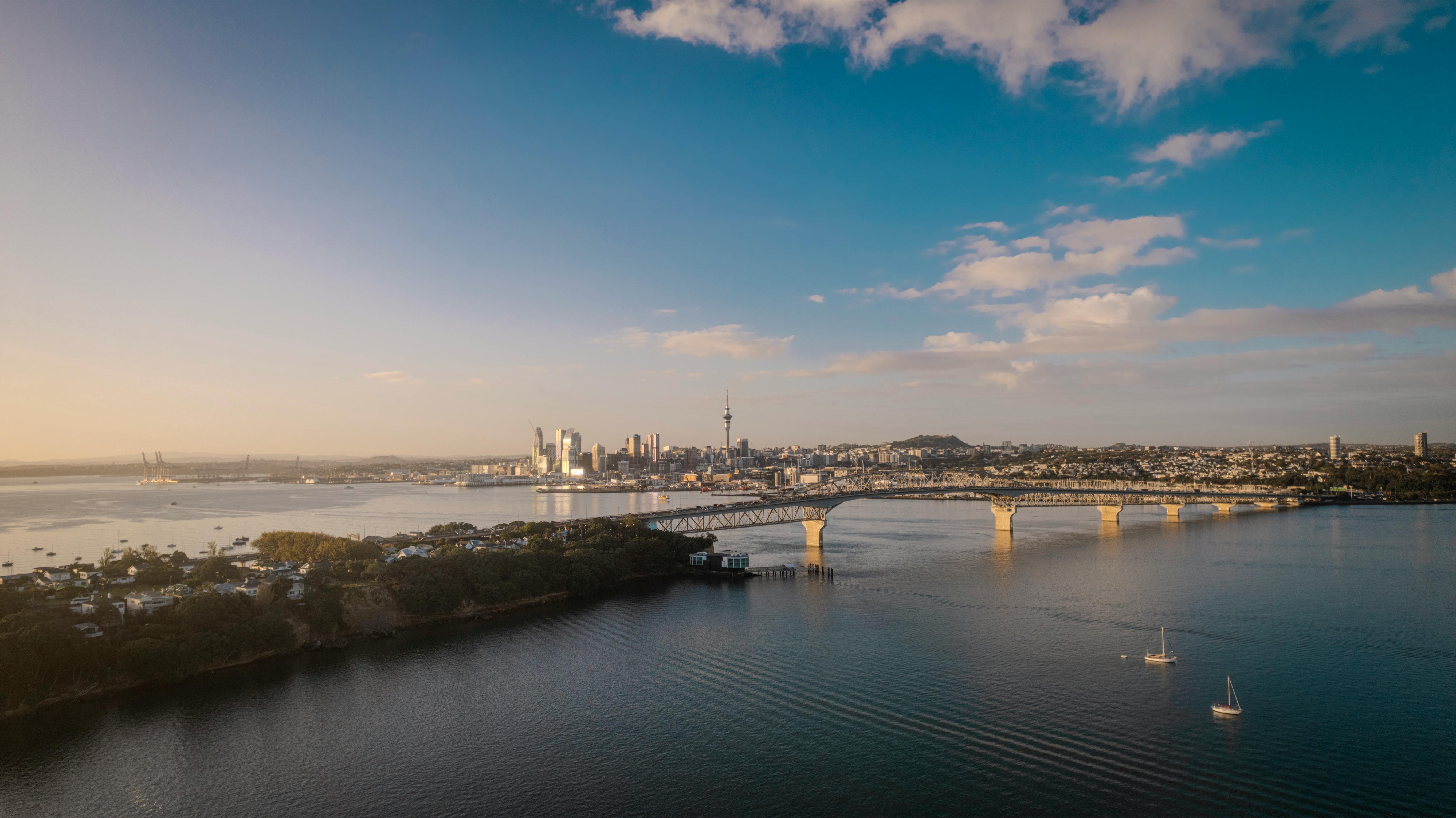
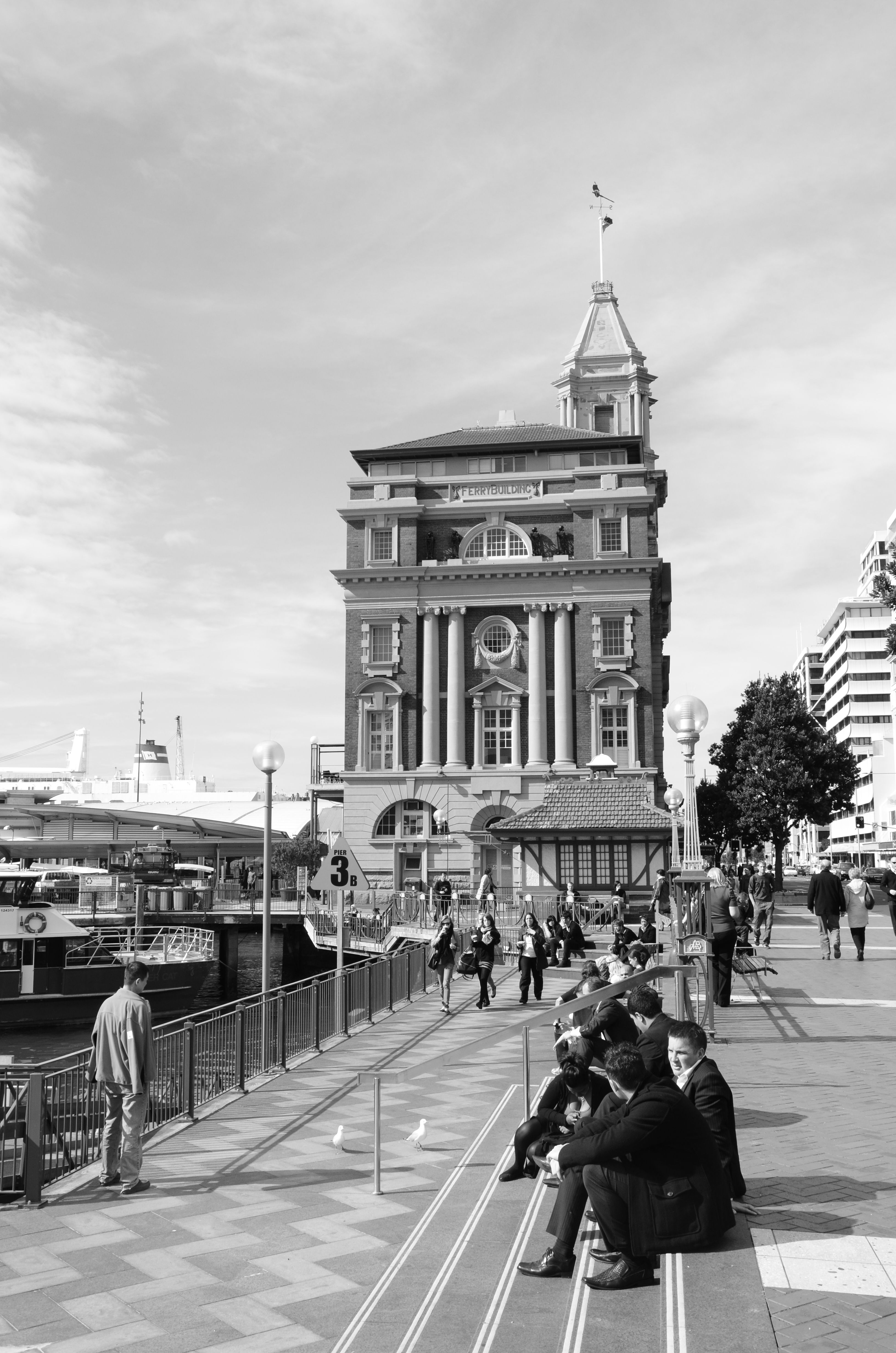
Viaduct Harbour
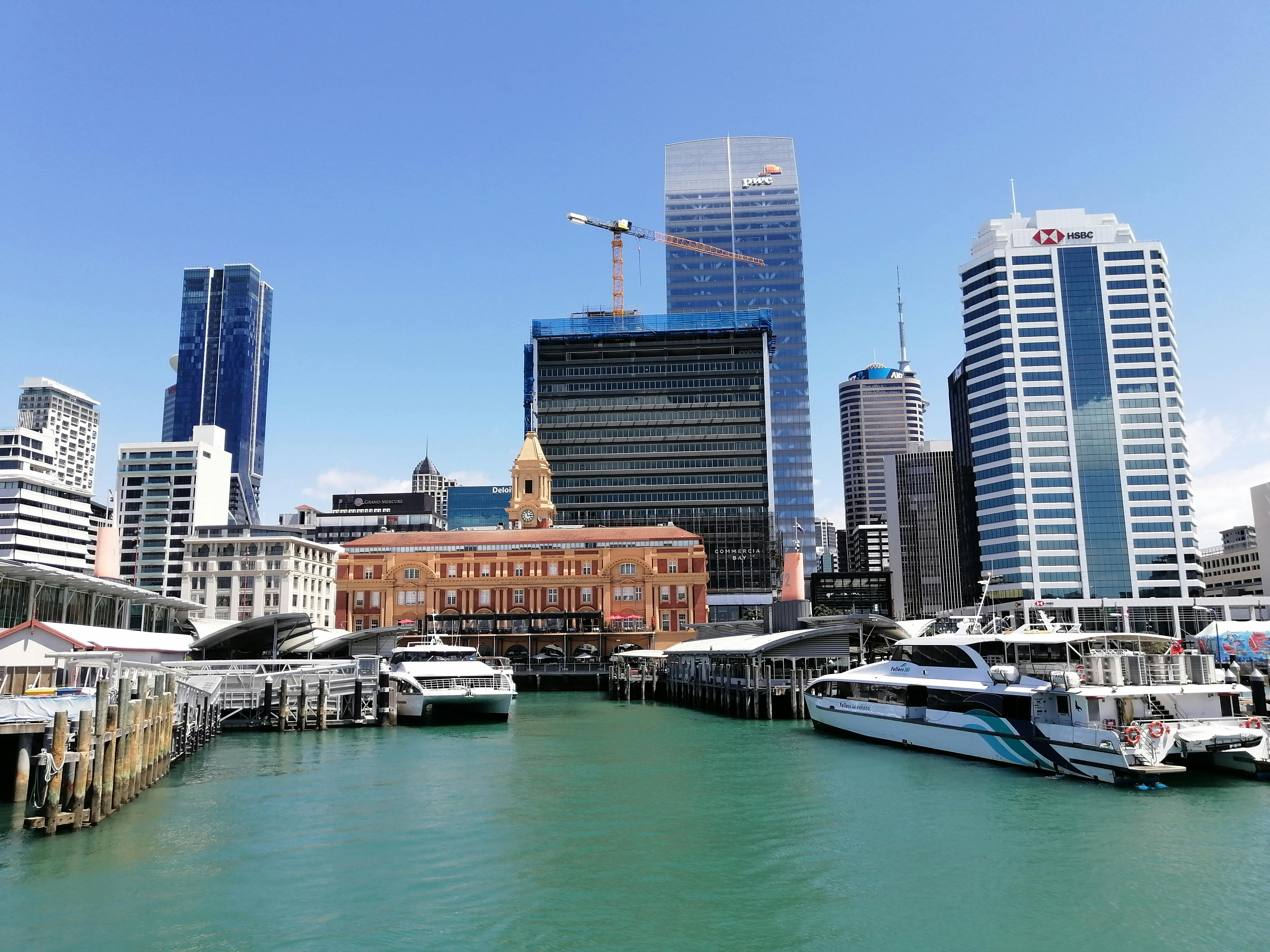
The heart of Auckland's social and dining scene, this waterfront area is packed with premium restaurants and bars. It is particularly lively during major sailing events.
Piha Surf Life Saving
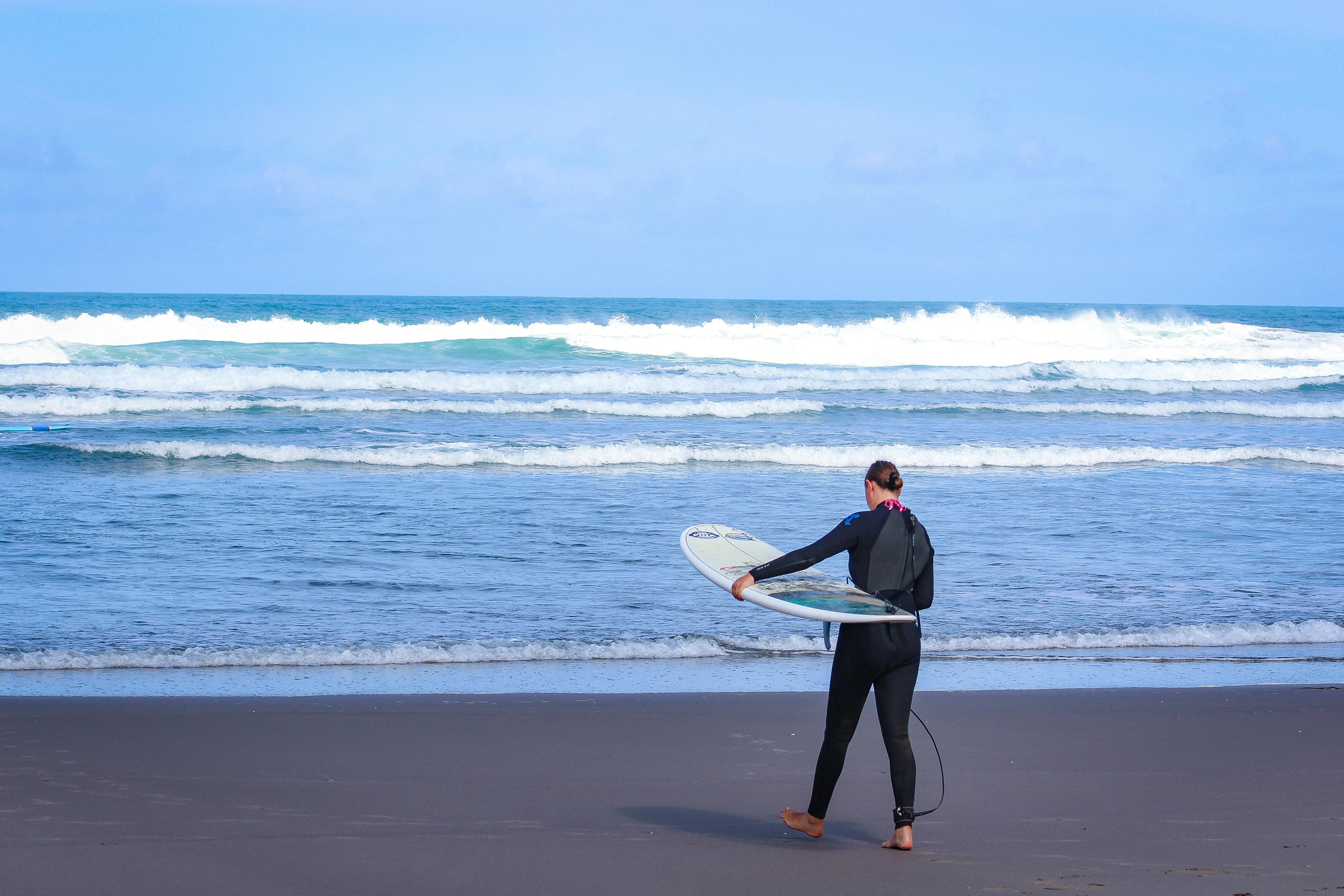
Piha Black Sand Beach
Famous for its rugged scenery and powerful surf, Piha is a must-visit for nature lovers. The black volcanic sand and Lion Rock make it one of the most unique beaches in the country.
Work & Connectivity
Stay connected wherever you work
The nomad community here is real — cafés and coworking spaces where you can work and meet others.
Generator 🏢
A premium workspace environment offering flexible desks and high-speed internet in prime locations. Great for networking with other professionals.
Lattice 💻
A modern and sleek space in the heart of the city, perfect for focused deep work.
The Crate ☕
A creative workspace known for its community atmosphere and excellent coffee selection.
Budget & Costs
What it costs to live in Auckland
Choose your lifestyle tier. Comfortable = furnished accommodation, local + occasional Western food, transport, leisure.
$2847
per month · USD · comfortable lifestyle
ModerateFurnished studio, local restaurants, transport, and weekend trips.
Exchange rates
Check xe.com or your bank for current USD to local currency.
Check xe.com or your bank for current USD to local currency.
🏠 Rent 45%$1281/mo
🍽️ Food 25%$712/mo
🚌 Transport 5%$142/mo
💡 Utilities 7%$199/mo
🎭 Leisure 12%$342/mo
🏥 Health 6%$171/mo
Connectivity
Well connected to the world
Internet and transport options for remote workers.
📶
Internet
Good — fibre common
Check local providers.
🏢
Coworking
From ~$80/mo
Dedicated spaces available.
🚌
Local Transit
6 / 10
AT HOP card for bus + train + ferry; Britomart central hub
AKL
Auckland Airport
21 km from centre
adelaideapiabangkokbrisbanecairnschristchurchgoldcoastguangzhou
Safety & Visa
Safe, welcoming, and easy to enter
Safety Score8 / 10
✓ Night Safe📞 111
Visa
Check your entry options
Many nationalities get visa-free or visa-on-arrival. Check official government sources for your citizenship before travel.
Culture & Festivals
Local soul, nomad-friendly
Multiculturalism8/10
Foodie Scene7/10
⛵ Sails🌊 Island Vibes🌋 Volcanoes🌿 Temperate🍴 Foodie City🏄 Surf Culture🐨 Unique Nature👍 Recommended👑 Luxury🔄 Four Seasons
Mar
Pasifika Festival
The world's largest Pacific Islands cultural festival, showcasing dance, food, and arts.
Jan
Summer Peak
The celebration of high summer with sailing, beach events, and outdoor concerts.
Auckland's geography creates distinct microclimates, so don't be surprised if it is sunny in the city center while raining on the North Shore. Pack layers to adjust to the wind and temperature shifts.
Food & Nightlife
A feast for every mood
From street food to cafés and nightlife — every meal is an event.

Street Food
Night Markets
Auckland's night markets offer a fantastic way to sample diverse Asian and Pacific cuisine at affordable prices. It's the best place to eat on a budget.
Café Culture
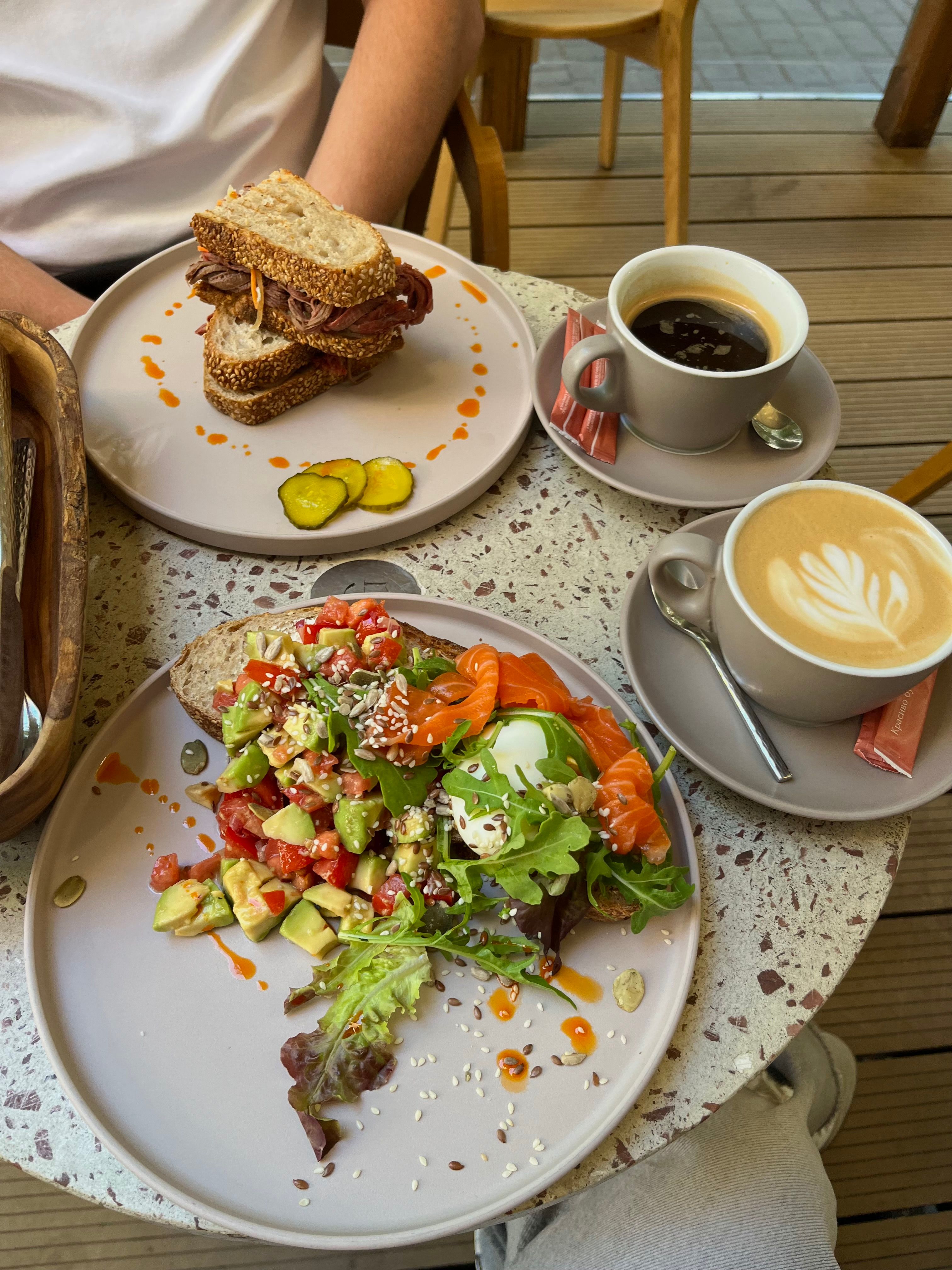
Ponsonby Road
The street is lined with world-class coffee shops serving the famous flat white. It is the center of the local brunch culture.
Fine Dining
Viaduct Harbour
For a celebratory meal, the restaurants overlooking the water offer fresh New Zealand seafood paired with local wines.
Climate
Best months: Feb, Mar, Apr, Oct, Nov, Dec
Avg humidity77%
Avg AQI25
The best time for digital nomads to visit is during the warmer months of February, March, April, October, November, and December. During this period, the city comes alive with outdoor events and perfect weather for island hopping in the Hauraki Gulf. January also sees the 'Summer Peak' with excellent beach weather and sailing conditions.
You should generally avoid July, which is the coldest and wettest month of the year. While the climate is temperate, the combination of wind and rain during mid-winter can make remote work commutes and outdoor exploring less enjoyable. The shoulder seasons are ideal for those who prefer to avoid the summer tourist crowds while still enjoying mild temperatures.
Monthly temperatures °C
BestAvoidShoulder
Practical Info
Everything you need to know
🏥
Healthcare
New Zealand has a high standard of public and private healthcare. Travelers should ensure they have comprehensive travel insurance, as costs for non-residents can be significant.
💱
Money
The currency is the New Zealand Dollar (NZD). Card payments are accepted almost everywhere, and contactless payment is the standard.
🌐
Language & Etiquette
English is the primary language, with Māori also being an official language. Kiwis are generally informal, friendly, and appreciate a relaxed approach to social interactions.
Tips
Quick tips
- Always carry a light rain jacket, even if the sky looks blue.
- Get an AT HOP card immediately for easy transport access.
- Try the local 'Flat White' coffee at any independent cafe.
- Check the ferry schedules to Waiheke in advance to avoid long queues.
- Explore the local volcanic cones like Mt Eden for free sunset views.
- Respect the local environment by 'packing in, packing out' during hikes.
- Download the 'AT Mobile' app for real-time bus and train updates.
Further Reading