

Rotorua · New Zealand
Overview
Rotorua is where the earth breathes, offering the perfect backdrop to quiet the mind between deep work sessions.
Rotorua is unlike anywhere else in New Zealand, defined by its bubbling mud pools, natural hot springs, and strong connection to Maori heritage. For the digital nomad, the city offers a slower pace of life where the workday can easily transition into a hike through a redwood forest or a soak in a geothermal pool. While the infrastructure is smaller than in Auckland or Wellington, the community vibe is warm and welcoming.
Because the city is a hub for tourism, you will find excellent amenities for your cost of living budget. The climate remains mild throughout the year, but the active volcanic nature of the area means you should be prepared for the distinct smell of sulphur, which is a common local feature. It is a fantastic place for someone seeking a "workation" rather than a high-octane city experience.
History
Rotorua has been home to the Te Arawa people for centuries, who were drawn to the area by the abunda…
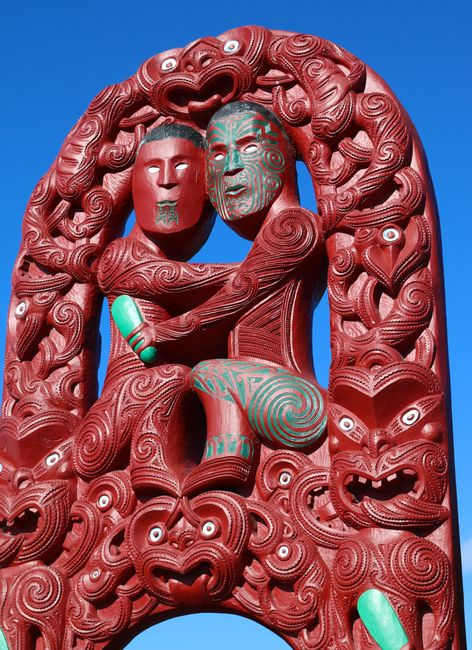
Rotorua has been home to the Te Arawa people for centuries, who were drawn to the area by the abundant geothermal resources and the fertile land surrounding the lake. The region became a focal point for early New Zealand tourism in the late 19th century when European settlers discovered the healing properties of the local thermal springs.
In the 20th century, Rotorua developed into a major cultural and adventure hub. It played a significant role in the preservation of Maori arts and crafts, particularly through the establishment of the New Zealand Maori Arts and Crafts Institute. Today, it remains a critical site for both indigenous culture and scientific interest due to its volcanic activity.
1300s
Maori ArrivalThe Te Arawa iwi (tribe) settles in the Rotorua region, utilizing the thermal pools for cooking and bathing.
1880
Tourism BeginningsRotorua begins to gain international fame as a wellness destination for its therapeutic geothermal spas.
1920s
DevelopmentThe town grows as a center for forestry and continues to expand its tourism infrastructure.
1963
Maori Arts InstituteThe New Zealand Maori Arts and Crafts Institute is established to preserve traditional wood carving and weaving techniques.
Where to Stay
Choose your base camp
Distinct neighbourhoods, different rhythms. Pick the one that fits your work-life balance.

Convenience Hub
City Centre
The heart of the city, offering easy access to supermarkets, cafes, and local bus routes. It is the best place to be if you want to be within walking distance of basic amenities.
Short-term Stays
Fenton Street
Known as the "Motel Mile," this street is lined with various accommodation options ranging from budget to high-end. It is highly convenient for nomads needing flexible short-term housing.

Scenic Living
Lake Rotorua Area
Ideal for those who want to wake up to water views and peaceful surroundings. It is slightly further from the main center, requiring a car for most errands.
Places to Go
The experiences that will make you never leave
These aren't tourist checkboxes — they're the experiences that reset your sense of what's normal.

Top Pick
Te Puia
This is the premier destination to see the Pohutu Geyser and learn about Maori culture. It includes a kiwi house where you can see New Zealand's national bird in a controlled environment.
Redwoods Forest
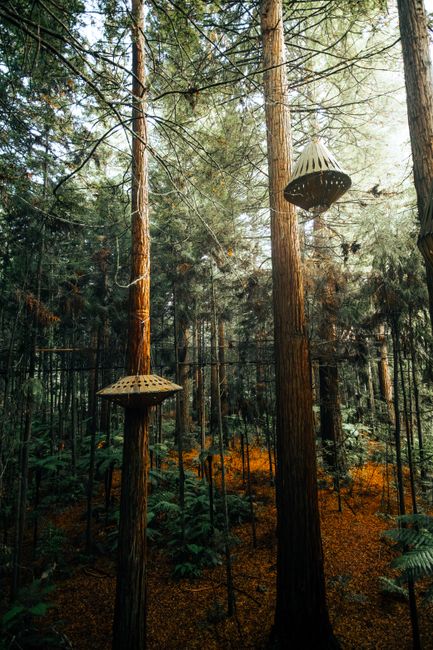
Redwoods Whakarewarewa Forest
A stunning forest featuring towering Californian redwoods that are perfect for hiking or mountain biking. The elevated tree walk is a unique experience that provides a canopy-level view of the forest.

Polynesian Spa
Polynesian Spa
Famous for its luxury hot mineral pools overlooking Lake Rotorua, this is the best spot to decompress after a long week of work. It is world-renowned for its restorative mineral waters.
Work & Connectivity
Stay connected wherever you work
The nomad community here is real — cafés and coworking spaces where you can work and meet others.
Eat Streat Cafes
While not a formal coworking space, the cafes along Eat Streat provide reliable Wi-Fi and a vibrant atmosphere for remote workers. It's a great place to stay productive while enjoying the local buzz.
Rotorua Library
The public library offers excellent internet connectivity and quiet zones, making it a perfect spot for deep work sessions. Access is free, and the facilities are modern.
Local Coffee Roasters
Several independent roasters in the city provide ample seating and fast internet, catering well to the digital nomad crowd.
Budget & Costs
What it costs to live in Rotorua
Choose your lifestyle tier. Comfortable = furnished accommodation, local + occasional Western food, transport, leisure.
$2008
per month · USD · comfortable lifestyle
ModerateFurnished studio, local restaurants, transport, and weekend trips.
Exchange rates
Check xe.com or your bank for current USD to local currency.
Check xe.com or your bank for current USD to local currency.
🏠 Rent 49%$986/mo
🍽️ Food 20%$402/mo
🚌 Transport 5%$110/mo
💡 Utilities 7%$146/mo
🎭 Leisure 13%$256/mo
🏥 Health 5%$110/mo
Connectivity
Well connected to the world
Internet and transport options for remote workers.
📶
Internet
Good — fibre common
Check local providers.
🏢
Coworking
From ~$80/mo
Dedicated spaces available.
🚌
Local Transit
5 / 10
Scooter and taxi common.
ROT
Rotorua Regional Airport
20 km from centre
aucklandchristchurchwellington
Safety & Visa
Safe, welcoming, and easy to enter
Safety Score6 / 10
✗ Tap Water✓ Night Safe📞 112 or local emergency number
Visa
Check your entry options
Many nationalities get visa-free or visa-on-arrival. Check official government sources for your citizenship before travel.
Culture & Festivals
Local soul, nomad-friendly
Multiculturalism5/10
Foodie Scene5/10
Remote work
Feb
Rotorua Bike Festival
A celebration of the city's status as a world-class mountain biking destination with various events and races.
Oct
Rotorua Festival of Gardens
An event showcasing the stunning private and public gardens across the region, celebrating the local horticulture.
For those staying long-term, the neighboring town of Taupo offers more geothermal variety and is just an hour's drive away, making it a great weekend getaway.
Food & Nightlife
A feast for every mood
From street food to cafés and nightlife — every meal is an event.
Street Food
Eat Streat
A covered, pedestrian-friendly dining area with a variety of restaurants and bars. It’s the best place to sample international cuisine in a social setting.
Maori Cuisine
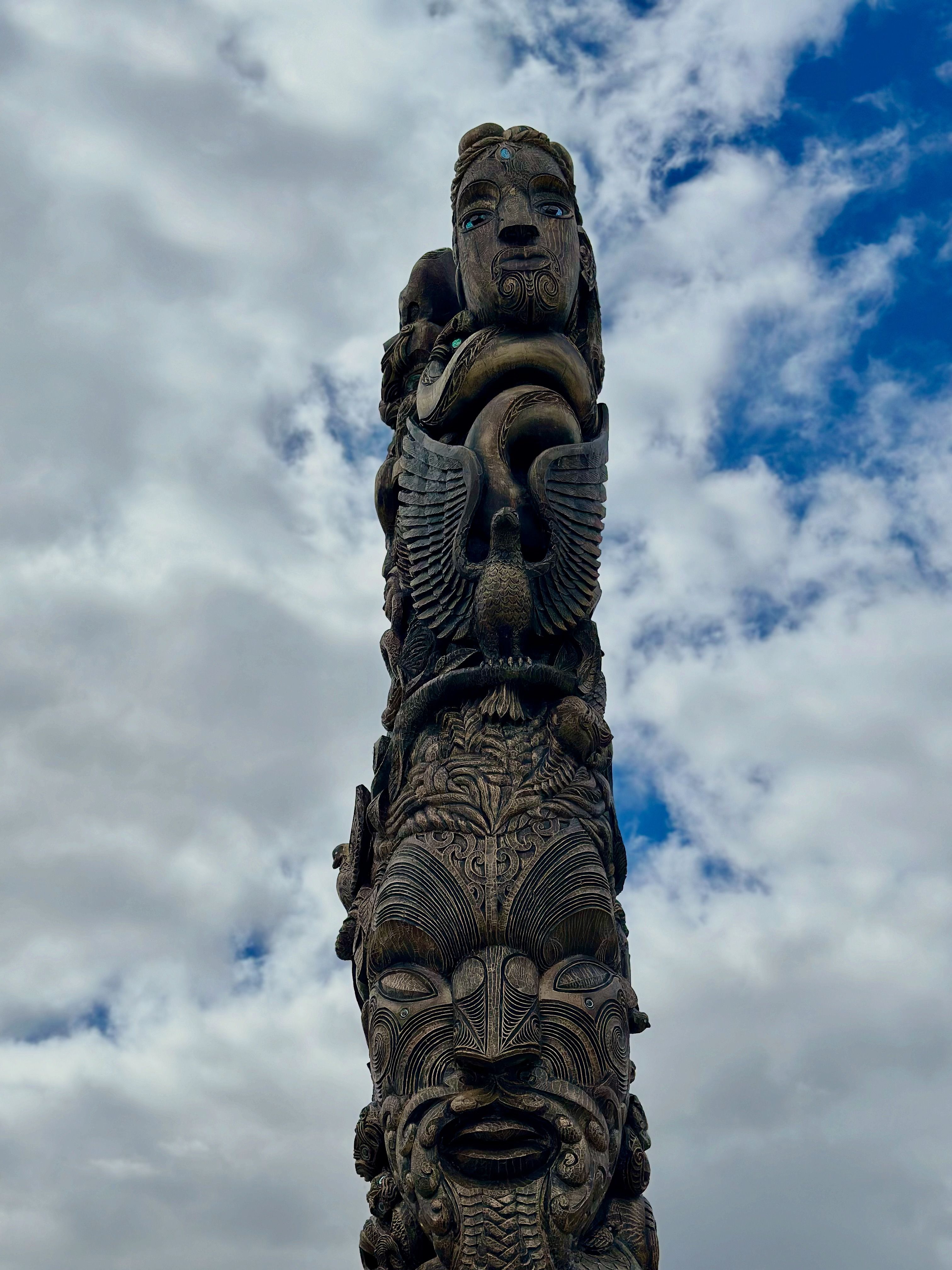
Hangi Experience
You must try a traditional Hangi, a meal cooked in an earth oven using geothermal heat. Many local tour operators offer this authentic cultural experience.
Café Culture
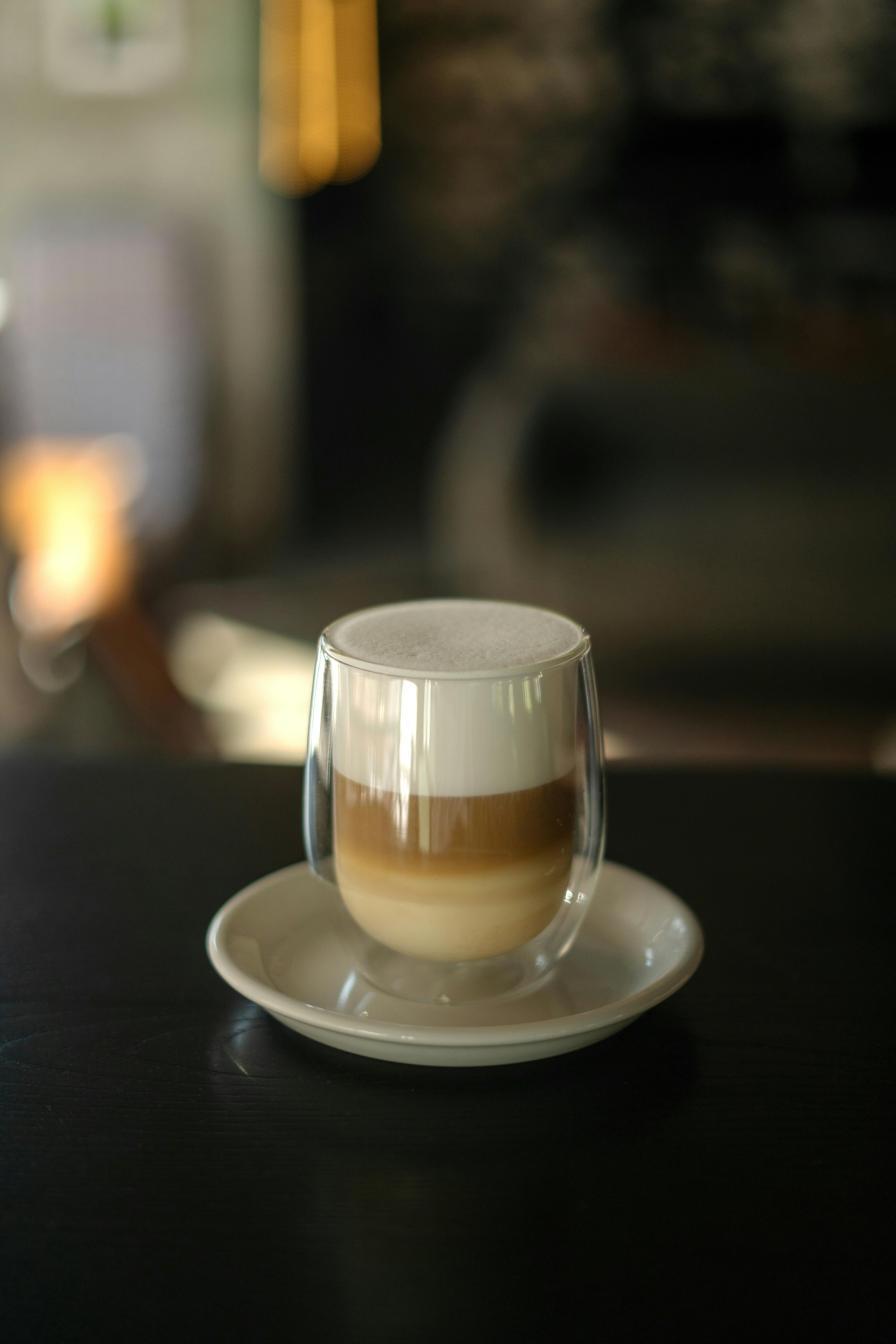
CBD Coffee Shops
Rotorua has a thriving coffee culture with locally roasted beans and fresh, organic food options. The perfect start to any workday.
Climate
Best months: Jan, Feb, Mar, Apr, Oct, Nov, Dec
Avg humidity82%
Avg AQI25
The best time to visit Rotorua is during the summer months from January through April, as well as the shoulder seasons of October through December. During these times, the weather is most conducive to outdoor activities like mountain biking and lake excursions.
There are no specifically bad months to visit as the city's geothermal nature keeps things active year-round. However, winter months can be damp, so plan your indoor workspace accordingly if you arrive in the cooler months.
Monthly temperatures °C
BestAvoidShoulder
Practical Info
Everything you need to know
🏥
Healthcare
Rotorua Hospital provides general public health services. For minor ailments, local pharmacies are well-stocked, and private medical centers are available for consultations.
💱
Money
The currency is the New Zealand Dollar (NZD). Credit cards are widely accepted everywhere, and ATMs are plentiful throughout the city center for cash withdrawals.
🌐
Internet
Fibre internet is common in town. While most cafes have public Wi-Fi, it is always best to have a mobile roaming plan or a local SIM as a backup for high-priority tasks.
Tips
Quick tips
- Always carry a jacket, as the weather in the mountains can change rapidly.
- Book accommodation in advance during the summer peak season.
- Download local transport apps to track the bus schedule if you don't have a car.
- Respect the local Maori customs, especially when visiting cultural sites.
- Get a reusable water bottle; the tap water is safe and delicious in most parts of the country.
- Consider a VPN to keep your connection secure at public cafe networks.
- Explore the nearby lakes for free swimming and picnicking.
Further Reading