
Sanur · Indonesia
Overview
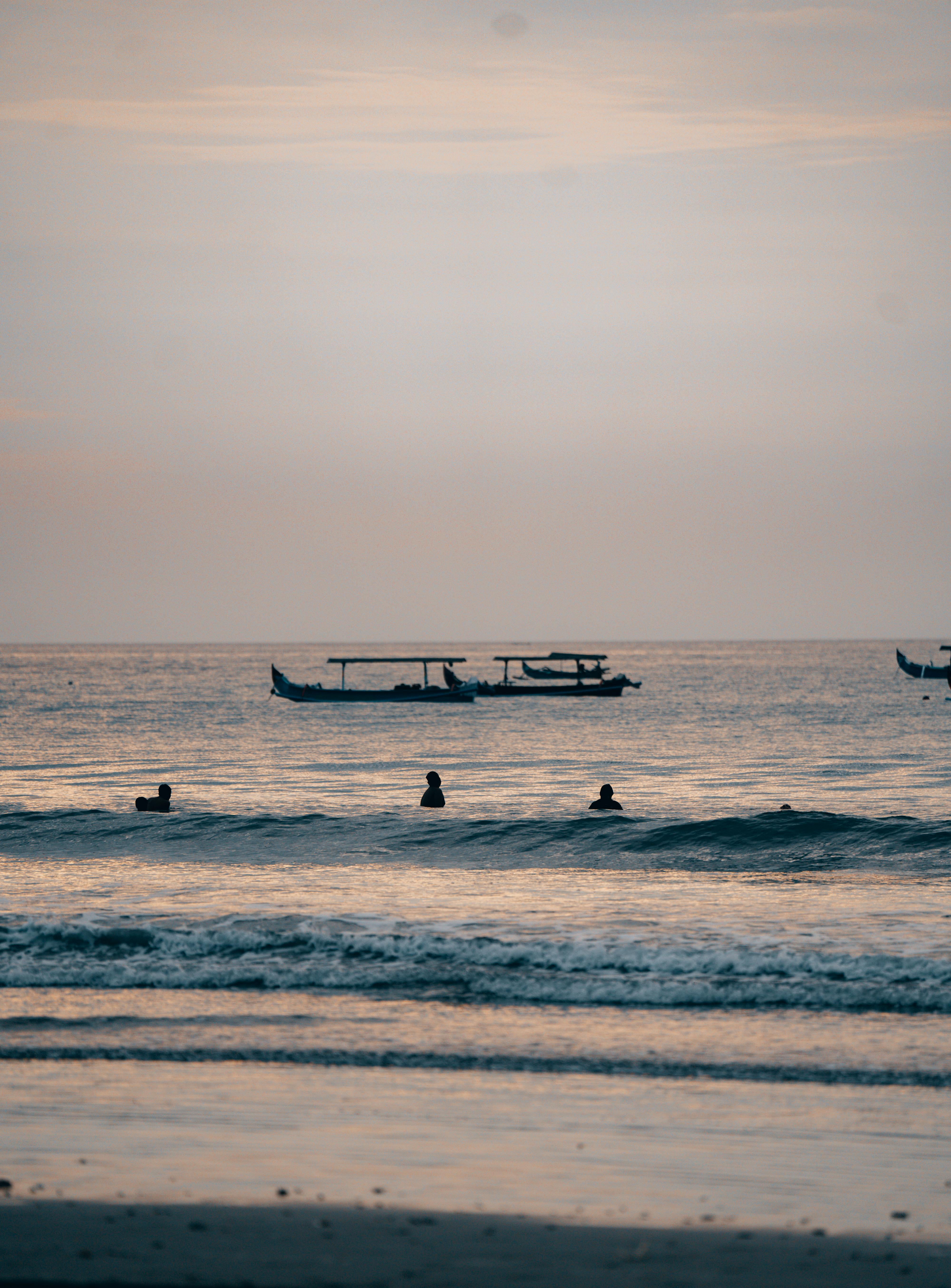
Sanur is the part of Bali where you can actually hear yourself think, all while sitting just steps away from the Indian Ocean.
Unlike the frenetic pace of Canggu or Seminyak, Sanur retains a laid-back, village-like atmosphere that appeals to nomads seeking focus and tranquility. The town is famous for its long, protected beachfront, which is perfect for sunrise walks, cycling, or working from a beach shack with high-speed internet. Its flat, walkable layout makes it incredibly easy to navigate, allowing you to settle into a rhythm of deep work and relaxed beach evenings.
Digital nomads in Sanur tend to value the tight-knit community and the slower pace of life compared to other Balinese hotspots. While it is more relaxed, you will still find high-quality coffee shops, modern villa rentals, and reliable connectivity. If you are looking to escape the traffic and crowds while keeping your productivity high, Sanur is one of the most balanced destinations in Indonesia.
History
Sanur has a rich history that sets it apart from other tourist hubs on the island.
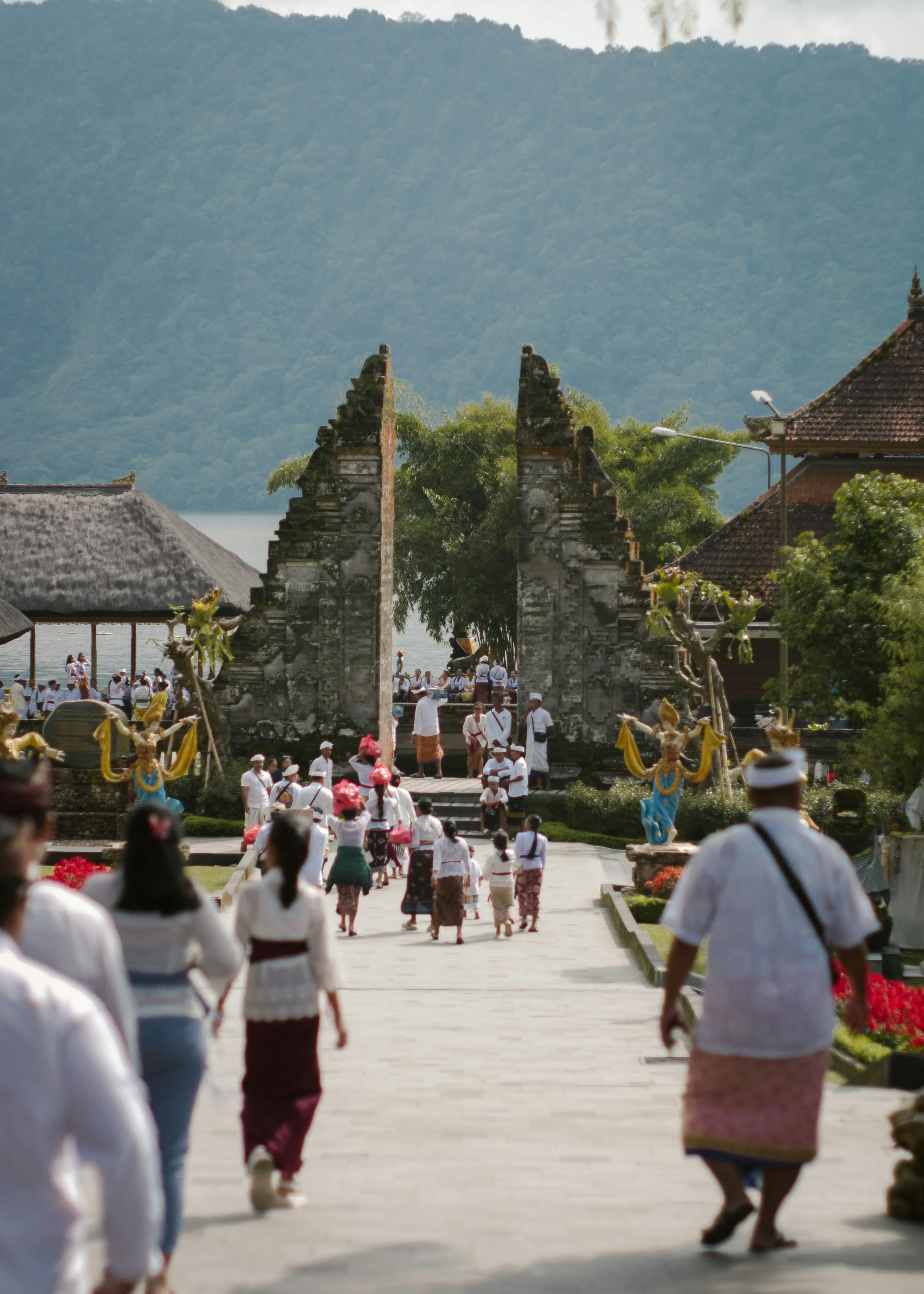
Sanur has a rich history that sets it apart from other tourist hubs on the island. Historically, it was one of the first areas in Bali to attract foreign visitors, largely due to its calm waters and the cultural depth of the local fishing village communities. Unlike many other parts of Bali that shifted rapidly toward mass tourism, Sanur managed to preserve its heritage through strict local development regulations.
In the 20th century, the area became a destination for intellectuals and artists who sought refuge in its peaceful surroundings. Today, it remains a blend of quiet tradition and modern growth, maintaining its identity as a place where the old world of Balinese fishermen meets the new world of the global digital workforce.
1930s
Arrival of ArtistsEuropean artists and intellectuals began settling in Sanur, establishing the village as a creative retreat.
1966
First Major ResortThe construction of the Bali Beach Hotel marked the beginning of modern tourism development in the area.
1990s
Preservation EraLocal authorities implemented zoning laws to limit building heights, ensuring the area remained low-rise and village-focused.
2020s
Nomad HubSanur transformed into a major destination for remote workers seeking reliable infrastructure away from the island's congested western coast.
Where to Stay
Choose your base camp
Distinct neighbourhoods, different rhythms. Pick the one that fits your work-life balance.
Convenient Hub
Central Sanur
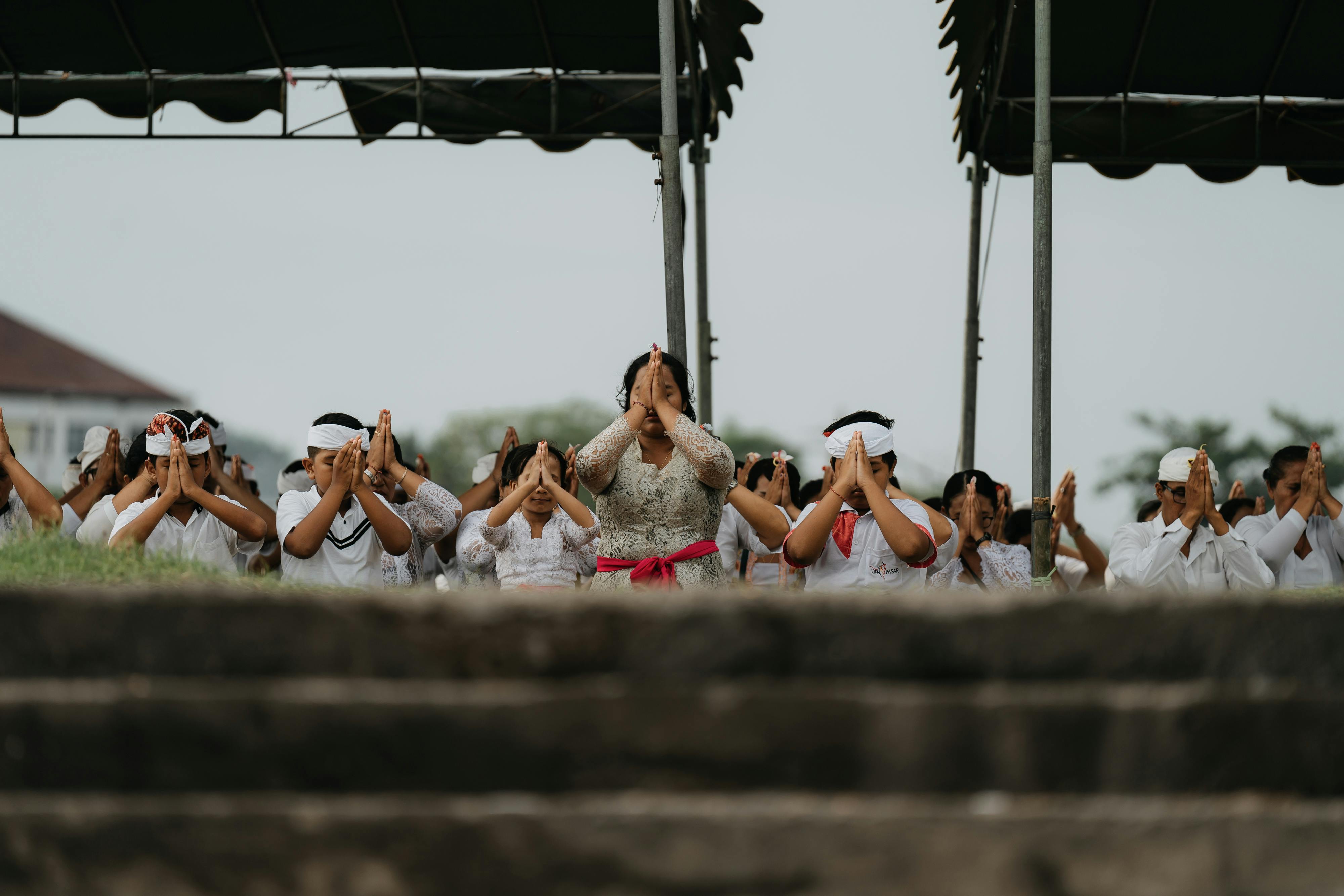
This is the heartbeat of the town, filled with cafes, restaurants, and easy access to the beach. Renting here is perfect if you want to be within walking distance of everything.
Quiet Beach Life
South Sanur
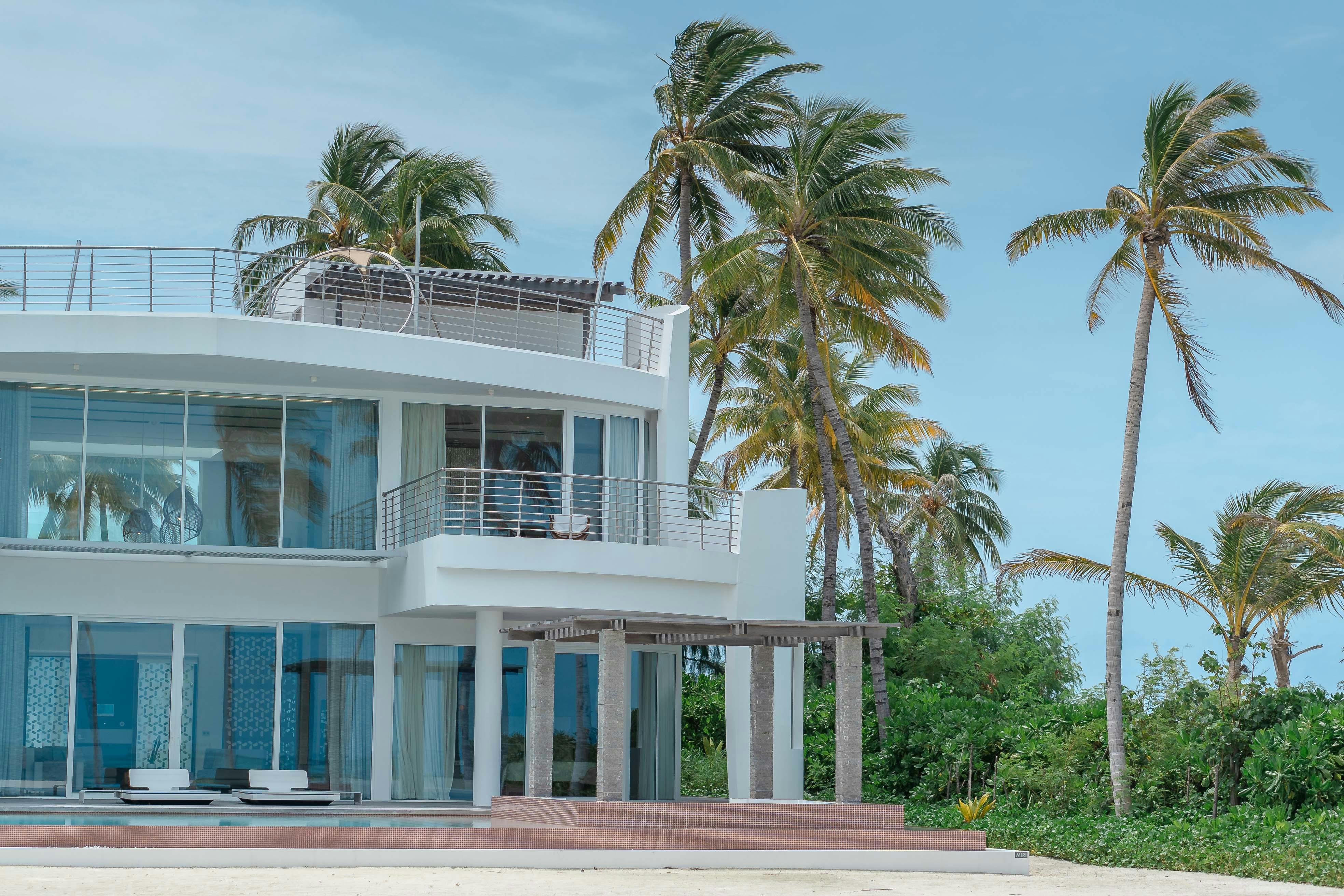
Known for a more relaxed, residential feel, this area offers beautiful beachfront villas and quieter guesthouses. It is ideal for nomads who want a quiet environment for deep work.
Places to Go
The experiences that will make you never leave
These aren't tourist checkboxes — they're the experiences that reset your sense of what's normal.

Top Pick
Sanur Beach
This long stretch of golden sand is protected by an offshore reef, creating calm, shallow water perfect for swimming and sunrise yoga. It features a paved boardwalk that runs for several kilometers, ideal for morning walks or bike rides.
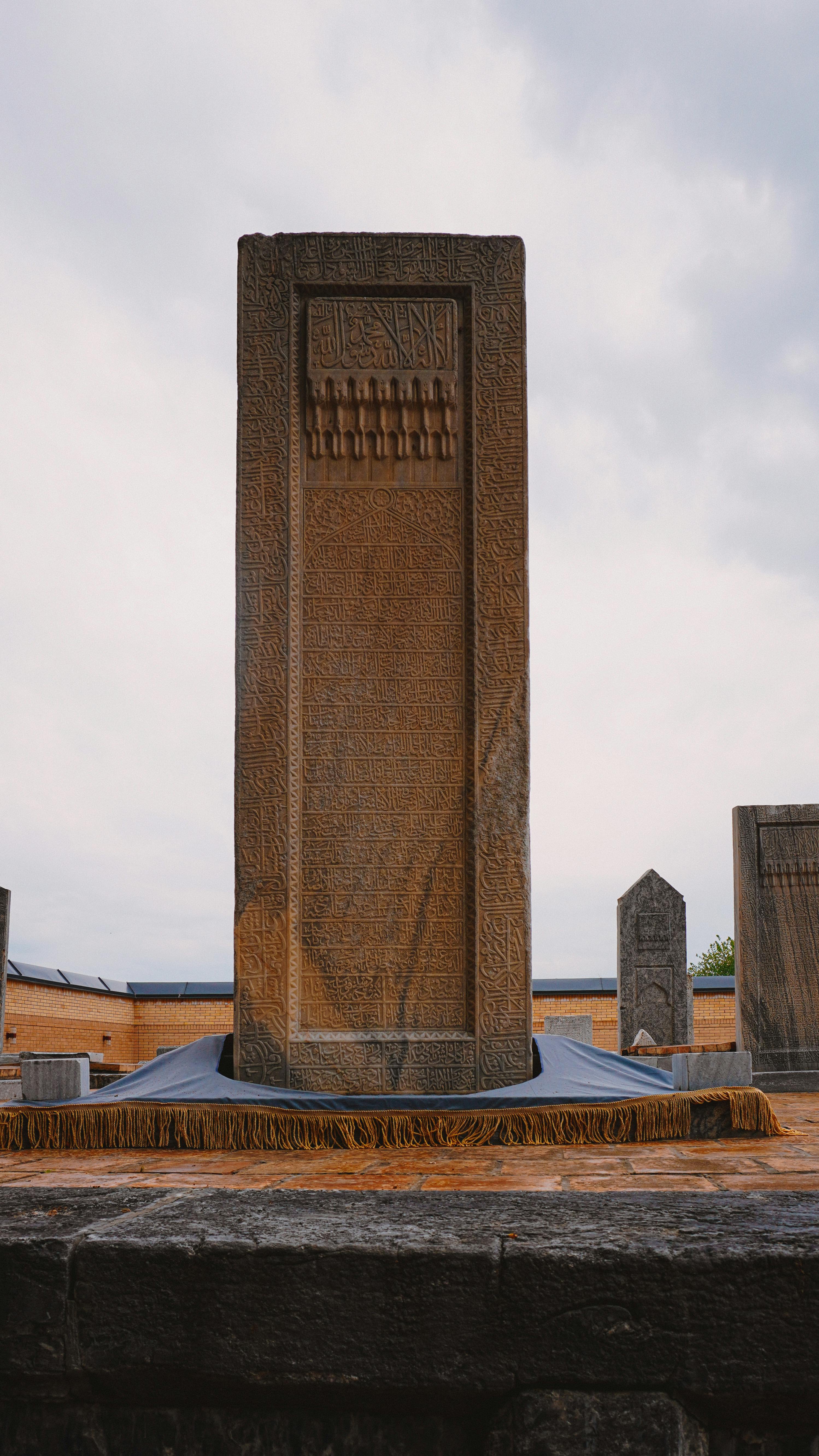
Wikipedia
Blanjong Inscription
Located just outside the main town, this ancient stone pillar dates back to 914 AD and represents some of the oldest historical artifacts on the island. It is a fascinating stop for history buffs interested in the linguistic heritage of Bali.

Work & Connectivity
Stay connected wherever you work
The nomad community here is real — cafés and coworking spaces where you can work and meet others.
Outpost Sanur
A popular coworking space known for its high-speed internet and ergonomic workstations. It is a hub for meeting other remote professionals.
Soulshine Bali
A creative space that combines work with a relaxing lifestyle, perfect for those who enjoy a vibrant community atmosphere.
Tropical Nomad
A well-designed space with excellent facilities and a focus on community events for digital workers.
Budget & Costs
What it costs to live in Sanur
Choose your lifestyle tier. Comfortable = furnished accommodation, local + occasional Western food, transport, leisure.
$876
per month · USD · comfortable lifestyle
ModerateFurnished studio, local restaurants, transport, and weekend trips.
Exchange rates
Check xe.com or your bank for current USD to local currency.
Check xe.com or your bank for current USD to local currency.
🏠 Rent 45%$383/mo
🍽️ Food 26%$219/mo
🚌 Transport 6%$55/mo
💡 Utilities 9%$73/mo
🎭 Leisure 13%$110/mo
🏥 Health 2%$18/mo
Connectivity
Well connected to the world
Internet and transport options for remote workers.
📶
Internet
Good — fibre common
Check local providers.
🏢
Coworking
From ~$80/mo
Dedicated spaces available.
🚌
Local Transit
5 / 10
Scooter and taxi common.
20 km from centre
Safety & Visa
Safe, welcoming, and easy to enter
Safety Score6 / 10
✗ Tap Water✓ Night Safe📞 112 or local emergency number
Visa
Check your entry options
Many nationalities get visa-free or visa-on-arrival. Check official government sources for your citizenship before travel.
Culture & Festivals
Local soul, nomad-friendly
Multiculturalism5/10
Foodie Scene5/10
Remote work
Jul
Bali Kite Festival
A massive traditional festival where teams fly giant, handmade kites over the beaches, creating a stunning visual display.
Mar
Nyepi
The Balinese Day of Silence, where the entire island shuts down for reflection and meditation. It is a unique and quiet experience.
Sanur is also a fantastic base for day trips to Nusa Penida and Nusa Lembongan, as the fast boats leave directly from the local port.
Food & Nightlife
A feast for every mood
From street food to cafés and nightlife — every meal is an event.

Street Food
Sanur Night Market
Visit the night market for affordable and delicious Indonesian staples like Nasi Goreng and Sate. It is a great way to experience local culture on a budget.

Café Culture
Beachfront Cafes
The boardwalk is lined with cafes serving great coffee and healthy breakfasts. Sitting here with a view of the ocean is the ultimate way to start a workday.
Climate
Best months: Jan, Feb, Mar, Jun, Jul, Aug, Sep, Nov, Dec
Avg humidity80%
Avg AQI40
Sanur is pleasant year-round, though the best months for remote workers are generally January through March, and again from June through September. During these times, the weather is consistently warm and manageable for working outdoors, and the sea breezes provide natural cooling. November and December are also popular months to visit despite the occasional tropical rain.
There are no specific months to strictly avoid, as the city maintains a steady rhythm throughout the year. However, if you prefer avoiding higher humidity and peak tourist surges, keep an eye on the shoulder seasons when accommodation prices may drop slightly and the beaches are less crowded.
Monthly temperatures °C
BestAvoidShoulder
Practical Info
Everything you need to know
🏥
Healthcare
Medical facilities in Sanur are adequate for minor issues, but for more serious procedures, most expats head to nearby Denpasar. Always carry travel health insurance that covers international care.
💱
Money
The local currency is the Indonesian Rupiah (IDR). ATMs are abundant, but it is always useful to carry some cash for smaller warungs and local market purchases.
🌐
Language & Etiquette
The local language is Balinese, but Bahasa Indonesia and English are widely spoken in hospitality. Always dress modestly when visiting temples and follow local customs by respecting quiet hours.
Tips
Quick tips
- Rent a bicycle to get around town faster than walking.
- Always carry a reusable water bottle to reduce plastic waste.
- Try to eat at local warungs to save significantly on food costs.
- Join local nomad Facebook groups to stay updated on community meetups.
- Download the Gojek app for easy transport and food delivery.
- Respect the local culture by covering your shoulders when entering temples.
- Start your workday early to take advantage of the cooler morning weather.
Further Reading