Puerto Natales · Chile
Overview
Puerto Natales is where the silence of the Patagonian wilderness finally allows your own creativity to speak.
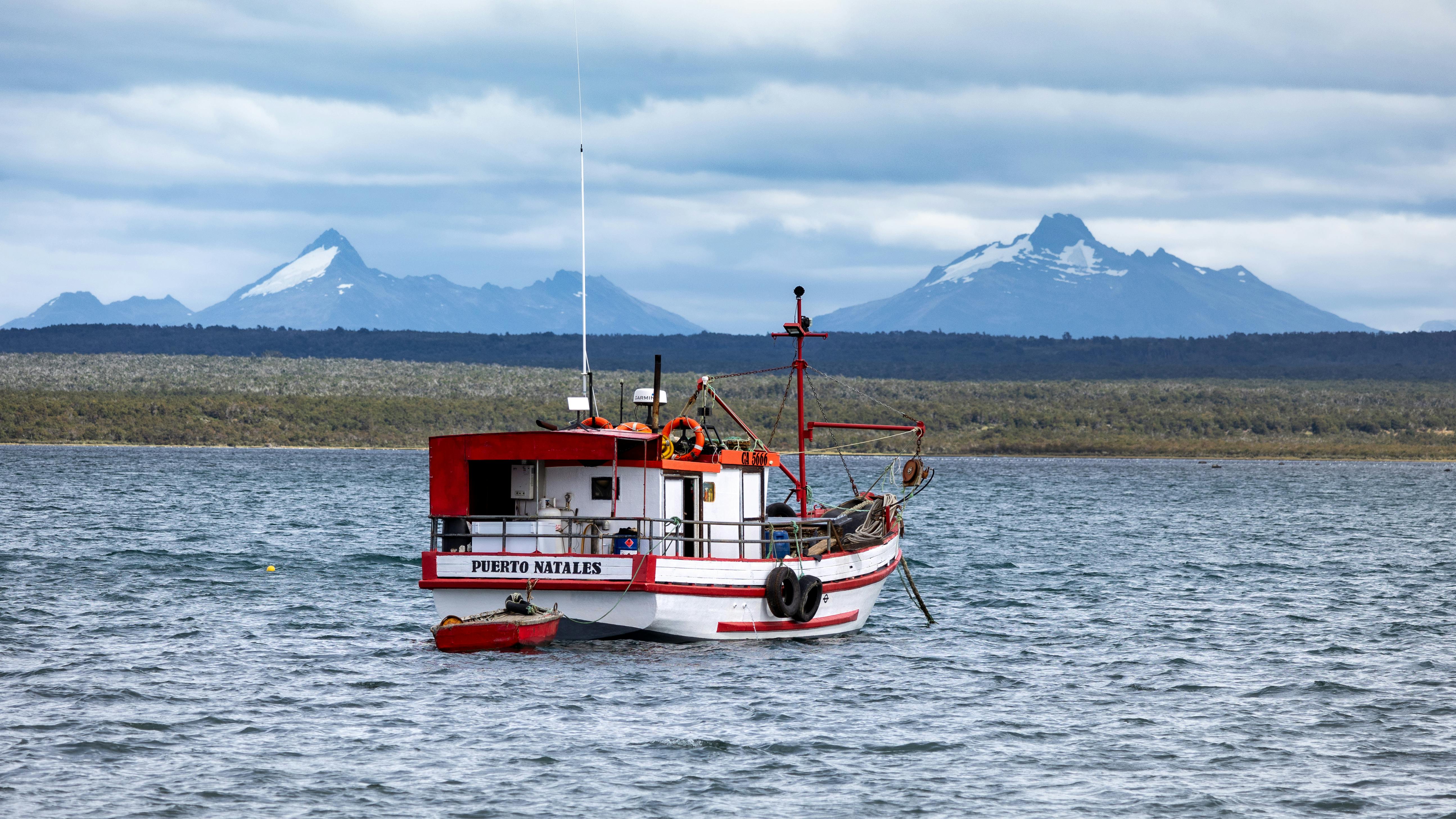
Nestled on the shores of the Señoret Channel, Puerto Natales is the gateway to Torres del Paine National Park. For digital nomads, it offers a quiet, introspective atmosphere where the morning coffee is served with a view of snow-capped peaks. While it is not a bustling metropolis, the town provides a supportive environment for those who prioritize nature over fast-paced urban life.
Infrastructure here is suited to the 'slow travel' philosophy. Connectivity requires patience, and life revolves around the changing seasons, which significantly impact both your Cost of living and the accessibility of nearby hiking trails. The town is highly walkable, making it easy to transition from a morning of deep work in a cozy cafe to an afternoon of coastal trekking.
History
Puerto Natales was founded in 1911, primarily to serve the booming sheep farming industry of the Magallanes region.
Puerto Natales was founded in 1911, primarily to serve the booming sheep farming industry of the Magallanes region. Its early history is defined by the efforts of pioneers who navigated the harsh Patagonian environment to build a settlement on the shores of the Última Esperanza Sound. The town quickly became a critical port for shipping wool and meat to international markets, attracting immigrants from across Europe, particularly from Britain and the Balkans.
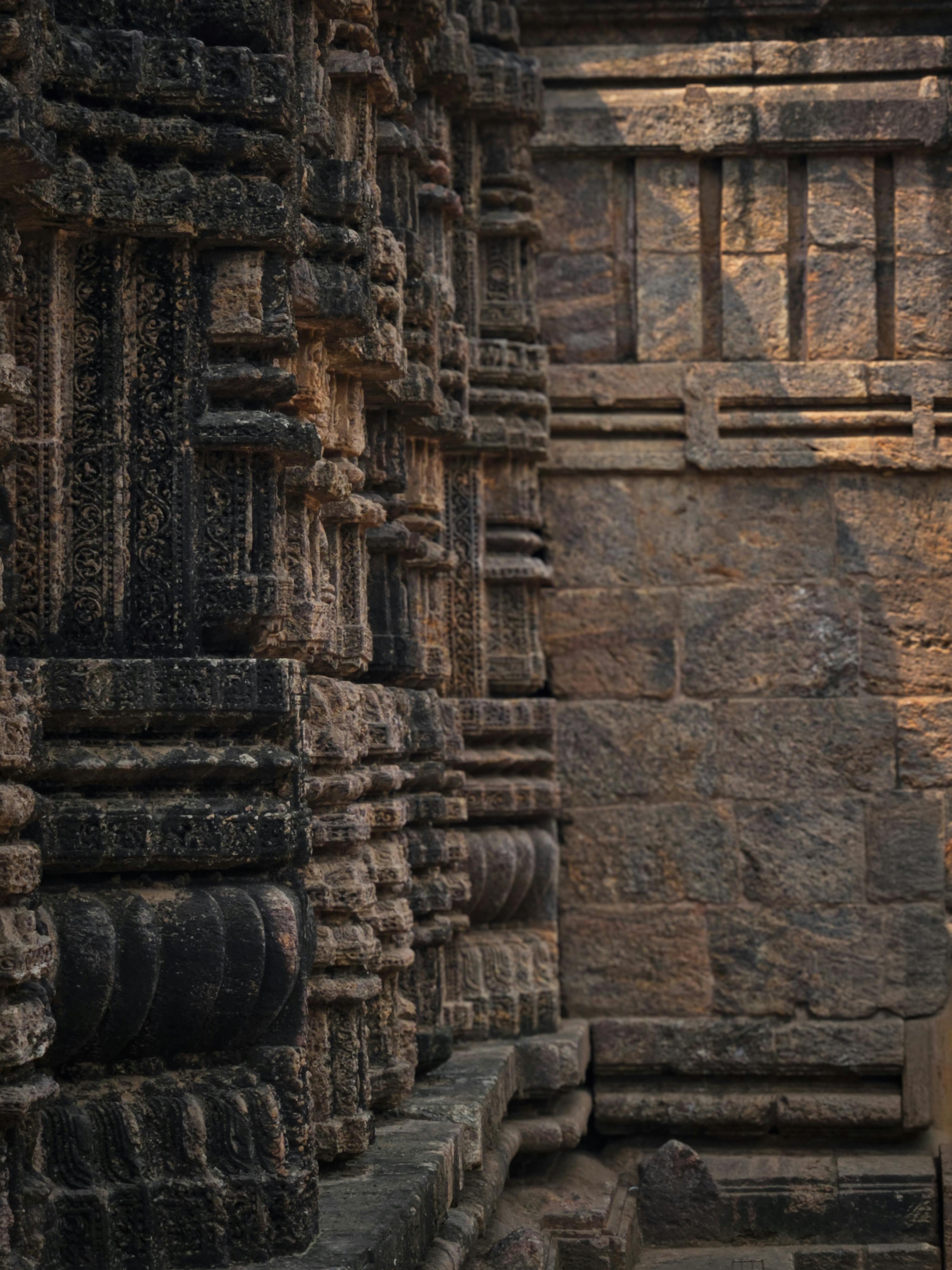
Following the decline of the large-scale sheep industry in the late 20th century, Puerto Natales pivoted toward tourism. The town successfully reinvented itself as the essential service hub for visitors to the Torres del Paine National Park. Today, it preserves much of its maritime and rural heritage, with preserved architecture that reflects the corrugated iron and timber construction typical of early Patagonian frontier towns.
1911
Official FoundationPuerto Natales was formally established to support the local sheep farming industry and maritime trade.
1920s
Industrial GrowthThe Frigorífico Bories meatpacking plant opened, becoming a massive economic engine for the region.
1970s
Tourism EmergenceAs the agricultural industry modernized and declined, the town began focusing on the emerging interest in Patagonian trekking.
1990s
National Park GatewayPuerto Natales solidified its status as the primary entry point for global travelers visiting Torres del Paine.
Where to Stay
Choose your base camp
Distinct neighbourhoods, different rhythms. Pick the one that fits your work-life balance.

Central Hub
City Center
Staying downtown puts you within walking distance of all the main grocery stores, cafes, and tour operators. It is the most convenient area for digital nomads who want immediate access to services.
Scenic Views
Waterfront Area
This area offers beautiful views of the Última Esperanza Sound. It is a bit quieter than the center and is ideal for those looking for a peaceful environment to focus on work.
Places to Go
The experiences that will make you never leave
These aren't tourist checkboxes — they're the experiences that reset your sense of what's normal.
Top Pick
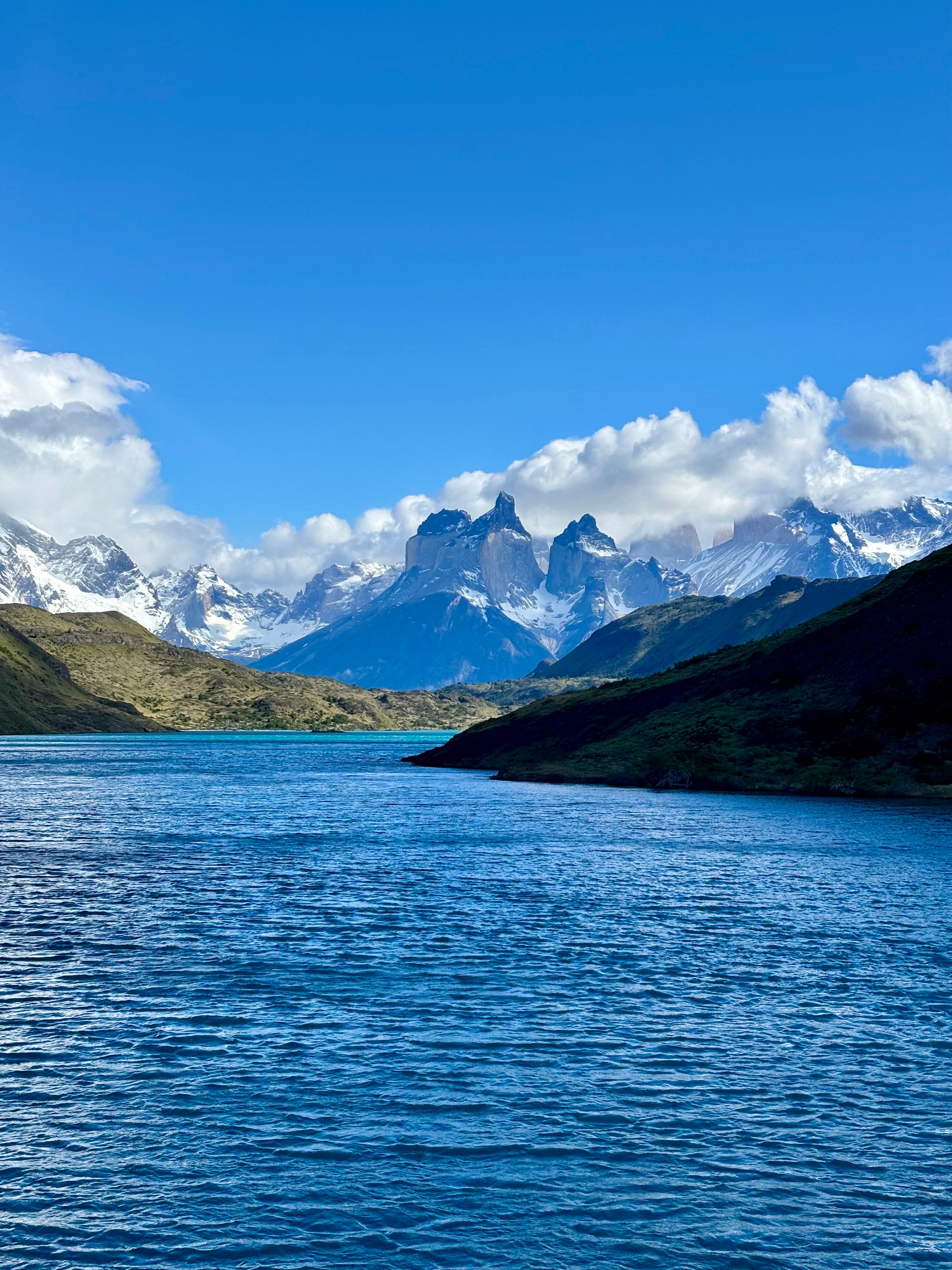
Torres del Paine National Park
This world-renowned park is the primary reason travelers visit the region. It features stunning granite pillars, turquoise glacial lakes, and expansive golden pampas perfect for hiking. Most visitors spend multiple days trekking the famous W or O circuits.
Wikipedia Entry
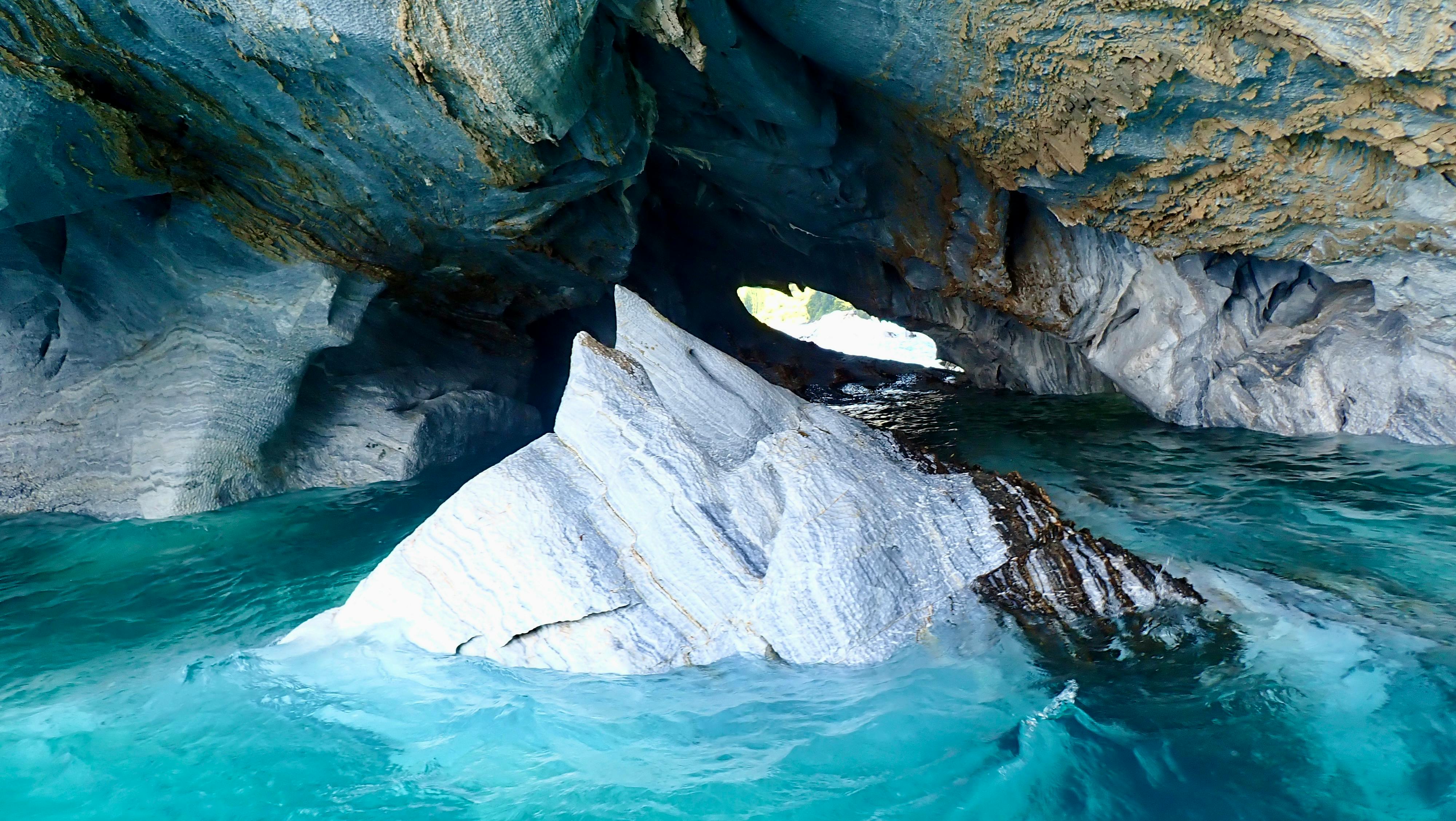
Milodón Cave
Located just outside town, this significant natural monument is where remains of the prehistoric giant sloth were discovered in 1895. The site offers short walking trails and insight into the unique paleontology of Patagonia.
Visit
Muelle Histórico
The historic pier serves as a picturesque landmark on the waterfront of Puerto Natales. It is a popular spot for photography, especially during sunrise and sunset when the water reflects the surrounding mountain peaks.

Work & Connectivity
Stay connected wherever you work
The nomad community here is real — cafés and coworking spaces where you can work and meet others.
Coworking Puerto Natales
A dedicated space for those who need a professional environment away from their accommodation. It offers stable Wi-Fi and a community of fellow remote workers.
The Eco-Dome
A unique, creative space that caters to those looking for a non-traditional office setup. Great for light tasks and networking with outdoor enthusiasts.
Budget & Costs
What it costs to live in Puerto Natales
Choose your lifestyle tier. Comfortable = furnished accommodation, local + occasional Western food, transport, leisure.
$1022
per month · USD · comfortable lifestyle
ModerateFurnished studio, local restaurants, transport, and weekend trips.
Exchange rates
Check xe.com or your bank for current USD to local currency.
Check xe.com or your bank for current USD to local currency.
🏠 Rent 46%$475/mo
🍽️ Food 25%$256/mo
🚌 Transport 7%$73/mo
💡 Utilities 7%$73/mo
🎭 Leisure 11%$110/mo
🏥 Health 4%$37/mo
Connectivity
Well connected to the world
Internet and transport options for remote workers.
📶
Internet
Good — fibre common
Check local providers.
🏢
Coworking
From ~$80/mo
Dedicated spaces available.
🚌
Local Transit
5 / 10
Scooter and taxi common.
PNT
Tte. Julio Gallardo Airport
20 km from centre
Safety & Visa
Safe, welcoming, and easy to enter
Safety Score6 / 10
✗ Tap Water✓ Night Safe📞 112 or local emergency number
Visa
Check your entry options
Many nationalities get visa-free or visa-on-arrival. Check official government sources for your citizenship before travel.
Culture & Festivals
Local soul, nomad-friendly
Multiculturalism5/10
Foodie Scene5/10
Remote work
Feb
Festival de la Integración
A vibrant celebration featuring local music, dance, and food that highlights the cultural ties between Chile and Argentina.
May
Puerto Natales Anniversary
Celebrations marking the town's founding with parades and community gatherings.
Puerto Natales is effectively a staging ground for the wilderness. Use your time here to prepare your gear properly, as equipment replacement can be expensive or unavailable once you are on the trail.
Food & Nightlife
A feast for every mood
From street food to cafés and nightlife — every meal is an event.
Patagonian Classics
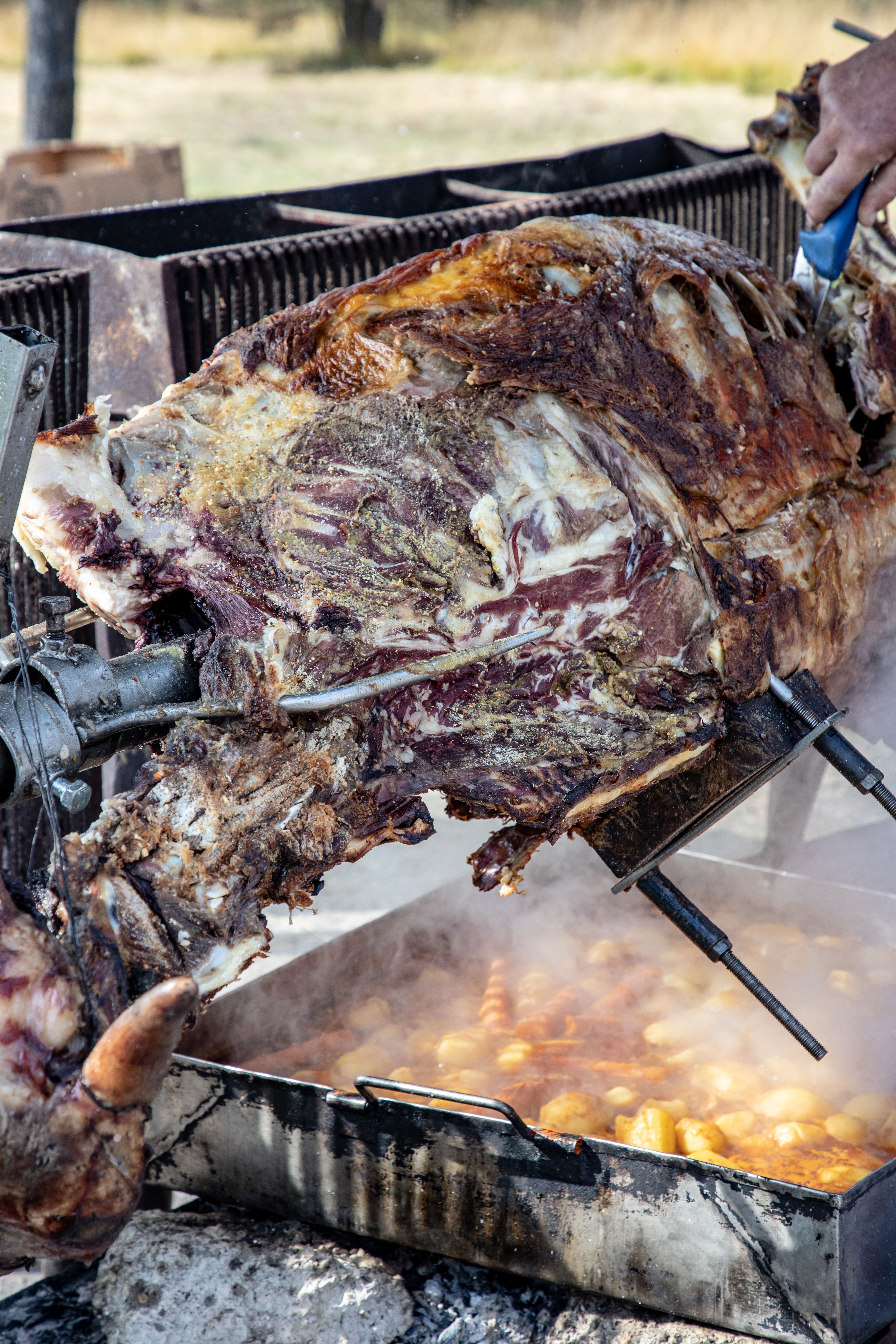
Cordero al Palo
You cannot leave Patagonia without trying the spit-roasted lamb. It is a cultural staple usually served in traditional rustic restaurants.
Café Culture
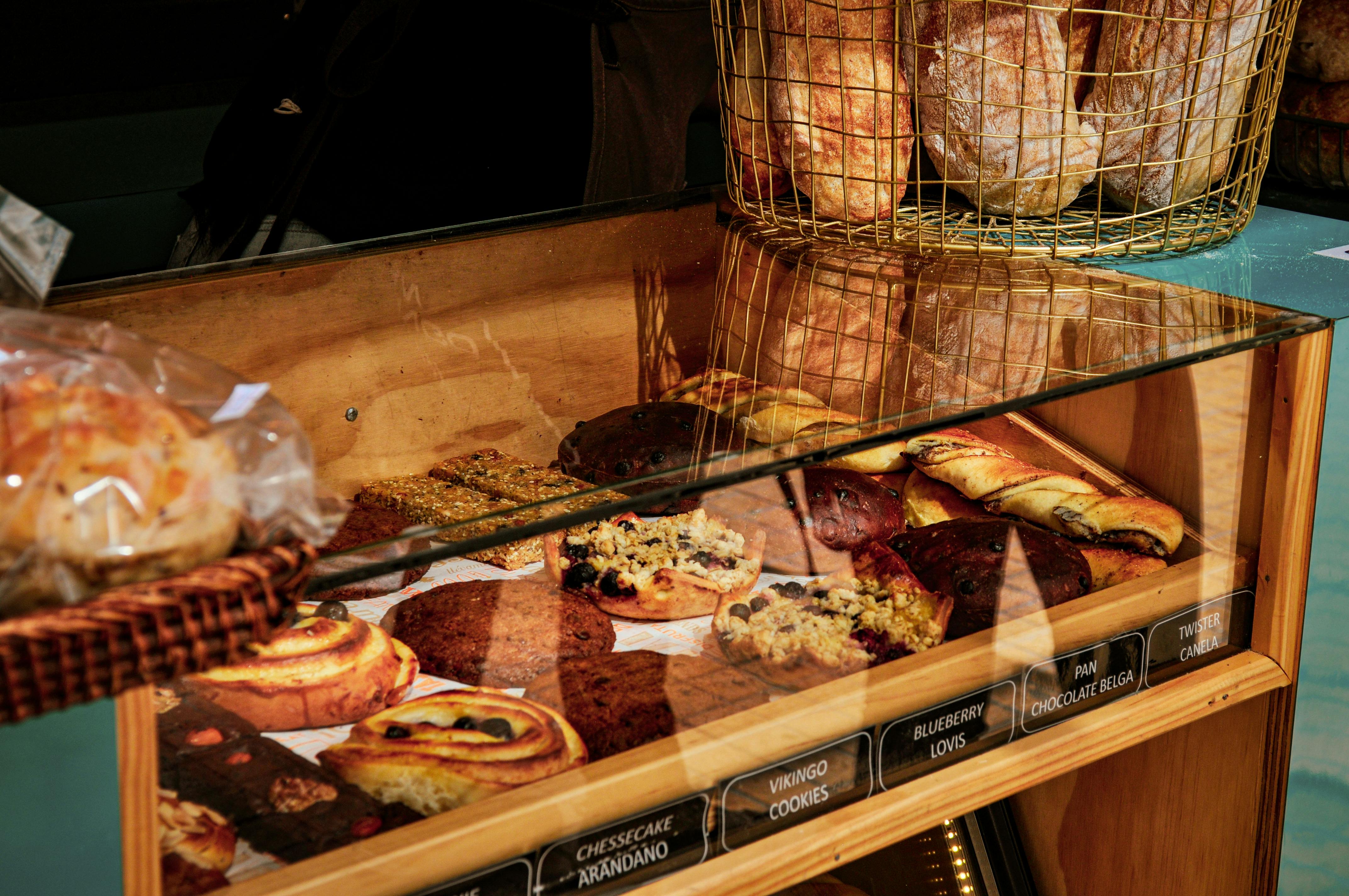
Local Bakery Cafes
Spend your mornings in the small, heater-warmed bakeries that serve strong coffee and 'facturas' (pastries). They are perfect for catching up on emails.
Climate
What to expect through the year
Avg humidity80%
Avg AQI20
The best time to visit is during the Southern Hemisphere summer, from November to March, when the days are long and temperatures are mild enough for outdoor exploration. This peak season allows for the most reliable access to the surrounding national parks and easier travel connections.
During the shoulder and winter months, from April to October, the town becomes significantly quieter. Many services and hospitality businesses may reduce their hours or close entirely. While this period offers a lower Cost of living and a more authentic, local feel, you must be prepared for much colder weather and limited daylight hours.
Monthly temperatures °C
Practical Info
Everything you need to know
🌐
Connectivity
Internet speed can be inconsistent throughout the town. Always have a mobile data backup plan, as fibre optic connections are not yet standard in every residential rental.
🏥
Healthcare
There is a local hospital for general health needs, but more complex medical issues may require travel to larger cities like Punta Arenas. Ensure you have comprehensive travel insurance.
💱
Money
Carry Chilean pesos in cash, as small cafes and local shops often prefer this over credit cards. ATMs are available, but it is wise to withdraw extra when you find one that works.
Tips
Quick tips
- Pack layers as the weather changes rapidly.
- Always carry a physical map for hiking.
- Learn basic Spanish to help with local logistics.
- Book your accommodation well in advance during peak season.
- Always carry extra cash.
- Respect the local Leave No Trace principles in the parks.
Further Reading