Gaborone · Botswana
Overview
Gaborone is a quiet, steady heart in the center of Southern Africa, offering the infrastructure professionals need with the wilderness just a short flight away.
Gaborone offers a unique blend of government administrative hubs and burgeoning urban energy. While it may not have the bustling nightlife of Johannesburg, it provides a stable, safe, and professional environment that is increasingly attracting remote workers who want to be close to the Okavango Delta and Chobe National Park. The city's culture is rooted in Setswana tradition, but it is deeply modernised through its role as a regional economic center.
Nomads often appreciate Gaborone for its slow pace of life and access to nature. The city is clean, manageable, and features a growing community of entrepreneurs. If you are curious about what it costs to live here long-term, be sure to review our Cost of living in Gaborone data for a detailed breakdown.

History
Gaborone replaced Mafikeng as the capital of the Bechuanaland Protectorate in 1965, specifically cho…
Gaborone replaced Mafikeng as the capital of the Bechuanaland Protectorate in 1965, specifically chosen for its location near the railway line and access to fresh water from the Notwane River. Since Botswana gained independence in 1966, the city has undergone a remarkable transformation from a small village into a thriving administrative and commercial hub.
Today, the city reflects Botswana’s political stability and economic growth. Visitors can see the rapid development in areas like the Central Business District, which showcases modern architecture alongside the traditional values of the Batswana people, who have long inhabited the region.
1890s
Establishment of the VillageThe settlement was originally established as a village by Gaborone Matlapeng, a local chief who led his people to the area.
1964
Capital DesignationIt was selected to be the future capital of Botswana in anticipation of the country's upcoming independence.
1966
Botswana IndependenceGaborone became the official capital city of the newly independent Republic of Botswana.
1980s
Rapid Urban GrowthThe city underwent significant infrastructure development, expanding its borders and government sectors significantly.
2010s
Modern CBD ExpansionThe development of a massive Central Business District (CBD) transformed the city skyline into a modern economic center.
Where to Stay
Choose your base camp
Distinct neighbourhoods, different rhythms. Pick the one that fits your work-life balance.
Comfortable Living
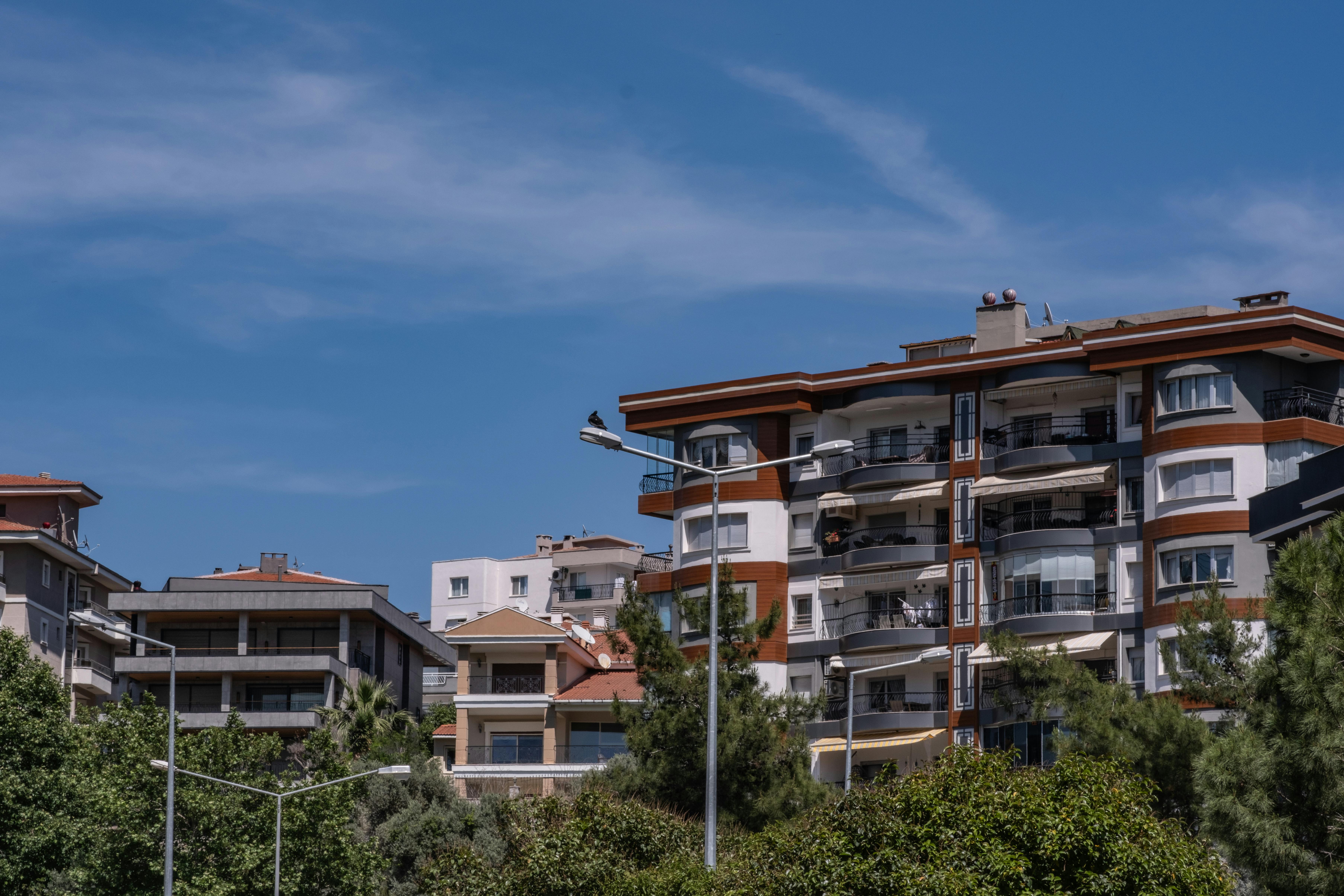
Maruapula
A quiet, leafy residential suburb that is popular with professionals. It offers a mix of houses and apartments at a moderate price point.
Budget-Friendly
Tlokweng
Located just outside the main city center, Tlokweng provides more affordable housing options while remaining well-connected by local transport routes.

Luxury Living
Phakalane
The premier upscale residential area featuring modern estates and larger homes. This is the go-to neighborhood for those seeking convenience and security.
Places to Go
The experiences that will make you never leave
These aren't tourist checkboxes — they're the experiences that reset your sense of what's normal.
Top Pick
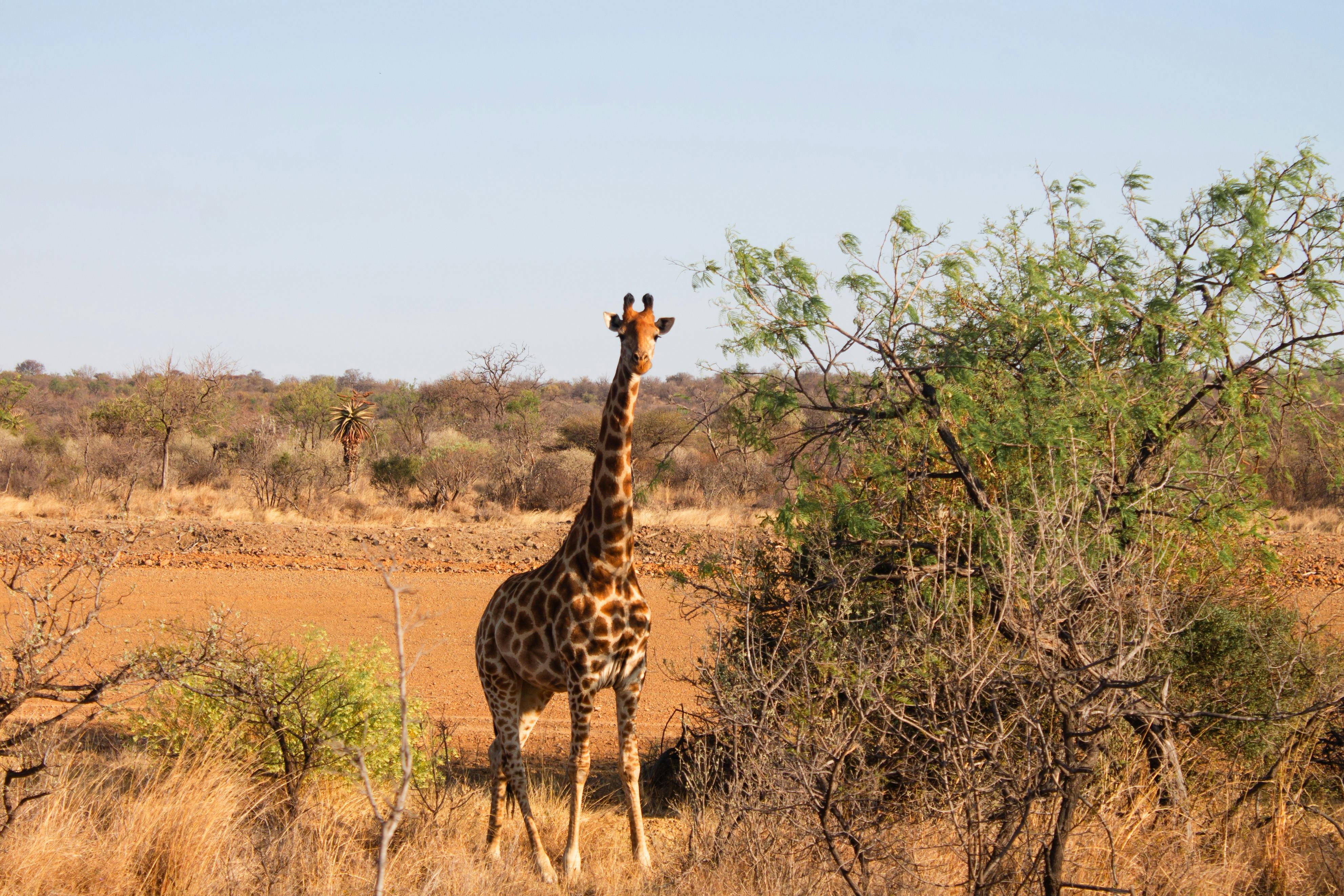
Gaborone Game Reserve
This compact reserve is located right within the city limits and provides a quick escape into nature. Visitors can see impala, kudu, and various bird species without traveling far from their desk.
Official Tourism Site
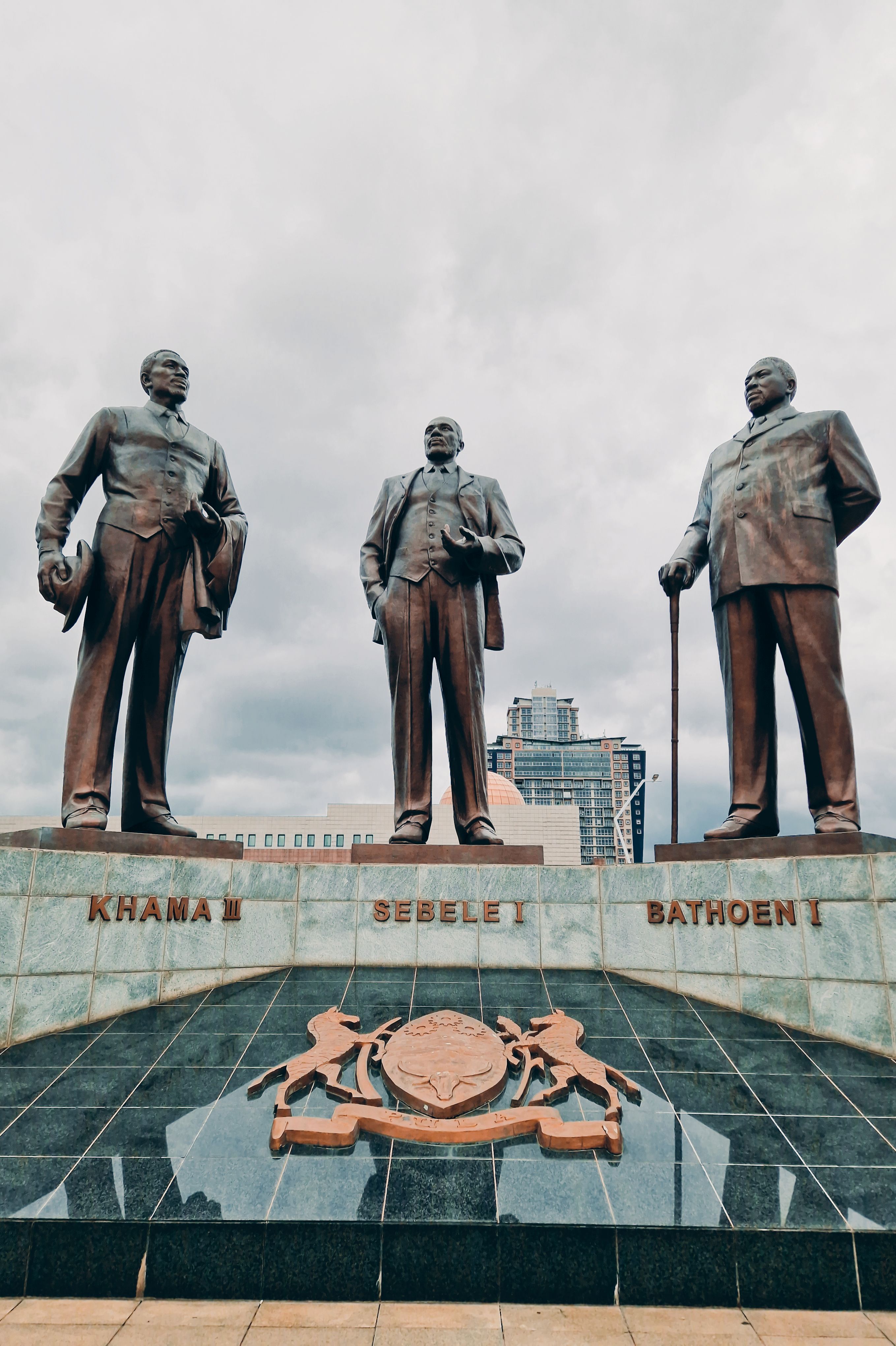
National Museum and Art Gallery
This museum offers excellent insight into the history, culture, and traditional crafts of Botswana. It is a quiet place to spend a few hours learning about the nation's heritage.
Wikipedia
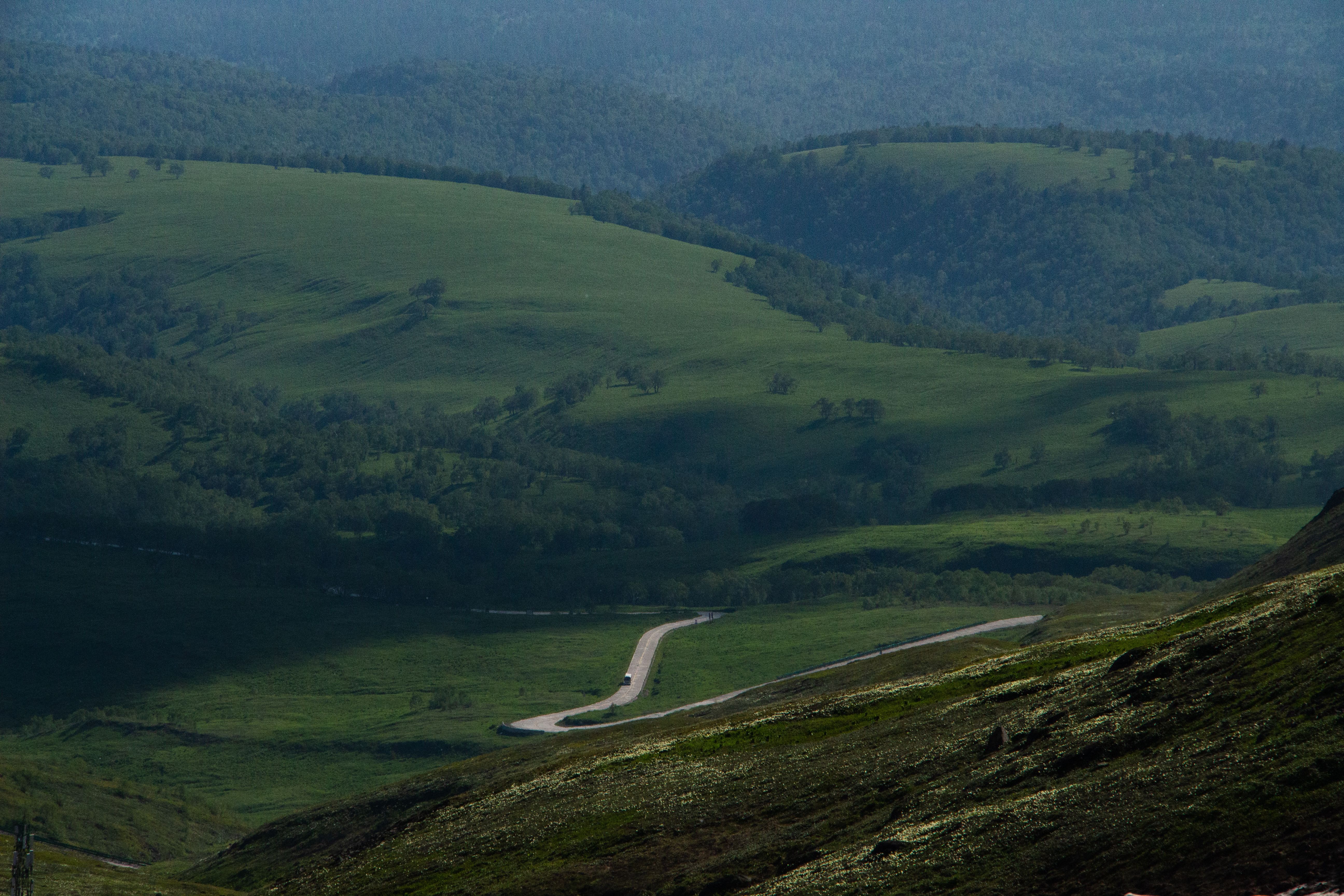
Kgale Hill
A popular hiking spot for locals, Kgale Hill offers panoramic views of the city and the surrounding Gaborone Dam. It is an excellent way to get some exercise and enjoy a sunset view.
Work & Connectivity
Stay connected wherever you work
The nomad community here is real — cafés and coworking spaces where you can work and meet others.
Ignite Hubs
A vibrant space that attracts local entrepreneurs and freelancers looking for reliable infrastructure and networking opportunities.
Venture Hub Gaborone
Offers dedicated desks and high-speed internet, making it a professional environment for deep work sessions.
Budget & Costs
What it costs to live in Gaborone
Choose your lifestyle tier. Comfortable = furnished accommodation, local + occasional Western food, transport, leisure.
$1716
per month · USD · comfortable lifestyle
ModerateFurnished studio, local restaurants, transport, and weekend trips.
Exchange rates
Check xe.com or your bank for current USD to local currency.
Check xe.com or your bank for current USD to local currency.
🏠 Rent 38%$657/mo
🍽️ Food 26%$438/mo
🚌 Transport 6%$110/mo
💡 Utilities 6%$95/mo
🎭 Leisure 15%$256/mo
🏥 Health 9%$161/mo
Connectivity
Well connected to the world
Internet and transport options for remote workers.
📶
Internet
Good — fibre common
Check local providers.
🏢
Coworking
From ~$80/mo
Dedicated spaces available.
🚌
Local Transit
5 / 10
Scooter and taxi common.
20 km from centre
Safety & Visa
Safe, welcoming, and easy to enter
Safety Score6 / 10
✗ Tap Water✓ Night Safe📞 112 or local emergency number
Visa
Check your entry options
Many nationalities get visa-free or visa-on-arrival. Check official government sources for your citizenship before travel.
Culture & Festivals
Local soul, nomad-friendly
Multiculturalism5/10
Foodie Scene5/10
Remote work
Sep
Botswana Day
Celebrated on September 30th with parades, music, and cultural performances marking the country's independence.
Gaborone is also a significant logistics hub, making it easy to hop on a flight to the world-famous Okavango Delta for a long weekend trip if you need a break from your screen.
Food & Nightlife
A feast for every mood
From street food to cafés and nightlife — every meal is an event.
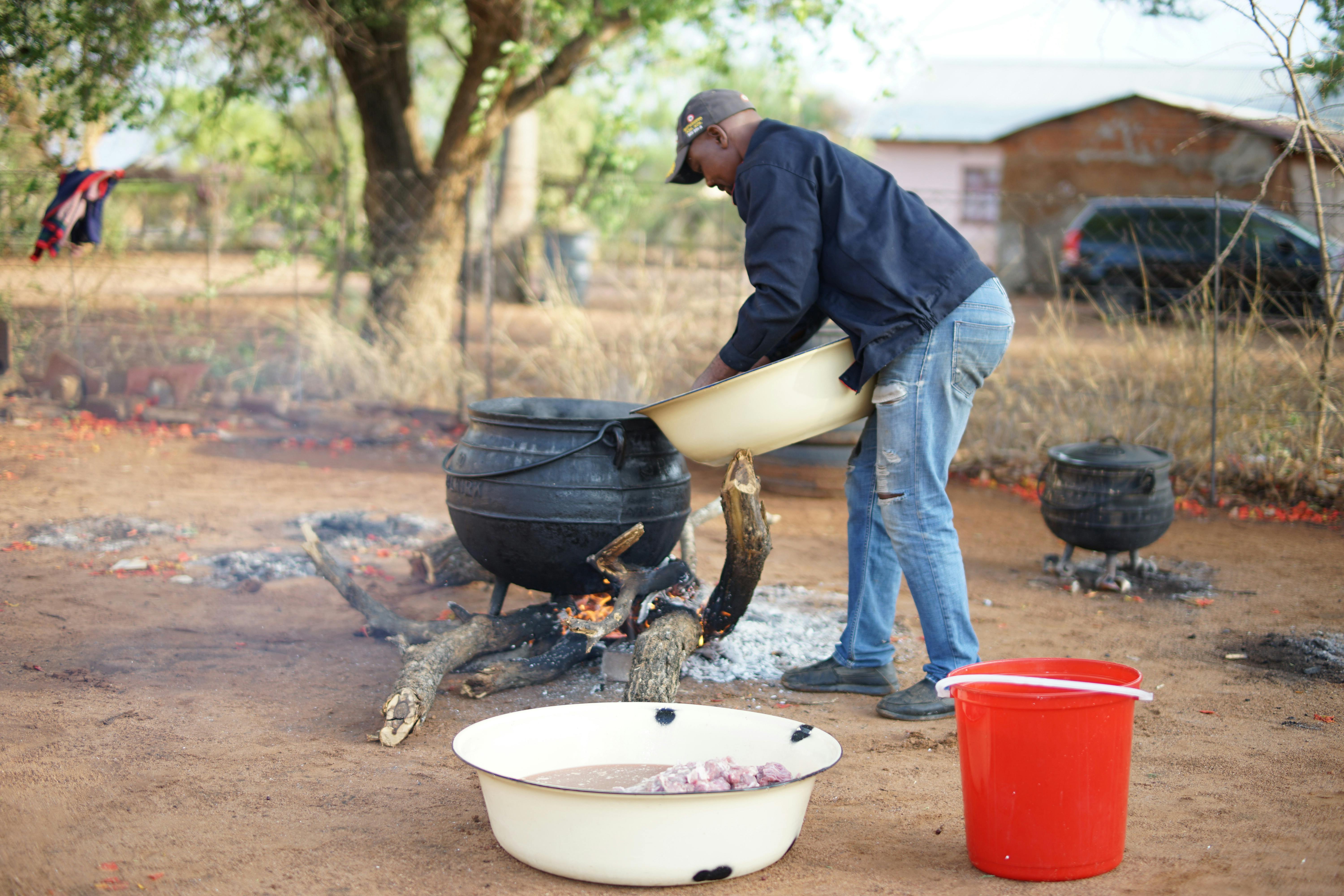
Local Cuisine
Seswaa Spots
Try the national dish, Seswaa, a traditional slow-cooked meat that is a staple of Batswana culture. You can find this in many local eateries.

Café Culture
Main Mall Cafés
The historic Main Mall is packed with casual outdoor cafés where you can enjoy a coffee and watch the city go by.
Climate
Best months: Jan, Feb, Mar, Apr, May, Jun, Jul, Aug, Sep, Oct, Nov, Dec
Avg humidity45%
Avg AQI60
Gaborone enjoys a temperate climate that makes it accessible year-round. While the city is suitable for work during any month, the period from May to October offers the most comfortable temperatures, characterized by cool, dry days that are perfect for outdoor activities after your work day ends.
The summer months between November and April bring warmer temperatures and the occasional rainfall, which turns the surrounding landscape lush and green. Regardless of when you choose to visit, the city remains functional and welcoming for remote workers throughout the entire calendar year.
Monthly temperatures °C
BestAvoidShoulder
Practical Info
Everything you need to know
🏥
Healthcare
Gaborone has several private clinics that offer quality medical services to visitors. Ensure you have comprehensive travel health insurance.
💱
Money
The local currency is the Botswana Pula. While credit cards are widely accepted in malls and hotels, always carry cash for smaller vendors and local markets.
🌐
Language & Etiquette
English is the official language and used in business, while Setswana is the national language. Locals are generally welcoming and polite, so a friendly greeting is always appreciated.
Tips
Quick tips
- Always carry a portable power bank as electricity can occasionally flicker.
- Learn a few basic words in Setswana to endear yourself to the locals.
- Use a VPN when working from public Wi-Fi networks.
- Pack a light jacket as evenings can get surprisingly cool throughout the year.
- Confirm the prices of taxi rides before starting the journey.
- Check for local SIM card packages at the airport upon arrival.
Further Reading