Dhaka · Bangladesh
Overview
Dhaka doesn't ask for your attention; it demands it, pulling you into a whirlwind of colors, sounds, and history that you won't find anywhere else on earth.
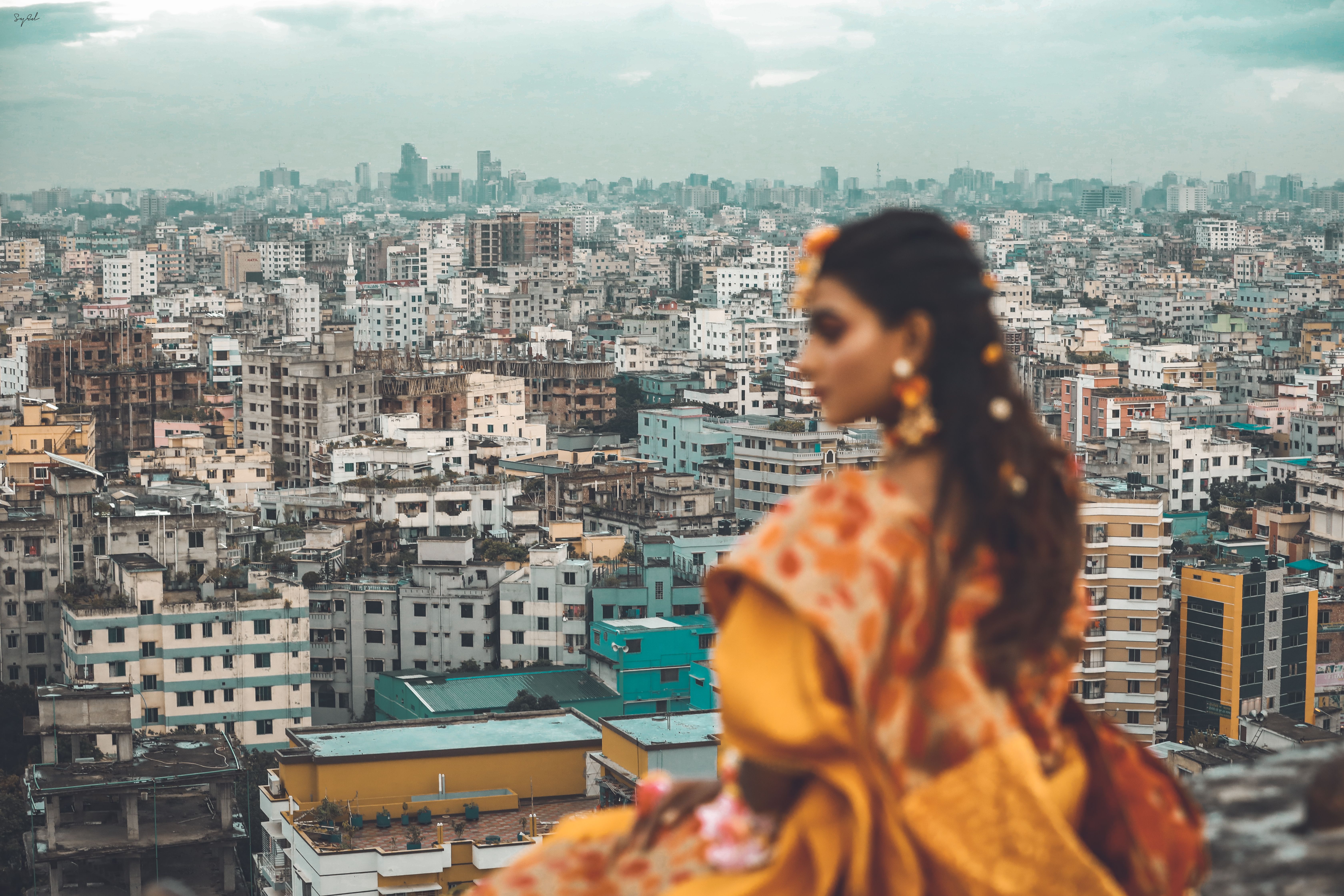

Dhaka is the heartbeat of Bangladesh, a city defined by its frantic pace, vibrant street life, and deep historical roots. As one of the world's most densely populated urban centers, the vibe here is relentless, characterized by a sea of rickshaws, bustling markets, and an endless symphony of city sounds. It is not your typical digital nomad hub with polished infrastructure, but for those willing to navigate the chaos, it offers a raw and deeply rewarding experience.
Most nomads choose to base themselves in the more modern, upscale areas, which offer a buffer from the density of the old city while keeping the Cost of living in Dhaka very manageable. The Climate is a major factor to consider, as the intense summer heat and monsoon rains can significantly dictate your daily routine and travel plans.
History
Dhaka's history is a rich tapestry woven with the threads of several empires.
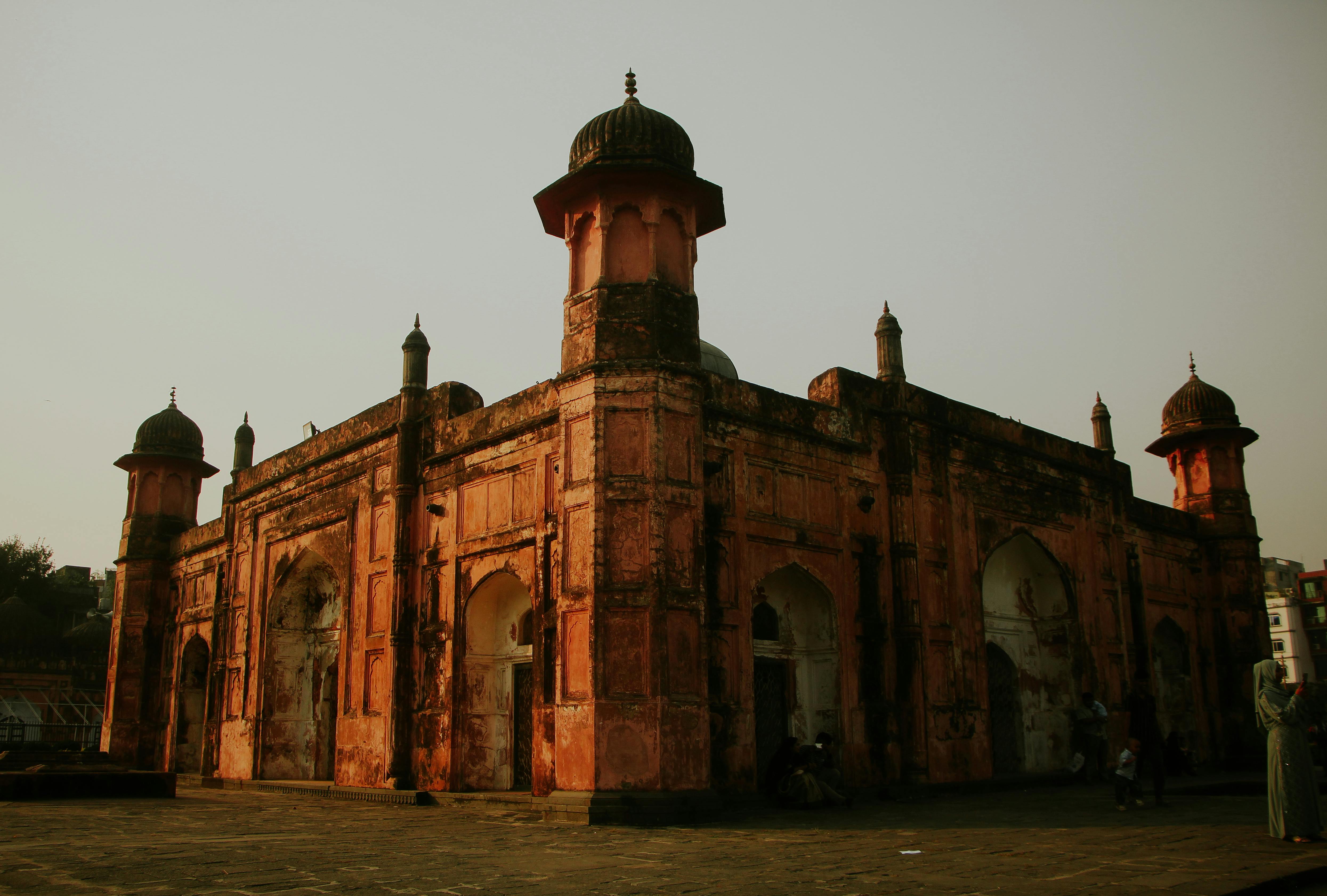
Dhaka's history is a rich tapestry woven with the threads of several empires. Originally a flourishing Mughal provincial capital in the 17th century, it became a center for muslin and silk trade. The city's architecture, including its many mosques and forts, stands as a testament to this period of prosperity and artistic growth.
Following the colonial era under British rule, Dhaka underwent significant transformations. It later became the capital of East Pakistan in 1947, a period marked by political unrest and the eventual struggle for independence. The city emerged as the capital of a sovereign Bangladesh in 1971, a turning point that spurred rapid urbanization and the energetic, complex metropolitan environment seen today.
1608
Mughal CapitalDhaka was established as the provincial capital of the Mughal Empire in Bengal, becoming a major trading hub.
1765
British InfluenceThe city came under the control of the British East India Company, shifting the regional administrative focus.
1947
PartitionDhaka became the administrative capital of East Pakistan following the partition of India.
1971
IndependenceAfter a hard-fought liberation war, Dhaka became the capital city of the newly independent country of Bangladesh.
Where to Stay
Choose your base camp
Distinct neighbourhoods, different rhythms. Pick the one that fits your work-life balance.
Upscale & Modern
Gulshan
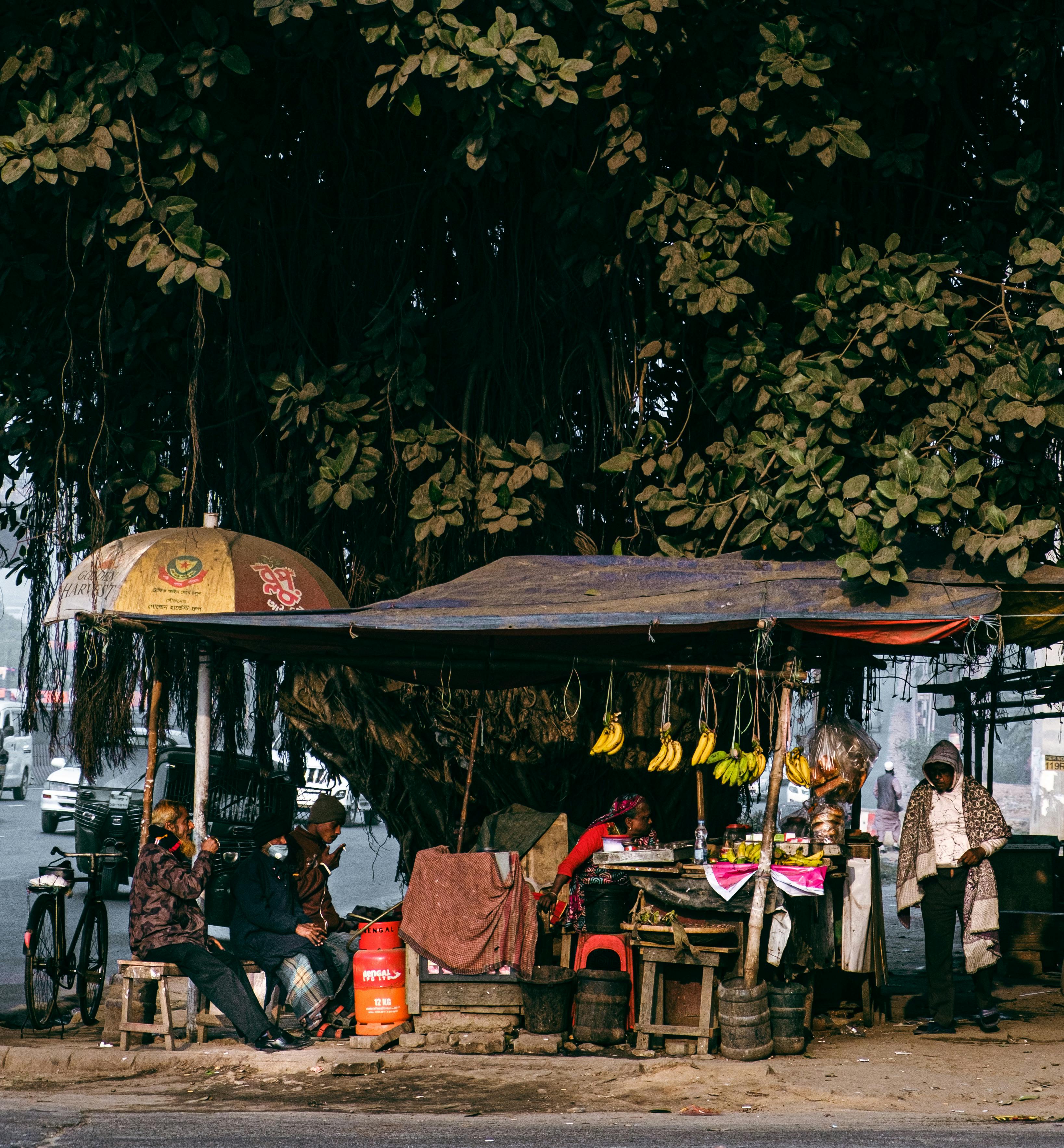
The primary business and diplomatic district, featuring high-end apartments and international restaurants. It offers the most comfort for nomads but at a higher price point.
Nomad Hub
Banani
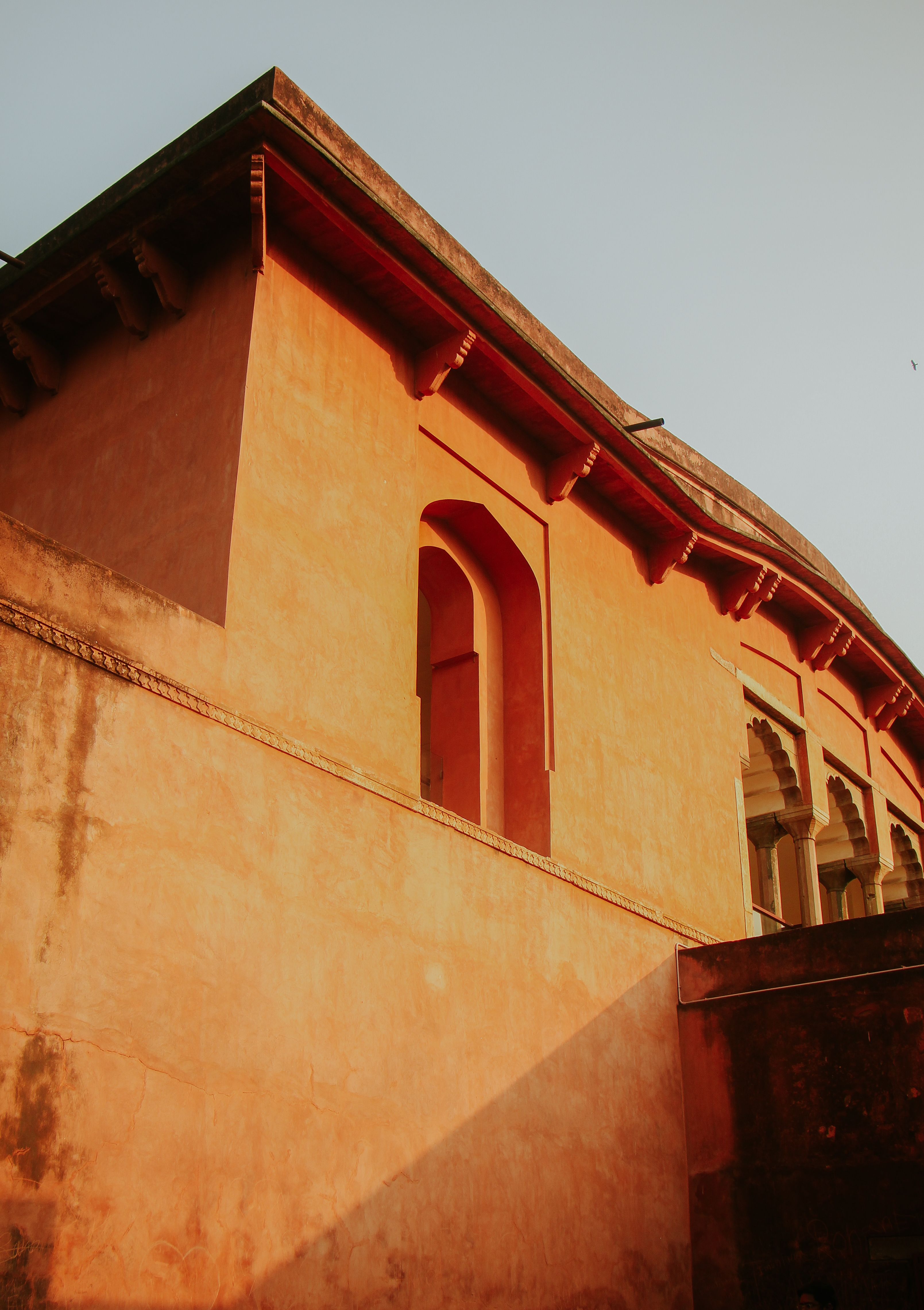
Known for its trendy cafes, restaurants, and a younger, cosmopolitan crowd. It is a convenient base that bridges the gap between commercial growth and social life.
Cultural Immersion
Old Dhaka
Best for those who want an authentic, raw experience of history. Rent here is very affordable, though amenities are much more basic.
Places to Go
The experiences that will make you never leave
These aren't tourist checkboxes — they're the experiences that reset your sense of what's normal.
Top Pick
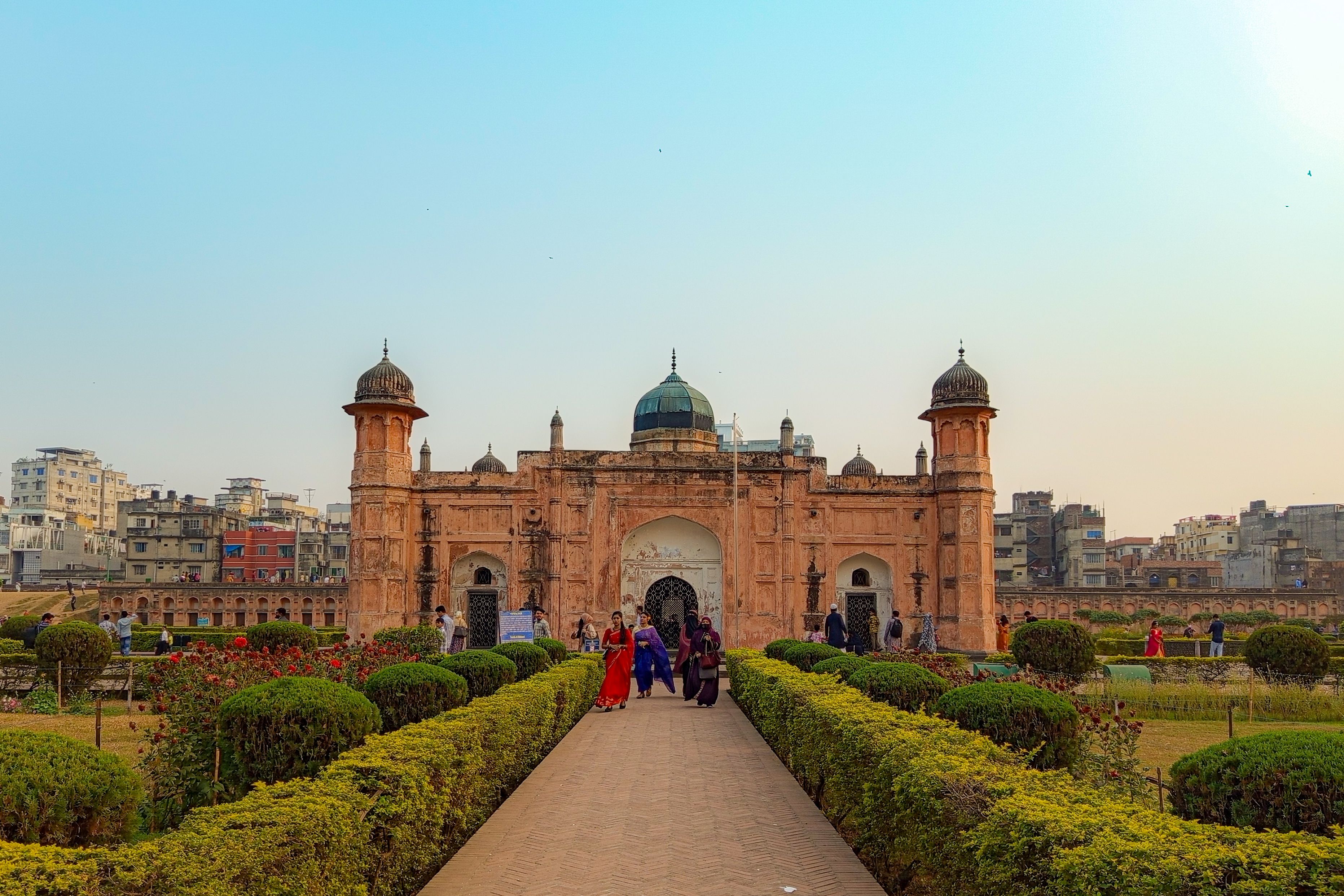
Lalbagh Fort
An incomplete 17th-century Mughal fort complex that serves as a serene escape from the city noise. It features a beautiful mosque and a tomb of Pari Bibi. It is one of the most significant historical landmarks in the city.
Wikipedia
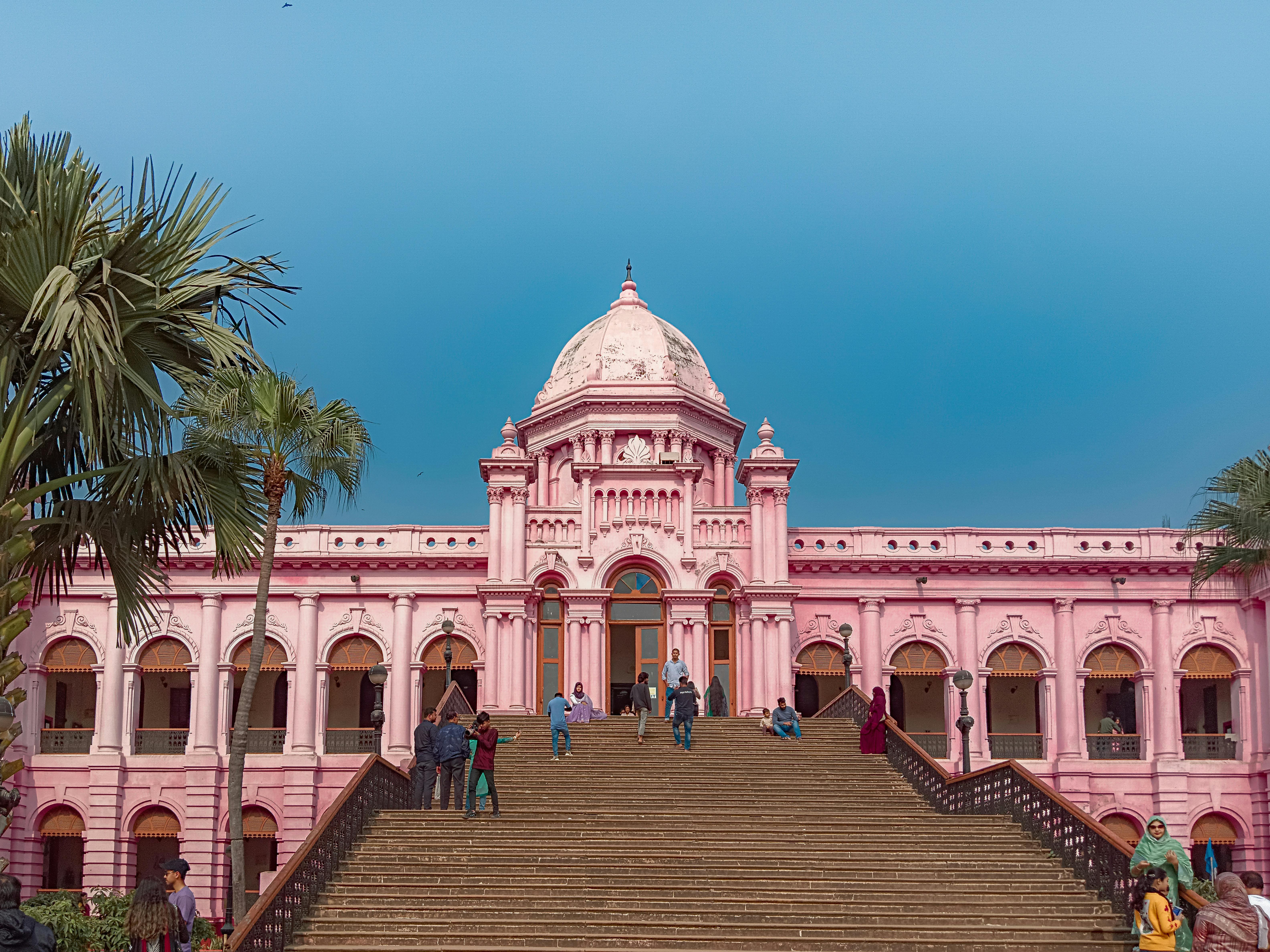
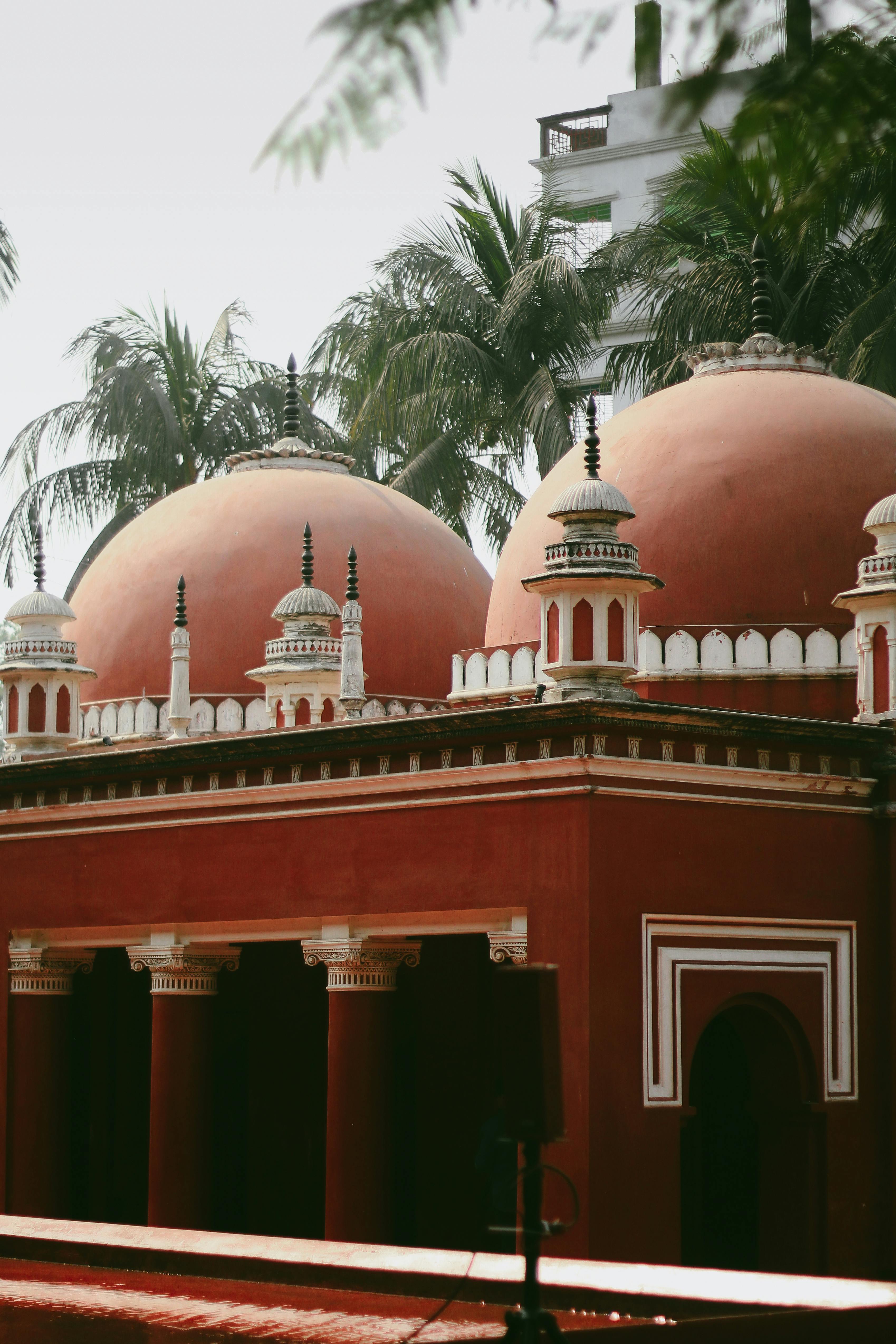
Ahsan Manzil
Known as the Pink Palace, this architectural marvel sits on the banks of the Buriganga River. It was once the official residential palace of the Dhaka Nawab Family and is now a museum.
Wikipedia
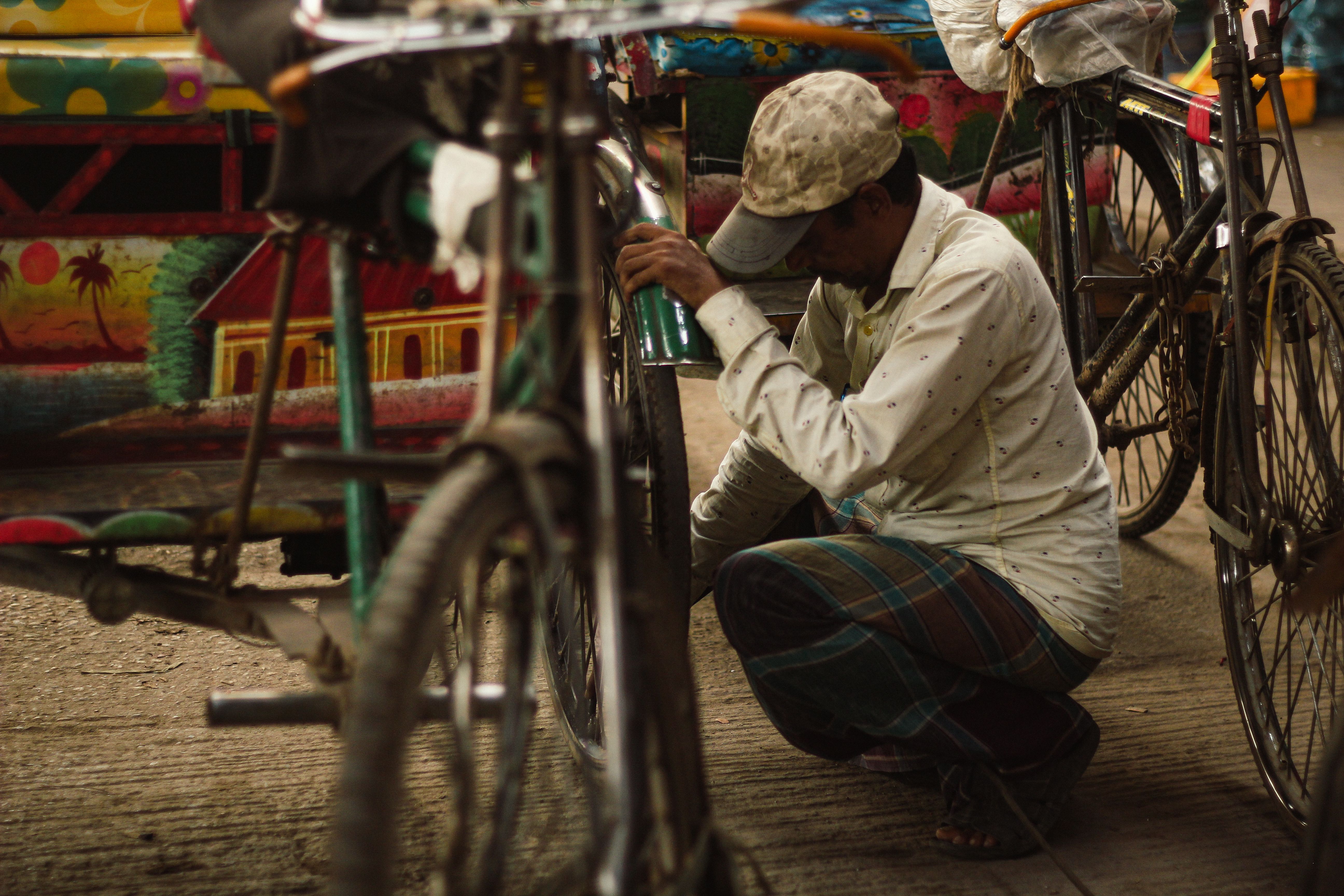
Star Mosque
Famous for its intricate blue star-patterned tiles, this mosque is a stunning example of Mughal-style ornamentation. It remains an active place of worship for the local community.
Visit
Old Dhaka Rickshaw Rides
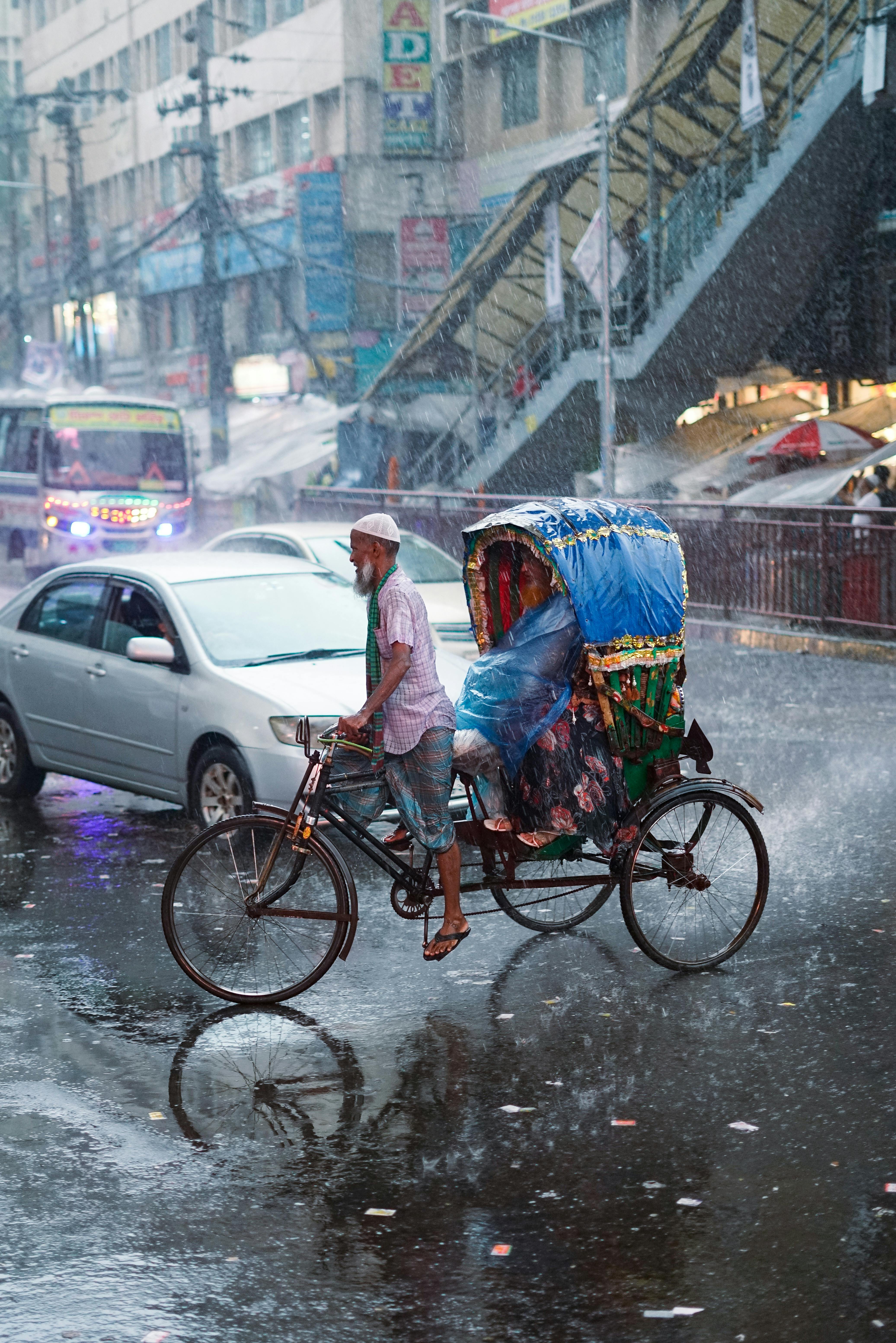
There is no better way to experience the frenetic energy of the old town than from the back of a rickshaw. Weave through narrow, historic lanes and witness the daily life of the city's inhabitants.
Visit
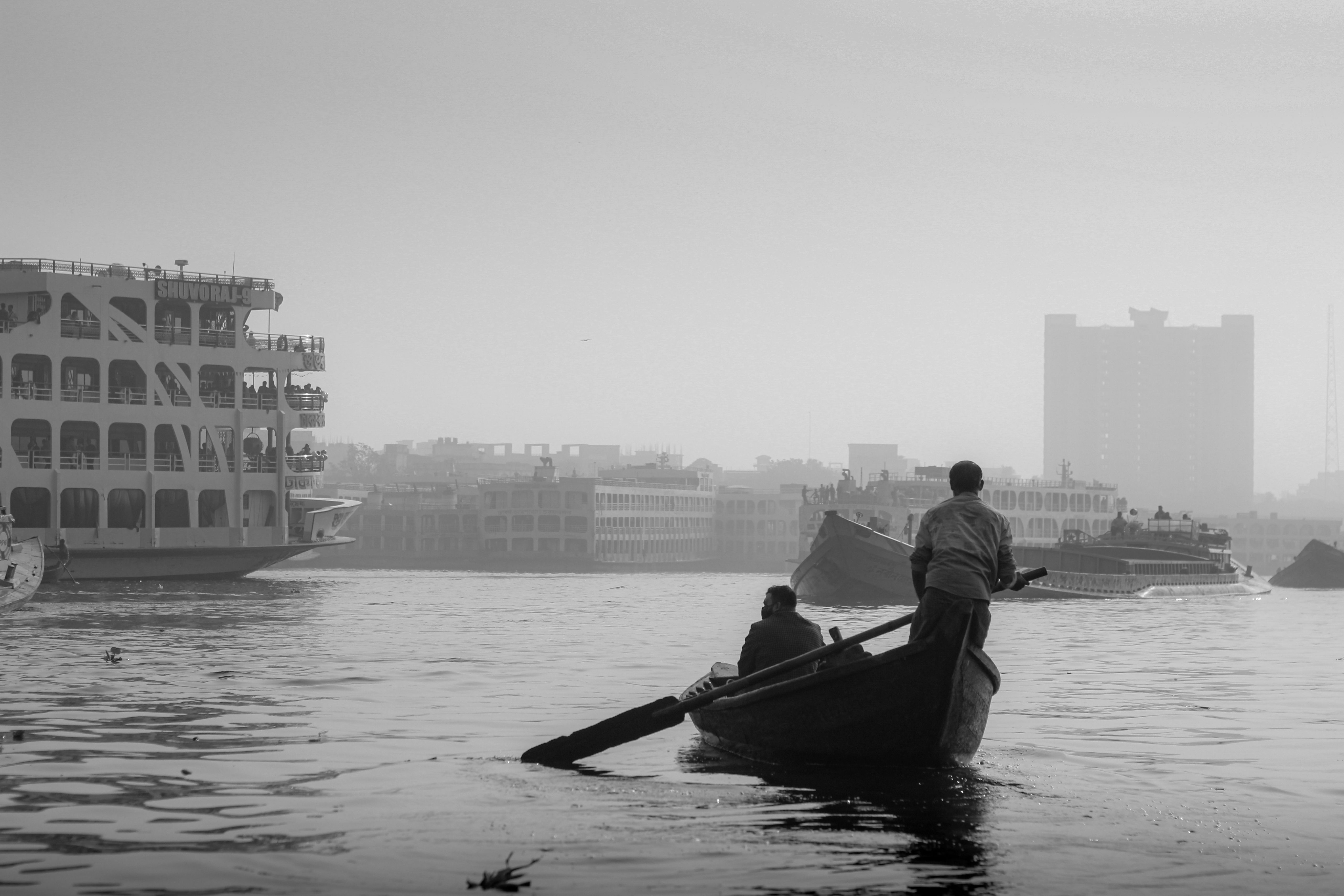
Sadarghat River Terminal
The bustling river port of Dhaka provides a sensory overload with hundreds of boats and ferries docking daily. It is the primary transport hub for the southern parts of the country.

Visit
New Market
A classic shopping destination where you can find everything from traditional garments to everyday goods. It is a great place to experience the local retail culture and grab some street food.
Wikipedia
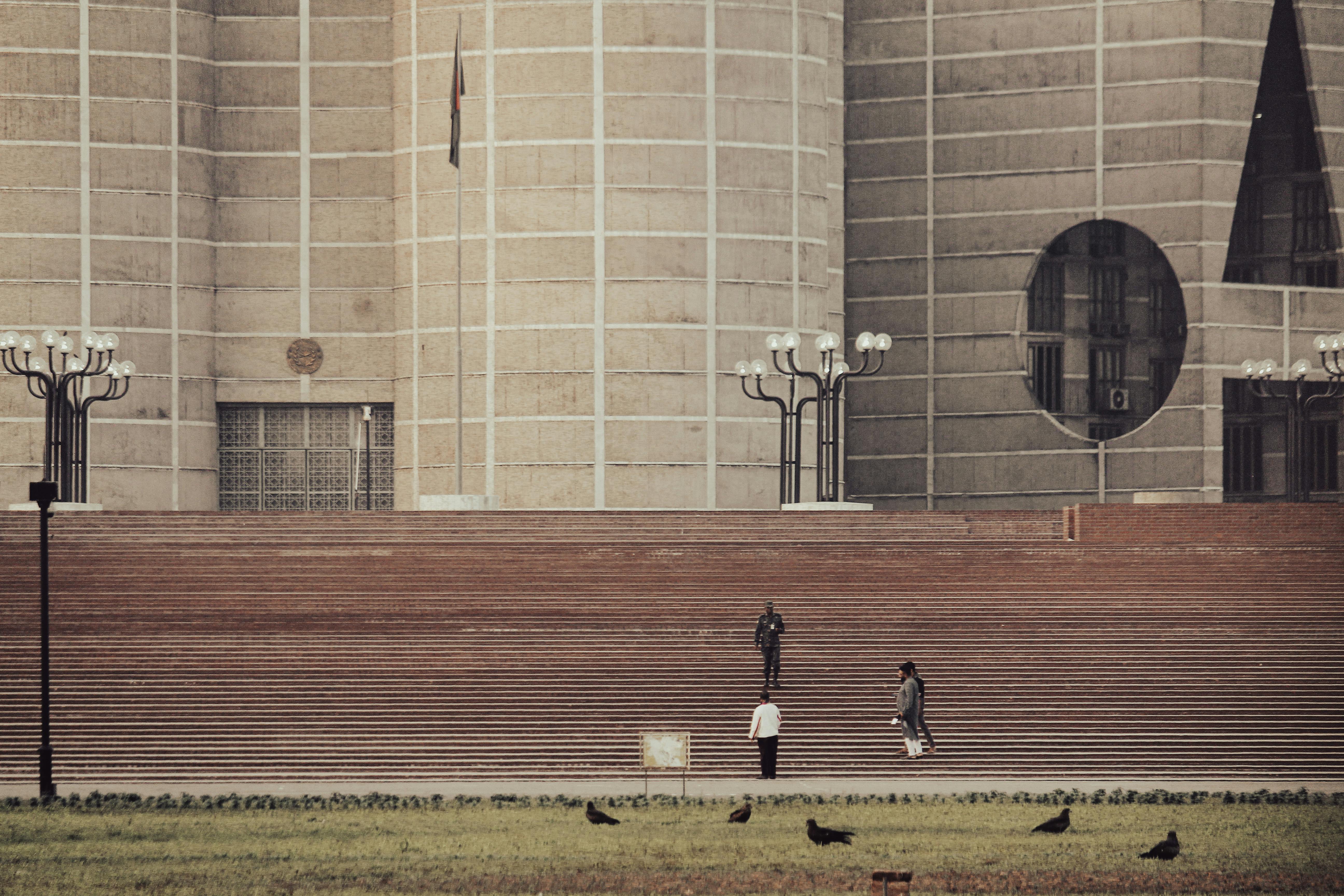
National Parliament House
Designed by the famous architect Louis Kahn, this is one of the most iconic pieces of modern architecture in South Asia. The surrounding greenery makes it a peaceful spot to visit in the afternoon.
Work & Connectivity
Stay connected wherever you work
The nomad community here is real — cafés and coworking spaces where you can work and meet others.
Impact Hub Dhaka
A well-regarded space for social entrepreneurs and digital workers, providing a professional environment to get work done.
The Social Space
A popular spot for freelancers to network, offering reliable desk space and a supportive environment.
Budget & Costs
What it costs to live in Dhaka
Choose your lifestyle tier. Comfortable = furnished accommodation, local + occasional Western food, transport, leisure.
$511
per month · USD · comfortable lifestyle
ModerateFurnished studio, local restaurants, transport, and weekend trips.
Exchange rates
Check xe.com or your bank for current USD to local currency.
Check xe.com or your bank for current USD to local currency.
🏠 Rent 40%$204/mo
🍽️ Food 26%$131/mo
🚌 Transport 11%$58/mo
💡 Utilities 6%$29/mo
🎭 Leisure 11%$58/mo
🏥 Health 6%$29/mo
Connectivity
Well connected to the world
Internet and transport options for remote workers.
📶
Internet
Good — fibre common
Check local providers.
🏢
Coworking
From ~$80/mo
Dedicated spaces available.
🚌
Local Transit
3 / 10
Traffic is extreme; use ride-hail apps or rickshaws; avoid rush hours if possible
DAC
Hazrat Shahjalal International
18 km from centre
abudhabibangkokchittagongcolombocoxsbazardelhidubaiguangzhou
Safety & Visa
Safe, welcoming, and easy to enter
Safety Score5 / 10
✗ Tap Water📞 999
Visa
Check your entry options
Many nationalities get visa-free or visa-on-arrival. Check official government sources for your citizenship before travel.
Culture & Festivals
Local soul, nomad-friendly
Multiculturalism5/10
Foodie Scene8/10
🌏 South Asia🌧️ Monsoon🏙️ Megacity👗 Textile Hub💵 Cheap🚦 Chaotic
Apr
Pohela Boishakh
The colorful Bengali New Year celebration featuring massive parades, traditional folk music, and elaborate cultural performances.
Apr
Eid ul-Fitr
A joyous Islamic festival marking the end of Ramadan, characterized by feasts, communal prayers, and gift-giving.
Dhaka's textile industry is legendary. If you enjoy fashion, visit the local markets to find high-quality fabrics at very competitive prices.
Food & Nightlife
A feast for every mood
From street food to cafés and nightlife — every meal is an event.
Street Food
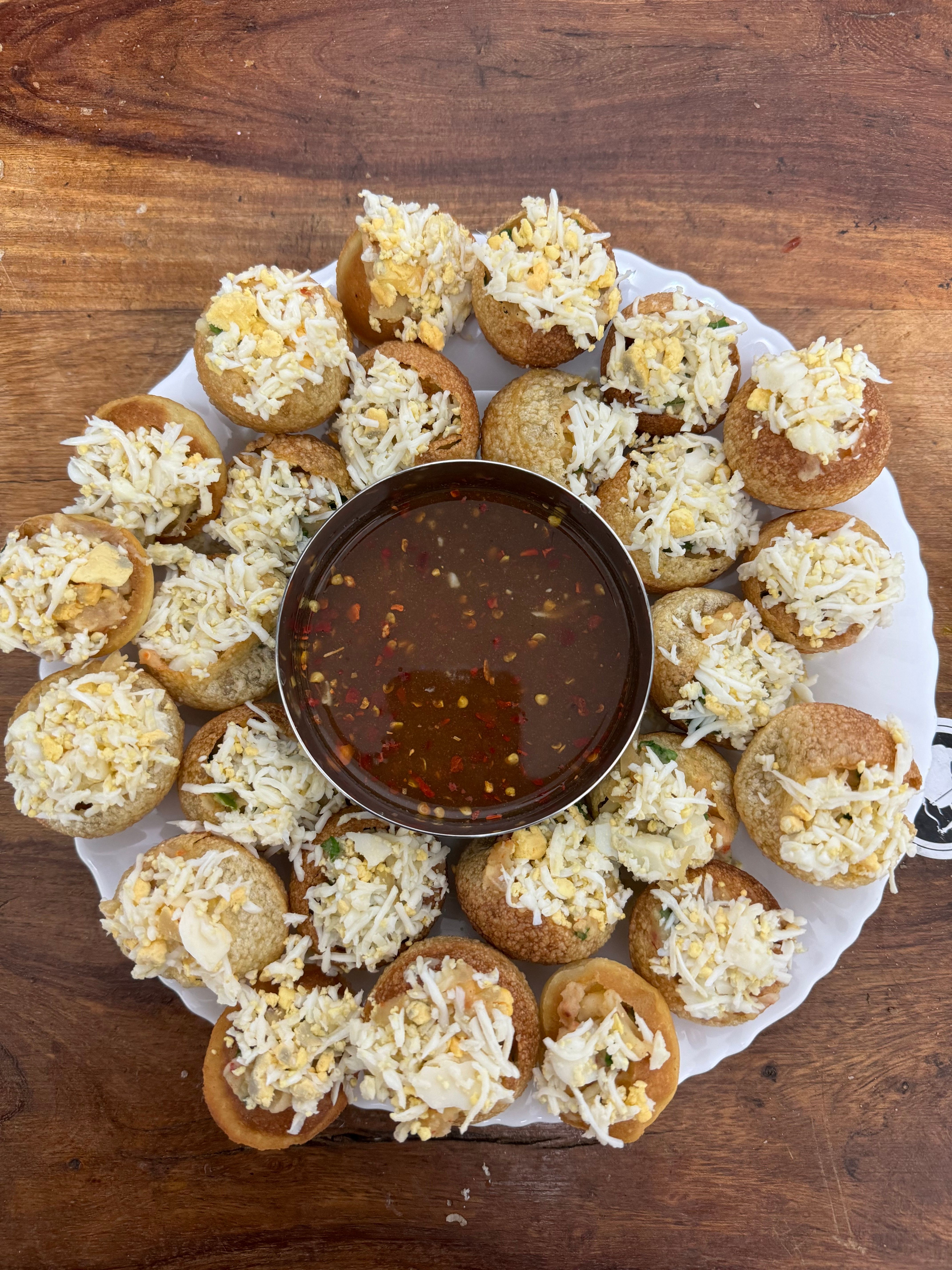
Fuchka and Chaat
A must-try local snack found on street corners, consisting of crispy shells filled with spicy chickpeas and potatoes.

Café Culture
Banani Café Scene
The Banani neighborhood is packed with modern coffee shops offering excellent brews and high-speed Wi-Fi.

Local Cuisine
Biryani Houses
Dhaka is famous for its rich, aromatic Biryani, a staple of local dining that you can find in both humble eateries and upscale restaurants.
Climate
Best months: Jan, Feb, Nov, Dec
Avg humidity74%
Avg AQI160
The best time to visit Dhaka is during the cooler, drier months from November through February. During this period, the temperatures are moderate, making it much easier to explore the city's outdoor attractions without the oppressive heat and humidity that define the rest of the year. This window also hosts major cultural events like the vibrant celebrations surrounding the Bengali New Year, known as Pohela Boishakh, typically held in mid-April.
It is generally recommended to avoid the peak of the monsoon season between June and September. During these months, heavy rainfall is frequent and often leads to significant flooding across the city, which can complicate transportation and daily activities. If you must visit during the hotter months, be prepared for high humidity and plan for indoor-centric activities.
Monthly temperatures °C
BestAvoidShoulder
Practical Info
Everything you need to know
🏥
Healthcare
Private hospitals in areas like Gulshan offer decent international-standard care for expats. Always ensure you have comprehensive travel health insurance before arriving in the city.
💱
Money
The local currency is the Bangladeshi Taka (BDT). While digital payments are growing, cash remains king for street markets and small shops. Keep small denominations handy.
🌐
Language & Etiquette
Bengali is the official language, but English is widely understood in business and modern commercial areas. Dress modestly, particularly when visiting mosques or rural parts of the country.
Tips
Quick tips
- Always carry a power bank as power outages can occasionally occur.
- Download ride-hailing apps like Uber and Pathao immediately upon arrival.
- Use a high-quality N95 mask to deal with air pollution during your commute.
- Stick to bottled water and be wary of ice in drinks.
- Book accommodation that explicitly mentions an electricity backup system (generator).
- Avoid peak rush hour traffic by planning your meetings or outings in the middle of the day.
- Learn a few basic phrases in Bengali to help bridge social gaps with locals.
Further Reading