
Corn Island · Nicaragua
Overview
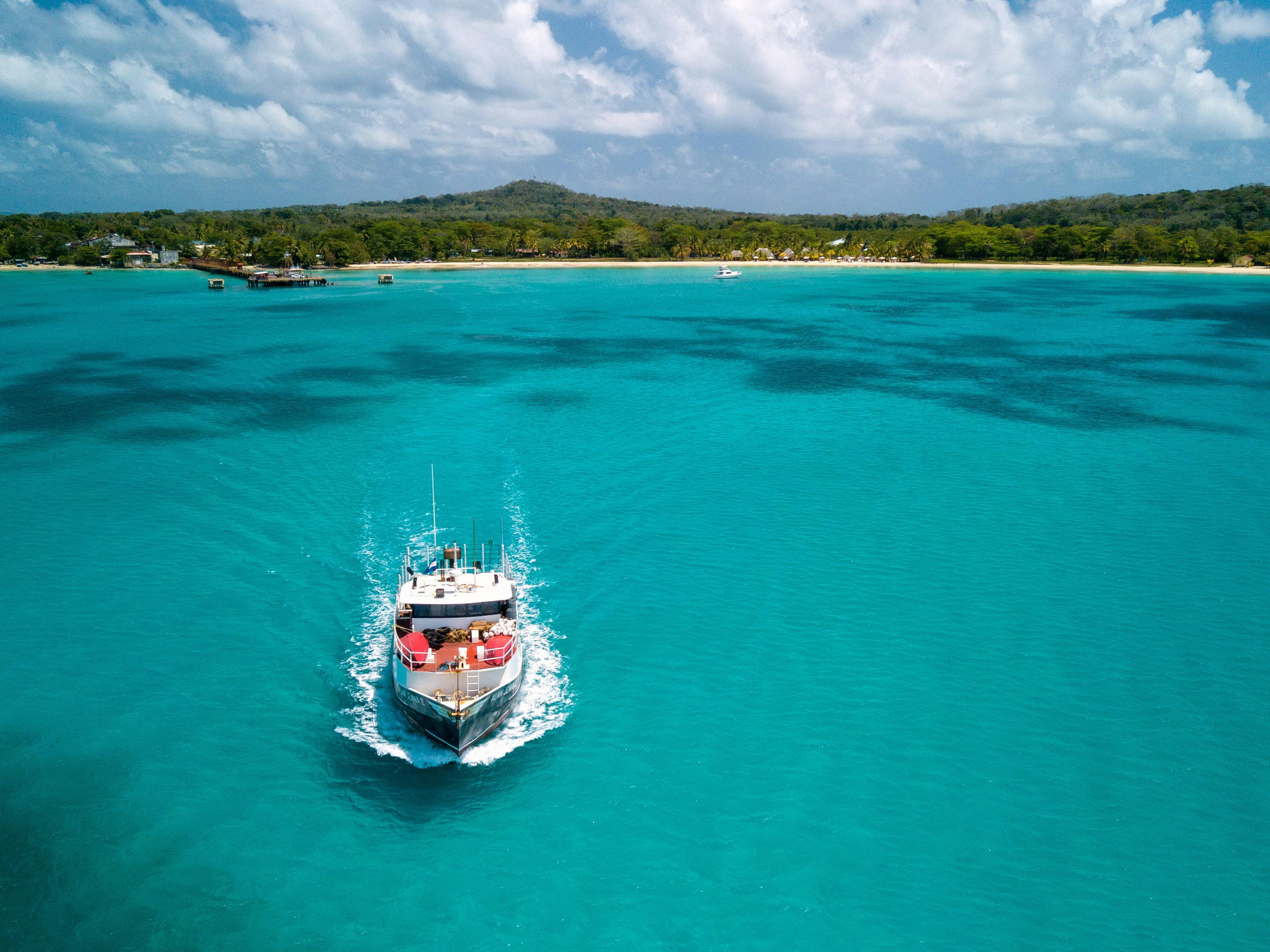
Corn Island feels like stepping back into a simpler time, where the sound of the ocean is the soundtrack to your workday and the locals treat you like family.
Located off the eastern coast of Nicaragua, Corn Island (specifically Big Corn Island) provides an authentic escape for those looking to disconnect from the frantic pace of the mainland while maintaining connectivity for work. The vibe here is quintessential Caribbean: turquoise waters, swaying palms, and a slow-paced lifestyle where the primary mode of transport is often a bicycle or your own two feet.
Remote workers who visit are typically those seeking solitude and a lower cost of living. While the internet infrastructure isn't lightning-fast, it is sufficient for standard remote tasks, provided you have a mobile backup. The climate stays inviting year-round, making it a perfect spot for those who want to avoid the typical tourist traps of larger, more commercialized islands.
History
The history of the Corn Islands is deeply entwined with the colonial powers of the Caribbean.
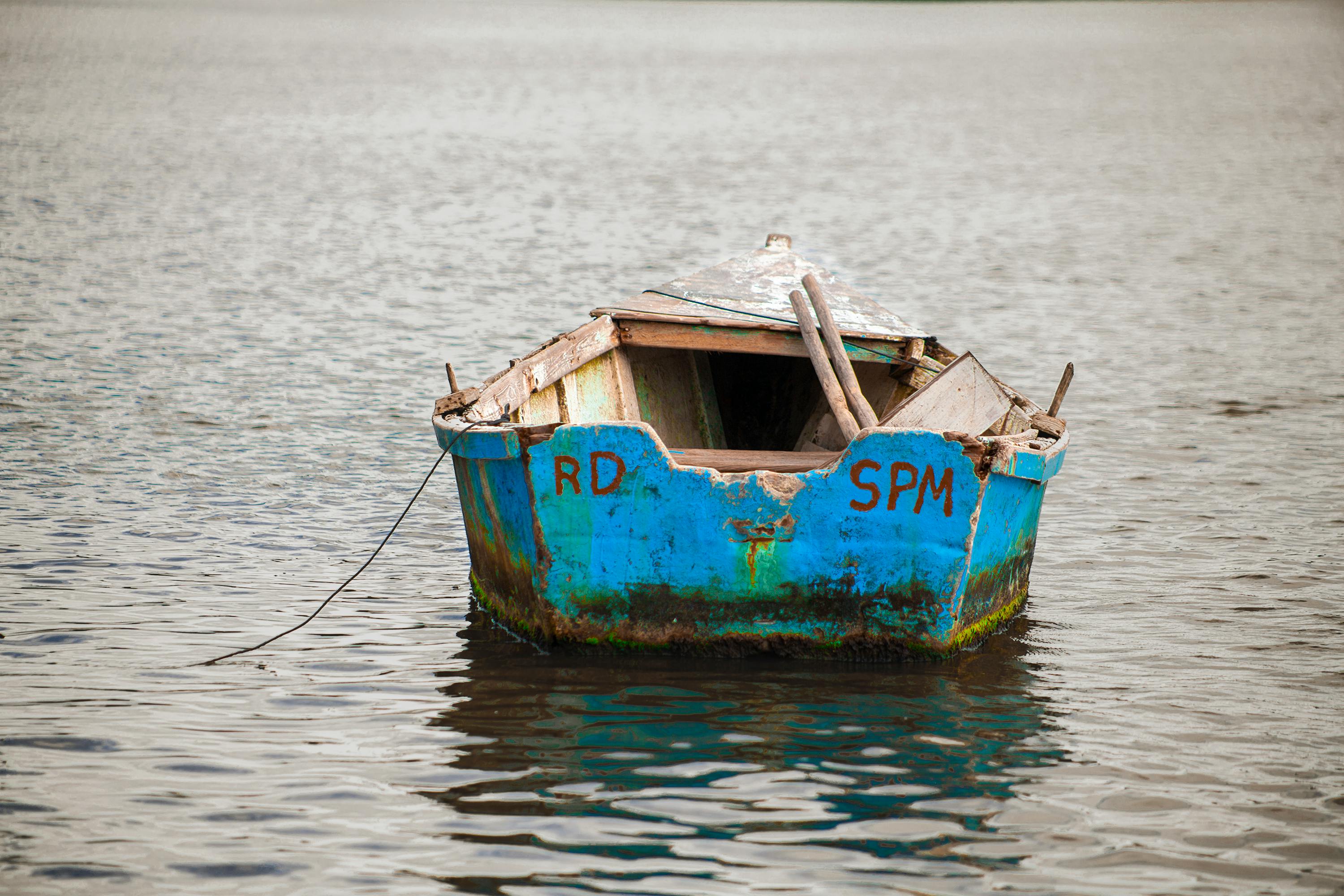
The history of the Corn Islands is deeply entwined with the colonial powers of the Caribbean. Originally inhabited by indigenous peoples, the islands became a frequent refuge for pirates and buccaneers in the 17th century, drawn by the island's strategic location and hidden coves. The influence of British colonialism remains evident in the local culture, language, and the English-based Creole dialect spoken by many residents today.
Throughout the 18th and 19th centuries, the islands were governed under a British protectorate before eventually being integrated into Nicaragua. This complex heritage has created a distinct cultural identity that feels quite separate from the Spanish-speaking mainland. Today, the islands balance their rich historical legacy with a growing reputation as a sanctuary for travelers seeking a slower, more authentic pace of life.
1600s
Pirate HavenThe islands served as a notorious base for buccaneers and pirates hiding from naval powers in the Caribbean.
1700s
British ProtectorateThe islands came under British influence, which left a lasting legacy on the local culture and language.
1894
Nicaraguan IncorporationThe islands were formally integrated into the Republic of Nicaragua, ending the long period of British control.
1970s
Modern DevelopmentInfrastructure began to improve, leading to the early stages of tourism and better connectivity to the mainland.
Where to Stay
Choose your base camp
Distinct neighbourhoods, different rhythms. Pick the one that fits your work-life balance.
Convenience Hub
Brig Bay
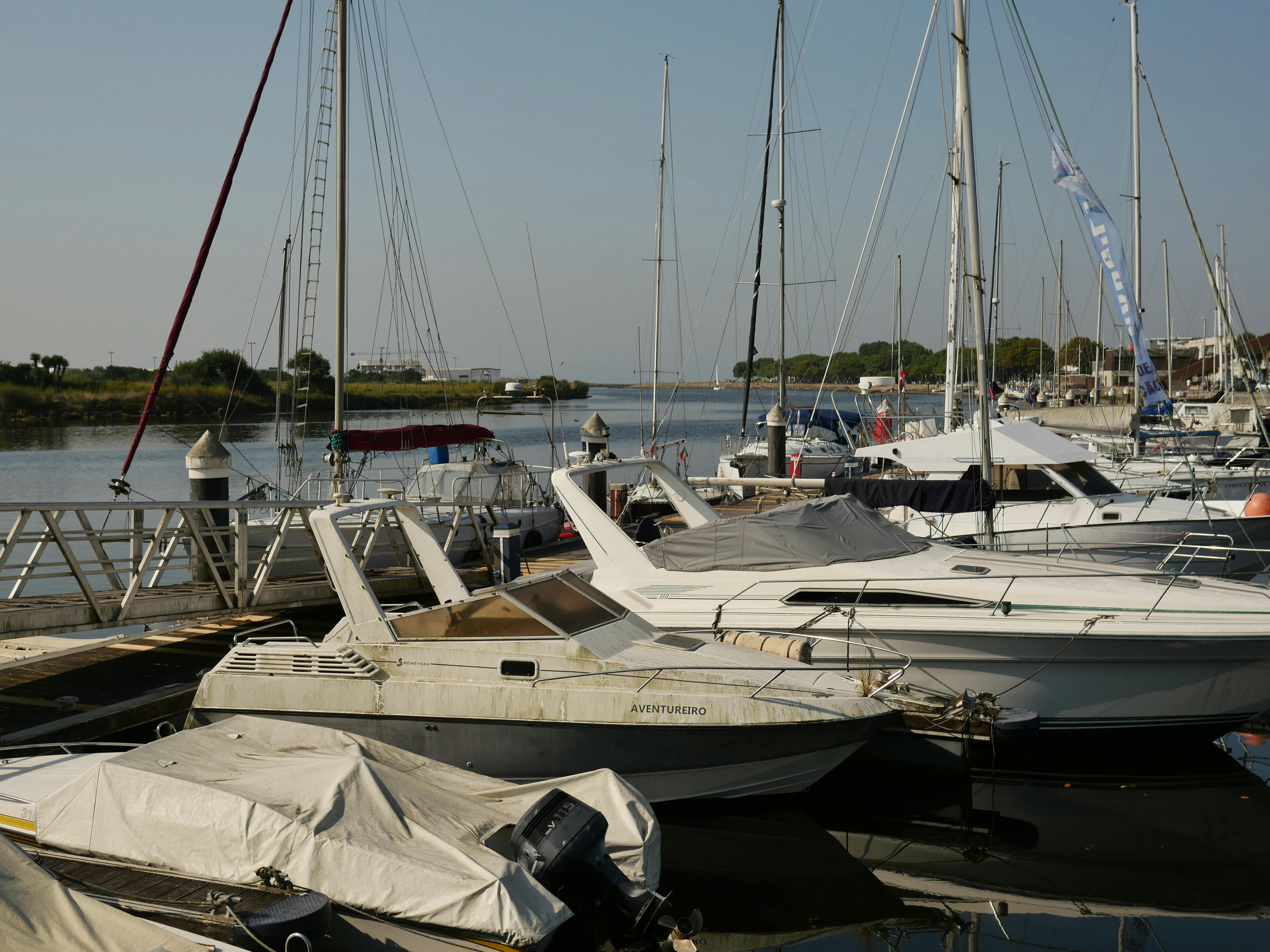
The primary area for newcomers, offering easy access to shops, restaurants, and the main ferry port. It is ideal if you want to be close to resources without needing a vehicle.
Beach Life
South End
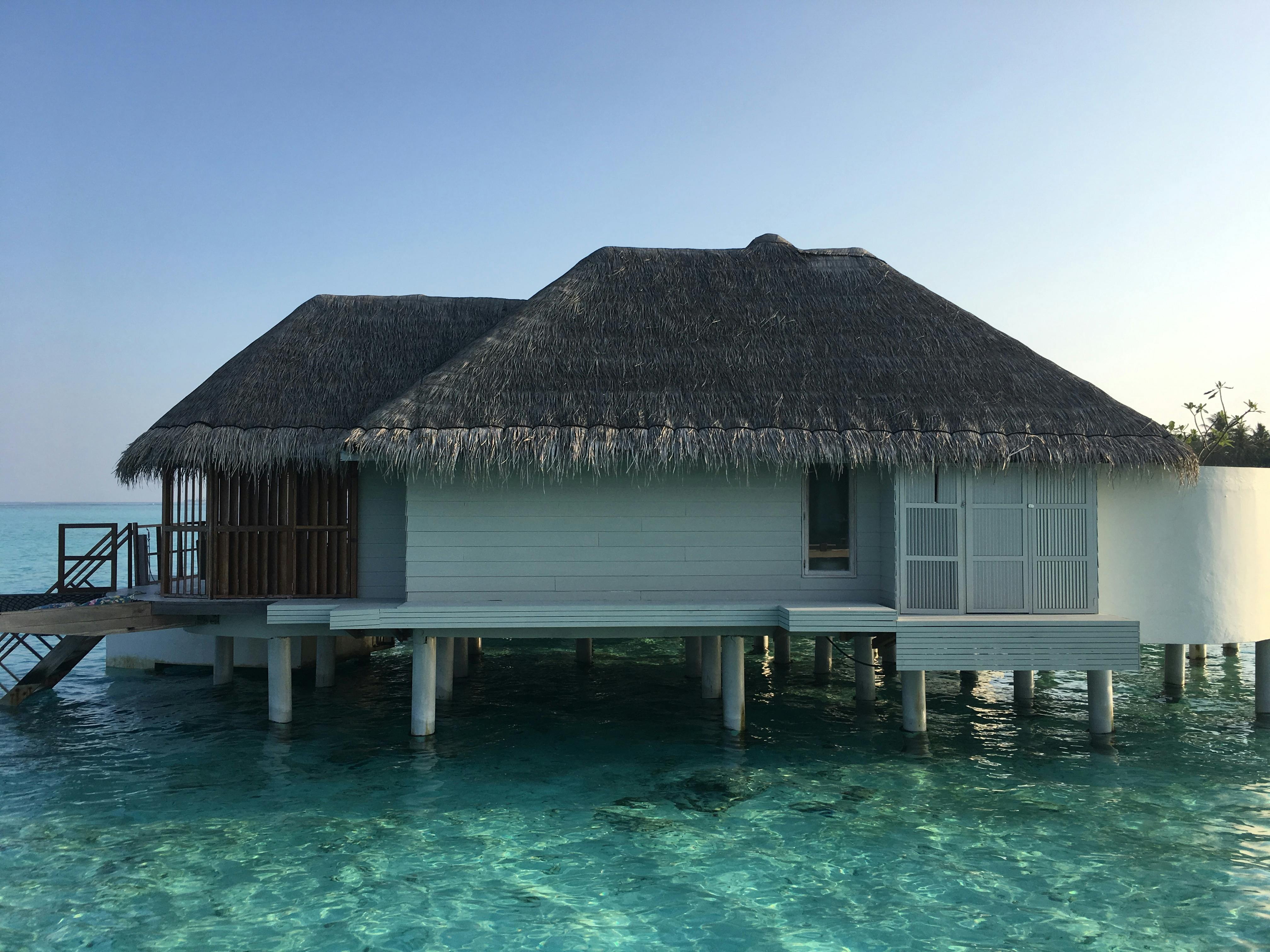
Known for its beautiful coastline and quieter atmosphere, this is the place to be if you want peace and serenity. Renting a bungalow here is a classic way to experience island living.
Places to Go
The experiences that will make you never leave
These aren't tourist checkboxes — they're the experiences that reset your sense of what's normal.

Top Pick
Brig Bay
This is the heart of the island where most of the local services and restaurants are located. It provides a great look into the daily life of the islanders and serves as a central hub for visitors. It's the best place to find fresh seafood and engage with the community.
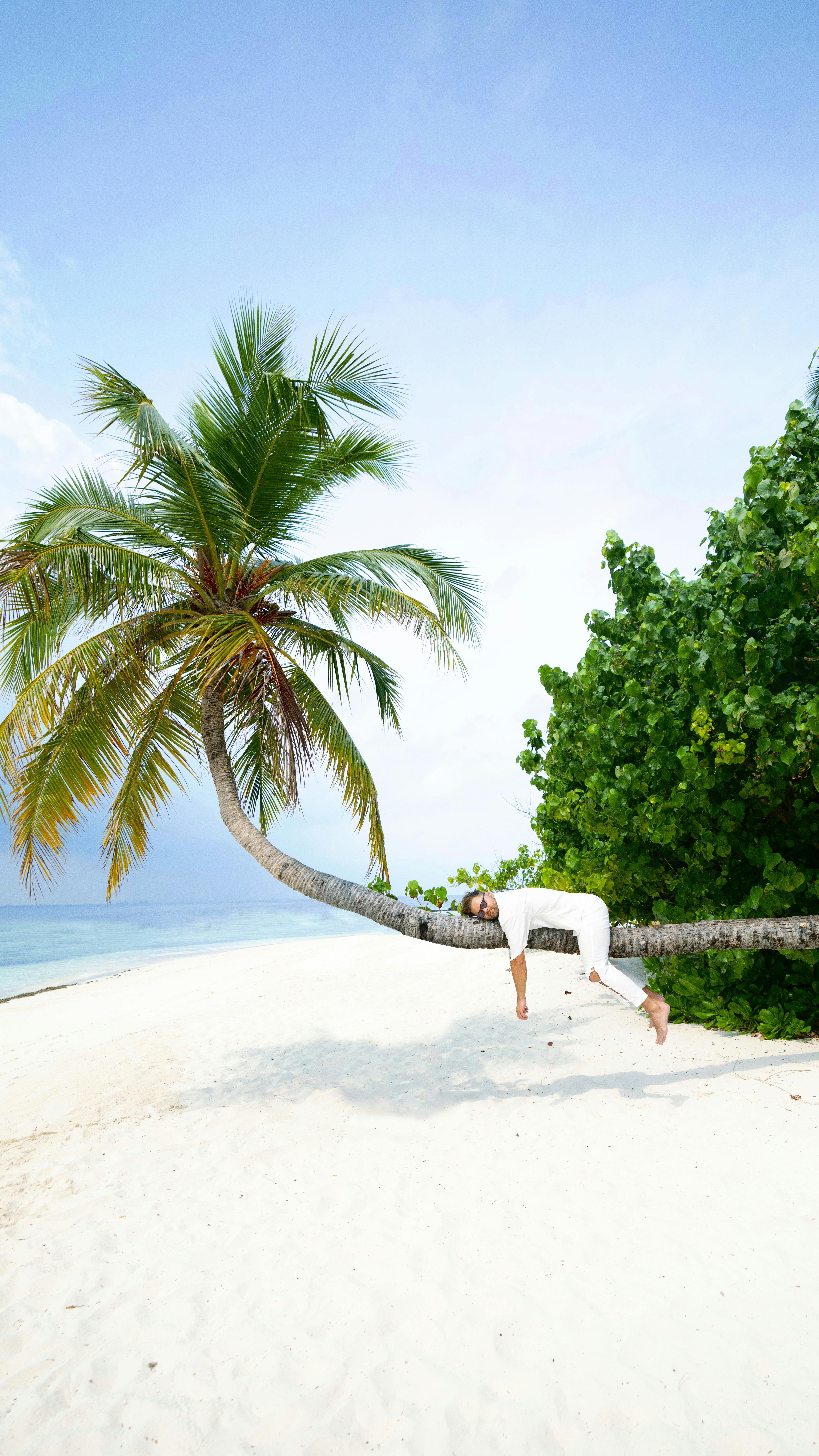
Wikipedia: Big Corn Island
South End
South End is perfect for those looking for a more secluded vibe away from the main harbour. The beaches here are pristine, with calm waters ideal for swimming and quiet reflection. It’s a great area to rent a bike and explore the coastal paths.
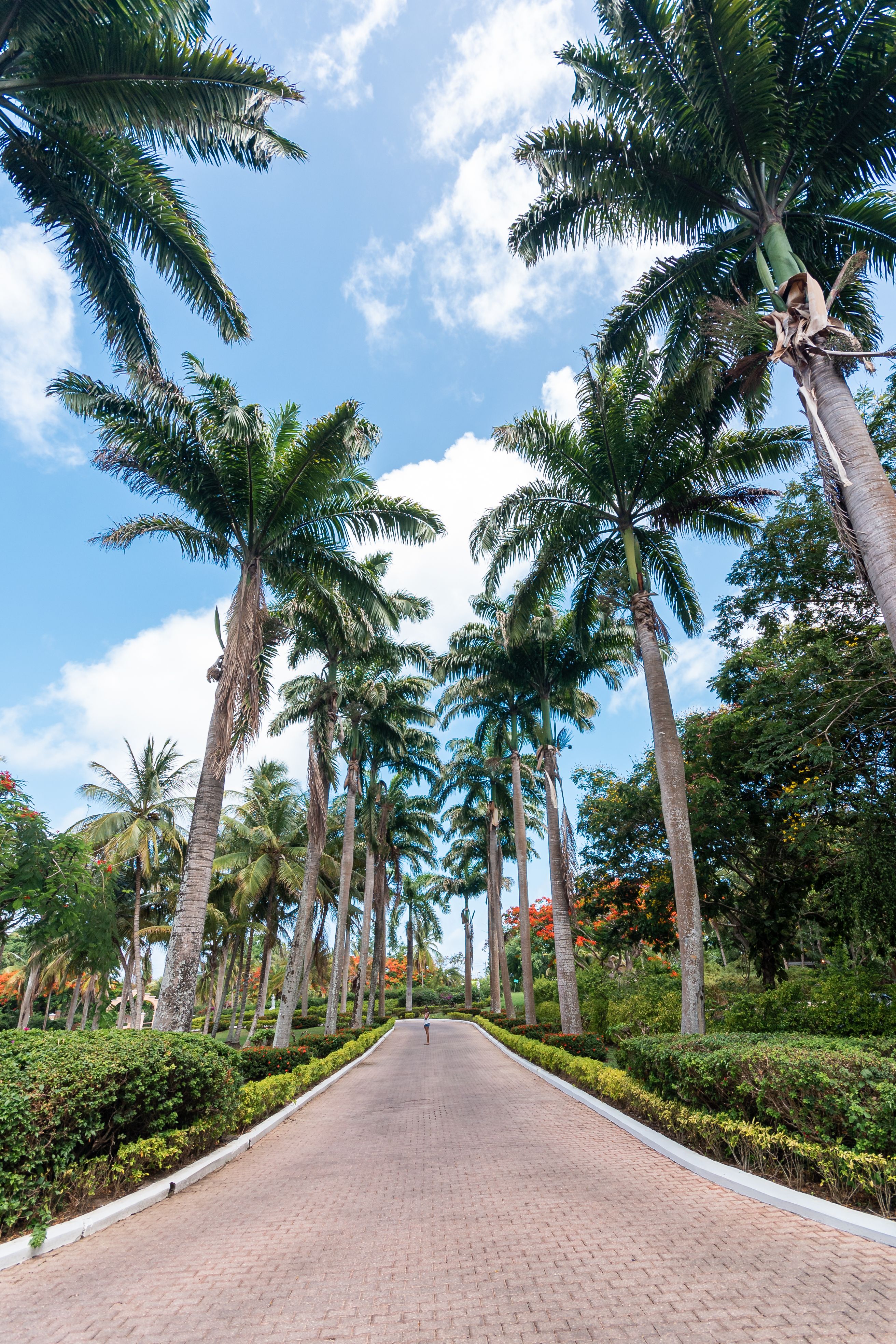
Work & Connectivity
Stay connected wherever you work
The nomad community here is real — cafés and coworking spaces where you can work and meet others.
Local Guesthouse Common Areas
Most local guesthouses offer quiet common spaces that work perfectly for remote tasks. The atmosphere is generally calm and conducive to focused deep work.
Beachfront Cafés
Several local cafés offer decent internet and a relaxing view of the Caribbean. They are best suited for lighter work during morning hours.
Budget & Costs
What it costs to live in Corn Island
Choose your lifestyle tier. Comfortable = furnished accommodation, local + occasional Western food, transport, leisure.
$949
per month · USD · comfortable lifestyle
ModerateFurnished studio, local restaurants, transport, and weekend trips.
Exchange rates
Check xe.com or your bank for current USD to local currency.
Check xe.com or your bank for current USD to local currency.
🏠 Rent 42%$402/mo
🍽️ Food 31%$292/mo
🚌 Transport 4%$37/mo
💡 Utilities 6%$55/mo
🎭 Leisure 12%$110/mo
🏥 Health 6%$55/mo
Connectivity
Well connected to the world
Internet and transport options for remote workers.
📶
Internet
Good — fibre common
Check local providers.
🏢
Coworking
From ~$80/mo
Dedicated spaces available.
🚌
Local Transit
5 / 10
Scooter and taxi common.
RNI
Corn Island
20 km from centre
Safety & Visa
Safe, welcoming, and easy to enter
Safety Score6 / 10
✗ Tap Water✓ Night Safe📞 112 or local emergency number
Visa
Check your entry options
Many nationalities get visa-free or visa-on-arrival. Check official government sources for your citizenship before travel.
Culture & Festivals
Local soul, nomad-friendly
Multiculturalism5/10
Foodie Scene5/10
Remote work
Aug
Crab Soup Festival
A vibrant celebration of local food and culture that brings the entire community together.
Corn Island is a place for those who prioritize peace and nature over urban amenities. If you seek a work-life balance that tips heavily toward the 'life' side, you will find this island a perfect match.
Food & Nightlife
A feast for every mood
From street food to cafés and nightlife — every meal is an event.
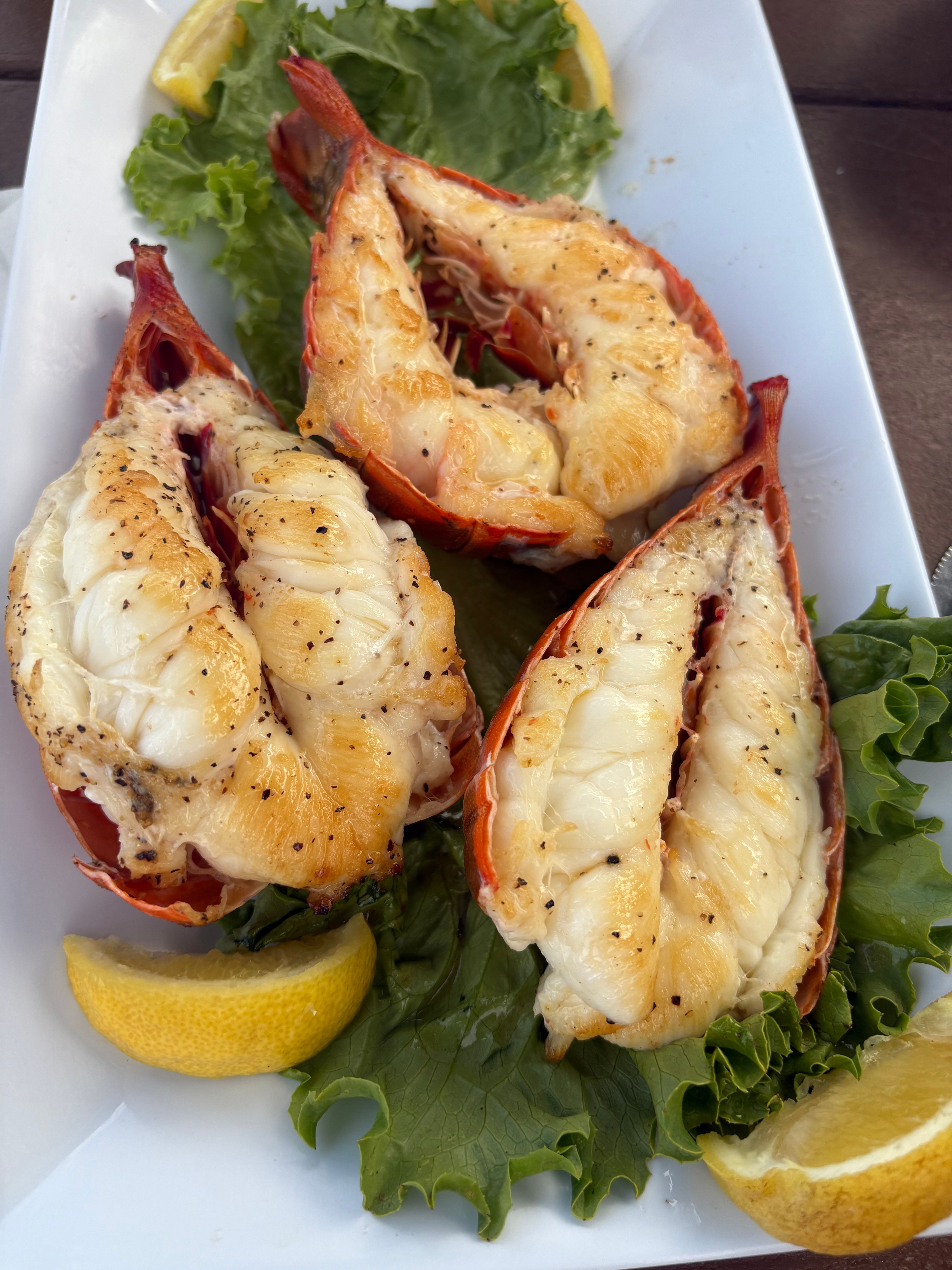
Local Cuisine
Island Seafood
Freshly caught lobster and fish are staples here and are available at very reasonable prices. You must try the local 'casados' which offer a hearty portion of local flavors.
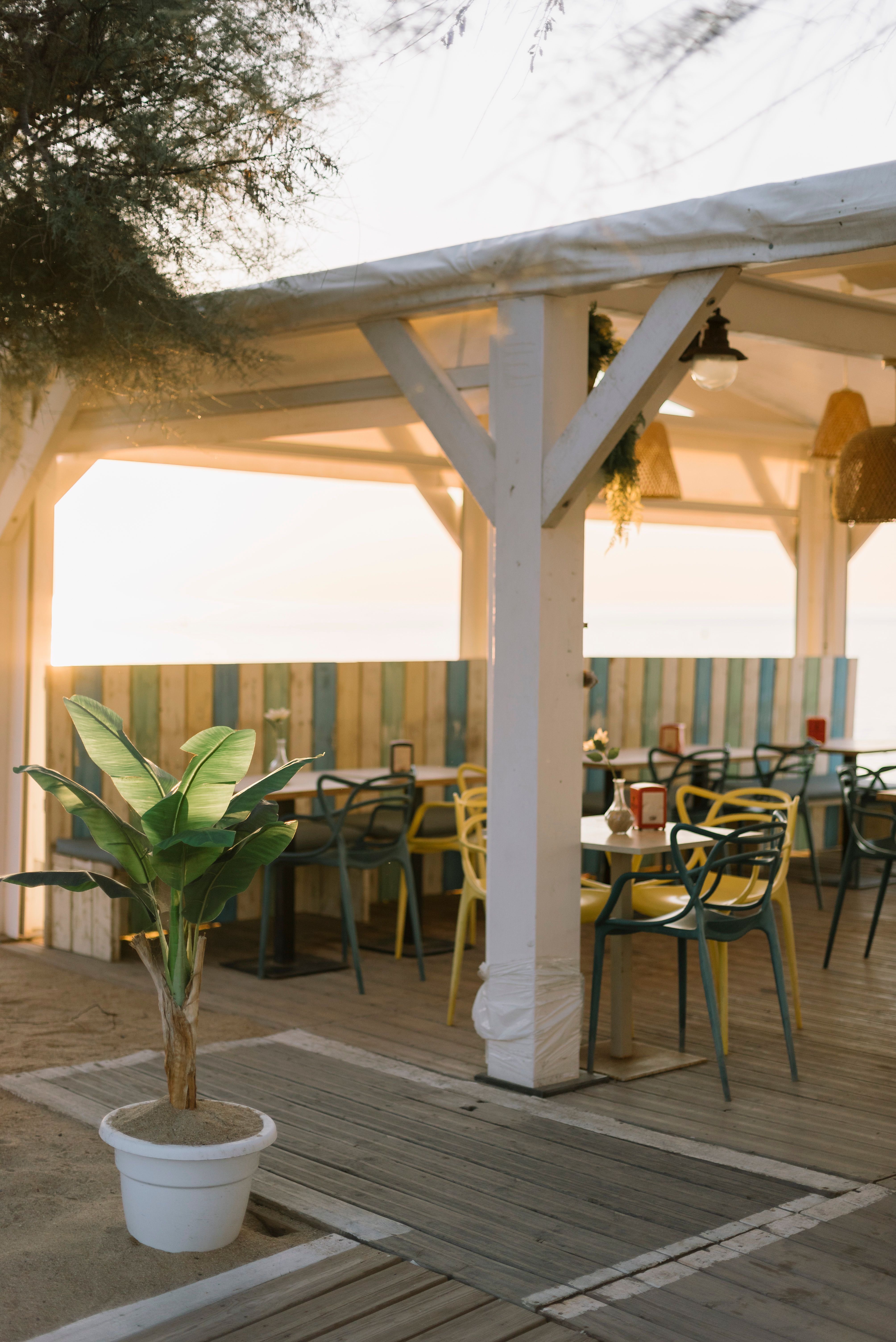
Casual Dining
Beachside Eateries
Small, family-run establishments line the coast, serving up delicious island dishes in a laid-back setting. These spots are perfect for sunset dinners.
Climate
Best months: Jan, Feb, Mar, Apr, May, Jun, Jul, Sep, Oct, Nov, Dec
Avg humidity82%
Avg AQI25
Corn Island remains accessible and pleasant for the majority of the year, with a temperate climate that makes it a viable destination almost anytime. While there is no specific 'avoid' month, travelers should keep an eye on weather patterns during the late summer and autumn to ensure smooth travel, as maritime conditions can occasionally impact ferry schedules.
January through June offer the most stable conditions for those looking to maximize outdoor time after the workday. Whether you arrive during the peak of spring or the quieter months of the year, you will find the island maintains a consistent, welcoming rhythm.
Monthly temperatures °C
BestAvoidShoulder
Practical Info
Everything you need to know
🏥
Healthcare
Medical facilities on the island are limited and intended for minor issues. For anything serious, you will need to travel to the mainland, so ensure you have travel insurance that covers medical evacuation.
💱
Money
The local currency is the Cordoba, but US Dollars are widely accepted in many tourist-facing establishments. It is wise to carry cash as card acceptance is not universal.
🌐
Internet Culture
While you can stay connected, do not expect high-speed fibre. Respect the pace of the island; sometimes the best 'infrastructure' is simply knowing when to put the laptop away.
Tips
Quick tips
- Always carry a mobile hotspot as a backup.
- Bicycles are the best way to get around; rent one for a week.
- Learn a few phrases in the local Creole dialect.
- Bring enough sunscreen and mosquito repellent.
- Carry cash for small shops and local food stalls.
- Check your flight schedules as they are weather-dependent.
- Respect the island's slow pace and maintain a polite demeanor.
Further Reading