Cappadocia · Turkey
Overview
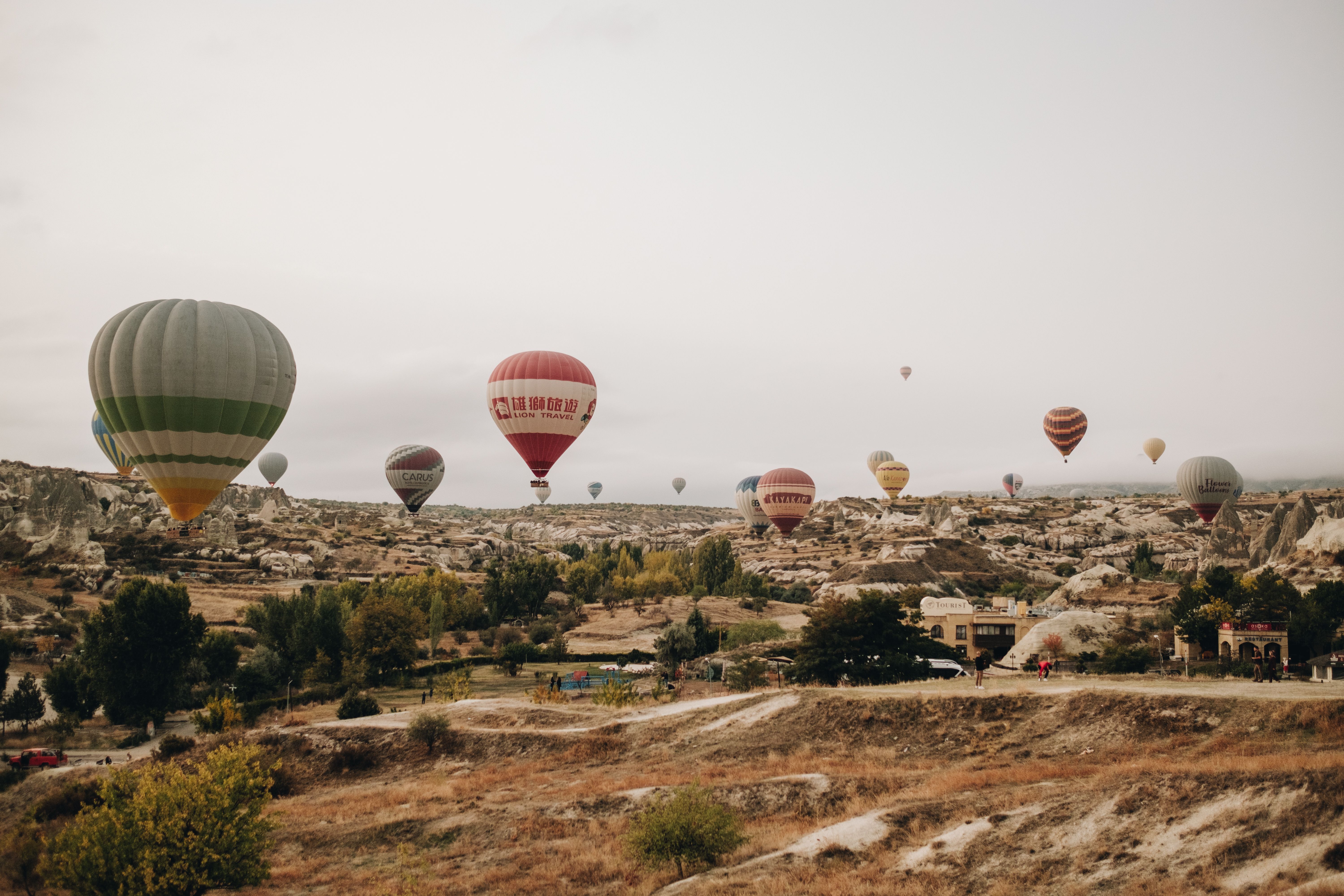
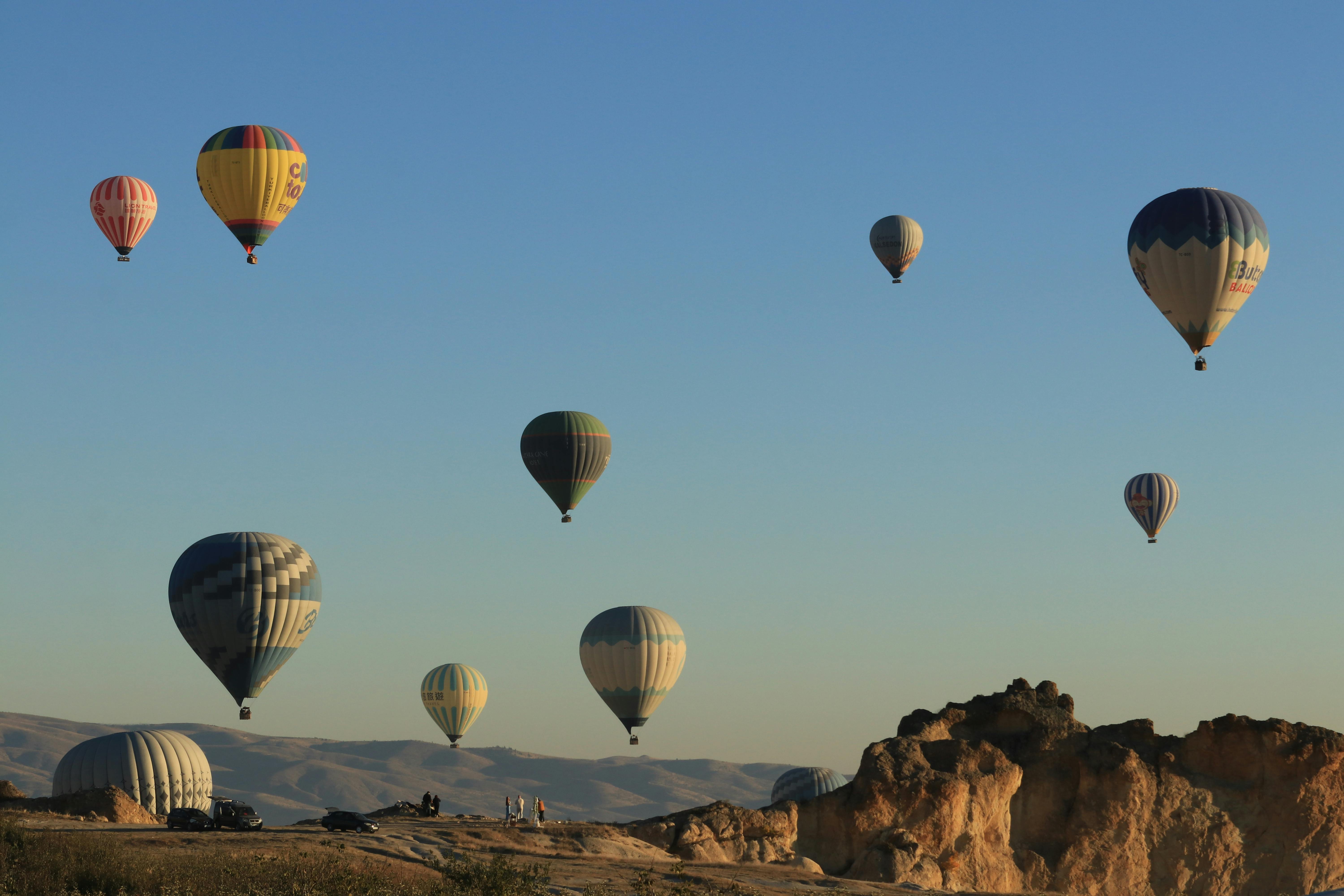
Waking up in a carved stone room while hot air balloons drift past your window is the ultimate antidote to burnout.
Life in Cappadocia is defined by its dramatic topography, where history is literally carved into the rock face. For digital nomads, the region offers a tranquil, awe-inspiring environment away from the chaotic pace of Istanbul. While it is not a traditional tech hub, the growing demand for unique travel experiences has led to improved infrastructure, making it possible to balance deep work with exploration.
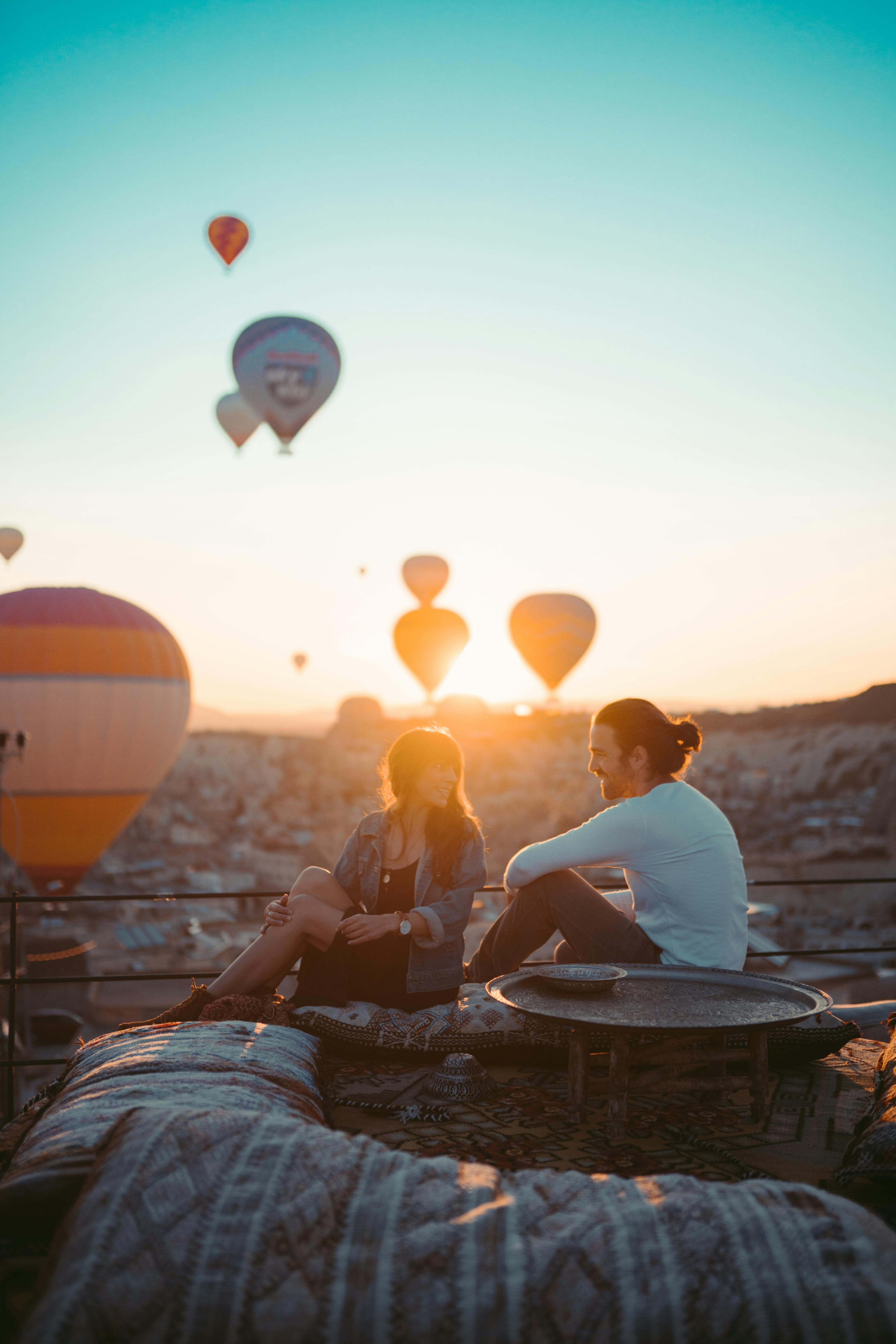
Most nomads settle in Göreme or Ürgüp, where the local community is accustomed to visitors. Between your tasks, you can hike through valleys, visit underground cities, or watch the sunrise with hundreds of hot air balloons filling the sky. It is a place that rewards those who prefer a slower, more intentional pace of life, all while remaining surprisingly affordable when compared to major European capitals.
History
The history of Cappadocia spans millennia, shaped by volcanic eruptions that created the soft tufa r…
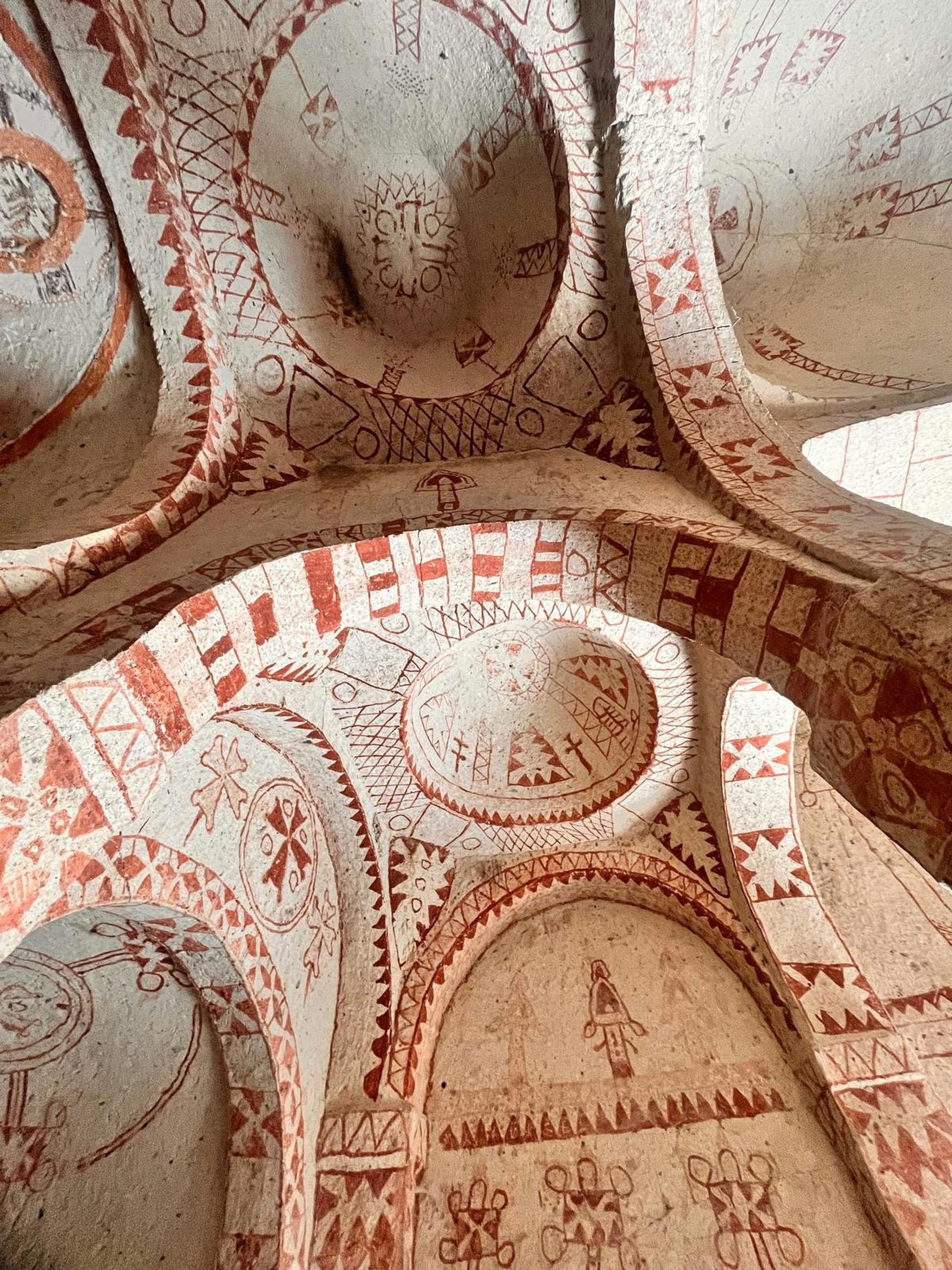
The history of Cappadocia spans millennia, shaped by volcanic eruptions that created the soft tufa rock and subsequent human ingenuity that carved it into homes, churches, and fortresses. Historically known as a place of refuge, it served as a sanctuary for early Christians fleeing persecution in the Roman Empire, leading to the creation of massive underground cities like Derinkuyu and Kaymakli.
Throughout the Byzantine period, the region became a monastic center, filled with cave churches adorned with intricate frescoes. Later, it became a part of the Seljuk and Ottoman Empires, where it served as an important hub along the Silk Road. Today, these ancient dwellings are preserved as UNESCO World Heritage sites, blending archaeological significance with modern tourism.
6th century BC
Persian RuleCappadocia became a province under the Achaemenid Empire, marking the beginning of its recorded historical prominence.
4th century AD
Christian RefugeMonks and early Christians fled to the region, carving homes and churches into the rock to escape persecution.
12th century
Seljuk InfluenceThe Seljuk Turks integrated the region into their empire, leaving behind beautiful caravanserai along the old trade routes.
1985
UNESCO RecognitionGoreme National Park and the Rock Sites of Cappadocia were inscribed as a UNESCO World Heritage site for their cultural and geological value.
Where to Stay
Choose your base camp
Distinct neighbourhoods, different rhythms. Pick the one that fits your work-life balance.
Nomad Favourite
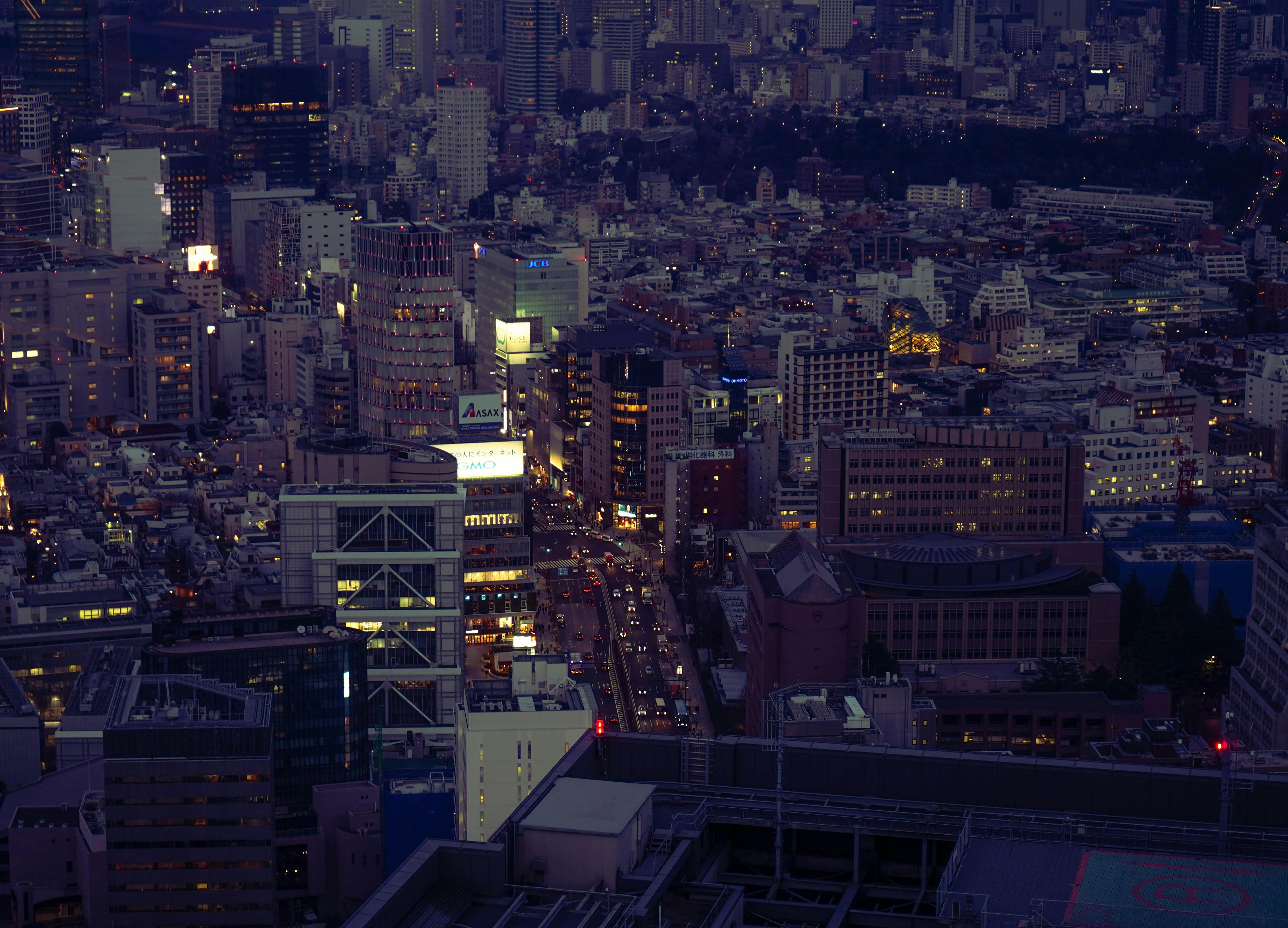
Göreme
The heart of the action, Göreme offers the highest concentration of cave hotels, restaurants, and tour operators. It is perfect for those who want to be in the center of the tourist activity.
Authentic Living
Ürgüp
Slightly more residential and upscale, Ürgüp offers a more local experience with excellent dining and well-maintained guesthouses. It is a quieter alternative to the busy streets of Göreme.
Luxury Views
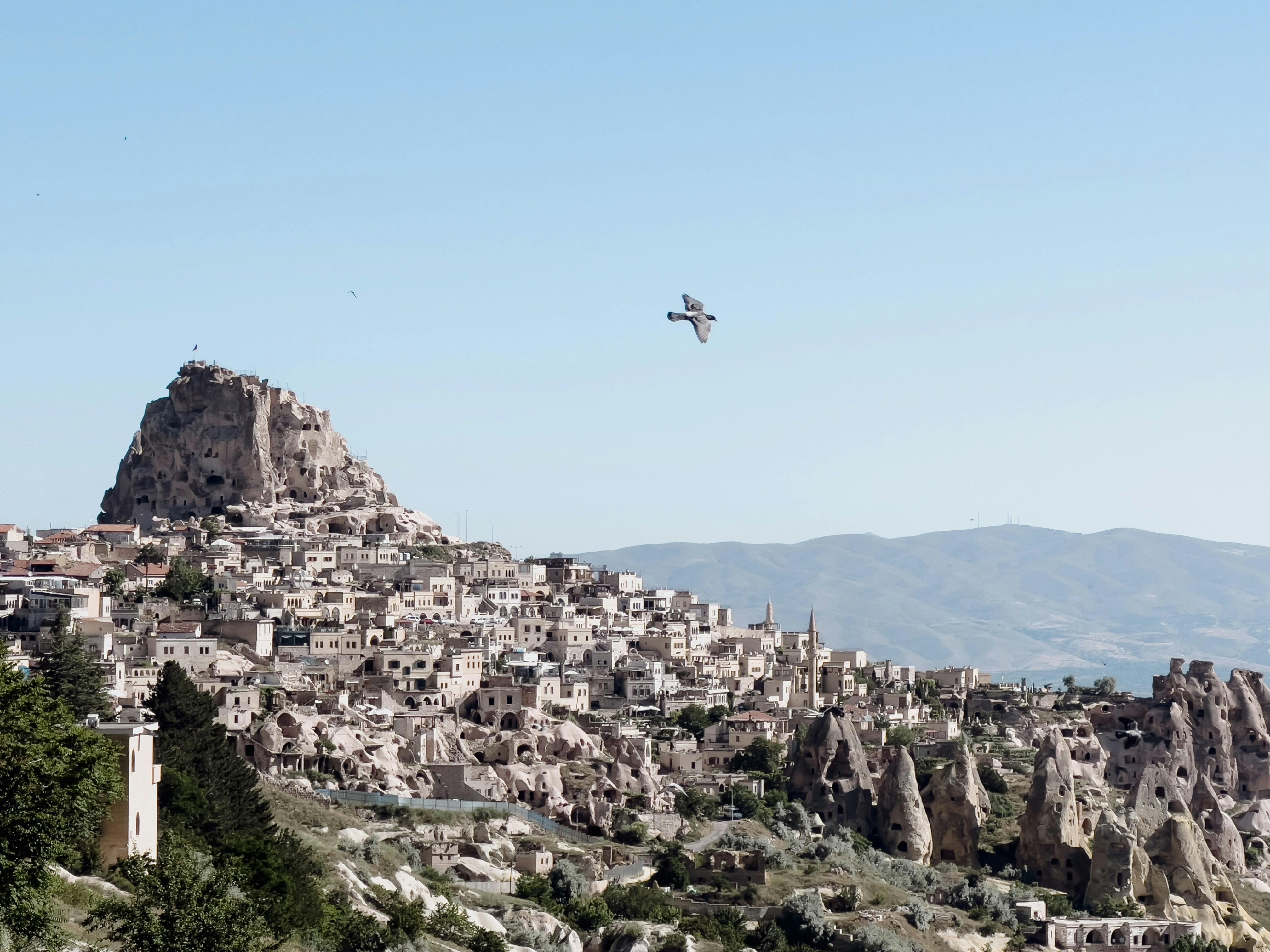
Uçhisar
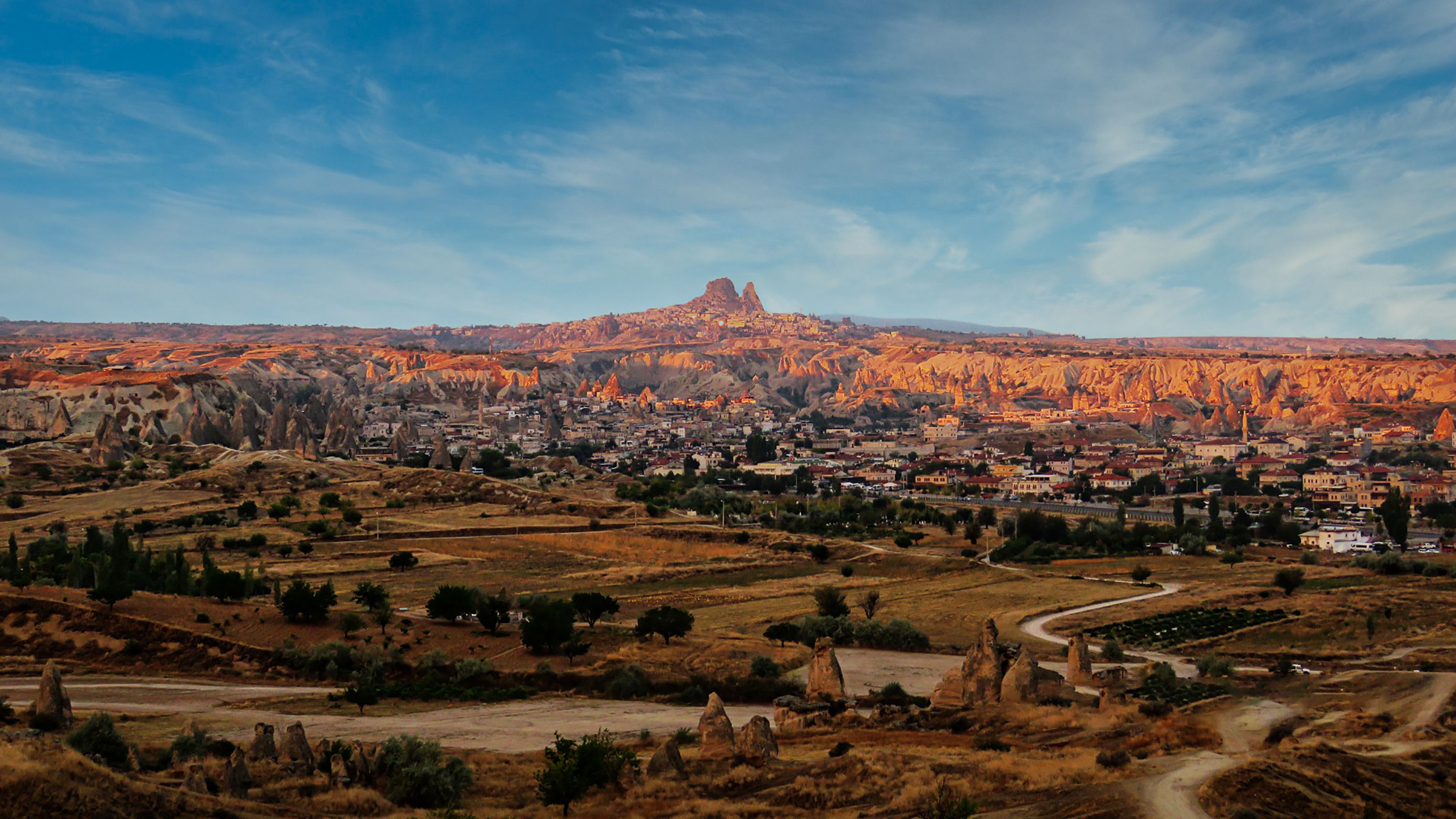
Known for the highest point in the region, the Uçhisar Castle, this village offers breathtaking panoramic views. It is ideal for those seeking a more tranquil and boutique experience.
Places to Go
The experiences that will make you never leave
These aren't tourist checkboxes — they're the experiences that reset your sense of what's normal.
Top Pick
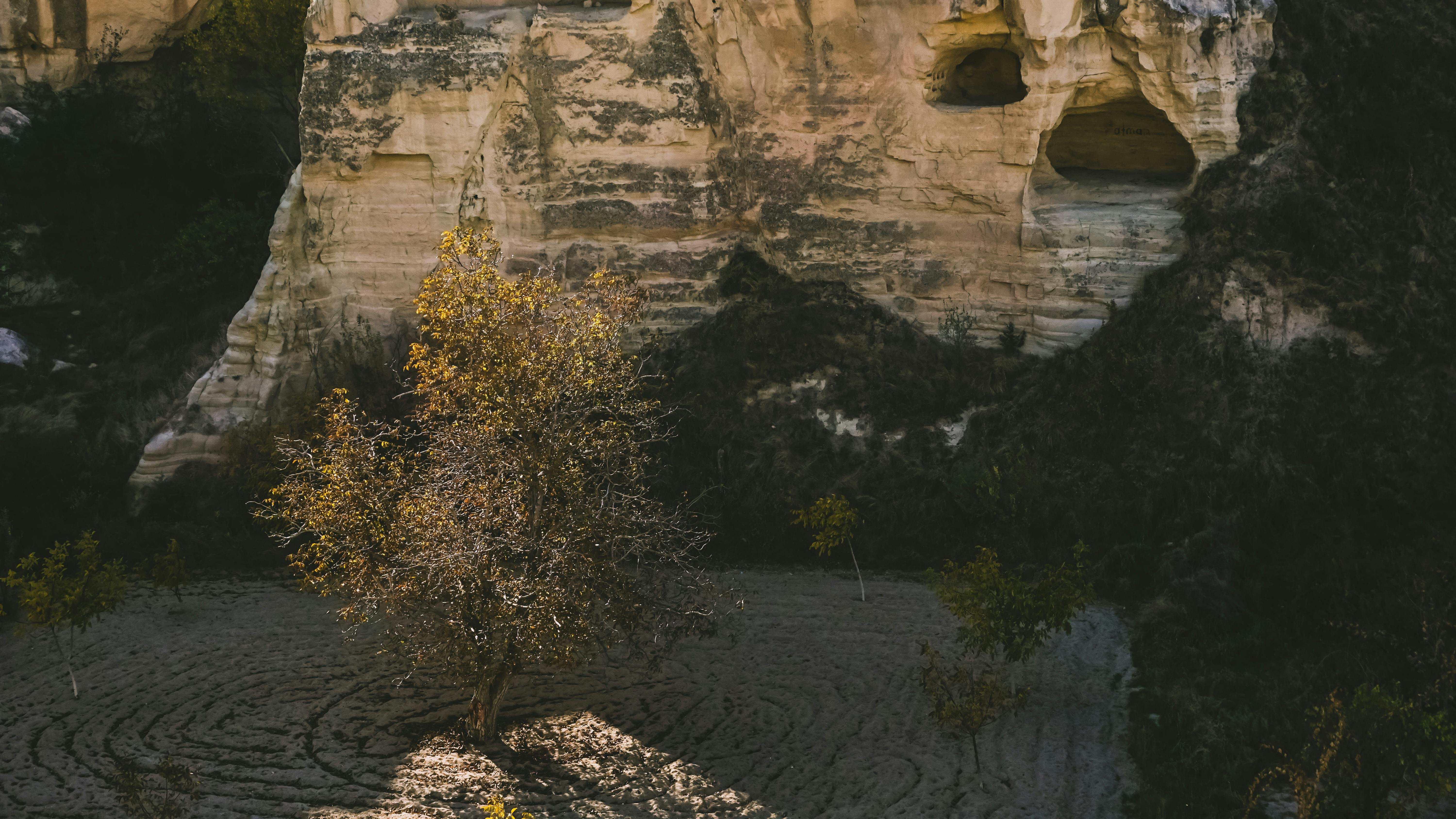
Goreme Open Air Museum
This UNESCO World Heritage site contains a collection of rock-cut churches and monasteries with stunning Byzantine frescoes. It provides a fascinating look into the lives of early Christian settlers.
Wikipedia
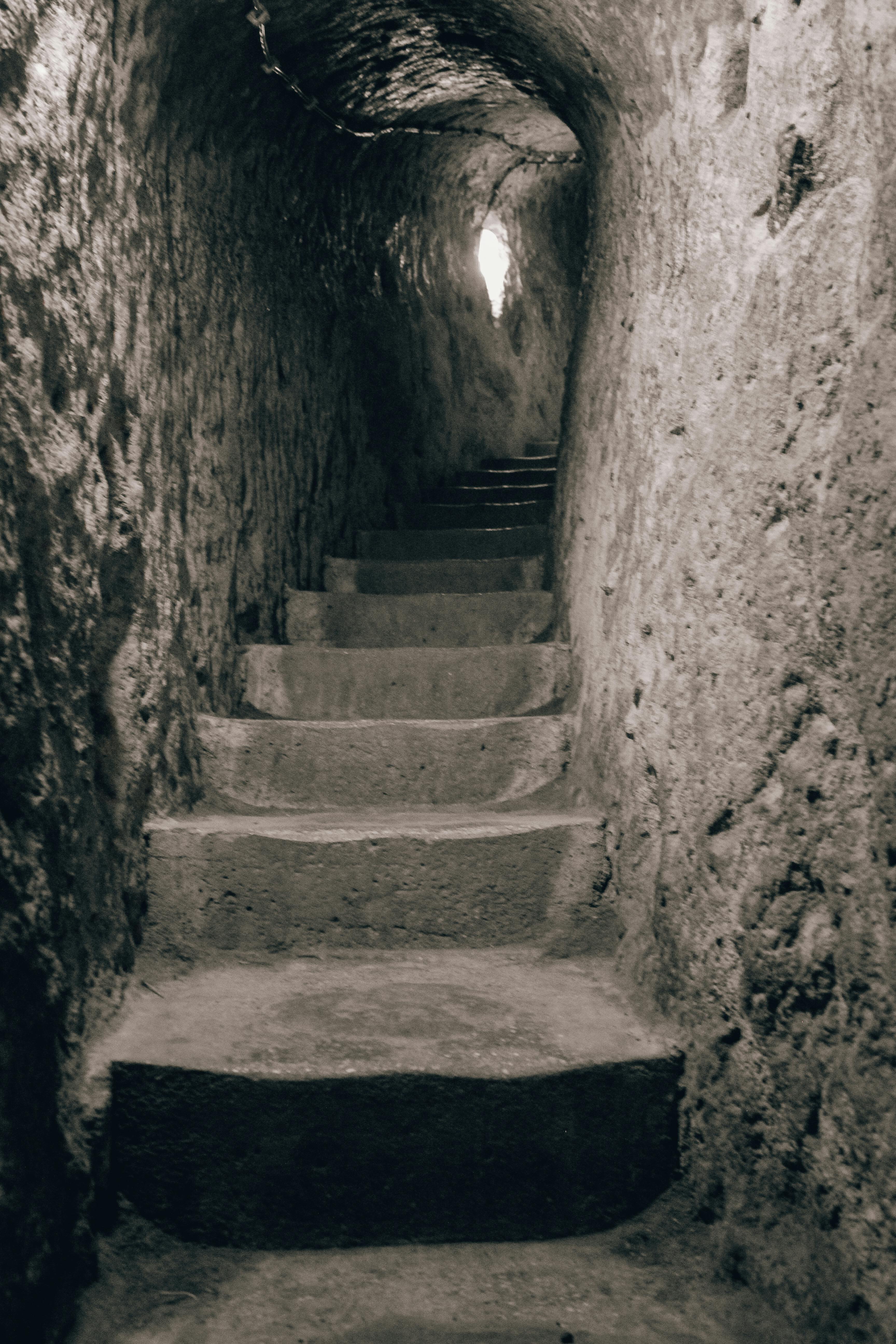
Derinkuyu Underground City
An incredible feat of ancient engineering, this multi-level underground city could once house thousands of people. Visitors can explore the narrow tunnels and living spaces that span several levels deep into the earth.
Official Tourism
Love Valley
Famous for its giant, phallic-shaped rock formations, this valley is a top spot for hiking and hot air balloon views. It is particularly beautiful during sunrise when the light hits the chimneys.
Work & Connectivity
Stay connected wherever you work
The nomad community here is real — cafés and coworking spaces where you can work and meet others.
Museum Hotel Terrace
While primarily a high-end hotel, the terrace offers a quiet, inspiring environment for a few hours of focused morning work with an unbeatable view.
Göreme Cafés
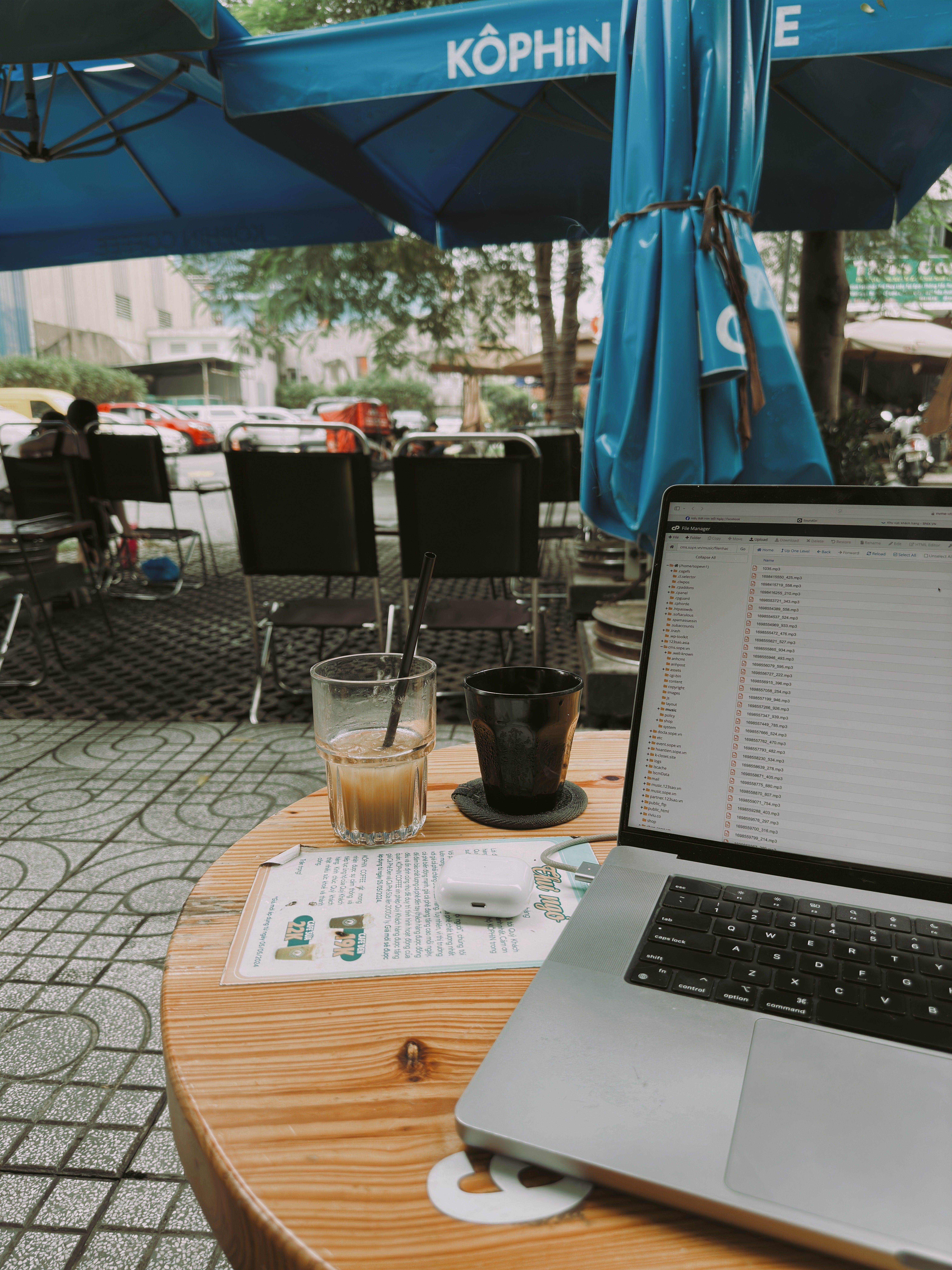
Several local cafes along the main street provide stable internet and outlets, though it is respectful to order frequent refills if you are occupying a table for the afternoon.
Hotel Lobbies
Many cave hotels in the region feature comfortable lobby lounges that are perfect for quiet work sessions during the off-peak hours of the afternoon.
Budget & Costs
What it costs to live in Cappadocia
Choose your lifestyle tier. Comfortable = furnished accommodation, local + occasional Western food, transport, leisure.
$840
per month · USD · comfortable lifestyle
ModerateFurnished studio, local restaurants, transport, and weekend trips.
Exchange rates
Check xe.com or your bank for current USD to local currency.
Check xe.com or your bank for current USD to local currency.
🏠 Rent 35%$292/mo
🍽️ Food 30%$256/mo
🚌 Transport 7%$55/mo
💡 Utilities 11%$91/mo
🎭 Leisure 9%$73/mo
🏥 Health 9%$73/mo
Connectivity
Well connected to the world
Internet and transport options for remote workers.
📶
Internet
Good — fibre common
Check local providers.
🏢
Coworking
From ~$80/mo
Dedicated spaces available.
🚌
Local Transit
5 / 10
Scooter and taxi common.
20 km from centre
Safety & Visa
Safe, welcoming, and easy to enter
Safety Score6 / 10
✗ Tap Water✓ Night Safe📞 112 or local emergency number
Visa
Check your entry options
Many nationalities get visa-free or visa-on-arrival. Check official government sources for your citizenship before travel.
Culture & Festivals
Local soul, nomad-friendly
Multiculturalism5/10
Foodie Scene5/10
Remote work
Oct
Cappadocia Balloon Festival
A spectacular event where hundreds of hot air balloons fill the sky, offering incredible photographic opportunities.
Jun
Cappadox
An arts and music festival that brings creative performances and food experiences to the unique desert landscapes of the region.
If you have time, consider a day trip to the Ihlara Valley, which offers lush greenery and ancient rock churches along a river, contrasting sharply with the dry landscape of central Cappadocia.
Food & Nightlife
A feast for every mood
From street food to cafés and nightlife — every meal is an event.
Regional Speciality
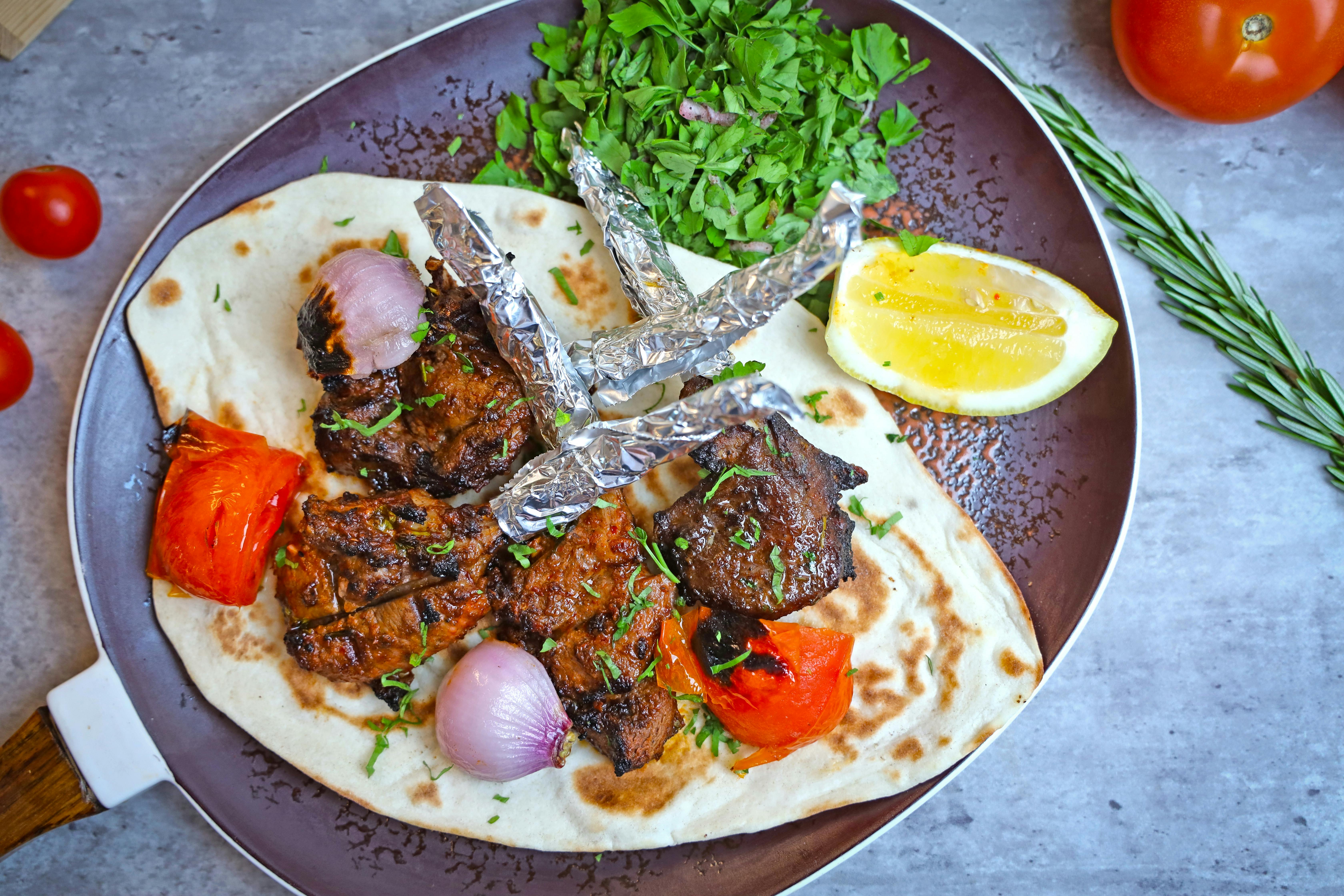
Testi Kebab
A classic Cappadocian dish cooked in a sealed clay pot and cracked open at your table. The slow-cooked meat is tender and incredibly flavorful.
Café Culture
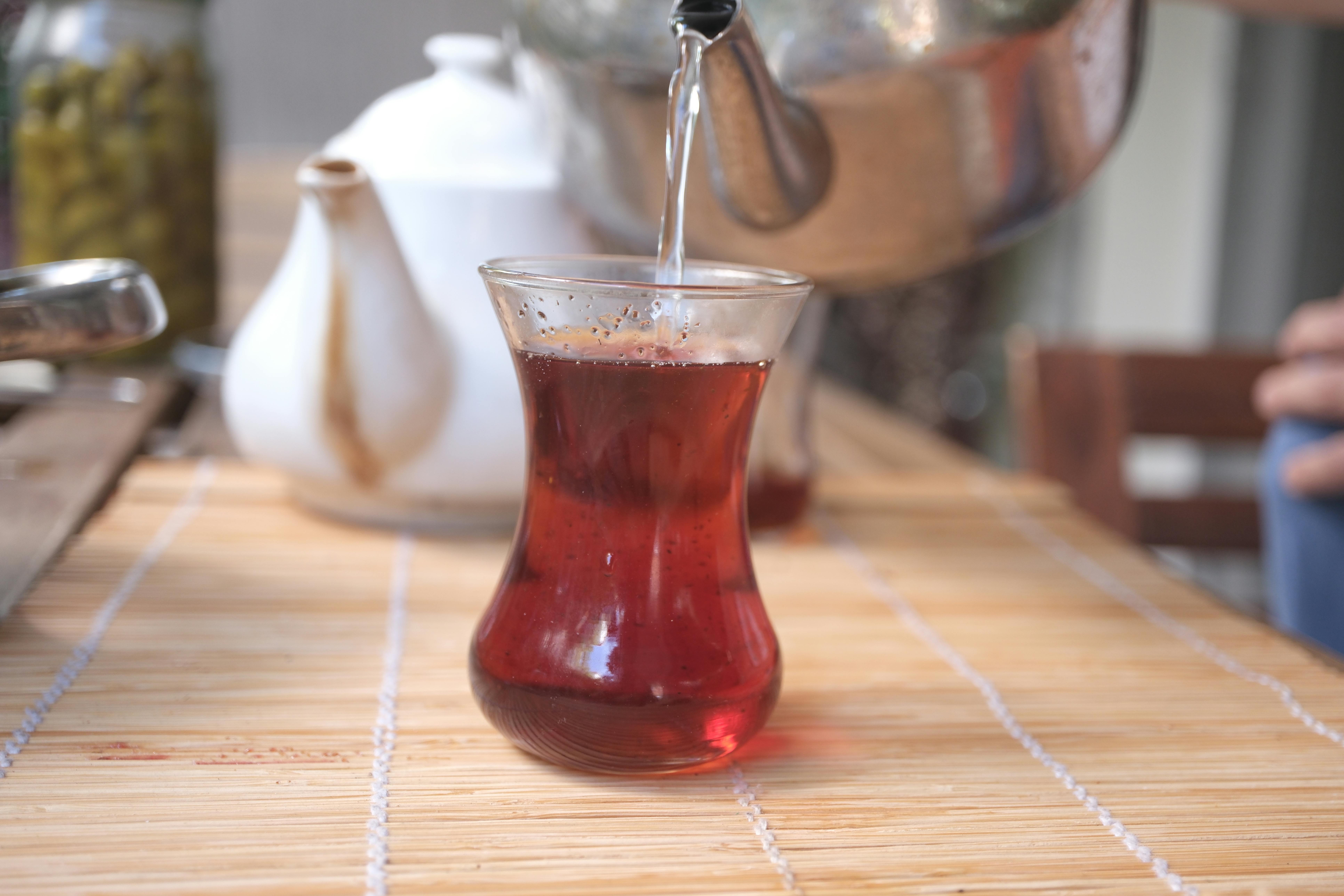
Turkish Tea Gardens
Perfect for a mid-day work break, these spots offer traditional Turkish tea and a chance to interact with locals. They are an essential part of the slow-paced local lifestyle.
Climate
Best months: Apr, May, Jun, Jul, Aug, Sep, Oct
Avg humidity55%
Avg AQI50
The best time to visit Cappadocia for remote work is between April and October. During these months, the weather is pleasant enough for outdoor activities, and the tourist season ensures that all local amenities, cafes, and tours are fully operational.
Summer months can be hot but are perfect for exploring the cooler underground caves, while spring and autumn offer crisp mornings and golden sunsets that are ideal for photography and hiking. Winter can be quite cold, often bringing snow to the fairy chimneys, which is stunning but may limit your ability to travel between towns easily.
Monthly temperatures °C
BestAvoidShoulder
Practical Info
Everything you need to know
🏥
Healthcare
Medical facilities in Cappadocia are adequate for minor issues, with clinics available in major towns. For serious medical conditions, travel to larger cities like Nevşehir or Kayseri is recommended.
💱
Money
The local currency is the Turkish Lira. While credit cards are widely accepted in hotels and tourist shops, it is wise to keep cash on hand for small cafes and local markets.
🌐
Language & Etiquette
Turkish is the primary language, though English is spoken in most tourist-oriented businesses. It is polite to learn a few basic phrases like 'merhaba' (hello) and 'teşekkür ederim' (thank you).
Tips
Quick tips
- Always carry a portable power bank for long days of exploring.
- Book your hot air balloon tour for your first available morning to allow for weather-related cancellations.
- Wear sturdy walking shoes, as the terrain is rugged and sandy.
- Download offline maps, as cell signal can be spotty in deep valleys.
- Carry a reusable water bottle, but refill it from a filtered source.
- Learn basic Turkish greetings to build rapport with local business owners.
- Take advantage of early mornings for work; the light and quiet are perfect for productivity.
- Dress in layers, as desert temperatures fluctuate significantly throughout the day.
Further Reading