Campos do Jordão · Brazil
Overview
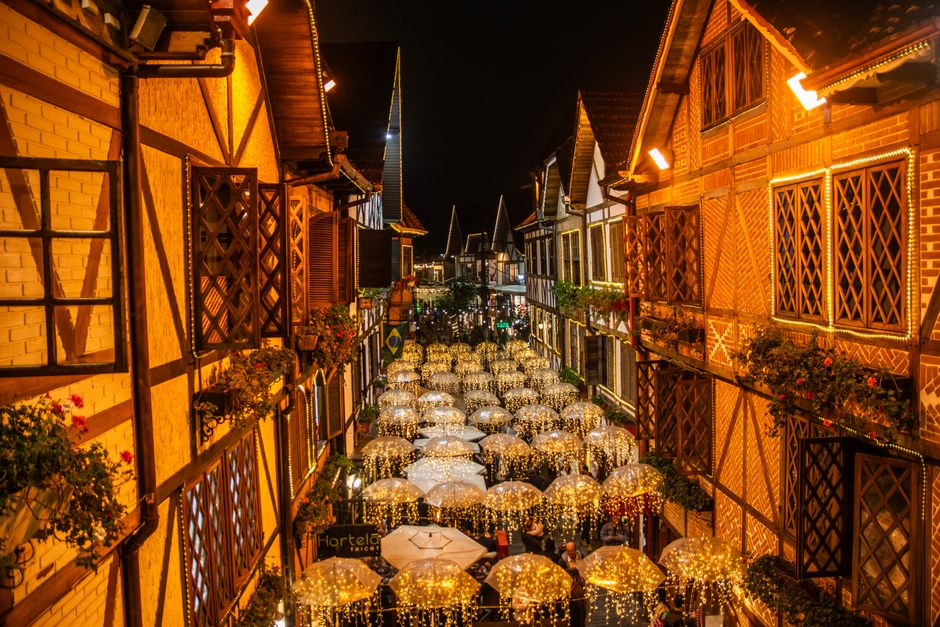
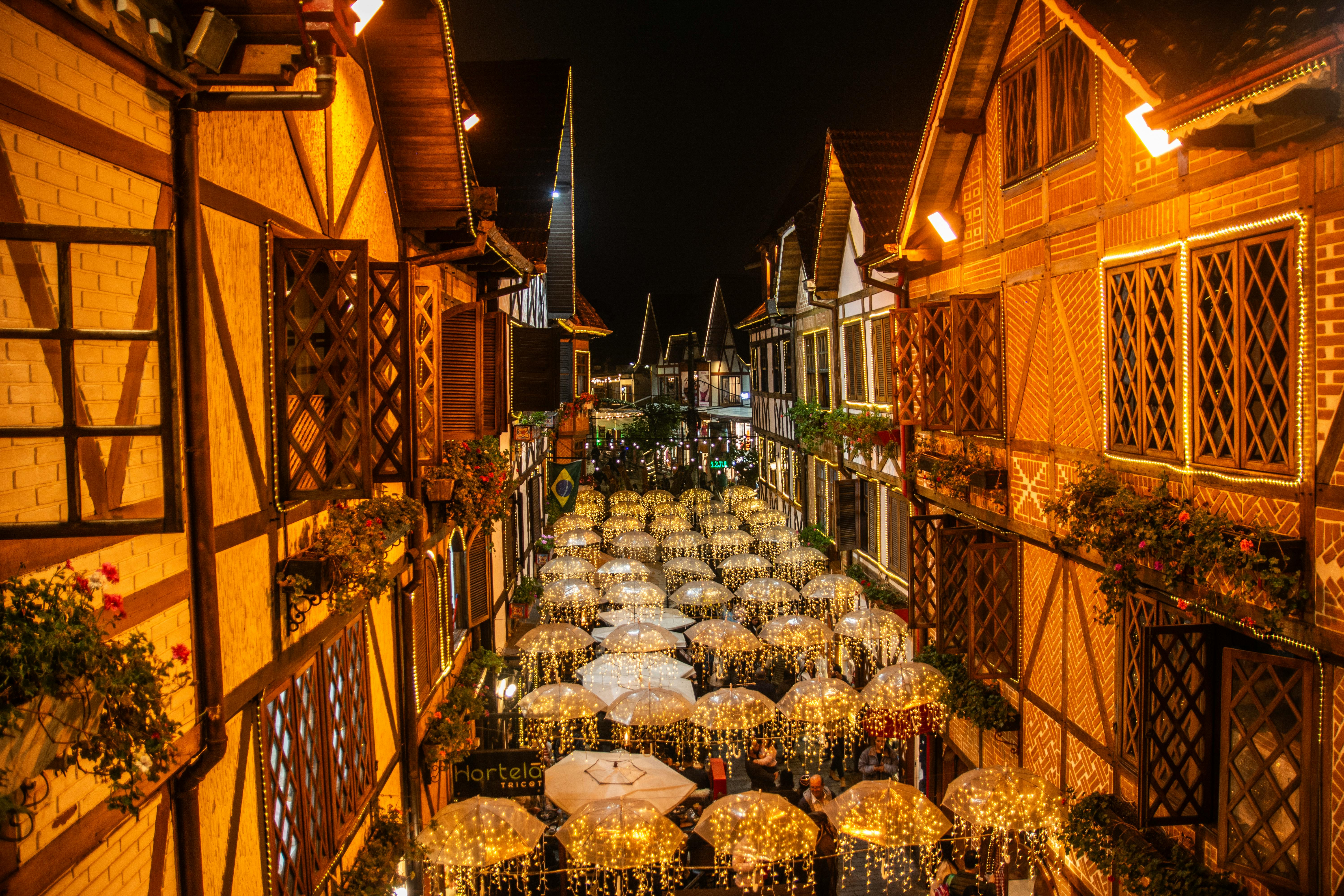
With its alpine architecture and mist-covered peaks, Campos do Jordão feels like a hidden European pocket tucked away in the Brazilian highlands.
Campos do Jordão is defined by its European-inspired architecture, pine forests, and a distinctly upscale atmosphere. For digital nomads seeking focus, the cooler temperatures provide a refreshing change of pace from tropical coastal cities. While the town is a premier tourist destination for Brazilians, it remains a serene base for those who prefer nature-oriented living and a quieter professional environment.
Because the city operates as a resort hub, the cost of living can fluctuate based on the tourist calendar. It is a place where you prioritize long, quiet walks through the hills and fireplace evenings over the frantic energy of a metropolis. Always check the climate before booking, as the winters bring a sharp, biting cold that keeps most tourists indoors.
History
The history of Campos do Jordão is inextricably linked to its unique climate, which was originally t…
The history of Campos do Jordão is inextricably linked to its unique climate, which was originally touted by physicians in the late 19th century as a cure for respiratory ailments. The region initially attracted settlers looking to build sanitariums and recovery homes, creating a foundation of health-oriented tourism that persists to this day.
As the 20th century progressed, the town evolved from a remote recovery site into a high-end mountain retreat. The arrival of the railroad allowed for easier access from São Paulo, transforming the quiet village into the popular destination it is today. Its architectural identity, often referred to as Alpine style, was intentionally cultivated to mirror the European mountain villages that attracted the affluent class of the era.
1874
Initial SettlementThe area was first settled by farmers who recognized the unique potential of the mountain climate.
1914
Medical DestinationThe completion of the Estrada de Ferro Campos do Jordão railroad opened the mountain range for sanitariums, cementing the town's reputation for healing.
1934
Municipal RecognitionCampos do Jordão was formally elevated to the status of a municipality, sparking infrastructure development.
1970s
Tourism BoomThe town became the primary winter vacation spot for the elite of São Paulo, leading to the development of luxury lodges.
Where to Stay
Choose your base camp
Distinct neighbourhoods, different rhythms. Pick the one that fits your work-life balance.
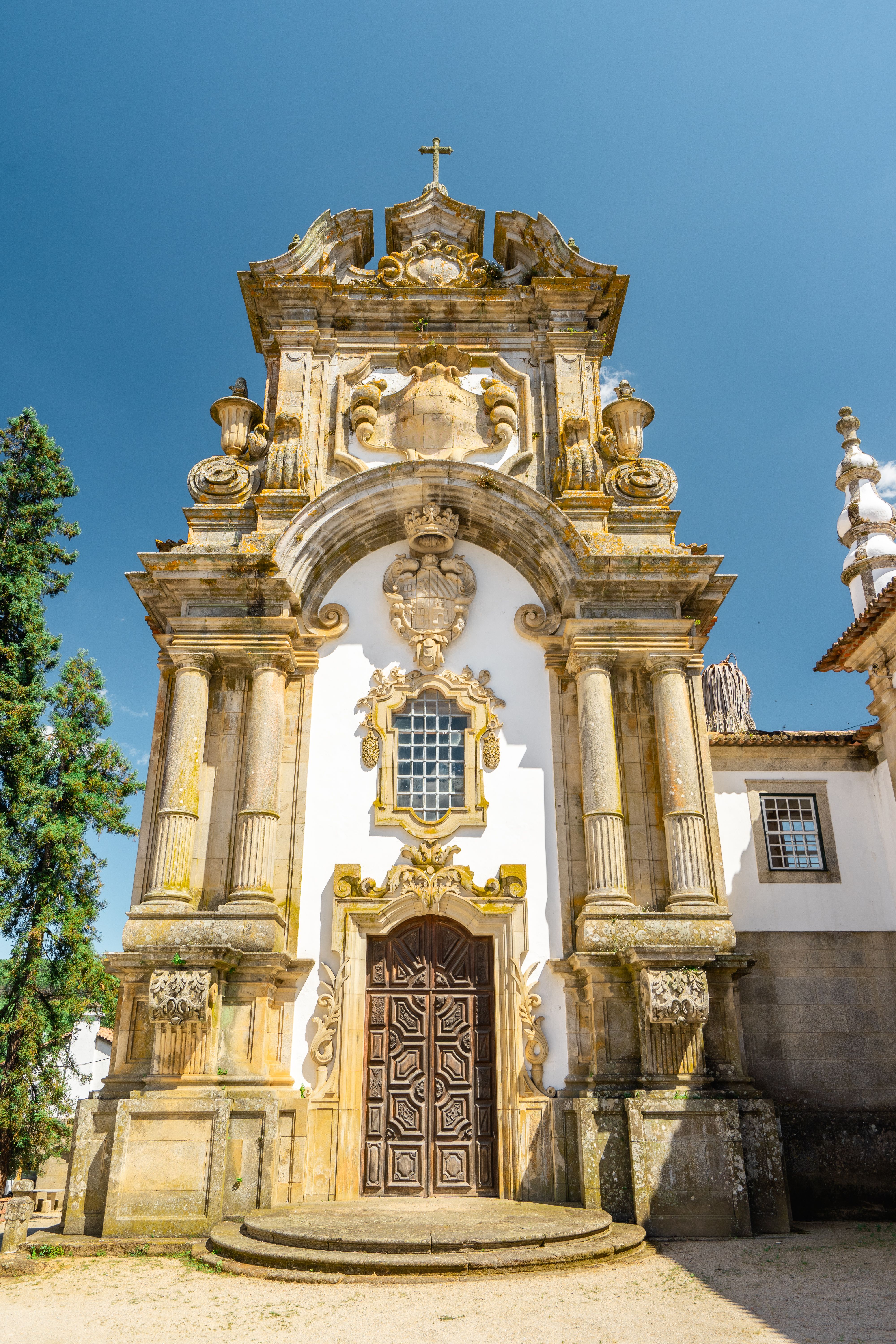
Social Hub
Vila Capivari
The heart of the action with cafes, shops, and restaurants. It is ideal for nomads who want to be in the middle of everything, though it can get expensive and loud.
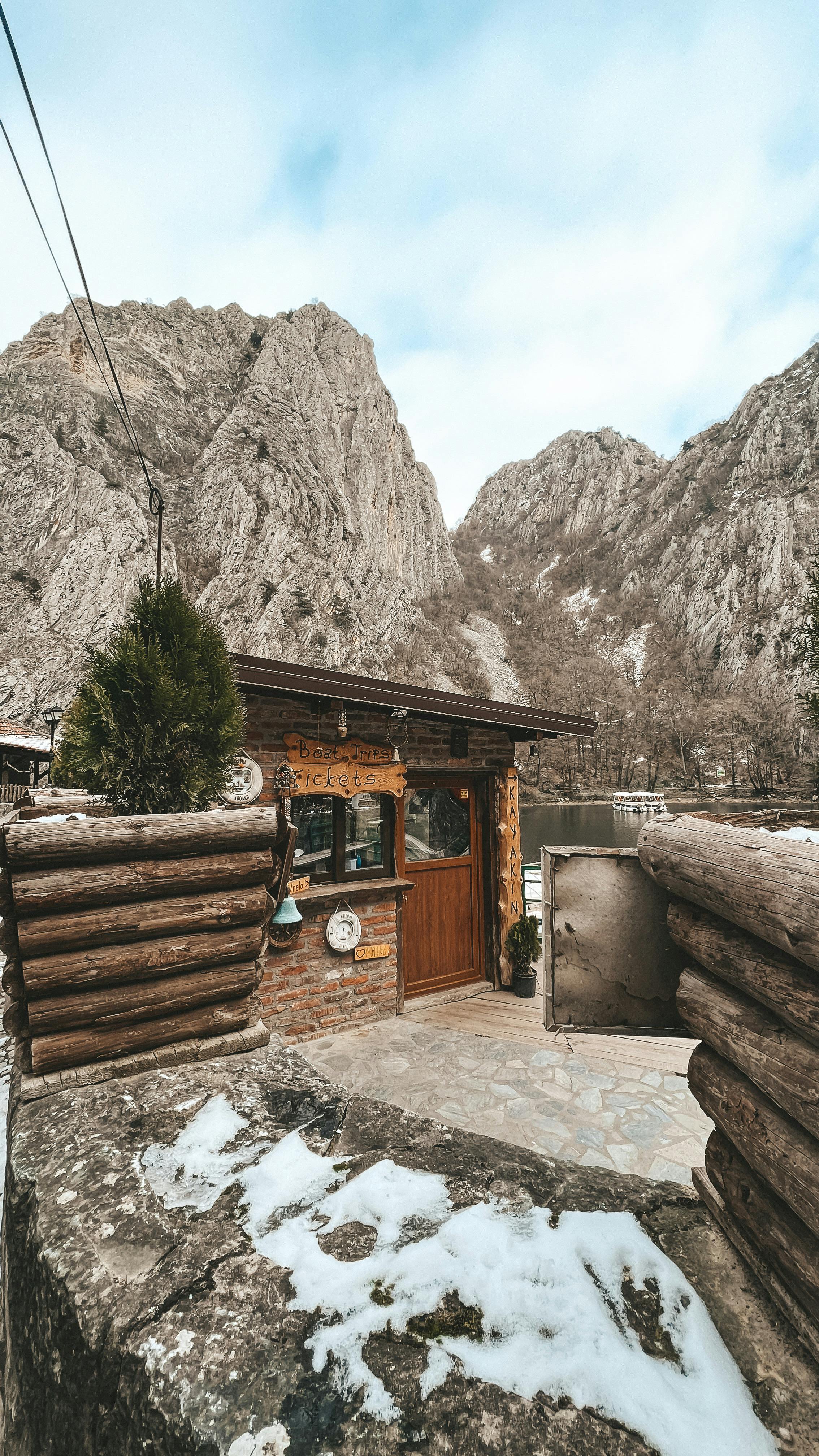
Peaceful Retreat
Alto da Boa Vista
A quieter, upscale residential area offering stunning views of the valley. Perfect for those who need silence and focus for their work.
Places to Go
The experiences that will make you never leave
These aren't tourist checkboxes — they're the experiences that reset your sense of what's normal.
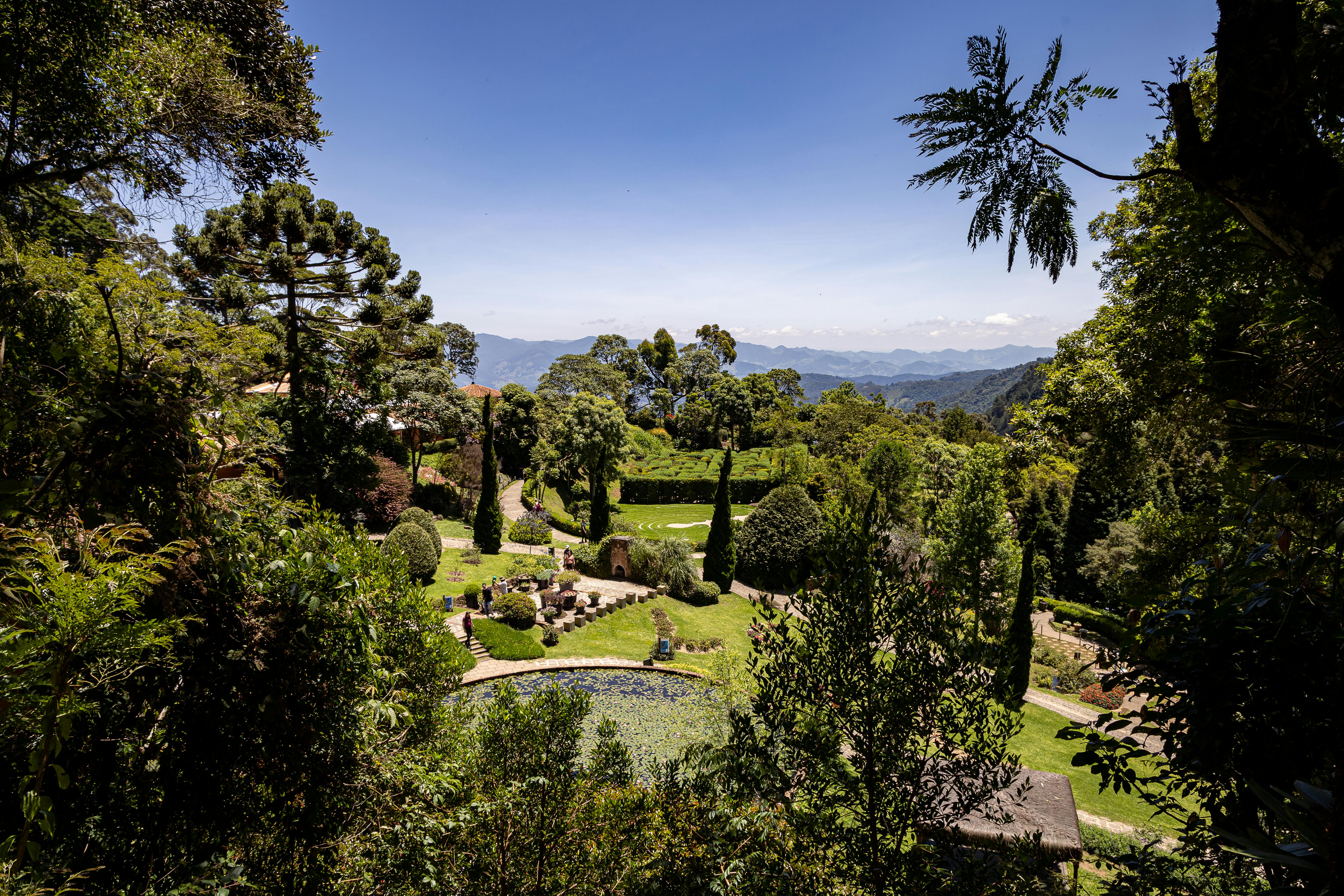
Top Pick
Amantikir Garden
This expansive park features a stunning collection of gardens inspired by styles from across the globe. It is a perfect spot for afternoon walks and soaking in the mountain air.
Wikipedia
Horto Florestal
As one of the oldest parks in the state, it offers dense native forests and scenic trails. It provides an excellent escape into nature for those who need a break from their screens.

Work & Connectivity
Stay connected wherever you work
The nomad community here is real — cafés and coworking spaces where you can work and meet others.
Café Terraço
A popular spot for casual work sessions with decent coffee and a quiet atmosphere during weekday mornings.
Hotel Lobby Lounges
Many high-end pousadas in town offer quiet lounge spaces that serve as impromptu offices for residents.
Budget & Costs
What it costs to live in Campos do Jordão
Choose your lifestyle tier. Comfortable = furnished accommodation, local + occasional Western food, transport, leisure.
$986
per month · USD · comfortable lifestyle
ModerateFurnished studio, local restaurants, transport, and weekend trips.
Exchange rates
Check xe.com or your bank for current USD to local currency.
Check xe.com or your bank for current USD to local currency.
🏠 Rent 41%$402/mo
🍽️ Food 30%$292/mo
🚌 Transport 6%$55/mo
💡 Utilities 9%$91/mo
🎭 Leisure 7%$73/mo
🏥 Health 7%$73/mo
Connectivity
Well connected to the world
Internet and transport options for remote workers.
📶
Internet
Good — fibre common
Check local providers.
🏢
Coworking
From ~$80/mo
Dedicated spaces available.
🚌
Local Transit
5 / 10
Scooter and taxi common.
20 km from centre
Safety & Visa
Safe, welcoming, and easy to enter
Safety Score6 / 10
✗ Tap Water✓ Night Safe📞 112 or local emergency number
Visa
Check your entry options
Many nationalities get visa-free or visa-on-arrival. Check official government sources for your citizenship before travel.
Culture & Festivals
Local soul, nomad-friendly
Multiculturalism5/10
Foodie Scene5/10
Remote work
Jul
Winter Festival
The most famous classical music festival in Brazil, attracting world-class performers to the mountains.
Campos do Jordão is a niche destination that thrives on its 'slower' pace. If you are looking for a bustling nomad hub with coworking spaces on every corner, this might not be the place for you; however, for those seeking deep work, introspection, and mountain aesthetics, it is unmatched in the region.
Food & Nightlife
A feast for every mood
From street food to cafés and nightlife — every meal is an event.

Fondue
Traditional Mountain Fare
Due to the cold climate, fondue is a staple of the local food scene. You will find numerous restaurants serving cheese and chocolate versions.

Café Culture
European Style Cafes
The town is full of bakeries serving hot chocolate and pastries that reflect the local European influence.
Climate
Best months: Jan, Feb, Mar, Apr, Oct, Nov, Dec
Avg humidity79%
Avg AQI35
The best time for nomads to visit is during the warmer months of January through April, or the end-of-year period from October to December. During these times, the weather is pleasant enough for outdoor activities, and the town feels more like a living community than a holiday destination.
While there are no specific months to strictly avoid, be aware that mid-winter (June and July) attracts massive crowds of tourists seeking the cold, which causes accommodation prices to skyrocket and infrastructure to become stretched. If you prefer solitude and lower rates, plan your visit during the shoulder seasons.
Monthly temperatures °C
BestAvoidShoulder
Practical Info
Everything you need to know
🏥
Healthcare
Medical facilities in the town are geared toward visitors. Ensure you have travel insurance that covers the mountain region for peace of mind.
💱
Money
Card payments are widely accepted, but keep some cash on hand for small local shops or transport in outlying areas. ATMs are available in the city center.
🌐
Connectivity
Public Wi-Fi is spotty. Rely on your own mobile data plan and a local SIM card to ensure consistent coverage throughout your work day.
Tips
Quick tips
- Bring warm layers, even in the summer.
- Book accommodation well in advance for holiday periods.
- Always carry a power bank for your devices.
- Walk the town to discover hidden viewpoints.
- Cook your own meals to save on food costs.
- Check the internet speed before finalizing a long-term rental.
Further Reading