
Pipa · Brazil
Overview
Pipa isn't just a destination; it's a rhythm. You arrive for the surf, but you stay because the ocean breeze makes your to-do list feel significantly less daunting.
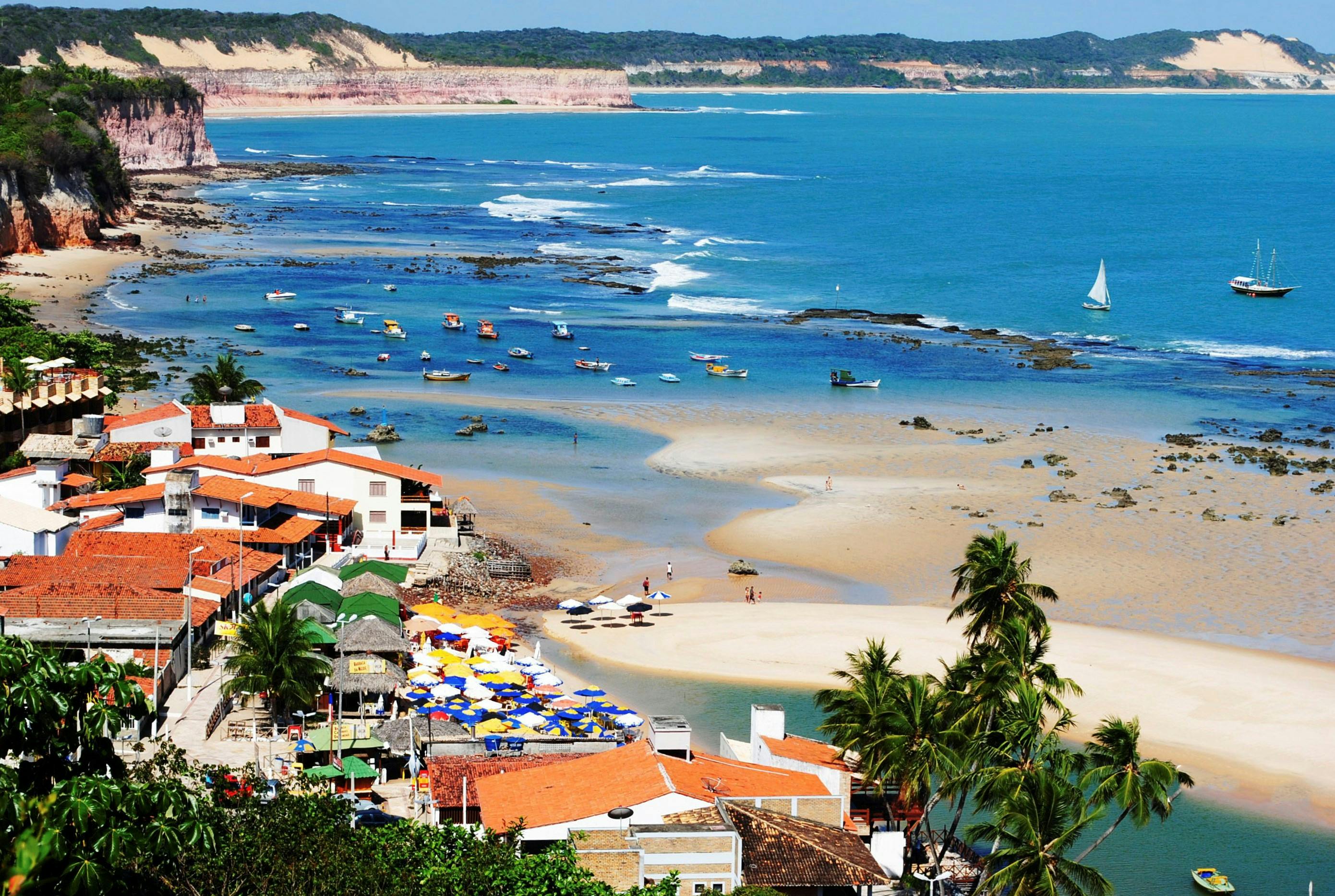
Pipa is the quintessential Brazilian beach town that lures remote workers looking for a slower pace of life without completely sacrificing modern amenities. The vibe here is defined by an eclectic mix of international travelers and laid-back locals, creating a culture that celebrates the outdoors, surfing, and late-night music in the town center. It is an ideal spot for those who want to wake up to the sound of the Atlantic and spend their lunch break watching wild dolphins.
While the infrastructure is still developing, the tradeoff is a significantly lower cost of living compared to major hubs like Rio or São Paulo. The town remains highly walkable, meaning your commute to the office—whether it's a beachfront cafe or your balcony—is measured in steps rather than gridlock. If you prefer stable, year-round sun, the climate ensures that your weekends are almost always dedicated to beach hopping.

History
Originally known as a humble fishing village, Pipa (short for 'Ouro Verde do Pipa') remained largely…
Originally known as a humble fishing village, Pipa (short for 'Ouro Verde do Pipa') remained largely unknown to the outside world until the 1970s. It was the discovery by international surfers who stumbled upon the pristine, high-energy waves that first put the village on the map. This era marked a transition from a subsistence-based economy to a tourism-focused one, as travelers sought out the region's dramatic cliffs and secluded coves.
In recent decades, Pipa has evolved into a sophisticated bohemian hub while retaining much of its rustic charm. While it has seen significant growth in its hospitality sector, including the development of numerous boutique pousadas and high-quality restaurants, the town has managed to resist large-scale industrialization. Today, it stands as a testament to sustainable tourism where local preservation efforts and the influx of global nomads create a unique, culturally rich community.
1970s
The Surfer DiscoveryAdventurous surfers from around the globe discover Pipa's unique waves and dramatic landscapes, initiating its transition into a travel destination.
1980s
Early InfrastructureSmall pousadas and local eateries begin to pop up to accommodate the growing number of independent travelers drawn to the region.
1990s
Rising PopularityPipa gains national recognition in Brazil as a premier beach destination, leading to the improvement of roads and essential services.
2010s
Nomad IntegrationThe rise of remote work brings a new demographic of digital nomads who prioritize the town's high quality of life and scenic beauty.
Where to Stay
Choose your base camp
Distinct neighbourhoods, different rhythms. Pick the one that fits your work-life balance.

Central Hub
Centro
The heart of Pipa with all the restaurants, nightlife, and shops. Great for those who want to be in the center of the action and have easy access to cafes.
Surf Life
Praia do Amor Area
Quiet yet close to the waves, this area is perfect for surf enthusiasts. Accommodations here are often more spacious and peaceful.

Slow Living
Tibau do Sul
A bit further out, offering a much slower pace and closer proximity to the lagoon. Ideal for digital nomads looking to unplug.
Places to Go
The experiences that will make you never leave
These aren't tourist checkboxes — they're the experiences that reset your sense of what's normal.
Top Pick
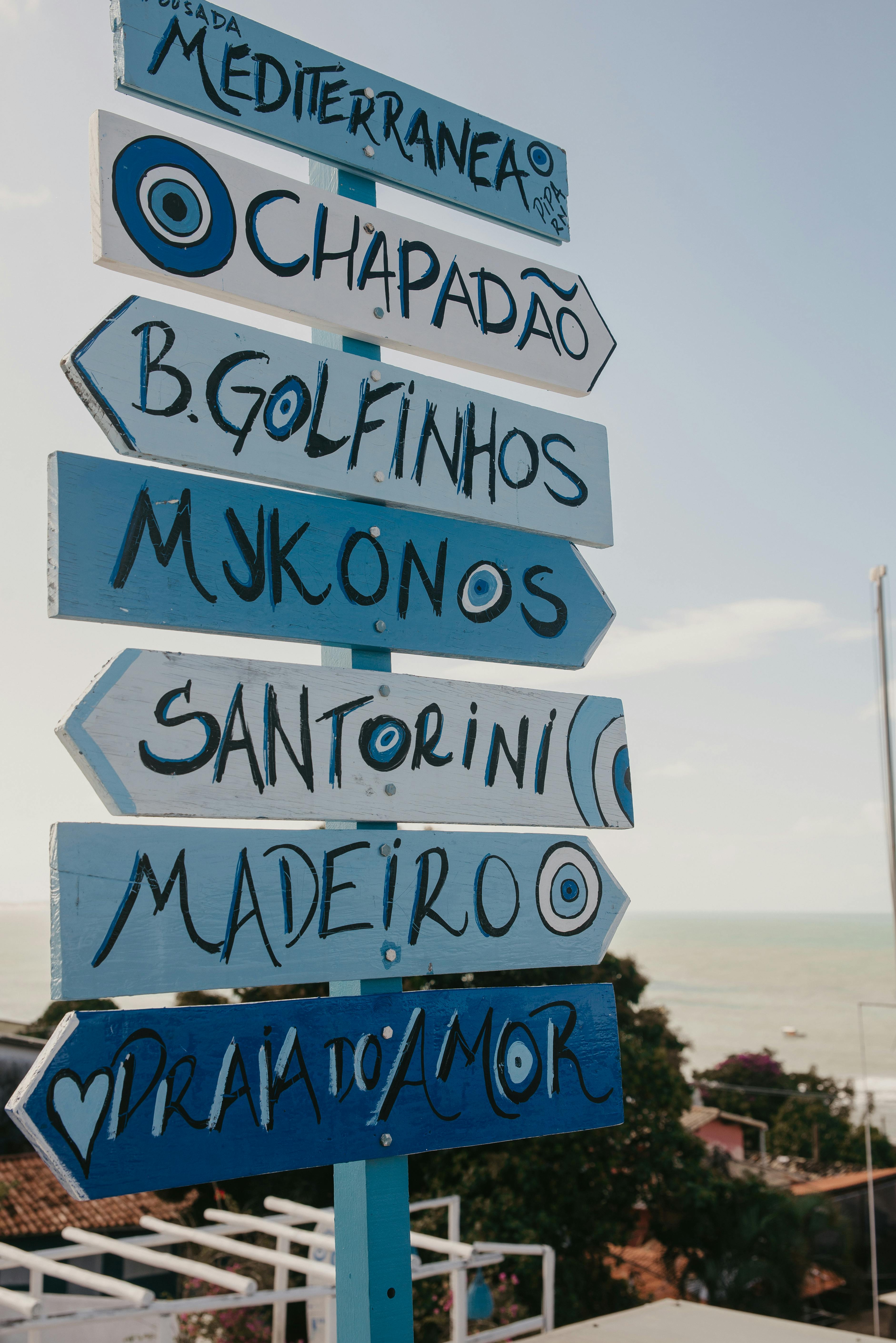
Praia do Amor
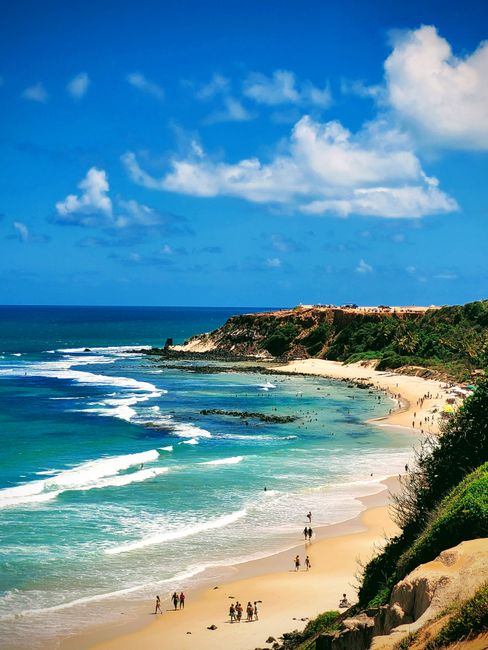
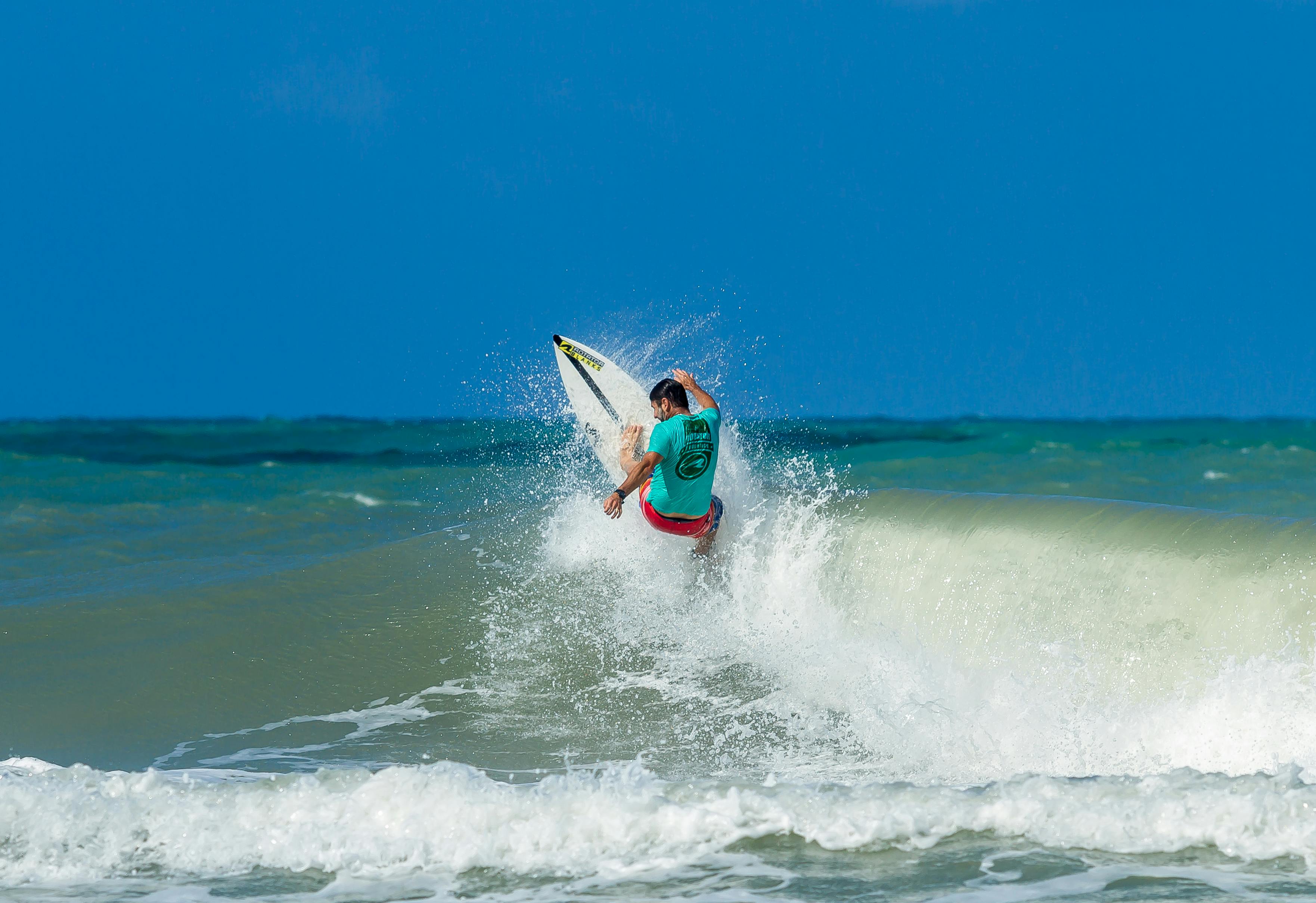
Famous for its heart-shaped shoreline when viewed from the cliffs, this is the prime spot for experienced surfers. It features dramatic scenery and a lively beach bar atmosphere throughout the day.

Dolphin Watching Info
Baía dos Golfinhos
This protected bay is one of the few places in the world where you can frequently swim alongside wild dolphins. It is accessible by walking along the beach during low tide.
Visit
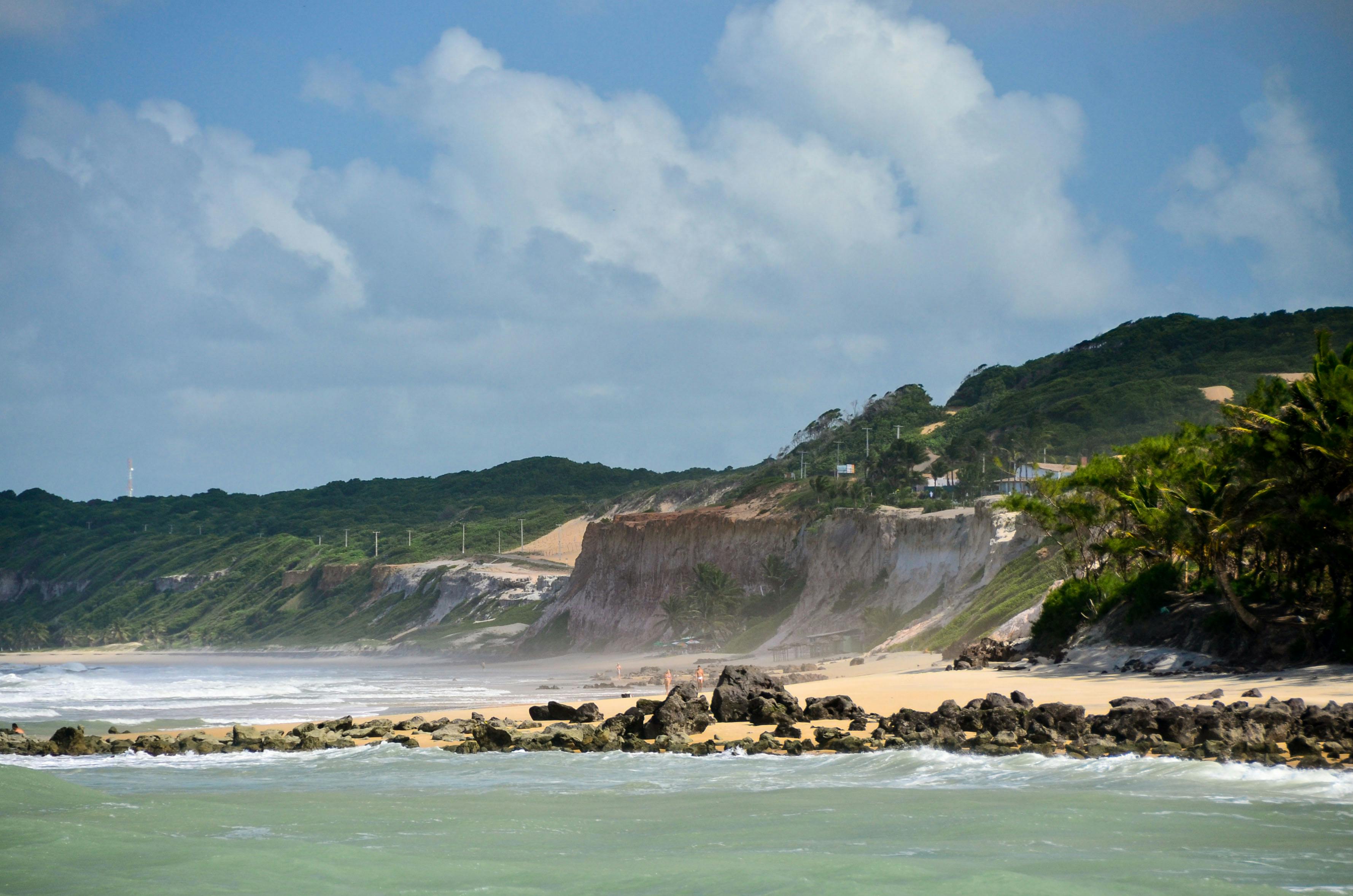
Chapadão Cliffs
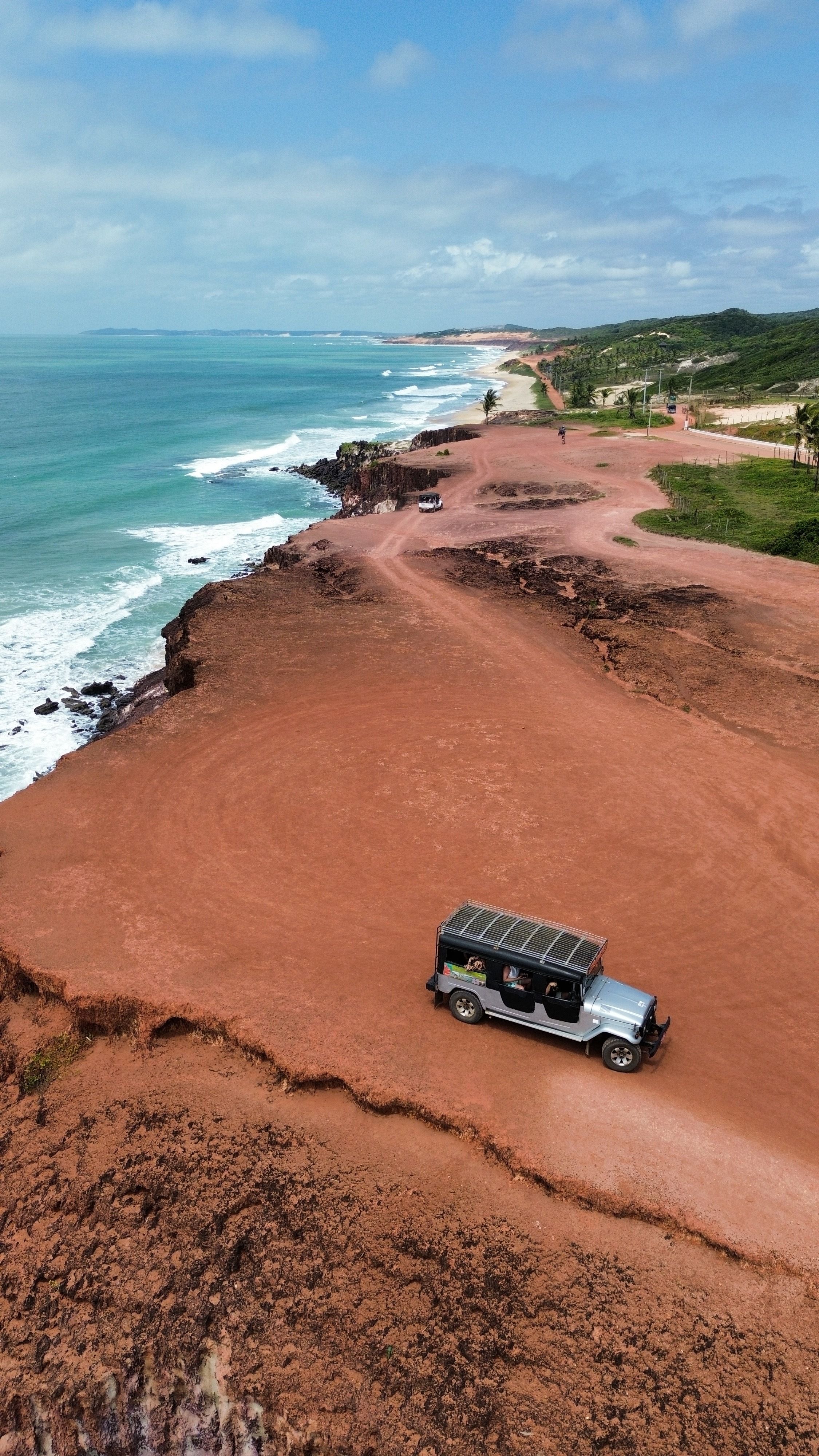
These massive, reddish-orange cliffs offer the most breathtaking panoramic views of the coastline. It is a popular spot for photography, especially during sunrise and sunset.
Visit
Praia do Madeiro
Nestled at the base of lush green cliffs, this beach is accessed by a long wooden staircase. It is known for its calm, warm waters and regular dolphin sightings.
Visit
Tibau do Sul Lagoon
A serene alternative to the ocean, this lagoon offers calmer waters perfect for kayaking and stand-up paddleboarding. It provides a beautiful backdrop for a sunset drink.
Visit
Ecological Sanctuary
A private reserve containing trails through the Atlantic forest that lead to various cliff overlooks. It is an excellent place for wildlife spotting and light hiking.
Work & Connectivity
Stay connected wherever you work
The nomad community here is real — cafés and coworking spaces where you can work and meet others.
Local Beach Cafes
Many beachside cafes offer Wi-Fi, though they are best suited for light work tasks rather than video calls. Bring a power bank.
Accommodation Workspace
Most travelers find that renting a private bungalow with a dedicated desk is the most reliable way to work in Pipa. Ensure your host confirms stable Wi-Fi speed.
Budget & Costs
What it costs to live in Pipa
Choose your lifestyle tier. Comfortable = furnished accommodation, local + occasional Western food, transport, leisure.
$803
per month · USD · comfortable lifestyle
ModerateFurnished studio, local restaurants, transport, and weekend trips.
Exchange rates
Check xe.com or your bank for current USD to local currency.
Check xe.com or your bank for current USD to local currency.
🏠 Rent 45%$365/mo
🍽️ Food 25%$204/mo
🚌 Transport 5%$37/mo
💡 Utilities 7%$58/mo
🎭 Leisure 11%$88/mo
🏥 Health 6%$51/mo
Connectivity
Well connected to the world
Internet and transport options for remote workers.
📶
Internet
Good — fibre common
Check local providers.
🏢
Coworking
From ~$80/mo
Dedicated spaces available.
🚌
Local Transit
2 / 10
Small town walkable; buggy rides to nearby beaches; bus to Natal
NAT
São Gonçalo do Amarante International
80 km from centre
Safety & Visa
Safe, welcoming, and easy to enter
Safety Score6 / 10
✗ Tap Water✓ Night Safe📞 190
Visa
Check your entry options
Many nationalities get visa-free or visa-on-arrival. Check official government sources for your citizenship before travel.
Culture & Festivals
Local soul, nomad-friendly
Multiculturalism5/10
Foodie Scene6/10
🌴 Tropical🎶 Forró Music🏄 Surf🏖️ Beach🐬 Dolphins💚 Very Affordable
Jun
Dolphin Watching Season
Spinner dolphins are frequently seen in the waters, drawing nature lovers from across the globe.
Sep
Surf Season
Professional and amateur surfers flock to the area to catch the best waves of the year at Praia do Amor.
Dec
New Year's Eve Party
The entire town transforms into a massive celebration with live music, fireworks, and beach parties that last until dawn.
Pipa is fundamentally a place to reconnect with nature; the best way to enjoy it is to adopt the local 'slow' lifestyle. Keep your schedule flexible, as the tides and the weather will dictate much of your daily experience.
Food & Nightlife
A feast for every mood
From street food to cafés and nightlife — every meal is an event.
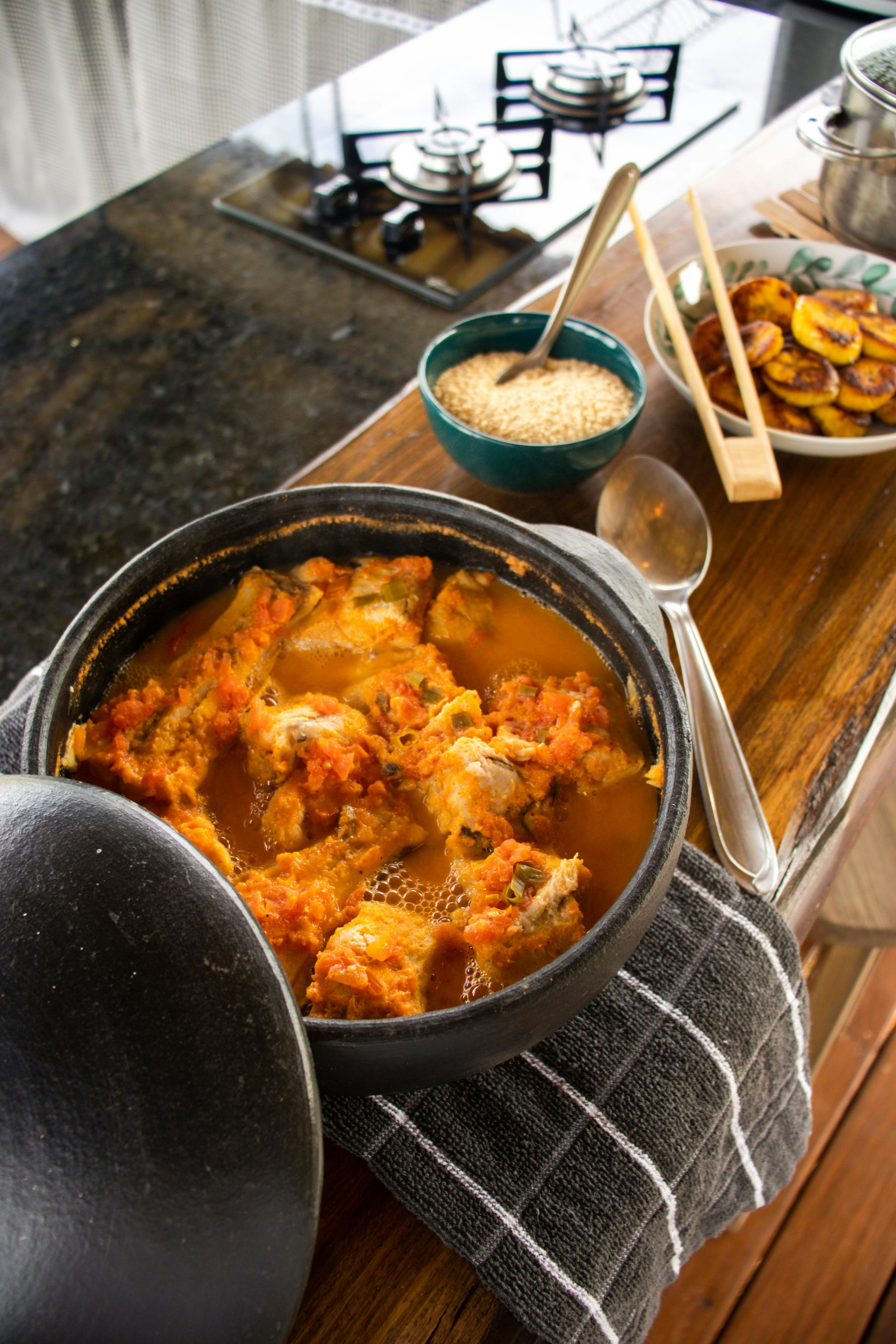
Regional Seafood
Beach Barracas
Enjoy fresh-caught fish, shrimp, and traditional moqueca right on the sand. The quality is consistently high and the prices are very reasonable.
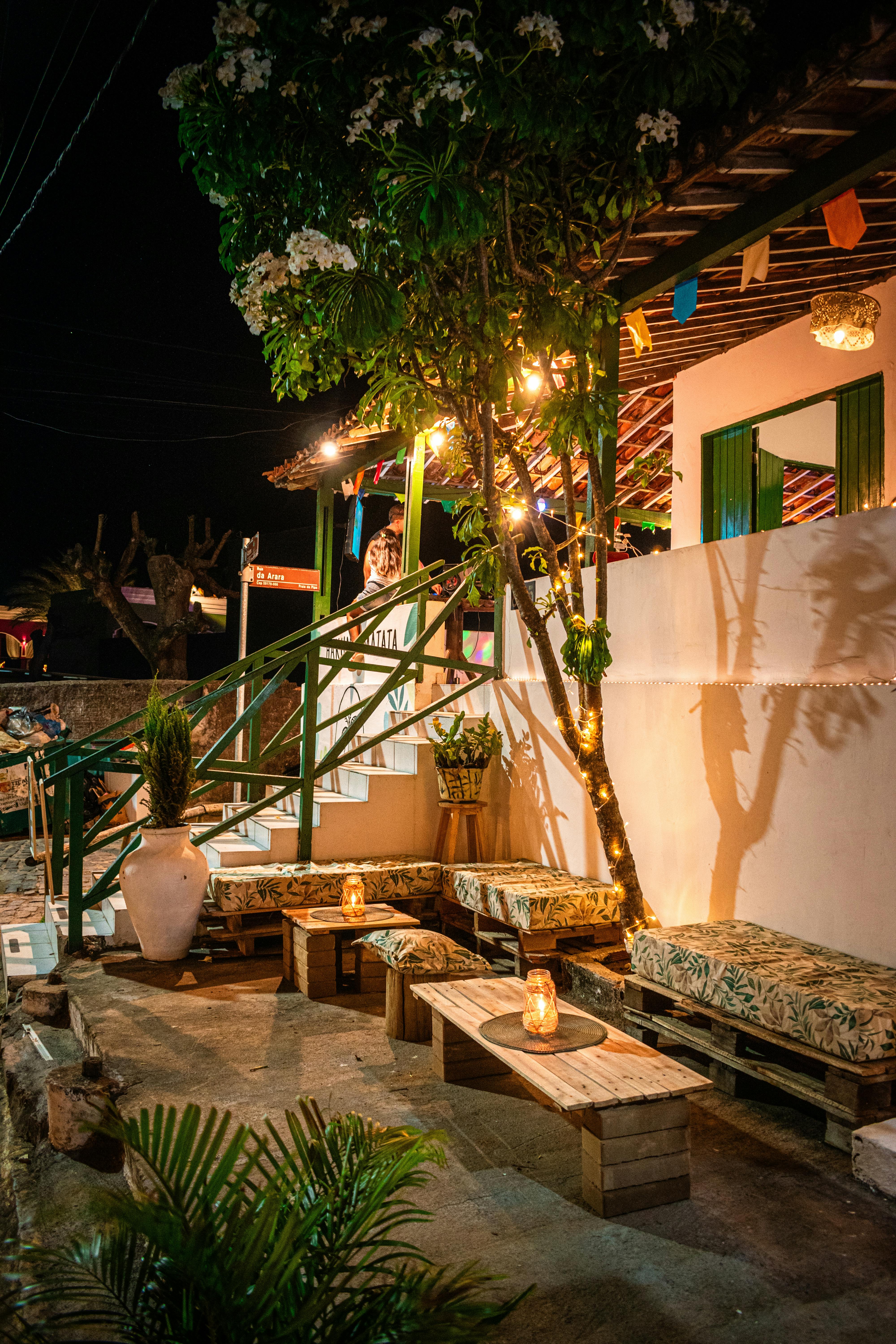
Nightlife & Dining
Avenida dos Golfinhos
The main street comes alive at night with a diverse array of restaurants serving everything from artisanal pizza to authentic Brazilian churrasco.
Climate
Best months: Jan, Feb, Mar, Apr, May, Jun, Jul, Aug, Sep, Oct, Nov, Dec
Avg humidity78%
Avg AQI30
Pipa is blessed with warm temperatures year-round, making it a viable destination during any month. However, the most consistent weather occurs during the dry season, which spans from August through February. These months offer the brightest skies and are perfect for maximizing outdoor time between work sessions.
While you can visit year-round, note that the rainy season typically occurs between March and July. You may experience more frequent showers, though the town remains active and the atmosphere becomes even more cozy. Major events like the New Year's Eve celebrations bring a massive influx of tourists, so book your accommodation well in advance if you plan to be in town during late December.
Monthly temperatures °C
BestAvoidShoulder
Practical Info
Everything you need to know
🏥
Healthcare
Pipa has basic medical facilities, but for any serious emergencies or specialized care, travelers should head to the larger hospitals in Natal. Always ensure you have comprehensive travel insurance.
💱
Money
The local currency is the Brazilian Real (BRL). While credit cards are widely accepted in most restaurants and shops, it is wise to keep some cash on hand for small vendors and beach kiosks.
🌐
Language & Etiquette
Portuguese is the official language. Learning basic phrases will be highly appreciated by locals, though you can get by with English in most tourist hubs. Brazilians are generally warm and informal.
Tips
Quick tips
- Always carry a reusable water bottle, but remember that tap water is not potable.
- Use a local SIM card like Vivo for better coverage throughout the town.
- Walk along the beach during low tide to explore hidden coves.
- Book your New Year accommodation at least four months in advance.
- Bring a universal adapter, as Brazil uses a specific plug type (Type N).
- Don't leave your electronics unattended on the beach while surfing.
- Try the local açaí bowls—they are fresh and affordable.
Further Reading