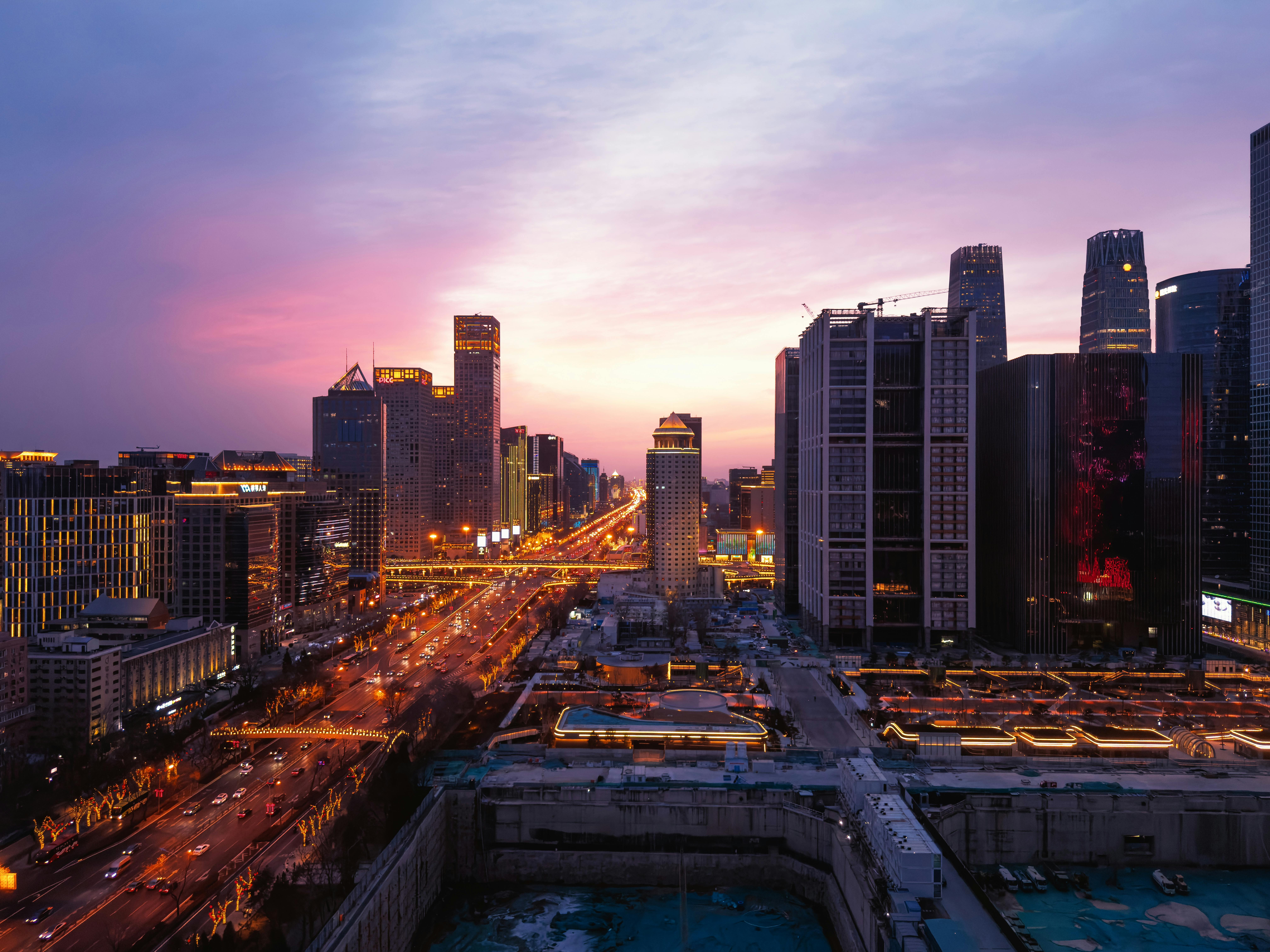

Beijing · China
Overview
Beijing is a city of layers; you can spend your morning in a quiet 700-year-old hutong and your afternoon in a glass-clad skyscraper representing the future of global tech.
Beijing offers a blend of history and modernity that few cities can rival. As the political and cultural heart of China, the city serves as a hub for both traditional arts and the rapid growth of the Chinese tech ecosystem. Nomads here will find themselves living in a city that balances the quiet sanctity of centuries-old temples with the bustling, neon-lit energy of the Central Business District.
Navigating Beijing requires some preparation, particularly regarding internet connectivity and the seasonal weather patterns described in our climate guide. While the cost of living can be managed across various budgets, the real reward lies in the cultural depth and the ability to witness one of the world's fastest-evolving urban centers firsthand.

History
Beijing’s history spans over three millennia, evolving from an ancient settlement into the grand cap…
Beijing’s history spans over three millennia, evolving from an ancient settlement into the grand capital of several Chinese dynasties. It became the capital of the Ming Dynasty in the 15th century, during which the Forbidden City was constructed, setting the architectural tone for the city that persists today.
Following the fall of the Qing Dynasty in 1912, Beijing weathered decades of political turmoil, including civil wars and foreign occupations, before becoming the capital of the People's Republic of China in 1949. Today, it stands as a testament to both its deep imperial roots and its role as a global powerhouse in the 21st century.
1403
Ming Dynasty CapitalEmperor Yongle designated Beijing as the primary capital of the Ming Dynasty, initiating massive construction projects.
1420
Completion of Forbidden CityThe construction of the Forbidden City was completed, serving as the imperial palace for the Ming and Qing dynasties.
1912
Fall of the Qing DynastyThe Xinhai Revolution ended imperial rule in China, bringing significant political changes to the capital.
1949
Founding of the PRCChairman Mao Zedong proclaimed the founding of the People's Republic of China from Tiananmen Square.
2008
Summer OlympicsBeijing hosted the Summer Olympics, showcasing its modernization to the international community.
Where to Stay
Choose your base camp
Distinct neighbourhoods, different rhythms. Pick the one that fits your work-life balance.
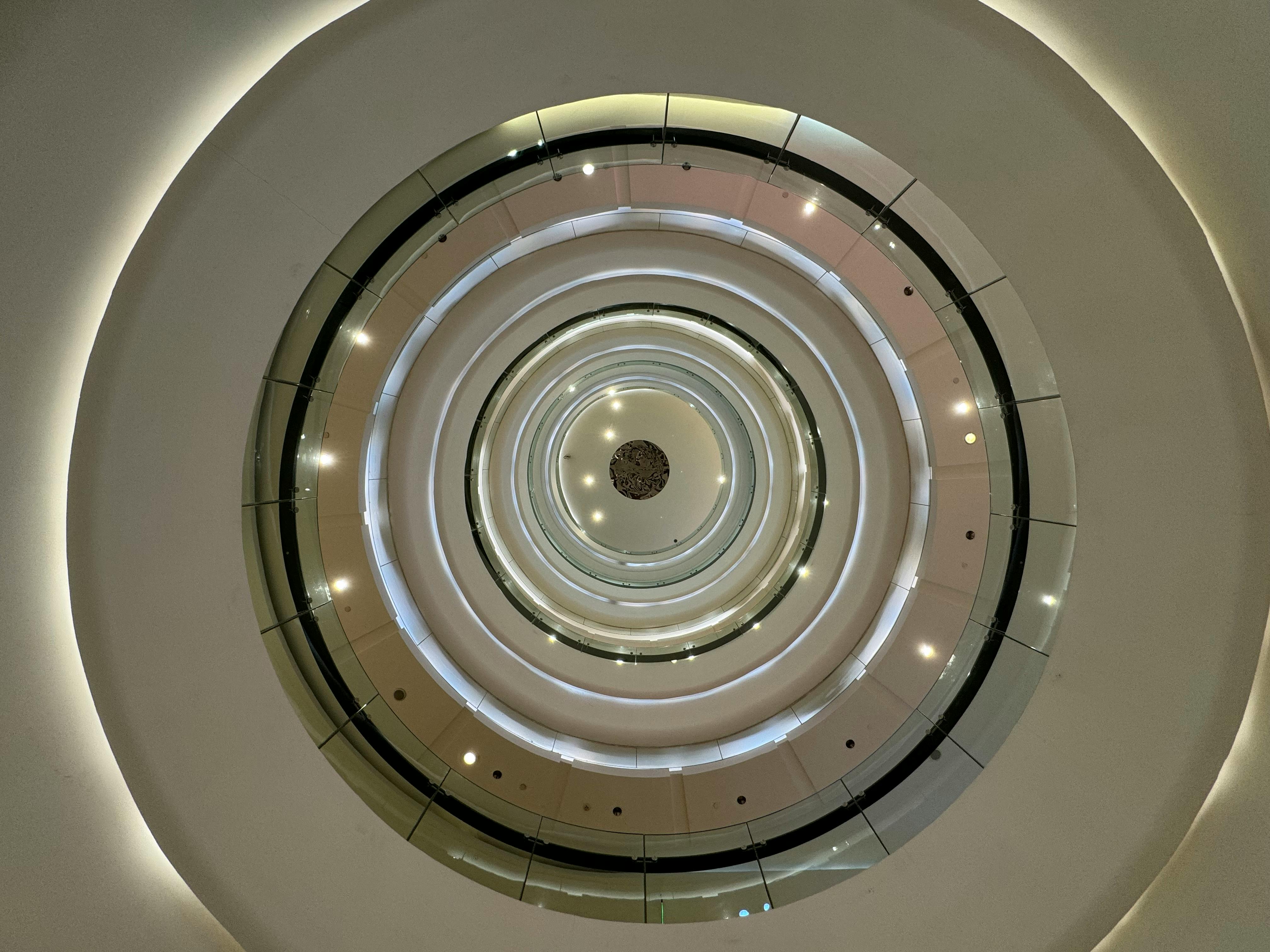
Expat Hub
Sanlitun
Known for its vibrant nightlife, high-end shopping, and variety of international restaurants. Rent is on the higher end but lifestyle convenience is unmatched.
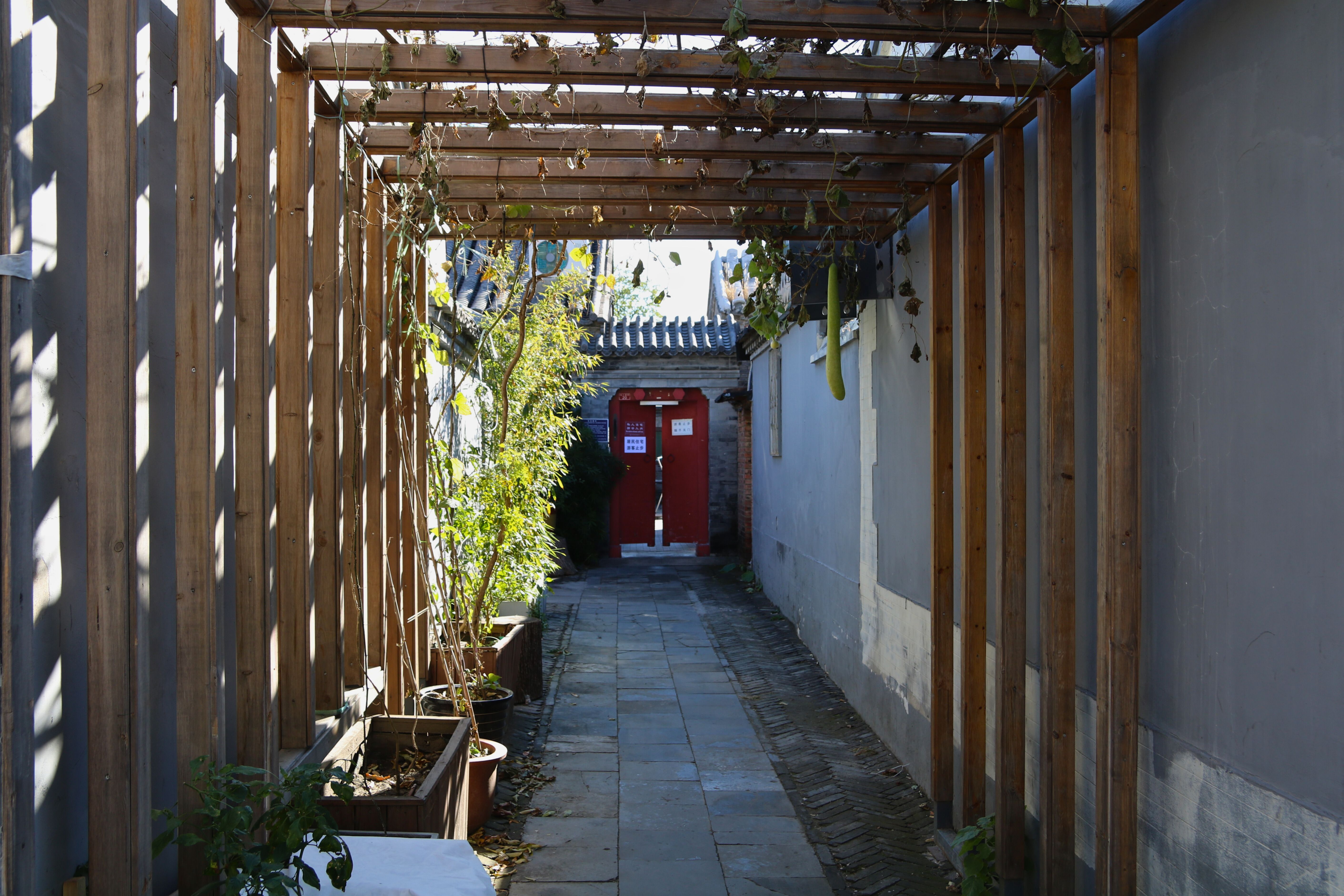
Culture & Heritage
Dongcheng
Centered near the Forbidden City, this area offers access to traditional hutongs. It is a great place to stay for those who prefer history over neon lights.

Business Central
Chaoyang
The hub for multinational corporations and embassies, offering modern high-rise living. It is ideal for nomads who want a mix of business access and luxury.
Places to Go
The experiences that will make you never leave
These aren't tourist checkboxes — they're the experiences that reset your sense of what's normal.
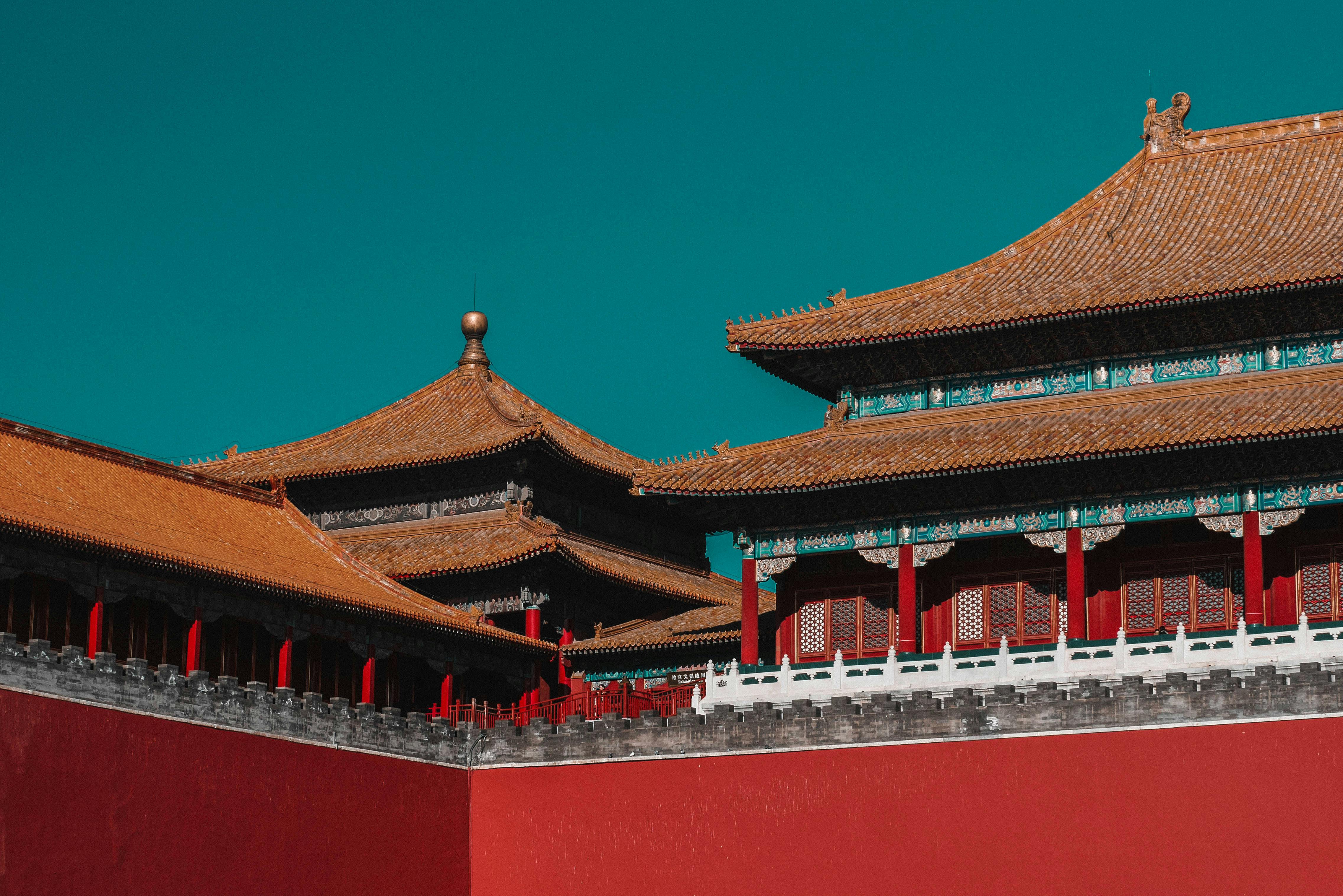
Top Pick
Forbidden City
This massive palace complex served as the home of emperors for centuries. It remains one of the most significant architectural achievements in Chinese history.
Official Tourism
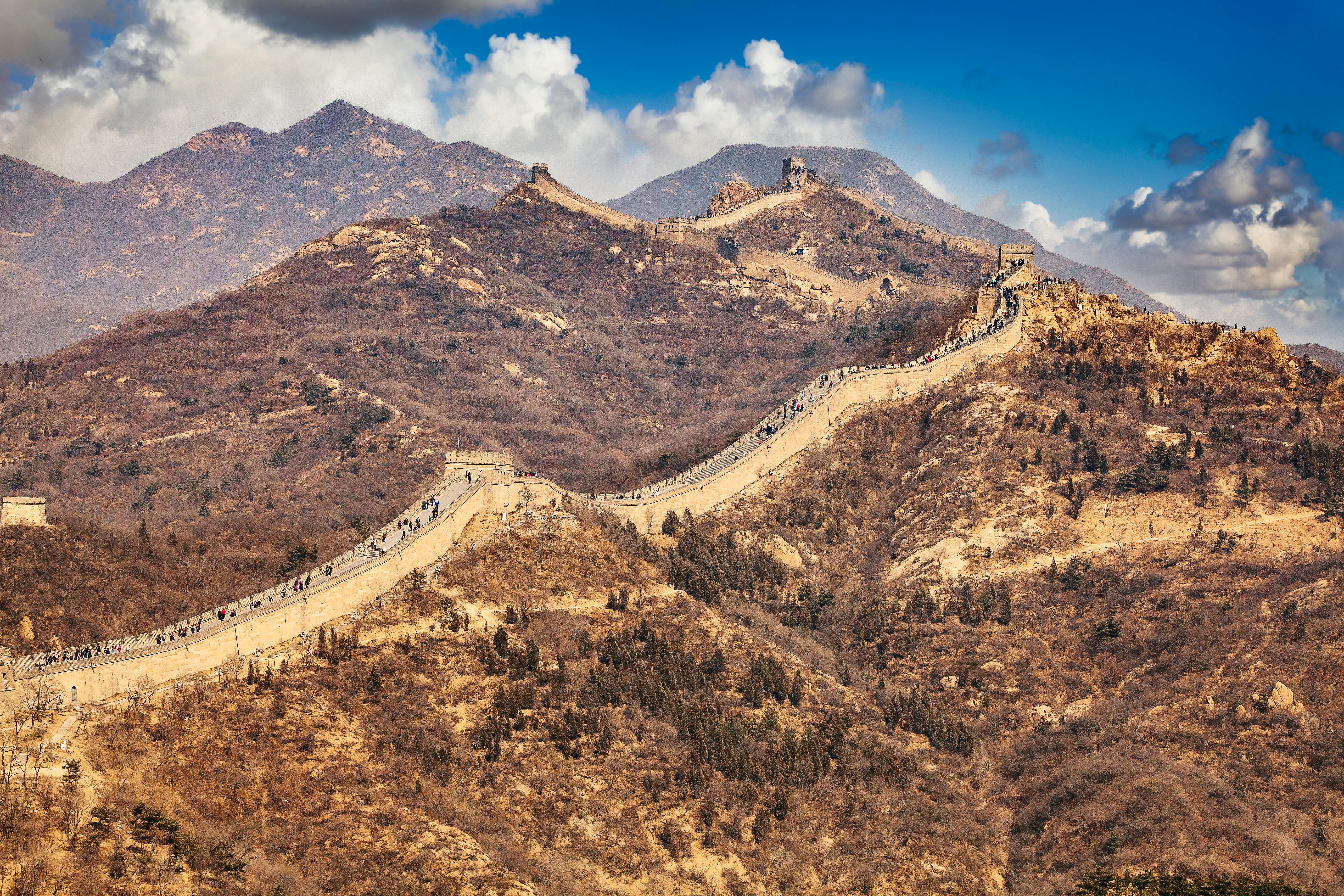
Great Wall (Badaling/Mutianyu)
A trip to Beijing is incomplete without visiting the Great Wall. Both the Badaling and Mutianyu sections offer breathtaking views of the rugged mountain landscape.
Wikipedia
Wangfujing
Known as one of Beijing's most famous shopping streets, Wangfujing is packed with department stores, traditional snacks, and modern boutiques.
Official Tourism
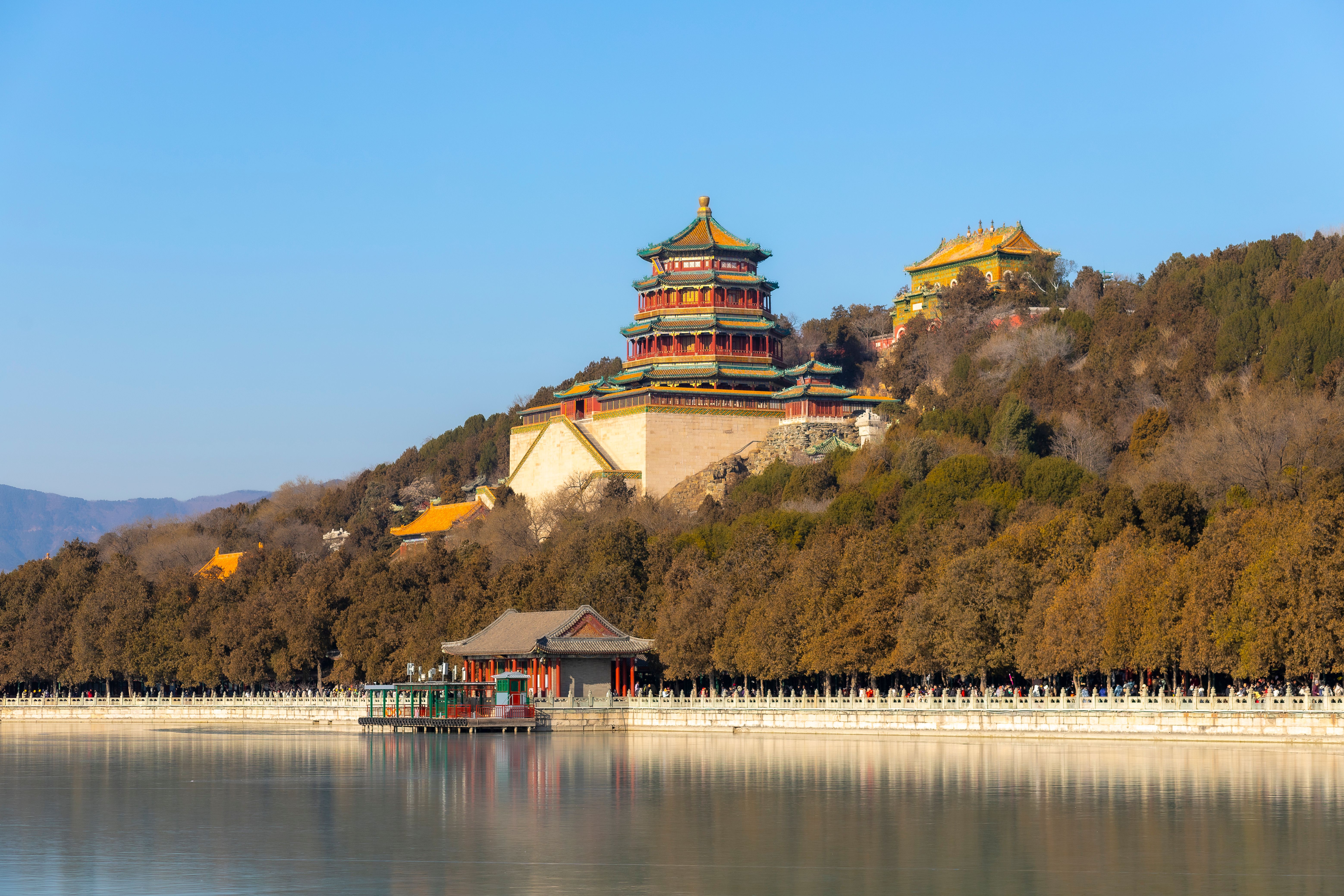
Summer Palace
An imperial garden with a massive lake, the Summer Palace is perfect for a peaceful walk away from the city noise. It is a prime example of Chinese garden landscaping.
Wikipedia
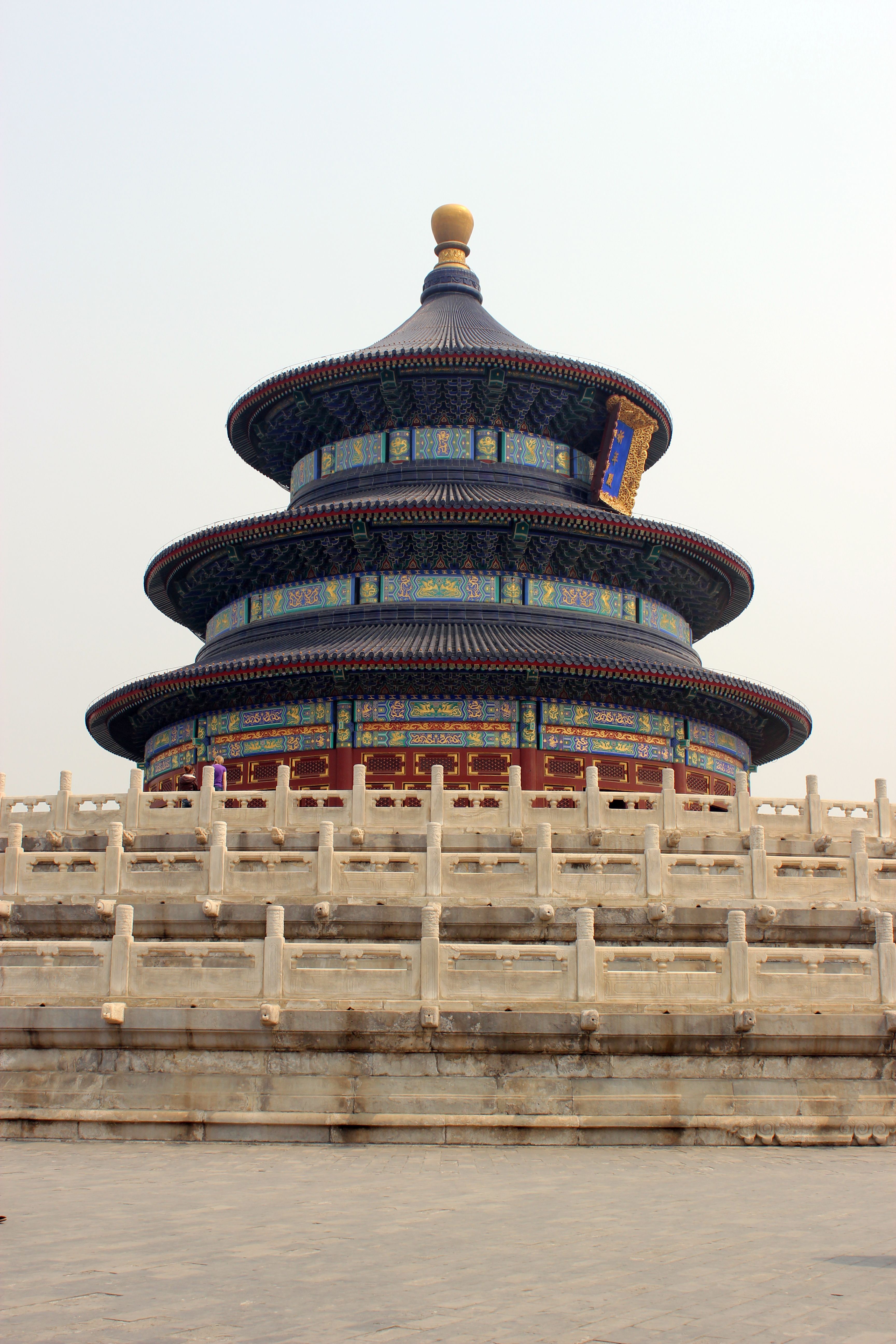
Temple of Heaven
This historic religious site is where emperors would pray for good harvests. The park grounds are often filled with locals practicing tai chi.
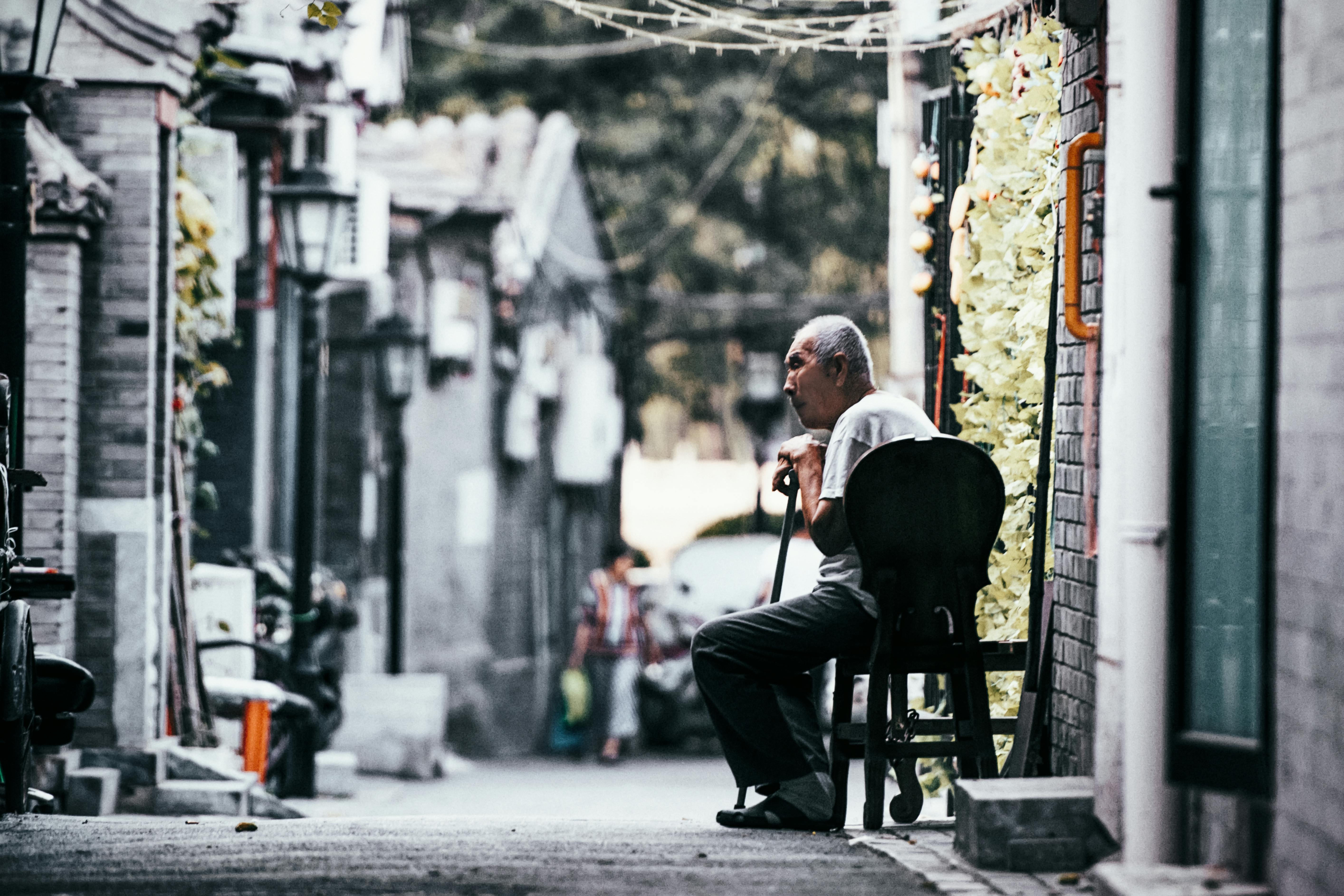
Wikipedia
Hutongs
Hutongs are the traditional alleyways of old Beijing. Exploring them offers a glimpse into the city's community life and ancient residential architecture.
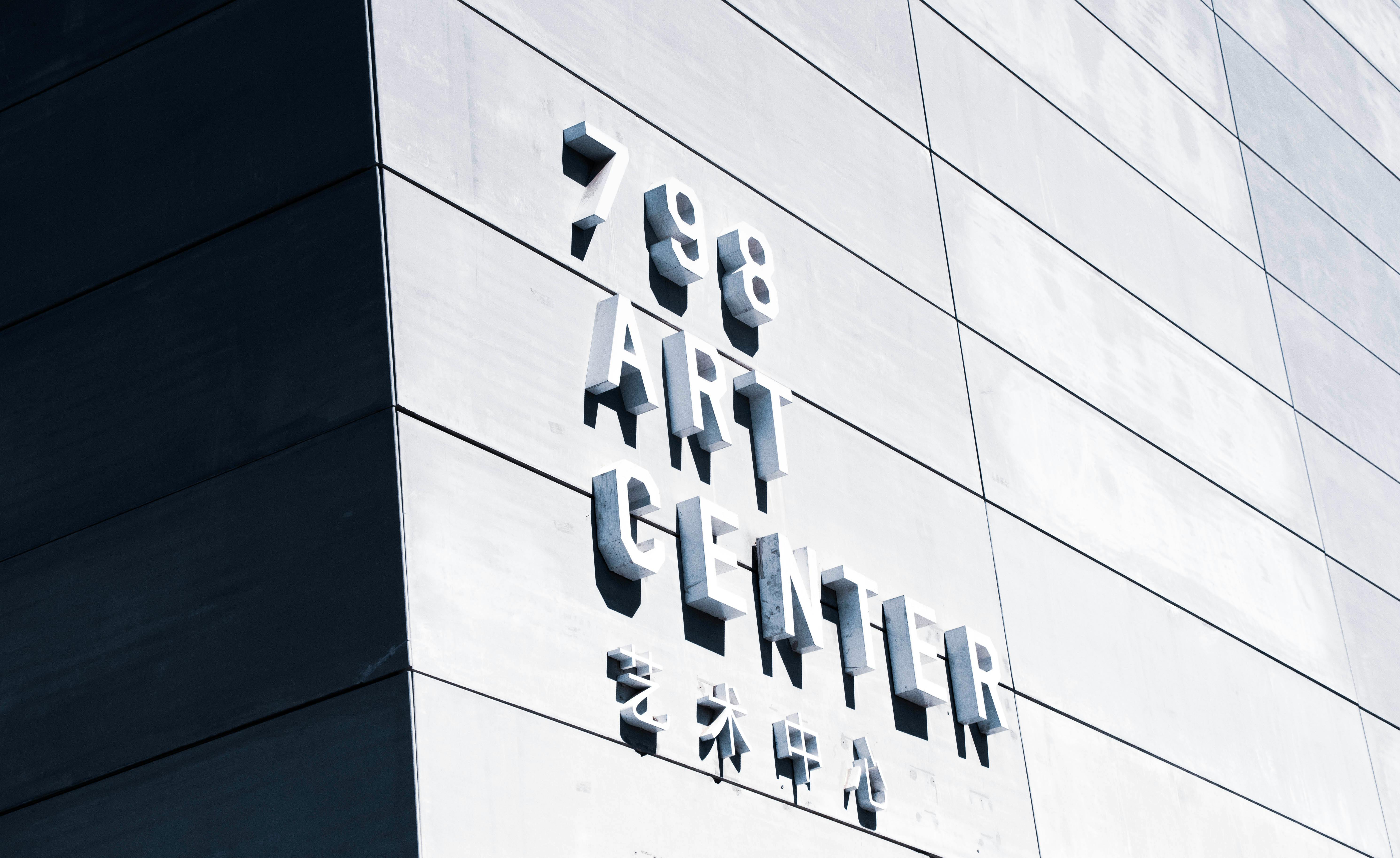
Wikipedia
798 Art District
A former military factory complex now turned into a hub for contemporary art galleries and studios. It is the center of Beijing's modern creative scene.

Wikipedia
Tiananmen Square
A monumental city square known globally for its historical significance and central position in Beijing. It is surrounded by several significant government buildings.
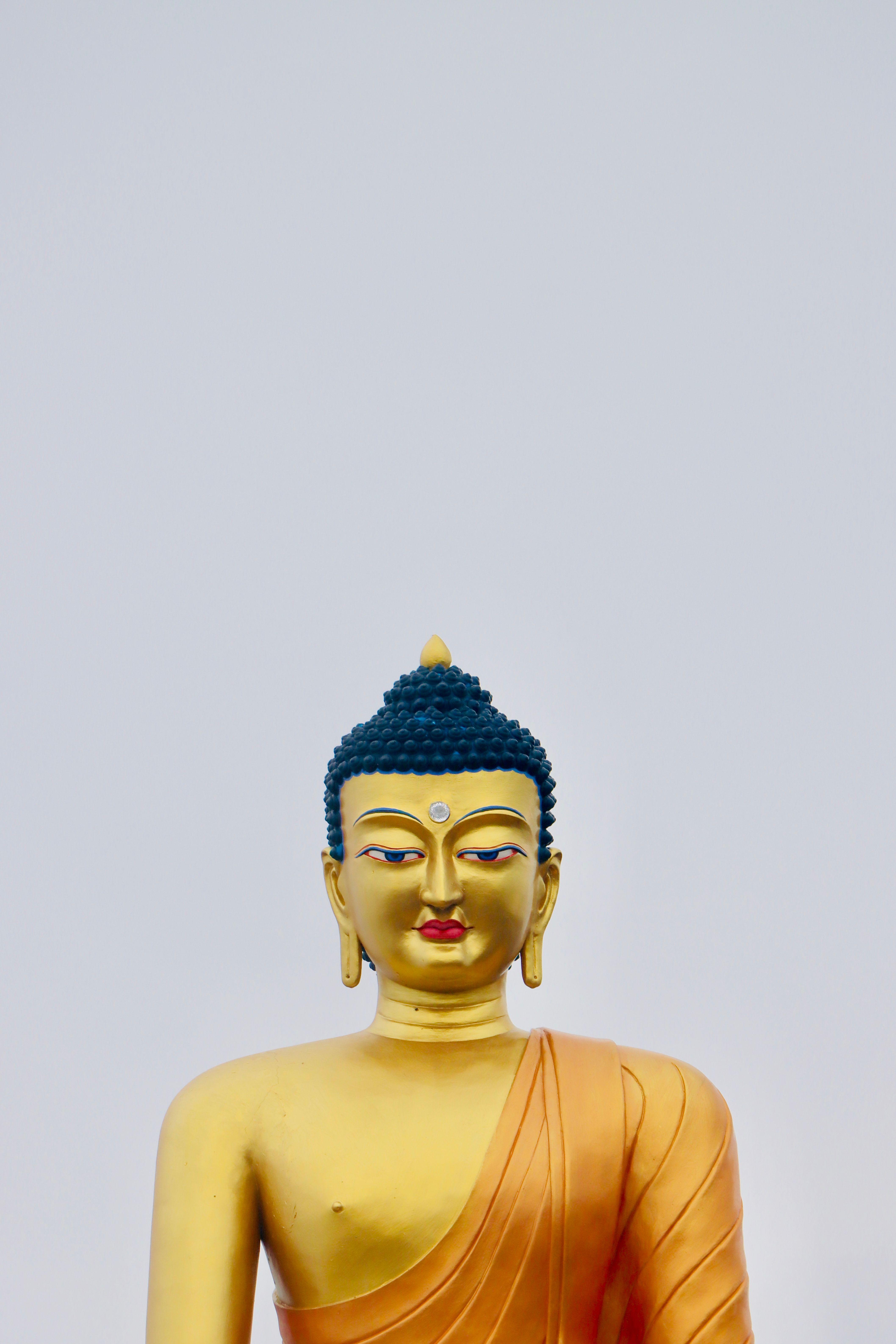
Wikipedia
Lama Temple
The Yonghe Temple is one of the most important Tibetan Buddhist monasteries in the world outside of Tibet. Its stunning architecture and incense-filled air make for a unique atmosphere.

Work & Connectivity
Stay connected wherever you work
The nomad community here is real — cafés and coworking spaces where you can work and meet others.
3W Coffee
A popular spot for tech entrepreneurs and nomads to work, offering a collaborative atmosphere and great coffee.
Working Holiday
A dedicated space with reliable Wi-Fi and ergonomic setups, perfect for remote workers needing deep focus.
Naked Hub
Part of a premium coworking network, this space features modern amenities and a strong international community.
Budget & Costs
What it costs to live in Beijing
Choose your lifestyle tier. Comfortable = furnished accommodation, local + occasional Western food, transport, leisure.
$1278
per month · USD · comfortable lifestyle
ModerateFurnished studio, local restaurants, transport, and weekend trips.
Exchange rates
Check xe.com or your bank for current USD to local currency.
Check xe.com or your bank for current USD to local currency.
🏠 Rent 40%$511/mo
🍽️ Food 23%$292/mo
🚌 Transport 9%$110/mo
💡 Utilities 6%$73/mo
🎭 Leisure 17%$219/mo
🏥 Health 6%$73/mo
Connectivity
Well connected to the world
Internet and transport options for remote workers.
📶
Internet
Good — fibre common
Check local providers.
🏢
Coworking
From ~$80/mo
Dedicated spaces available.
🚌
Local Transit
8 / 10
Yikatong card for metro and bus
PEK
Beijing Capital International Airport
20 km from centre
abudhabiaddisababaalmatyamsterdambakubangkokberlinbusan
Safety & Visa
Safe, welcoming, and easy to enter
Safety Score7 / 10
✗ Tap Water✓ Night Safe📞 110
Visa
Check your entry options
Many nationalities get visa-free or visa-on-arrival. Check official government sources for your citizenship before travel.
Culture & Festivals
Local soul, nomad-friendly
Multiculturalism5/10
Foodie Scene5/10
❄️ Cold Winter🍜 Amazing Food🏛️ Forbidden City👍 Recommended💼 Capital🔄 Four Seasons🛕 Cultural Depth
Jan
Chinese New Year
The most significant cultural event, featuring temple fairs, firecrackers, and family reunions.
Oct
Golden Week
A time when the city is particularly vibrant, though it can be crowded as locals take their national holidays.
For those seeking a slower pace, the suburbs of Beijing offer beautiful mountain resorts and ancient ruins that remain largely untouched by the city rush. Renting a car or taking a regional train allows for great weekend escapes to the nearby Great Wall sections during the quiet autumn months.
Food & Nightlife
A feast for every mood
From street food to cafés and nightlife — every meal is an event.
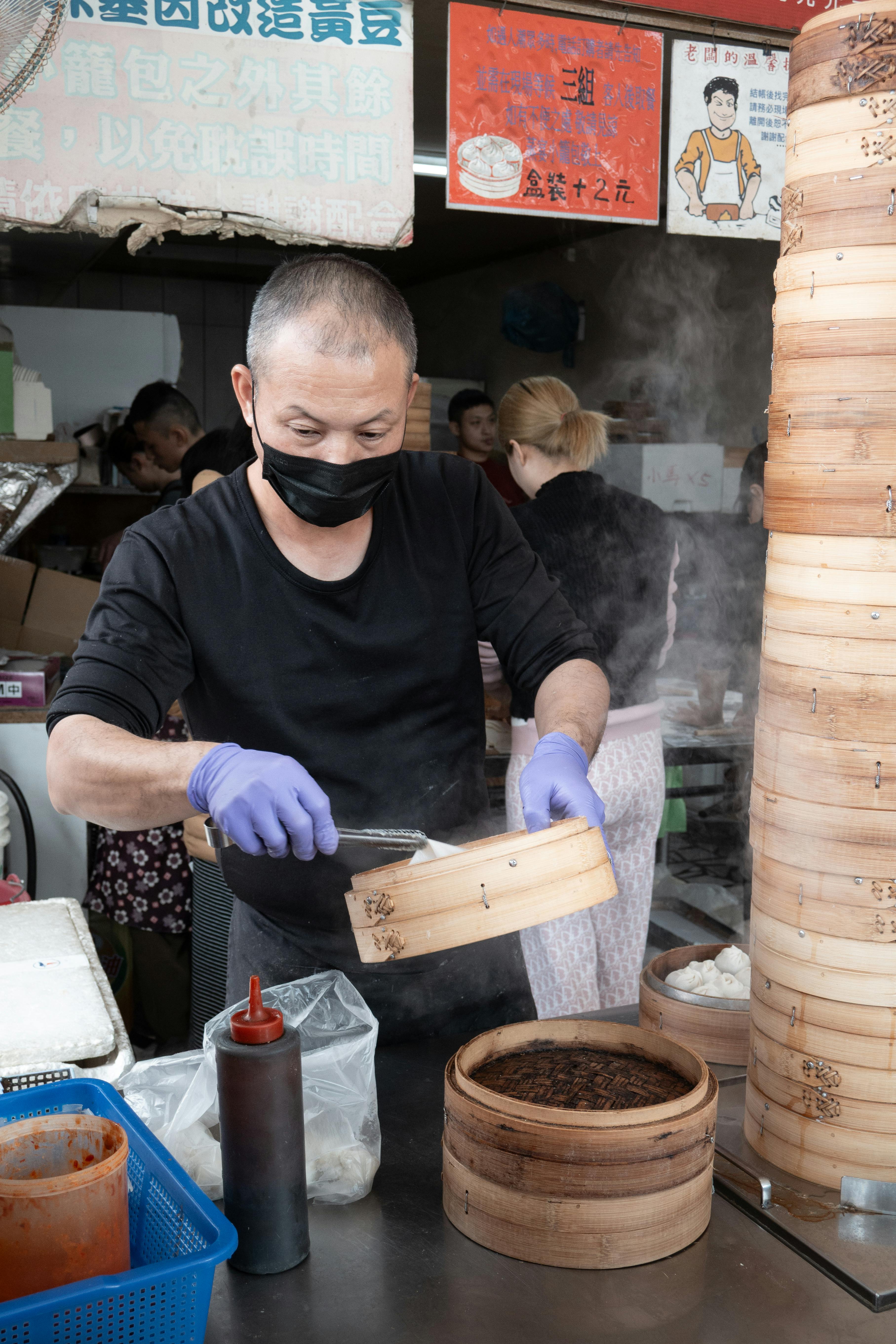
Street Food
Jianbing & Baozi
Grab a hot Jianbing (savory crepe) or steaming Baozi from local morning vendors for a quick, authentic breakfast.

Classic Dining
Peking Duck
You cannot leave Beijing without trying authentic Peking Duck, carved thin and served with crispy skin and thin pancakes.
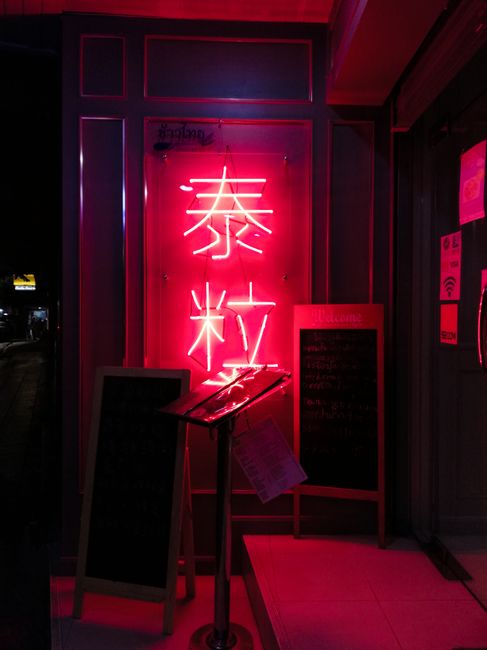
Café Culture
Hutong Cafés
Many tiny, hidden cafés tucked into the quiet hutongs offer high-quality artisanal coffee and a peaceful working environment.
Climate
Best months: May, Jun, Jul, Aug, Sep
Avg humidity55%
Avg AQI110
The best time to visit Beijing is during the shoulder seasons, specifically May, June, and September through October, when the temperatures are mild and the skies are generally clearer. These months avoid the harsh, freezing cold of winter and the sweltering heat of mid-summer.
It is generally advised to avoid December, January, and February, as these months bring bitter temperatures often dipping below -7°C and can see heavy smog accumulation. Planning around the Mid-Autumn Festival in late September or early October can provide a stunning golden-hued backdrop to your visit.
Monthly temperatures °C
BestAvoidShoulder
Practical Info
Everything you need to know
🏥
Healthcare
Beijing has excellent medical facilities, including international clinics that cater to foreigners. Ensure you have comprehensive travel insurance and save the 110 emergency number.
💱
Money
Cash is becoming less common; digital payments like WeChat Pay and Alipay are standard everywhere. Set these up with your bank card before arrival to avoid payment issues.
🌐
Language & Connectivity
Mandarin is the official language. Download translation apps to help bridge communication gaps. Internet censorship is strict, so a high-quality VPN is a mandatory tool for any nomad.
Tips
Quick tips
- Always carry your passport for identity verification.
- Learn basic Mandarin phrases to ease navigation.
- Install Alipay and WeChat Pay immediately.
- Download an offline map like Baidu Maps.
- Check the AQI daily before heading outdoors.
- Dress in layers to adjust for changing indoor/outdoor temperatures.
- Bring a universal power adapter.
Further Reading