
Szeged · Hungary
Overview
Szeged is the hidden gem of the Great Plain, where historic elegance meets the modern digital lifestyle.
Known as the City of Sunshine, Szeged is one of Hungary’s most beautiful urban centers, characterized by its wide boulevards, grand secessionist architecture, and a laid-back, academic atmosphere driven by the prestigious University of Szeged. It is an excellent spot for digital nomads who prefer a walkable environment without the overwhelming pace of a capital city.
Remote workers will find the Cost of living in Szeged exceptionally budget-friendly compared to Western Europe, while the reliable infrastructure makes it easy to stay productive. Whether you are working from a historic cafe or a modern hub, the city provides a high quality of life with plenty of green spaces and a favorable Climate that invites outdoor living throughout the warmer months.
History
Szeged has a rich and resilient history, having been a pivotal settlement since the Middle Ages.
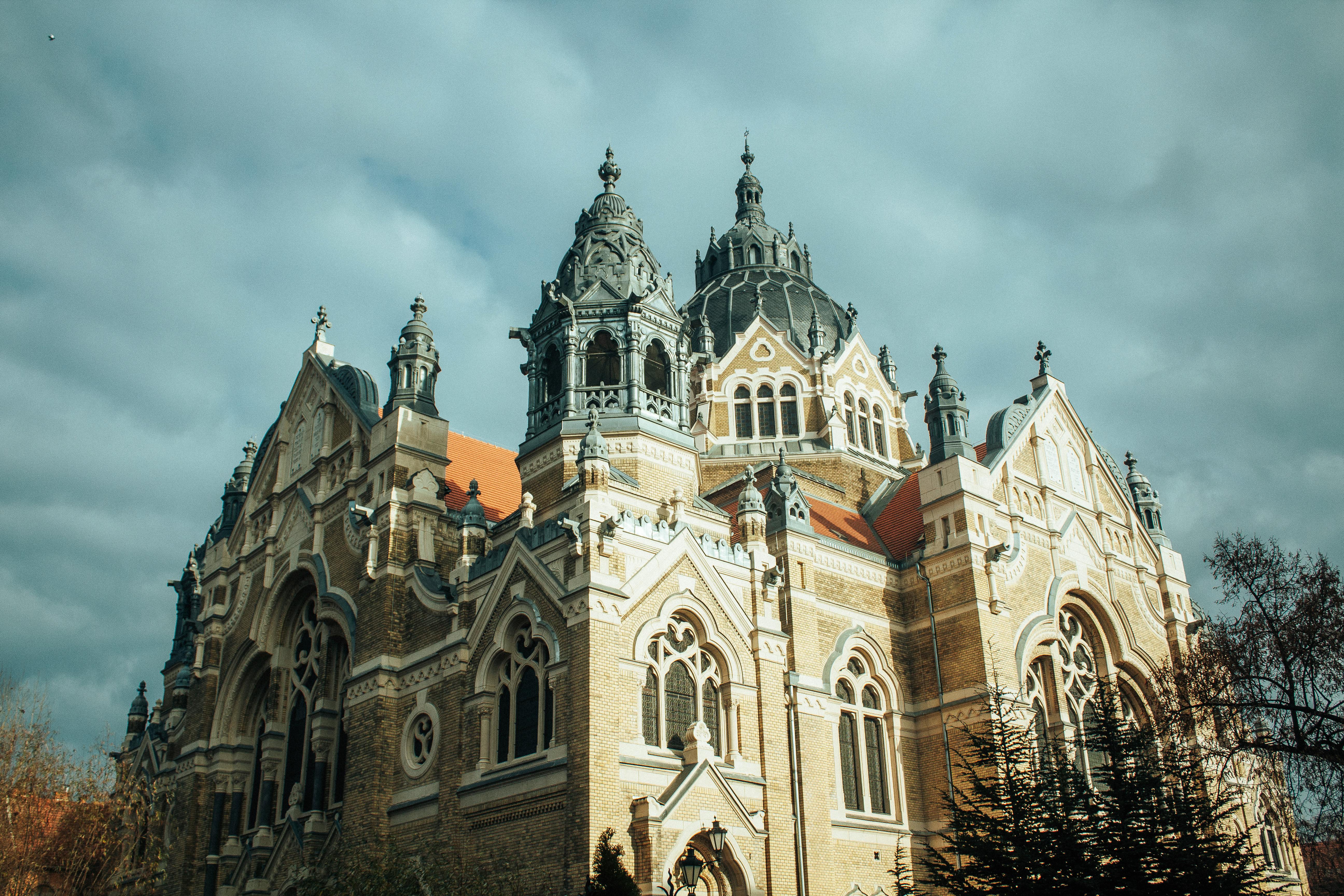
Szeged has a rich and resilient history, having been a pivotal settlement since the Middle Ages. Its location at the confluence of the Tisza and Maros rivers made it a significant center for trade and river navigation, though it also left the city vulnerable to major floods. The most devastating event occurred in 1879, when a massive flood destroyed almost the entire city, leading to its extensive reconstruction in the elegant Neo-Baroque and Secessionist styles seen today.
In the 20th century, the city flourished as a cultural and scientific hub, notably after the University of Kolozsvár was moved here, cementing Szeged's status as a 'City of Scholars.' Today, it stands as a testament to Hungarian architectural evolution, blending its medieval roots with grand 19th-century urban planning and a thriving contemporary academic scene.
1246
Royal CharterKing Béla IV granted Szeged royal city status, establishing its importance in the region.
1543
Ottoman RuleThe city fell under Ottoman occupation for over 140 years, serving as a strategic administrative center.
1879
The Great FloodA disastrous flood destroyed most of the city's houses, which were subsequently rebuilt with a new, modern street layout.
1921
Academic HubThe university moved from Kolozsvár to Szeged, creating the academic foundation for the modern city.
2000s
Modern RevitalizationExtensive renovations of the historic city center and the growth of the tech sector modernized the local economy.
Where to Stay
Choose your base camp
Distinct neighbourhoods, different rhythms. Pick the one that fits your work-life balance.
City Centre
Belváros
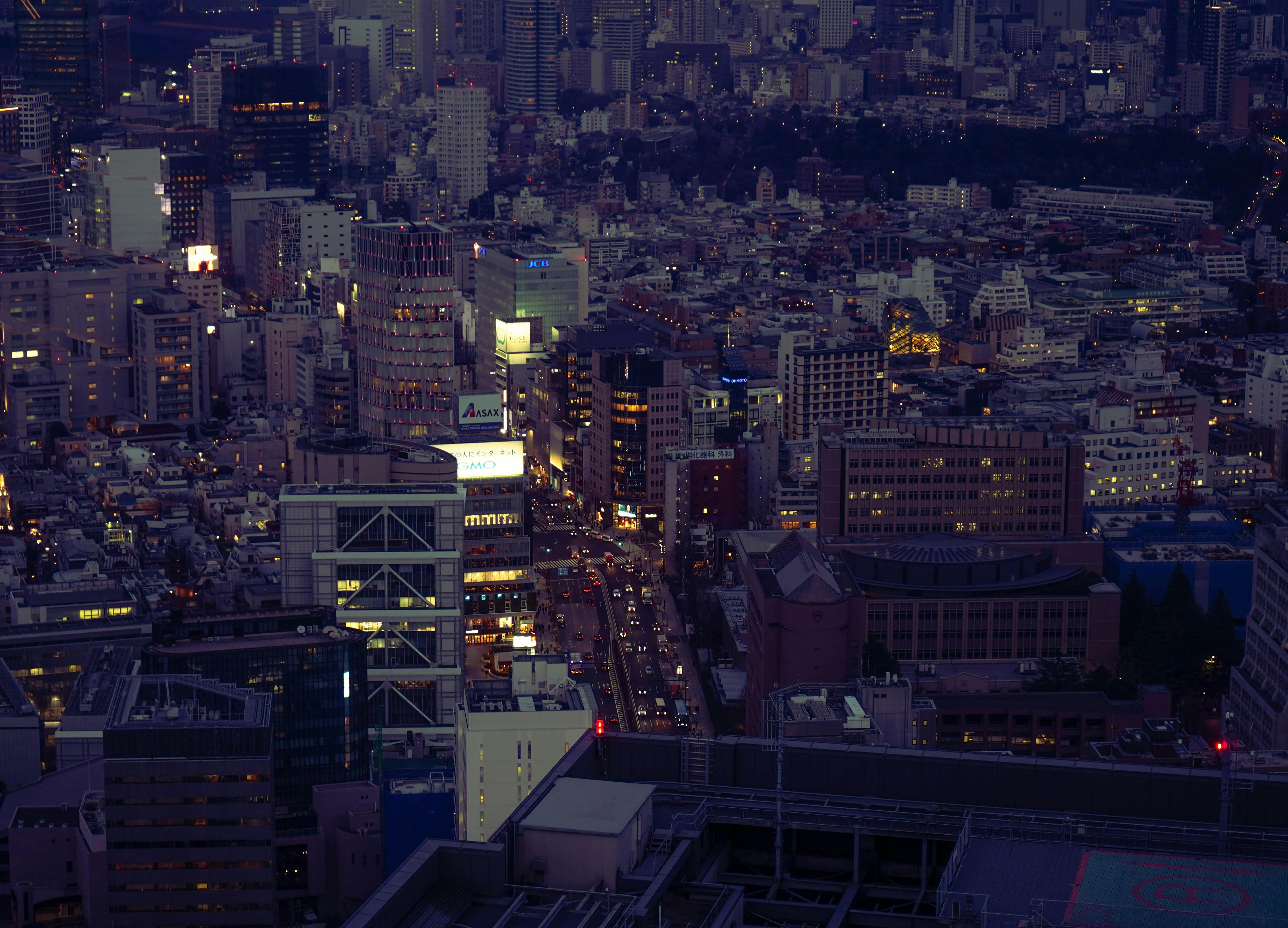
The heart of the city where most historical sites, cafes, and restaurants are located. Expect to pay a premium for short-term apartment rentals here, but the convenience is unmatched.
Residential
Tarján
A more local, quiet residential area perfect for nomads staying for several months. Prices are lower than the center, and it offers excellent local amenities.
Budget Friendly
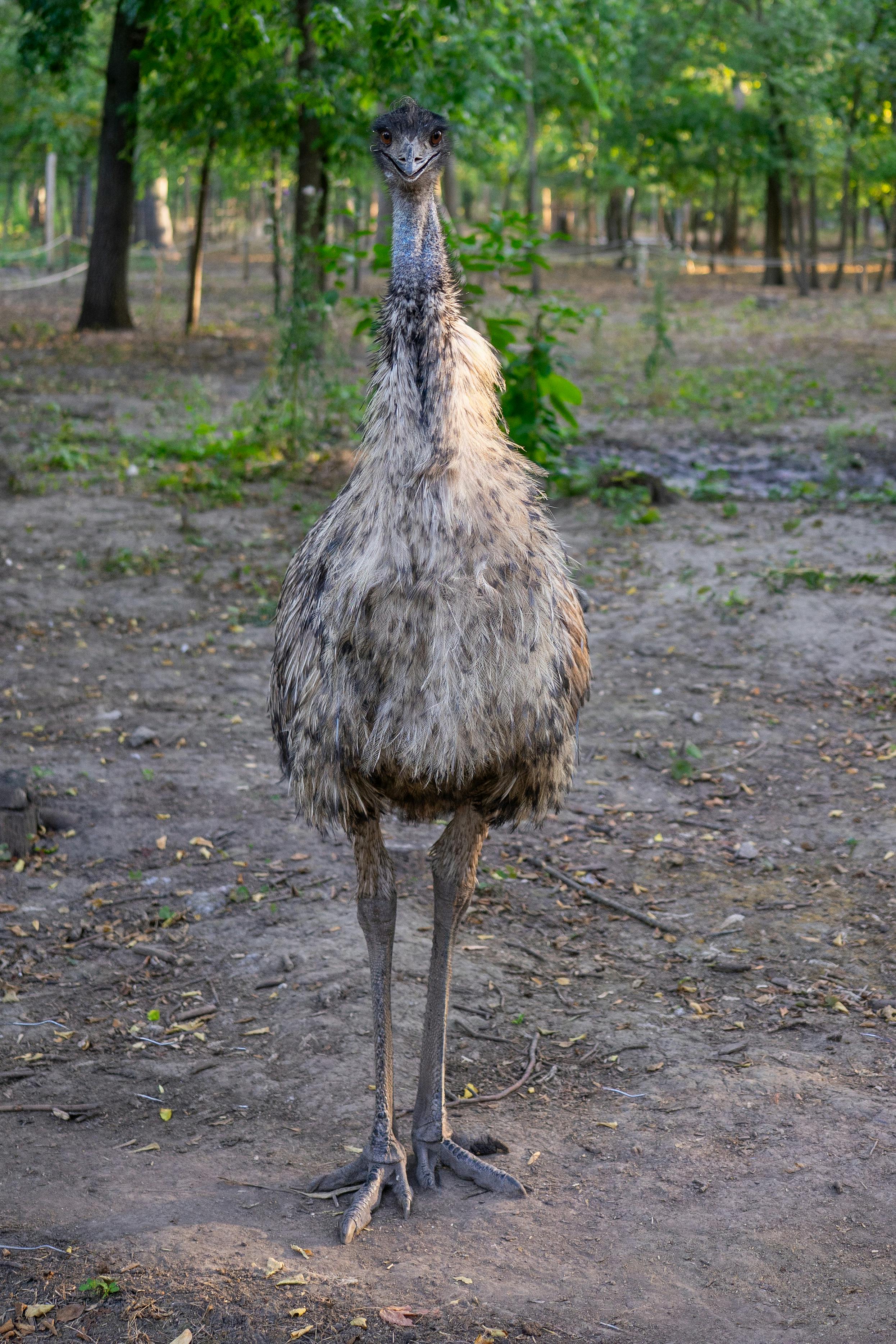
Új-Rókus
Ideal for those on a tight budget who want access to parks and affordable housing. It is well-connected to the university and the city center by tram.
Places to Go
The experiences that will make you never leave
These aren't tourist checkboxes — they're the experiences that reset your sense of what's normal.

Top Pick
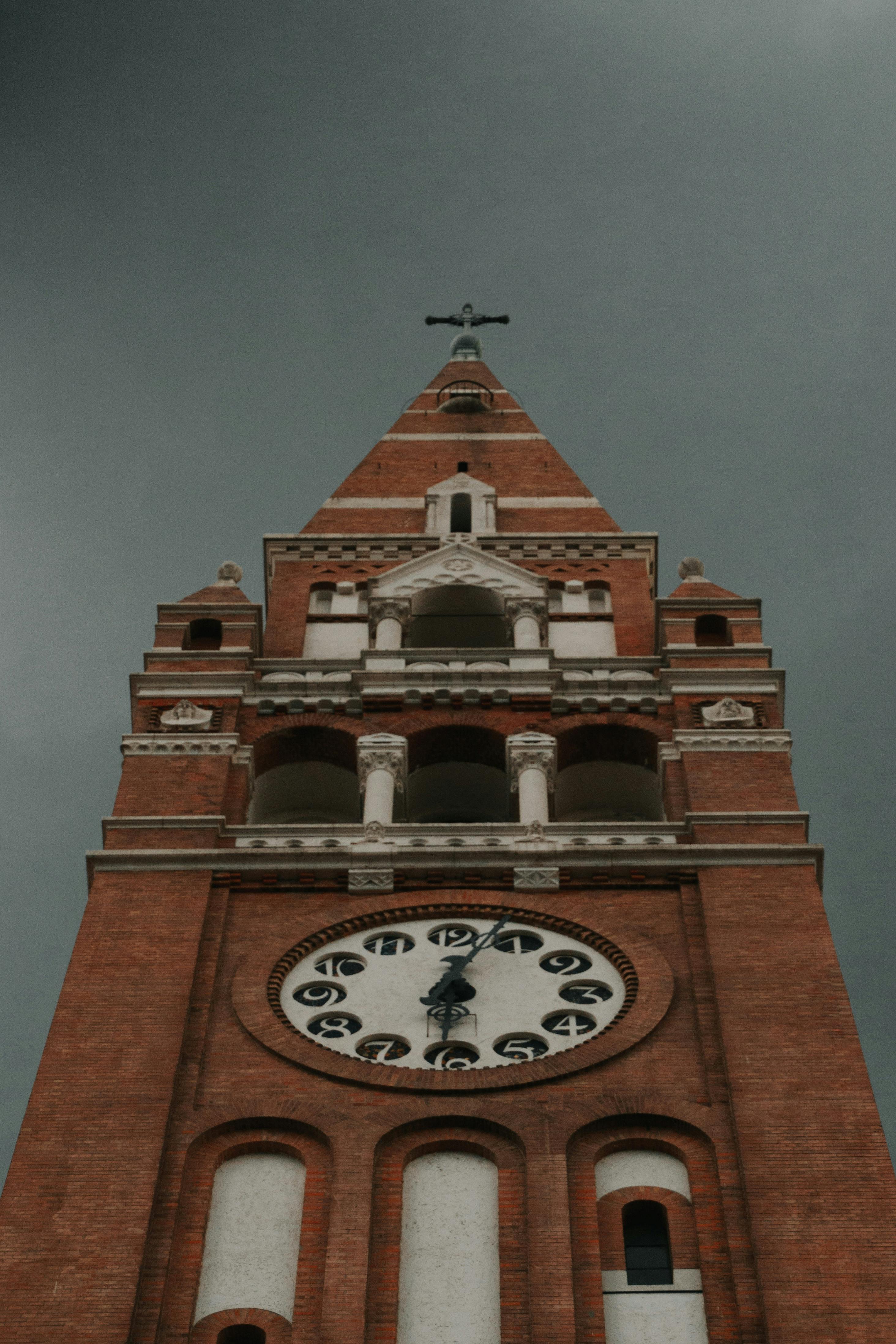
Votive Church of Szeged
This massive, twin-spired cathedral is the symbol of the city and one of the largest in Hungary. It features stunning mosaics and a large organ, offering a quiet escape from the city buzz.
Official Tourism
Dóm Square
Dóm Square is one of the largest public squares in Europe, surrounded by red-brick university buildings. It hosts various festivals, markets, and the famous Szeged Open-Air Festival.
Official Museum Site
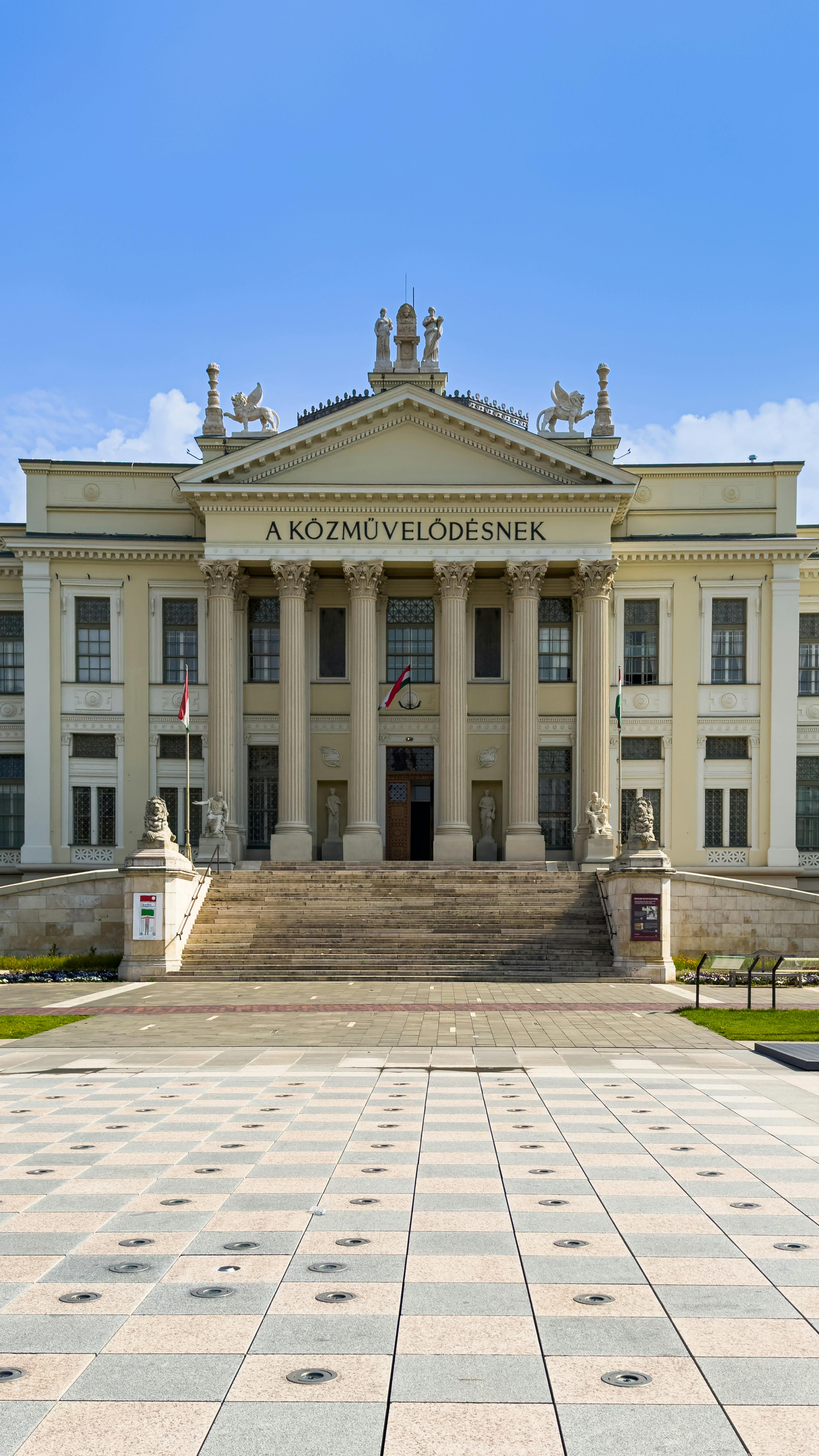
Móra Ferenc Museum
Located in a beautiful historic building, this museum offers deep insights into local history, archaeology, and art. It is a must-visit for anyone interested in the cultural heritage of the Great Plain.

Work & Connectivity
Stay connected wherever you work
The nomad community here is real — cafés and coworking spaces where you can work and meet others.
Brain Bar Szeged
A popular hub for local tech entrepreneurs and remote workers looking for a collaborative environment.
Innovation and Training Centre
A professional space equipped with all the necessary amenities for a productive day of work.
Antique Cafe
A charming local cafe that offers a quiet atmosphere and reliable Wi-Fi, perfect for morning emails.
Budget & Costs
What it costs to live in Szeged
Choose your lifestyle tier. Comfortable = furnished accommodation, local + occasional Western food, transport, leisure.
$1022
per month · USD · comfortable lifestyle
ModerateFurnished studio, local restaurants, transport, and weekend trips.
Exchange rates
Check xe.com or your bank for current USD to local currency.
Check xe.com or your bank for current USD to local currency.
🏠 Rent 46%$475/mo
🍽️ Food 25%$256/mo
🚌 Transport 5%$55/mo
💡 Utilities 9%$91/mo
🎭 Leisure 11%$110/mo
🏥 Health 4%$37/mo
Connectivity
Well connected to the world
Internet and transport options for remote workers.
📶
Internet
Good — fibre common
Check local providers.
🏢
Coworking
From ~$80/mo
Dedicated spaces available.
🚌
Local Transit
5 / 10
Scooter and taxi common.
20 km from centre
Safety & Visa
Safe, welcoming, and easy to enter
Safety Score6 / 10
✗ Tap Water✓ Night Safe📞 112 or local emergency number
Visa
Check your entry options
Many nationalities get visa-free or visa-on-arrival. Check official government sources for your citizenship before travel.
Culture & Festivals
Local soul, nomad-friendly
Multiculturalism5/10
Foodie Scene5/10
Remote work
Jul
Szeged Open-Air Festival
One of the most significant cultural events in Hungary, held in the stunning Dóm Square.
Sep
International Fish Soup Festival
A massive celebration featuring local cooking competitions and cultural music along the river.
Szeged is famous for its paprika production, so make sure to try local dishes seasoned with the 'red gold' of Hungary.
Food & Nightlife
A feast for every mood
From street food to cafés and nightlife — every meal is an event.

Hungarian Cuisine
Traditional Goulash Houses
Sample the authentic local version of goulash and fish soup in one of the many traditional taverns downtown.
Café Culture
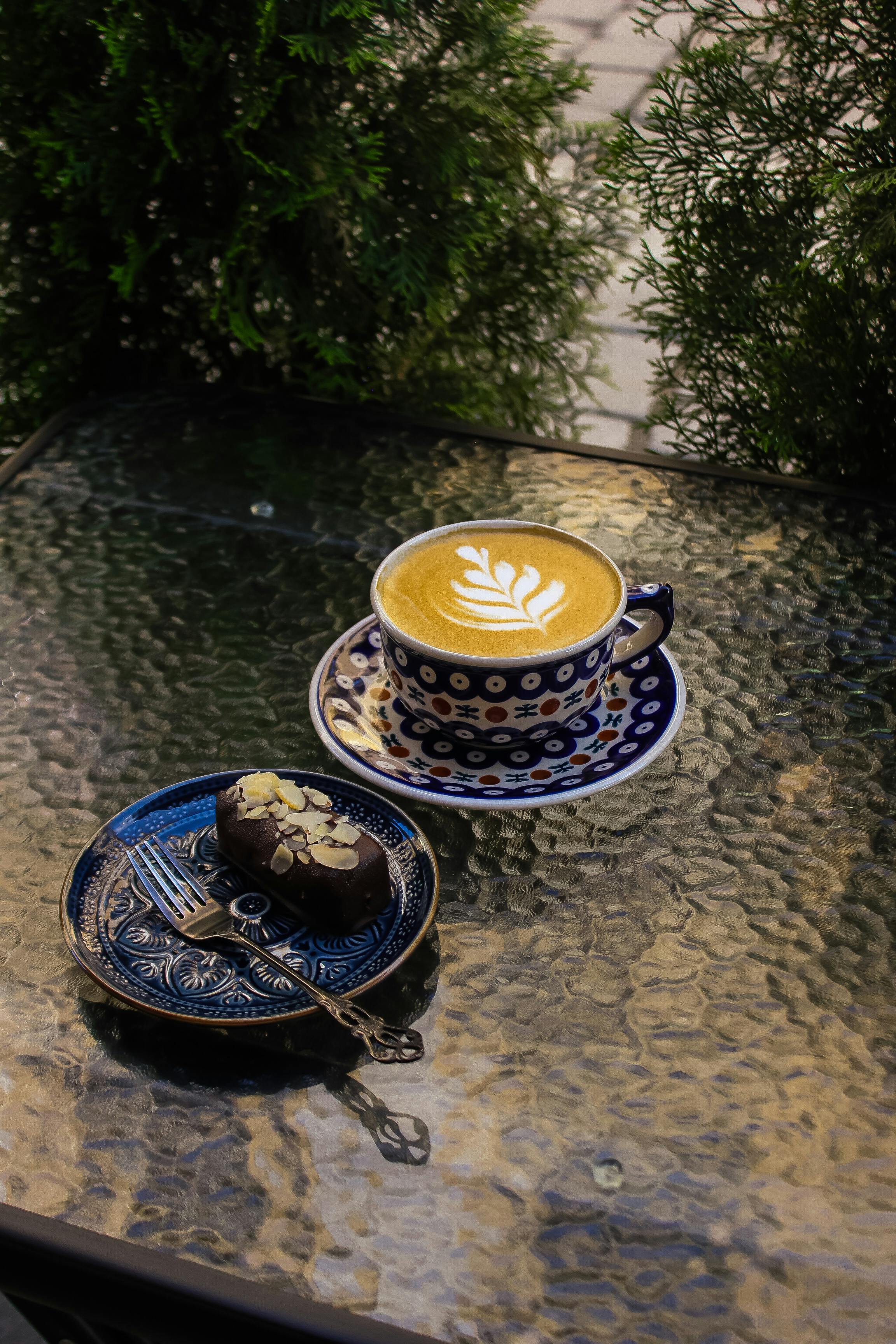
City Centre Coffee Shops
Szeged has a vibrant coffee scene where students and locals gather. The city center is packed with unique spots for remote working.
Climate
Best months: May, Jun, Jul, Aug, Sep
Avg humidity70%
Avg AQI50
The best time to visit Szeged is from May through September when the weather is warm and perfect for walking along the Tisza River. During these months, the city comes alive with outdoor festivals and vibrant street activity. July and August are particularly sunny, making them ideal for exploring the surrounding parks and outdoor baths.
January is generally the least desirable time for a visit, as the winter temperatures can be quite harsh and many outdoor attractions remain closed or limited. If you prefer cooler, crisp weather with fewer crowds, late spring or early autumn provide the perfect balance for settling in as a remote worker.
Monthly temperatures °C
BestAvoidShoulder
Practical Info
Everything you need to know
🏥
Healthcare
Szeged has excellent medical facilities, including a prominent university clinic. Ensure you have travel insurance to cover any private care needs.
💱
Money
The local currency is the Hungarian Forint (HUF). Cards are widely accepted in the city center, but it's good to keep some cash for small markets.
🌐
Language & Etiquette
Hungarian is the official language. While younger locals often speak English, learning a few basic phrases will be greatly appreciated in daily life.
Tips
Quick tips
- Always validate your tram ticket immediately upon boarding.
- Walk the banks of the Tisza River for the best views.
- Carry a reusable water bottle, though note that tap water quality is standard.
- Join local Facebook groups to find housing leads or event updates.
- Visit the local markets for fresh, affordable produce.
- Learn basic Hungarian greetings to connect with locals.
- Explore the university district for budget-friendly student lunch deals.
Further Reading