Petra · Jordan
Overview
Petra is not just a destination; it is a profound step back in time that forces you to slow down and appreciate the sheer scale of human ingenuity.
Living near one of the New Seven Wonders of the World is a surreal experience that defines the nomad lifestyle in Jordan. Wadi Musa serves as the gateway to Petra, offering a small-town vibe where Bedouin hospitality meets the needs of international travelers. While it is not a traditional tech hub, the quiet atmosphere is perfect for those who want to disconnect from urban noise and focus on deep work between desert adventures.
Nomads here should be prepared for a slower pace of life where the focus shifts toward cultural immersion. Make sure to check the Cost of living before arrival, as tourist-focused pricing can vary, and keep an eye on the Climate to ensure you have the right gear for the desert sun or cooler winter evenings.
History
Petra was established as early as the 4th century BC as the capital of the Nabataean Kingdom, a civi…
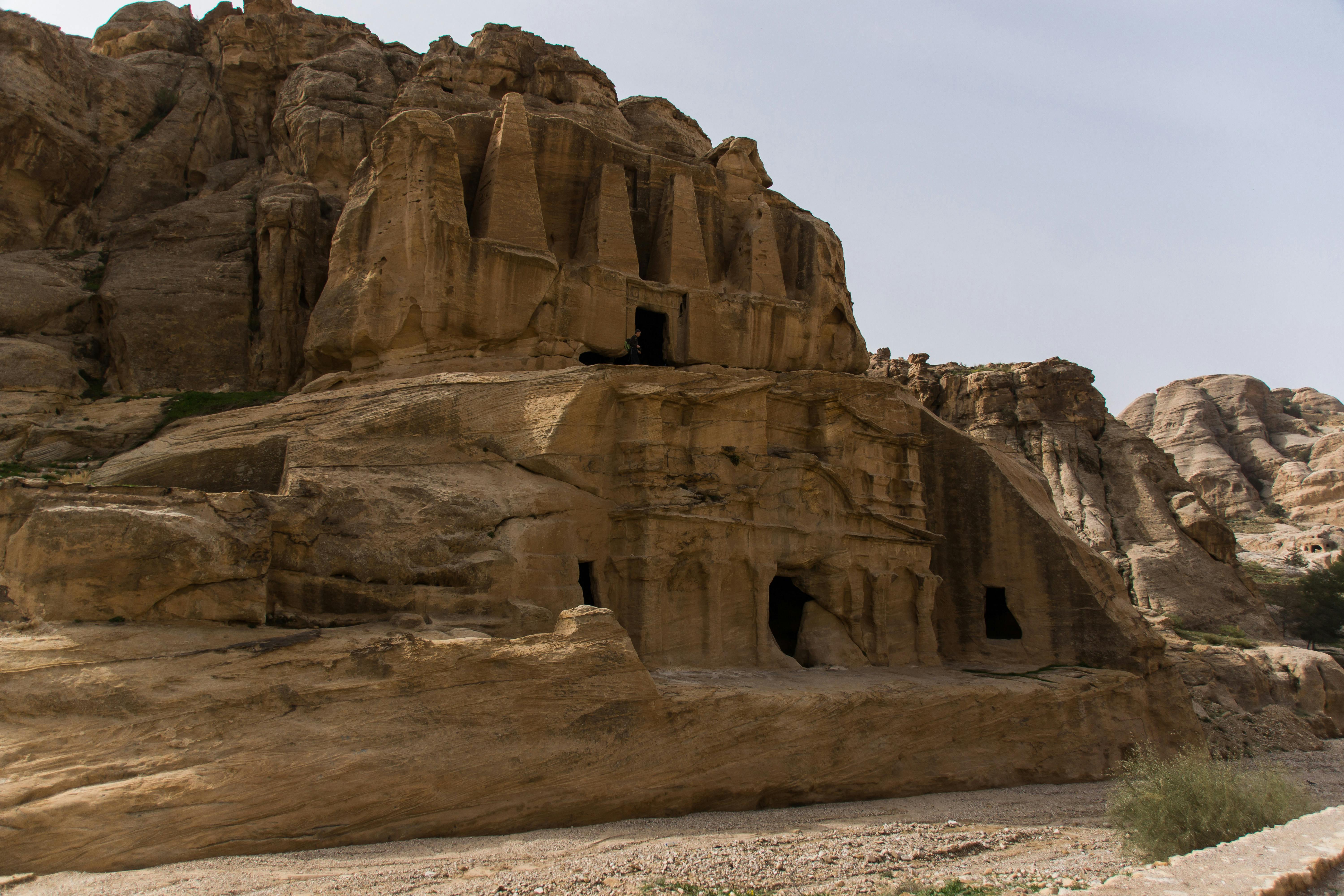
Petra was established as early as the 4th century BC as the capital of the Nabataean Kingdom, a civilization known for its mastery of water management and its strategic position on ancient trade routes. The city flourished as a hub for spice and silk trading, connecting the Arabian Peninsula with the Mediterranean world.
Following the Roman annexation in 106 AD, Petra began a slow decline as sea-based trade routes became more popular and earthquakes devastated its infrastructure. By the medieval period, the city was largely abandoned and known only to local Bedouin tribes until the Swiss explorer Johann Ludwig Burckhardt revealed its existence to the Western world in 1812.
4th Century BC
Nabataean RisePetra is established as the capital city of the Nabataean Kingdom.
106 AD
Roman AnnexationThe Roman Empire annexes the Nabataean Kingdom, incorporating Petra into the province of Arabia Petraea.
363 AD
Devastating EarthquakeA powerful earthquake destroys a large portion of the city's infrastructure and water systems.
1812
Western RediscoverySwiss explorer Johann Ludwig Burckhardt disguises himself to enter Petra and reveal its existence to the outside world.
1985
UNESCO StatusPetra is designated as a UNESCO World Heritage Site due to its immense cultural and archaeological significance.
Where to Stay
Choose your base camp
Distinct neighbourhoods, different rhythms. Pick the one that fits your work-life balance.
Convenience Hub
Wadi Musa Center
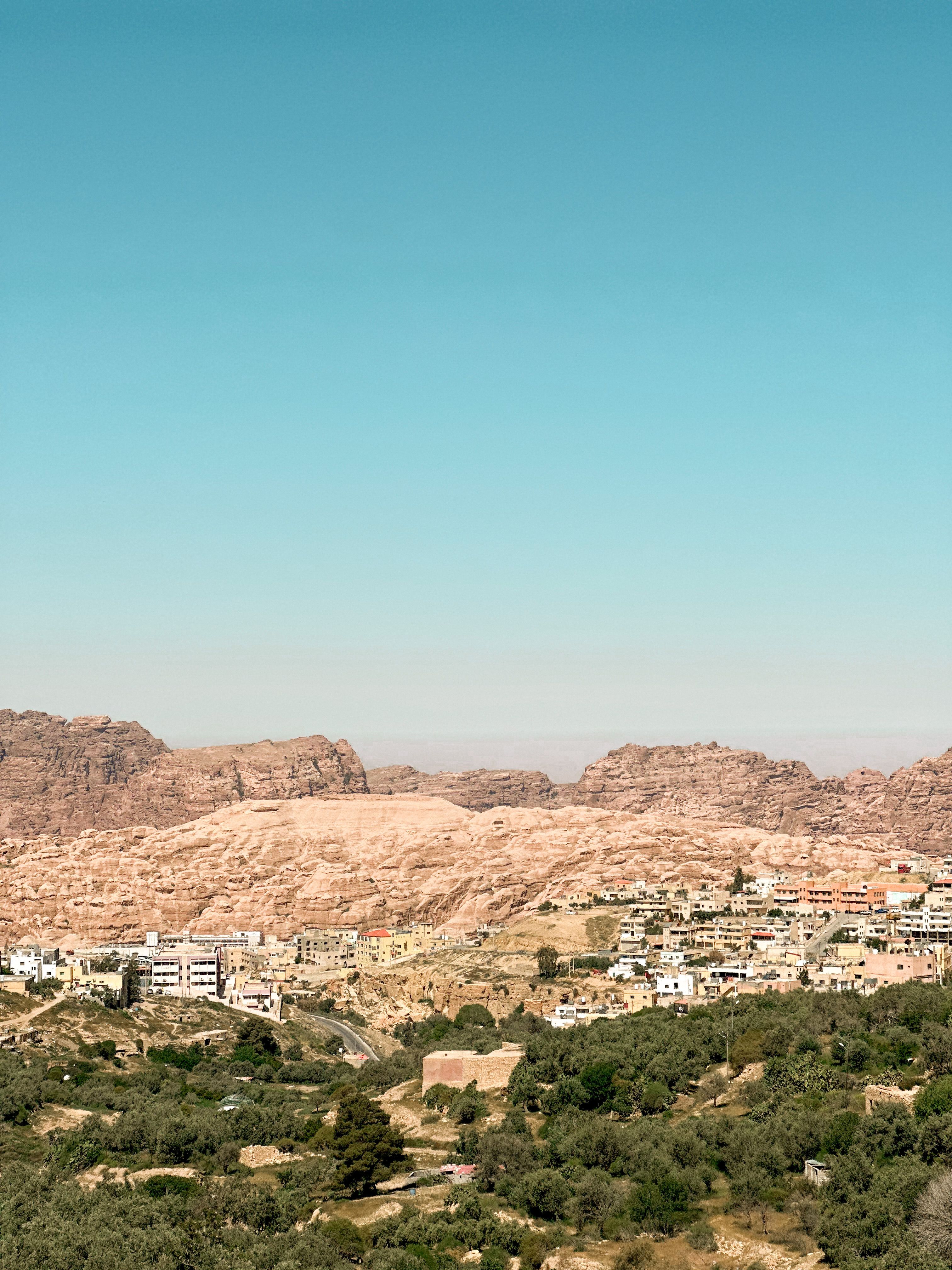
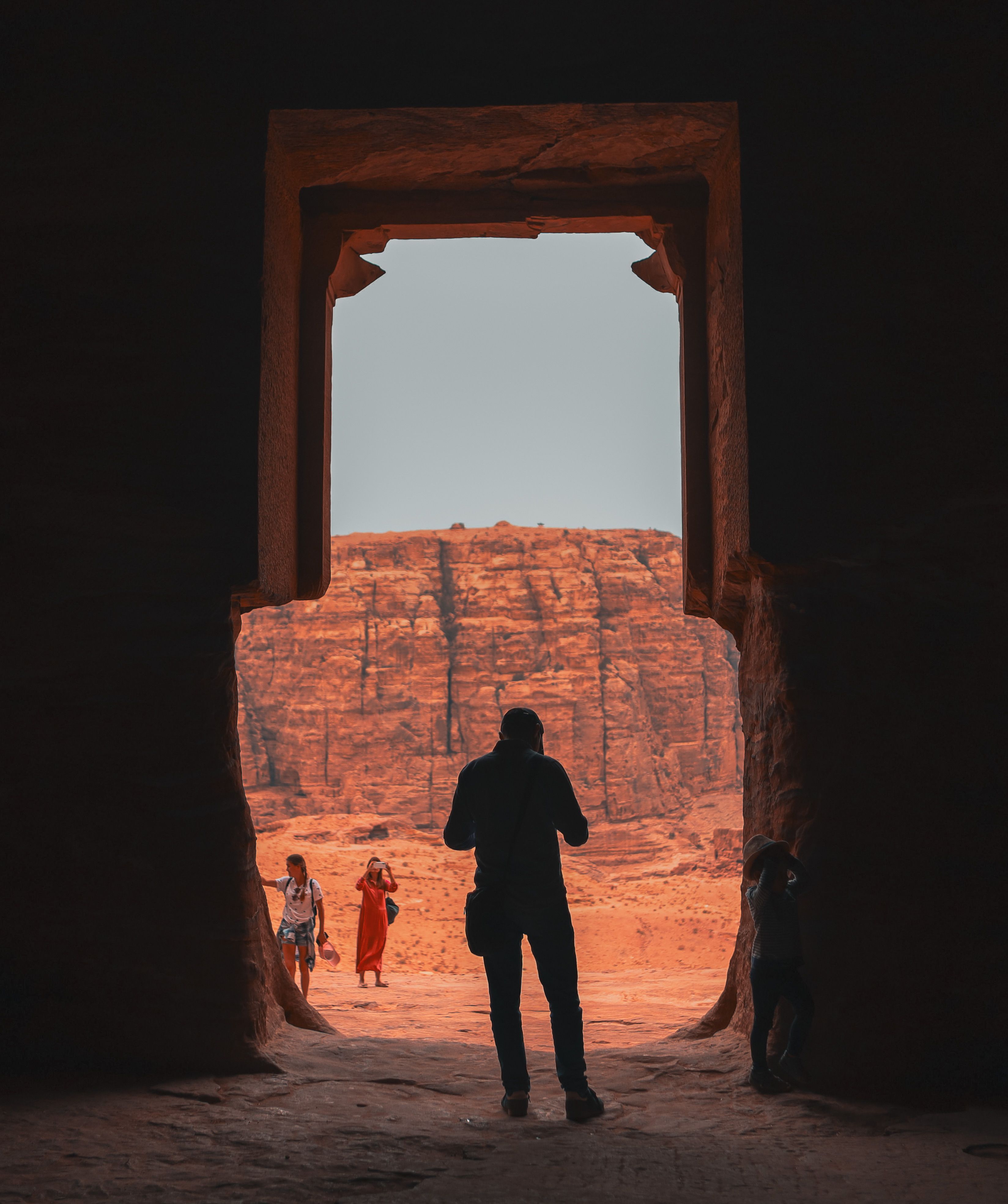
The heart of the town, offering the easiest access to grocery stores, restaurants, and the main bus station. It is the most practical location for nomads who want everything within walking distance.
Proximity to Ruins
Visitor Center Vicinity
Staying near the park entrance minimizes your commute to the archaeological site. This area is perfect for those who want to be the first in line for the ruins in the morning.
Places to Go
The experiences that will make you never leave
These aren't tourist checkboxes — they're the experiences that reset your sense of what's normal.
Top Pick
The Treasury (Al-Khazneh)
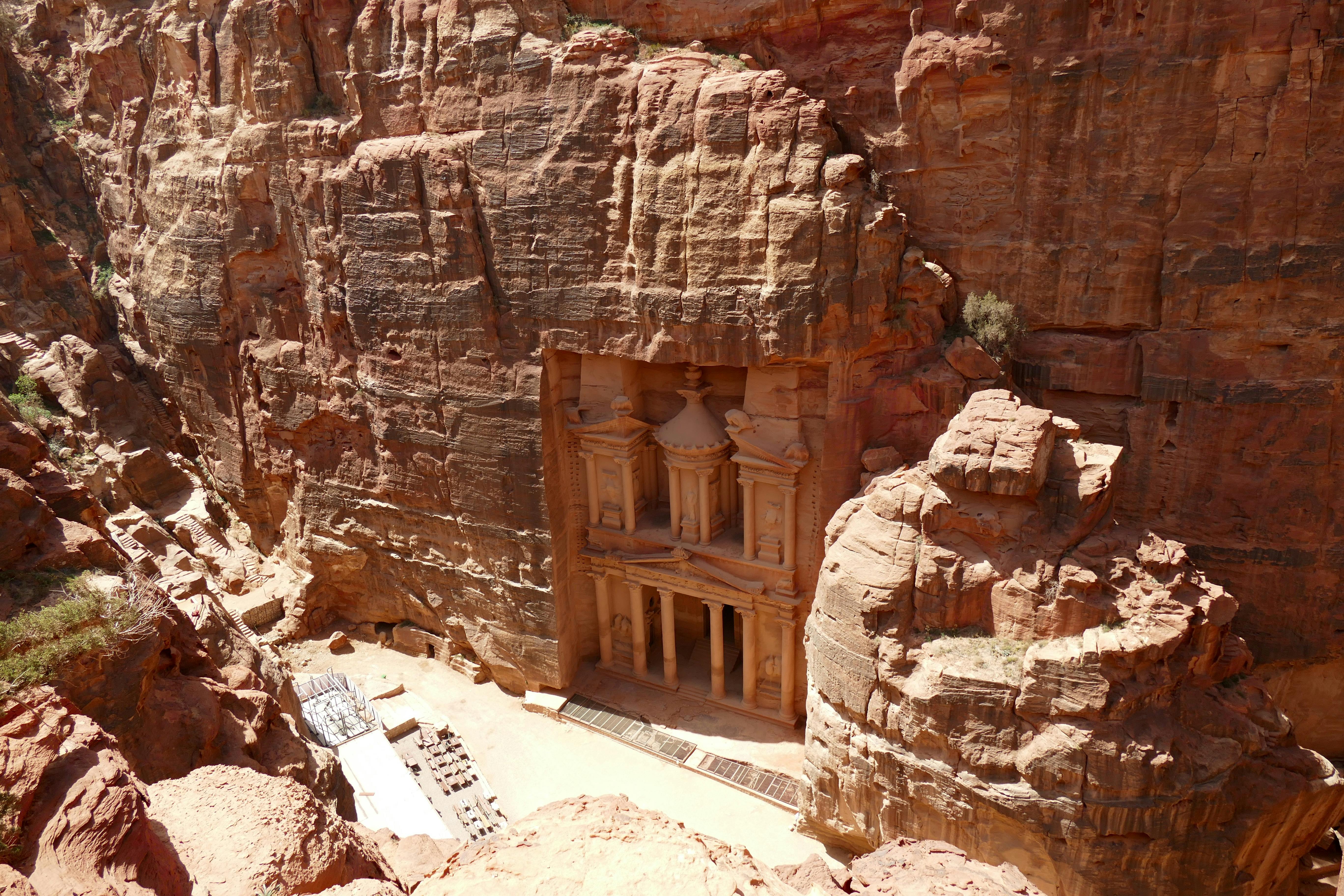
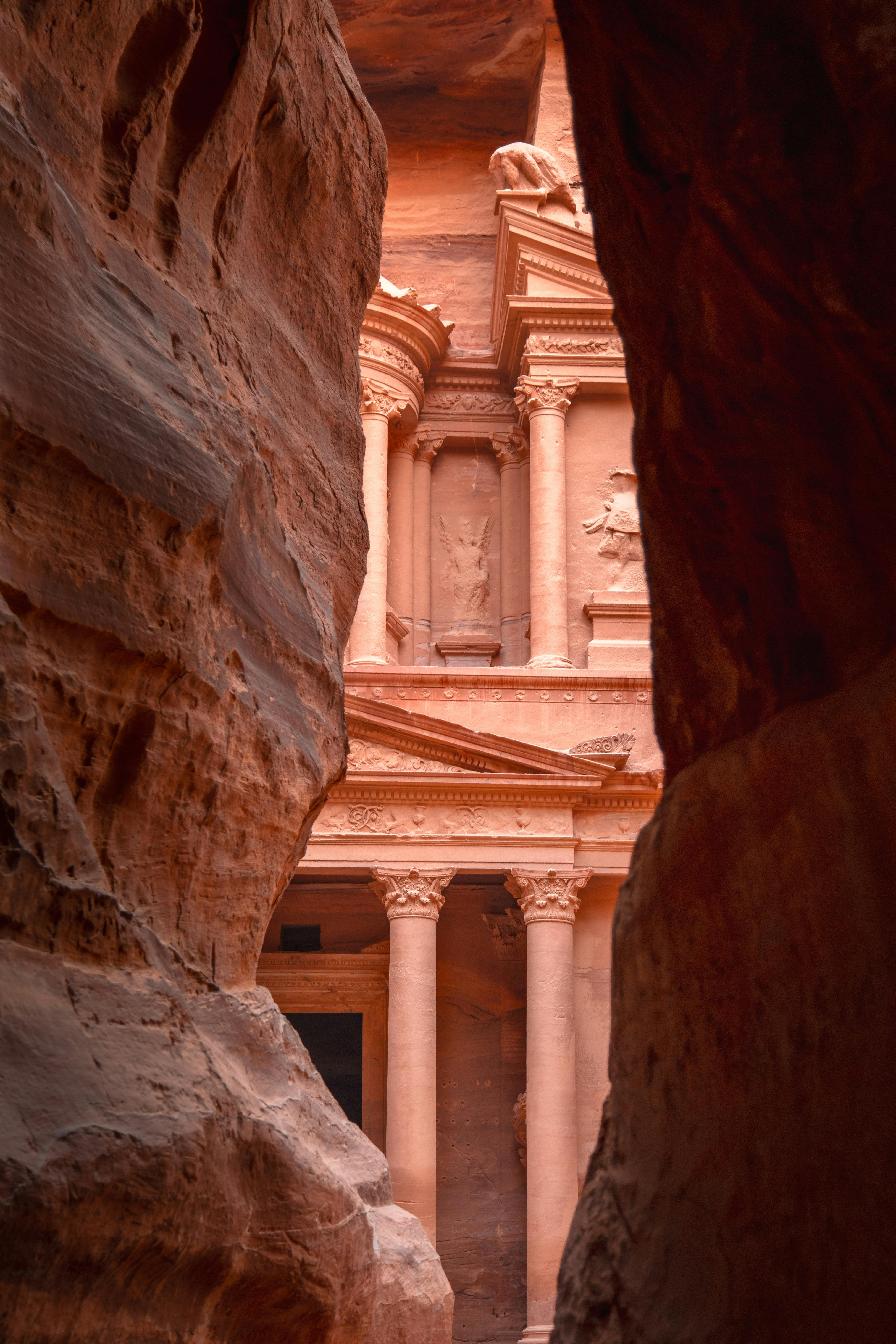
This is the most iconic building in Petra, famously carved directly into the pink sandstone cliff face. It served as a monumental tomb and remains the most photographed spot in the entire archaeological park.
Visit Jordan
The Monastery (Ad Deir)
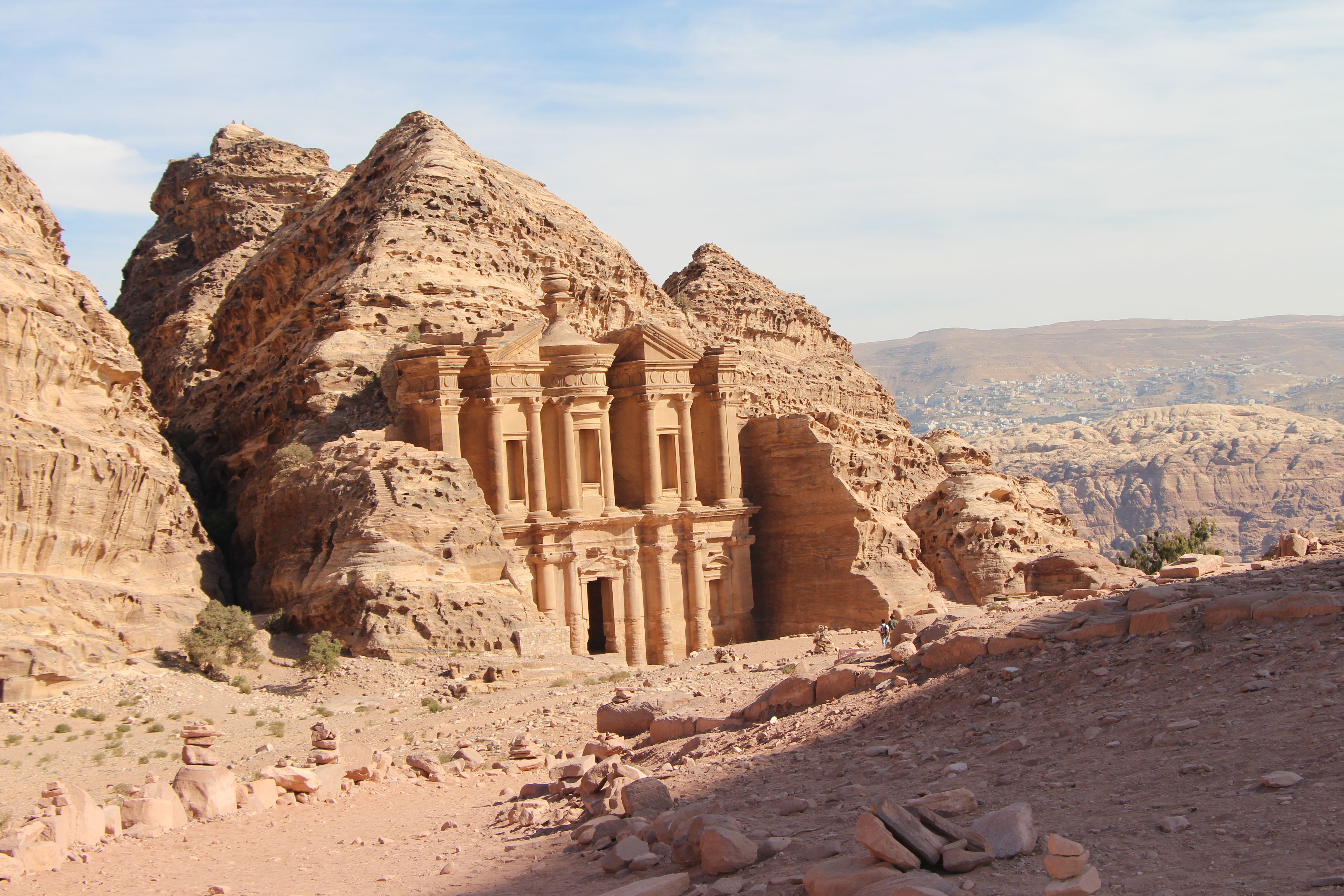
Located high in the mountains, the Monastery is significantly larger than the Treasury and offers spectacular views of the surrounding valleys. Reaching it requires a challenging but rewarding hike up 800 ancient stairs.

Wikipedia
The Siq
The Siq is a narrow, winding gorge that serves as the main entrance to the ancient city of Petra. Walking through this geological formation, with its towering cliffs on either side, provides a dramatic build-up to the reveal of the Treasury.
Work & Connectivity
Stay connected wherever you work
The nomad community here is real — cafés and coworking spaces where you can work and meet others.
Hotel Lobby Lounges
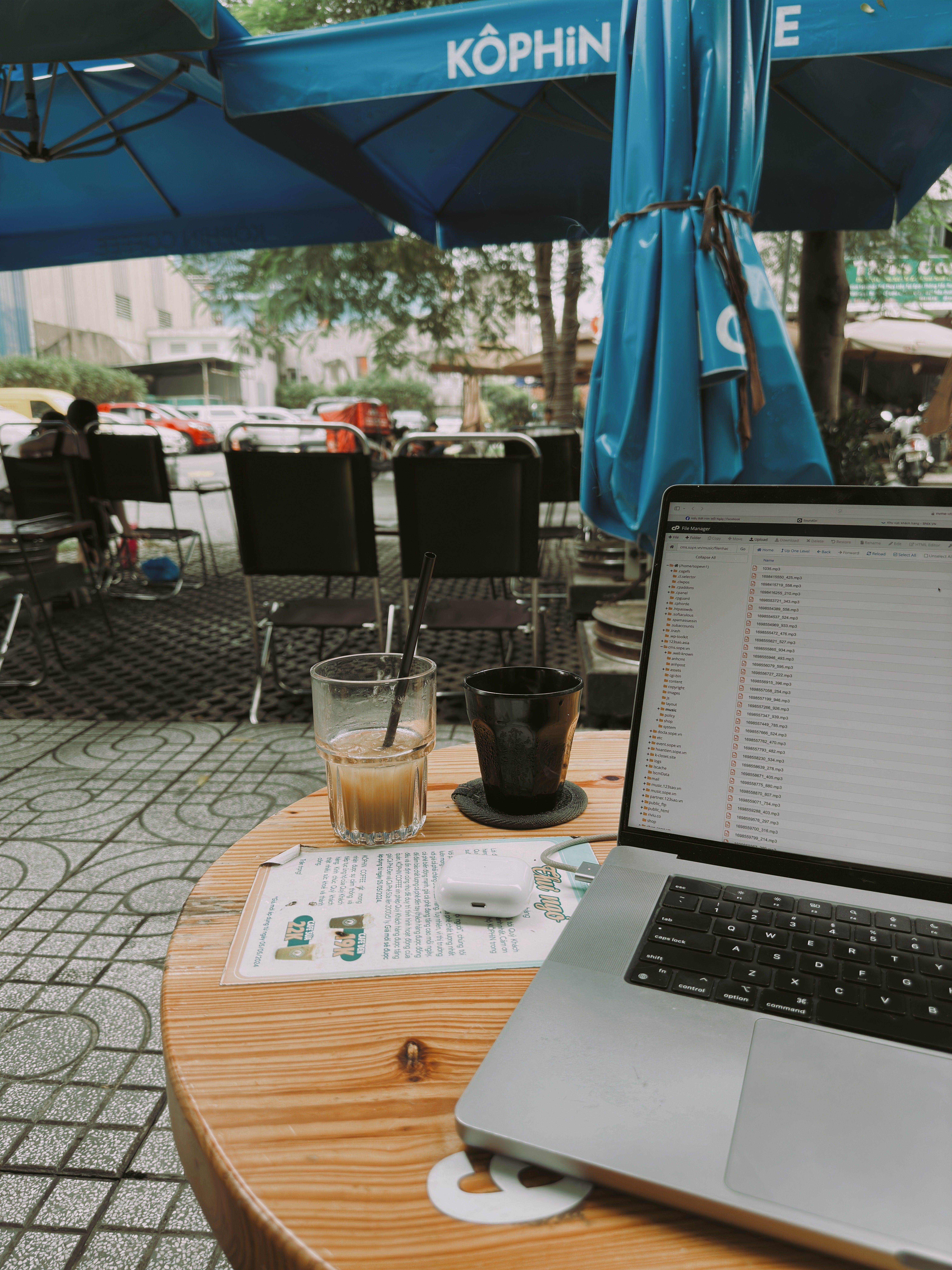
Many of the larger hotels in Wadi Musa provide quiet, comfortable lobby areas that are surprisingly good for working a few hours with a coffee.
Local Coffee Shops
Several small cafes near the main strip offer basic seating and decent coffee for short work sessions.
Budget & Costs
What it costs to live in Petra
Choose your lifestyle tier. Comfortable = furnished accommodation, local + occasional Western food, transport, leisure.
$4271
per month · USD · comfortable lifestyle
ModerateFurnished studio, local restaurants, transport, and weekend trips.
Exchange rates
Check xe.com or your bank for current USD to local currency.
Check xe.com or your bank for current USD to local currency.
🏠 Rent 34%$1460/mo
🍽️ Food 21%$876/mo
🚌 Transport 3%$110/mo
💡 Utilities 3%$110/mo
🎭 Leisure 26%$1095/mo
🏥 Health 15%$621/mo
Connectivity
Well connected to the world
Internet and transport options for remote workers.
📶
Internet
Good — fibre common
Check local providers.
🏢
Coworking
From ~$80/mo
Dedicated spaces available.
🚌
Local Transit
5 / 10
Scooter and taxi common.
20 km from centre
Safety & Visa
Safe, welcoming, and easy to enter
Safety Score6 / 10
✗ Tap Water✓ Night Safe📞 112 or local emergency number
Visa
Check your entry options
Many nationalities get visa-free or visa-on-arrival. Check official government sources for your citizenship before travel.
Culture & Festivals
Local soul, nomad-friendly
Multiculturalism5/10
Foodie Scene5/10
Remote work
Feb
Petra Desert Marathon
An international running event held in the dramatic landscape around the ancient city.
All year
Bedouin Cultural Experiences
Local Bedouin communities often host traditional nights with music, tea, and storytelling.
If you have extra time, consider taking a day trip to Little Petra or the vast, otherworldly landscapes of Wadi Rum, which are easily accessible from the area.
Food & Nightlife
A feast for every mood
From street food to cafés and nightlife — every meal is an event.

Local Cuisine
Mansaf
A traditional Jordanian dish consisting of lamb cooked in a sauce of fermented dried yogurt and served over rice. It is a cultural staple you must try.
Street Food
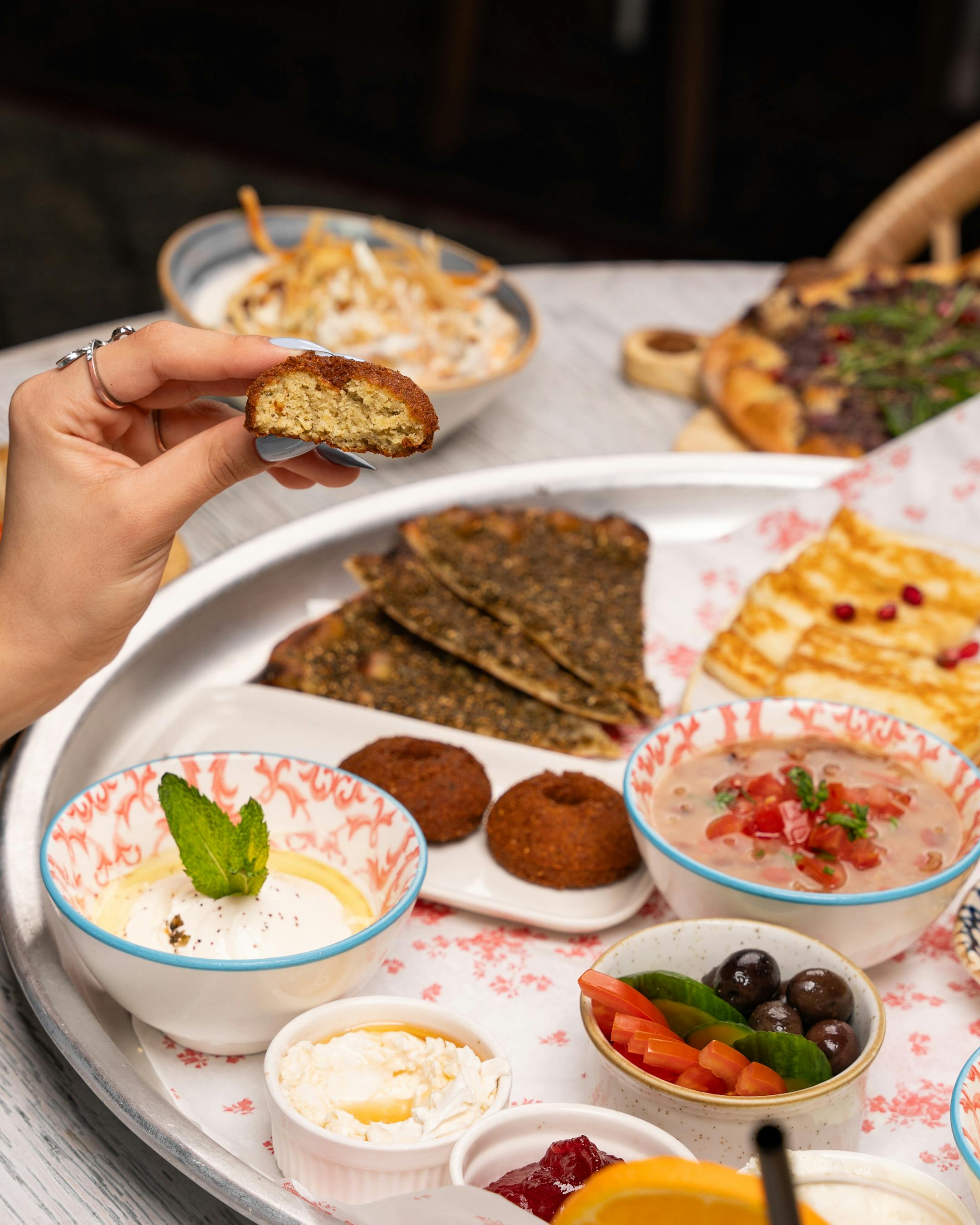
Falafel and Hummus
Found in almost every local eatery, these are the go-to budget meals for nomads on the move. They are fresh, healthy, and incredibly filling.
Climate
Best months: Jan, Feb, Mar, Apr, May, Jun, Jul, Aug, Sep, Oct, Nov, Dec
Avg humidity45%
Avg AQI50
Petra is accessible year-round, though the experience changes drastically with the seasons. Spring (March to May) and autumn (September to November) provide the most temperate conditions, making long days of walking through the Siq and climbing to the Monastery much more manageable for remote workers.
Summer can bring intense desert heat that limits outdoor activity to the early morning or evening hours, while winter nights can become surprisingly cold. Since most tourist sites are outdoors, planning your work schedule around the midday heat in summer or the brisk mornings in winter will help maintain a productive balance.
Monthly temperatures °C
BestAvoidShoulder
Practical Info
Everything you need to know
🏥
Healthcare
Medical facilities in Wadi Musa are limited to basic care. Ensure you have comprehensive travel insurance and bring any personal medications you require with you, as pharmacies may not stock specific brands.
💱
Money
The Jordanian Dinar (JOD) is the local currency. While larger hotels and tourist shops accept cards, smaller local eateries and markets are strictly cash-based.
🌐
Connectivity
Public internet is rarely fiber-optic speed. Purchase a local SIM card upon arrival in Jordan to ensure you have a reliable data backup for your workday.
Tips
Quick tips
- Always carry a reusable water bottle to stay hydrated in the desert.
- Wear sturdy, broken-in hiking boots for exploring the ruins.
- Plan your site visits for early morning to avoid the midday crowds and heat.
- Download offline maps, as cell service can be spotty within the deep canyons.
- Dress modestly out of respect for local Jordanian customs.
- Keep a portable power bank fully charged for your devices.
Further Reading