Muscat · Oman
Overview
Muscat feels like a well-kept secret—a place where the desert meets the sea and time seems to slow down to a meditative pace.
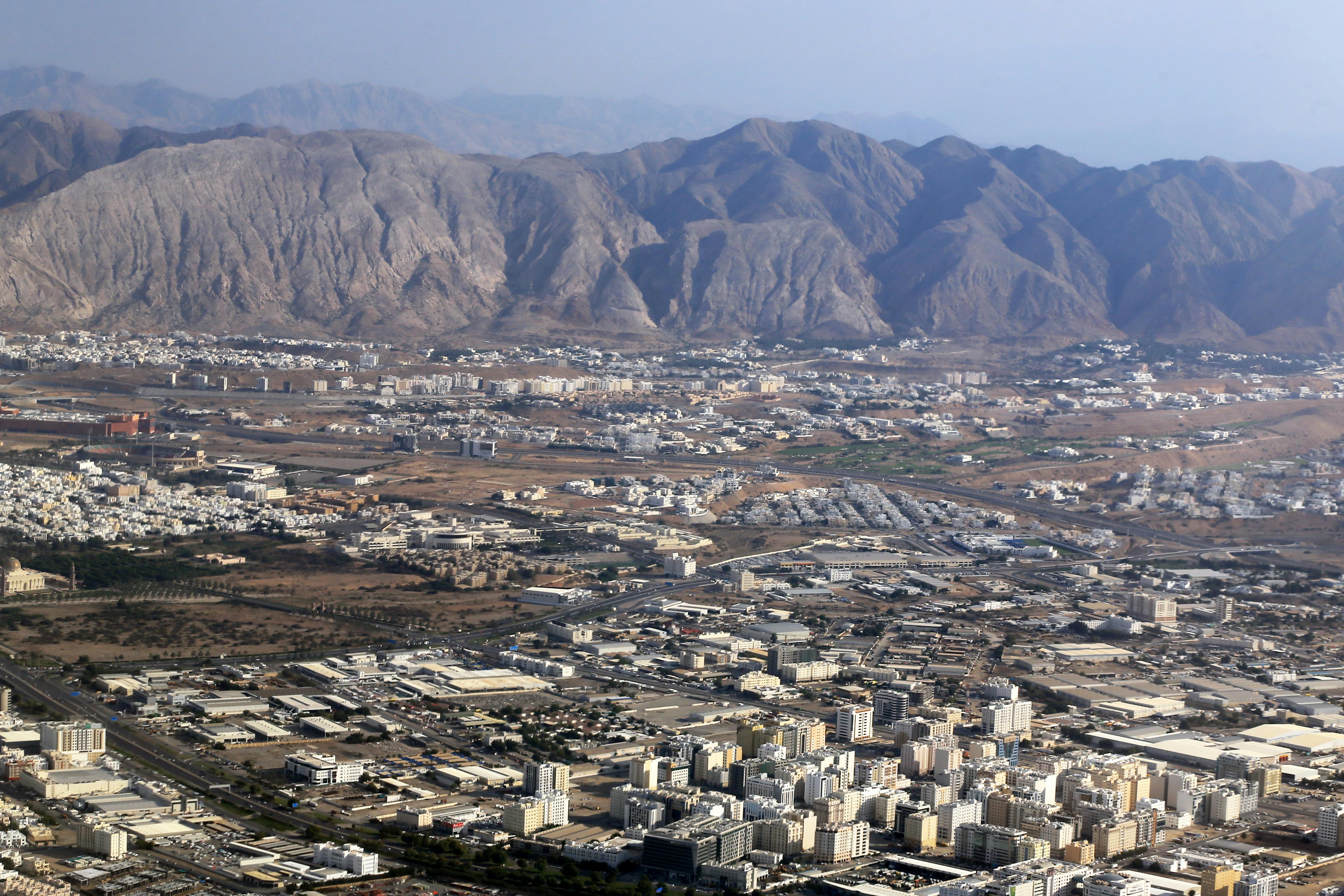
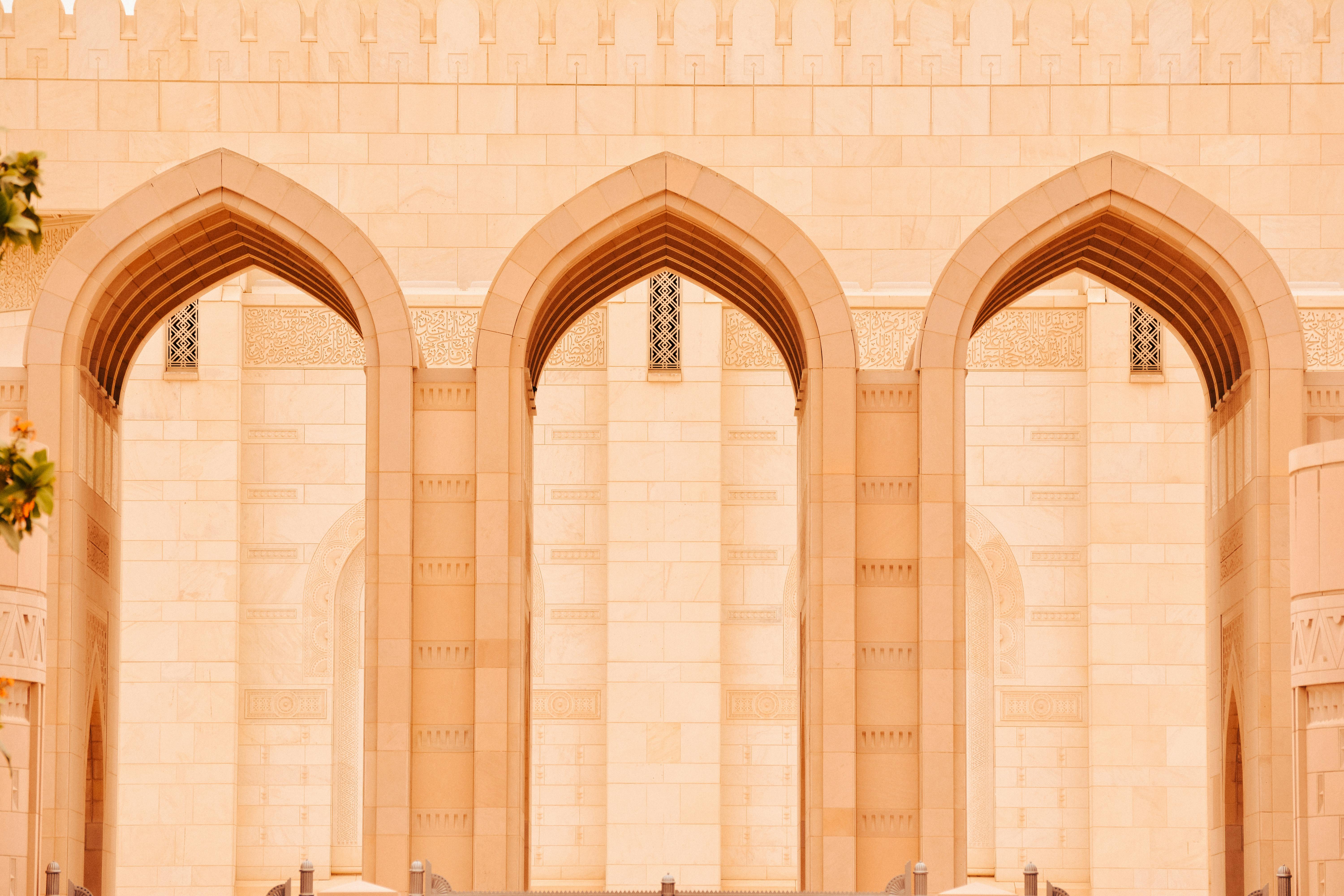
Muscat is characterized by its stunning backdrop of the Al Hajar Mountains meeting the clear waters of the Gulf of Oman. Unlike many rapidly developing neighbors, Muscat retains a distinctly traditional vibe where white-washed buildings and intricate Islamic designs dominate the skyline. Digital nomads are drawn here for the safety, the welcoming local culture, and the ability to work in a stable environment with emerging remote work facilities.
Life in the city is spread out, making it essential to understand the logistics of transportation. While the Cost of living in Muscat is manageable for mid-range budgets, the Climate dictates much of the daily rhythm, especially during the sweltering summer months.

History
Muscat has served as a vital port city and trading hub for centuries, strategically positioned on the Gulf of Oman.
Muscat has served as a vital port city and trading hub for centuries, strategically positioned on the Gulf of Oman. Throughout its history, it has been influenced by various powers, including the Portuguese who occupied the city in the 16th century to control trade routes to India. Their legacy remains visible today in the fortifications like Al Jalali and Al Mirani forts that guard the harbor.
In the 20th century, under the leadership of Sultan Qaboos bin Said, the city underwent a dramatic transformation. Modern infrastructure, schools, and hospitals were built, moving the capital into the 21st century while carefully preserving the architectural character and heritage that defines Omani identity today.
1507
Portuguese ArrivalPortuguese forces led by Afonso de Albuquerque captured the city to secure maritime trade routes.
1650
Expulsion of the PortugueseOmani forces successfully drove out the Portuguese occupiers, marking the beginning of a new era of local control.
1744
Al Said DynastyThe current Al Said dynasty was founded, establishing a period of stability and expansion.
1970
Accession of Sultan QaboosSultan Qaboos bin Said rose to power, initiating the 'Omani Renaissance' and the modernization of Muscat.
Where to Stay
Choose your base camp
Distinct neighbourhoods, different rhythms. Pick the one that fits your work-life balance.

Budget Favourite
Ruwi
The commercial hub of the city, offering more affordable accommodation and proximity to local markets. Ideal for those on a stricter budget.
Nomad Hub
Al Khuwair
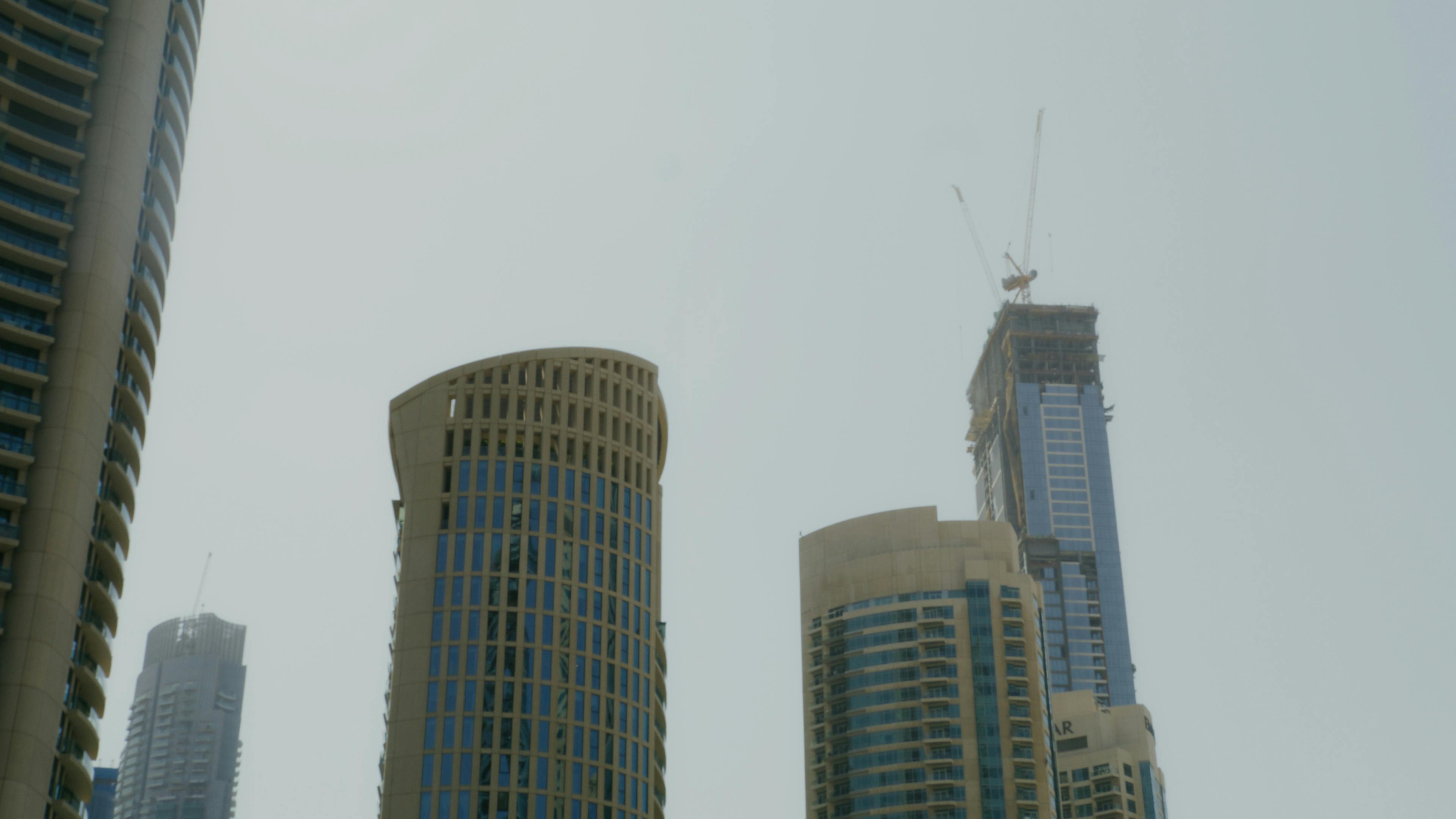
Centrally located with plenty of restaurants and cafes, making it a convenient area for living and working. A great balance of cost and comfort.
Luxury Living
Al Mouj
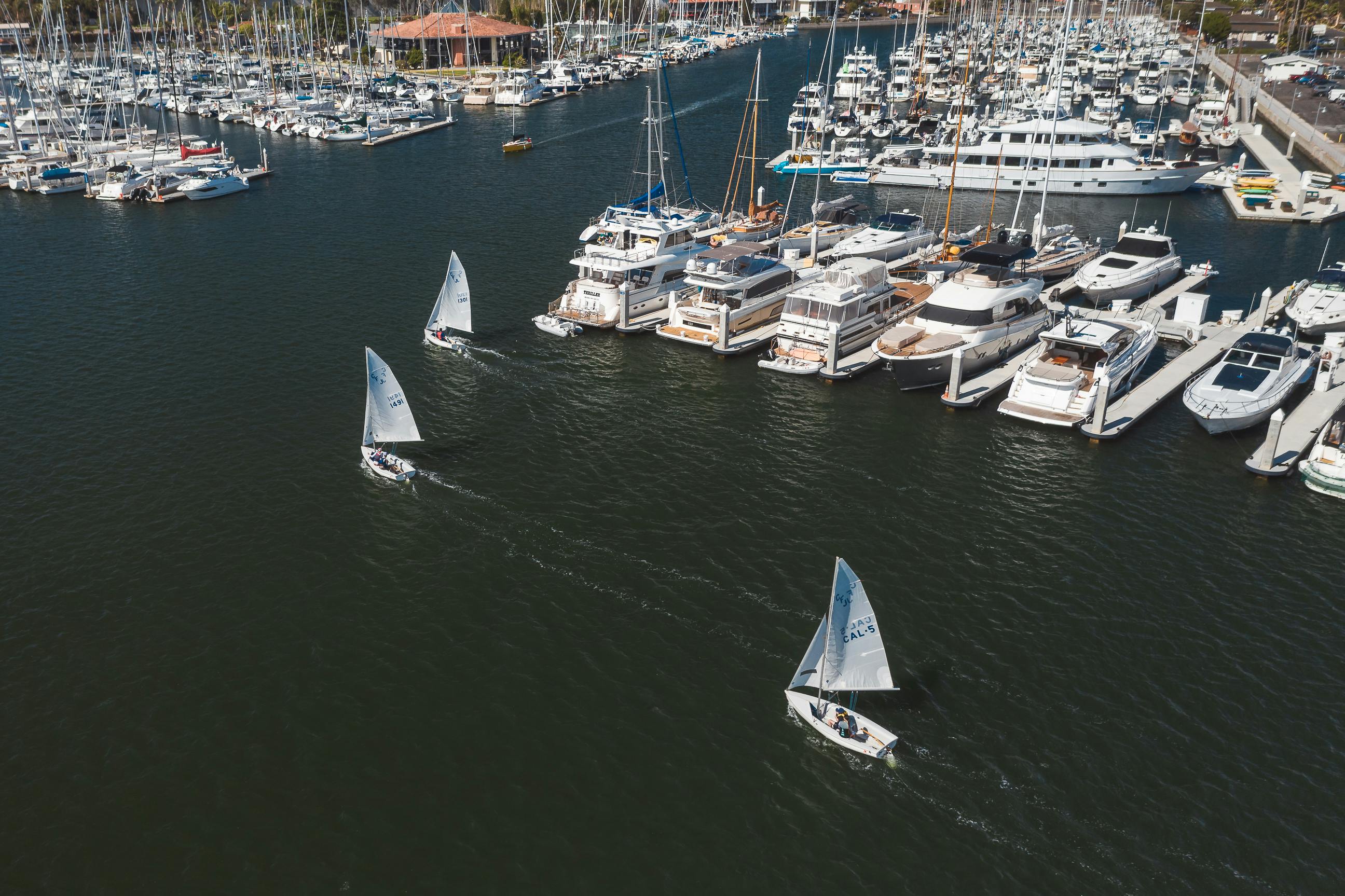
A waterfront community with premium apartments, high-end amenities, and a marina. Perfect for those seeking a modern, upscale lifestyle.
Places to Go
The experiences that will make you never leave
These aren't tourist checkboxes — they're the experiences that reset your sense of what's normal.
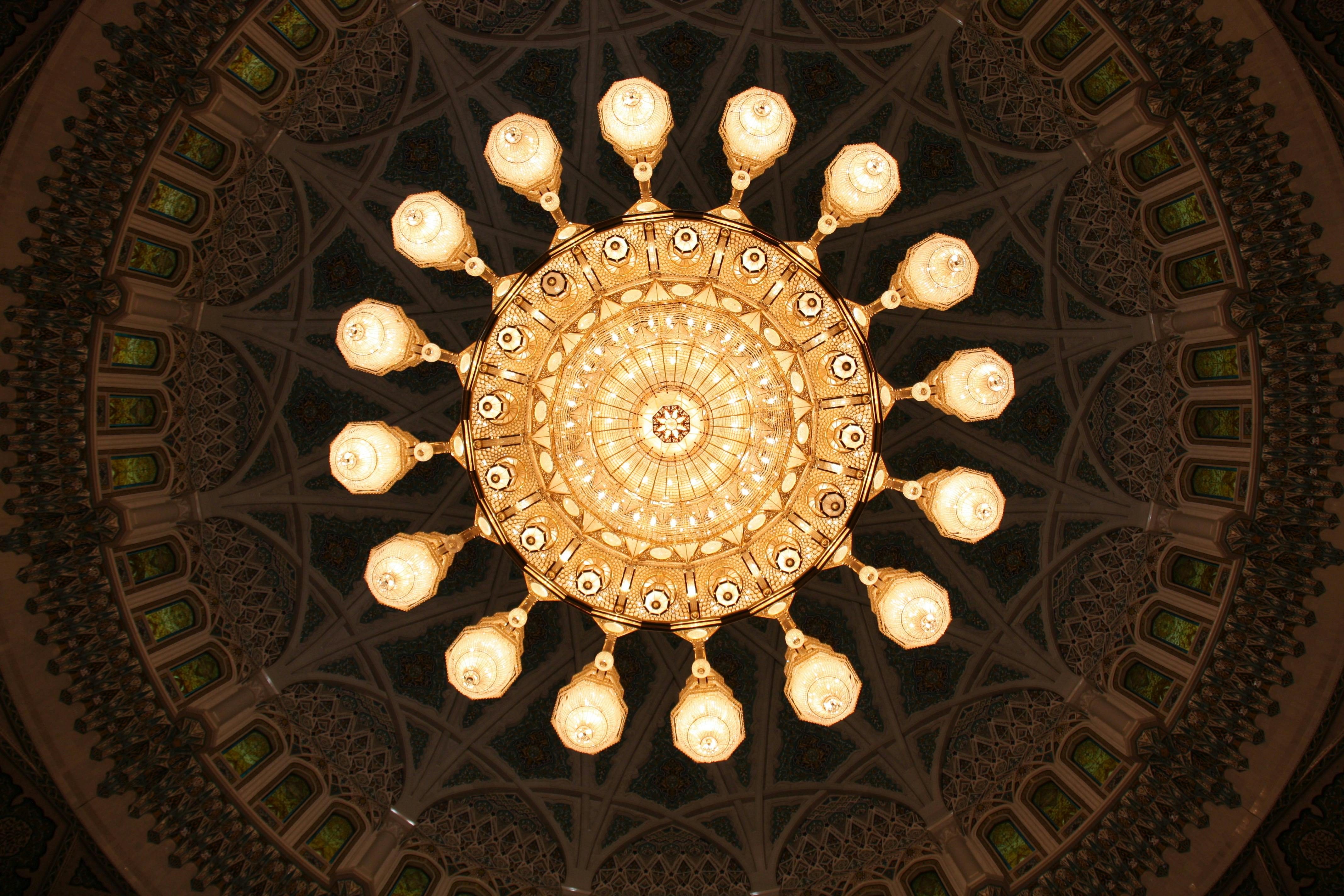
Top Pick
Sultan Qaboos Grand Mosque
A magnificent example of modern Islamic architecture featuring a massive crystal chandelier and hand-woven carpets. It is open to non-Muslim visitors during specific morning hours.
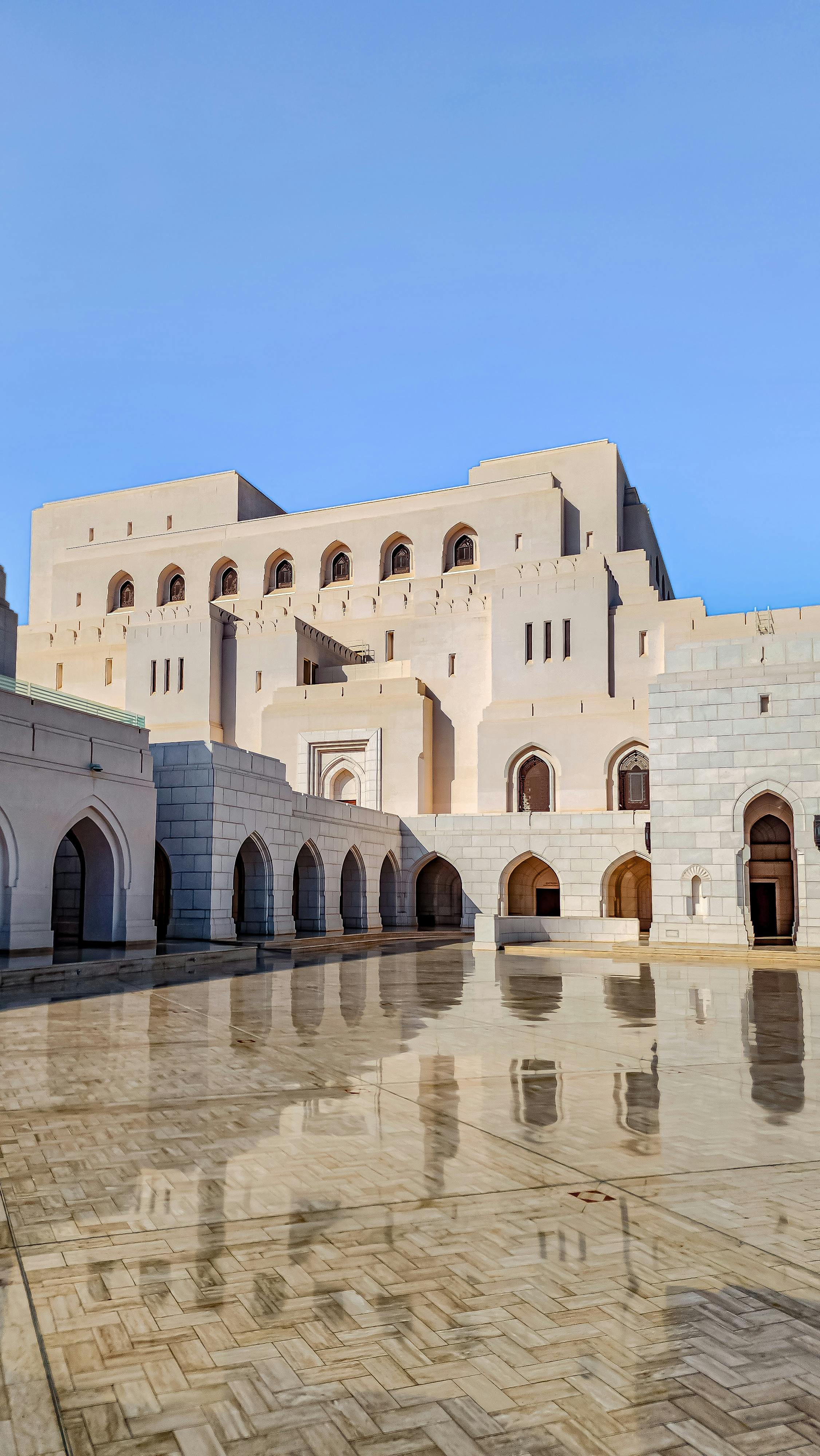
Official Website
Royal Opera House
The premier venue for arts and culture in Oman, showcasing beautiful wooden interiors and lush gardens. It hosts world-class musical and theatrical performances.
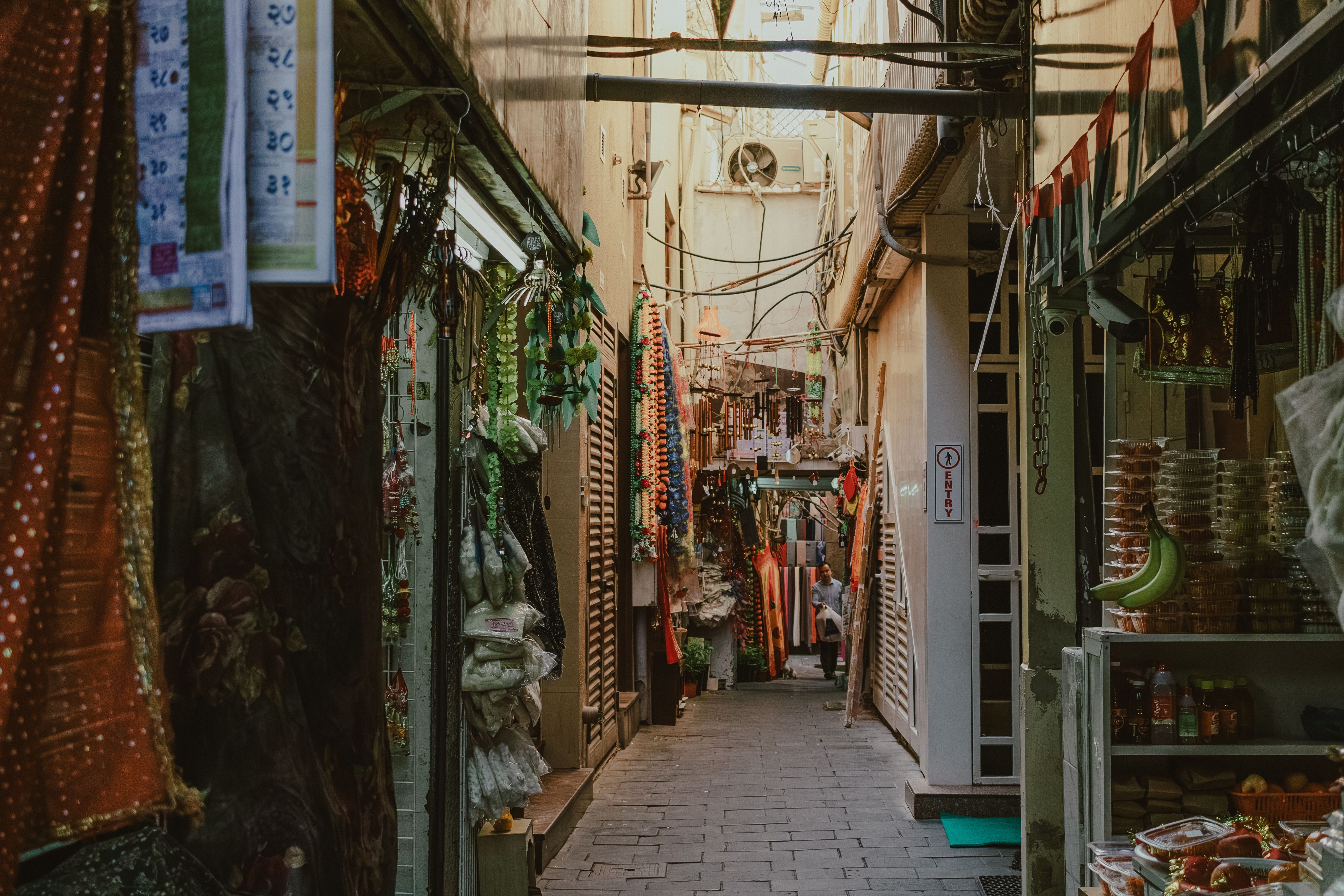
Wikipedia
Mutrah Souq
An ancient marketplace filled with the scents of frankincense and spices. It is the perfect place to shop for Omani silver, textiles, and traditional crafts.
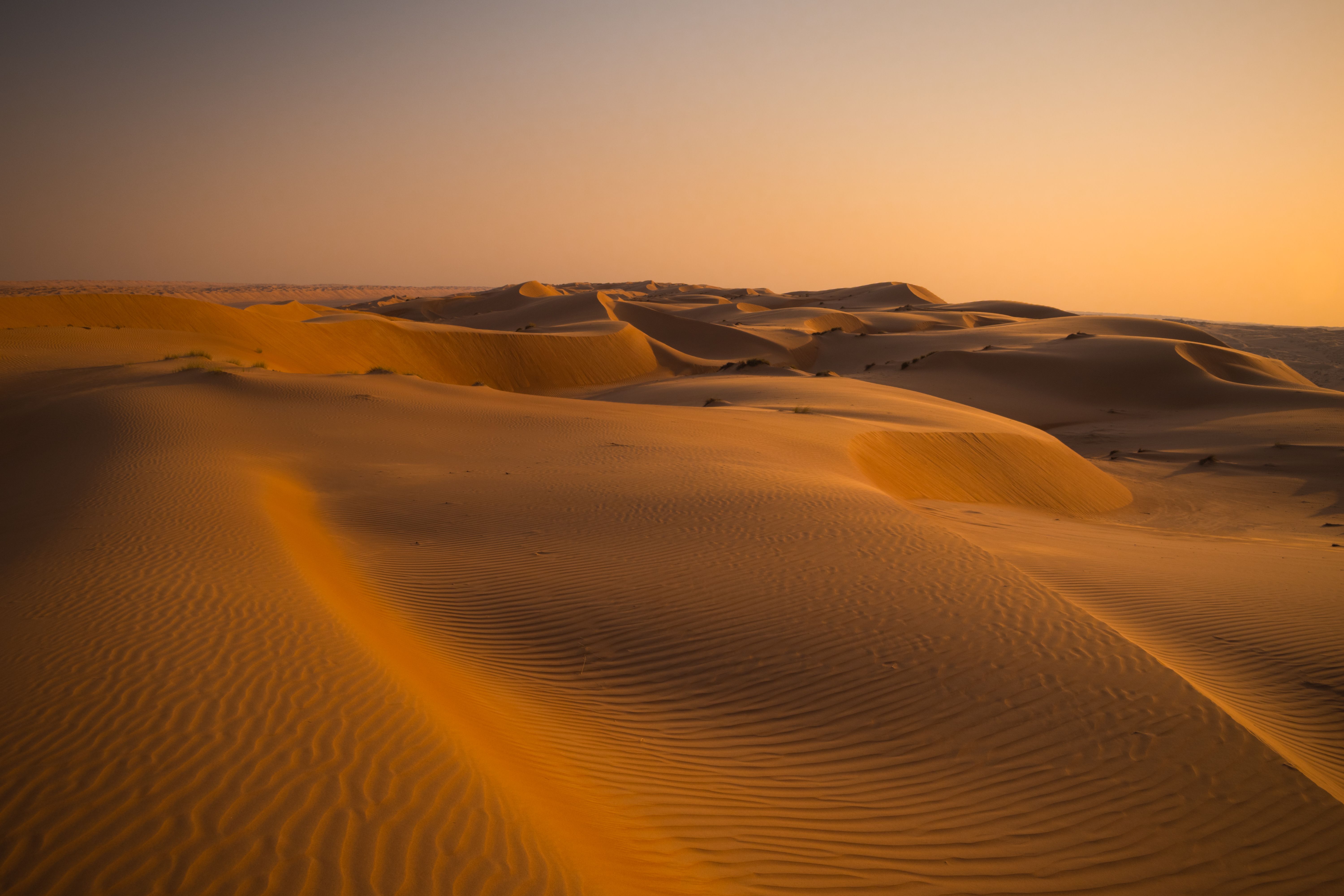
Official Tourism
Wahiba Sands Desert
A vast expanse of dunes offering authentic desert experiences like dune bashing and camping under the stars. Tours from Muscat are easily arranged.

YouTube
Wadi Shab
One of Oman's most famous natural attractions, involving a short hike and a swim through limestone pools. It is a stunning oasis hidden in the mountains.
Wikipedia
Mutrah Corniche
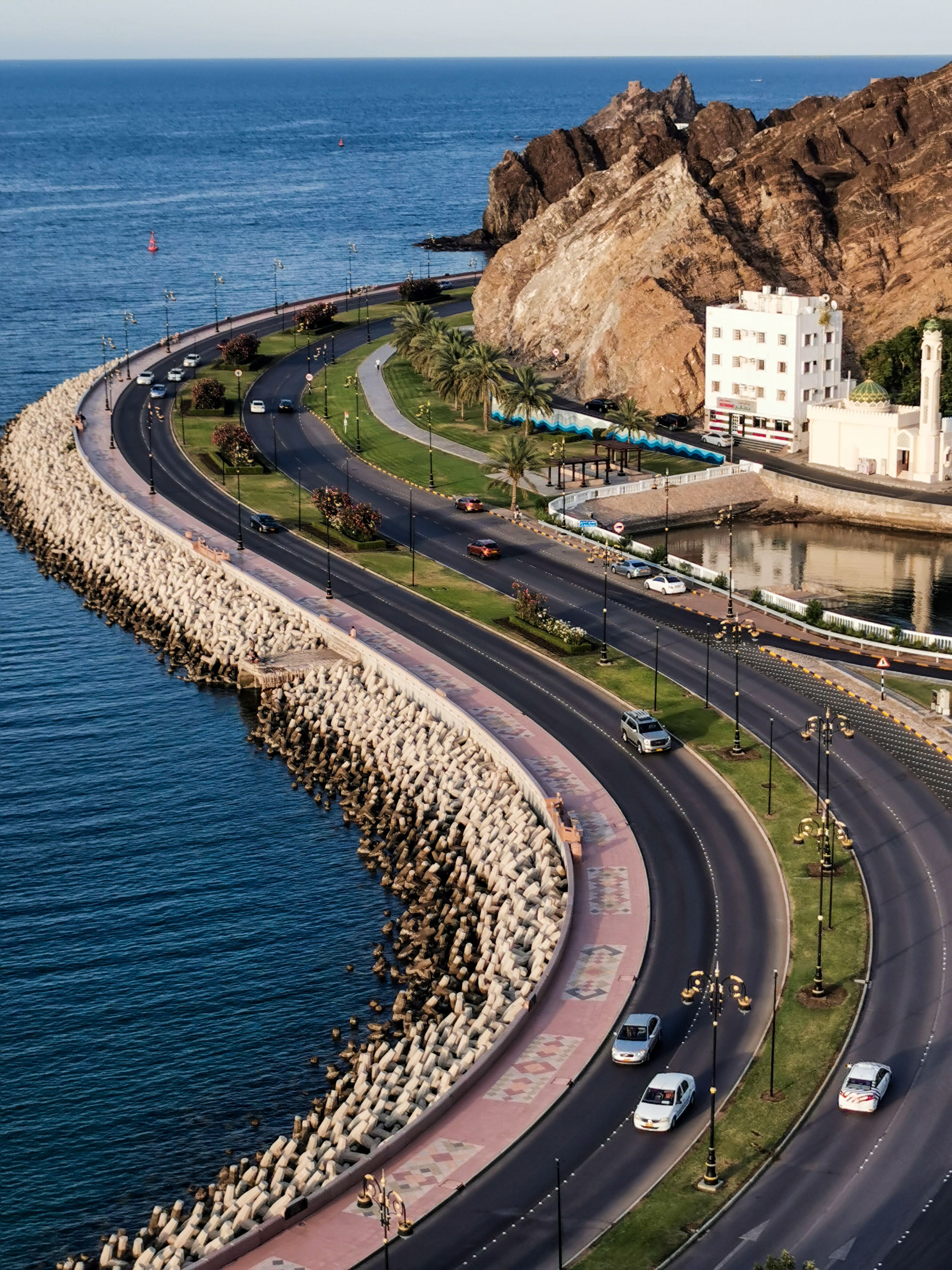
A beautiful seaside promenade perfect for evening walks. It offers views of the historic harbor, traditional dhow boats, and the surrounding mountains.
Work & Connectivity
Stay connected wherever you work
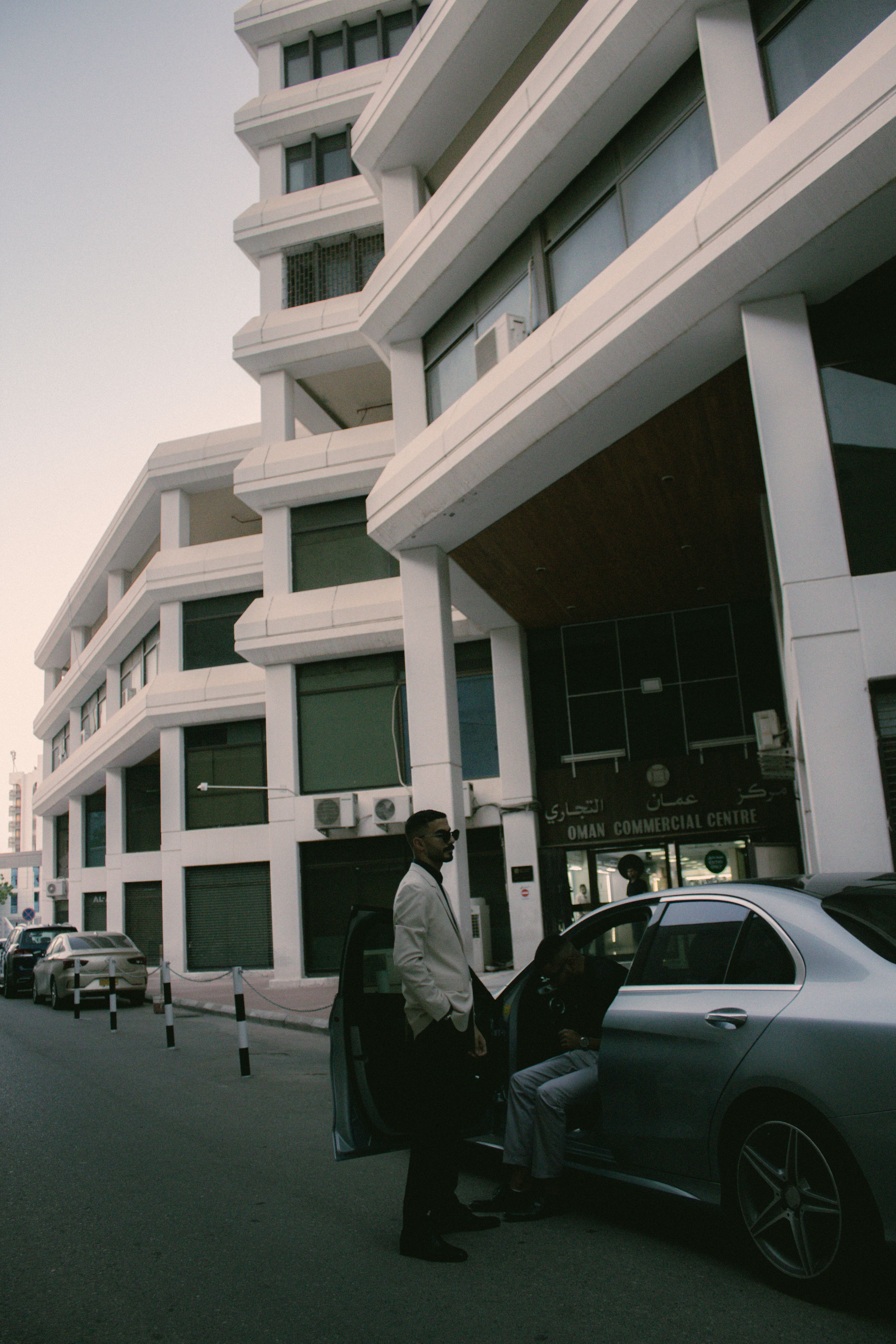
The nomad community here is real — cafés and coworking spaces where you can work and meet others.
Spaces 🏢
A professional coworking environment suitable for focused work with reliable internet.
Darak 💻
A community-focused space offering flexible options for remote workers and entrepreneurs.
Budget & Costs
What it costs to live in Muscat
Choose your lifestyle tier. Comfortable = furnished accommodation, local + occasional Western food, transport, leisure.
$1314
per month · USD · comfortable lifestyle
ModerateFurnished studio, local restaurants, transport, and weekend trips.
Exchange rates
Check xe.com or your bank for current USD to local currency.
Check xe.com or your bank for current USD to local currency.
🏠 Rent 47%$621/mo
🍽️ Food 21%$277/mo
🚌 Transport 6%$73/mo
💡 Utilities 7%$88/mo
🎭 Leisure 11%$146/mo
🏥 Health 8%$110/mo
Connectivity
Well connected to the world
Internet and transport options for remote workers.
📶
Internet
Good — fibre common
Check local providers.
🏢
Coworking
From ~$80/mo
Dedicated spaces available.
🚌
Local Transit
3 / 10
City is spread out — car or taxi essential; Mwasalat buses on main routes; very safe
MCT
Muscat International Airport
30 km from centre
abudhabiaddisababaammanbangalorebangkokbeirutcairochittagong
Safety & Visa
Safe, welcoming, and easy to enter
Safety Score9 / 10
✓ Night Safe📞 9999
Visa
Check your entry options
Many nationalities get visa-free or visa-on-arrival. Check official government sources for your citizenship before travel.
Culture & Festivals
Local soul, nomad-friendly
Multiculturalism6/10
Foodie Scene6/10
🌊 Coastal🏔️ Mountains🏜️ Desert💵 Mid-Range🔒 Very Safe🕌 Islamic Heritage
Jan
Muscat Festival
A month-long celebration featuring art exhibitions, traditional Omani music, and cultural displays.
Nov
Wadi Adventure Season
The kick-off for hiking and swimming season as temperatures become mild and comfortable.
Muscat is a city where patience is rewarded. The pace is slower than in nearby Dubai, focusing more on quality of life and hospitality rather than constant hustle.
Food & Nightlife
A feast for every mood
From street food to cafés and nightlife — every meal is an event.
Street Food
Mutrah Souq Cafeterias
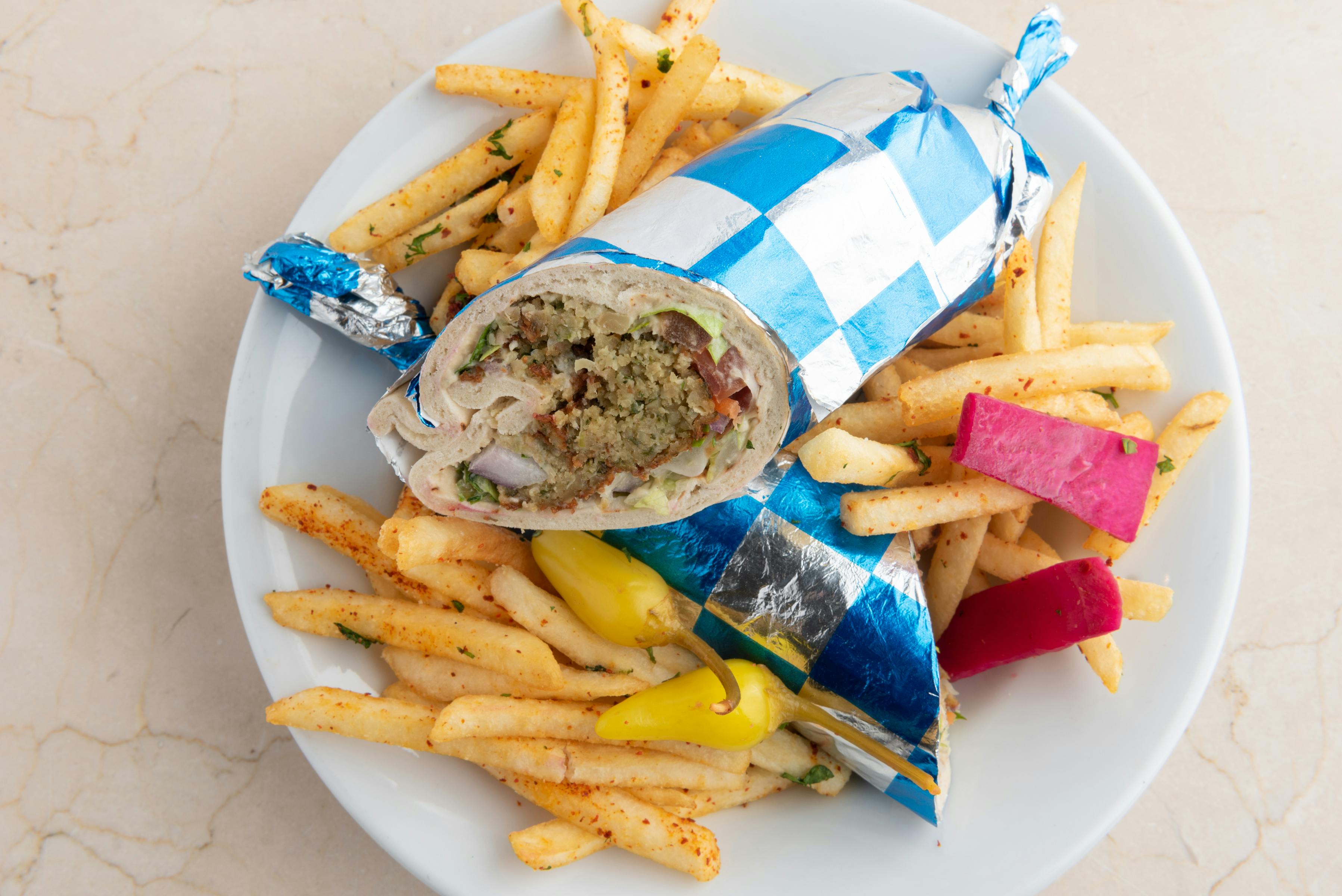
Try authentic Omani shuwa or grab a shawarma from local street-side shops.
Café Culture
Al Khuwair Coffee Shops
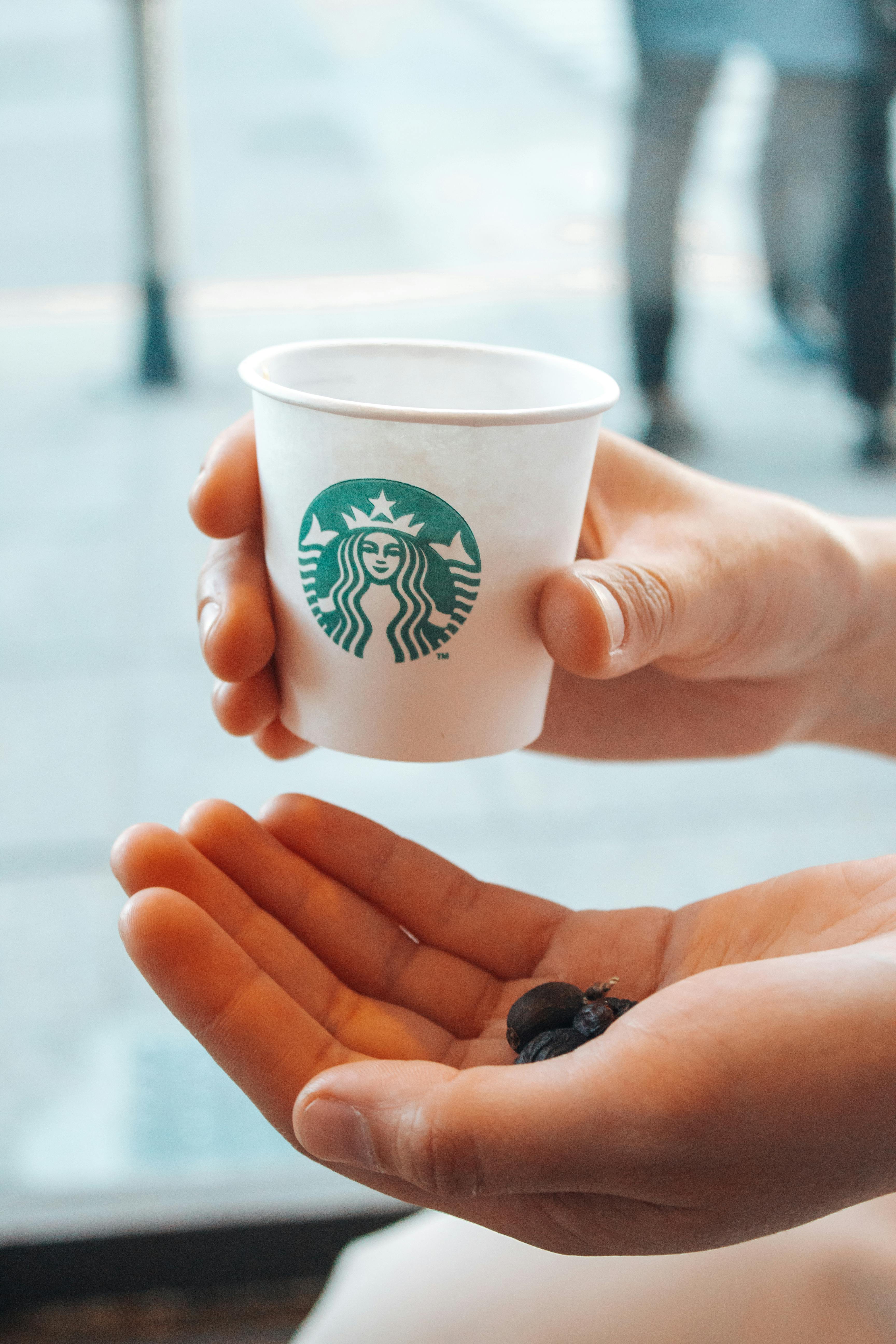
The area is filled with modern coffee houses perfect for a quick morning work session.
Climate
Best months: Jan, Feb, Mar, Apr, Oct, Nov, Dec
Avg humidity60%
Avg AQI85
The best time to visit Muscat is during the winter and early spring months, specifically from October to April. During this period, the temperatures are pleasant and perfect for exploring outdoor attractions, hiking in the wadis, or wandering through the historic souqs. January through March are particularly popular as the weather is mild enough for extended outdoor activities.
From May through September, the city experiences extreme heat, which can be challenging for those who prefer outdoor movement. During these months, it is advisable to limit activities to the early mornings or late evenings and focus on indoor, air-conditioned environments.
Monthly temperatures °C
BestAvoidShoulder
Practical Info
Everything you need to know
🏥
Healthcare
Muscat has high-quality private hospitals and clinics. It is recommended to have comprehensive travel insurance for any medical needs.
💱
Money
The currency is the Omani Rial (OMR). ATMs are widely available, and credit cards are accepted in most modern businesses and restaurants.
🌐
Language & Etiquette
Arabic is the official language, but English is widely spoken in the business community and service industries. Modest dress is appreciated in public spaces.
Tips
Quick tips
- Always carry water, especially when venturing outside during the day.
- Respect local dress codes: keep shoulders and knees covered.
- Use ride-sharing apps for transparent pricing.
- Try the local Karak tea at any roadside cafeteria.
- Visit the souq in the late afternoon when it comes to life.
- Book your accommodation near your preferred coworking or social hubs.
- Learn a few basic Arabic phrases to show respect.
Further Reading