Martinique · Martinique
Overview
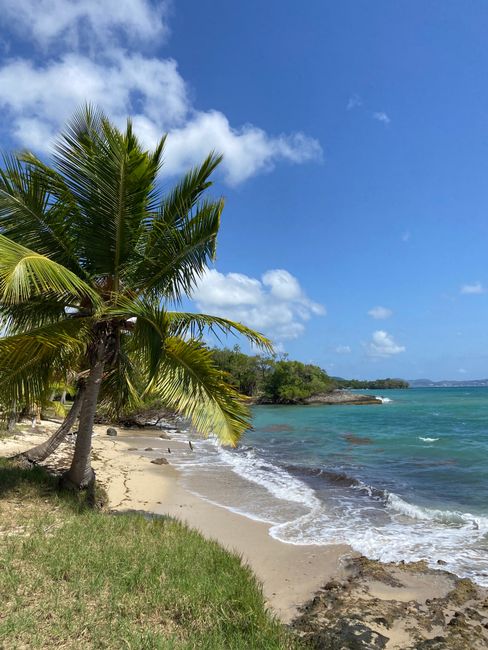
Martinique feels like a slice of Paris dropped into the middle of the Caribbean; it is where European efficiency meets tropical soul.
Martinique is a French Overseas Region that provides a distinct experience compared to its neighbors. As a digital nomad, you benefit from European-standard internet and healthcare, all while being immersed in the vibrant culture of the Lesser Antilles. The island is perfect for those who want to balance focused work hours with weekends spent hiking volcanic mountains or relaxing on world-class beaches.
The vibe here is relaxed yet productive. Because the island is technically a part of France, you will find excellent road networks and a reliable administrative system. For those worried about finances, our Cost of living in Martinique breakdown shows that while it is more expensive than some SE Asian hubs, it remains affordable for those who embrace local shopping and lifestyle habits.
History
The history of Martinique is deep and layered, beginning with the original Arawak and Carib inhabita…
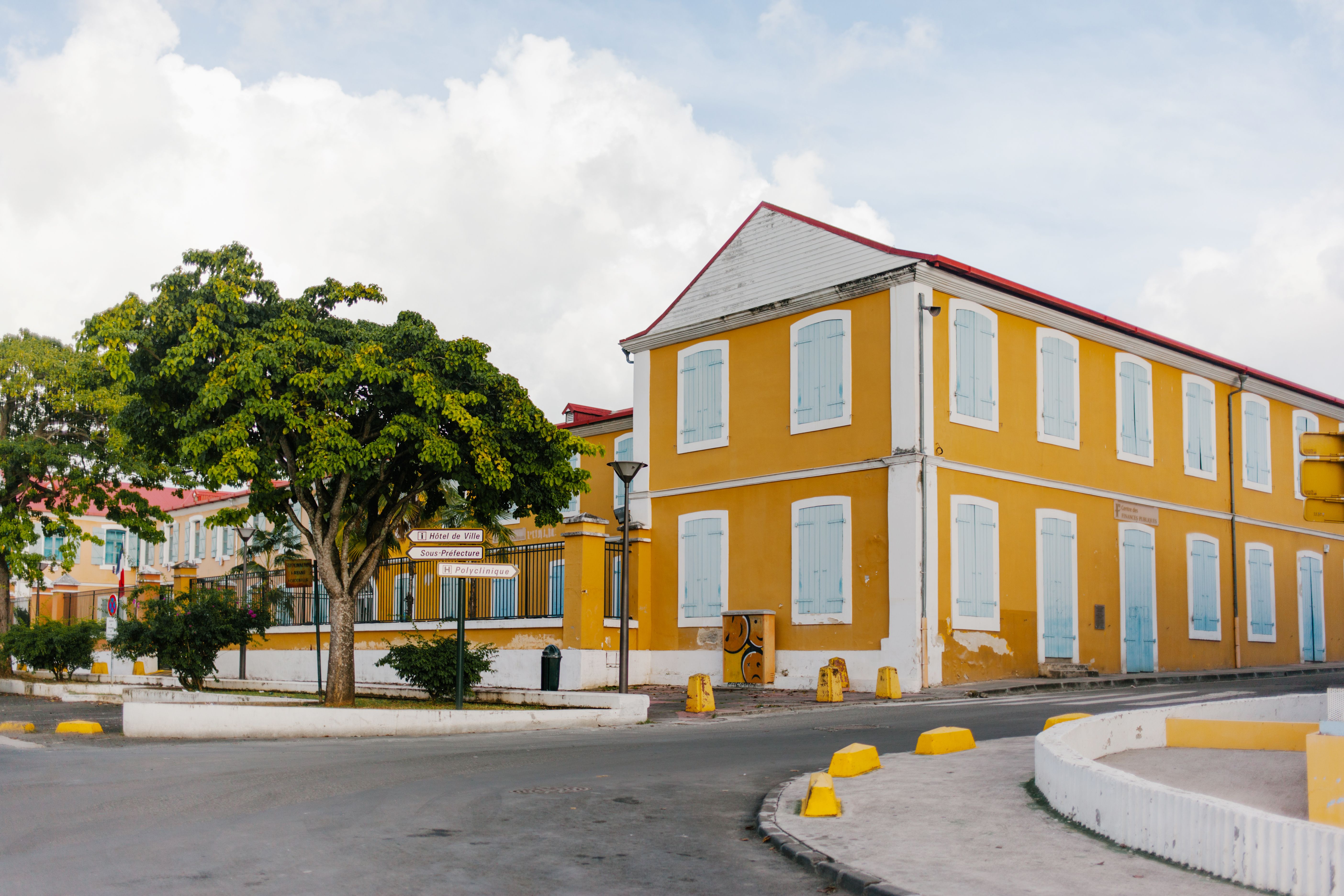
The history of Martinique is deep and layered, beginning with the original Arawak and Carib inhabitants who settled the island centuries before European contact. Christopher Columbus arrived in 1502, but it was the French who formally colonized the territory in 1635. The island's development was historically tied to the sugar trade, a period marked by significant hardship and the forced labor of enslaved people brought from Africa, which left an indelible mark on the island's demographics and culture.
In the 20th century, Martinique saw a shift toward modernity, accelerated by the tragic 1902 eruption of Mount Pelée, which destroyed the former capital, Saint-Pierre. Today, the island functions as an integral part of France. Visitors can explore this complex past through the various museums in Fort-de-France and the preserved ruins of old plantations that now serve as sites for reflection and education.
1502
European ContactChristopher Columbus arrived on the island during his fourth voyage to the Americas.
1635
French ColonizationThe French established their first permanent settlement at Saint-Pierre.
1902
The Eruption of Mount PeléeA massive volcanic eruption destroyed the city of Saint-Pierre, killing nearly its entire population.
1946
Department of FranceMartinique officially became an overseas department of France, integrating its legal and political systems.
Where to Stay
Choose your base camp
Distinct neighbourhoods, different rhythms. Pick the one that fits your work-life balance.
Urban Hub
Fort-de-France
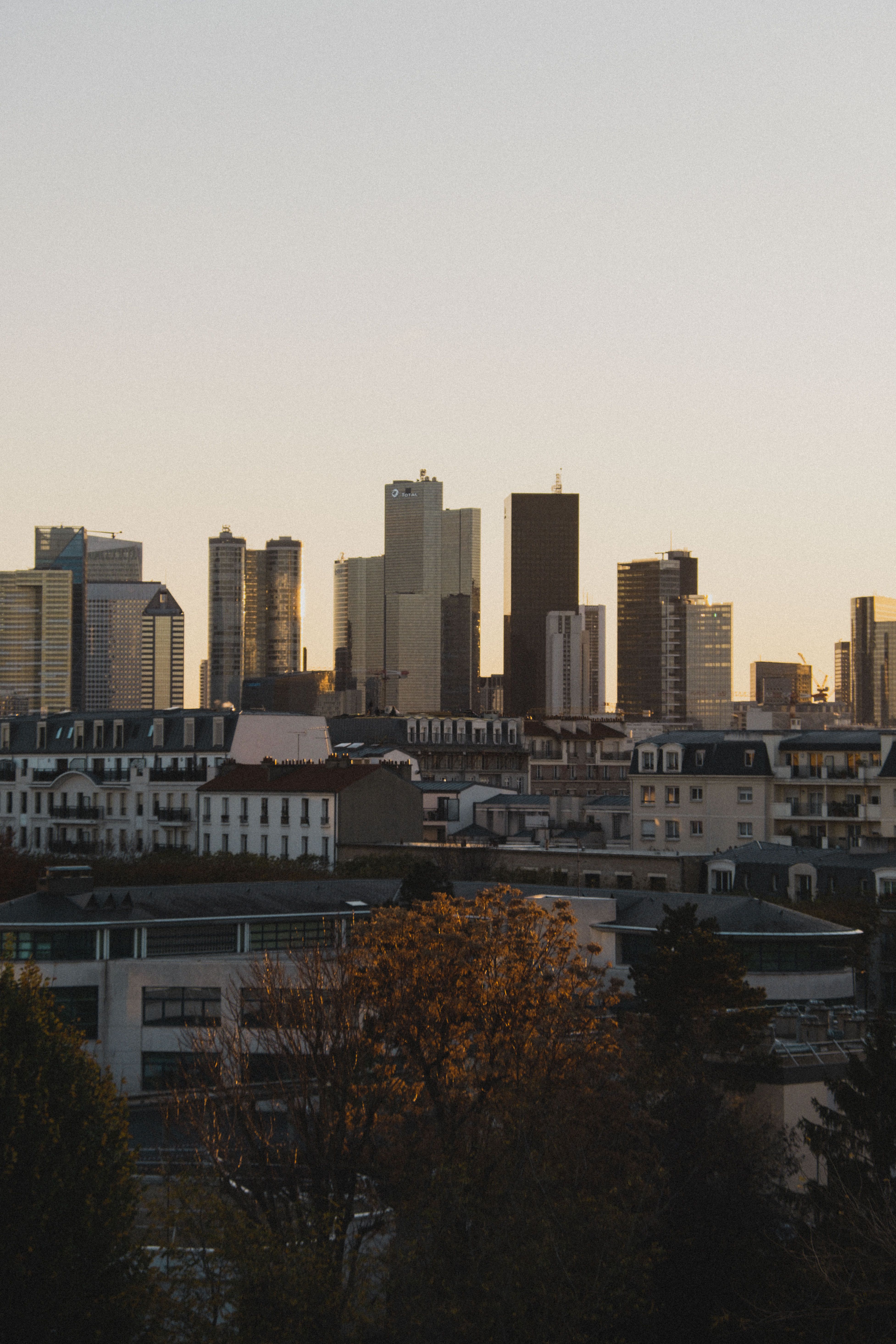
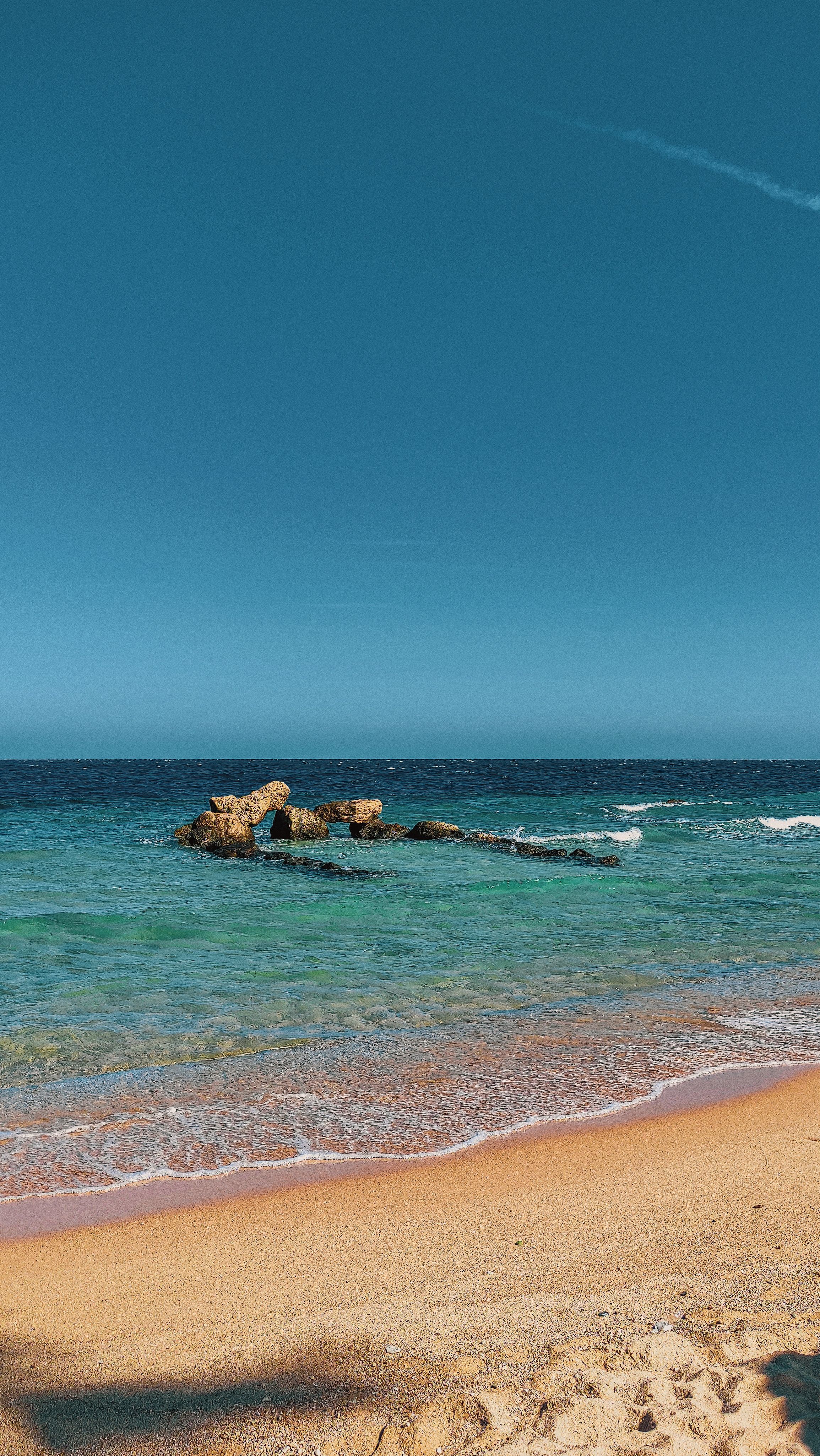
The bustling capital city is perfect for those who want to be close to the administrative center and main transport links. It features local markets and historic sites, with a mix of modern apartments and traditional architecture.
Tourist Favourite
Les Trois-Îlets
Located across the bay from the capital, this area is popular for its beautiful beaches and vibrant restaurant scene. It is ideal for nomads who want a resort-like atmosphere with plenty of amenities.
Quiet Coastal
Sainte-Luce
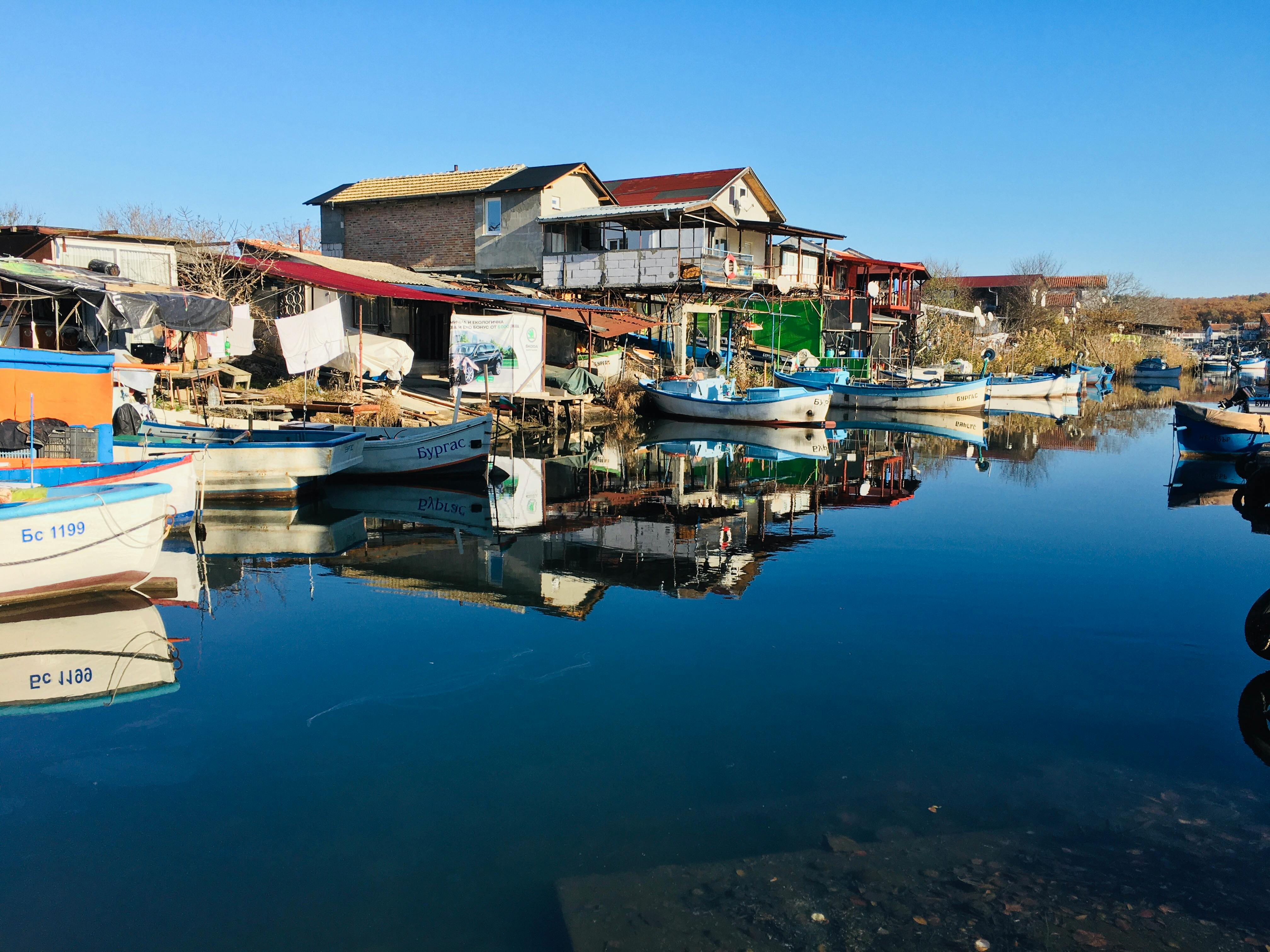
A charming fishing village that offers a slower pace of life, perfect for long-term stays. You will find small bungalows and easy access to some of the island's best quiet coves.
Places to Go
The experiences that will make you never leave
These aren't tourist checkboxes — they're the experiences that reset your sense of what's normal.
Top Pick
Mount Pelée
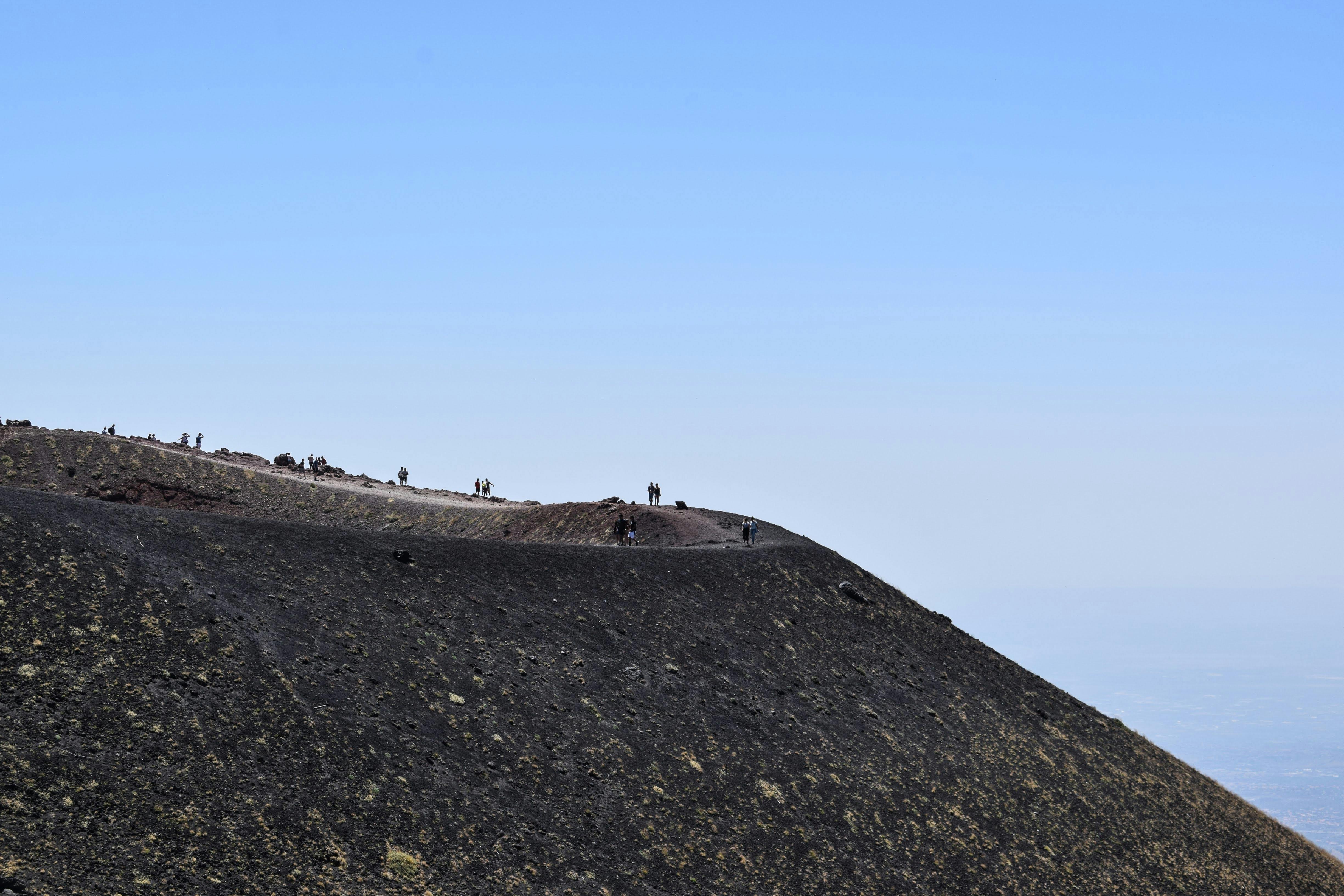
This active volcano is the highest point on the island and offers incredible hiking opportunities for the adventurous. The summit provides panoramic views that are well worth the challenging trek.

Jardin de Balata Official Site
Jardin de Balata
A stunning botanical garden featuring thousands of tropical plant species, including towering palms and vibrant heliconias. It is a peaceful escape for those looking to photograph the island's lush flora.

Work & Connectivity
Stay connected wherever you work
The nomad community here is real — cafés and coworking spaces where you can work and meet others.
Coworking Martinique
A professional space designed for local and visiting entrepreneurs to connect and work effectively. It provides high-speed internet and standard desk amenities.
Le Village by CA Martinique
Located in a modern facility, this space fosters innovation and offers a productive environment for those on remote projects.
Budget & Costs
What it costs to live in Martinique
Choose your lifestyle tier. Comfortable = furnished accommodation, local + occasional Western food, transport, leisure.
$1460
per month · USD · comfortable lifestyle
ModerateFurnished studio, local restaurants, transport, and weekend trips.
Exchange rates
Check xe.com or your bank for current USD to local currency.
Check xe.com or your bank for current USD to local currency.
🏠 Rent 48%$694/mo
🍽️ Food 25%$365/mo
🚌 Transport 8%$110/mo
💡 Utilities 6%$91/mo
🎭 Leisure 10%$146/mo
🏥 Health 4%$55/mo
Connectivity
Well connected to the world
Internet and transport options for remote workers.
📶
Internet
Good — fibre common
Check local providers.
🏢
Coworking
From ~$80/mo
Dedicated spaces available.
🚌
Local Transit
5 / 10
Scooter and taxi common.
20 km from centre
Safety & Visa
Safe, welcoming, and easy to enter
Safety Score6 / 10
✗ Tap Water✓ Night Safe📞 112 or local emergency number
Visa
Check your entry options
Many nationalities get visa-free or visa-on-arrival. Check official government sources for your citizenship before travel.
Culture & Festivals
Local soul, nomad-friendly
Multiculturalism5/10
Foodie Scene5/10
Remote work
Martinique is a paradise for rum lovers; visiting a 'rhumerie' is a must-do cultural experience that also provides great insight into the island's agricultural history.
Food & Nightlife
A feast for every mood
From street food to cafés and nightlife — every meal is an event.
Street Food
Local Lolos
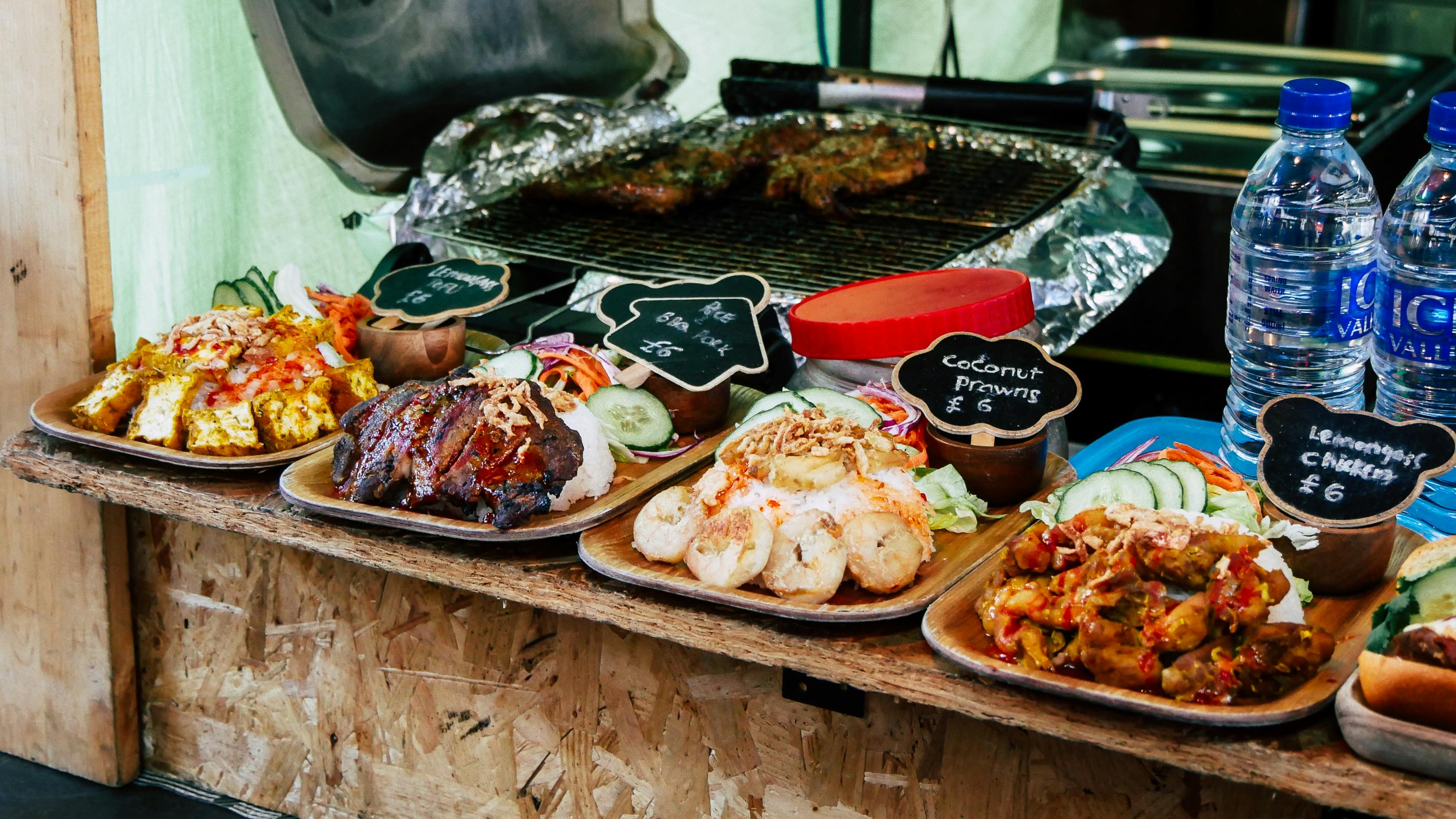
These are small, casual roadside stands serving authentic Creole dishes like accras and bokits. It is the cheapest and most flavorful way to eat on the island.
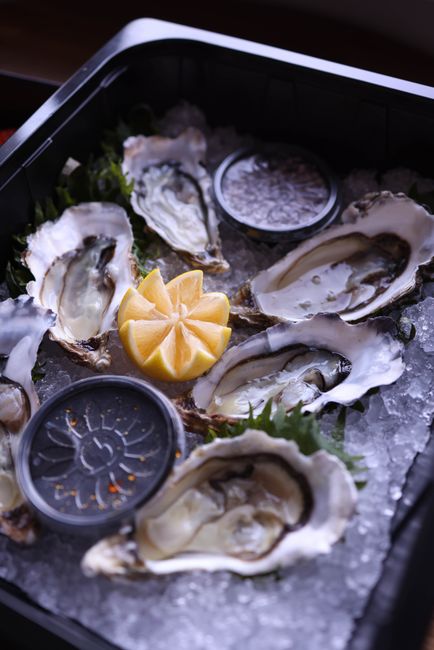
Dining
Seafood Restaurants
Enjoy fresh catch-of-the-day prepared with French culinary techniques and local spices. Dining out near the coast is a quintessential Martinique experience.
Climate
Best months: Jan, Feb, Mar, Apr, May, Jun, Jul, Aug, Sep, Oct, Nov, Dec
Avg humidity79%
Avg AQI25
Martinique is a year-round destination, but the most comfortable window for weather is from January through April. During these months, the temperatures are pleasant and the humidity is manageable, making it perfect for both outdoor exploration and indoor productivity.
While the island is accessible throughout the year, travelers should keep an eye on the Atlantic hurricane season, which runs from June to November. During the quieter months, you can often find lower accommodation prices, provided you stay prepared for occasional rain showers. The island thrives in every season, offering consistent access to local culture and nature.
Monthly temperatures °C
BestAvoidShoulder
Practical Info
Everything you need to know
🏥
Healthcare
Medical care is excellent and follows French standards, with high-quality hospitals and clinics available. Ensure you have travel insurance that covers your stay.
💱
Money
The Euro is the official currency, as the island is a French territory. Credit cards are widely accepted, though carrying a bit of cash for local markets is helpful.
🌐
Language
French is the official language, and while Creole is commonly spoken, you will find enough English in tourism zones. Learning basic French phrases will greatly enhance your experience.
Tips
Quick tips
- Rent a car to explore the hidden beaches.
- Learn basic French; it goes a long way.
- Shop at local supermarkets for groceries.
- Try the local rum at a distillery tour.
- Use 112 for any emergency needs.
- Bring light rain gear even in dry months.
- Always carry sunscreen and insect repellent.
Further Reading