Leticia · Colombia
Overview
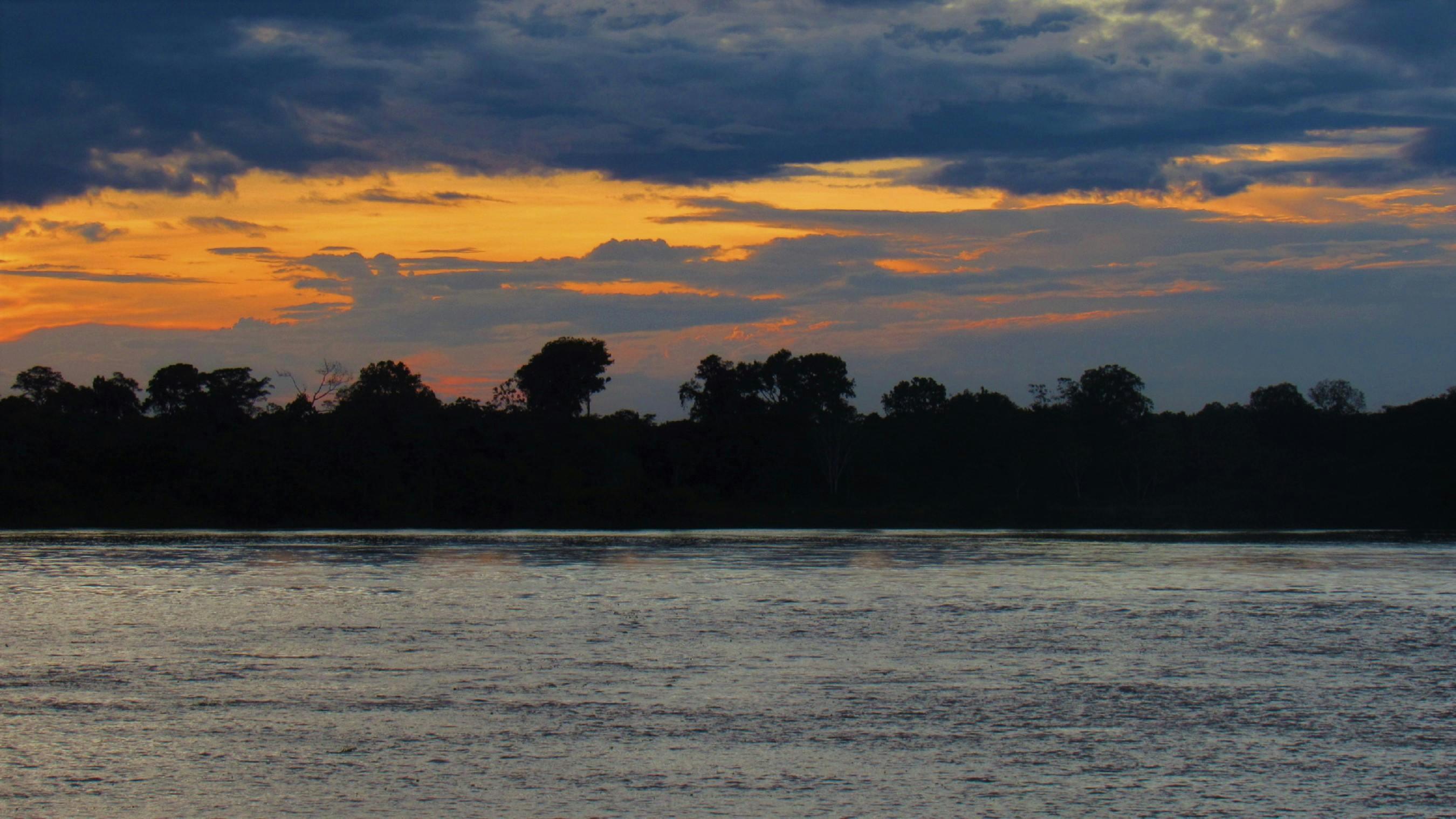
Leticia is not just a destination; it is an immersion into the lungs of the planet where every sunset over the Amazon reminds you why you chose the nomad life.
Leticia is a fascinating frontier city where the borders of Colombia, Brazil, and Peru meet along the winding Amazon River. The vibe here is entirely centered on the river and the surrounding jungle, making it a dream destination for naturalists and adventurous nomads looking for an authentic, off-the-beaten-path experience. You will find that life moves at the speed of the river, requiring patience and a flexible mindset toward technology and infrastructure.
While Leticia offers a profound cultural immersion into Amazonian life, digital nomads should note that infrastructure is limited. For those planning an extended stay, reviewing our Cost of living in Leticia will help you budget for the necessary gear, like high-quality portable hotspots, to offset the sometimes inconsistent local connectivity.

History
Leticia was formally founded on April 25, 1867, by Captain Benjamín Reese, originally under the name San Antonio.
Leticia was formally founded on April 25, 1867, by Captain Benjamín Reese, originally under the name San Antonio. Its strategic position on the Amazon River made it a point of contention for various South American nations throughout the late 19th and early 20th centuries, as the borders of this remote region were poorly defined and highly contested.
The most significant historical event for the town was the Colombia-Peru War in 1932, during which Peruvian forces seized the town, claiming it for Peru. The conflict, known as the Leticia Incident, ended in 1934 with the Protocol of Rio de Janeiro, which reaffirmed Colombian sovereignty over the area. Today, the city reflects a unique blend of Indigenous, Colombian, and Brazilian influences, serving as a peaceful trade and tourism hub.
1867
Foundation of LeticiaCaptain Benjamín Reese established the settlement, originally naming it San Antonio to solidify Colombian presence.
1932
Leticia IncidentPeruvian armed civilians seized the town, sparking a brief but intense territorial conflict between Colombia and Peru.
1934
Protocol of Rio de JaneiroThe peace treaty ended the conflict and officially established the borders, confirming Colombian control over the Amazonian territory.
1990s
Integration and TourismLeticia began shifting its identity toward ecotourism, becoming a primary base for visitors exploring the Amazon rainforest.
Where to Stay
Choose your base camp
Distinct neighbourhoods, different rhythms. Pick the one that fits your work-life balance.
Budget Favourite
Centro
The heart of Leticia where most services, hostels, and markets are located. It is convenient for those who want to be close to the action and affordable dining.
Slow Living
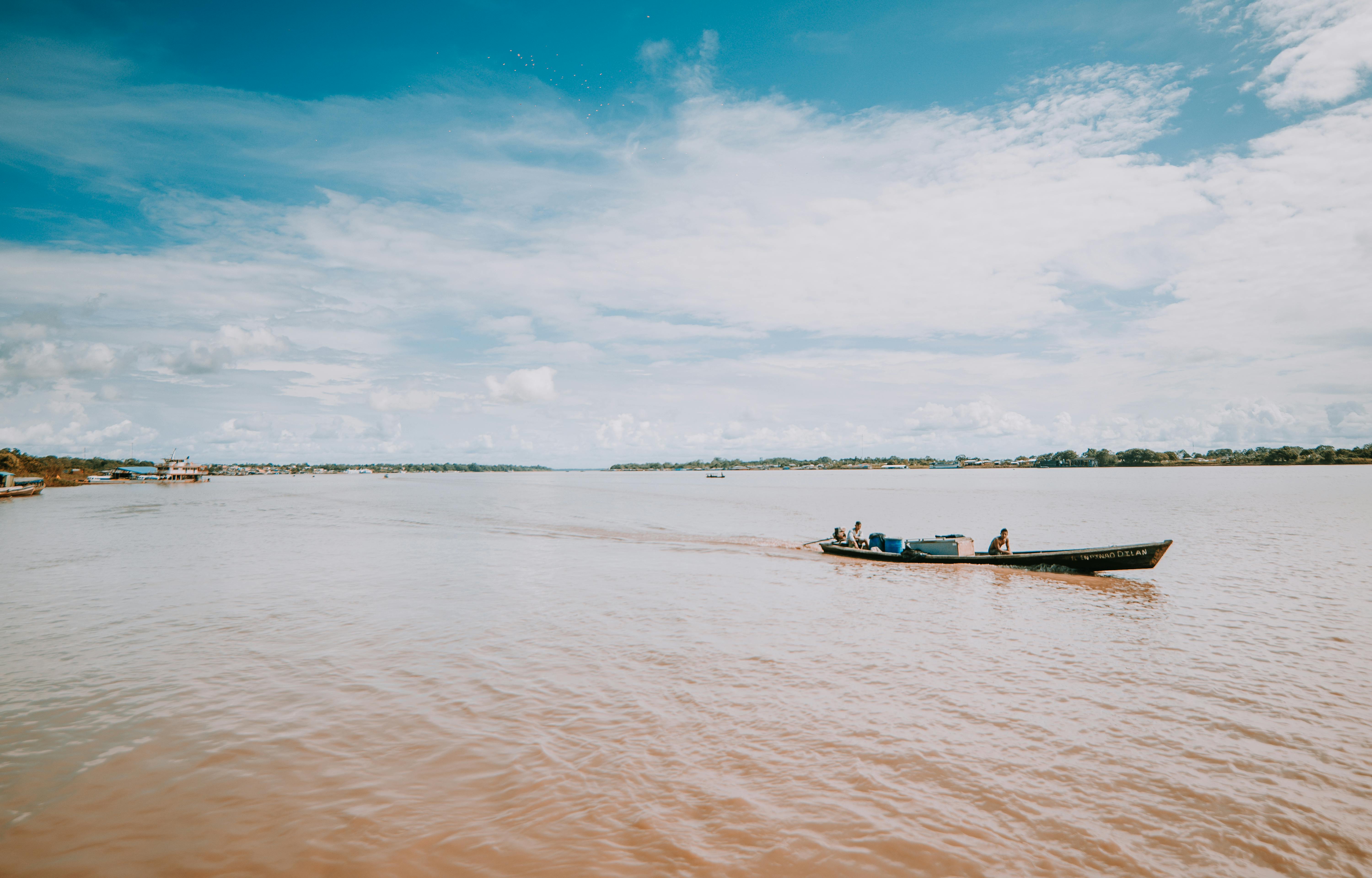
Riverfront
Staying near the Amazon River provides beautiful morning views and easy access to boat docks. It is quieter and offers a more meditative atmosphere.
Places to Go
The experiences that will make you never leave
These aren't tourist checkboxes — they're the experiences that reset your sense of what's normal.
Top Pick
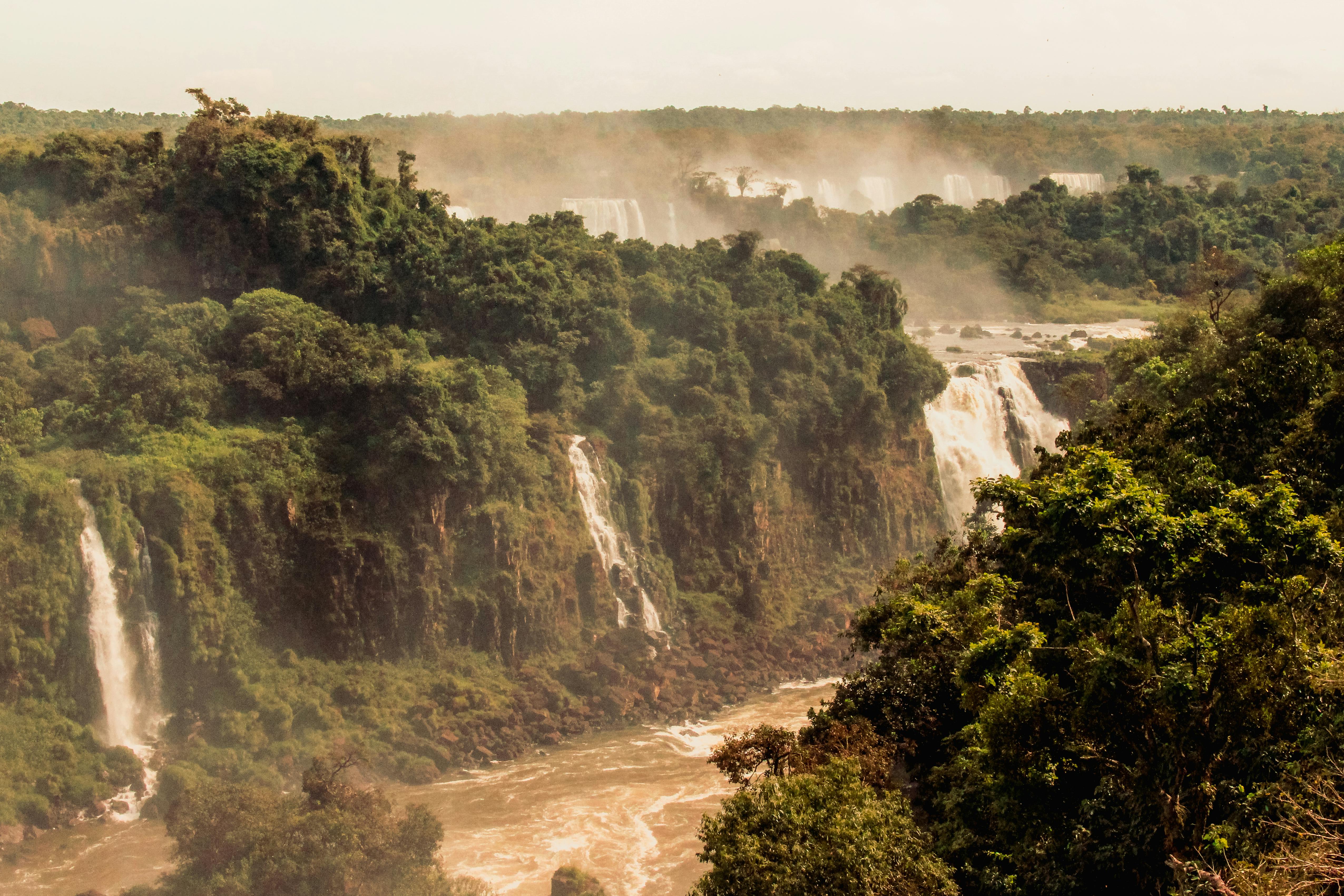
Amacayacu National Park
This spectacular national park offers a deep dive into Amazonian ecosystems with trails and boat access to see unique wildlife. It is the perfect place to learn about the flora and fauna of the region.
Isla de los Micos Guide
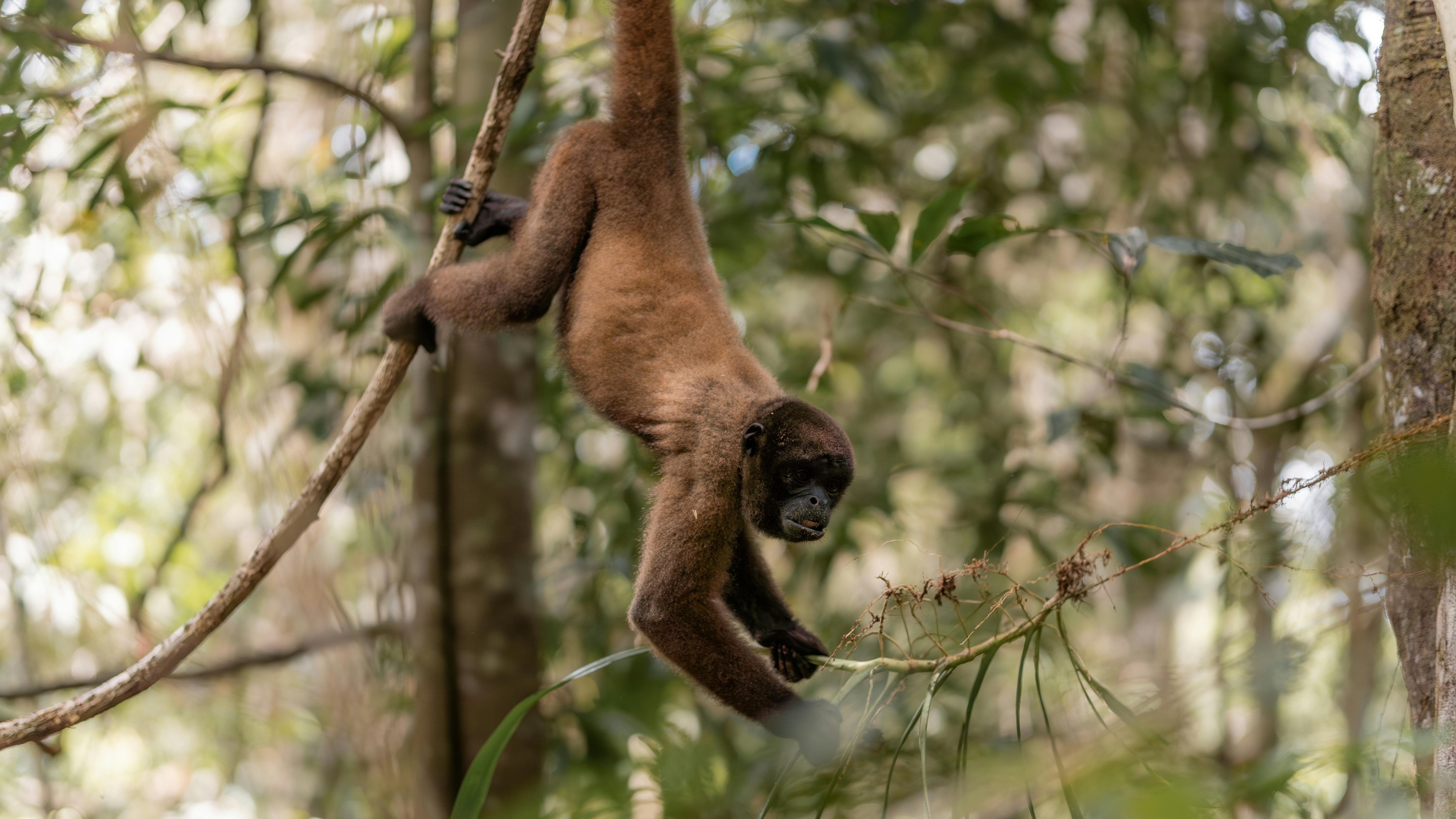
Isla de los Micos
The Monkey Island is a famous sanctuary where visitors can interact with various species of curious monkeys. Guided tours are necessary to ensure the protection of the animals and your own safety.
Work & Connectivity
Stay connected wherever you work
The nomad community here is real — cafés and coworking spaces where you can work and meet others.
Hotel Cafés
Several mid-range hotels offer quiet lobby areas with basic Wi-Fi, which often serve as the most reliable spots for nomads to answer emails.
Local Public Library
The city library provides a quiet, air-conditioned space, though it is not a traditional coworking space and lacks dedicated fast internet.
Budget & Costs
What it costs to live in Leticia
Choose your lifestyle tier. Comfortable = furnished accommodation, local + occasional Western food, transport, leisure.
$913
per month · USD · comfortable lifestyle
ModerateFurnished studio, local restaurants, transport, and weekend trips.
Exchange rates
Check xe.com or your bank for current USD to local currency.
Check xe.com or your bank for current USD to local currency.
🏠 Rent 41%$365/mo
🍽️ Food 24%$219/mo
🚌 Transport 6%$55/mo
💡 Utilities 8%$73/mo
🎭 Leisure 12%$110/mo
🏥 Health 8%$73/mo
Connectivity
Well connected to the world
Internet and transport options for remote workers.
📶
Internet
Good — fibre common
Check local providers.
🏢
Coworking
From ~$80/mo
Dedicated spaces available.
🚌
Local Transit
5 / 10
Scooter and taxi common.
LET
Alfredo Vásquez Cobo International Airport
20 km from centre
bogota
Safety & Visa
Safe, welcoming, and easy to enter
Safety Score6 / 10
✗ Tap Water✓ Night Safe📞 112 or local emergency number
Visa
Check your entry options
Many nationalities get visa-free or visa-on-arrival. Check official government sources for your citizenship before travel.
Culture & Festivals
Local soul, nomad-friendly
Multiculturalism5/10
Foodie Scene5/10
Remote work
Jul
Fiestas de la Confraternidad Amazónica
A vibrant celebration of the cross-border cultural ties between Colombia, Brazil, and Peru, featuring music, dance, and food.
If you have time, consider taking a short boat trip across the river to Tabatinga in Brazil to see a completely different culture just a few minutes away.
Food & Nightlife
A feast for every mood
From street food to cafés and nightlife — every meal is an event.

Street Food
Mercado de Leticia
Head to the main market to sample fresh exotic Amazonian fruits like cupuaçu and arazá. It is also the best place to find affordable 'menu del día' meals.

Regional Dining
River-to-Table Restaurants
Restaurants near the waterfront specialize in fish dishes caught fresh from the Amazon, such as Pirarucu. The flavors are unique to this corner of Colombia.
Climate
Best months: Jan, Feb, Mar, Apr, May, Jun, Jul, Aug, Sep, Oct, Nov, Dec
Avg humidity88%
Avg AQI20
Leticia experiences a tropical rainforest climate, meaning it remains warm and humid throughout the year. Because of this, you can visit during any month, from January to December, as there is no specific 'bad' time to travel, though river levels fluctuate significantly between wet and dry seasons.
During the high water season, more areas are accessible by boat, while the low water season reveals beautiful beaches along the river banks. Travelers often prefer the months with slightly less rainfall for easier trekking in the jungle, but the vibrant green canopy is lush and alive regardless of when you arrive.
Monthly temperatures °C
BestAvoidShoulder
Practical Info
Everything you need to know
🌐
Connectivity
Internet in Leticia is inconsistent. Always maintain a backup mobile data plan via a local carrier and consider a global eSIM or a dedicated portable 4G/5G device for work stability.
🏥
Healthcare
Medical facilities in Leticia are limited to regional standards. Ensure you have comprehensive travel insurance that includes emergency medical evacuation in case of serious illness.
💱
Money
Cash is king in Leticia. While some businesses accept cards, you will need Colombian Pesos for local markets, mototaxis, and river tours, so keep plenty of small denominations on hand.
Tips
Quick tips
- Negotiate mototaxi prices before you start the ride.
- Pack lightweight, moisture-wicking clothing for the humidity.
- Carry a high-quality mosquito repellent at all times.
- Drink bottled water only, as tap water is not safe to consume.
- Learn basic Spanish phrases as English is rarely spoken outside tourist hubs.
- Keep your passport handy, as you may cross near international borders frequently.
- Download offline maps for navigation through the jungle and town.
- Respect the local environment by never leaving trash behind.
Further Reading