Kumasi · Ghana
Overview
Kumasi is not just a city; it is the soul of the Ashanti people, where every street corner tells a story of royalty, gold, and resilience.
Known as the Garden City of West Africa, Kumasi serves as a bustling commercial center where ancient traditions meet rapid urban development. For digital nomads, the vibe is intense, authentic, and refreshingly different from the coastal capital of Accra. You will find that life here revolves around the sprawling Kejetia Market, one of the largest open-air markets in West Africa, which pulses with the energy of thousands of traders and locals.
While the city is still developing its digital infrastructure, it offers a fantastic base for those seeking a genuine West African experience. Costs remain very manageable—check the Cost of living in Kumasi for a breakdown—and the local food scene is legendary for its spicy jollof rice and fufu. While the Climate is generally warm and temperate, the city's lush surroundings provide a beautiful backdrop for a unique remote working journey.

History
Kumasi was established in the late 17th century as the capital of the Ashanti Empire, a powerful sta…
Kumasi was established in the late 17th century as the capital of the Ashanti Empire, a powerful state that rose to prominence through the gold trade. It served as the seat of the Asantehene, the king of the Ashanti people, and remained a critical center for political and cultural power throughout the colonial era. The city's history is deeply intertwined with the struggle against British colonial rule, including the famous War of the Golden Stool.
Today, Kumasi stands as a modern metropolis that has successfully preserved its traditional heritage. The architecture and social structures still reflect the influence of the Ashanti monarchy, which continues to hold significant sway in local governance and cultural identity. Visitors can feel this historical weight in the city's orderly layout and the reverence shown at the Manhyia Palace.
1695
Founding of the Ashanti EmpireOsei Tutu I founded the city of Kumasi, which became the administrative and spiritual capital of the growing Ashanti state.
1820
Early European ContactBritish envoys like Thomas Bowdich visited the city, documenting the immense wealth and complex administrative structures of the Ashanti kingdom.
1901
British Colonial RuleFollowing several wars, the Ashanti Empire was formally annexed by the British and incorporated into the Gold Coast colony.
1957
IndependenceKumasi became a major urban center in the newly independent nation of Ghana, continuing its role as a regional economic powerhouse.
Where to Stay
Choose your base camp
Distinct neighbourhoods, different rhythms. Pick the one that fits your work-life balance.
Central Business
Adum
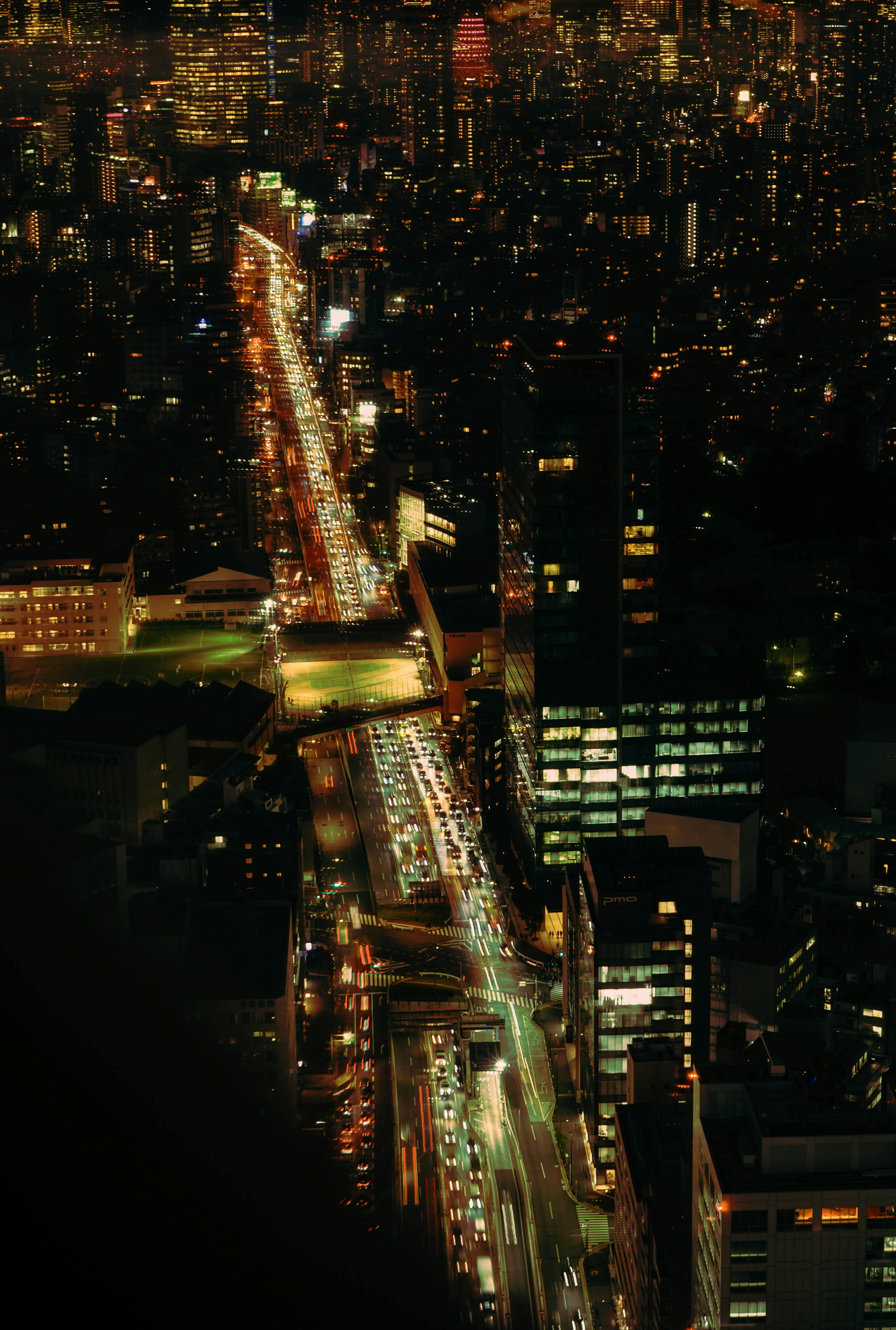
The commercial hub of the city where most major banks and offices are located. It is great for those who want to be in the center of the action and near the market.

Student & Expat
Ayeduase
A more residential area popular with university students and expats. It offers a slightly more relaxed pace of life with easy access to cafes and services.
Places to Go
The experiences that will make you never leave
These aren't tourist checkboxes — they're the experiences that reset your sense of what's normal.
Top Pick
Manhyia Palace Museum
This is the historic seat of the Asantehene and provides a fascinating look into the royal history of the Ashanti people. The museum displays artifacts, royal regalia, and photographs that document the kingdom's past.

Kejetia Market Guide
Kejetia Market
As the largest open-air market in West Africa, this place is a sensory overload in the best possible way. You can find everything from handmade kente cloth to fresh spices and local produce here.

Military Museum Info
Kumasi Fort and Military Museum
This site features a well-preserved fort that offers insights into the city's military history and its role during the colonial period. It is a quiet and reflective space compared to the chaotic energy of the nearby markets.
Work & Connectivity
Stay connected wherever you work
The nomad community here is real — cafés and coworking spaces where you can work and meet others.
KNUST Campus Cafes
The area around the university has several quiet spots suitable for getting work done with a decent laptop culture.
Hotel Lobbies in Adum
High-end hotels in the central district often have stable Wi-Fi and quiet environments that are great for focused work sessions.
Budget & Costs
What it costs to live in Kumasi
Choose your lifestyle tier. Comfortable = furnished accommodation, local + occasional Western food, transport, leisure.
$1095
per month · USD · comfortable lifestyle
ModerateFurnished studio, local restaurants, transport, and weekend trips.
Exchange rates
Check xe.com or your bank for current USD to local currency.
Check xe.com or your bank for current USD to local currency.
🏠 Rent 37%$402/mo
🍽️ Food 27%$292/mo
🚌 Transport 7%$73/mo
💡 Utilities 7%$73/mo
🎭 Leisure 13%$146/mo
🏥 Health 10%$110/mo
Connectivity
Well connected to the world
Internet and transport options for remote workers.
📶
Internet
Good — fibre common
Check local providers.
🏢
Coworking
From ~$80/mo
Dedicated spaces available.
🚌
Local Transit
5 / 10
Scooter and taxi common.
KMS
Kumasi Airport
20 km from centre
accra
Safety & Visa
Safe, welcoming, and easy to enter
Safety Score6 / 10
✗ Tap Water✓ Night Safe📞 112 or local emergency number
Visa
Check your entry options
Many nationalities get visa-free or visa-on-arrival. Check official government sources for your citizenship before travel.
Culture & Festivals
Local soul, nomad-friendly
Multiculturalism5/10
Foodie Scene5/10
Remote work
Feb
Akwasidae Festival
A vibrant celebration of Ashanti culture held periodically at the Manhyia Palace to honor the ancestors and the Asantehene.
Kumasi is also the gateway to the Ashanti region's many artisan villages, where you can watch craftsmen make Kente cloth, adinkra symbols, and pottery. These excursions are highly recommended for a deeper understanding of Ghanaian culture.
Food & Nightlife
A feast for every mood
From street food to cafés and nightlife — every meal is an event.
Street Food
Chop Bars
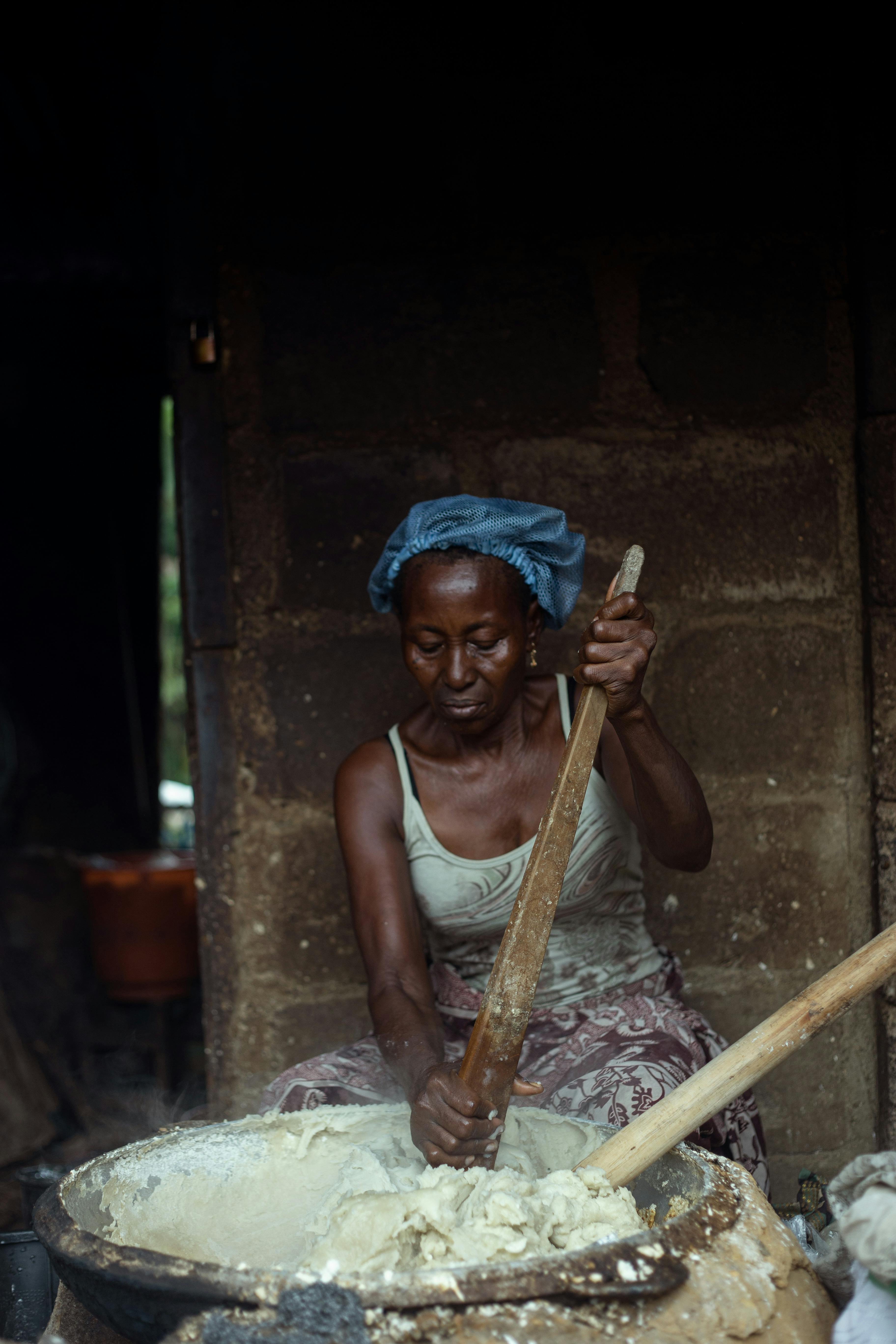
Visit a local chop bar for authentic fufu, light soup, or banku. It is the cheapest and most genuine way to eat in the city.

Casual Dining
Adum Eateries
You will find a range of restaurants offering both local Ghanaian dishes and international continental options.
Climate
Best months: Jan, Apr, May, Jun, Jul, Aug, Sep, Oct, Nov, Dec
Avg humidity75%
Avg AQI75
Kumasi is a year-round destination, with the weather staying consistently warm and temperate. While there are no specific months to strictly avoid, the rainy season typically peaks in mid-year, which might impact outdoor travel plans. If you prefer drier weather, the months from November to January are generally more comfortable.
Most travelers find the period between August and December to be highly enjoyable, as the heat is less intense and the local calendar is filled with cultural vibrancy. Whether you visit in the sunny start of the year or the lush, green later months, Kumasi remains accessible and welcoming for the adventurous remote worker.
Monthly temperatures °C
BestAvoidShoulder
Practical Info
Everything you need to know
🏥
Healthcare
Medical facilities vary in quality, so it is recommended to carry comprehensive travel insurance. Major hospitals are available in Kumasi for standard care, but private clinics are generally preferred for expats.
💱
Money
The local currency is the Ghanaian Cedi (GHS). Cash is king in Kumasi, especially in markets, so always keep small denominations on hand for daily transactions.
🌐
Connectivity
Mobile internet is reliable through local SIM providers. Always have a backup data plan on a different network to ensure consistent uptime during your work day.
Tips
Quick tips
- Always carry a portable power bank as power outages can happen.
- Learn a few words of Twi to earn respect and build rapport with locals.
- Use ride-hailing apps for local transport if available in your area.
- Avoid drinking tap water; stick to bottled or filtered water.
- Dress modestly when visiting the Palace or religious sites.
- Negotiate prices at the market, but be fair and friendly.
- Keep your belongings secure in crowded market areas.
Further Reading