Johannesburg · South Africa
Overview
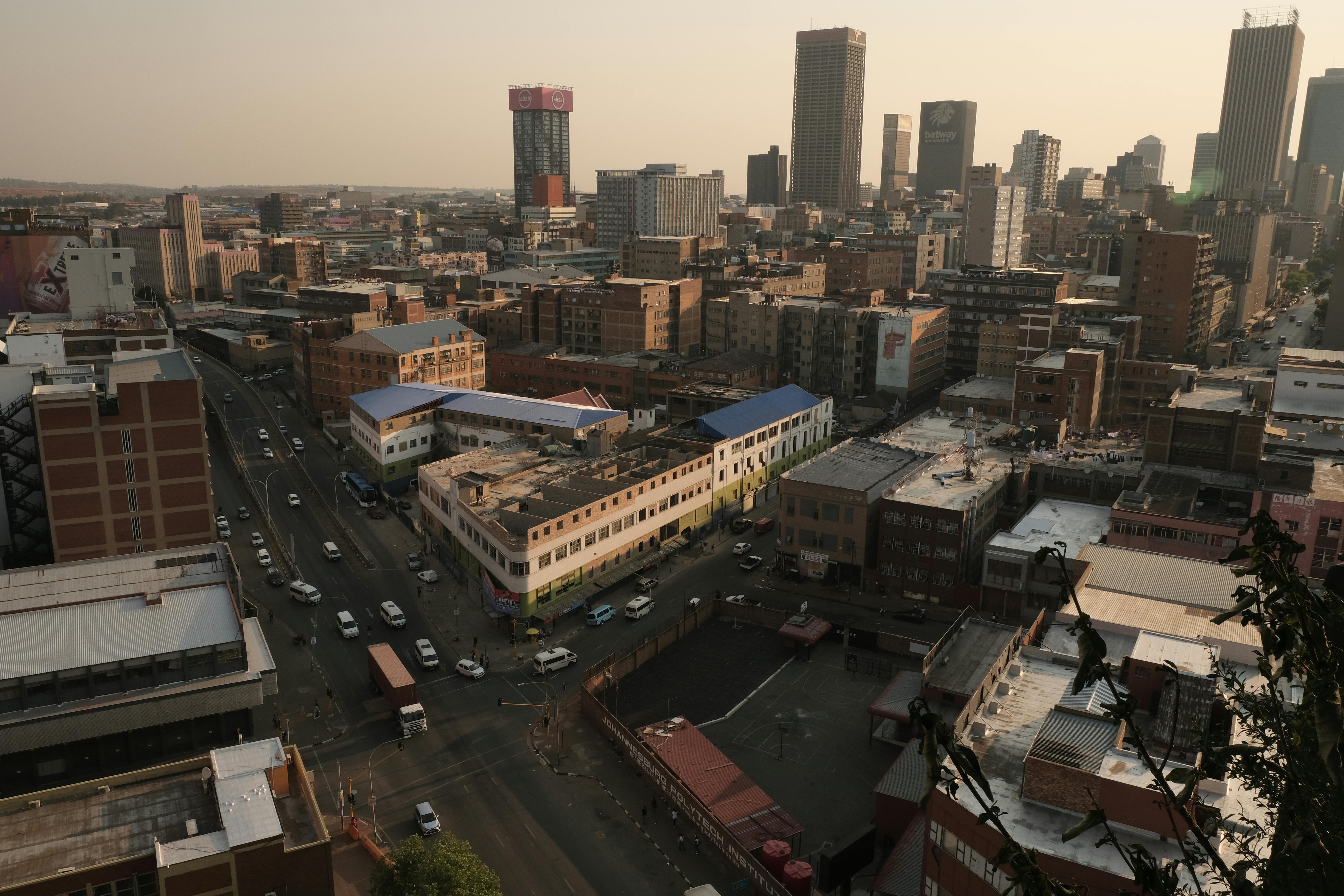
Johannesburg isn't a city that shows you everything at once; it demands that you step into its neighborhoods to truly understand its relentless, creative heartbeat.
Often referred to as 'Joburg' or 'Egoli' (Place of Gold), Johannesburg is a city defined by its rapid reinvention and gritty, artistic energy. As a digital nomad, you will find a city that rewards those who look past the surface to discover a thriving creative scene, professional networking hubs, and deep historical significance. It is a place where industrial heritage meets modern innovation, providing a unique backdrop for remote work.
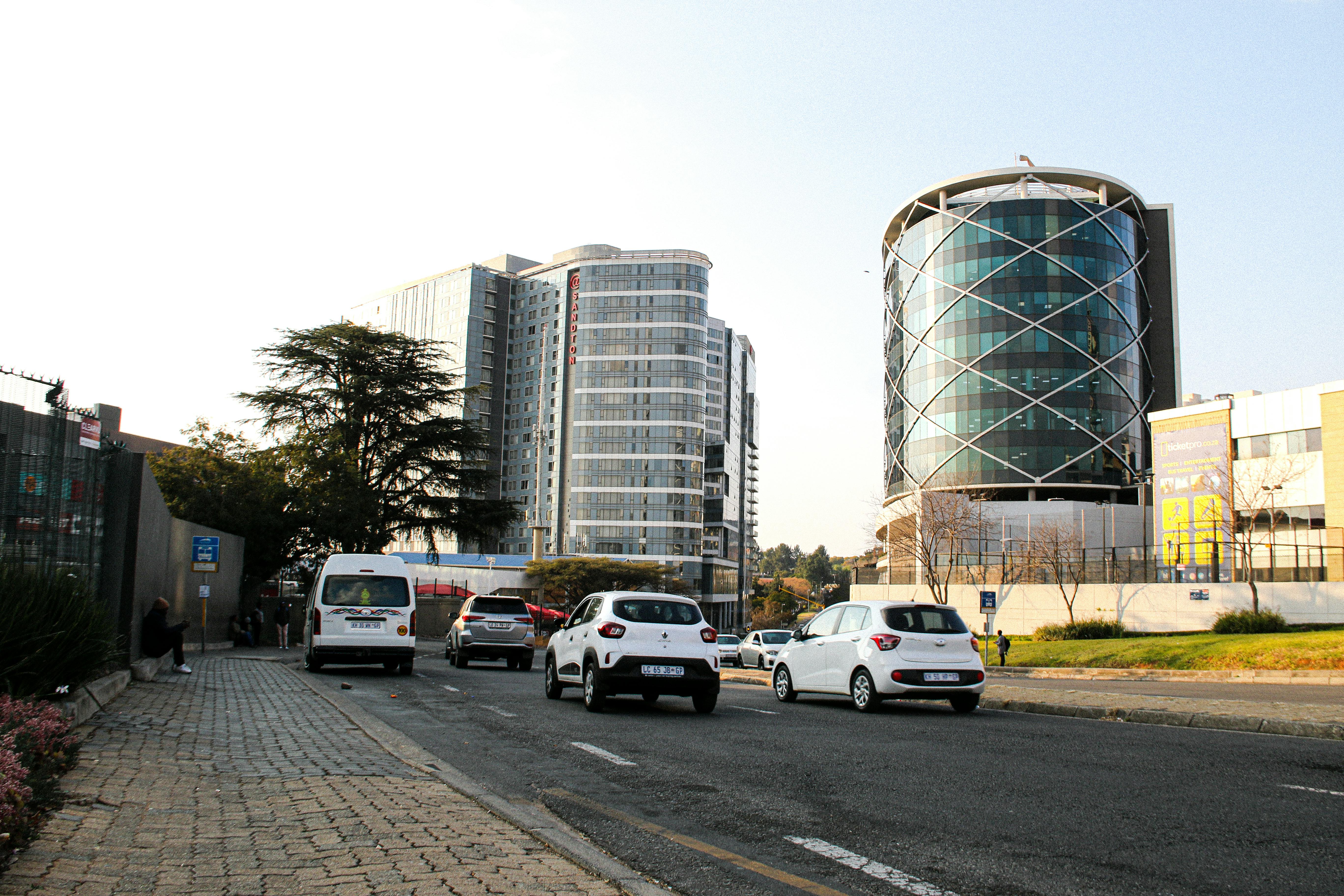
While navigating the city requires a level of awareness, the infrastructure in hubs like Sandton and Rosebank is world-class. You can expect a high-energy environment that pairs well with the city's mild, high-altitude weather, which you can read more about in our climate section. For a breakdown of monthly expenses to help you plan your stay, see the cost of living breakdown.
History
Johannesburg began as a chaotic gold-mining settlement in 1886 after the discovery of the world's largest gold reef.
Johannesburg began as a chaotic gold-mining settlement in 1886 after the discovery of the world's largest gold reef. The 'rush' transformed a dusty highveld landscape into a sprawling metropolis in just a few decades, drawing laborers from across the globe and establishing the city as the economic anchor of the region.
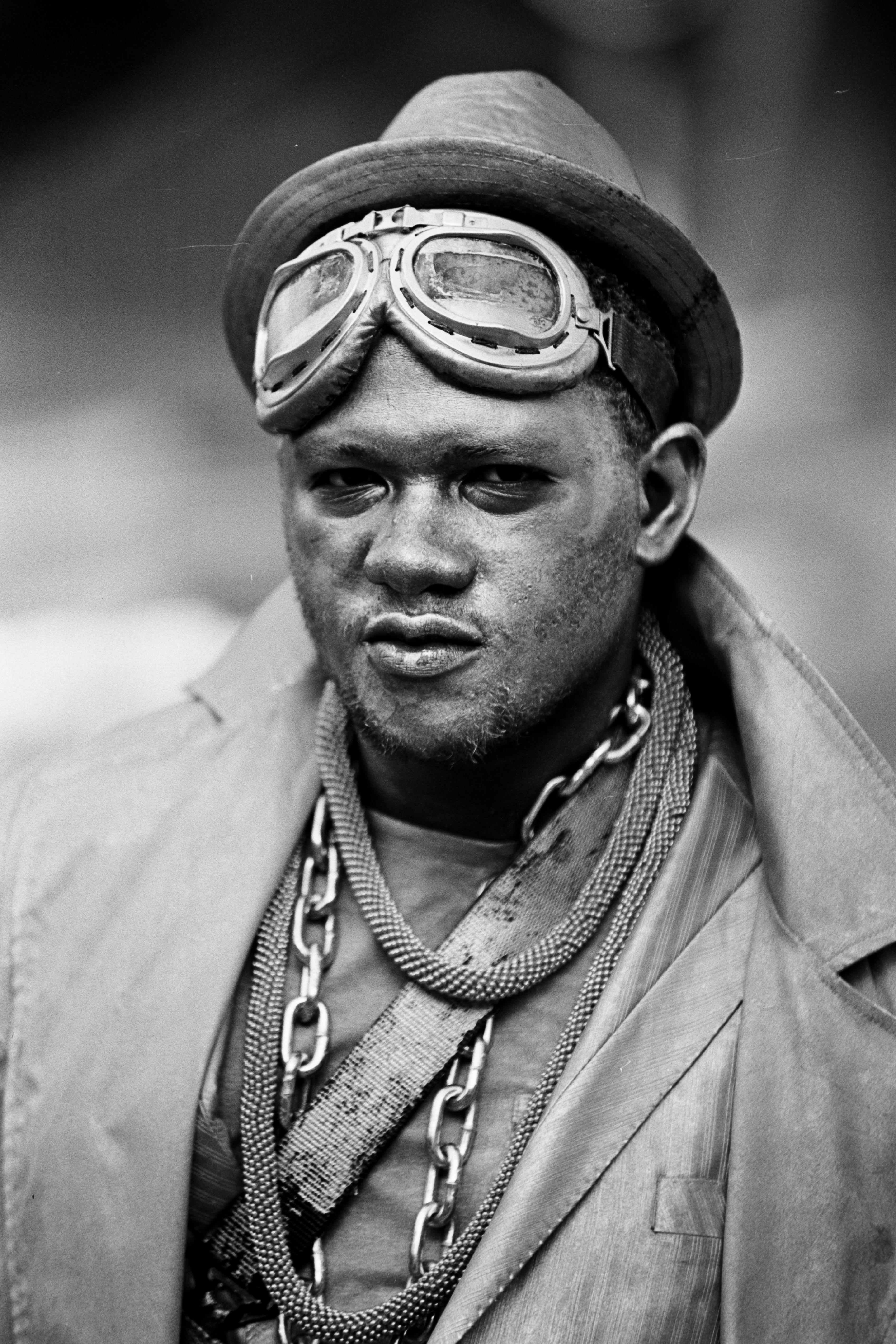
Throughout the 20th century, the city became the epicenter of the struggle against the Apartheid regime. Sites like Soweto and Constitution Hill bear witness to the intense historical transformation, activism, and the eventual birth of South Africa's democracy. Today, the city is a testament to resilience, as former industrial districts like Maboneng undergo dramatic revitalizations into hubs for art, tech, and culture.
1886
Discovery of GoldThe Witwatersrand Gold Rush begins, leading to the rapid founding and growth of the city.
1948
Apartheid Era BeginsThe National Party introduces institutionalized racial segregation, deeply impacting the city's urban planning.
1976
Soweto UprisingStudent protests against state education policies became a major turning point in the anti-apartheid movement.
1994
Democratic ElectionsThe first multiracial democratic elections mark the end of formal Apartheid and the start of a new era for Johannesburg.
2010
FIFA World CupJohannesburg hosts key matches, including the final, signaling the city's modern global infrastructure growth.
Where to Stay
Choose your base camp
Distinct neighbourhoods, different rhythms. Pick the one that fits your work-life balance.
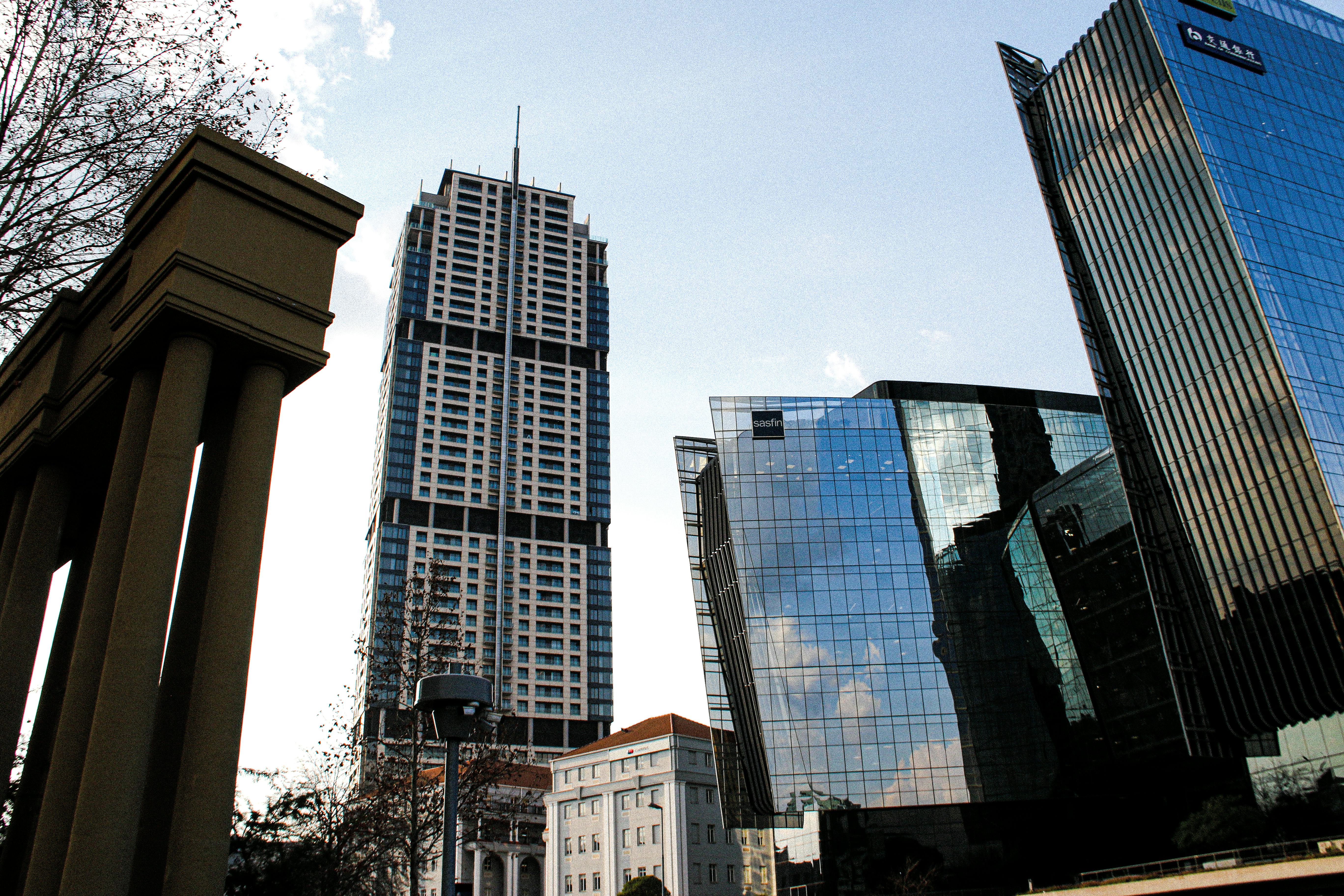
Corporate Hub
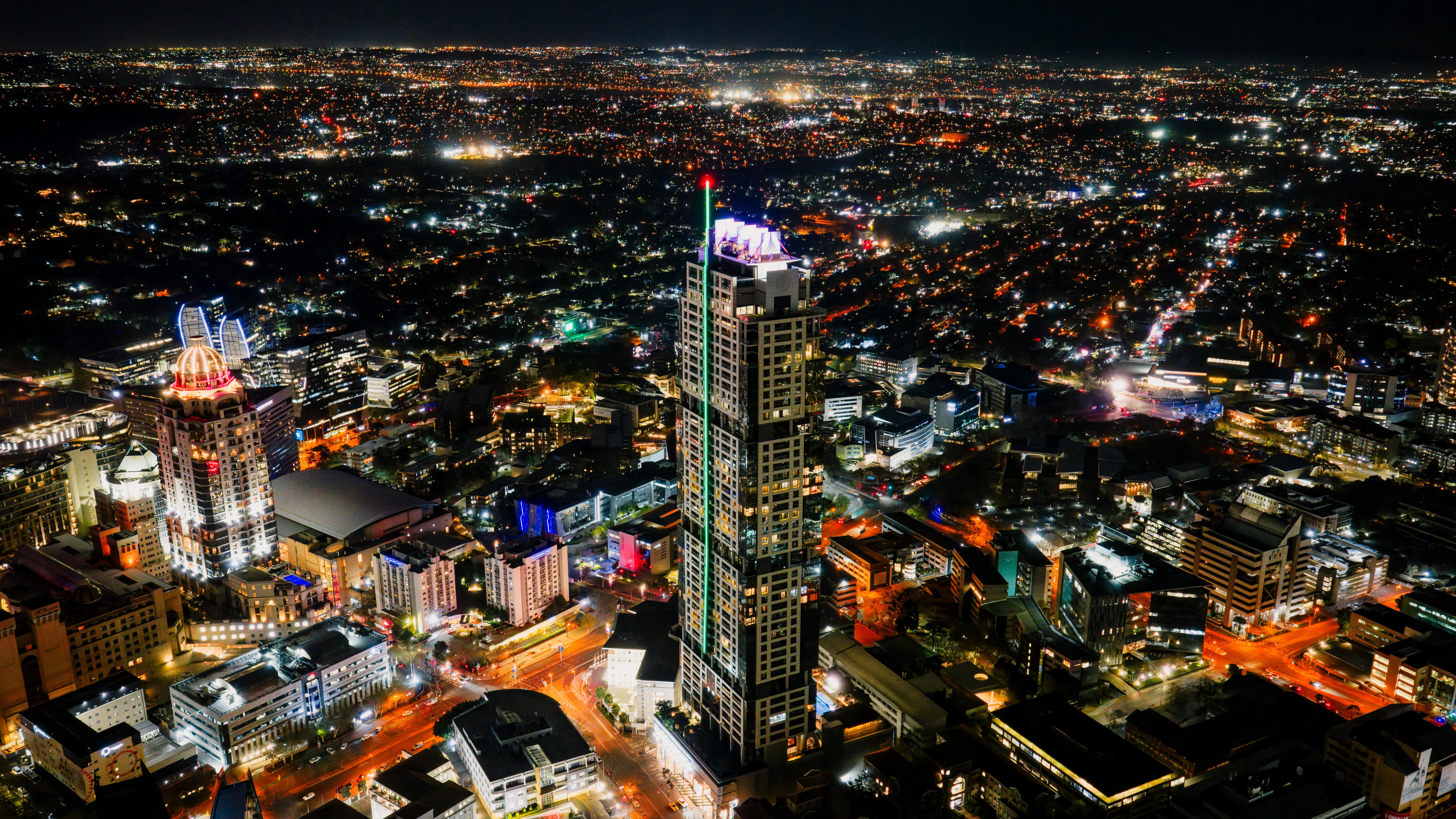
Sandton
The city's financial heart with high-end apartments, hotels, and luxury shopping centers. It is the safest area for short-term stays with excellent amenities.
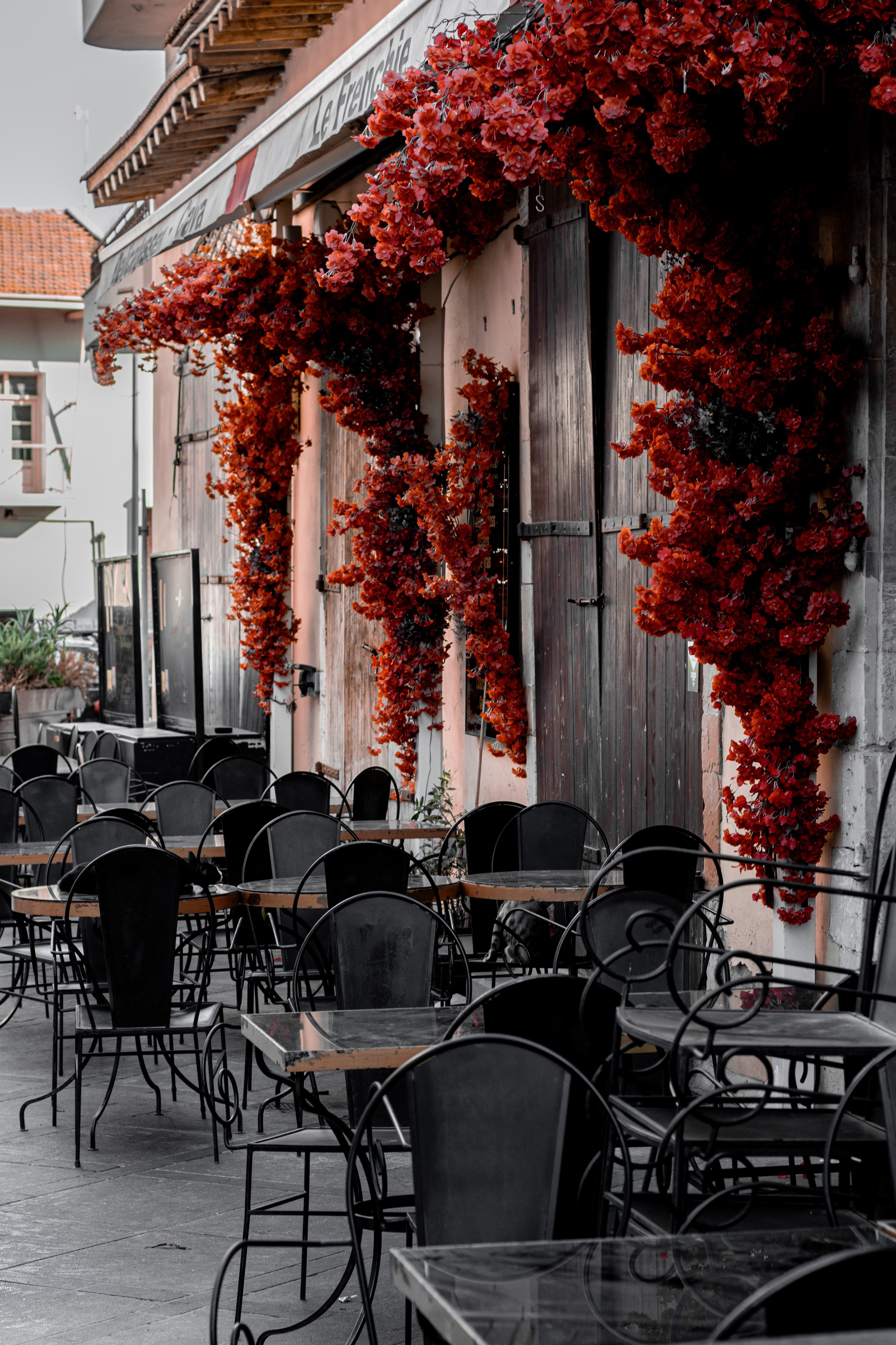
Nomad Friendly
Rosebank
Very walkable with a heavy concentration of cafes, coworking spaces, and the Gautrain station. It balances work and leisure effectively.
Bohemian Vibe
Melville
Known for its vibrant nightlife, vintage shops, and artistic cafes. It is a popular choice for those wanting a creative and more laid-back community.
Places to Go
The experiences that will make you never leave
These aren't tourist checkboxes — they're the experiences that reset your sense of what's normal.

Top Pick
Apartheid Museum
A deeply moving museum documenting the rise and fall of the 20th-century Apartheid system. It is essential for understanding the modern South African identity.
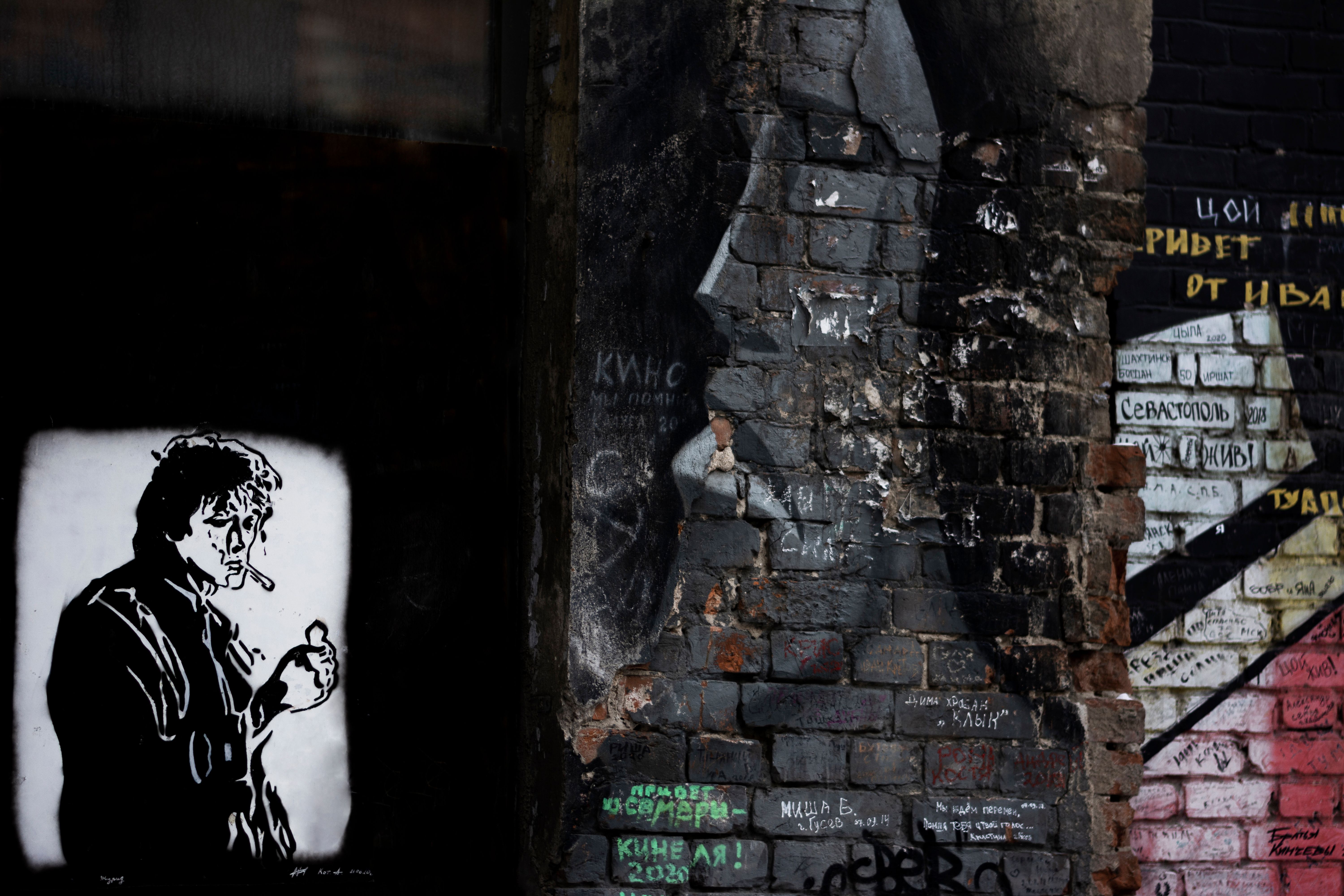
Maboneng Tourism
Maboneng Precinct
A regenerated neighborhood filled with galleries, studios, and weekend markets. It is the heart of Johannesburg's current artistic renaissance.
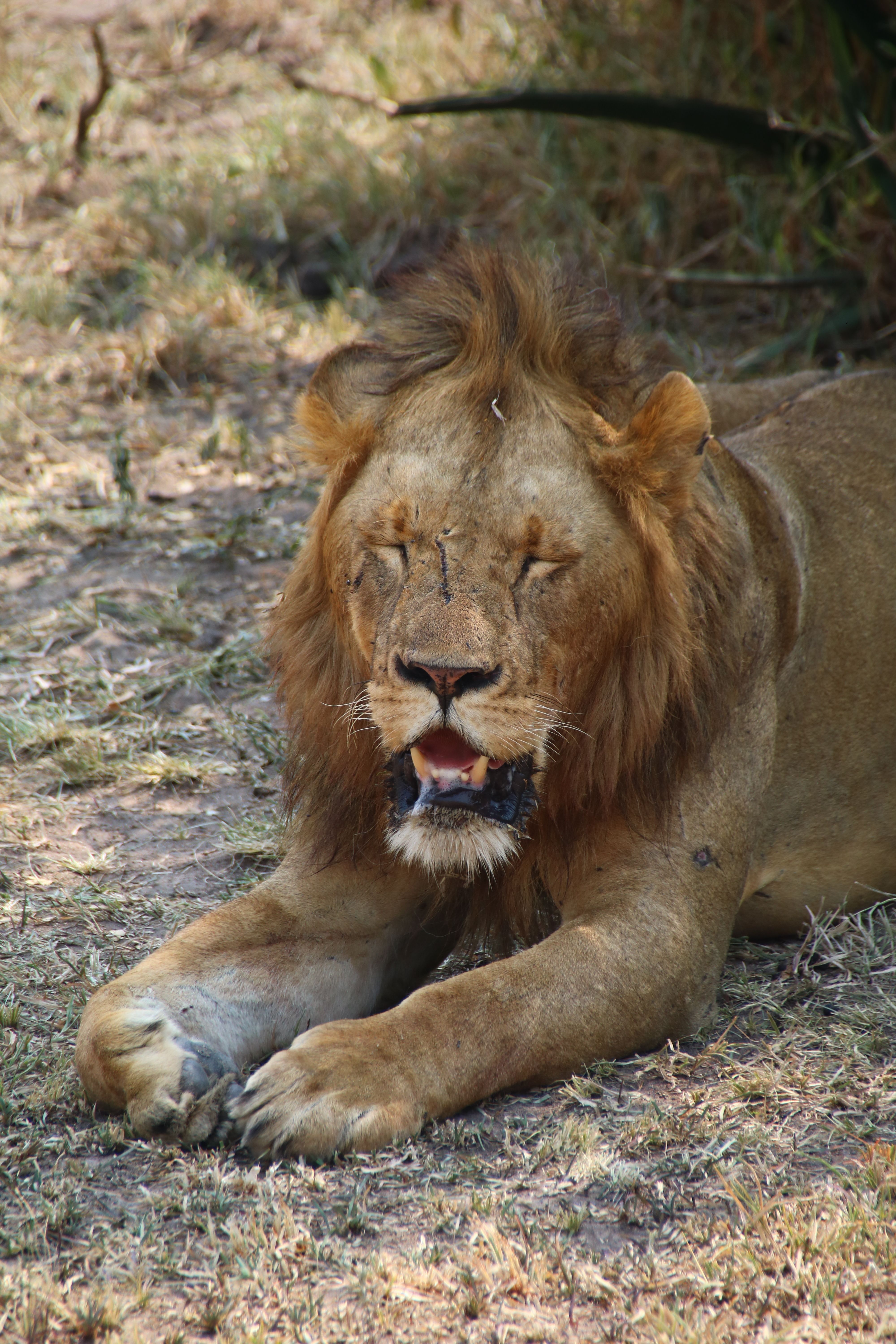
Lion & Safari Park
Lion & Safari Park
Located just a short drive from the city, this park offers a chance to see lions, cheetahs, and wild dogs in a protected environment.
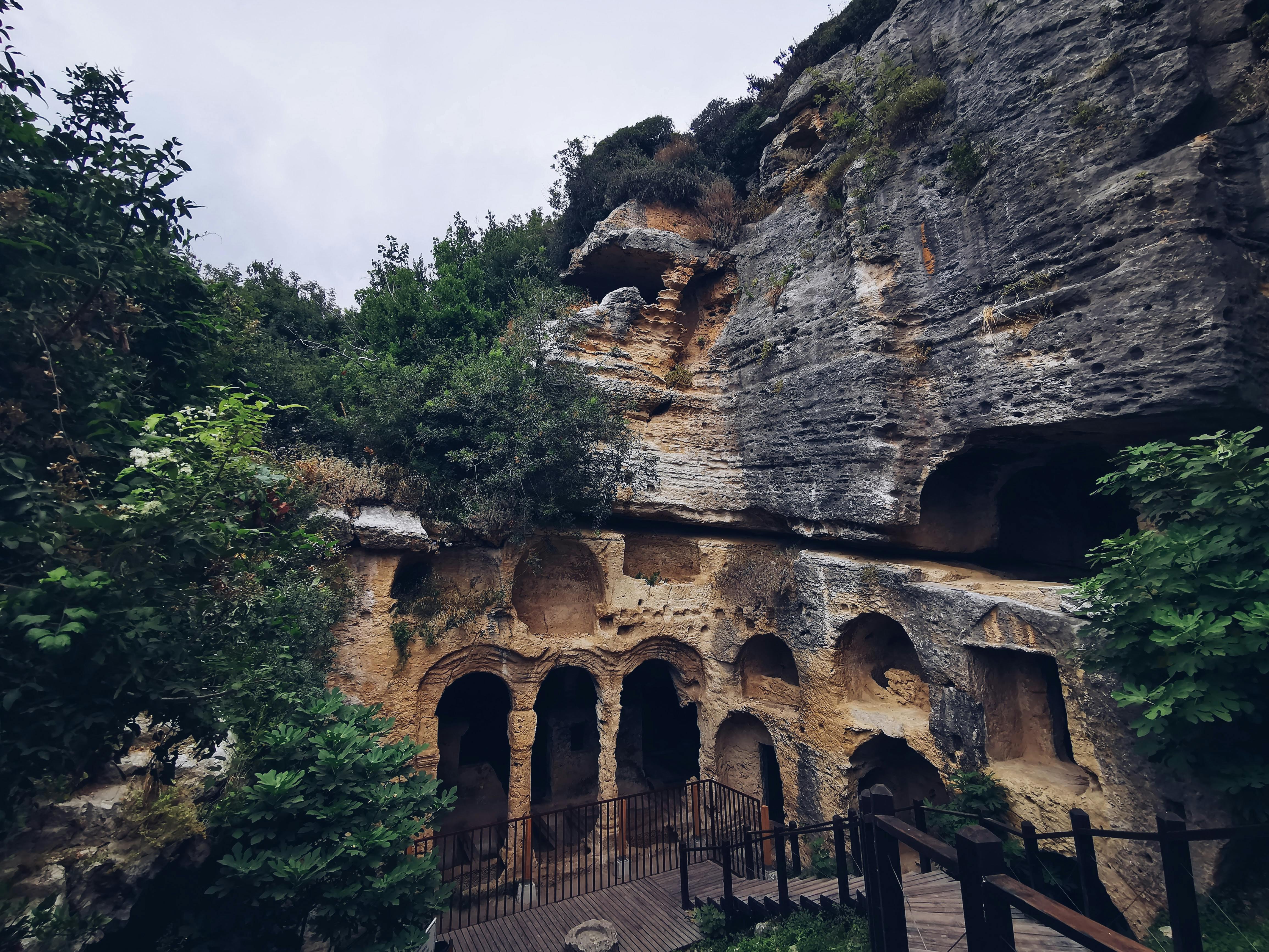
Wikipedia: Cradle of Humankind
Cradle of Humankind
A UNESCO World Heritage site featuring limestone caves where some of the oldest hominid fossils have been discovered.
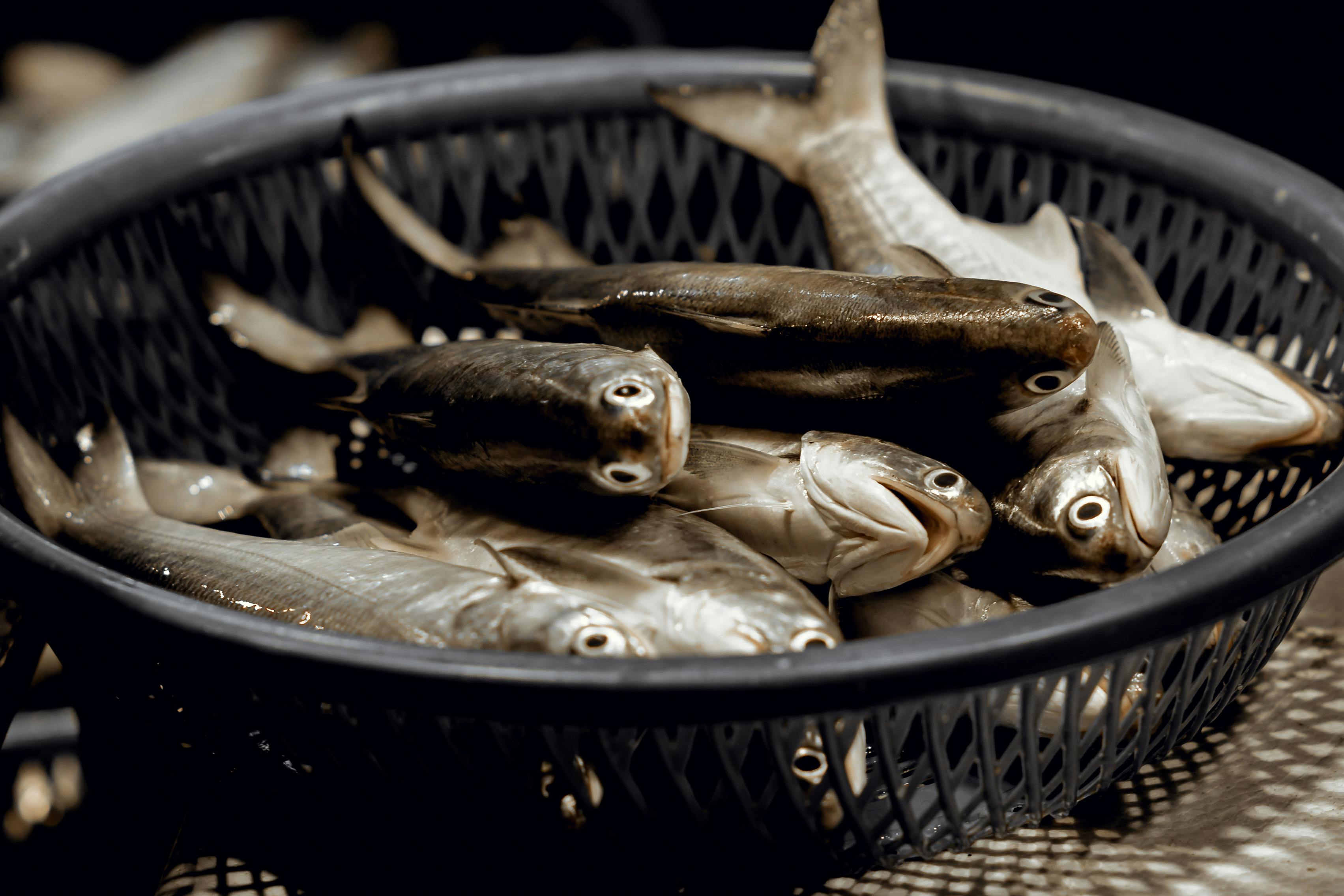
Neighbourgoods Market
Neighbourgoods Market
A popular market featuring gourmet food, drinks, and local design. It's a great social spot for weekend networking.

Constitution Hill
Constitution Hill
A living museum that narrates the journey to democracy and houses the Constitutional Court of South Africa.
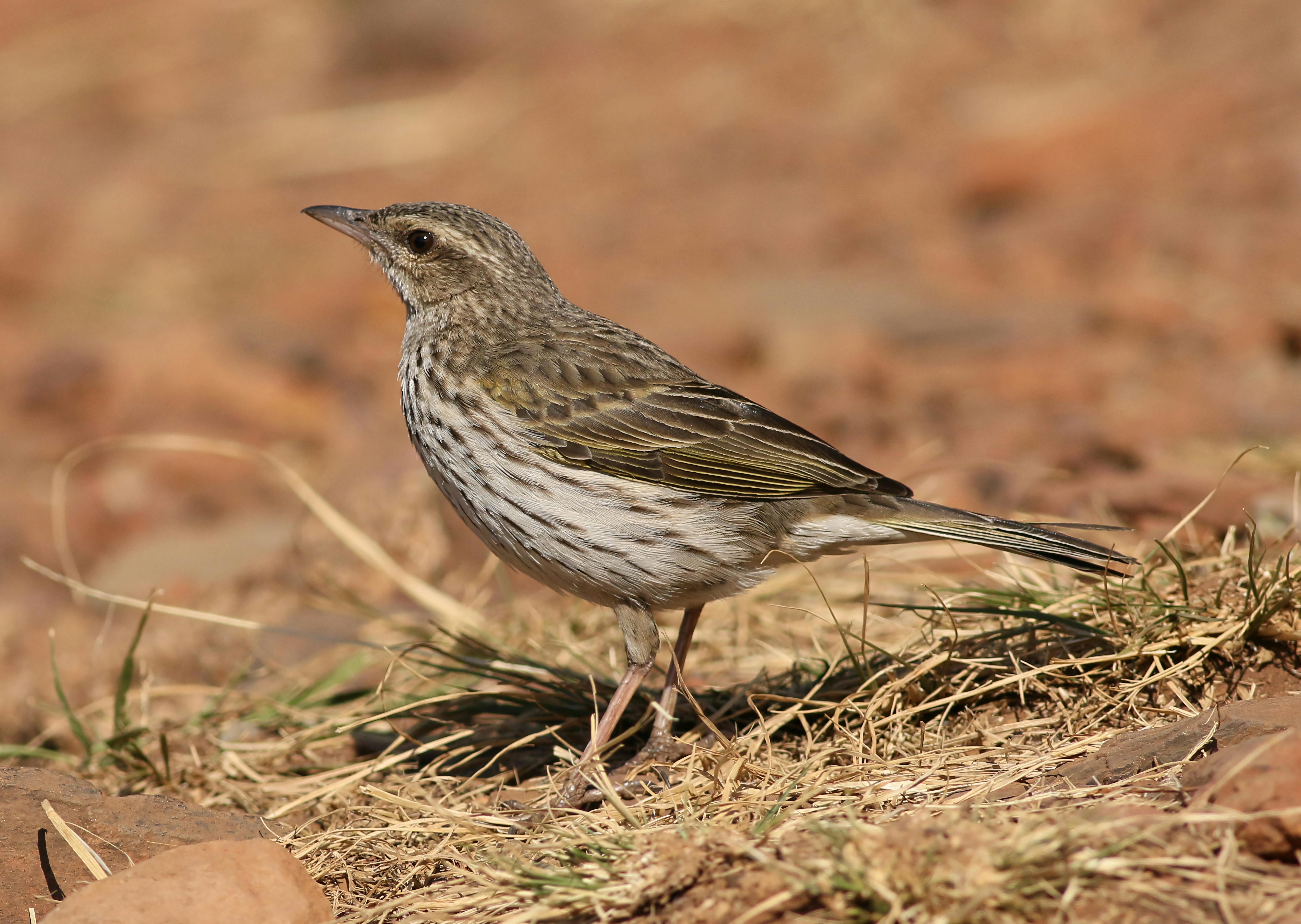
Sanbi Gardens
Walter Sisulu Botanical Garden
A stunning garden famous for the Witpoortjie Waterfall and the colony of Verreaux's Eagles nesting on the cliffs.
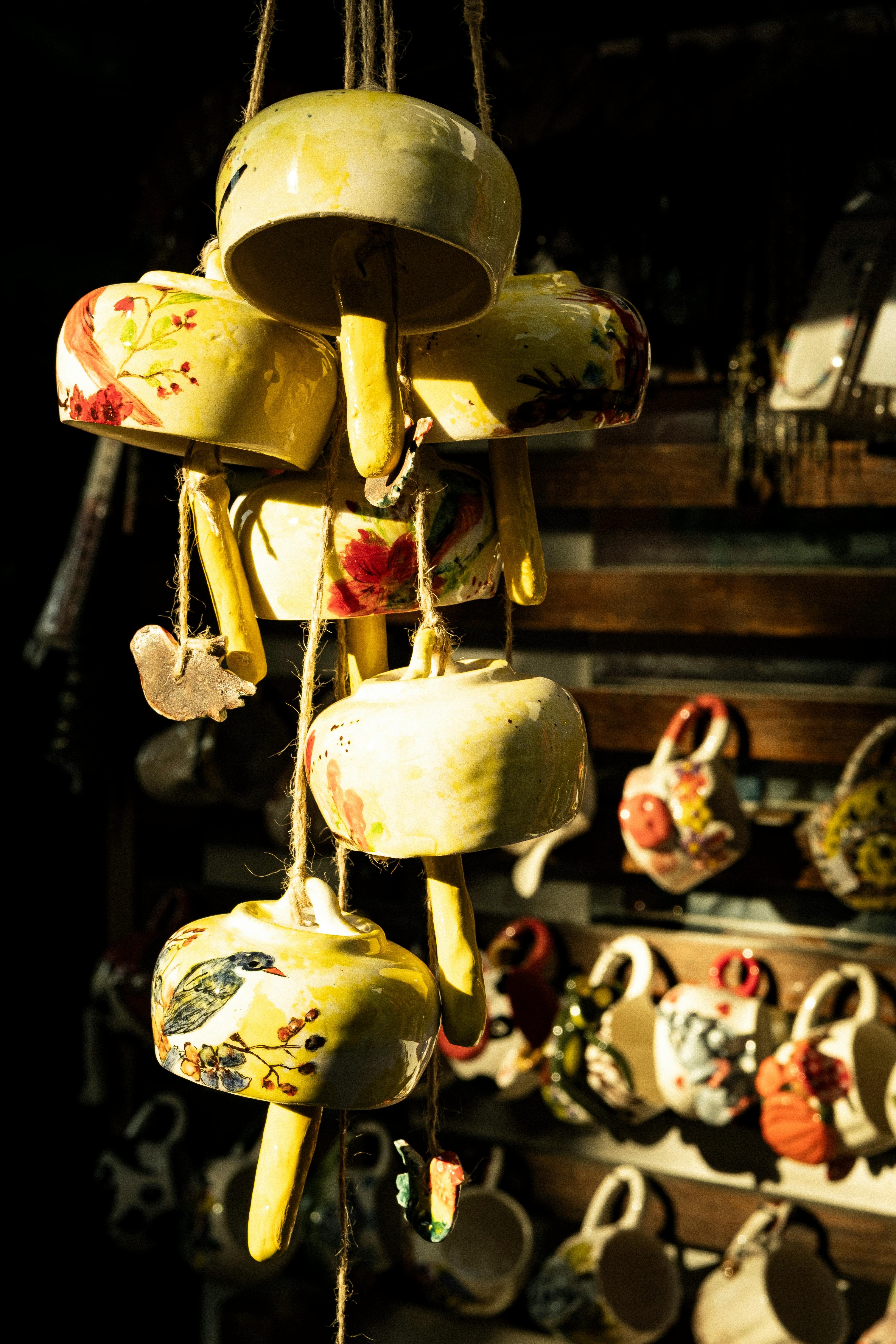
Rosebank Sunday Market
Rosebank Sunday Market
A bustling market offering crafts, antiques, and local delicacies every Sunday. It is very popular with residents and visitors alike.
Mandela House
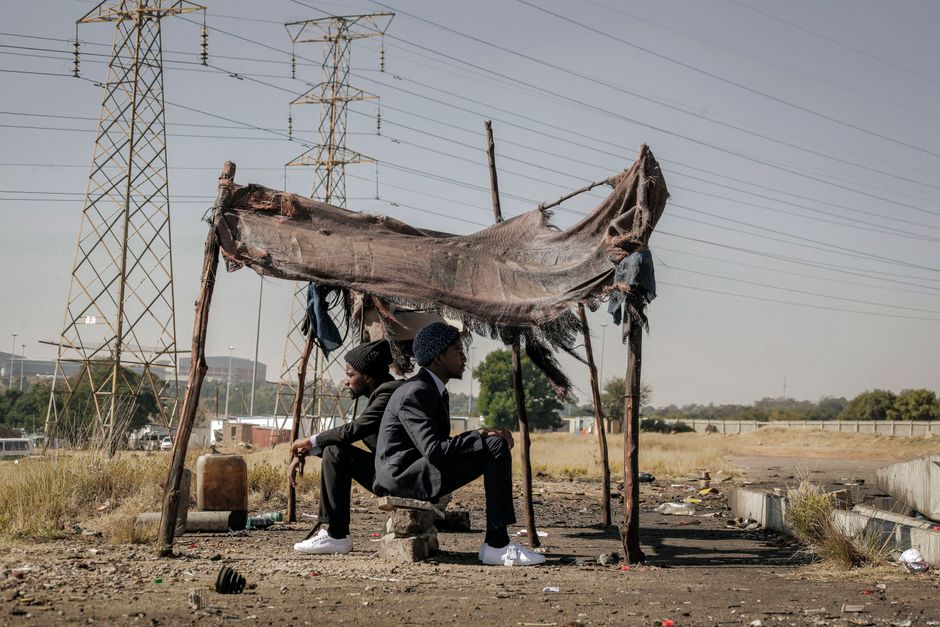
Soweto Tour
A must-do guided tour to experience the history of the township, visit Vilakazi Street, and see the Mandela House.
Market Theatre Official
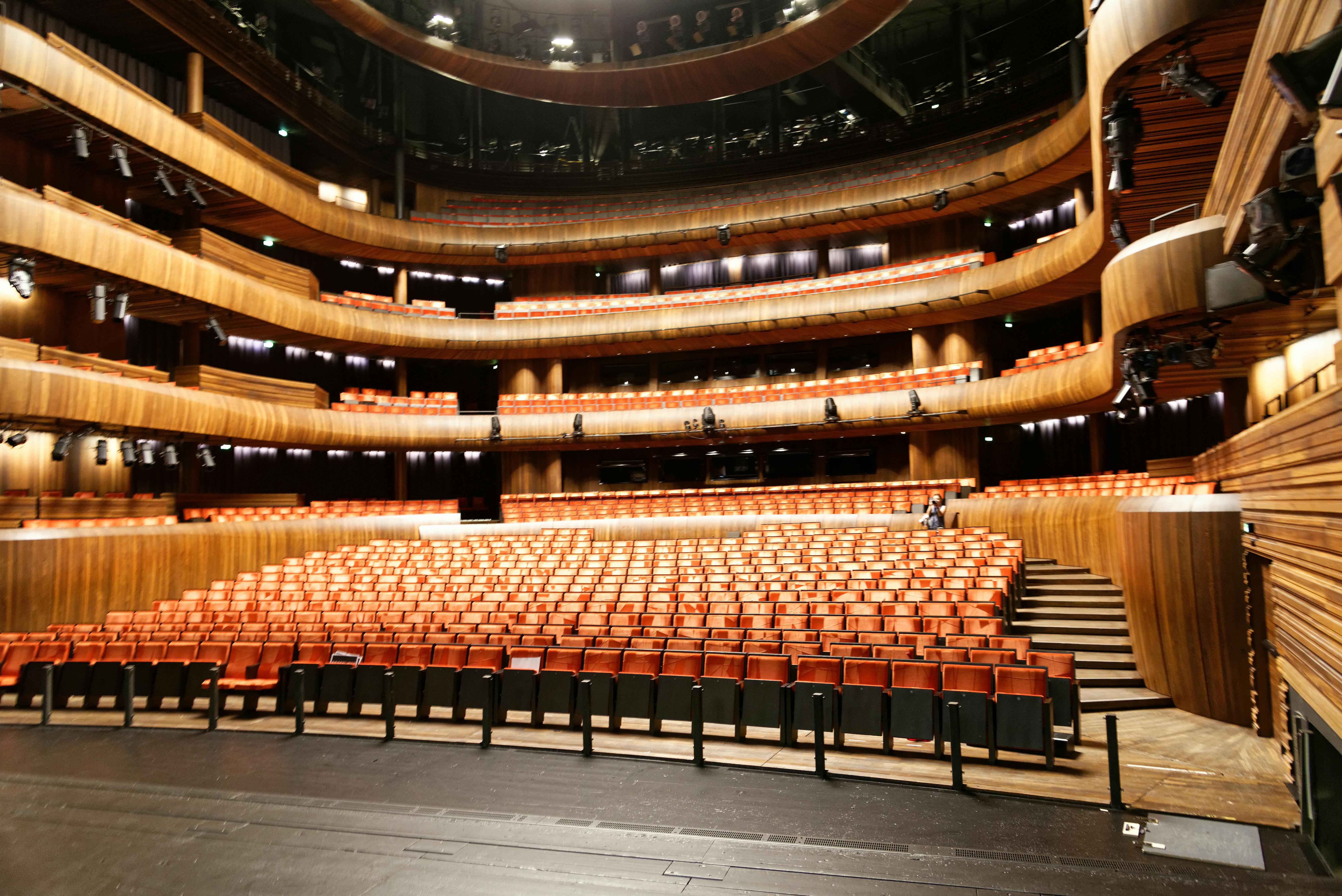
Market Theatre
An internationally renowned theatre complex that played a significant role in challenging the Apartheid system through performance art.
Work & Connectivity
Stay connected wherever you work
The nomad community here is real — cafés and coworking spaces where you can work and meet others.
The Sandbox 🏖️
A creative space perfect for freelancers, offering flexible hot-desks and a community-focused atmosphere.
Work & Ignite ⚡
Equipped with high-speed internet and professional meeting rooms, this is ideal for remote teams.
The Place 🏢
A modern coworking office located in the heart of the business district, offering great networking potential.
Budget & Costs
What it costs to live in Johannesburg
Choose your lifestyle tier. Comfortable = furnished accommodation, local + occasional Western food, transport, leisure.
$1168
per month · USD · comfortable lifestyle
ModerateFurnished studio, local restaurants, transport, and weekend trips.
Exchange rates
Check xe.com or your bank for current USD to local currency.
Check xe.com or your bank for current USD to local currency.
🏠 Rent 45%$526/mo
🍽️ Food 25%$292/mo
🚌 Transport 5%$58/mo
💡 Utilities 7%$82/mo
🎭 Leisure 12%$140/mo
🏥 Health 6%$70/mo
Connectivity
Well connected to the world
Internet and transport options for remote workers.
📶
Internet
Good — fibre common
Check local providers.
🏢
Coworking
From ~$80/mo
Dedicated spaces available.
🚌
Local Transit
4 / 10
Gautrain rail to airport + Sandton; Uber for most trips
JNB
O.R. Tambo International Airport
22 km from centre
abudhabiaccraaddisababaamsterdambangkokcairocapetowndaressalaam
Safety & Visa
Safe, welcoming, and easy to enter
Safety Score3 / 10
📞 10111
Visa
Check your entry options
Many nationalities get visa-free or visa-on-arrival. Check official government sources for your citizenship before travel.
Culture & Festivals
Local soul, nomad-friendly
Multiculturalism7/10
Foodie Scene6/10
⛰️ Mountain City❄️ Cool Climate🌅 Stunning Scenery🌍 Emerging Hub🌿 Nature💵 Mid-Range💼 Finance📸 Instagrammable🔄 Four Seasons🥁 Rich Heritage
Apr
Maboneng First Thursdays
Monthly late-night gallery walks through the Maboneng Precinct.
Sep
Arts Alive Festival
A major city-wide festival celebrating music, dance, and fine arts.
Sep
Joburg Day
A massive outdoor music celebration featuring local South African artists.
Johannesburg is home to a diverse and energetic population. Keep an eye on local news for 'load shedding' schedules, which are controlled rolling blackouts, and prepare by ensuring your laptop is charged or having a power bank.
Food & Nightlife
A feast for every mood
From street food to cafés and nightlife — every meal is an event.
Street Food
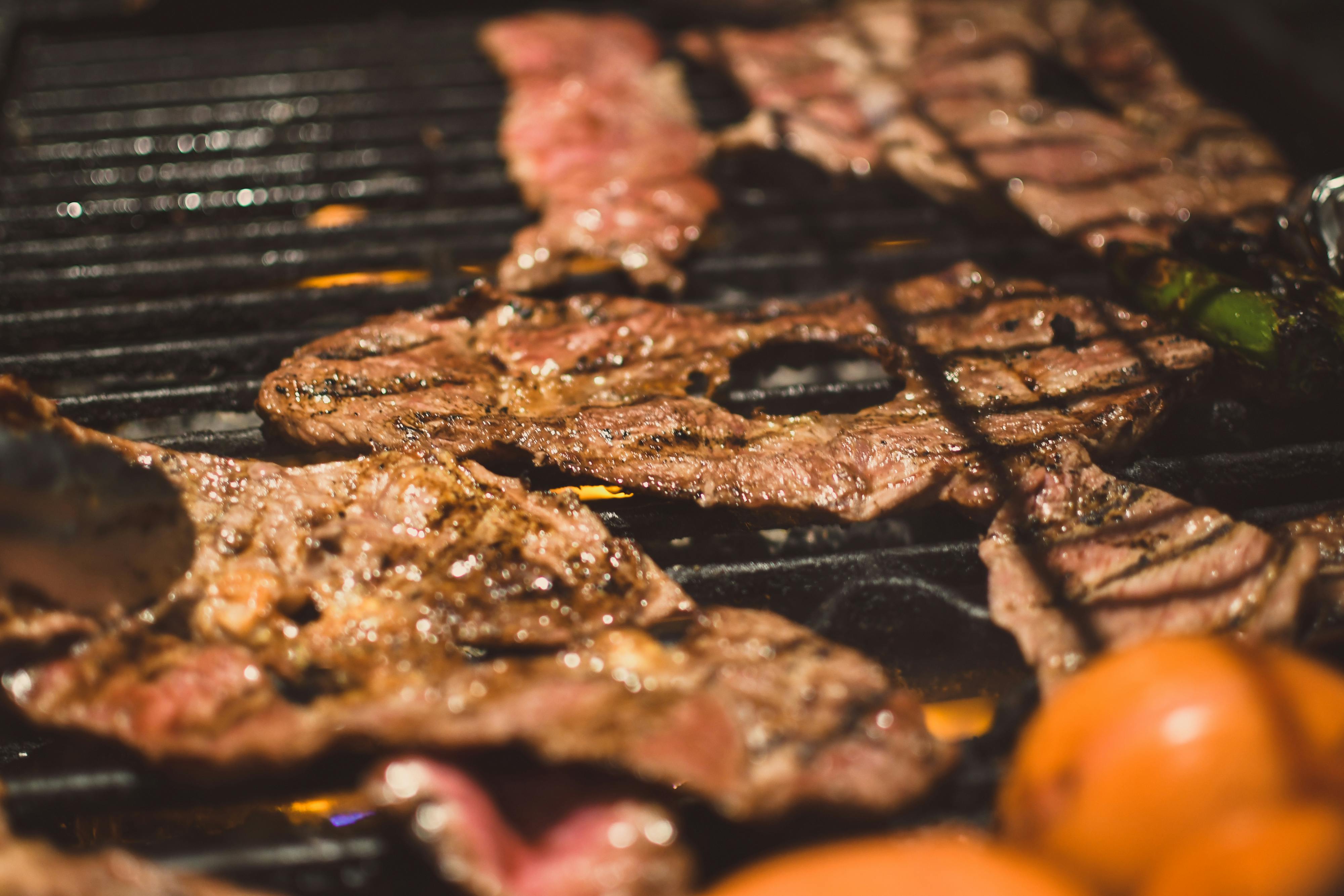
Braai Spots
Try authentic South African BBQ at local street stalls. It's an essential culinary experience in Joburg.
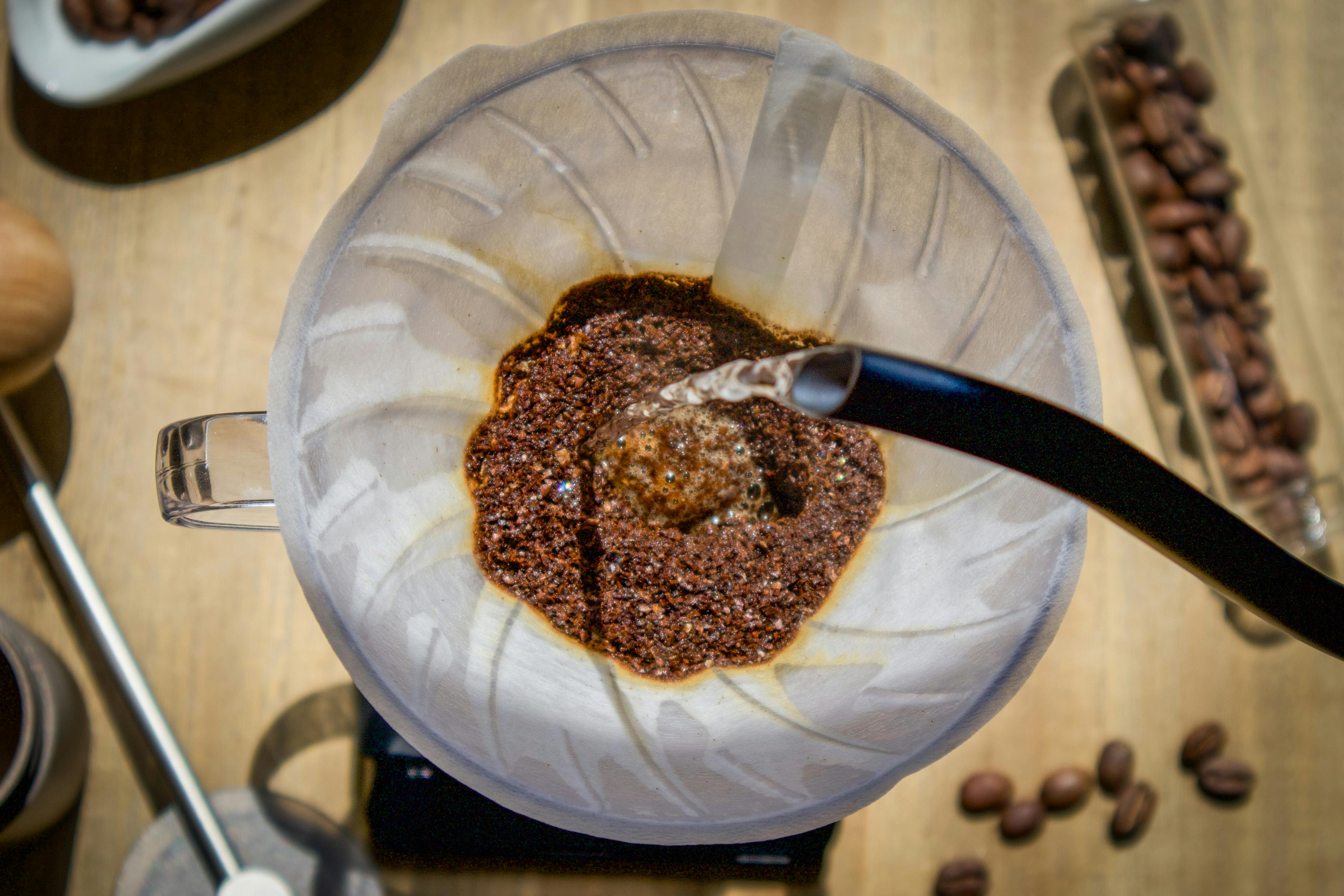
Café Culture
Melville Cafes
The Melville area is famous for its artisanal coffee houses and outdoor seating perfect for a midday work session.
Market Scene
Neighbourgoods Market
A weekend staple for foodies looking to try a wide variety of local and international dishes in one spot.
Climate
Best months: Jan, Feb, Mar, Nov, Dec
Avg humidity55%
Avg AQI75
Johannesburg is best enjoyed during the warmer months, specifically from January to March and November to December. These periods offer the most pleasant weather for outdoor exploration and city events. The city’s high altitude means that even in summer, evenings remain comfortable, though you should be prepared for the summer rainy season.
You should aim to avoid July, which represents the height of the dry winter. During this time, temperatures can drop significantly, especially at night, and the landscape is less vibrant. If you time your visit for September, you can experience the city’s major arts scene during the Arts Alive Festival and the popular Joburg Day music event.
Monthly temperatures °C
BestAvoidShoulder
Practical Info
Everything you need to know
🏥
Healthcare
Private hospitals in Johannesburg are of an international standard. Always ensure you have comprehensive travel health insurance covering private facility access.
💱
Money
The local currency is the South African Rand (ZAR). Credit cards are widely accepted, but keep small amounts of cash for markets and tips.
🌐
Connectivity
Fibre is the standard for reliable internet. Ensure your accommodation confirms a dedicated line if you require high-bandwidth for daily work.
Tips
Quick tips
- Always keep your car doors locked while driving.
- Uber is your safest and most reliable transport option.
- Avoid using your phone openly on the street.
- Stay within the well-lit, commercial nodes after dark.
- Check for power-saving schedules if load shedding is active.
- Use a VPN for all professional work.
- Always carry identification with you.
- Engage with local hosts for the safest walking routes.
Further Reading