
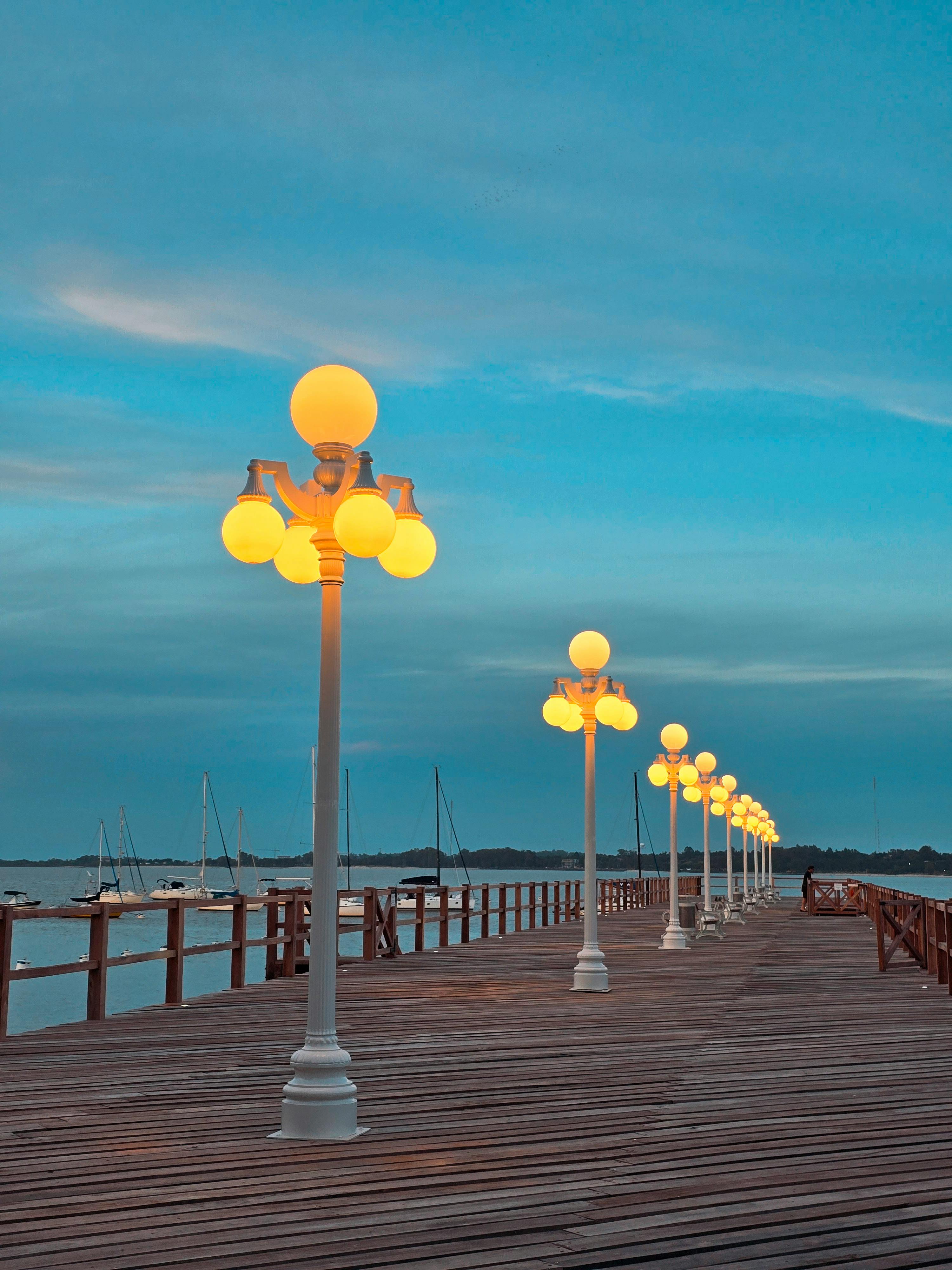
Colonia del Sacramento · Uruguay
Overview
Colonia is the kind of place where you stop checking your watch and start checking the tides.
With its cobblestone streets, colonial architecture, and sunset views over the Rio de la Plata, Colonia del Sacramento is a haven for those who value quiet contemplation over high-octane city living. It is a UNESCO World Heritage site that draws visitors in with its romantic, bohemian atmosphere and laid-back local culture, making it an ideal spot for focused creative work.
Nomads typically choose this destination for its safety, ease of walking, and the unique chance to live in a place where history feels tangible. While the internet infrastructure is generally solid in residential areas, it is important to confirm speeds with your hosts if you rely on high-bandwidth tasks. For a better understanding of what your monthly expenses might look like, check out the Cost of living section.
History
Founded in 1680 by the Portuguese, Colonia del Sacramento was established as a strategic outpost dir…
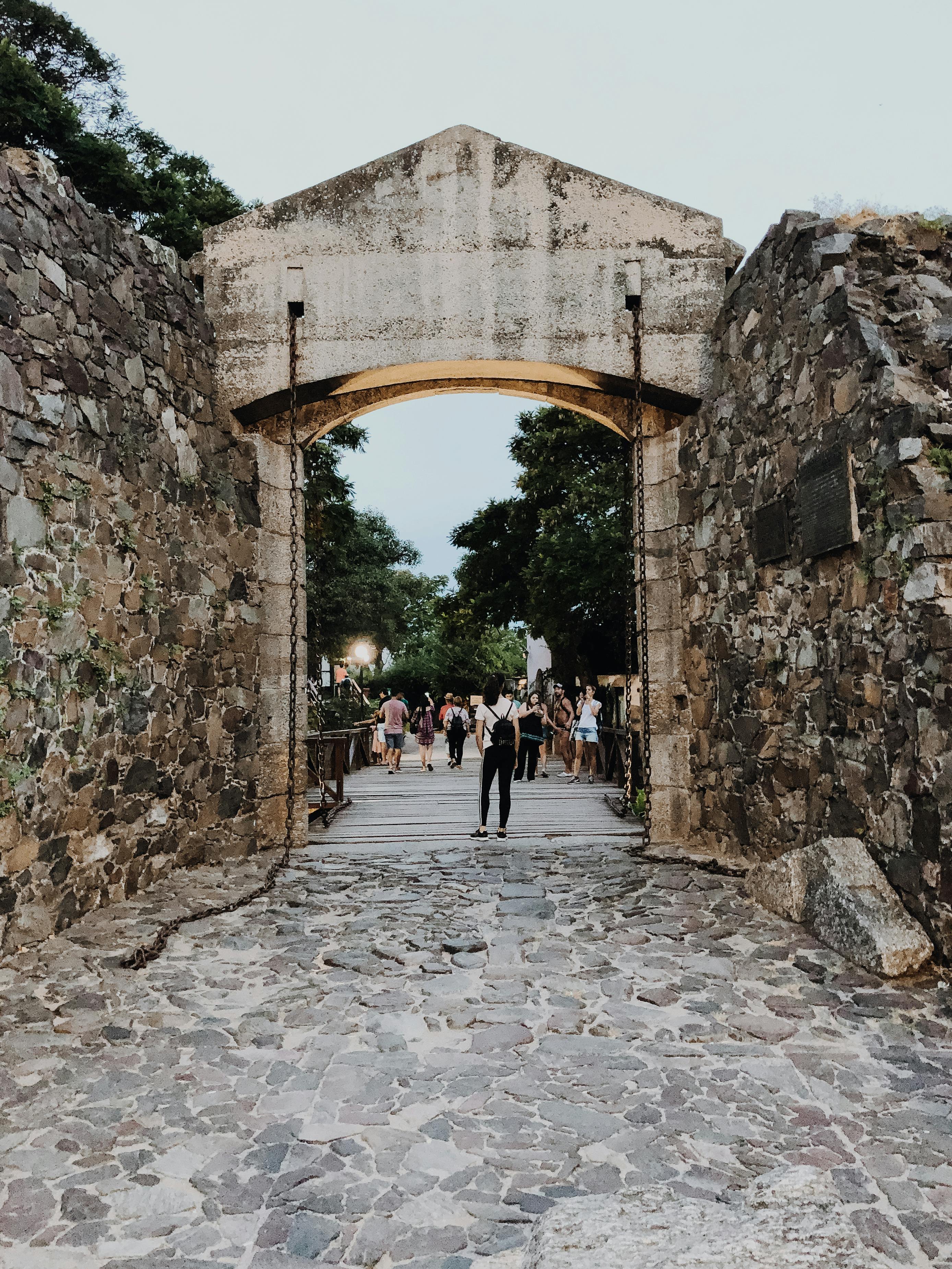
Founded in 1680 by the Portuguese, Colonia del Sacramento was established as a strategic outpost directly across the river from the Spanish-held Buenos Aires. Because of its location, the town changed hands between Portugal and Spain several times, resulting in a unique architectural blend that survives today.
This tumultuous past left behind a fascinating historic district that combines Portuguese stone houses with Spanish colonial design. Today, the town is a protected UNESCO site, meticulously maintained to preserve the remnants of its fortifications and the charm of its original layout.
1680
Portuguese FoundationManuel Lobo founded the city of Nova Colonia do Sacramento, marking the beginning of its role as a strategic river outpost.
1777
Treaty of San IldefonsoThe city officially passed into Spanish control as part of a treaty to resolve colonial boundary disputes in the region.
1828
Uruguayan IndependenceColonia became a key city in the newly independent Oriental Republic of Uruguay.
1995
UNESCO RecognitionThe historic Barrio Historico was declared a UNESCO World Heritage site, ensuring its preservation for future generations.
Where to Stay
Choose your base camp
Distinct neighbourhoods, different rhythms. Pick the one that fits your work-life balance.
Historic Charm
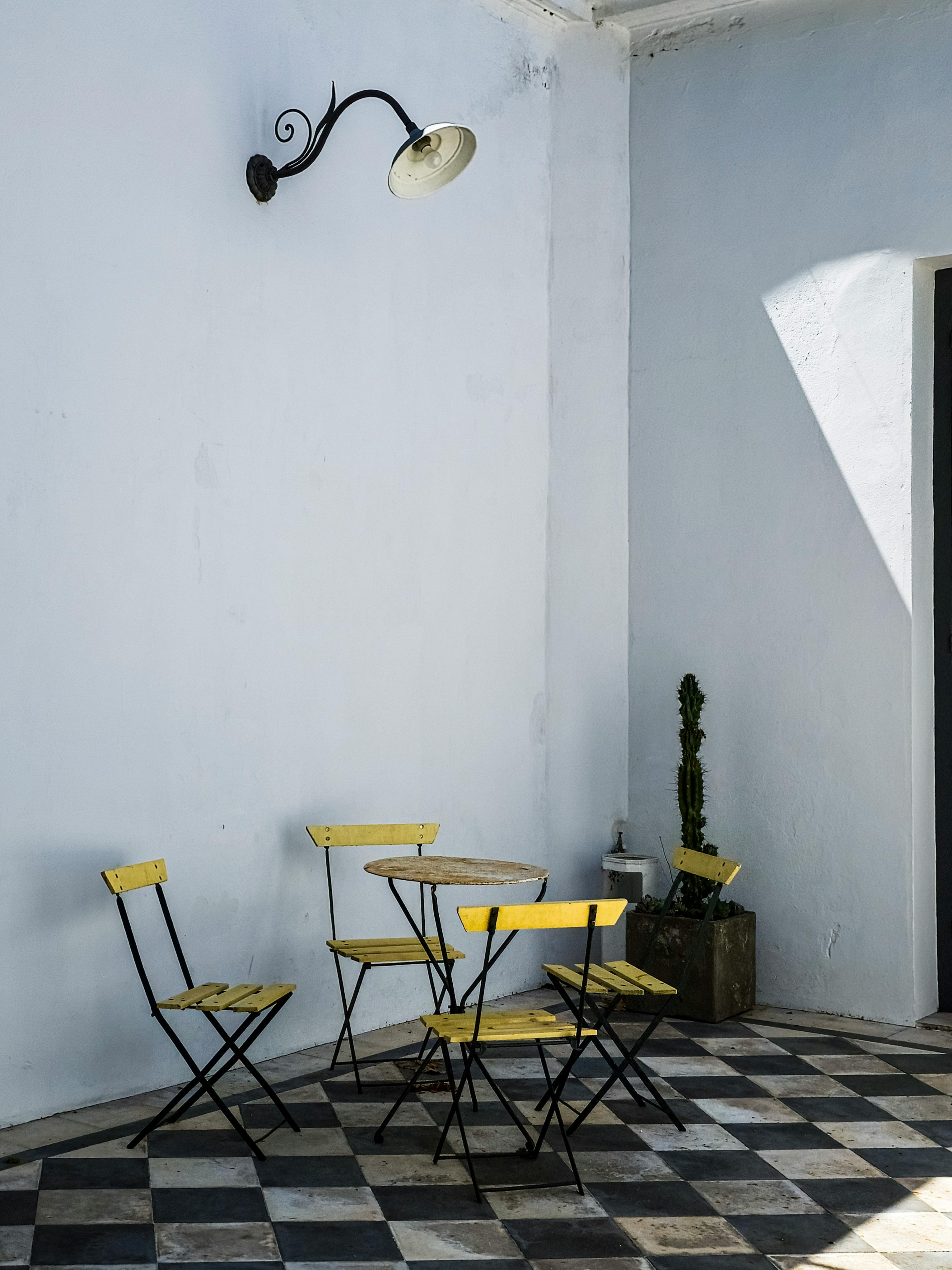
Barrio Histórico
Living here puts you in the center of the UNESCO site with easy access to cafes and the river. Rents are higher, but the aesthetic experience is unmatched.

Residential Living
El Real de San Carlos
Located a bit further from the center, this area is quieter and features more modern residential options. It is perfect for those who want a long-term, low-key stay.
Places to Go
The experiences that will make you never leave
These aren't tourist checkboxes — they're the experiences that reset your sense of what's normal.
Top Pick
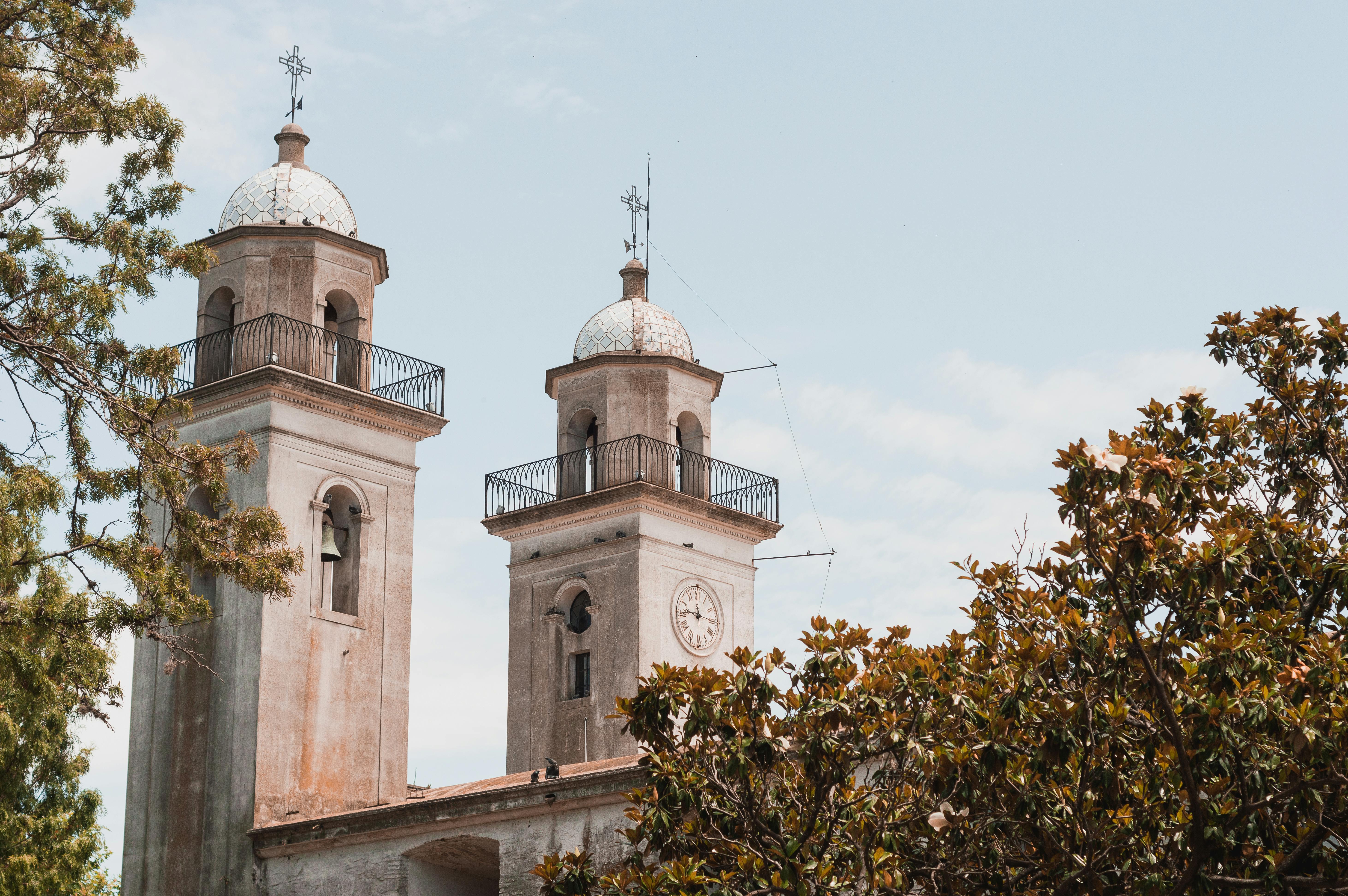
Barrio Histórico
This is the heart of the city, filled with centuries-old stone walls, vibrant flowers, and uneven cobblestones. It is best explored by aimless wandering to discover hidden courtyards and antique shops.
Official Tourism Site
El Faro (Lighthouse)
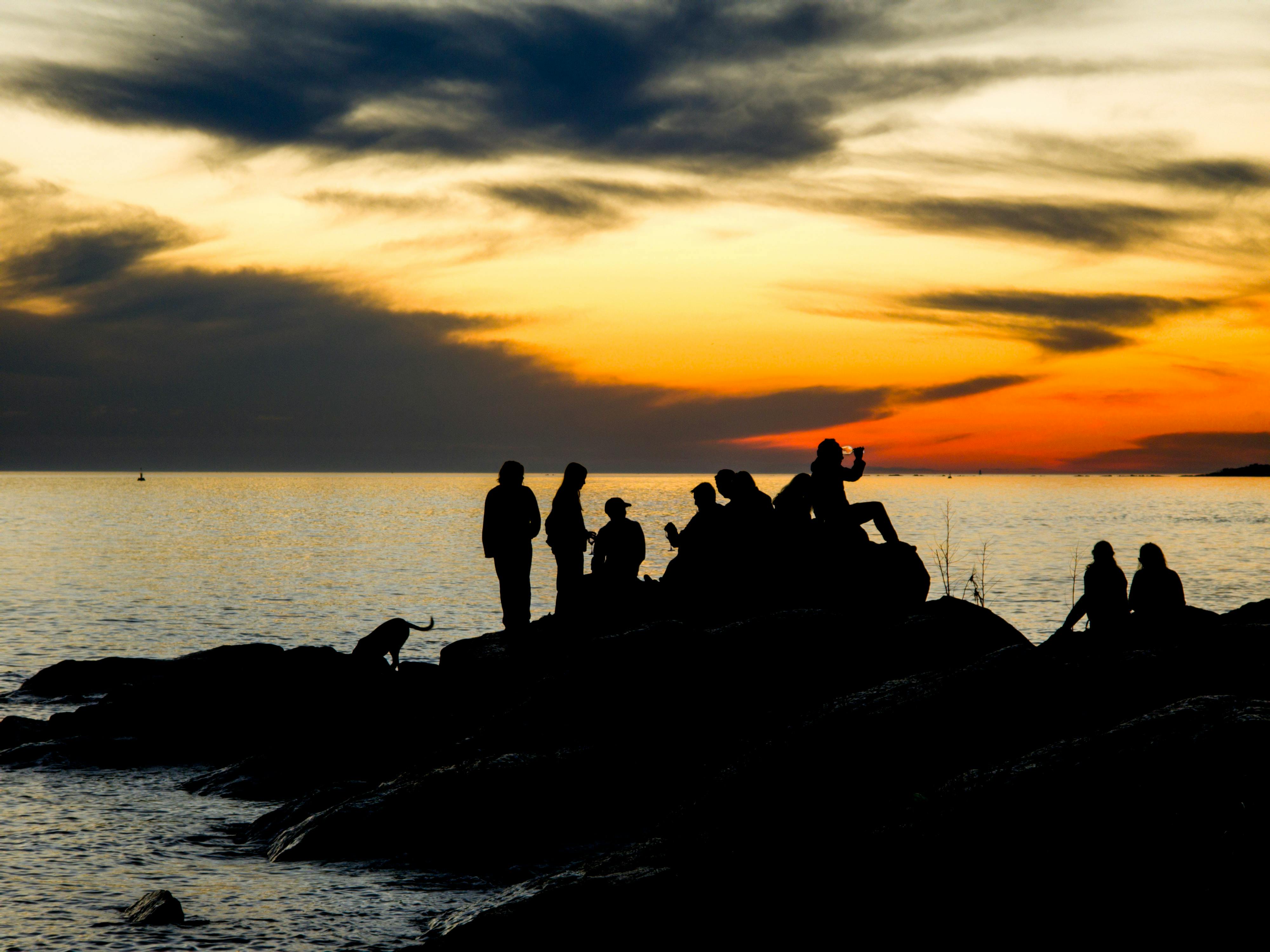
Built atop the ruins of the 17th-century San Francisco Xavier convent, the lighthouse offers a stunning panoramic view of the Rio de la Plata. It is a local landmark and a must-visit for sunset photographers.

Visit Uruguay
Calle de los Suspiros
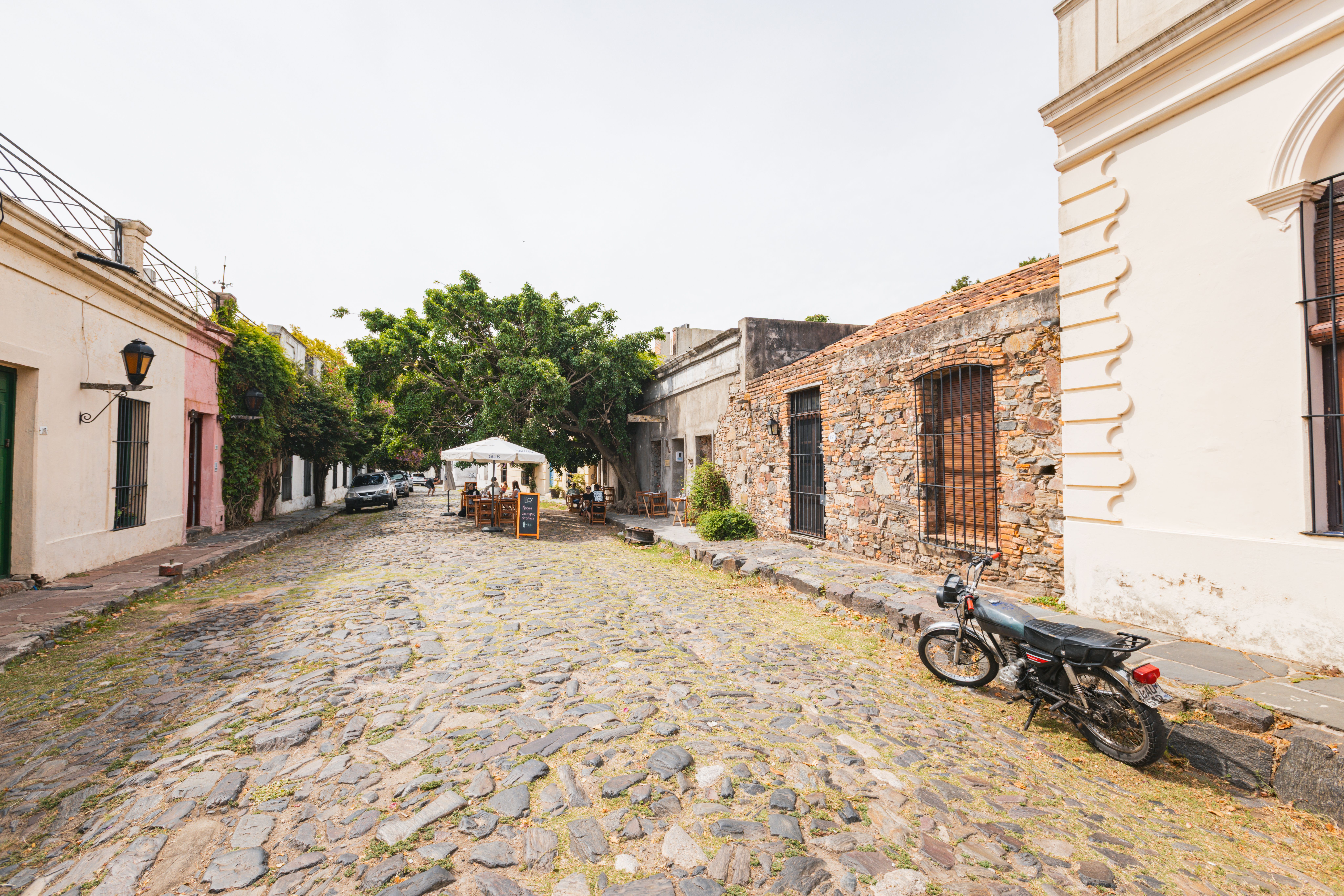
Literally named 'Street of Sighs', this famous narrow lane is the most photographed spot in the city. Its preserved colonial homes and atmospheric lighting make it feel like walking onto a film set.
Work & Connectivity
Stay connected wherever you work
The nomad community here is real — cafés and coworking spaces where you can work and meet others.
El Drugstore ☕
While primarily a restaurant, its outdoor seating area is popular among nomads who need a place to answer emails with a view. It offers a relaxed environment during the mid-morning hours.
Lentas Maravillas 🥐
A cozy, garden-style cafe that provides a great atmosphere for deep work. The Wi-Fi is reliable enough for writing and research.
Budget & Costs
What it costs to live in Colonia del Sacramento
Choose your lifestyle tier. Comfortable = furnished accommodation, local + occasional Western food, transport, leisure.
$986
per month · USD · comfortable lifestyle
ModerateFurnished studio, local restaurants, transport, and weekend trips.
Exchange rates
Check xe.com or your bank for current USD to local currency.
Check xe.com or your bank for current USD to local currency.
🏠 Rent 41%$402/mo
🍽️ Food 33%$329/mo
🚌 Transport 7%$73/mo
💡 Utilities 7%$73/mo
🎭 Leisure 7%$73/mo
🏥 Health 4%$37/mo
Connectivity
Well connected to the world
Internet and transport options for remote workers.
📶
Internet
Good — fibre common
Check local providers.
🏢
Coworking
From ~$80/mo
Dedicated spaces available.
🚌
Local Transit
5 / 10
Scooter and taxi common.
20 km from centre
Safety & Visa
Safe, welcoming, and easy to enter
Safety Score6 / 10
✗ Tap Water✓ Night Safe📞 112 or local emergency number
Visa
Check your entry options
Many nationalities get visa-free or visa-on-arrival. Check official government sources for your citizenship before travel.
Culture & Festivals
Local soul, nomad-friendly
Multiculturalism5/10
Foodie Scene5/10
Remote work
Jan
Summer Concert Series
The town comes alive with outdoor musical performances in the historic plazas during the warm summer evenings.
Colonia is a place that rewards those who are willing to go slow; do not try to rush your exploration of its quiet corners.
Food & Nightlife
A feast for every mood
From street food to cafés and nightlife — every meal is an event.

Parrilla Culture
Local Grills
Uruguayan beef is legendary. Look for local parrillas where you can enjoy world-class steaks accompanied by a glass of Tannat wine.
Café Scene
Historic Center Cafes
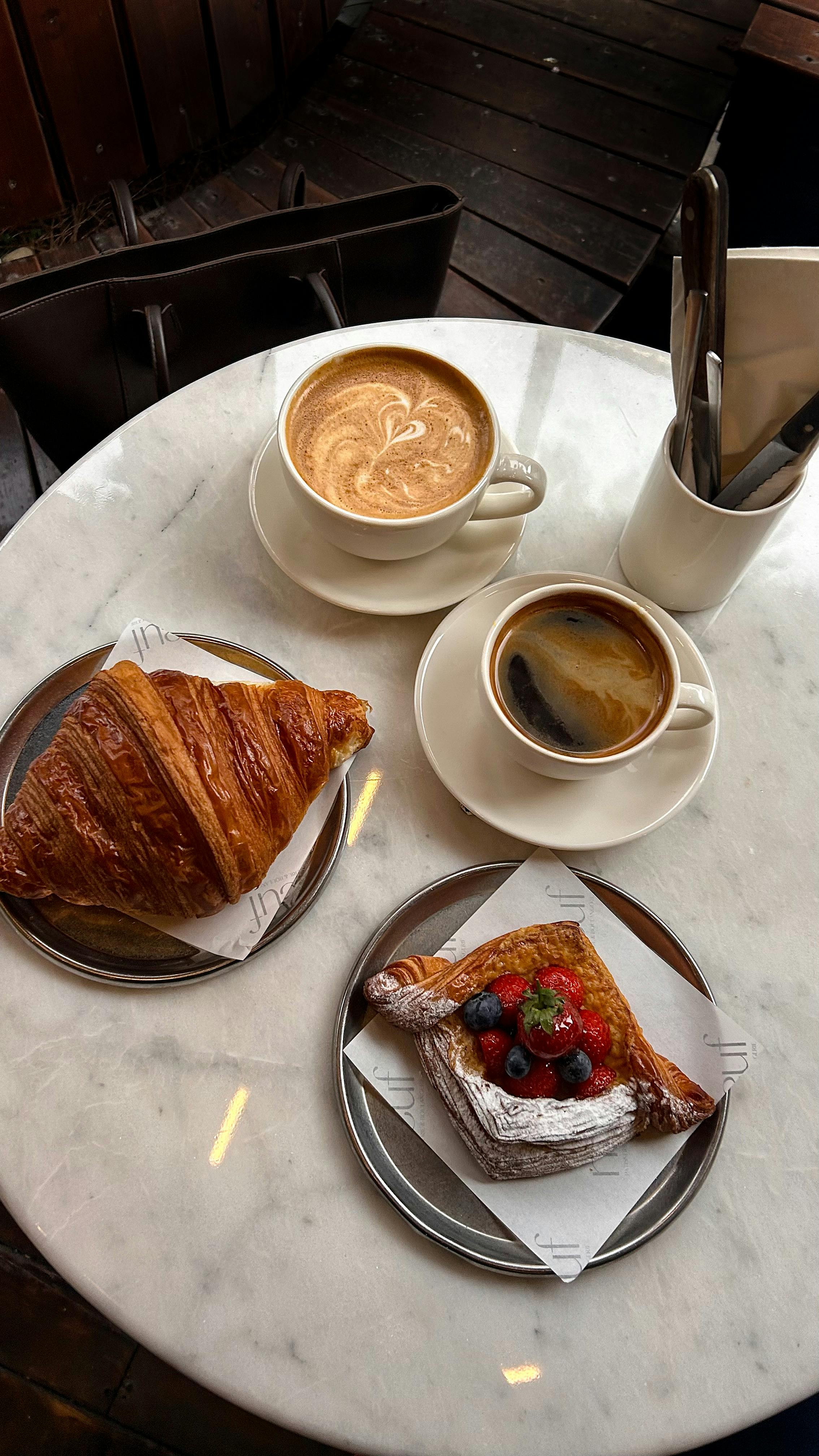
The cafes along the cobblestone streets serve excellent espresso and medialunas. They are the perfect spots for a quiet morning planning session.
Climate
Best months: Jan, Feb, Mar, Apr, May, Jun, Aug, Sep, Oct, Nov, Dec
Avg humidity75%
Avg AQI25
Colonia enjoys a temperate climate that makes it a year-round destination, though the shoulder seasons of spring (September–November) and autumn (March–May) offer the most pleasant temperatures for exploring the historic quarter on foot. Summers are warm and perfect for waterfront activities, while winters are mild but can be damp.
There are no specific 'avoid' months, as the town maintains a steady, relaxed rhythm regardless of the season. Always check local weather reports if you plan on taking the ferry to or from Buenos Aires, as strong winds can occasionally disrupt transit schedules.
Monthly temperatures °C
BestAvoidShoulder
Practical Info
Everything you need to know
🏥
Healthcare
Uruguay has a high standard of medical care. Ensure you have comprehensive travel insurance, and note that emergency services can be reached via 112.
💱
Money
The currency is the Uruguayan Peso. While cards are widely accepted, it is smart to keep some cash on hand for small vendors in the historic district.
🌐
Connectivity
Fiber optic internet is available in many parts of the city. For a nomad, the key is to confirm the specific connection speed with your accommodation host prior to booking.
Tips
Quick tips
- Always carry a portable charger as you may find yourself working in cafes without easily accessible outlets.
- Learn basic Spanish phrases as it will significantly improve your interactions with locals.
- Take the ferry to Buenos Aires for a day trip; it is an easy 1-hour crossing.
- Walk the waterfront path during the late afternoon for the best sunset views in the country.
- Use local buses for affordable transport to the beaches outside the city center.
- Bring a universal adapter, as Uruguay uses types C and L power outlets.
- Self-catering from local markets is a great way to save money and enjoy fresh regional produce.
Further Reading