
Bruges · Belgium
Overview
Bruges is not just a city you visit; it is a city you feel. Every cobblestone tells a story, and every canal turn offers a new perspective on history.
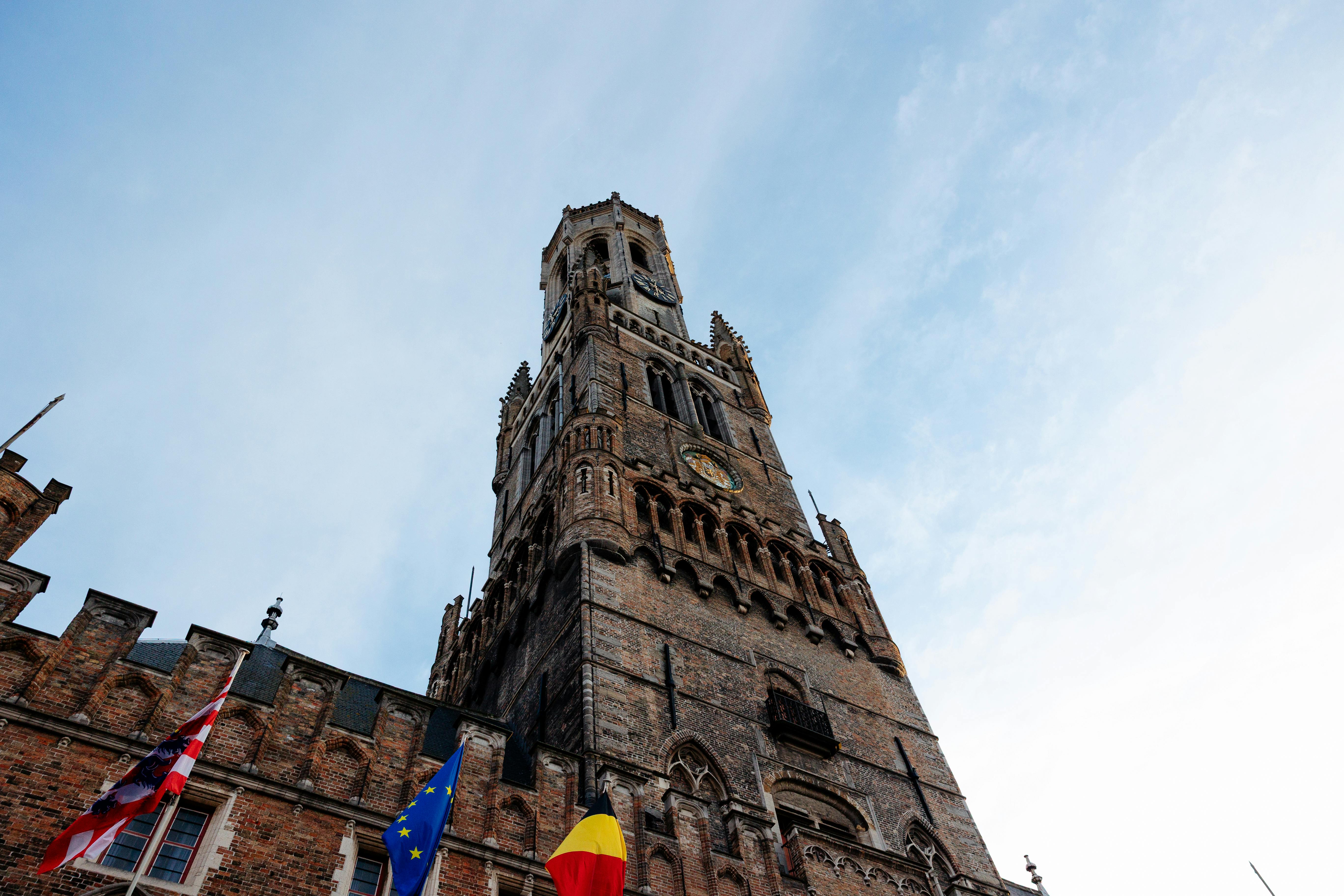
Often called the Venice of the North, Bruges offers a uniquely peaceful environment for digital nomads who value historic beauty and quiet productivity. The city center, a UNESCO World Heritage site, is filled with winding canals, cobblestone streets, and historic belfries that provide a stunning backdrop for daily work sessions. Unlike bustling capitals, life here moves at a slower, more intentional pace, allowing for deep focus and reflection.
While the city is popular with tourists, the outer neighborhoods offer a calm residential vibe where remote workers can find affordable long-term accommodation. The digital infrastructure is reliable, with fiber internet readily available throughout the city. To better understand your budget during your stay, explore the Cost of living in Bruges, and plan your arrival around the regional Climate patterns to get the most out of the outdoor cafe scene.
History
Bruges rose to prominence in the Middle Ages, serving as one of Europe's most significant commercial hubs.
Bruges rose to prominence in the Middle Ages, serving as one of Europe's most significant commercial hubs. Its strategic location and deep-water access allowed it to flourish as a member of the Hanseatic League, attracting wealthy merchants and artisans from across the continent. This golden era left a lasting mark on the city's architecture, which remains remarkably preserved today.
By the 16th century, the Zwin channel began to silt up, causing the city’s economic power to wane as trade shifted to nearby Antwerp. However, this period of stagnation became a blessing in disguise, as it effectively froze Bruges in time, preventing the industrial modernization that erased the historic centers of many other European cities. Today, the city is a living museum that seamlessly integrates its rich past with modern daily life.
9th Century
EstablishmentBruges began as a small fortified settlement and evolved into a key trading post along the Flemish coast.
13th Century
Golden AgeThe city became a leading member of the Hanseatic League, becoming a central hub for European cloth and luxury trade.
1500s
Economic DeclineThe Zwin channel silted up, causing trade to shift to Antwerp and starting a centuries-long period of stagnation.
1900s
Tourist RevivalThe city was rediscovered as a cultural treasure, leading to its designation as a UNESCO World Heritage site.
Where to Stay
Choose your base camp
Distinct neighbourhoods, different rhythms. Pick the one that fits your work-life balance.
Luxury
Historisch Centrum
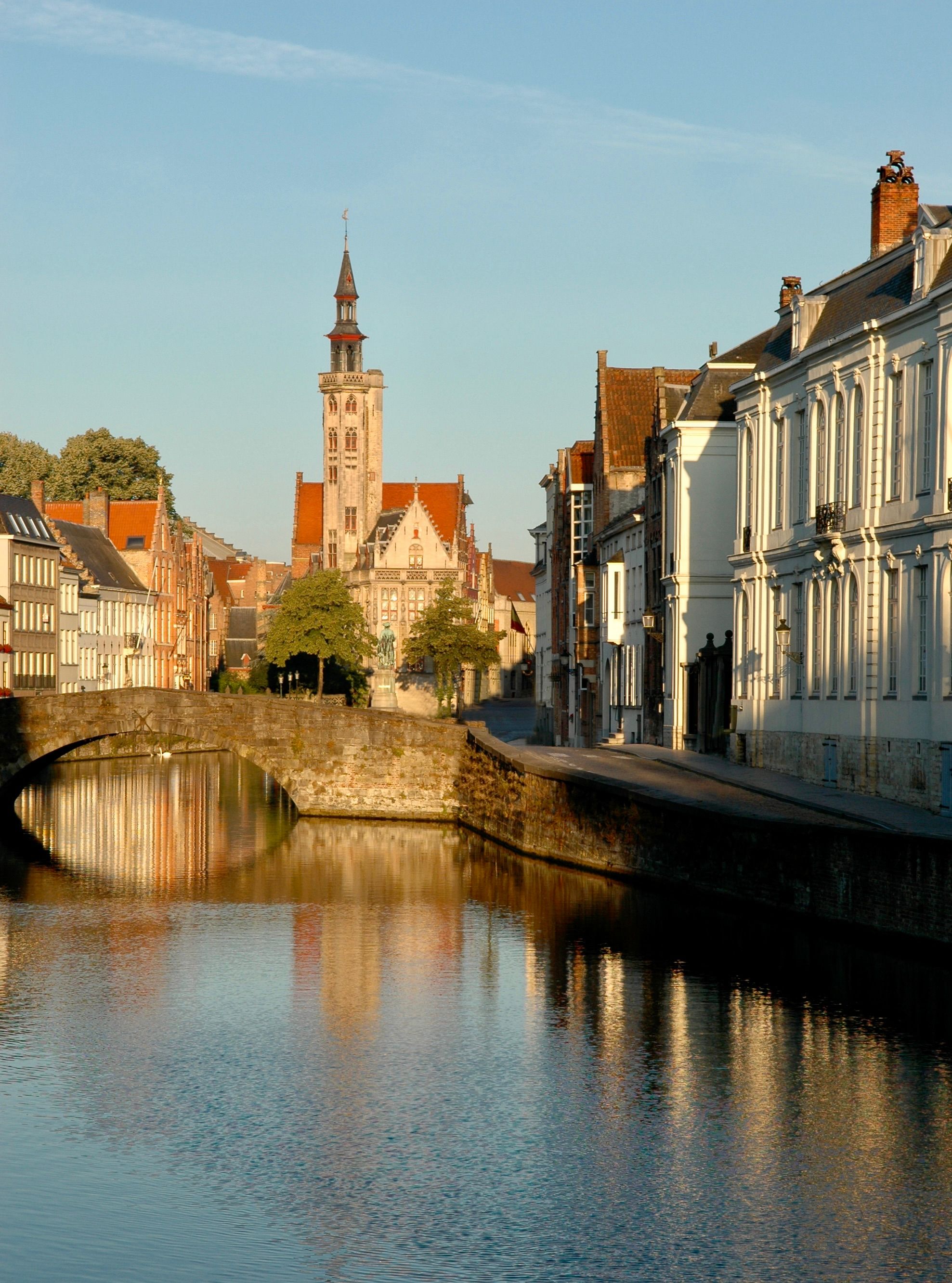
The heart of the city where you are steps away from all major sights and the most charming canals. Rent here is premium, reflecting the high demand for historic townhouse living.
Slow Living
Sint-Gillis
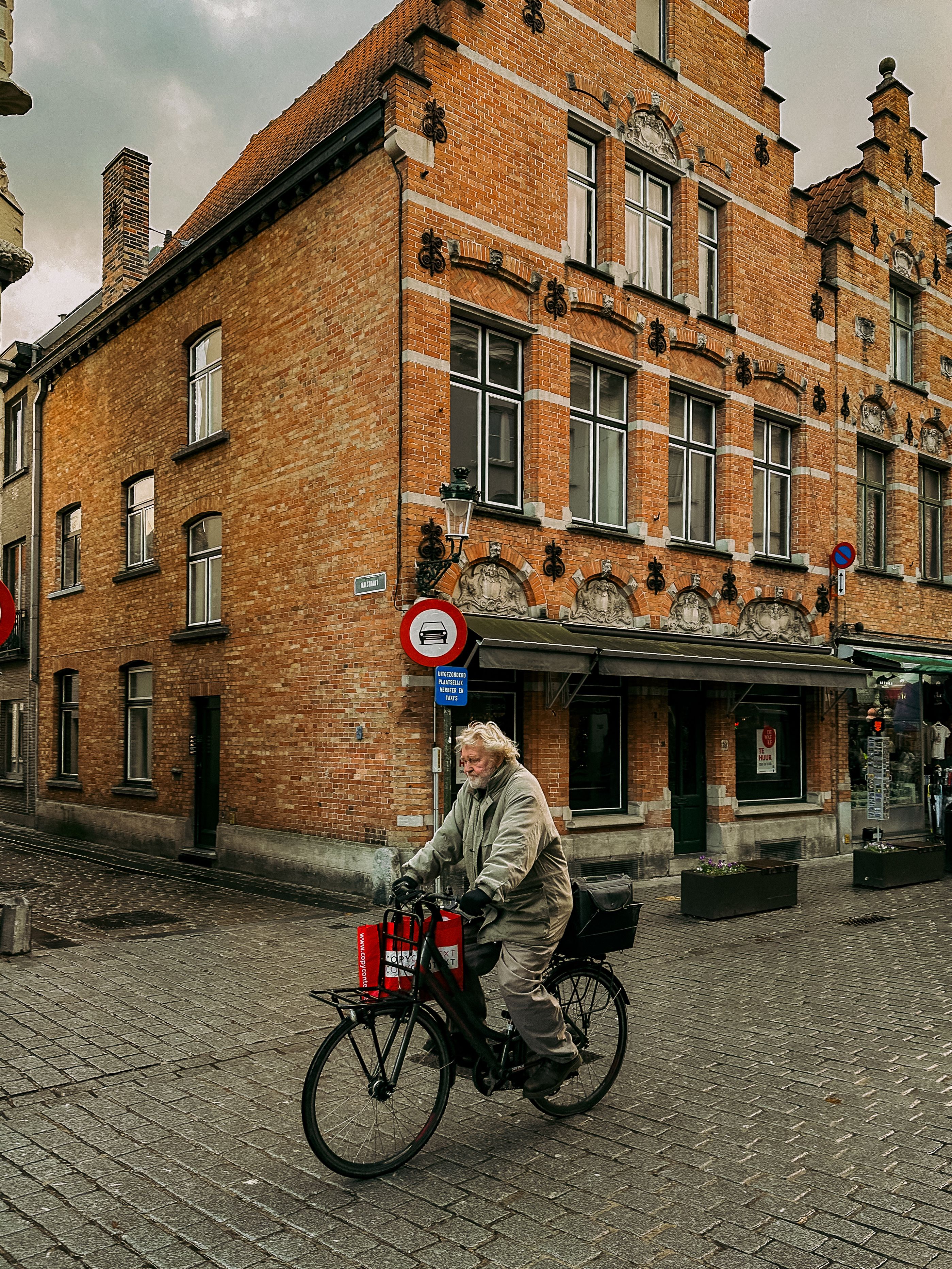
A quiet, residential neighborhood just north of the center that offers a more authentic local experience. It is perfect for those who want to be close to the action but sleep in peace.

Budget Favourite
Assebroek
Located on the outskirts, this area provides affordable housing options and plenty of green space. It is well-connected by bus to the center, making it a practical choice for long-term stays.
Places to Go
The experiences that will make you never leave
These aren't tourist checkboxes — they're the experiences that reset your sense of what's normal.
Top Pick
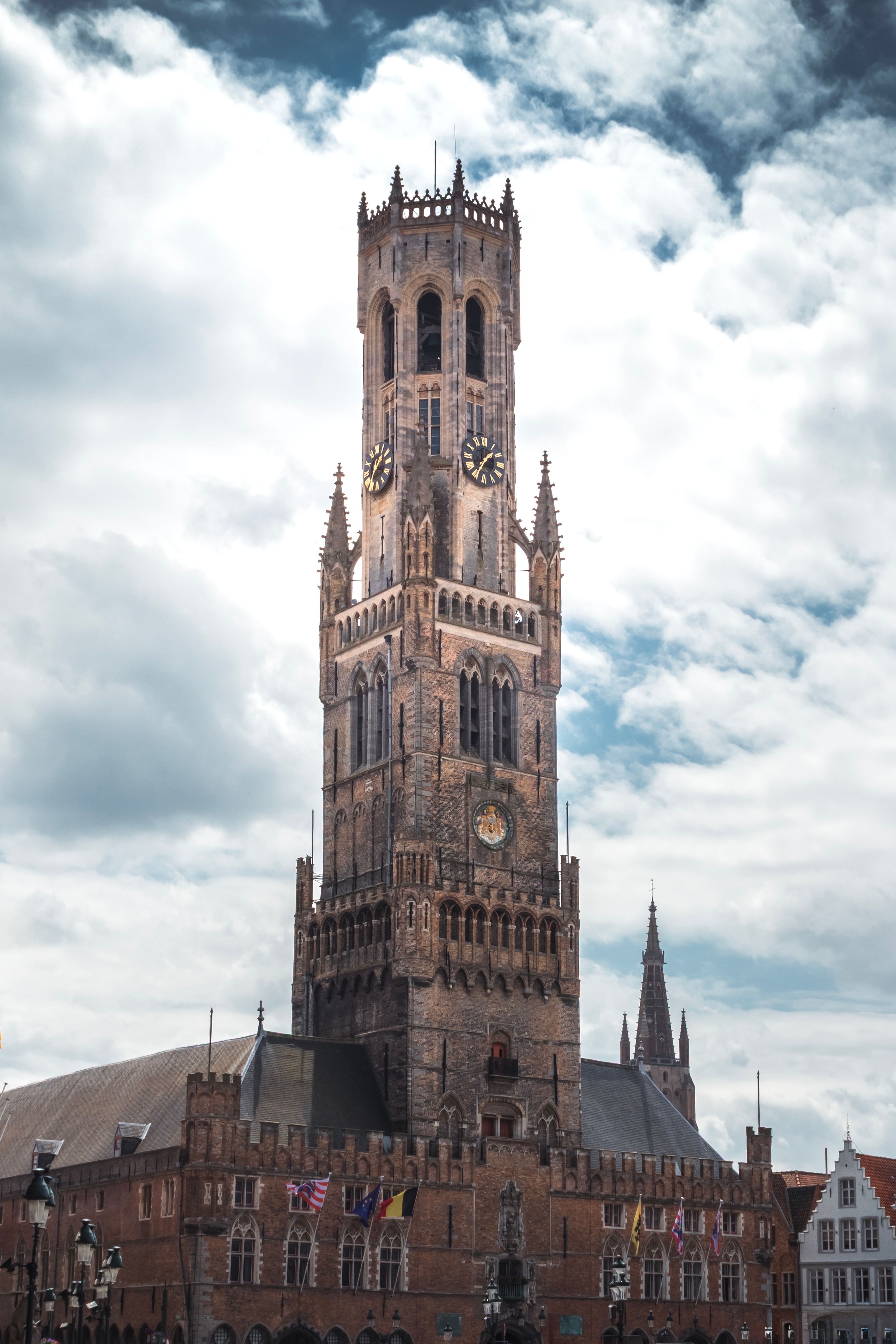
Belfry of Bruges
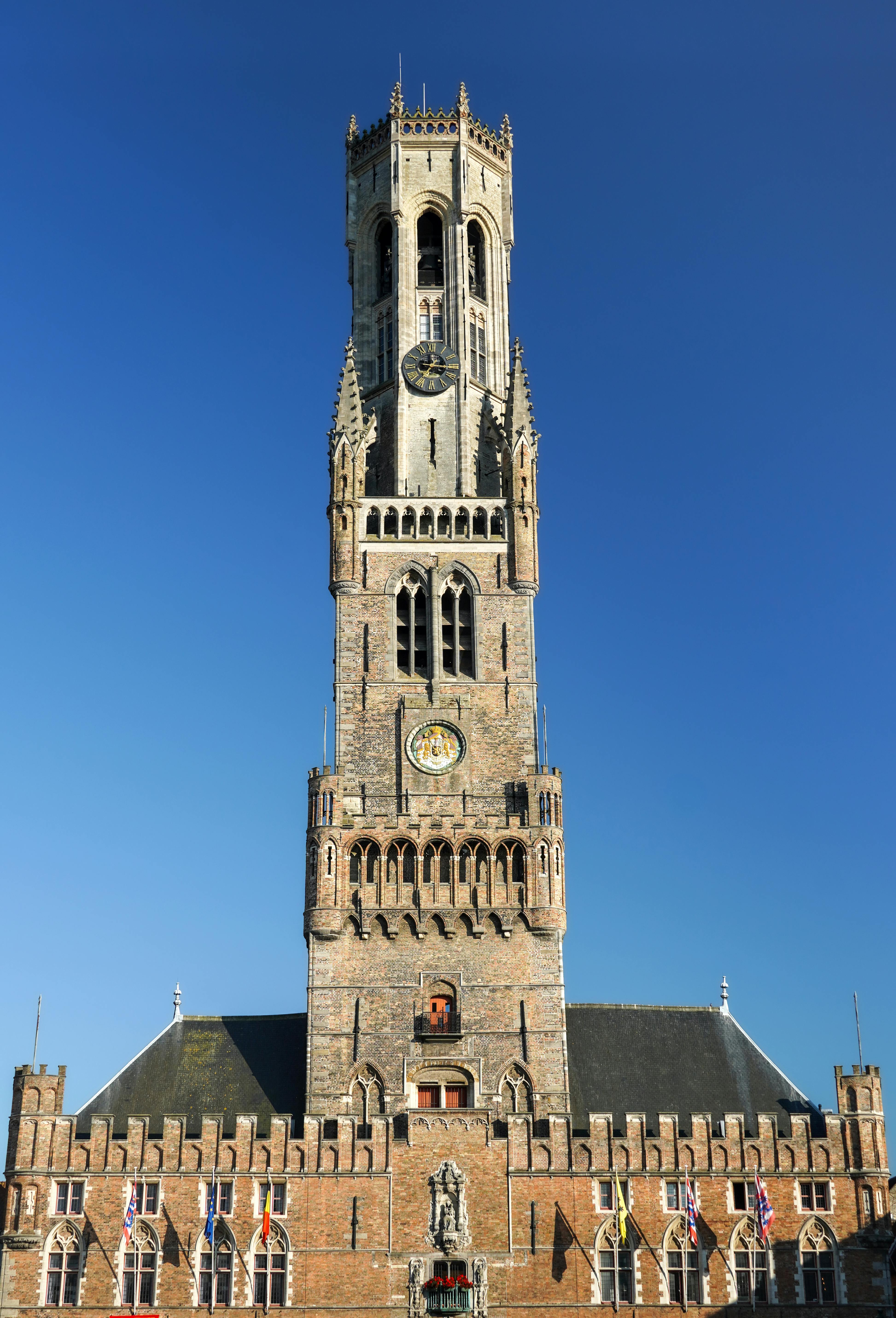
This iconic 13th-century bell tower offers panoramic views of the entire city from its summit. Climbing the 366 steps is a rite of passage for every visitor to Bruges.
Visit Bruges
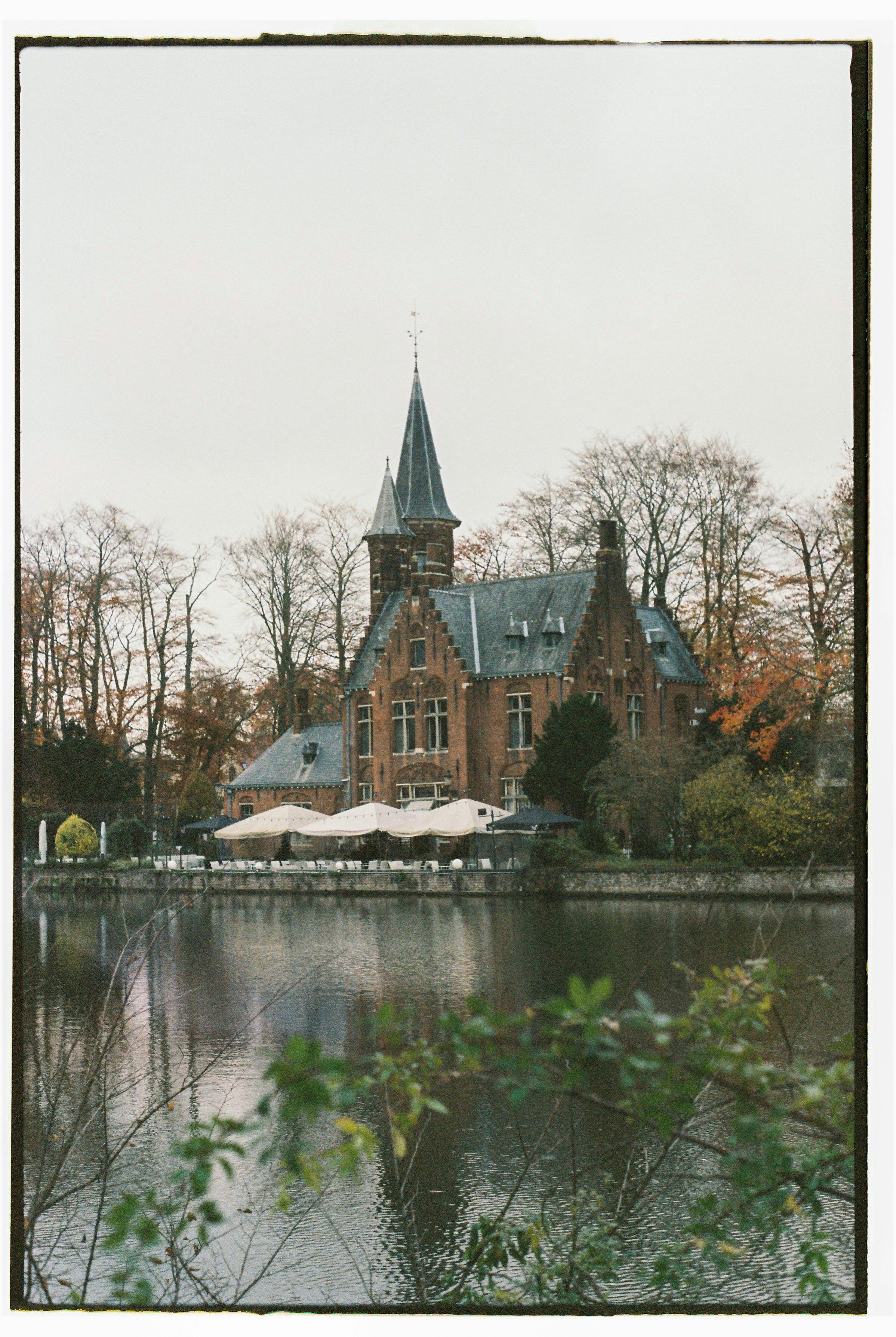
Minnewater Lake
Often called the Lake of Love, this park is a serene escape filled with swans and lush greenery. It is the perfect spot for a contemplative walk after a long day of work.

Wikipedia
Groeningemuseum
This museum houses a world-class collection of Flemish Primitive paintings, showcasing the incredible artistry that thrived in Bruges during the Middle Ages.
Work & Connectivity
Stay connected wherever you work
The nomad community here is real — cafés and coworking spaces where you can work and meet others.
De Republiek Workspace
A popular creative hub that offers a professional environment for freelancers. It is the most well-known coworking spot in the city.
Budget & Costs
What it costs to live in Bruges
Choose your lifestyle tier. Comfortable = furnished accommodation, local + occasional Western food, transport, leisure.
$1533
per month · USD · comfortable lifestyle
ModerateFurnished studio, local restaurants, transport, and weekend trips.
Exchange rates
Check xe.com or your bank for current USD to local currency.
Check xe.com or your bank for current USD to local currency.
🏠 Rent 48%$730/mo
🍽️ Food 21%$329/mo
🚌 Transport 5%$73/mo
💡 Utilities 7%$110/mo
🎭 Leisure 12%$183/mo
🏥 Health 7%$110/mo
Connectivity
Well connected to the world
Internet and transport options for remote workers.
📶
Internet
Good — fibre common
Check local providers.
🏢
Coworking
From ~$80/mo
Dedicated spaces available.
🚌
Local Transit
5 / 10
Scooter and taxi common.
20 km from centre
Safety & Visa
Safe, welcoming, and easy to enter
Safety Score6 / 10
✗ Tap Water✓ Night Safe📞 112 or local emergency number
Visa
Check your entry options
Many nationalities get visa-free or visa-on-arrival. Check official government sources for your citizenship before travel.
Culture & Festivals
Local soul, nomad-friendly
Multiculturalism5/10
Foodie Scene5/10
Remote work
May
Procession of the Holy Blood
A historic and deeply religious parade that winds through the streets of Bruges with elaborate costumes and music.
Nov
Christmas Markets
The city transforms into a festive wonderland with traditional markets selling crafts, mulled wine, and festive food.
Bruges is an ideal hub for exploring the rest of Belgium; you can reach cities like Ghent and Brussels in under an hour by train, making it a great base for regional travel.
Food & Nightlife
A feast for every mood
From street food to cafés and nightlife — every meal is an event.

Belgian Classics
Local Waffle Houses
You cannot visit Bruges without sampling the famous Belgian waffles topped with fresh cream and strawberries. They are widely available and make for a perfect afternoon treat.
Café Culture
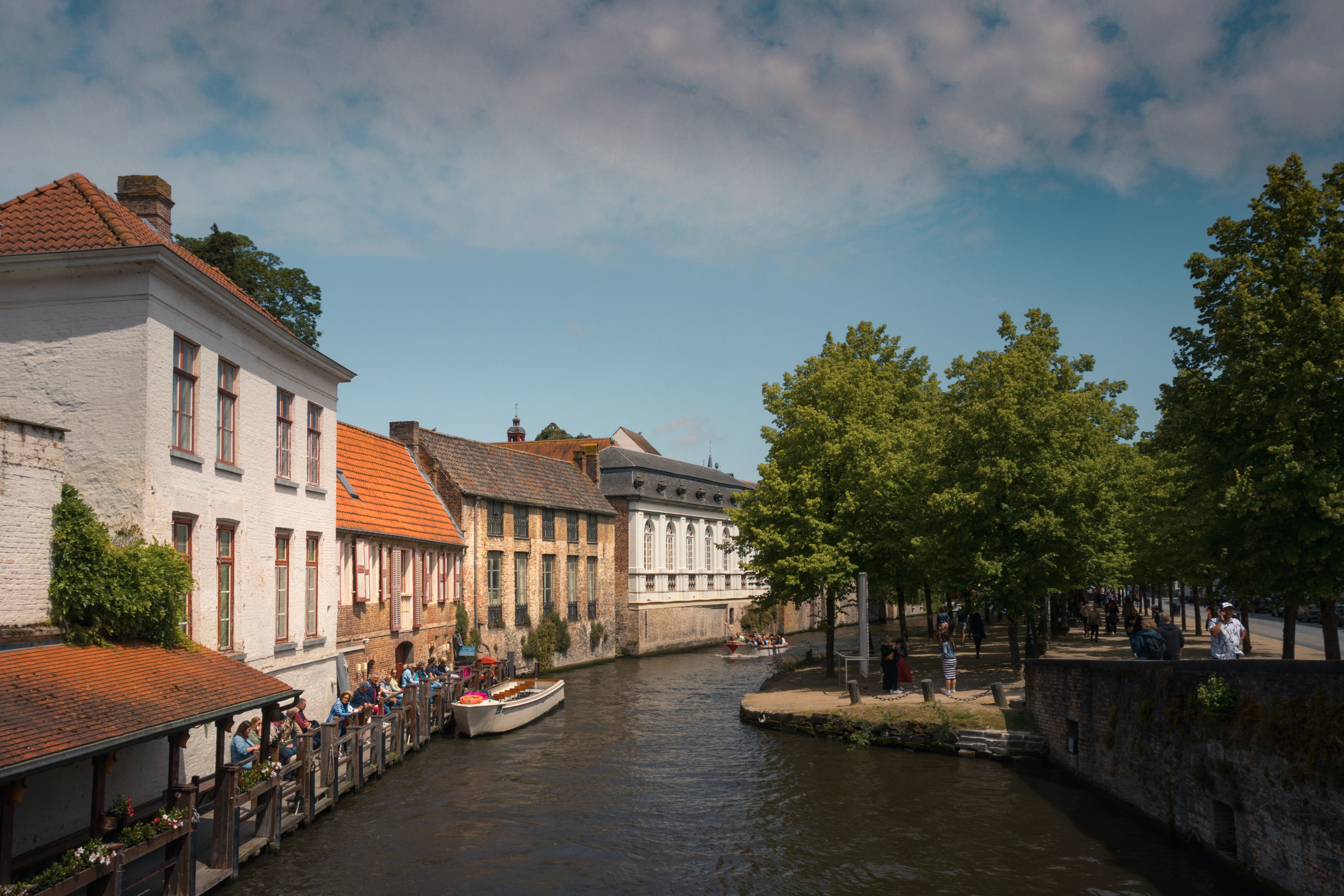
Canal-side Cafes
Spend your lunch break at a cafe overlooking the canals, enjoying a local beer or coffee. The ambiance is unmatched and offers great people-watching opportunities.
Climate
Best months: May, Jun, Jul, Aug, Sep
Avg humidity81%
Avg AQI32
The best time to experience Bruges is between May and September, when the weather is warm and conducive to exploring the city's outdoor spaces on foot or by boat. During these months, the city comes alive with tourists and locals alike, and the canal-side cafes are perfect for casual working sessions.
Conversely, January and February are the most challenging months due to cold temperatures and frequent gray skies, which can dampen the appeal of the historic center. Visitors during this time should be prepared for indoor-focused living, though the city maintains a cozy, quiet atmosphere that some nomads may find uniquely inspiring.
Monthly temperatures °C
BestAvoidShoulder
Practical Info
Everything you need to know
🏥
Healthcare
Belgium has a high standard of healthcare facilities. Visitors should ensure they have adequate travel insurance or access to European health coverage.
💱
Money
The currency is the Euro. Credit and debit cards are accepted almost everywhere, though keeping a small amount of cash on hand is helpful for local markets.
🌐
Language & Etiquette
The primary language is Dutch (Flemish), but English is spoken fluently by the vast majority of the population. Being polite and greeting shopkeepers is highly valued in local culture.
Tips
Quick tips
- Rent a bicycle to explore the city like a local.
- Try the local hot chocolate at smaller independent shops.
- Visit popular sights early in the morning to avoid the tourist crowds.
- Learn a few basic phrases in Flemish to build rapport with locals.
- Use local supermarkets like Delhaize or Colruyt to keep food costs down.
- Check for local museum passes to save on entry fees.
- Always carry an umbrella, as the weather can change quickly.
Further Reading