
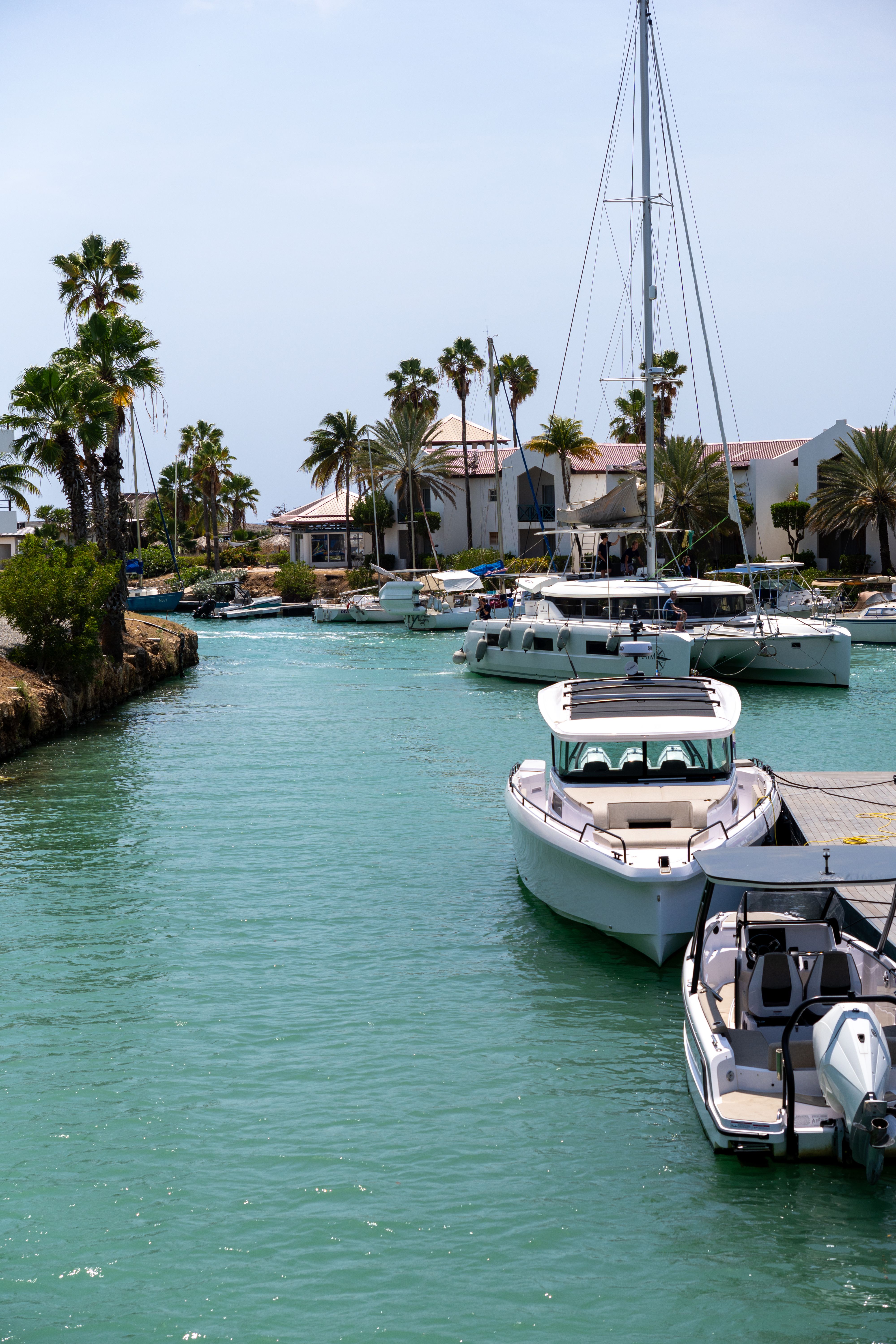
Bonaire · Bonaire
Overview
Bonaire isn't just an island; it's a giant, living marine park where the office view is simply unbeatable.
Bonaire is the ultimate destination for digital nomads who want to trade office walls for pristine turquoise waters. As a special municipality of the Netherlands, the island maintains a high standard of living, excellent infrastructure, and a laid-back, welcoming vibe that prioritizes nature and conservation over mass-market tourism. For remote workers, the Cost of living in Bonaire is manageable if you balance local living with occasional splurges, and the Climate remains pleasant throughout the year.
The culture is a unique fusion of African, Dutch, and Caribbean influences. While the pace of life is intentionally slow, the internet connectivity is surprisingly robust, making it a viable hub for those who can work asynchronously or rely on stable fiber connections. It is a haven for divers, snorkelers, and those seeking a quiet, scenic environment for focused deep work.

History
Bonaire’s history is defined by its strategic position in the Caribbean and its resilience.
Bonaire’s history is defined by its strategic position in the Caribbean and its resilience. Originally inhabited by the Caiquetio Indians, a branch of the Arawak people, the island later became a key site for the Dutch West India Company. The 17th century saw the arrival of the Dutch, who used the island primarily for salt production, an industry that remains vital to the local economy and landscape today.
The colonial era left a mark on the island’s architecture and cultural heritage, particularly in Kralendijk. Throughout the 20th century, Bonaire transitioned from a salt-producing outpost to a globally recognized leader in marine conservation. Today, the island is a special municipality of the Netherlands, preserving its unique history while embracing modern connectivity and sustainable development.
1499
Spanish ArrivalSpanish explorers led by Alonso de Ojeda and Amerigo Vespucci arrived on the island, marking the beginning of European interest.
1636
Dutch OccupationThe Dutch West India Company took control of the island, starting large-scale salt production operations.
1816
Permanent Dutch RuleFollowing the Napoleonic Wars, the Netherlands regained permanent control over the island, ending a period of shifting ownership.
1979
Marine Park FormationThe Bonaire National Marine Park was established, solidifying the island's commitment to protecting its world-class coral reefs.
2010
Special MunicipalityBonaire became a public body (special municipality) within the Netherlands, integrating deeper into the Dutch governance structure.
Where to Stay
Choose your base camp
Distinct neighbourhoods, different rhythms. Pick the one that fits your work-life balance.
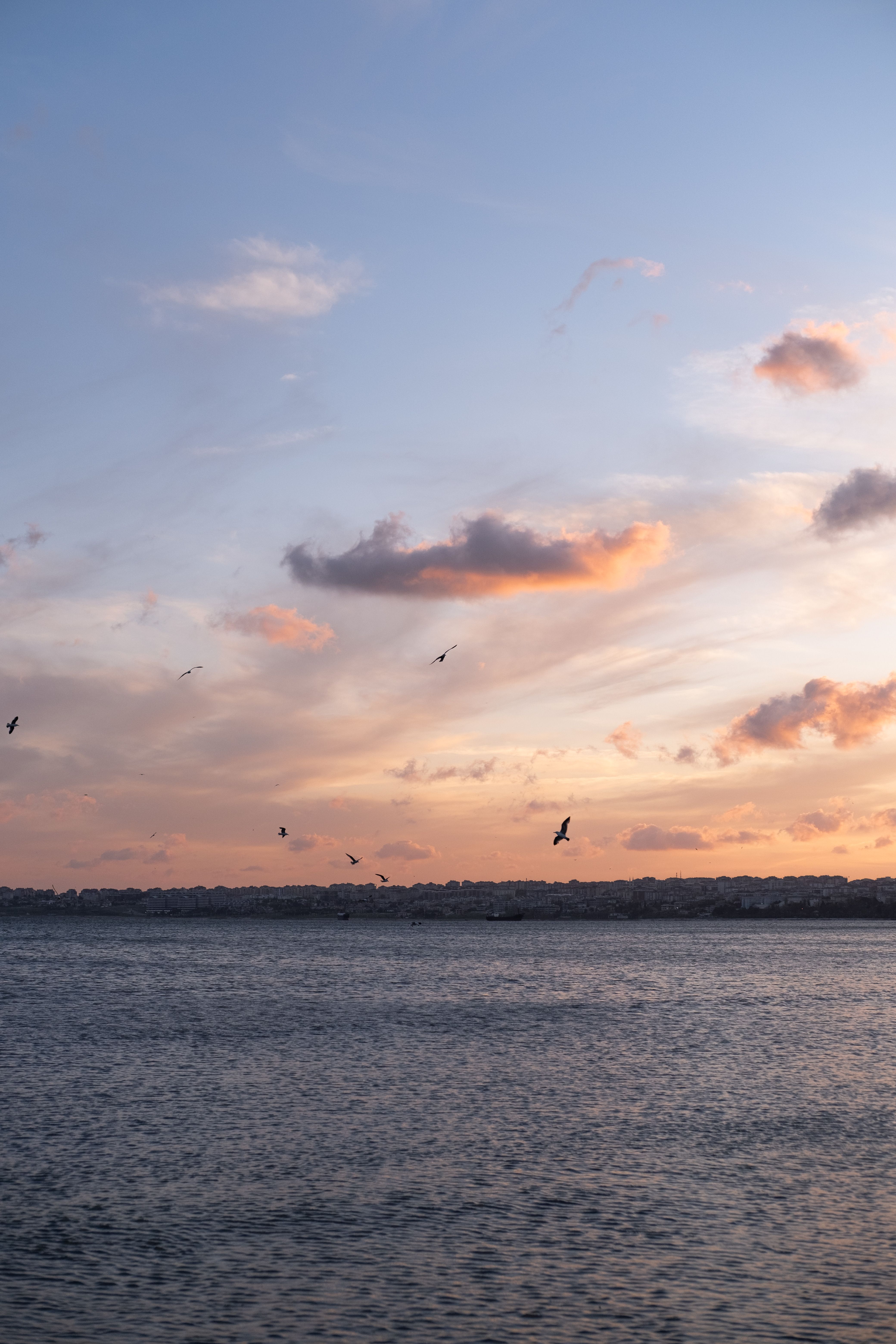
City Centre
Kralendijk
The capital city offers the best access to restaurants, shops, and the island's limited coworking spaces. It is convenient for those who prefer being in the heart of the action.
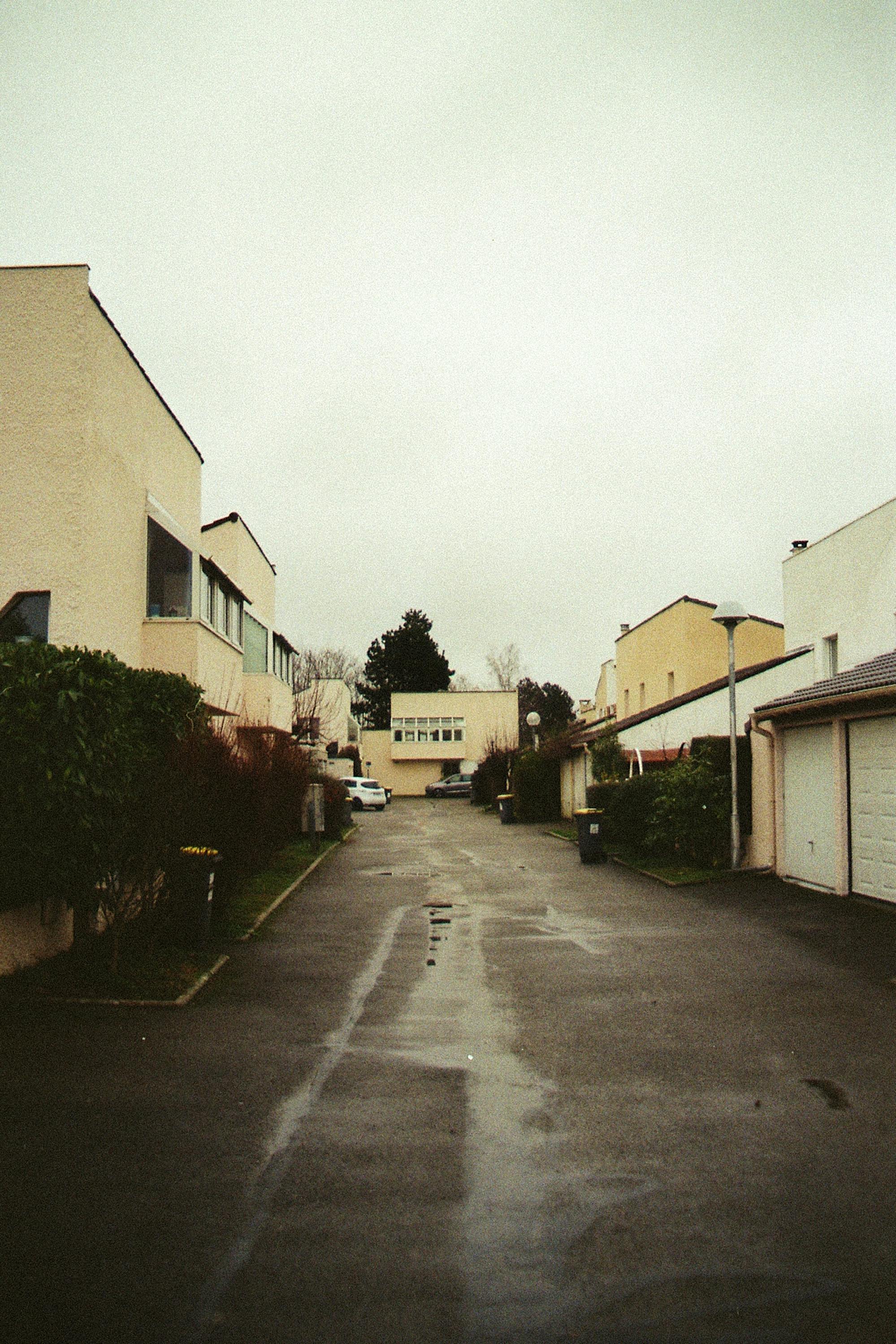
Residential Calm
Belnem
A quieter neighborhood located closer to the southern dive sites and the airport. Perfect for long-term stays where peace and proximity to the water are priorities.
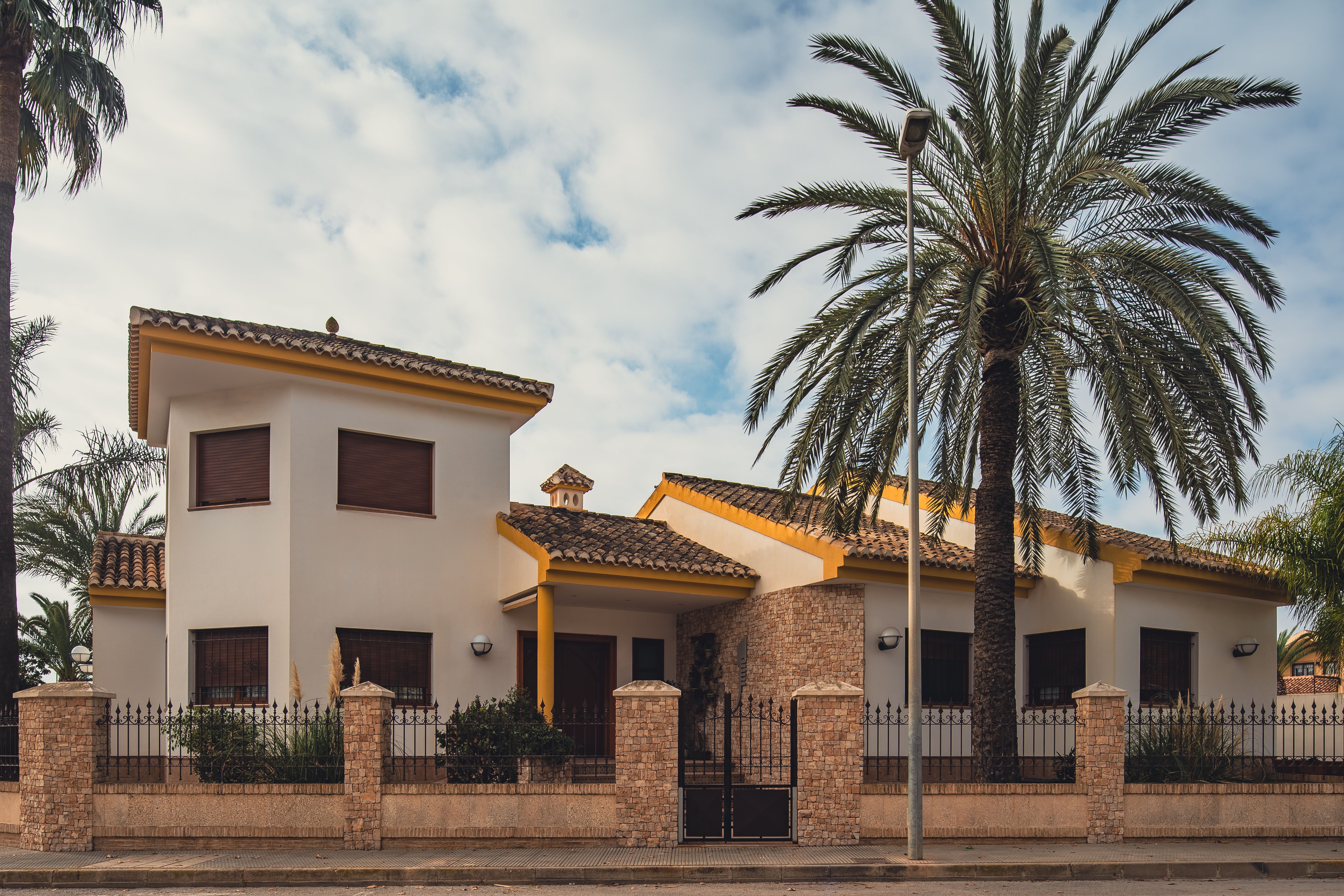
Upscale Living
Sabadeco
Known for luxury villas and stunning coastal views, this area is ideal for those seeking privacy and premium amenities. It requires a car to navigate comfortably.
Places to Go
The experiences that will make you never leave
These aren't tourist checkboxes — they're the experiences that reset your sense of what's normal.
Top Pick
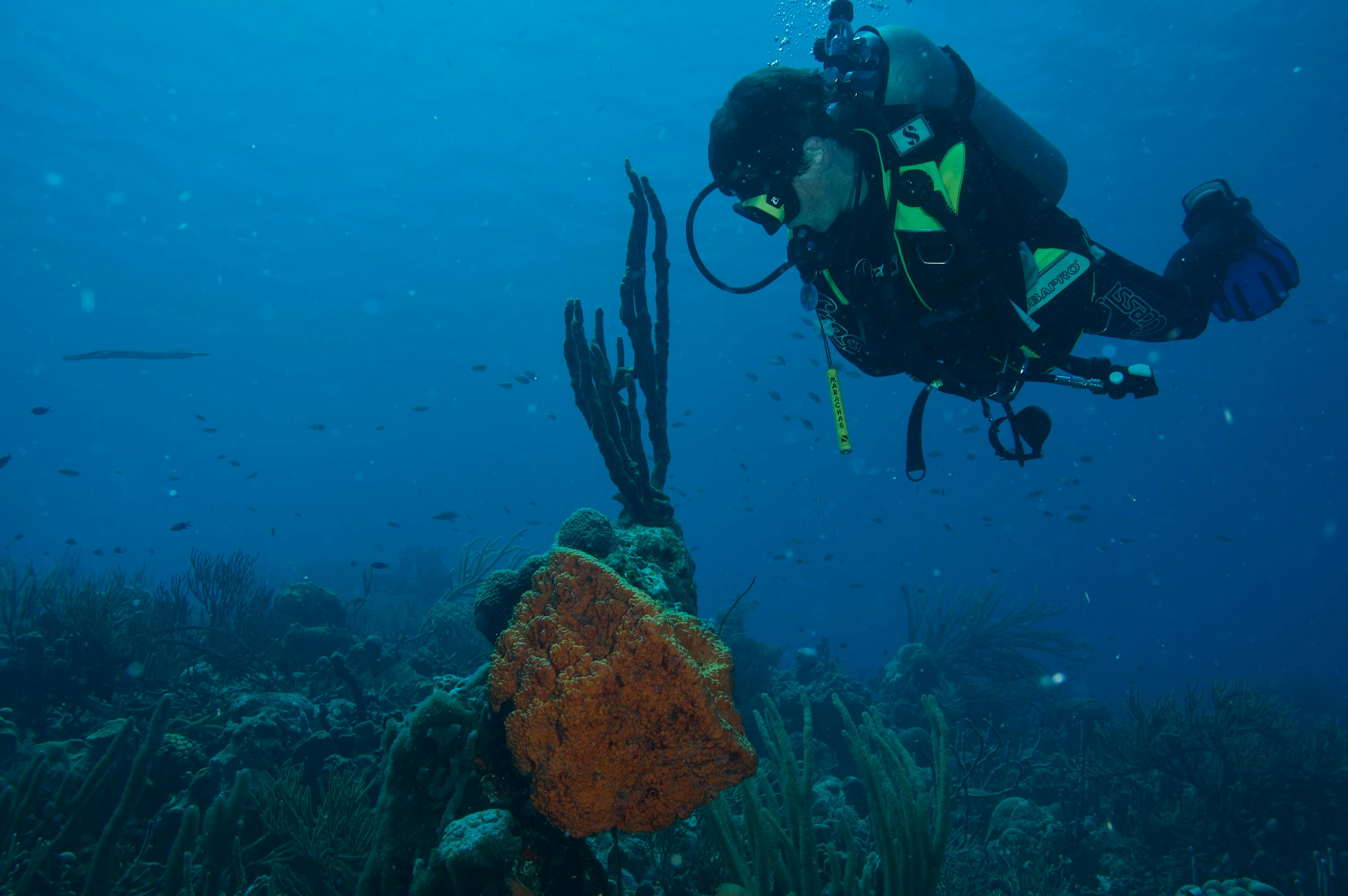
Bonaire National Marine Park
This protected area covers the entire coastline of Bonaire and is world-famous for its coral reefs. It is the premier location for scuba diving and snorkeling enthusiasts.
Bonaire Flamingo Wikipedia
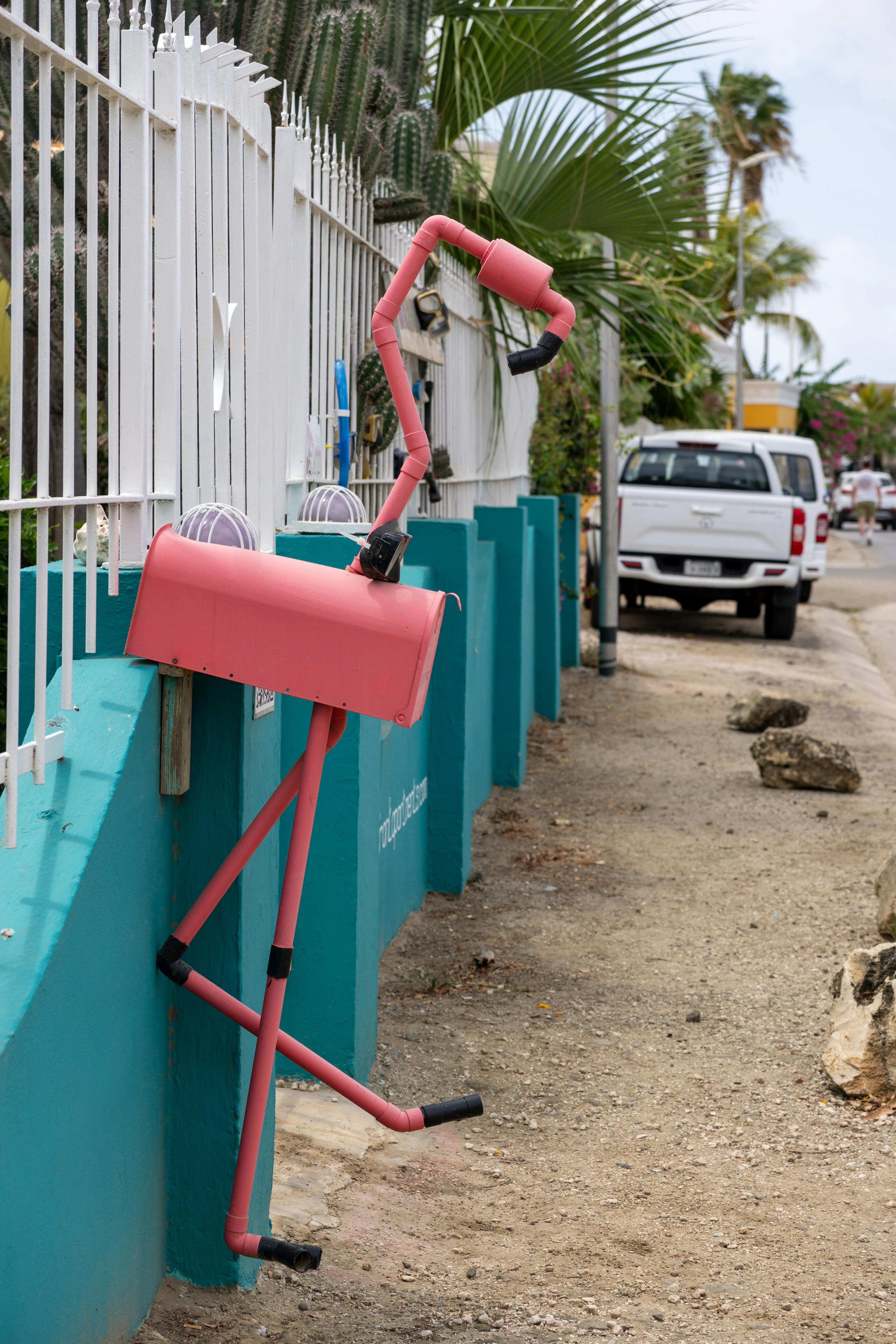
Pekelmeer Flamingo Sanctuary
This is one of the few places in the world where flamingos breed. The salt pans create a unique pink landscape that is perfect for photography.
Bonaire Tourism Official
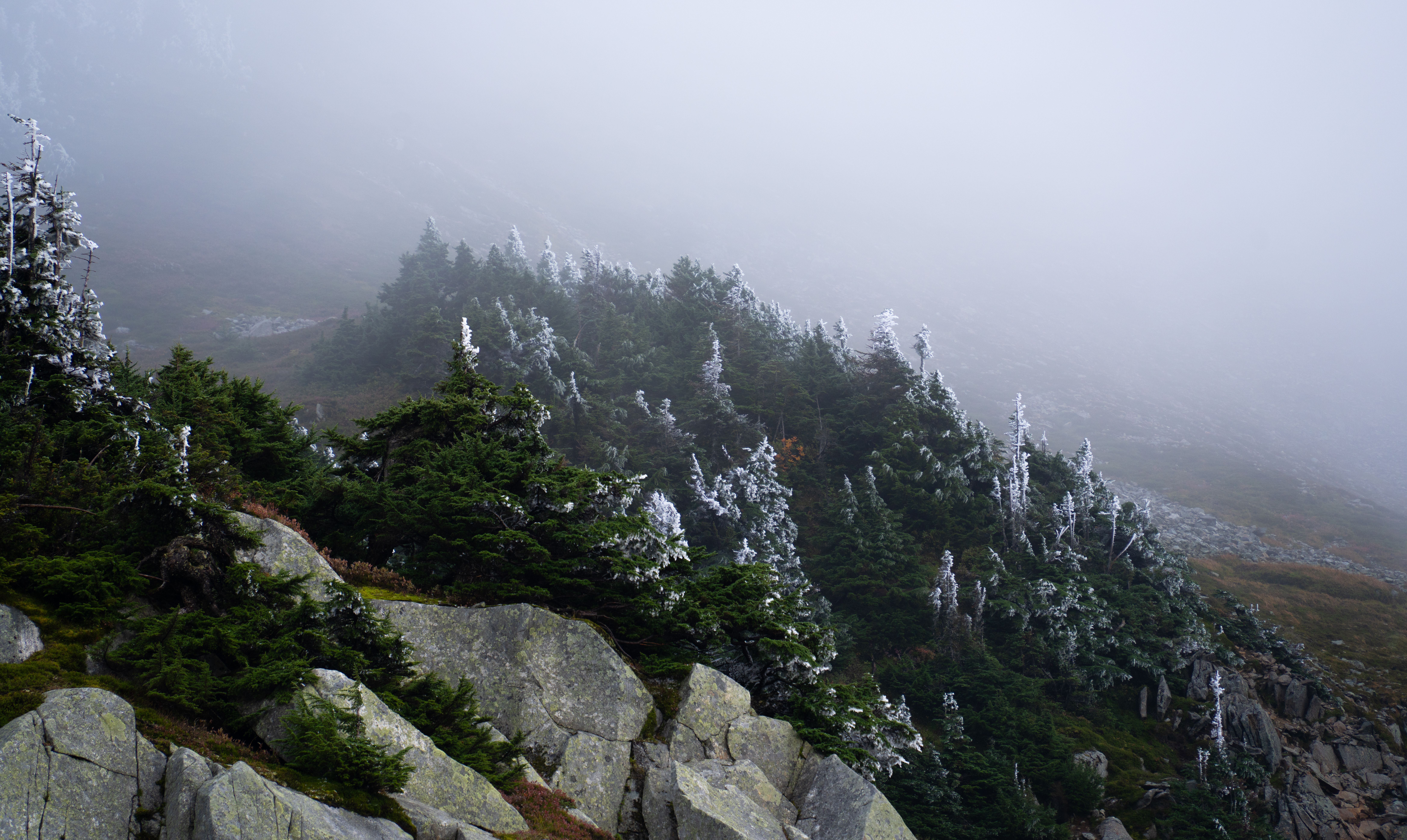
Washington Slagbaai National Park
A vast nature reserve occupying the northern part of the island. It features dramatic desert landscapes, beaches, and rugged hills.
Work & Connectivity
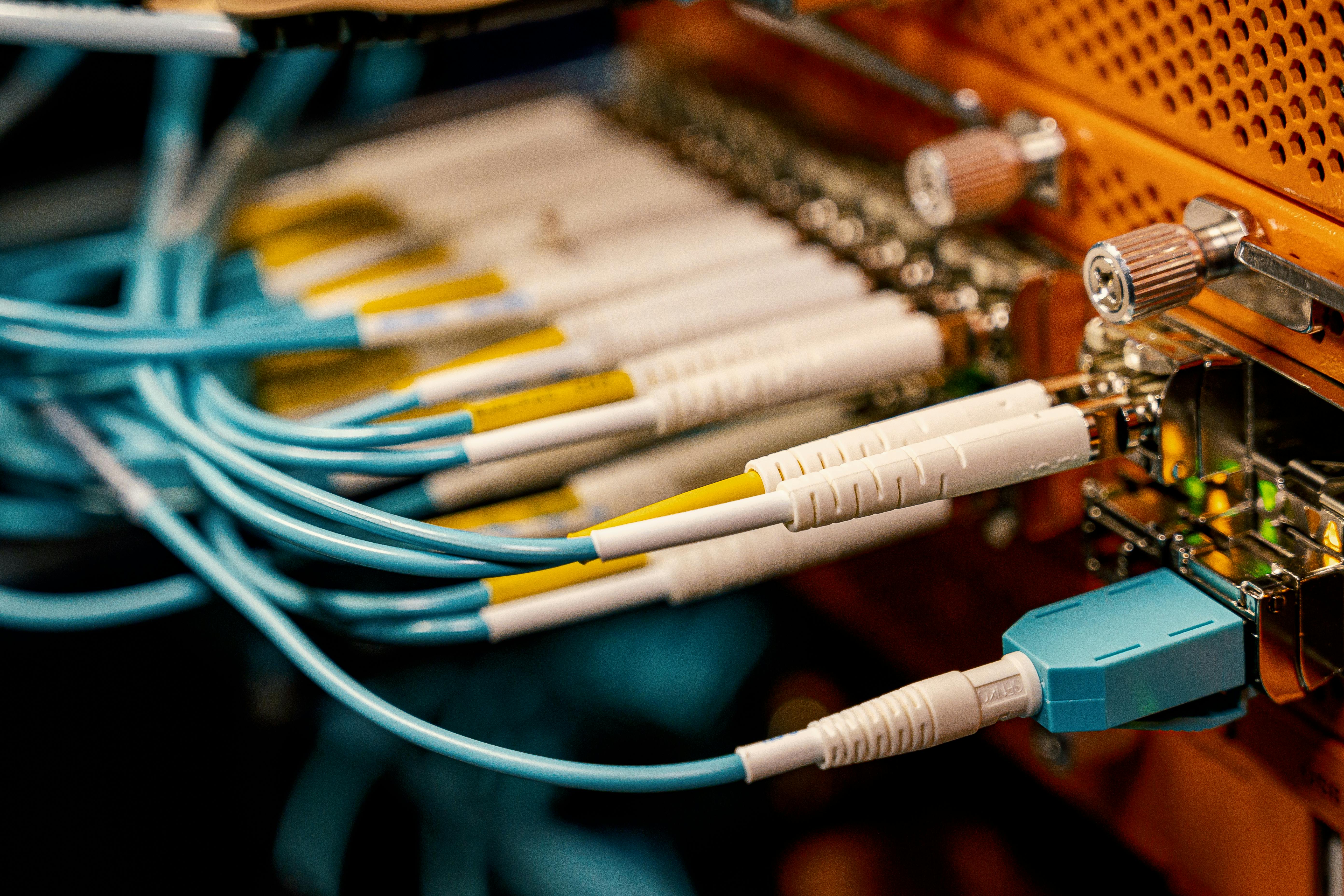
Stay connected wherever you work
The nomad community here is real — cafés and coworking spaces where you can work and meet others.
Bonaire Internet Cafe & Coworking
The primary hub for digital nomads on the island, providing dedicated workspaces and reliable connectivity.
Local Hotel Business Centers
Several high-end hotels offer business center amenities that can be used by non-guests with prior arrangement.
Café Terraces
Many seaside cafes provide good Wi-Fi for casual work sessions, though they are best suited for shorter, less intensive tasks.
Budget & Costs
What it costs to live in Bonaire
Choose your lifestyle tier. Comfortable = furnished accommodation, local + occasional Western food, transport, leisure.
$1314
per month · USD · comfortable lifestyle
ModerateFurnished studio, local restaurants, transport, and weekend trips.
Exchange rates
Check xe.com or your bank for current USD to local currency.
Check xe.com or your bank for current USD to local currency.
🏠 Rent 45%$584/mo
🍽️ Food 25%$329/mo
🚌 Transport 8%$110/mo
💡 Utilities 11%$146/mo
🎭 Leisure 6%$73/mo
🏥 Health 4%$55/mo
Connectivity
Well connected to the world
Internet and transport options for remote workers.
📶
Internet
Good — fibre common
Check local providers.
🏢
Coworking
From ~$80/mo
Dedicated spaces available.
🚌
Local Transit
5 / 10
Scooter and taxi common.
20 km from centre
Safety & Visa
Safe, welcoming, and easy to enter
Safety Score6 / 10
✗ Tap Water✓ Night Safe📞 112 or local emergency number
Visa
Check your entry options
Many nationalities get visa-free or visa-on-arrival. Check official government sources for your citizenship before travel.
Culture & Festivals
Local soul, nomad-friendly
Multiculturalism5/10
Foodie Scene5/10
Remote work
Jan
New Year's Celebrations
Local festivities involving traditional food, music, and gatherings across the island.
Dec
Bonaire Christmas Traditions
The island comes alive with community events and a festive atmosphere that is uniquely Caribbean.
Bonaire is a world-renowned destination for windsurfing and kitesurfing, particularly at Lac Bay. Even if you aren't an expert, watching the athletes on the water is a fantastic way to spend a weekend afternoon.
Food & Nightlife
A feast for every mood
From street food to cafés and nightlife — every meal is an event.
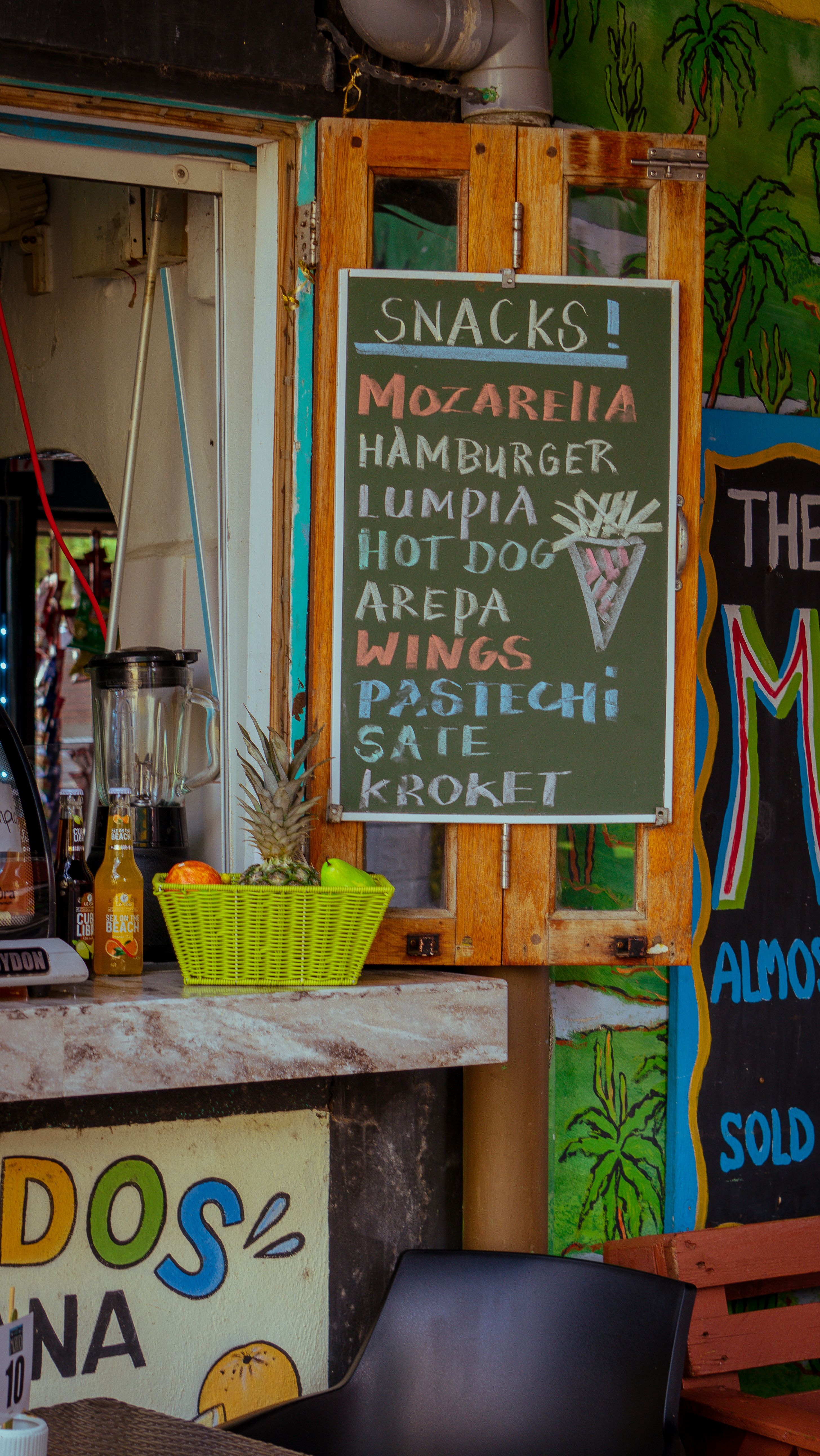
Local Flavors
Kralendijk Snack Bars
Try authentic local snacks that are affordable and delicious. These bars are the best way to eat well on a budget.

Dining Out
Seaside Restaurants
Bonaire boasts an array of high-quality dining options along the waterfront serving fresh seafood.
Climate
Best months: Jan, Feb, Mar, Apr, May, Jun, Jul, Aug, Sep, Oct, Nov, Dec
Avg humidity76%
Avg AQI30
Bonaire enjoys a temperate, tropical climate that makes it a year-round destination. Unlike many other Caribbean islands, it sits outside the primary hurricane belt, which gives travelers peace of mind when visiting during the traditional storm season. Whether you arrive in January or July, the consistent trade winds keep temperatures comfortable and the humidity levels manageable.
While the entire year is suitable for remote work, those interested in specific marine life migrations might prefer the spring months. No specific months need to be avoided due to weather, making the island a flexible option for nomads looking for a base that doesn't suffer from extreme seasonal disruptions.
Monthly temperatures °C
BestAvoidShoulder
Practical Info
Everything you need to know
🏥
Healthcare
Bonaire has a modern hospital, Fundashon Mariadal, which provides high-quality care. Ensure you have comprehensive travel insurance that includes medical evacuation just in case.
💱
Money
The official currency is the US Dollar, which simplifies things for many international nomads. Credit cards are widely accepted in larger establishments, but carry cash for smaller snack bars.
🌐
Language & Etiquette
Dutch and Papiamento are official, but English and Spanish are widely spoken. The culture is polite and conservation-minded, so always respect the reefs and local environmental laws.
Tips
Quick tips
- Always carry reef-safe sunscreen to help protect the fragile marine ecosystem.
- Rent a vehicle immediately upon arrival; it is essential for island mobility.
- Check your rental agreement to confirm that high-speed fiber internet is included.
- Shop at local supermarkets to keep your monthly grocery bill manageable.
- Pack light, breathable clothing, but bring a light jacket for breezy evenings.
- Join local Facebook groups to find meetups or community events for expats.
- Learn a few phrases in Papiamento to connect with the locals.
- Always keep a reusable water bottle, as tap water is safe to filter but usually bottled for convenience.
Further Reading