
Aruba · Aruba
Overview
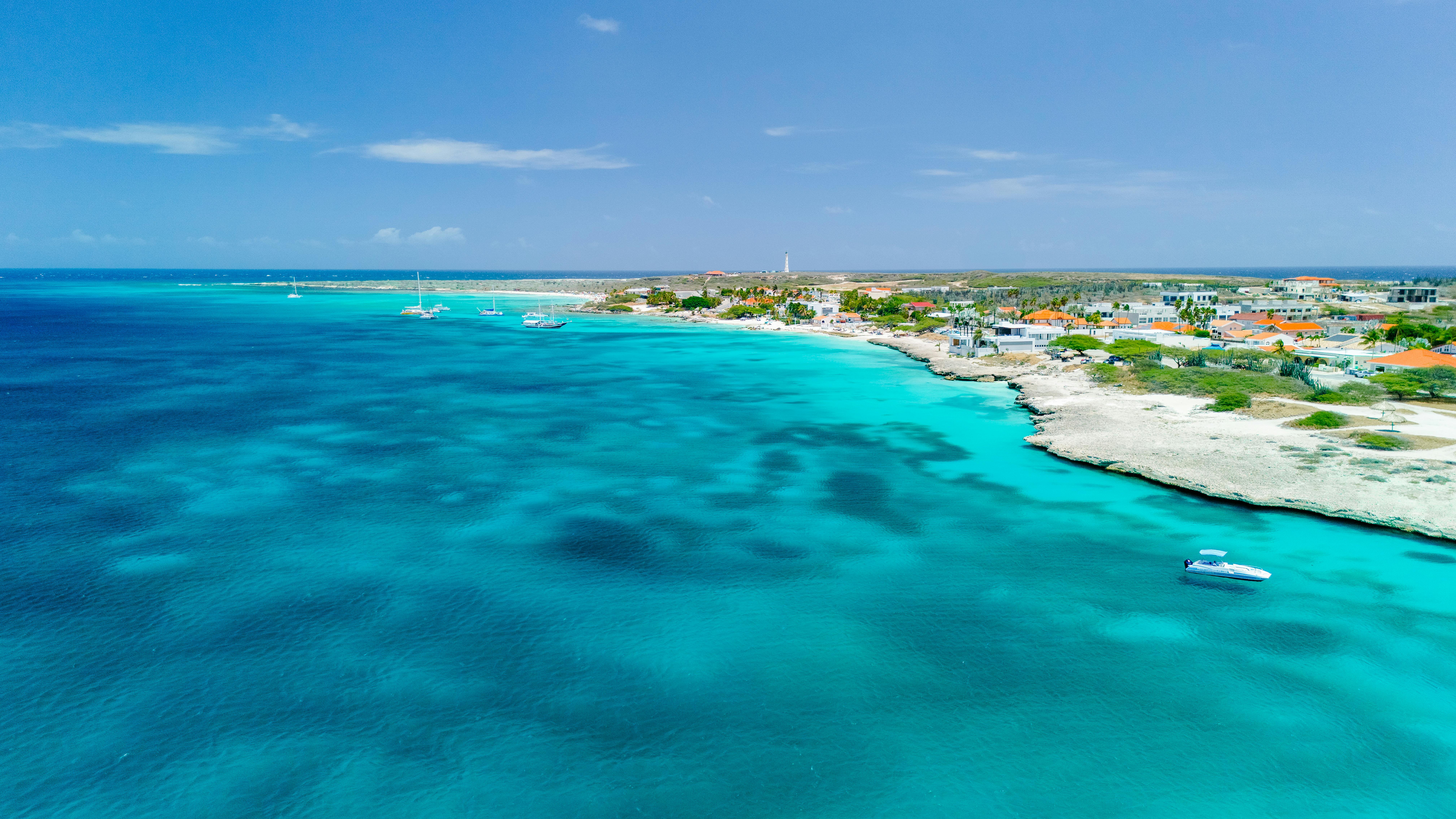
Aruba is the rare Caribbean gem where you can find world-class internet speed while feeling like you've completely escaped the rat race.
Aruba stands out as a top-tier destination for nomads who crave a stable, modern environment while being steps away from turquoise waters. The island's infrastructure is remarkably developed, featuring excellent fibre-optic internet that makes remote work seamless, even from a beachside café. The vibe is laid-back yet professional, fostering a community that values both productivity and downtime.
Unlike many other Caribbean destinations, Aruba remains outside the hurricane belt, ensuring consistent weather year-round. While it maintains a high standard of living, understanding the local cost of living will help you balance luxury resort stays with more budget-friendly local experiences. With its safe environment and welcoming culture, it is easy to see why so many professionals make this their temporary home base.
History
Aruba's history is a rich tapestry woven by Indigenous Arawak people, Spanish colonizers, and Dutch governance.
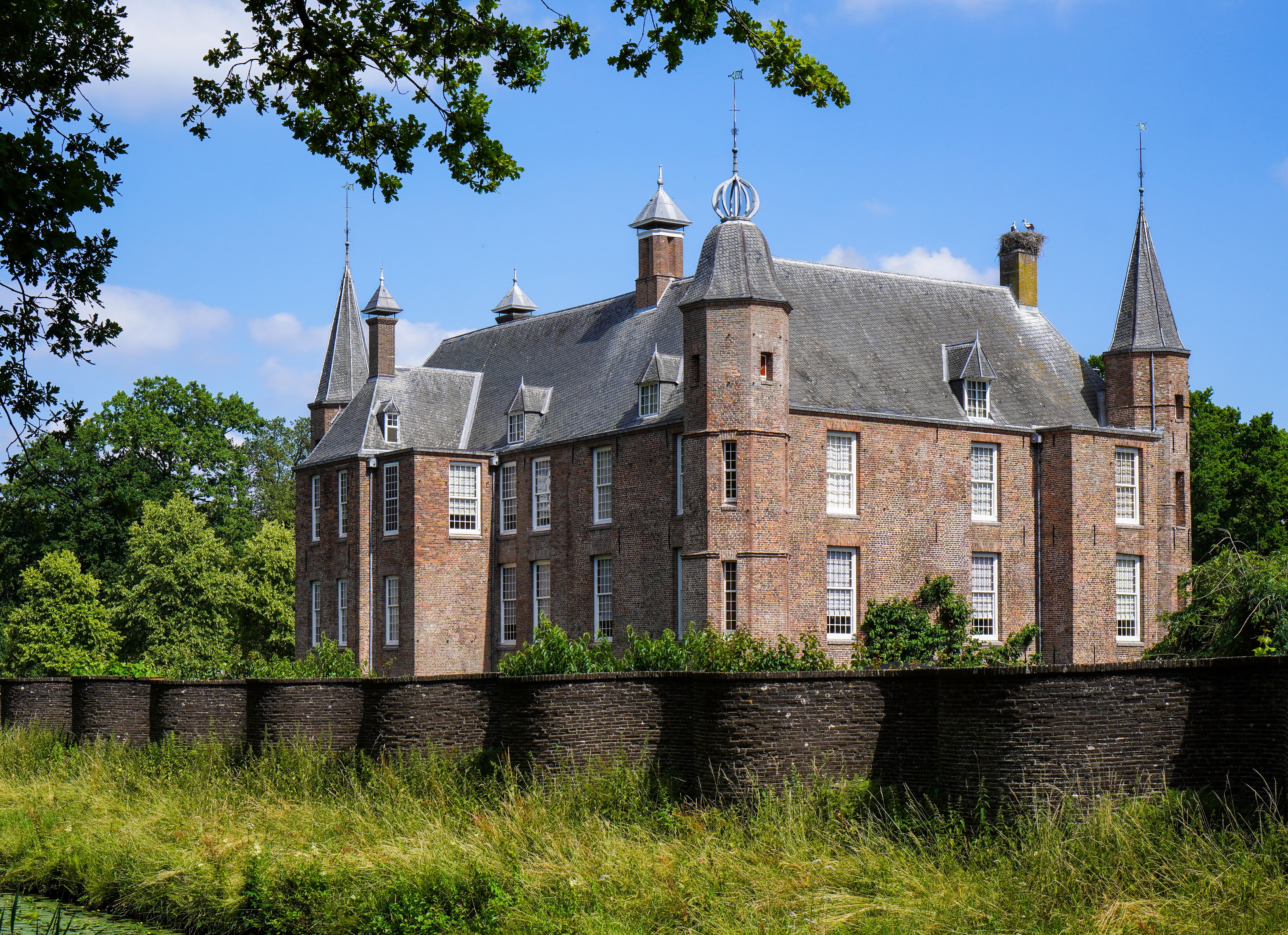
Aruba's history is a rich tapestry woven by Indigenous Arawak people, Spanish colonizers, and Dutch governance. Originally inhabited by the Caquetio people of the Arawak tribe, the island was claimed by the Spanish in the 15th century, who utilized it primarily for cattle ranching. The Dutch seized control in 1636, and the island has maintained a close relationship with the Netherlands ever since, leading to a unique cultural blend of European influence and Caribbean heritage.
Throughout the 19th and 20th centuries, Aruba’s economy shifted from agriculture to gold mining and eventually oil refining. The establishment of the Lago Oil & Transport Company in the 1920s transformed the island's landscape and economy, bringing a multicultural workforce that persists in the island's diversity today. In 1986, Aruba attained 'Status Aparte' within the Kingdom of the Netherlands, giving it full internal autonomy.
1499
Spanish ArrivalSpanish explorers led by Alonso de Ojeda reached the island, leading to the displacement of the original Caquetio inhabitants.
1636
Dutch ColonizationThe Dutch West India Company took control of the island, incorporating it into the Dutch colonial empire.
1924
Oil EraThe establishment of a massive oil refinery brought rapid modernization and economic expansion to the island.
1986
Status AparteAruba gained autonomous status within the Kingdom of the Netherlands, separating itself from the Netherlands Antilles.
Where to Stay
Choose your base camp
Distinct neighbourhoods, different rhythms. Pick the one that fits your work-life balance.
Tourist Hub
Palm Beach
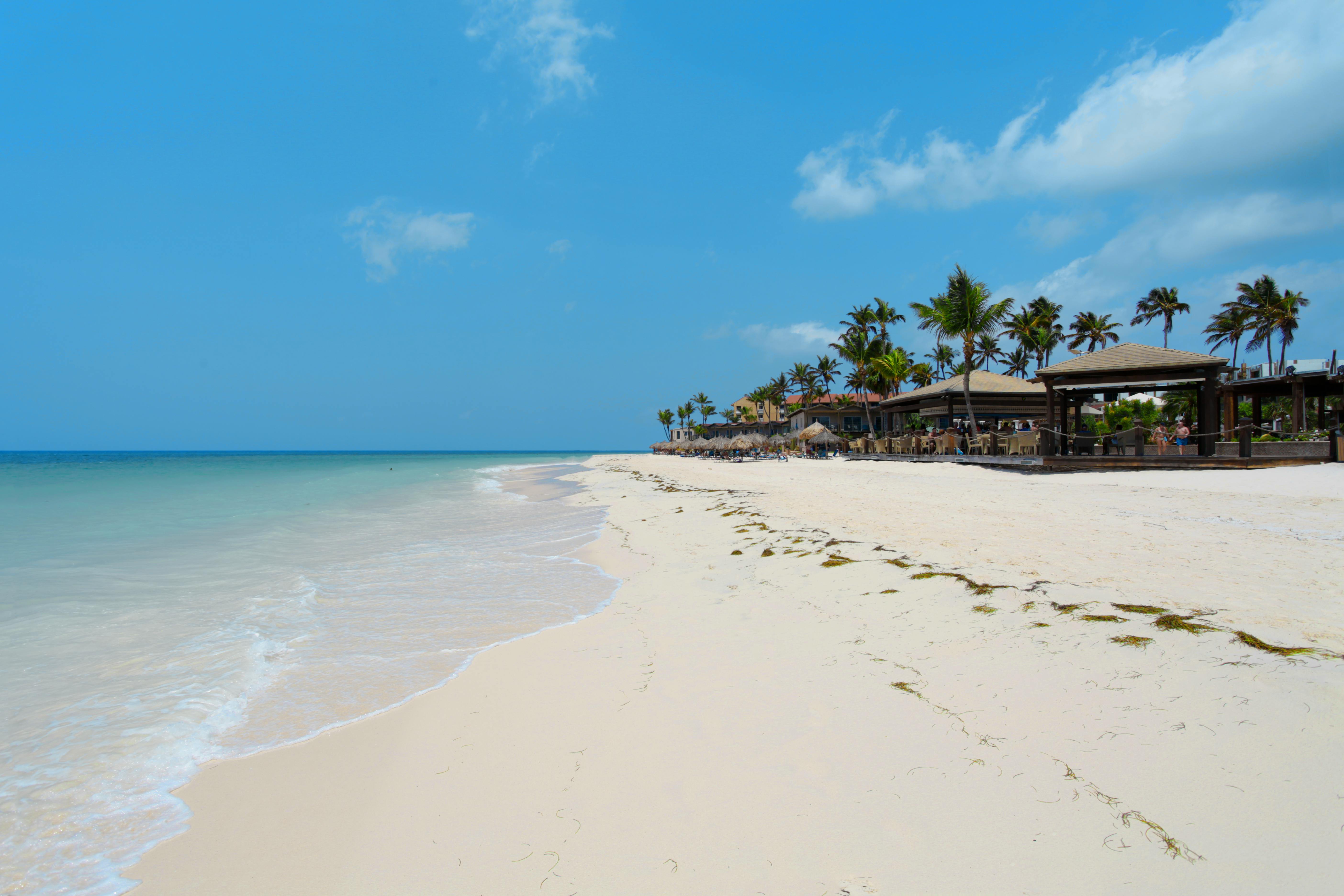
This is the epicenter of the island's tourism, featuring high-rise hotels, casinos, and high-end dining. It is perfect for those who want to be in the middle of all the action.
Culture & Budget
San Nicolas
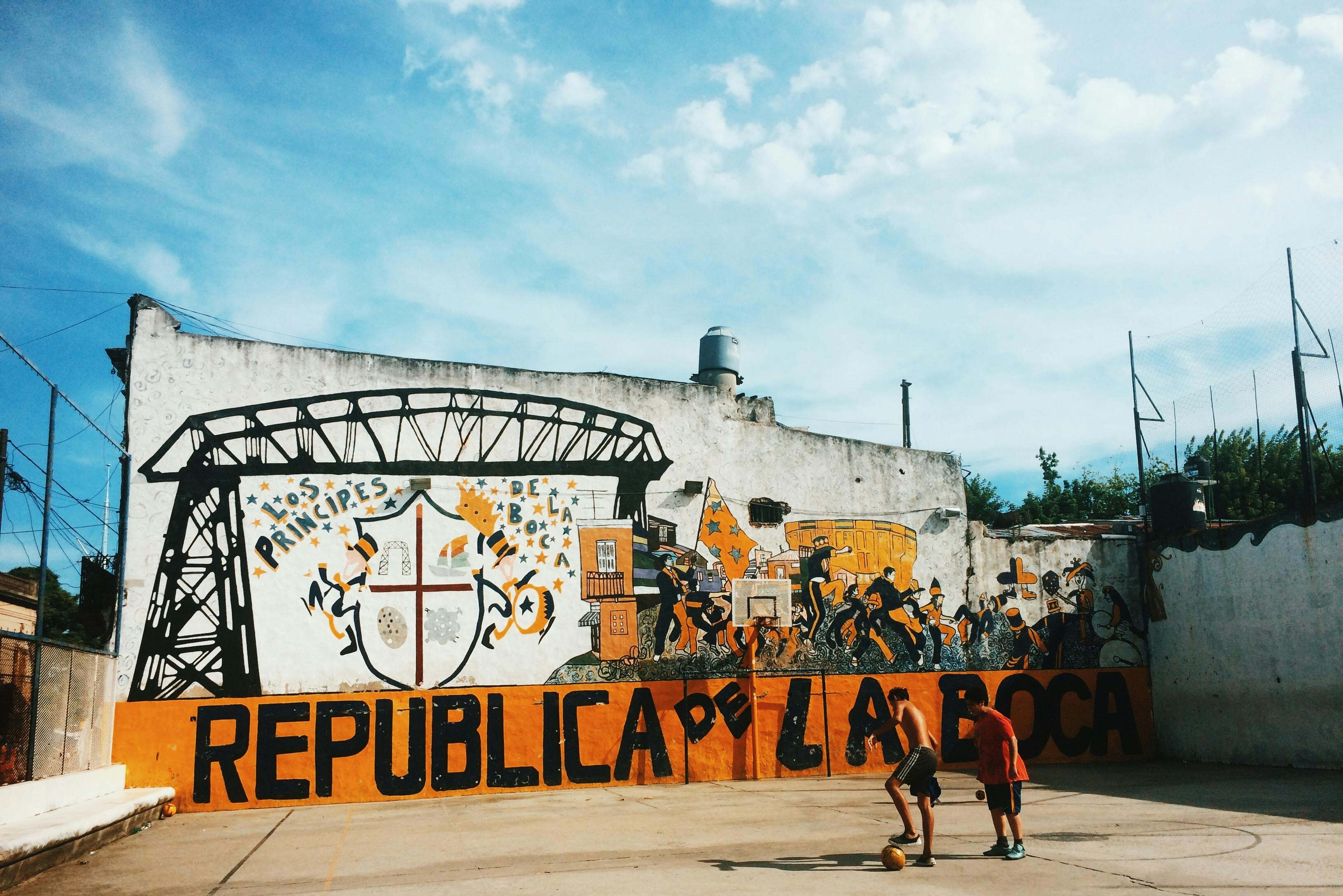
Known as the island's art capital, San Nicolas offers a more authentic, local vibe with beautiful street murals and a more affordable cost of living.
City Living
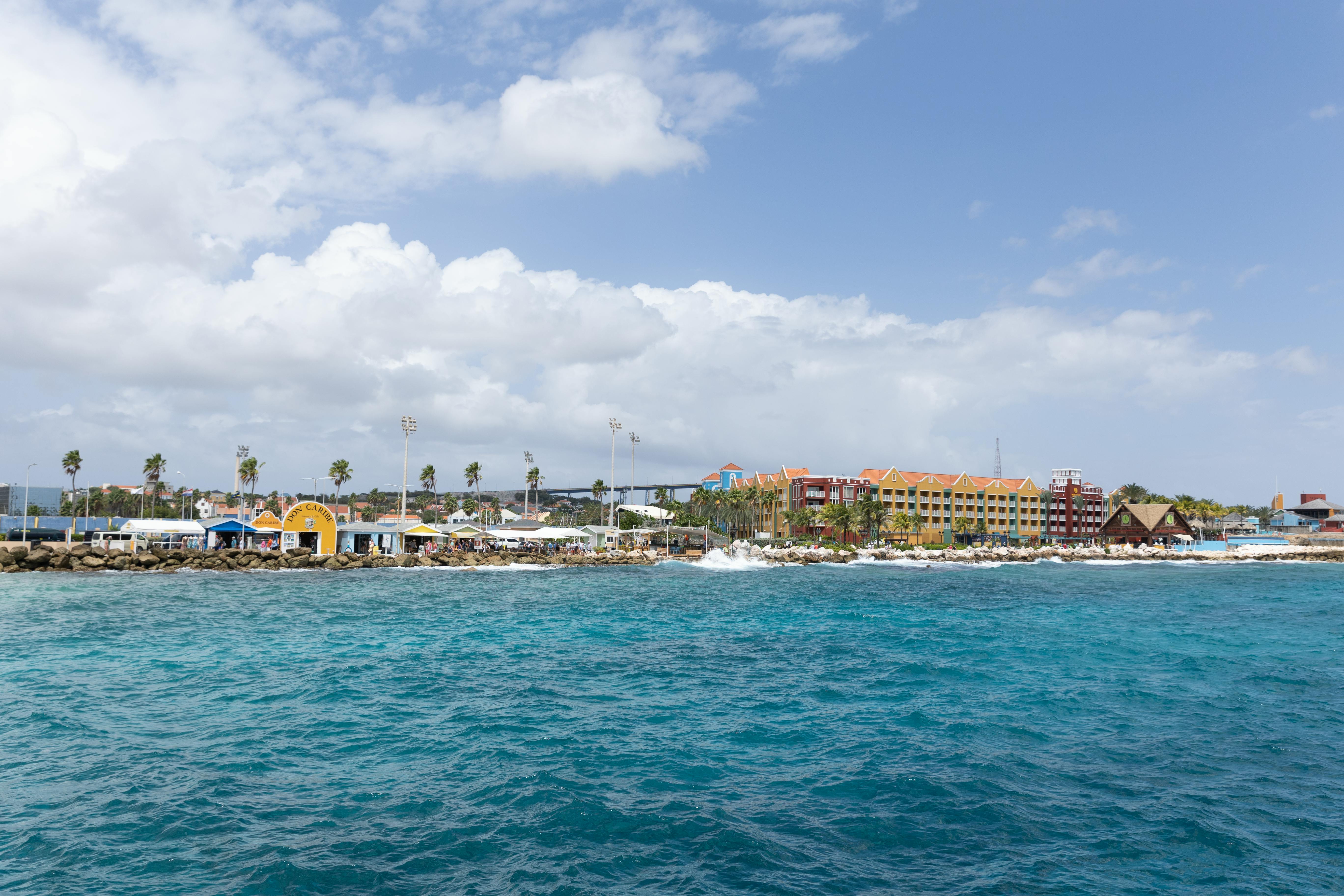
Oranjestad
The capital city offers a blend of historic Dutch architecture, shopping, and proximity to the marina. It is a great base for those who prefer urban convenience.
Places to Go
The experiences that will make you never leave
These aren't tourist checkboxes — they're the experiences that reset your sense of what's normal.
Top Pick
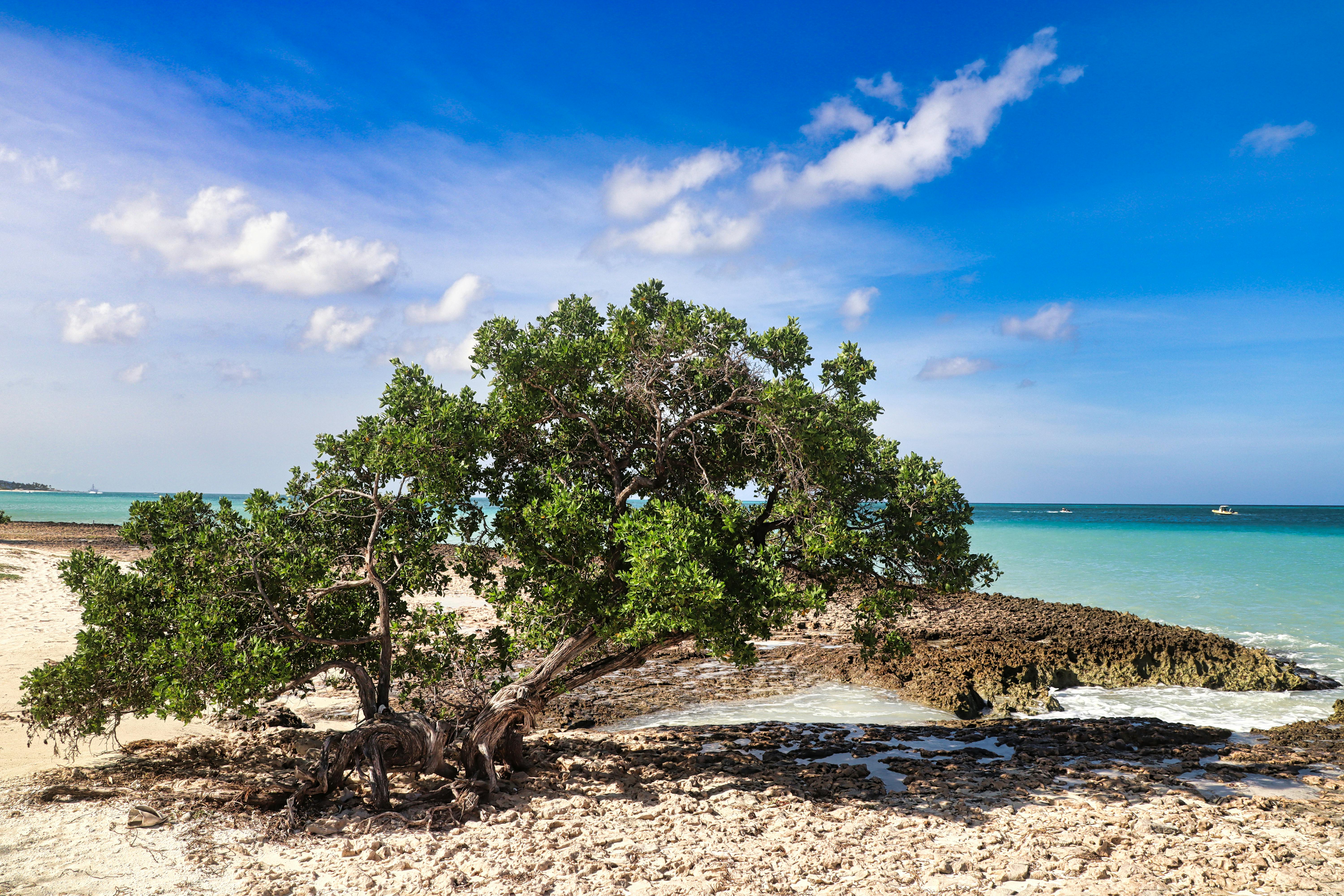
Arikok National Park
This massive park covers nearly 20% of the island and features dramatic volcanic landscapes, caves, and natural pools. It is a must-visit for hikers and those wanting to see the rugged, wild side of Aruba.
Wikipedia
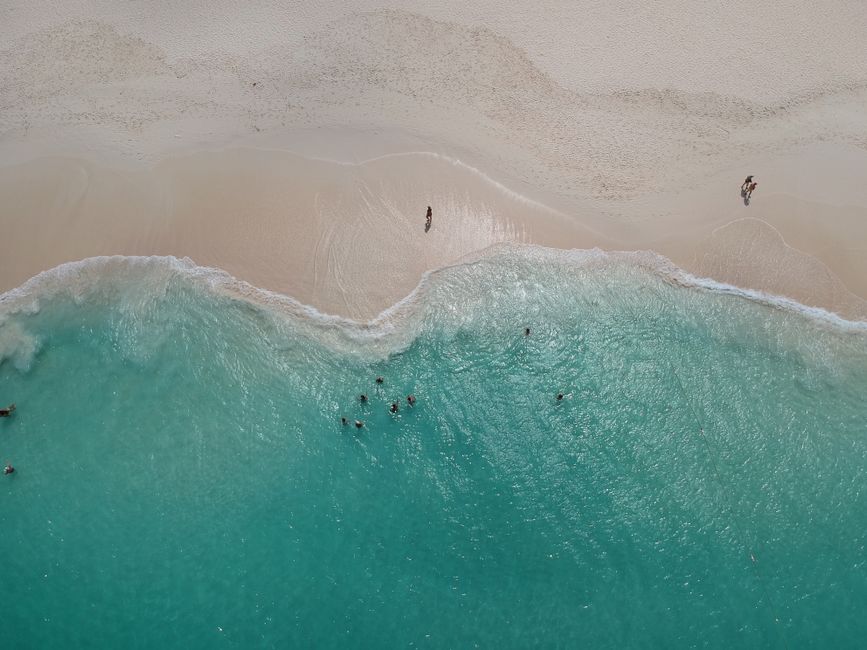
Eagle Beach
Frequently ranked among the best beaches in the world, Eagle Beach is known for its wide, white sands and iconic fofoti trees. It is the perfect spot for sunset walks and morning yoga sessions.
Work & Connectivity
Stay connected wherever you work
The nomad community here is real — cafés and coworking spaces where you can work and meet others.
Aruba Co-Working Space
A dedicated facility designed for remote workers featuring ergonomic furniture and high-speed internet in a professional setting.
Hostel Room 11
A popular spot for digital nomads that provides a social atmosphere and functional desk space for focused work.
Budget & Costs
What it costs to live in Aruba
Choose your lifestyle tier. Comfortable = furnished accommodation, local + occasional Western food, transport, leisure.
$1789
per month · USD · comfortable lifestyle
ModerateFurnished studio, local restaurants, transport, and weekend trips.
Exchange rates
Check xe.com or your bank for current USD to local currency.
Check xe.com or your bank for current USD to local currency.
🏠 Rent 45%$803/mo
🍽️ Food 29%$511/mo
🚌 Transport 6%$110/mo
💡 Utilities 5%$91/mo
🎭 Leisure 9%$164/mo
🏥 Health 6%$110/mo
Connectivity
Well connected to the world
Internet and transport options for remote workers.
📶
Internet
Good — fibre common
Check local providers.
🏢
Coworking
From ~$80/mo
Dedicated spaces available.
🚌
Local Transit
5 / 10
Scooter and taxi common.
20 km from centre
Safety & Visa
Safe, welcoming, and easy to enter
Safety Score6 / 10
✗ Tap Water✓ Night Safe📞 112 or local emergency number
Visa
Check your entry options
Many nationalities get visa-free or visa-on-arrival. Check official government sources for your citizenship before travel.
Culture & Festivals
Local soul, nomad-friendly
Multiculturalism5/10
Foodie Scene5/10
Remote work
Jan
Aruba Carnival
A vibrant celebration featuring parades, music, and elaborate costumes that spans several weeks.
Jun
Dera Gai
A traditional harvest festival celebrated with music, dance, and colorful cultural performances.
Aruba is one of the few places where the pace of life truly slows down, allowing you to enjoy the 'One Happy Island' spirit without sacrificing your work goals.
Food & Nightlife
A feast for every mood
From street food to cafés and nightlife — every meal is an event.

Street Food
Food Trucks
Grab a quick and delicious bite at local food trucks serving everything from fresh seafood to classic Caribbean snacks.
Local Dining
Casual Eateries
Explore local restaurants in San Nicolas for authentic dishes like stews and fresh-caught fish without the tourist markup.
Climate
Best months: Jan, Feb, Mar, Apr, May, Jun, Jul, Aug, Sep, Oct, Nov, Dec
Avg humidity76%
Avg AQI30
Aruba is a year-round destination thanks to its location outside the hurricane belt. You can visit anytime between January and December without fearing major seasonal disruptions, as the weather remains consistently warm and breezy due to the trade winds.
High season runs from mid-December through mid-April, when the island is busiest and accommodation prices are at their peak. If you prefer a quieter environment and more affordable rates, consider visiting during the shoulder months of May and June or the low season in autumn, when you can enjoy the same beautiful beaches with fewer crowds.
Monthly temperatures °C
BestAvoidShoulder
Practical Info
Everything you need to know
🏥
Healthcare
Aruba has high-quality healthcare facilities, including the Horacio Oduber Hospital. Always ensure you have travel insurance that covers international medical care.
💱
Money
The local currency is the Aruban Florin, but the US Dollar is widely accepted everywhere on the island. Credit cards are standard in most businesses.
🌐
Language & Etiquette
Papiamento and Dutch are the official languages, but English and Spanish are spoken fluently by almost everyone. Locals appreciate friendly greetings and a relaxed demeanor.
Tips
Quick tips
- Always carry a reusable water bottle; the tap water is excellent.
- Rent a car for at least a few days to explore the northern coastline.
- Try to learn a few basic words in Papiamento, like 'Bon Dia' for good morning.
- Visit the natural pool in Arikok early in the morning to avoid crowds.
- Sun protection is essential, as the trade winds can mask the intensity of the sun.
- Check out the street murals in San Nicolas for incredible photo opportunities.
- Use public buses to save significantly on daily transport costs.
- Book accommodation well in advance if you plan to visit during the winter months.
Further Reading