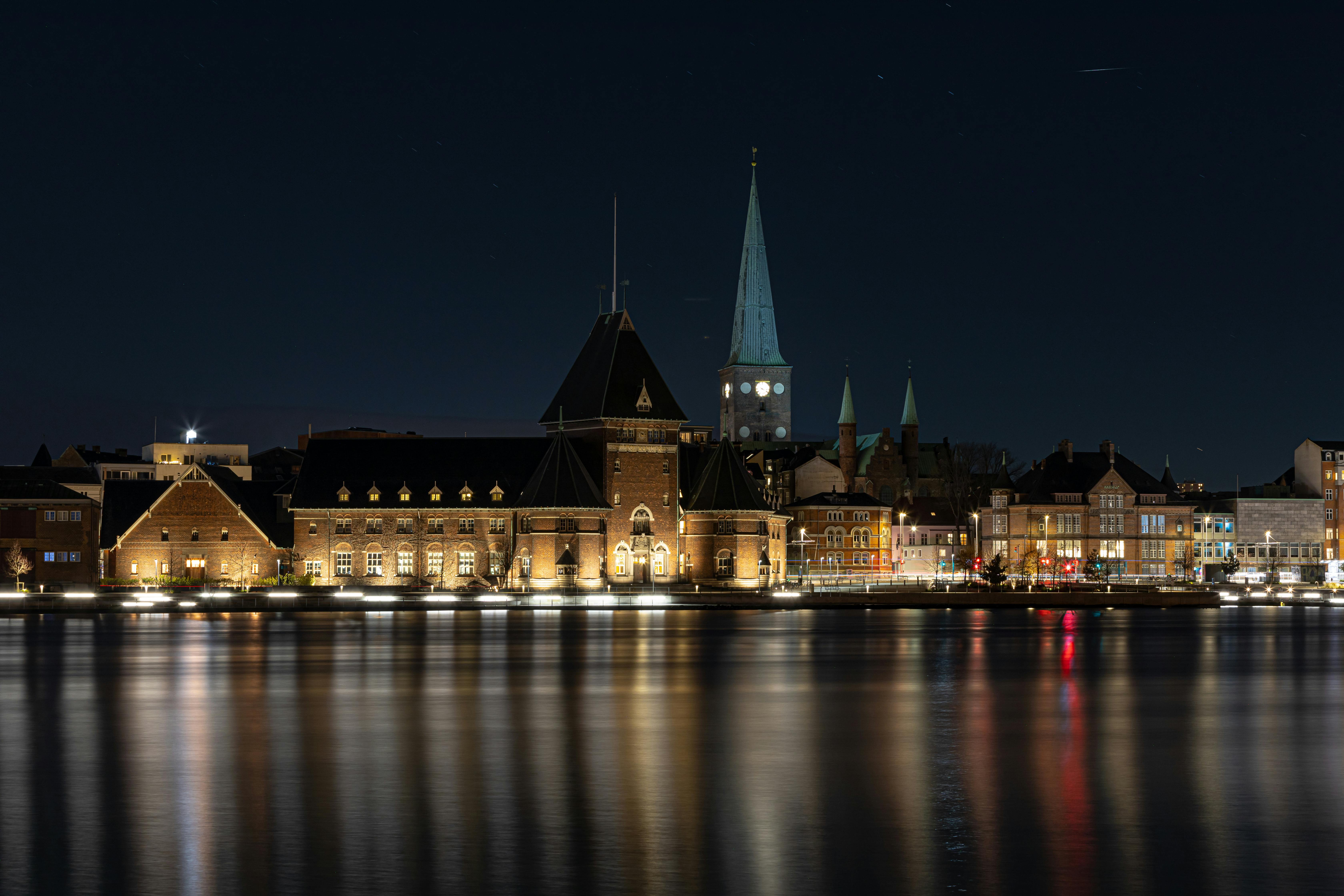
Aarhus · Denmark
Overview
Aarhus is the kind of city that manages to feel like a sleepy coastal village while functioning with the precision and innovation of a major European tech hub.
Aarhus stands as a beacon for digital nomads who value high quality of life, reliable infrastructure, and a community-focused environment. As the European Capital of Culture in 2017, the city has cemented its status as a creative hub, blending its medieval roots with ultra-modern architectural feats like the Dokk1 library and the waterfront Aarhus Ø district. The vibe is laid-back yet intellectually stimulating, making it an ideal spot for those who need deep work sessions during the day and an engaging, walkable city to explore at night.
While the Cost of living in Aarhus reflects Danish standards, the investment pays off in safety, efficiency, and access to some of Scandinavia’s best design and culinary experiences. Visitors will find that the city rewards those who embrace the 'hygge' lifestyle, whether through cycling along the coast or finding a quiet, sun-drenched café in the Latin Quarter.
History
Aarhus dates back to the Viking Age, originally established as Aros, meaning 'the mouth of the river…
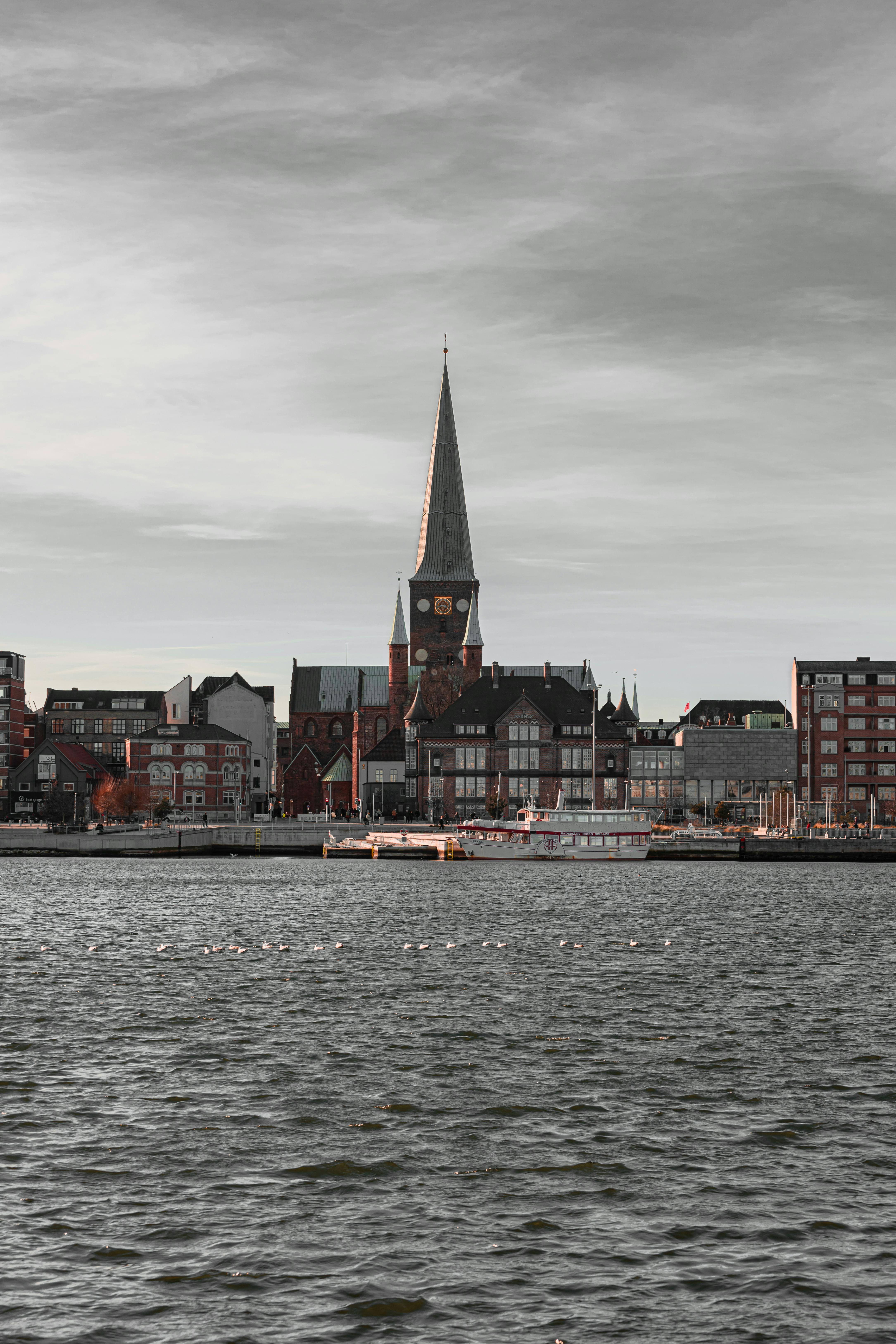
Aarhus dates back to the Viking Age, originally established as Aros, meaning 'the mouth of the river.' Throughout the Middle Ages, the city grew into a significant ecclesiastical center, evidenced by the construction of the Aarhus Cathedral, which remains one of the tallest and longest churches in Denmark. Its strategic location on the Jutland peninsula allowed it to thrive as a center for trade and maritime commerce.
In the 19th and 20th centuries, Aarhus underwent a rapid industrial transformation, becoming a primary port and manufacturing city. Today, it has transitioned into a knowledge-based economy driven by Aarhus University and a burgeoning tech and creative sector, successfully preserving its historic heritage while aggressively pursuing sustainable urban development.
770
Viking OriginsThe settlement of Aros was founded as a fortified Viking trading post at the mouth of the Aarhus River.
1201
Aarhus Cathedral BeginsConstruction started on the St. Clemens Cathedral, which eventually became the longest and tallest church in the country.
1872
Port ExpansionMajor industrial expansion of the port turned Aarhus into a critical hub for international trade and shipping.
1928
University EstablishedThe founding of Aarhus University fundamentally changed the city's character, fostering an academic and youthful atmosphere.
2017
European Capital of CultureThe city gained international recognition through its year-long hosting of the European Capital of Culture, boosting tourism and development.
Where to Stay
Choose your base camp
Distinct neighbourhoods, different rhythms. Pick the one that fits your work-life balance.
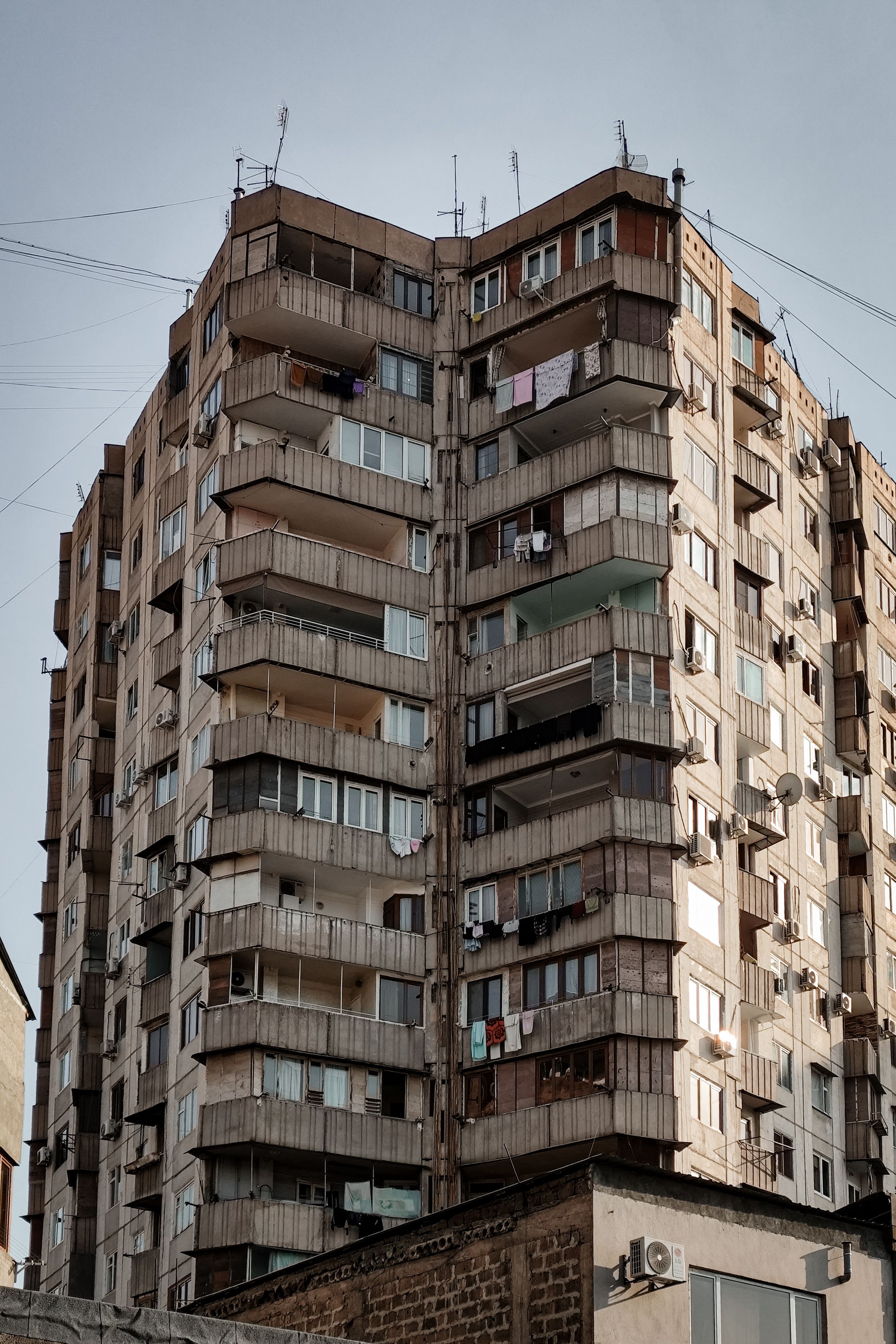
Budget Favourite
Aarhus V
An excellent area for those looking to stretch their budget without sacrificing proximity to the city core. It features a mix of modern residential units and local services.

Comfortable Living
Frederiksbjerg
A charming neighborhood known for its historic architecture, specialty shops, and vibrant café life. It strikes a perfect balance between local character and central accessibility.
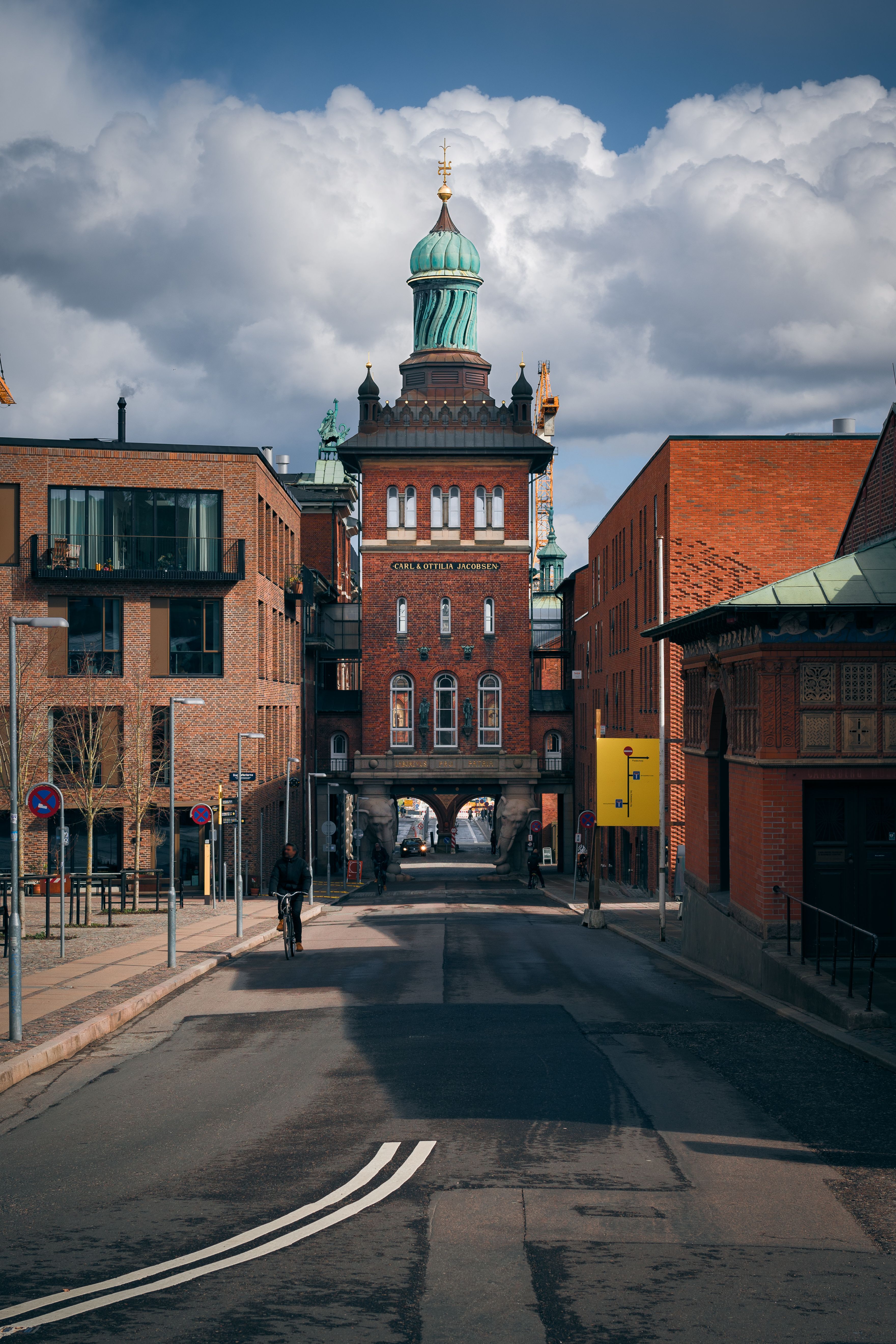
Luxury / Lifestyle
The Latin Quarter
The heart of the old city, characterized by cobblestone streets and high-end boutiques. Ideal for those who want to be in the center of the action and enjoy premium living.
Places to Go
The experiences that will make you never leave
These aren't tourist checkboxes — they're the experiences that reset your sense of what's normal.
Top Pick
ARoS Aarhus Art Museum
One of the largest art museums in Northern Europe, famous for the 'Your rainbow panorama' walkway by Olafur Eliasson that offers panoramic views of the city. The museum features extensive collections of both classic and contemporary Danish art.
Wikipedia
Den Gamle By
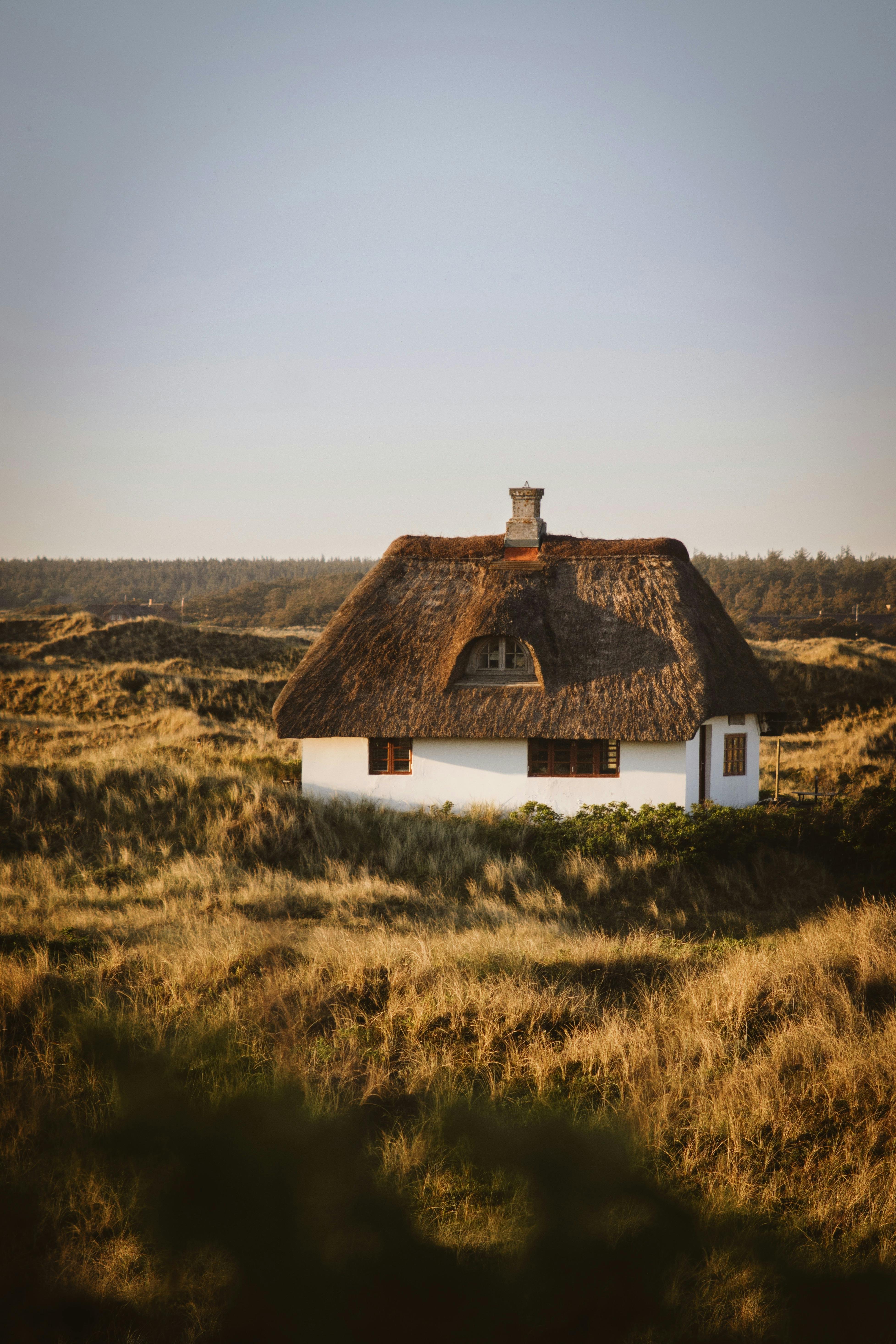
An open-air town museum that provides a unique look into Danish history by showcasing relocated historic houses and living history exhibits. Visitors can walk through centuries of Danish urban life.
Official Tourism
Dokk1
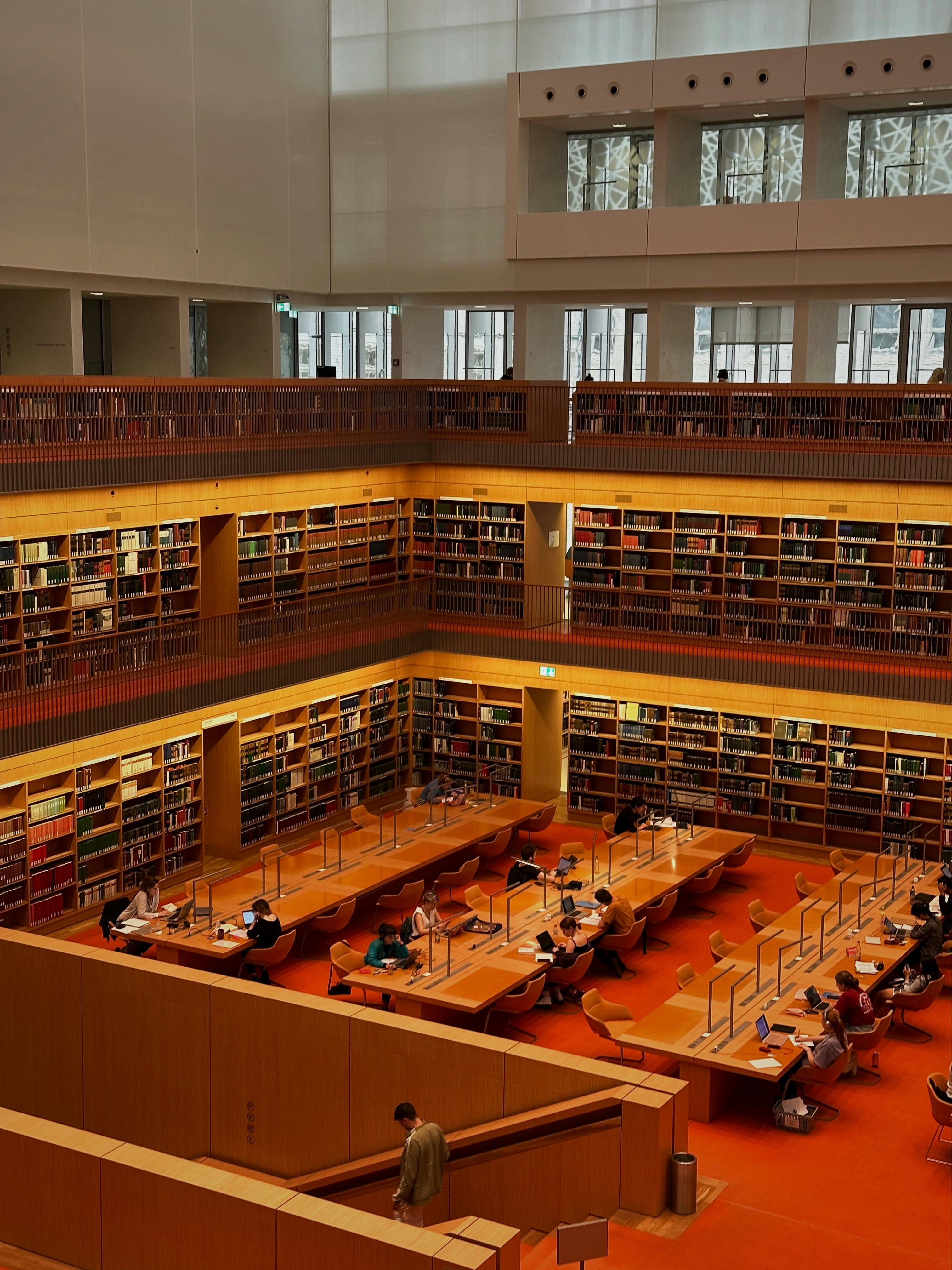
Serving as the main public library and a civic space, Dokk1 is a masterpiece of modern architecture located on the waterfront. It acts as a central hub for the community and is a fantastic place for remote workers to focus.
Work & Connectivity
Stay connected wherever you work
The nomad community here is real — cafés and coworking spaces where you can work and meet others.
SOHO Aarhus
A premier professional coworking space designed for productivity and networking among local entrepreneurs and nomads.
The Farm
A creative workspace that focuses on building a tight-knit community of designers and digital professionals.
Budget & Costs
What it costs to live in Aarhus
Choose your lifestyle tier. Comfortable = furnished accommodation, local + occasional Western food, transport, leisure.
$1643
per month · USD · comfortable lifestyle
ModerateFurnished studio, local restaurants, transport, and weekend trips.
Exchange rates
Check xe.com or your bank for current USD to local currency.
Check xe.com or your bank for current USD to local currency.
🏠 Rent 47%$767/mo
🍽️ Food 22%$365/mo
🚌 Transport 4%$73/mo
💡 Utilities 8%$128/mo
🎭 Leisure 12%$201/mo
🏥 Health 7%$110/mo
Connectivity
Well connected to the world
Internet and transport options for remote workers.
📶
Internet
Good — fibre common
Check local providers.
🏢
Coworking
From ~$80/mo
Dedicated spaces available.
🚌
Local Transit
5 / 10
Scooter and taxi common.
AAR
Aarhus Airport
20 km from centre
copenhagenmalagapalma
Safety & Visa
Safe, welcoming, and easy to enter
Safety Score6 / 10
✗ Tap Water✓ Night Safe📞 112 or local emergency number
Visa
Check your entry options
Many nationalities get visa-free or visa-on-arrival. Check official government sources for your citizenship before travel.
Culture & Festivals
Local soul, nomad-friendly
Multiculturalism5/10
Foodie Scene5/10
Remote work
Aug
Aarhus Festival
One of Scandinavia's largest festivals, featuring theater, music, and art performances throughout the city.
Sep
Aarhus Food Festival
A major event dedicated to the best of Nordic food culture, bringing together local producers and chefs.
Aarhus serves as a perfect base for exploring the wider Jutland peninsula, including nearby sandy beaches and historic Viking sites that are easily accessible via the regional train network.
Food & Nightlife
A feast for every mood
From street food to cafés and nightlife — every meal is an event.
Market Hall
Aarhus Central Food Market
A hub for high-quality street food and local delicacies. Perfect for sampling diverse cuisines in a social, industrial-chic setting.

Café Culture
Latin Quarter Cafés
The area is filled with independent roasteries and bakeries where locals gather to enjoy 'hygge' with a coffee and pastry.
Climate
Best months: Jul, Aug
Avg humidity82%
Avg AQI35
The best time to visit Aarhus is during the summer months of July and August, when the city comes alive with festivals, outdoor dining, and long, sunlit evenings. Temperatures are mild and pleasant, perfect for cycling through the Marselisborg forests or exploring the harbor area.
Conversely, it is generally recommended to avoid the winter period from December through March. During these months, the daylight hours are significantly limited and the weather is cold and gray, which can impact the outdoor experience. If you do travel in winter, be prepared for indoor-focused activities and cozy nights in local cafes.
Monthly temperatures °C
BestAvoidShoulder
Practical Info
Everything you need to know
🏥
Healthcare
Denmark offers a highly efficient healthcare system. EU citizens should carry their European Health Insurance Card (EHIC), while others should ensure they have comprehensive private travel health insurance.
💱
Money
Denmark uses the Danish Krone (DKK). Credit cards are accepted almost everywhere, and digital payments are the standard, so carrying large amounts of cash is unnecessary.
🌐
Connectivity
The city is hyper-connected with widespread fiber broadband. Local SIM cards are easy to purchase for mobile data, and public Wi-Fi is available in most communal spaces.
Tips
Quick tips
- Learn to cycle; it is the most efficient way to navigate the city.
- Embrace the 'hygge' culture by visiting cozy cafes in the evenings.
- Visit the public library at Dokk1 for free, high-speed workspace.
- Book accommodation well in advance if visiting during the Aarhus Festival in August.
- Most shops and supermarkets close early on Sundays, so plan your groceries accordingly.
- Carry a reusable water bottle as the tap water is of exceptional quality, though it is not provided as a free staple in all restaurants.
Further Reading