Ulaanbaatar · Mongolia
Overview
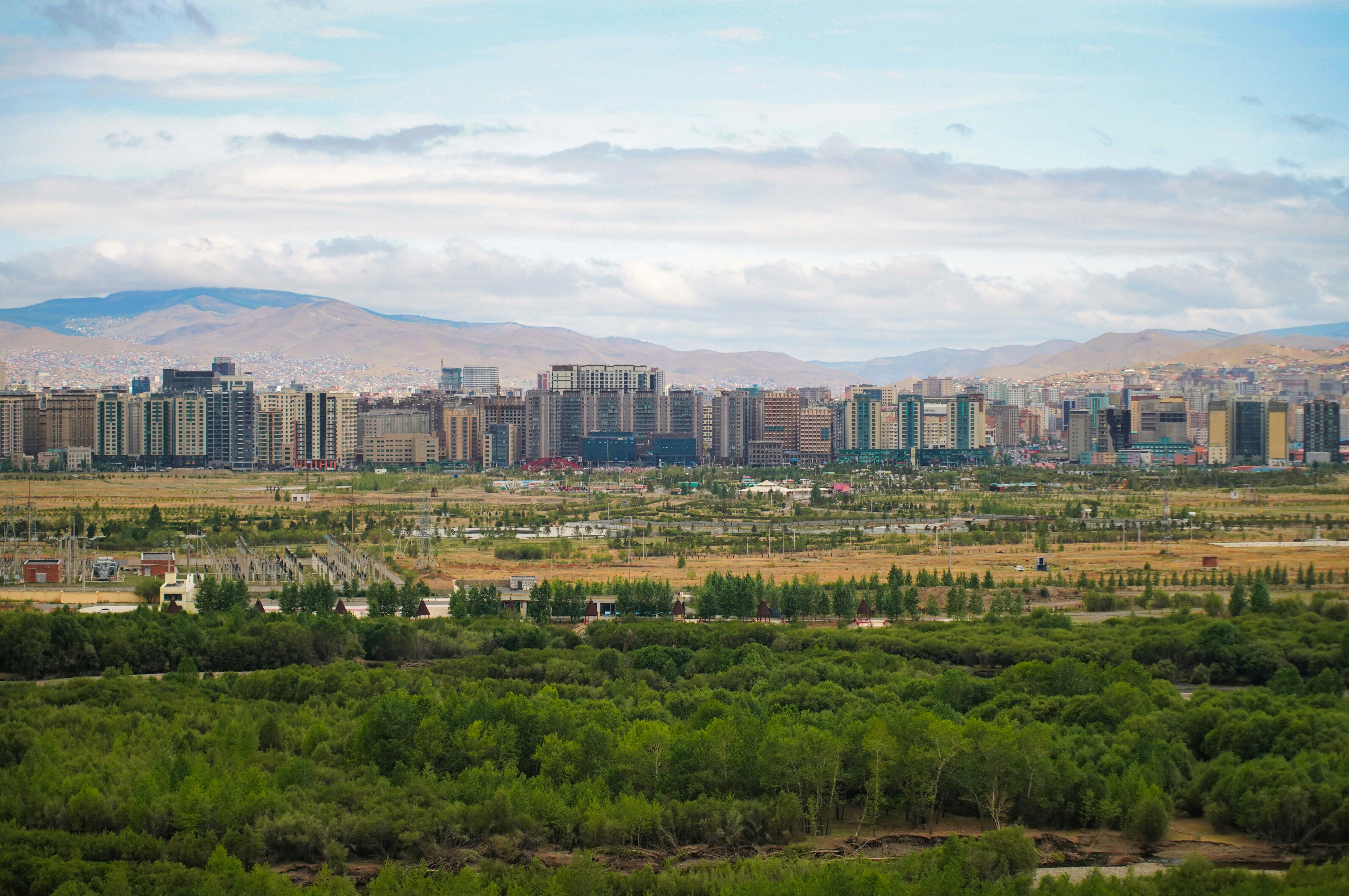
Ulaanbaatar is where the pace of the modern world finally slows down, forced to respect the boundless horizons of the surrounding steppe.
Ulaanbaatar offers a gritty, fascinating urban landscape serving as the gateway to the vast Mongolian steppe. It is the coldest capital city in the world, yet it pulses with a unique energy fueled by a youthful population and a growing tech-forward community. While it is not your typical tropical nomad hub, it offers an incredibly affordable lifestyle and an opportunity to experience a culture that remains deeply connected to its horse-riding, ger-dwelling history.
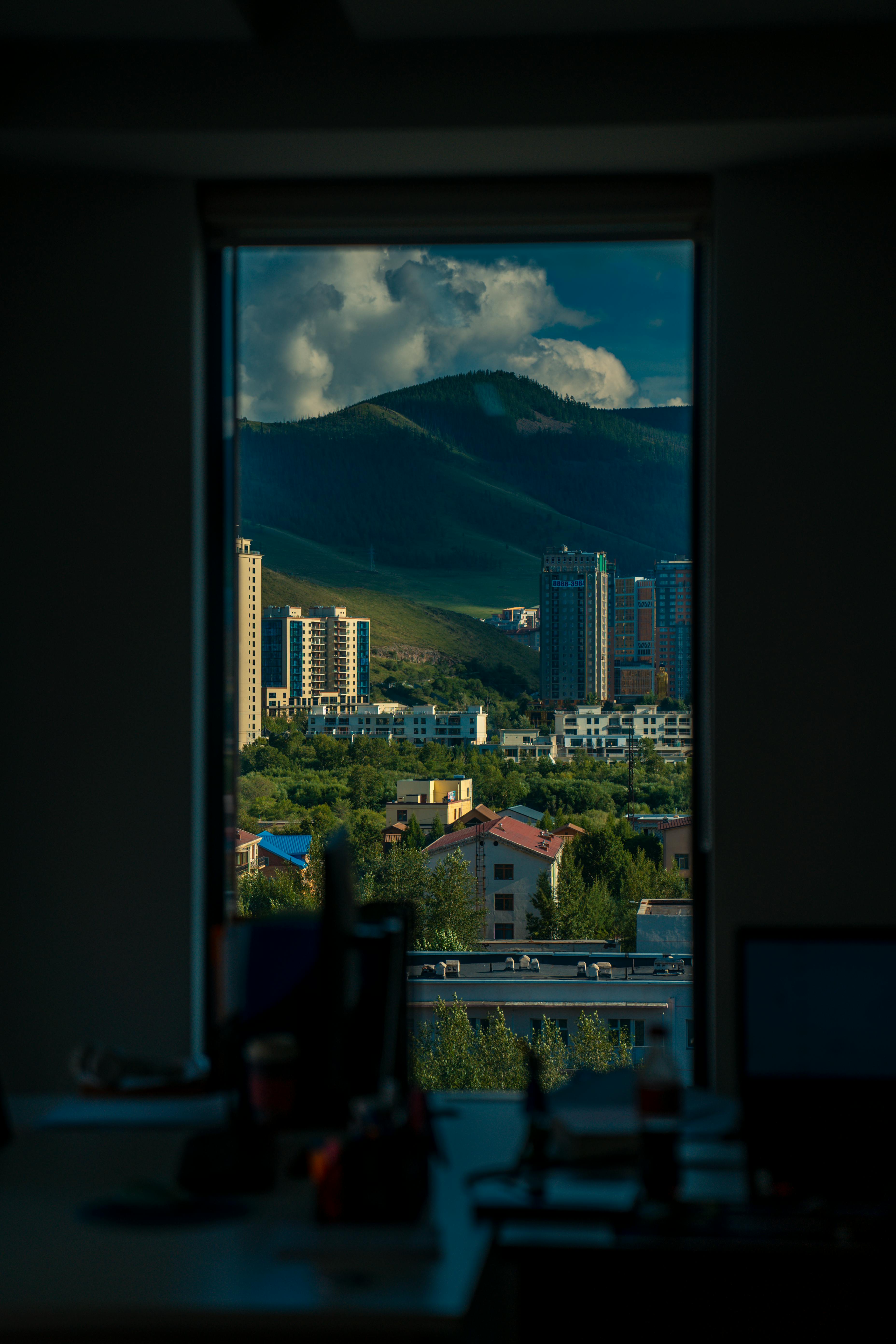
Living in Ulaanbaatar requires a degree of resilience, particularly regarding the harsh winter months. However, the city is rapidly modernizing, with an increasing number of international-standard cafes and workspace options. If you prioritize cultural immersion and budget-friendly living over beach parties, the Cost of living in Ulaanbaatar will certainly appeal to you.
History
Ulaanbaatar began its life in 1639 as a migratory monastic settlement known as Urga, serving as the…
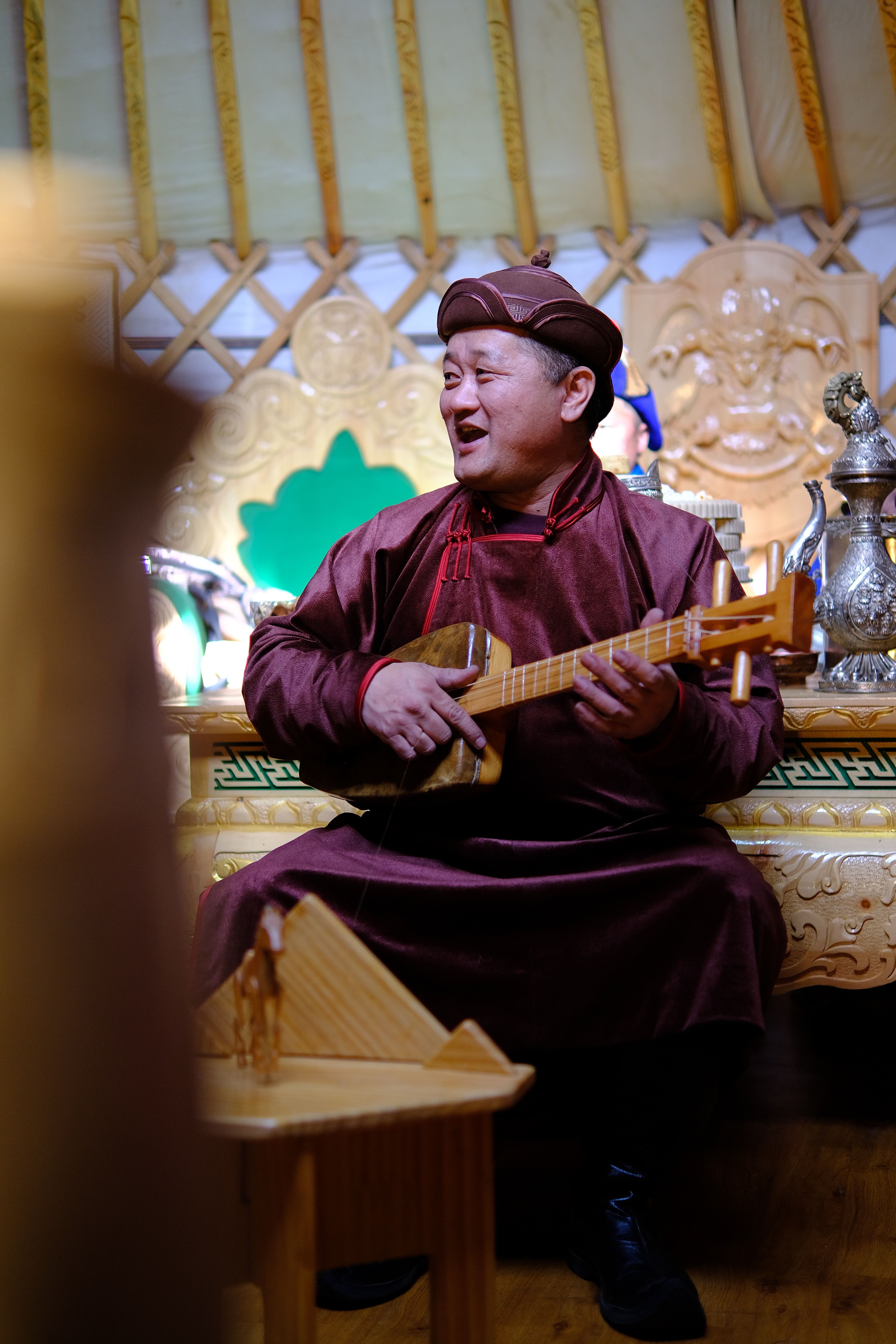
Ulaanbaatar began its life in 1639 as a migratory monastic settlement known as Urga, serving as the residence of the Jebtsundamba Khutuktu, the head of Tibetan Buddhism in Mongolia. The settlement moved frequently across the steppe until it finally settled on the Tuul River, the current location of the capital, in 1778. For much of its early history, it served as a major trade nexus between the Qing dynasty of China and Imperial Russia.
In the 20th century, the city underwent a massive transformation following Mongolia's transition to a socialist republic. It was renamed Ulaanbaatar, meaning 'Red Hero,' in 1924, and redesigned under Soviet urban planning influence with wide boulevards and distinctive block architecture. Since the democratic revolution of 1990, the city has experienced rapid modernization, shifting from a quiet socialist administrative center into a booming metropolitan hub while struggling to integrate the growing population living in traditional ger districts on the city's periphery.
1639
Foundation as UrgaThe city was established as a nomadic monastic centre, serving as the seat of the spiritual leader of Mongolian Buddhism.
1778
Permanent LocationThe monastic camp settled permanently at the junction of the Tuul and Selbe rivers.
1924
RenamingFollowing the socialist revolution, the city was officially renamed Ulaanbaatar, or 'Red Hero', in honor of Damdin Sükhbaatar.
1990
Democratic RevolutionMongolia transitioned to a multi-party democracy, triggering significant economic and urban growth in the capital.
Where to Stay
Choose your base camp
Distinct neighbourhoods, different rhythms. Pick the one that fits your work-life balance.
City Center
Sükhbaatar District
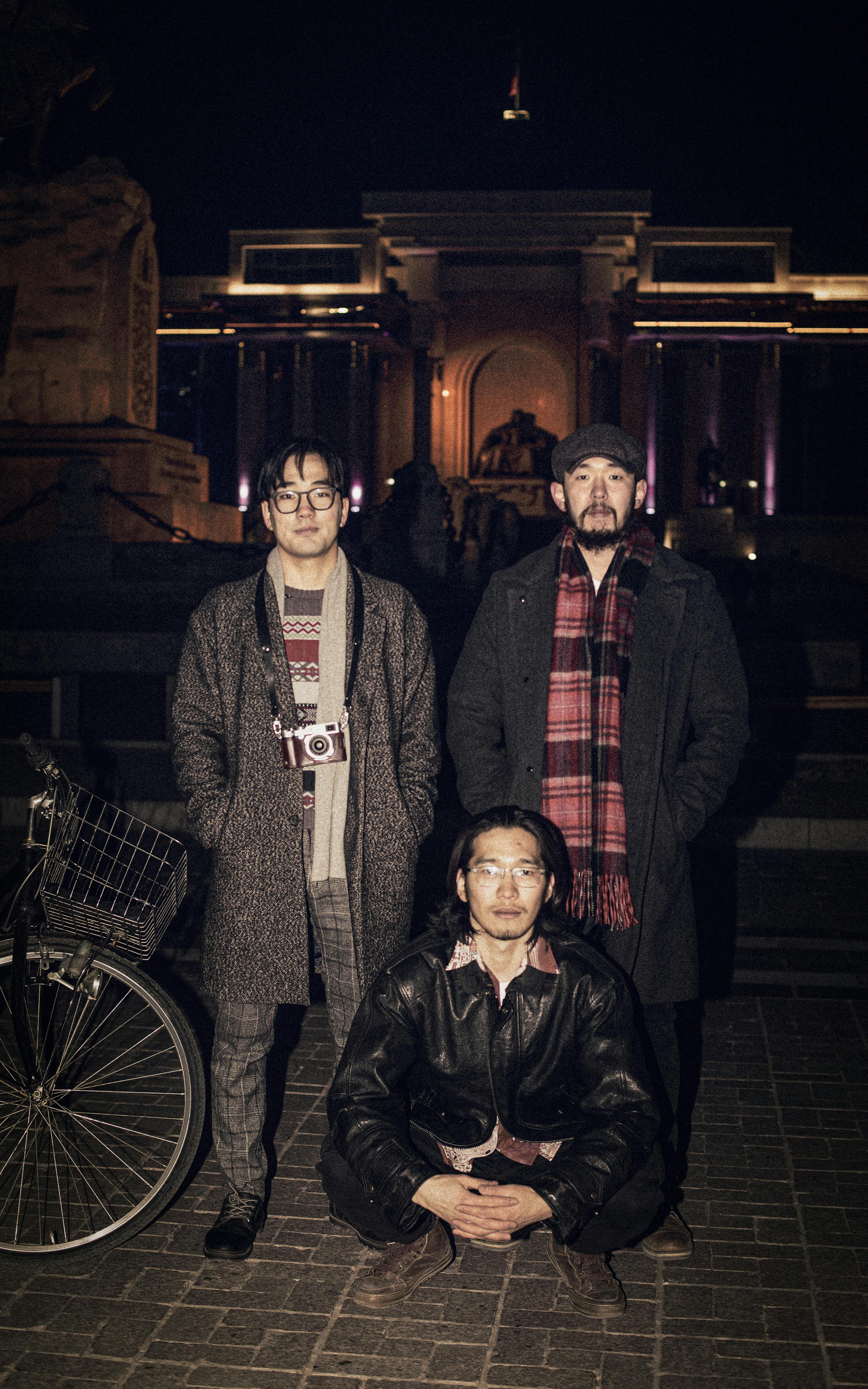
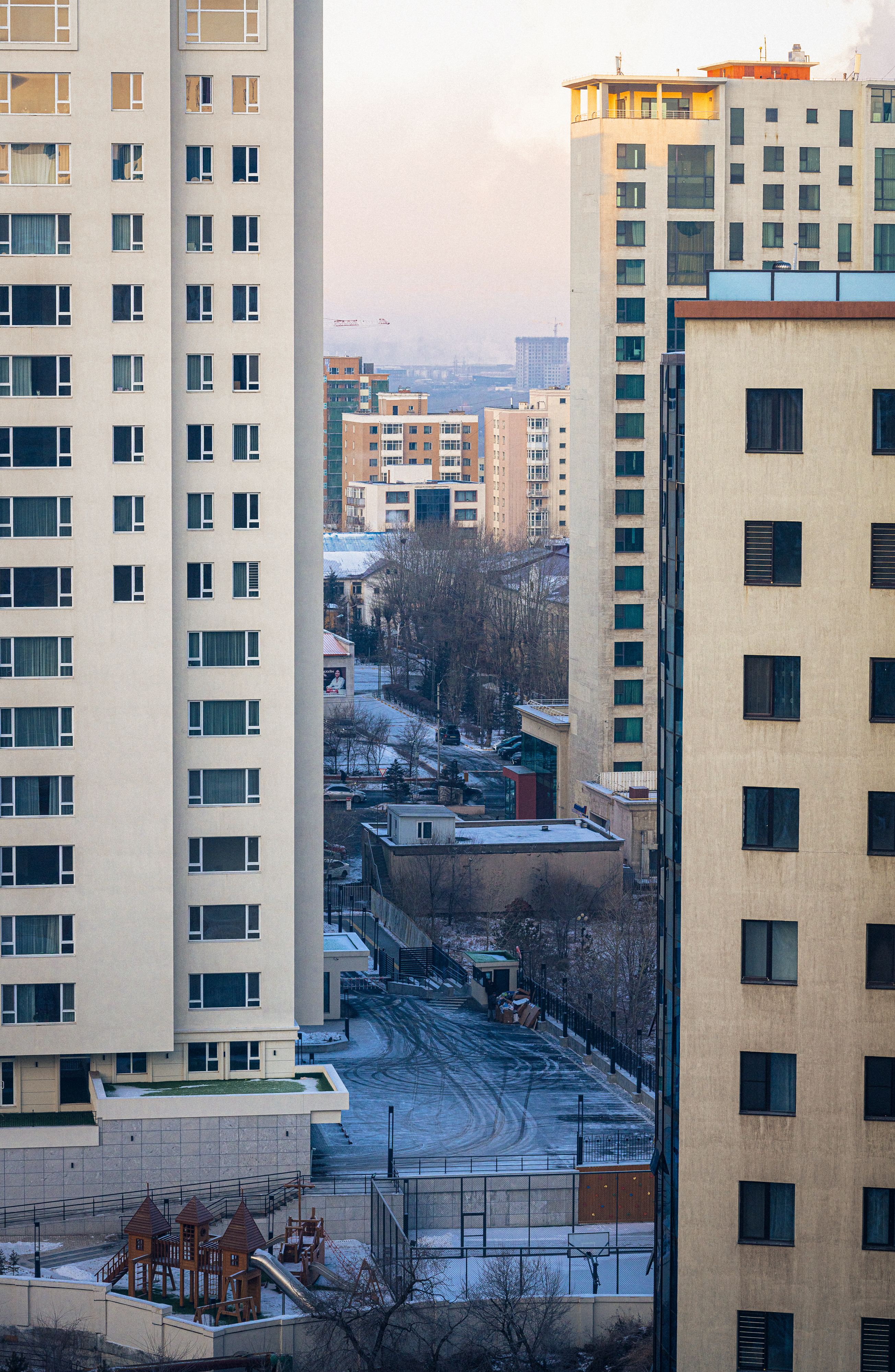
This is the heartbeat of the city where most major government buildings, museums, and upscale shopping centers are located. It is the most convenient area for nomads who want to be near the best coworking spaces and international cafes.
Local Vibe
Bayanzurkh
A bustling district offering a more authentic glimpse into local life with a variety of affordable apartments and traditional markets. It is ideal for those looking to save on rent while maintaining access to public transportation.
Places to Go
The experiences that will make you never leave
These aren't tourist checkboxes — they're the experiences that reset your sense of what's normal.

Top Pick
Gandantegchinlen Monastery
This historic Buddhist monastery is one of the most important religious sites in Mongolia and houses a massive statue of Megjid Janraisig. It is a stunning example of traditional architecture that survived the destruction of religious sites in the 1930s.
National Museum Official Site
National Museum of Mongolia
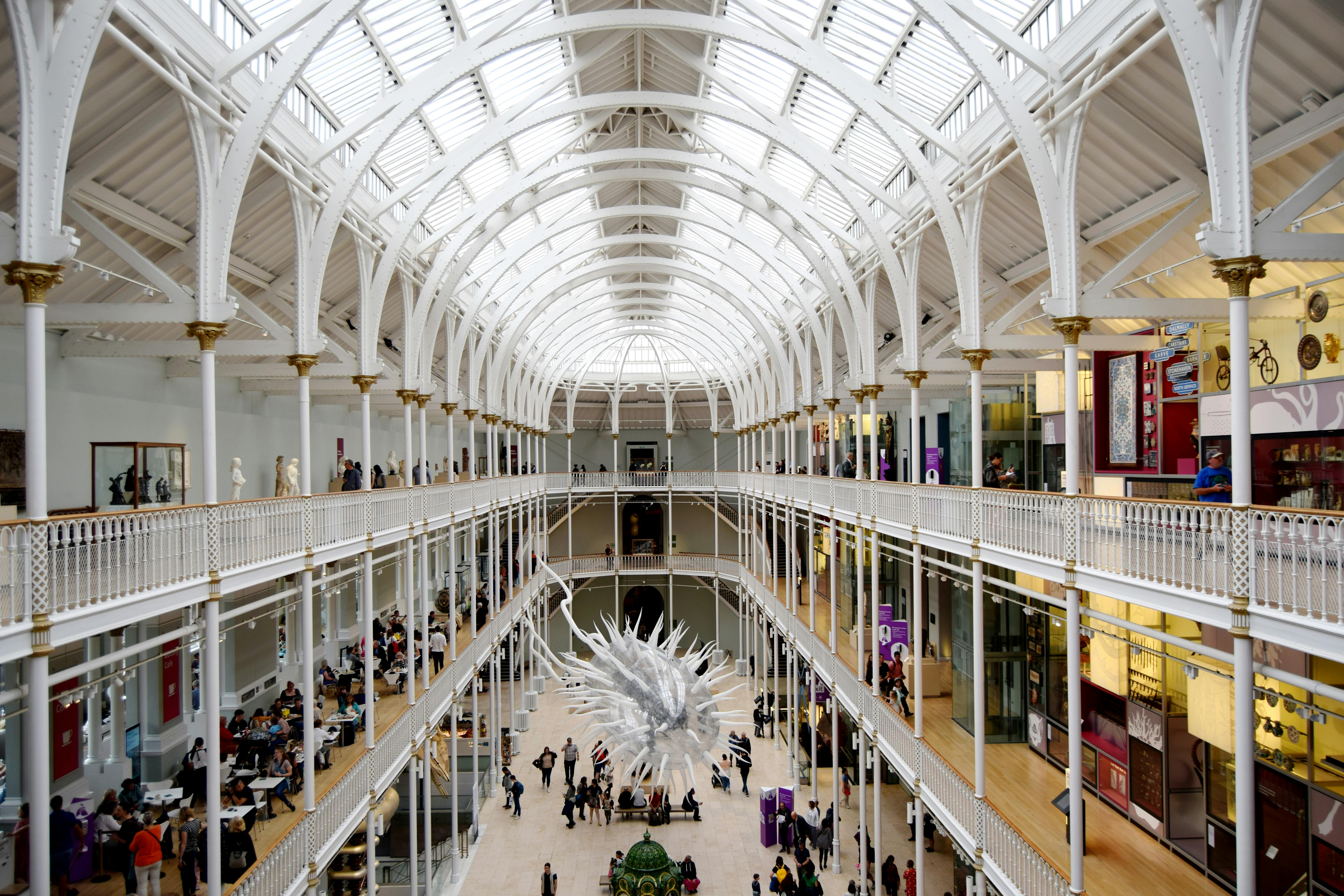
The museum offers a comprehensive look at the history of the Mongol Empire and the traditional nomadic lifestyle. It is the best place in the country to understand the cultural roots that still influence daily life in Ulaanbaatar.
Work & Connectivity
Stay connected wherever you work
The nomad community here is real — cafés and coworking spaces where you can work and meet others.
Shangri-La Business Center
A high-end, professional environment perfect for those who require premium amenities and reliable infrastructure in a central location.
Innovatub
A popular hub for local entrepreneurs and digital nomads, offering a collaborative atmosphere and great community events.
Budget & Costs
What it costs to live in Ulaanbaatar
Choose your lifestyle tier. Comfortable = furnished accommodation, local + occasional Western food, transport, leisure.
$730
per month · USD · comfortable lifestyle
ModerateFurnished studio, local restaurants, transport, and weekend trips.
Exchange rates
Check xe.com or your bank for current USD to local currency.
Check xe.com or your bank for current USD to local currency.
🏠 Rent 45%$329/mo
🍽️ Food 30%$219/mo
🚌 Transport 8%$55/mo
💡 Utilities 10%$73/mo
🎭 Leisure 5%$37/mo
🏥 Health 3%$18/mo
Connectivity
Well connected to the world
Internet and transport options for remote workers.
📶
Internet
Good — fibre common
Check local providers.
🏢
Coworking
From ~$80/mo
Dedicated spaces available.
🚌
Local Transit
5 / 10
Scooter and taxi common.
20 km from centre
Safety & Visa
Safe, welcoming, and easy to enter
Safety Score6 / 10
✗ Tap Water✓ Night Safe📞 112 or local emergency number
Visa
Check your entry options
Many nationalities get visa-free or visa-on-arrival. Check official government sources for your citizenship before travel.
Culture & Festivals
Local soul, nomad-friendly
Multiculturalism5/10
Foodie Scene5/10
Remote work
Jul
Naadam
The most important festival in Mongolia, featuring traditional wrestling, horse racing, and archery competitions held across the country, with the main events in Ulaanbaatar.
Ulaanbaatar is an excellent launchpad for adventure. Don't miss out on booking a guided multi-day trip to Terelj National Park or the Gobi Desert to experience the true vastness of the Mongolian landscape.
Food & Nightlife
A feast for every mood
From street food to cafés and nightlife — every meal is an event.
Traditional
Guanz Canteens
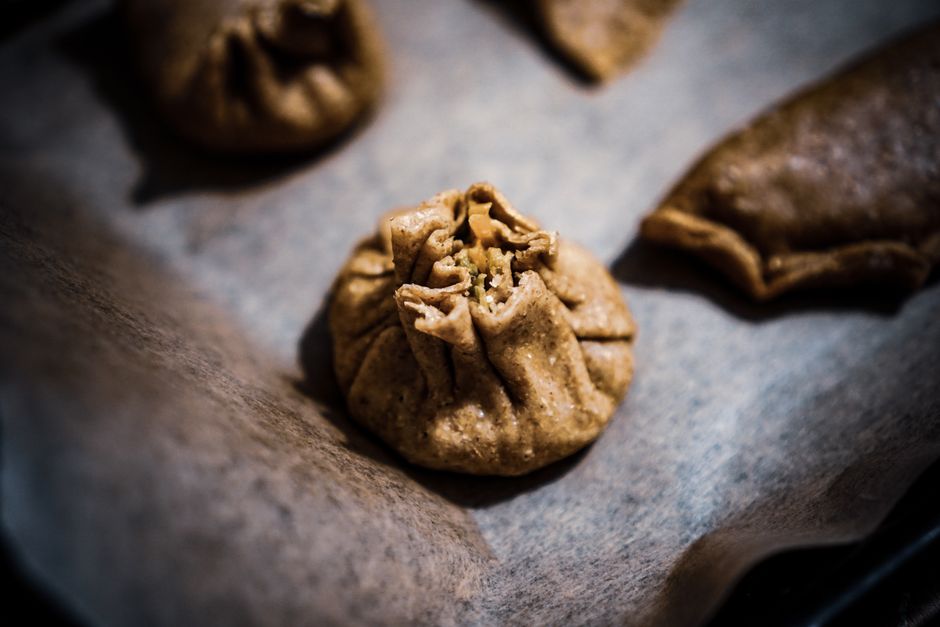
Local 'guanz' are the go-to for budget travelers, serving hearty portions of buuz (steamed dumplings) and khuushuur (fried meat pastries) for just a few dollars.
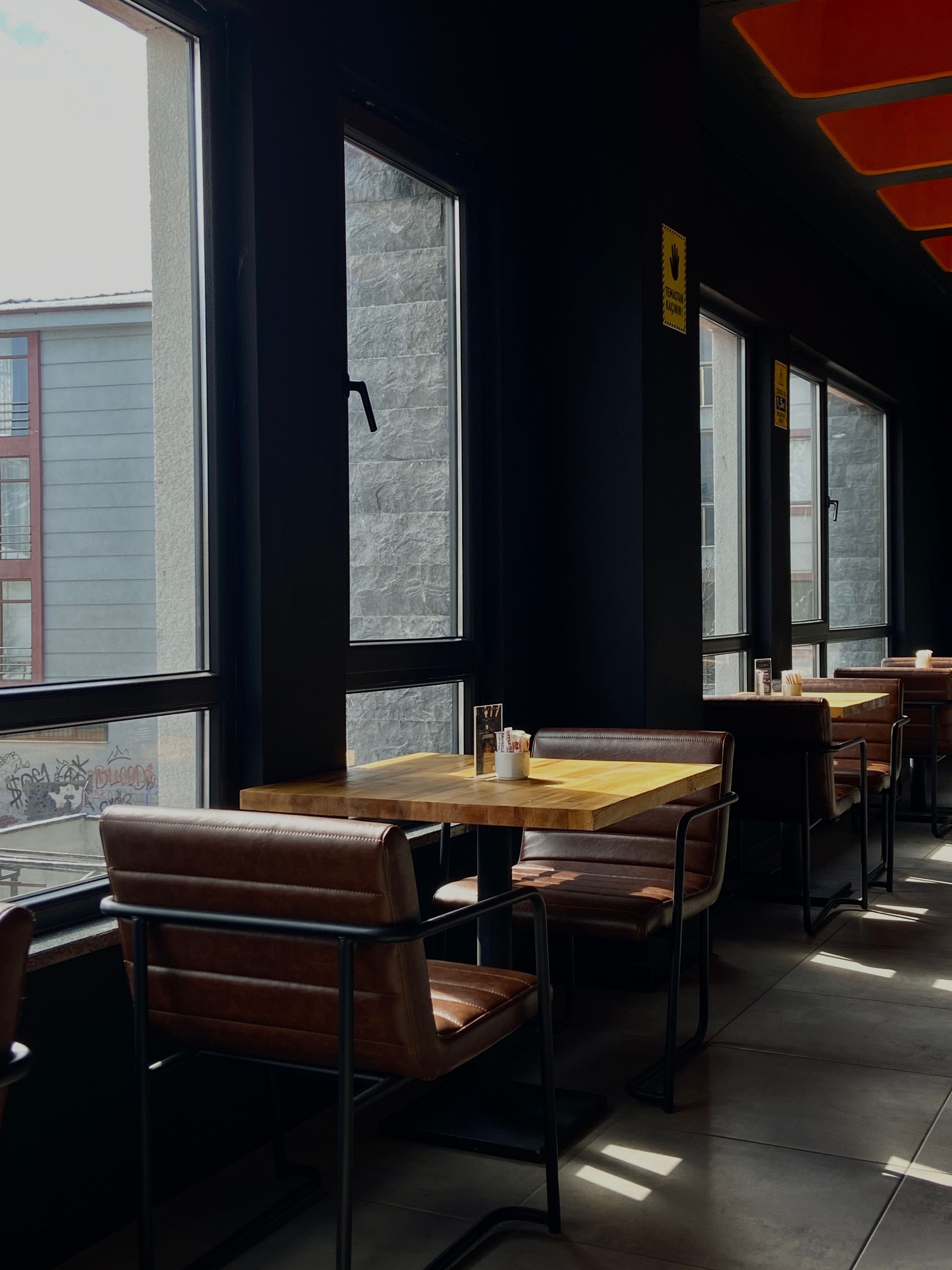
Café Culture
Ulaanbaatar Coffee Scene
The city has a surprisingly vibrant cafe culture, with plenty of cozy spots featuring fast Wi-Fi and artisan brews, ideal for remote work sessions.
Climate
Best months: Jun, Jul, Aug
Avg humidity60%
Avg AQI160
The best time to visit is during the short summer months from June to August when the city is green, warm, and the surrounding countryside is most accessible. These months provide the perfect window for outdoor excursions and cultural festivals.
Avoid visiting from November through March, as the city experiences some of the most extreme winter temperatures globally. During these months, air quality can be poor, and the intense cold limits outdoor movement significantly.
Monthly temperatures °C
BestAvoidShoulder
Practical Info
Everything you need to know
🏥
Healthcare
Medical facilities in Ulaanbaatar are limited compared to Western standards. Ensure you have travel insurance that covers emergency evacuation to a neighboring country for serious health issues.
💱
Money
The local currency is the Mongolian Tögrög. Credit cards are widely accepted in central cafes and malls, but always carry cash when visiting markets or traveling outside the city center.
🌐
Language & Etiquette
Mongolian is the primary language, though English is spoken in most hospitality and business sectors. Showing respect for traditional customs, especially regarding Buddhism and hospitality, is highly valued.
Tips
Quick tips
- Always carry your passport for identity verification.
- Learn basic Mongolian phrases to gain respect from locals.
- Dress in layers regardless of the season due to temperature fluctuations.
- Use a local SIM card with a data plan for consistent connectivity.
- Download offline maps, as GPS can be spotty in certain areas.
- Try the local milk tea for a unique cultural experience.
- Be prepared for air quality variations in the winter months.
Further Reading