Fiji · Fiji
Overview
In Fiji, you do not just find a place to work; you find a new way to breathe. The island pace isn't a lack of productivity, but a commitment to better quality.
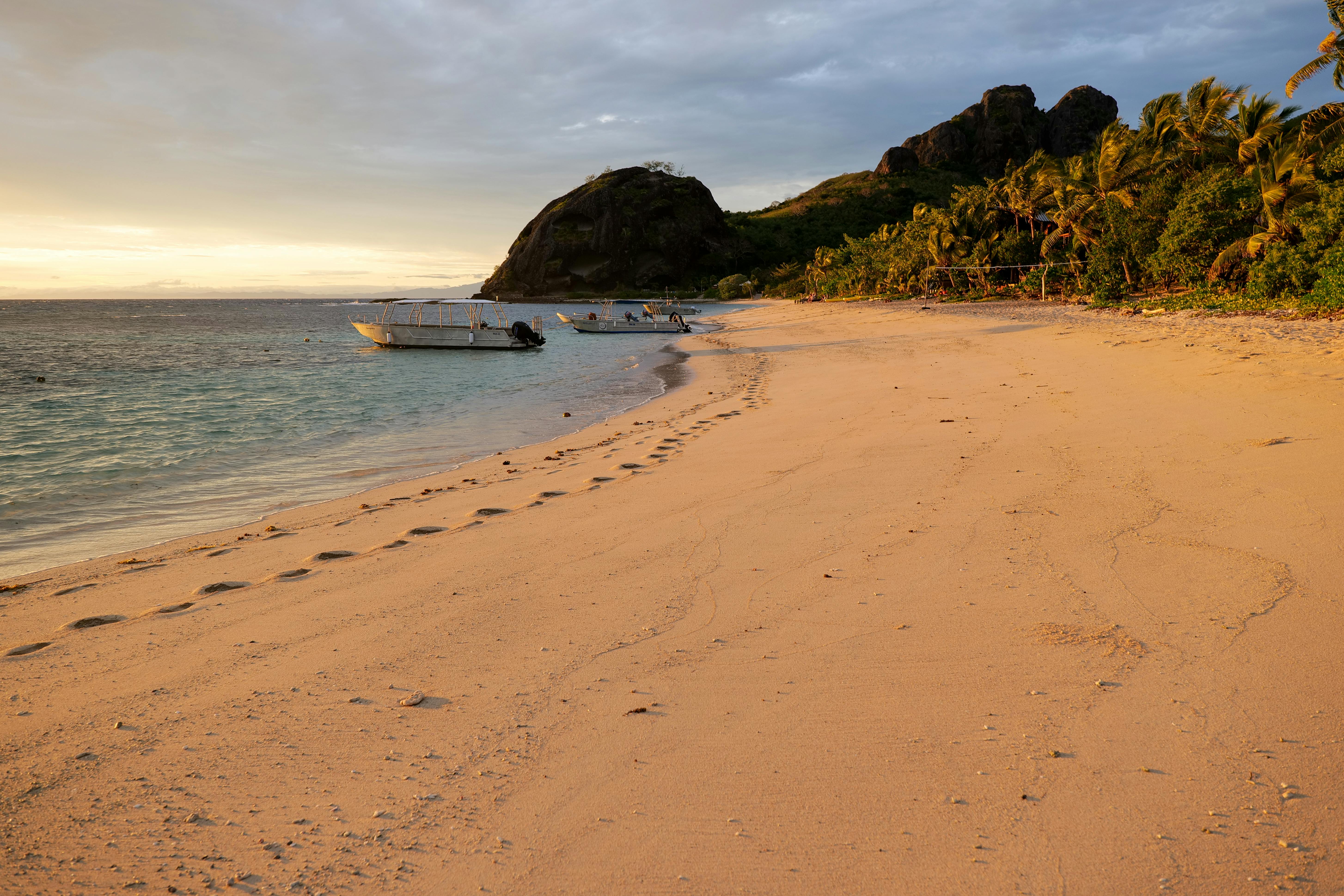
Fiji is more than just a cluster of luxury resorts; it is a welcoming archipelago where the 'Bula' spirit defines daily life. For remote workers, the combination of relaxed island culture and modernizing infrastructure makes it a unique destination. While the Cost of living in Fiji is accessible for those who embrace local lifestyle, the Fiji climate ensures that your office view is almost always a backdrop of tropical palms and turquoise waters.
Nomads often find that living on the main island, Viti Levu, offers the best blend of connectivity and culture. While remote islands are breathtaking, they are better reserved for weekends away rather than full-time remote work bases due to varying satellite internet speeds. By basing yourself near Suva or Nadi, you gain access to reliable fiber optics and a community of professionals who value the slow-paced, meaningful rhythm of Pacific life.
History
Fiji has a rich history shaped by Melanesian and Polynesian influences, marked by centuries of indig…
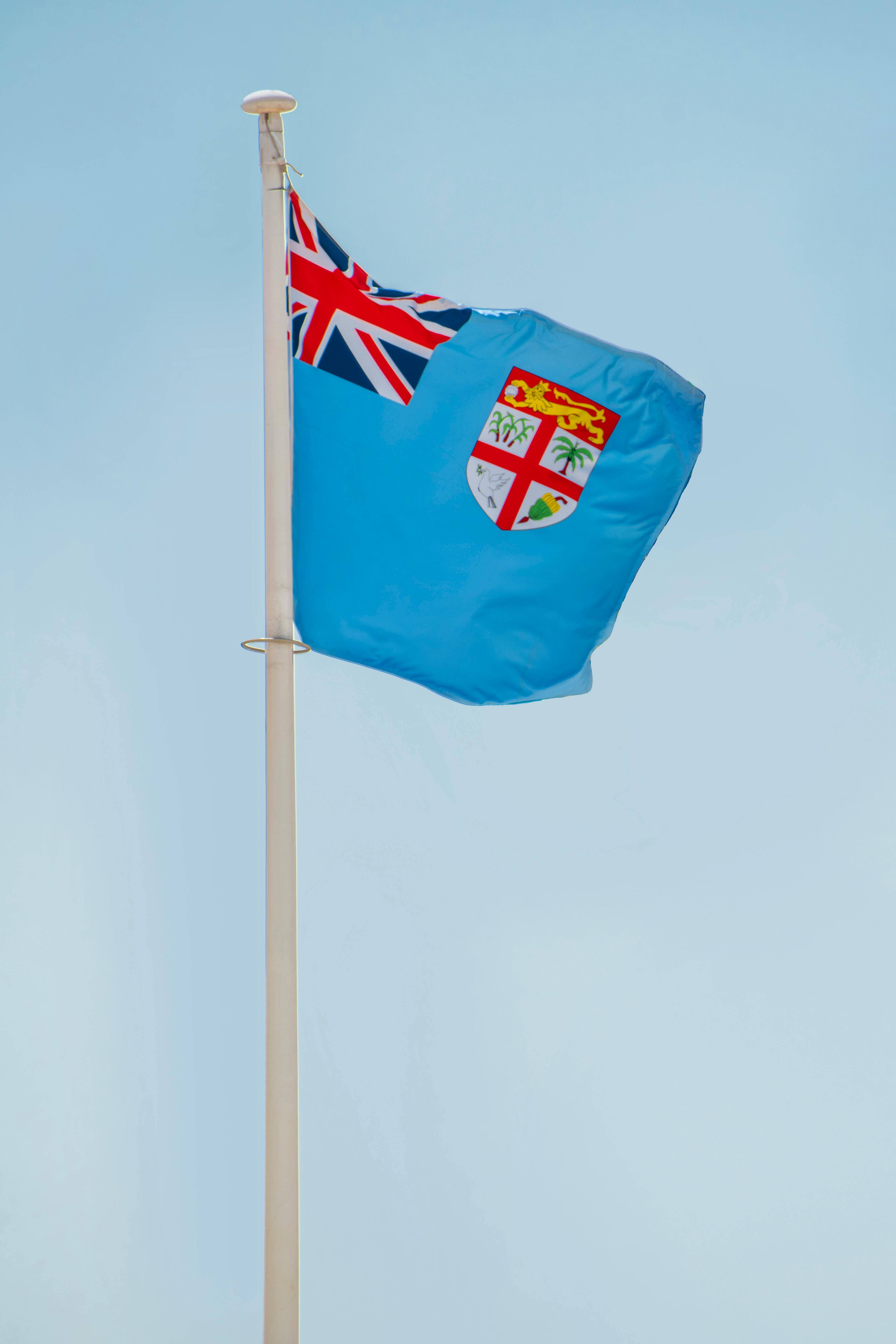
Fiji has a rich history shaped by Melanesian and Polynesian influences, marked by centuries of indigenous growth and later colonial development. The islands were first settled by Lapita people around 1500 BC, leading to the development of sophisticated tribal societies that prioritized strong community bonds and intricate seafaring traditions. These ancient roots are still deeply felt in the customs and hospitality that greet visitors today.
In the 19th century, European influence intensified, leading to the establishment of the British colony in 1874. This era introduced significant demographic shifts, including the arrival of laborers from India, which created the vibrant, multicultural society that defines modern Fiji. Today, the nation stands as a proud independent state with a unique blend of indigenous traditions and colonial architecture.
1500 BC
Lapita SettlementThe archipelago was first settled by Lapita people, establishing the foundational culture of the islands.
1643
European ContactDutch explorer Abel Tasman became the first European to sight the Fijian islands.
1874
British CessionFiji officially became a British colony following the signing of the Deed of Cession.
1970
IndependenceFiji gained its independence from Britain and began its journey as a sovereign nation.
Where to Stay
Choose your base camp
Distinct neighbourhoods, different rhythms. Pick the one that fits your work-life balance.

Nomad Hub
Nadi
The main gateway to the islands, Nadi is home to most expats and offers the best access to reliable internet and cafes. It is a bustling center with plenty of rental options for digital nomads.

City Life
Suva
As the capital, Suva provides a more urban experience with government buildings, shopping malls, and better coworking infrastructure. It is ideal for those who prefer city amenities over resort life.
Resort Living
Denarau Island
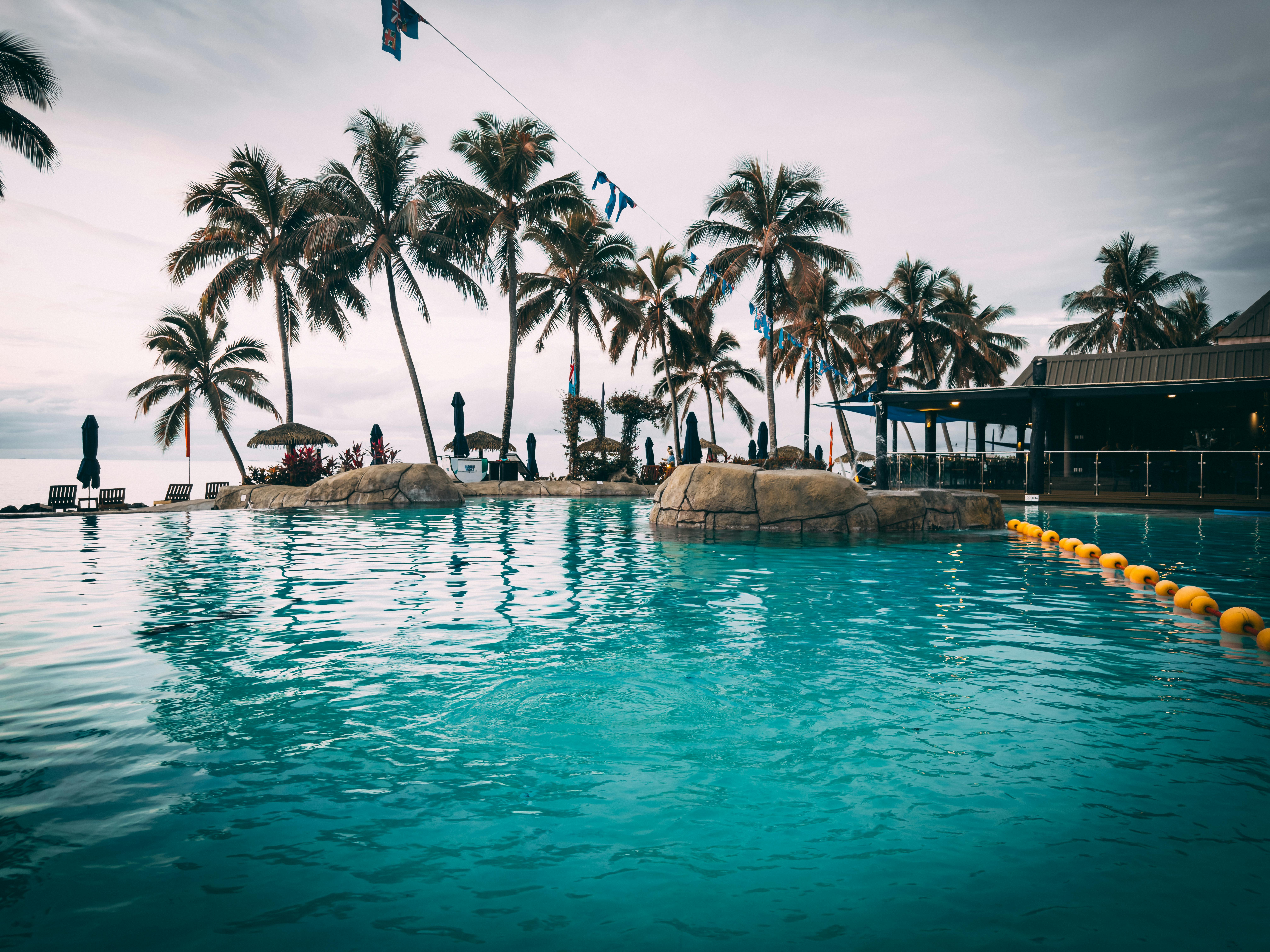
For those seeking luxury and proximity to the marina, Denarau offers high-end bungalows and easy access to boat transfers. It is the perfect place for a 'workcation' in style.
Places to Go
The experiences that will make you never leave
These aren't tourist checkboxes — they're the experiences that reset your sense of what's normal.

Top Pick
Garden of the Sleeping Giant
Located near Nadi, this stunning garden features thousands of orchids and peaceful walking trails. It is a perfect spot for a midday break from your laptop.
Wikipedia
Sigatoka Sand Dunes
These massive coastal sand dunes are a unique geological feature and a national park. They offer great hiking opportunities and incredible views of the Pacific coastline.

Work & Connectivity
Stay connected wherever you work
The nomad community here is real — cafés and coworking spaces where you can work and meet others.
The Hub Fiji (Suva) 💻
The premier coworking space in the capital, providing stable internet and a professional community. It is the go-to spot for locals and digital nomads alike.
Budget & Costs
What it costs to live in Fiji
Choose your lifestyle tier. Comfortable = furnished accommodation, local + occasional Western food, transport, leisure.
$1168
per month · USD · comfortable lifestyle
ModerateFurnished studio, local restaurants, transport, and weekend trips.
Exchange rates
Check xe.com or your bank for current USD to local currency.
Check xe.com or your bank for current USD to local currency.
🏠 Rent 44%$511/mo
🍽️ Food 28%$329/mo
🚌 Transport 6%$73/mo
💡 Utilities 6%$73/mo
🎭 Leisure 9%$110/mo
🏥 Health 6%$73/mo
Connectivity
Well connected to the world
Internet and transport options for remote workers.
📶
Internet
Good — fibre common
Check local providers.
🏢
Coworking
From ~$80/mo
Dedicated spaces available.
🚌
Local Transit
5 / 10
Scooter and taxi common.
20 km from centre
Safety & Visa
Safe, welcoming, and easy to enter
Safety Score6 / 10
✗ Tap Water✓ Night Safe📞 112 or local emergency number
Visa
Check your entry options
Many nationalities get visa-free or visa-on-arrival. Check official government sources for your citizenship before travel.
Culture & Festivals
Local soul, nomad-friendly
Multiculturalism5/10
Foodie Scene5/10
Remote work
Oct
Diwali
Fiji celebrates the Festival of Lights with vibrant displays, reflecting the nation's rich Indian heritage and multicultural spirit.
Sep
Sugar Festival
A week-long celebration in Lautoka filled with music, dance, and food, honoring the backbone of the Fijian economy.
Fiji is perfect for those who want to disconnect to reconnect; the 'island time' mindset is not just a cliché, but a practice that can greatly improve your work-life balance if embraced fully.
Food & Nightlife
A feast for every mood
From street food to cafés and nightlife — every meal is an event.

Street Food
Roadside Stalls
Try fresh fruits and local snacks from roadside vendors for an authentic and budget-friendly experience. The coconut-based dishes are a must-try.

Local Cuisine
Kokoda
This traditional Fijian dish features raw fish marinated in citrus and coconut milk. You can find it at almost any local restaurant serving traditional fare.
Climate
Best months: Jan, Feb, Mar, Apr, May, Jun, Jul, Aug, Sep, Oct, Nov, Dec
Avg humidity78%
Avg AQI25
Fiji is a year-round destination, but timing your visit helps in balancing activities with the weather. The dry season, running from May to October, is widely considered the best time to visit for outdoor exploration and island hopping. Temperatures are cooler, and the skies are generally clear.
From November to April, the islands experience a warmer, wetter season. While you may encounter more rain, this period is often quieter, making it ideal for digital nomads who prefer to avoid the crowds. Because there are no specific 'avoid' months, visitors can enjoy Fiji any time of the year by adjusting their expectations for tropical rain showers.
Monthly temperatures °C
BestAvoidShoulder
Practical Info
Everything you need to know
🏥
Healthcare
Medical facilities in major cities like Suva and Nadi are adequate for common issues. However, for specialized or severe conditions, travel insurance that covers emergency medical evacuation is highly recommended.
💱
Money
The local currency is the Fijian Dollar (FJD). While credit cards are accepted in resorts and larger shops, it is wise to carry local cash for transport, small shops, and market purchases.
🌐
Language & Etiquette
English is an official language, making it very easy for nomads to navigate. Fijian culture values modesty; always dress respectfully when visiting villages and avoid touching people on the head.
Tips
Quick tips
- Always carry a local SIM card with a data package.
- Learn the word 'Bula'—it is used for everything from hello to good health.
- Use local buses for the most authentic and cheapest transport.
- Check internet speeds at your accommodation before committing to a long stay.
- Bring a universal power adapter as plugs can vary.
- Support local markets for fresh produce rather than high-end supermarkets.
- Always ask for permission before taking photos in traditional villages.
Further Reading