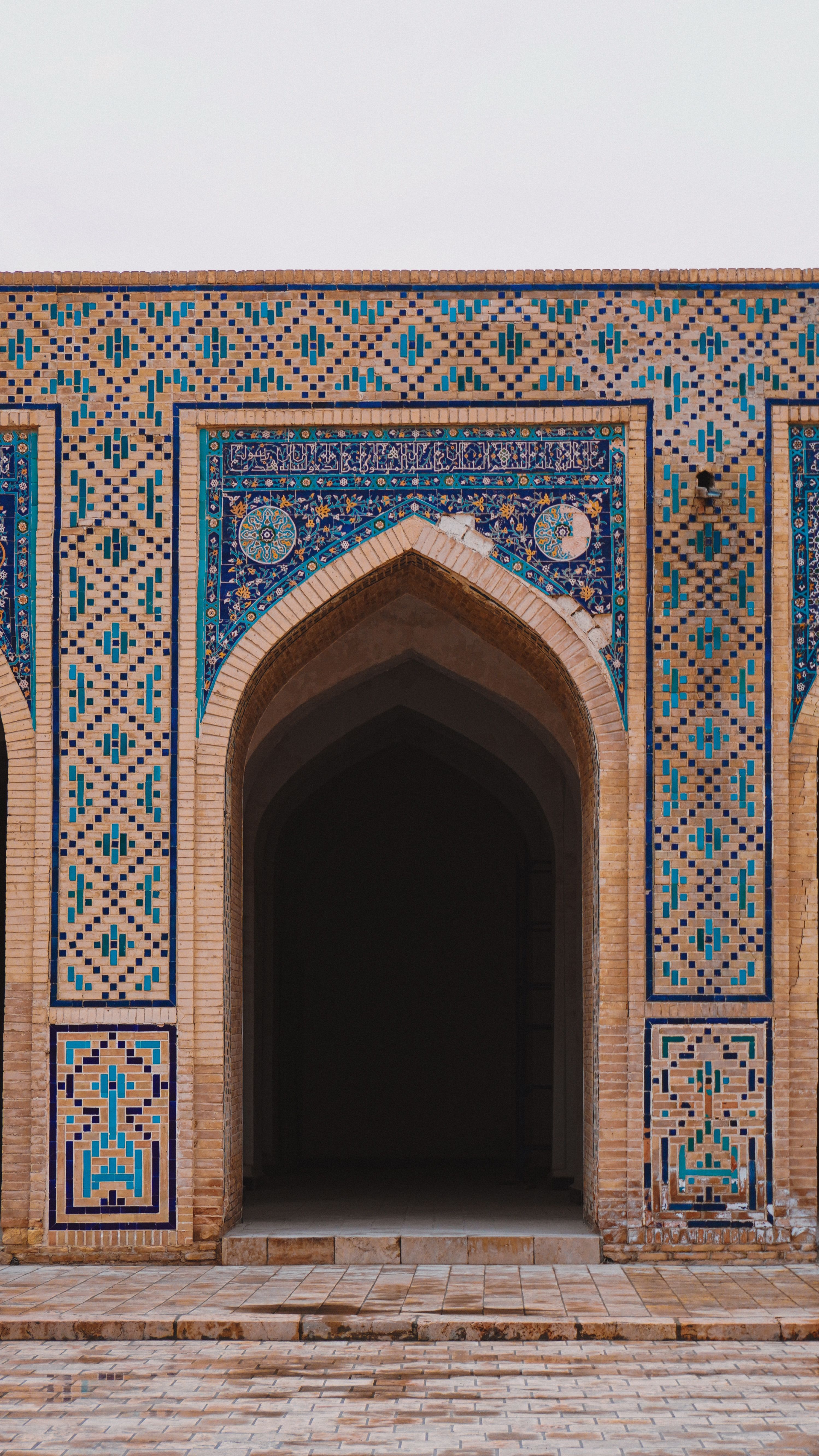
Bukhara · Uzbekistan
Overview
Bukhara is a city where every brick tells a thousand-year-old story; it is the heartbeat of the Silk Road.
Bukhara is more of an open-air museum than a typical city, with its historic center being a UNESCO World Heritage site filled with intricate tilework, ancient minarets, and bustling bazaars. For digital nomads, it offers a rare opportunity to live within a living piece of history while maintaining productivity, thanks to steadily improving internet infrastructure. The vibe here is slower and more contemplative compared to the capital, Tashkent, making it perfect for those focused on deep work or cultural exploration.
While the city is heavily oriented toward tourism, remote workers will find plenty of quiet corners in traditional teahouses. Whether you are looking to manage your Cost of living by staying in a locally-run guesthouse or simply want to escape the digital grind, Bukhara provides a peaceful, evocative backdrop that is rarely matched in Central Asia.
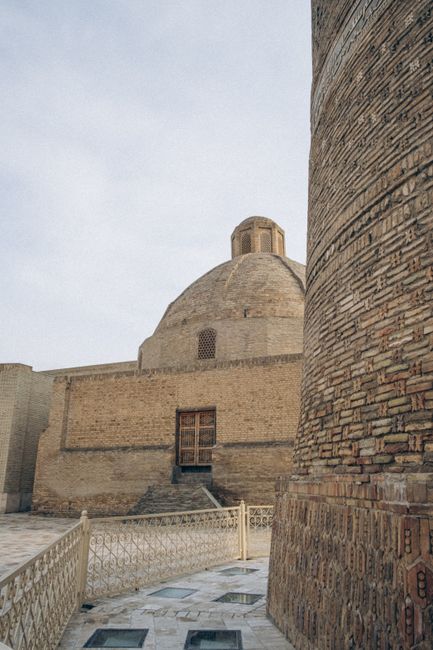
History
Bukhara has served as a central hub for trade, scholarship, and culture for over two millennia.
Bukhara has served as a central hub for trade, scholarship, and culture for over two millennia. As a key stop on the Silk Road, it attracted merchants, artisans, and theologians from across the Islamic world, earning a reputation as a center of religious learning and architectural splendor.
The city's historical layers are evident in its structure, from the pre-Islamic roots to the golden era of the Samanid and later Shaybanid dynasties. Today, visitors can walk through the same narrow alleys that served as the lifeline for caravans traveling between China and the Mediterranean.
6th Century BC
Founding RootsBukhara emerged as a significant settlement under the Persian Empire, benefiting from its strategic location on the Silk Road.
9th Century AD
The Golden AgeUnder the Samanid dynasty, Bukhara became the capital and a preeminent center of Islamic learning, science, and philosophy.
1220
Mongol ConquestGenghis Khan’s army captured and largely destroyed the city, though many structures were eventually rebuilt or restored in the following centuries.
16th Century
Shaybanid CapitalThe city experienced a massive resurgence in building, resulting in the construction of many of the madrasas and mosques seen today.
1993
UNESCO RecognitionThe historic center of Bukhara was inscribed as a UNESCO World Heritage site, cementing its status as a vital global cultural treasure.
Where to Stay
Choose your base camp
Distinct neighbourhoods, different rhythms. Pick the one that fits your work-life balance.
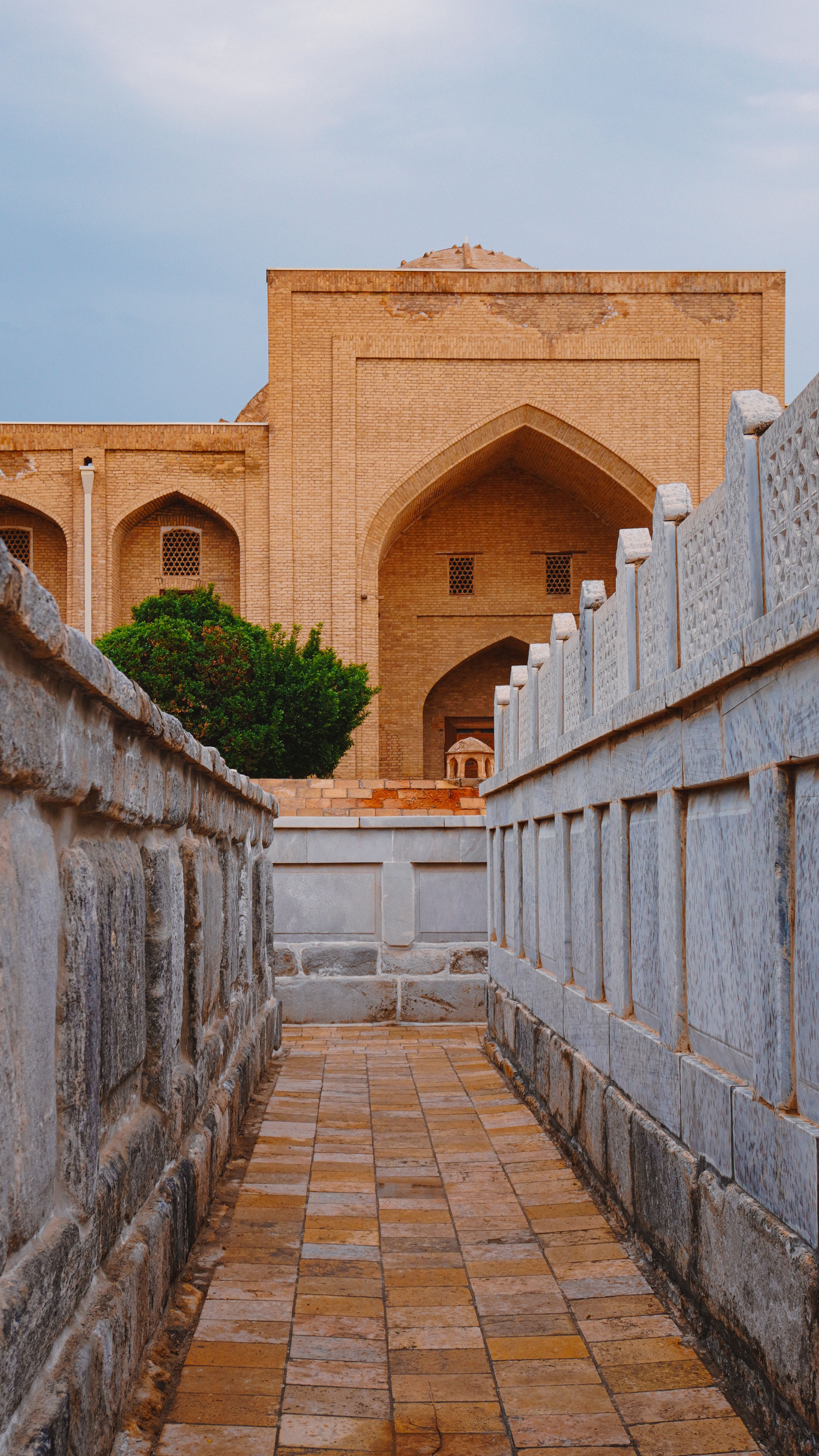
Heart of the Action
Old Town Centre
Stay here to be steps away from the main sights and traditional teahouses. It is perfect for those who want to wake up in the middle of ancient history.
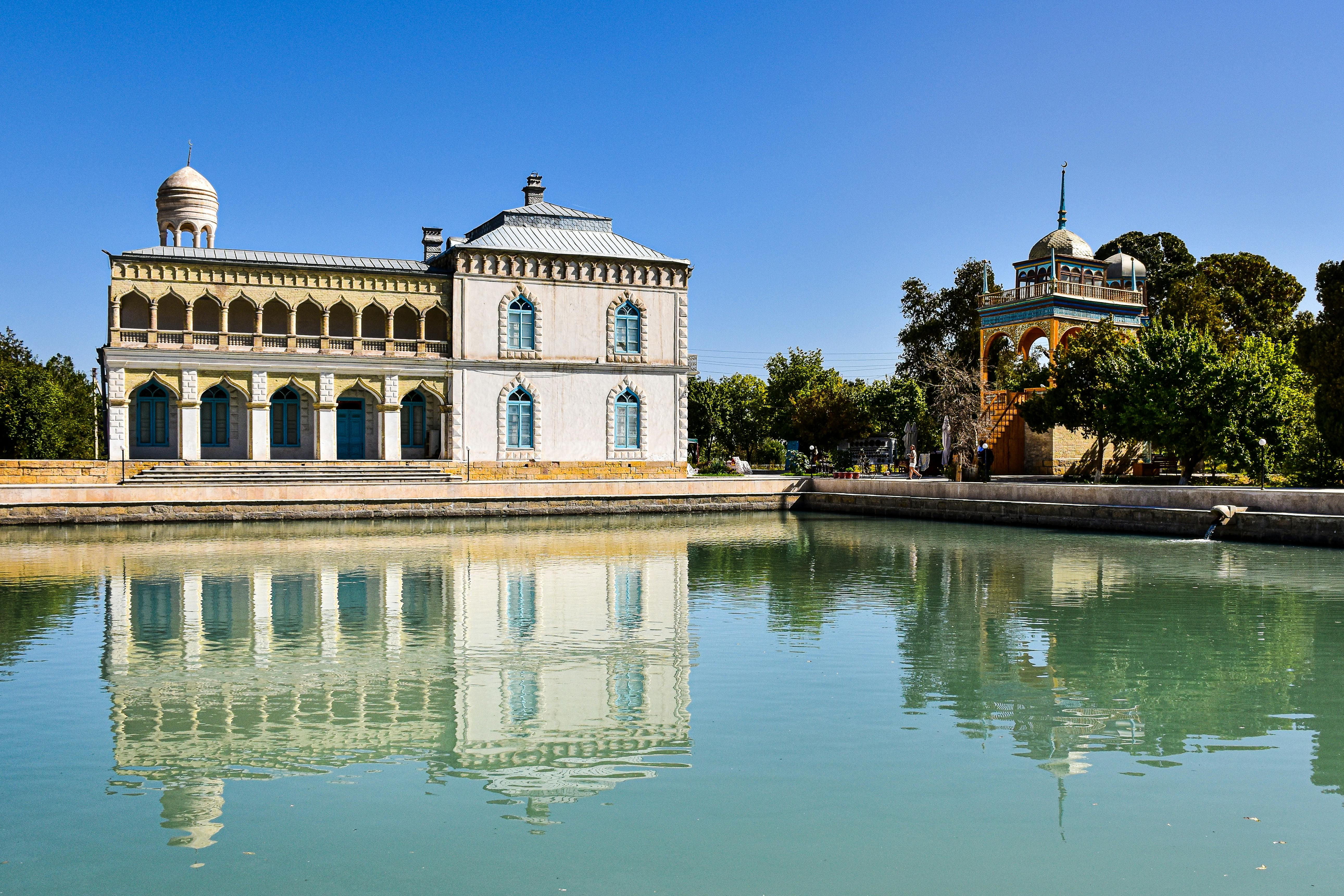
Social Hub
Near Lyabi-Hauz
This area is centered around a historic pool and is the most popular spot for travelers to congregate. It is vibrant in the evenings and full of atmosphere.
Places to Go
The experiences that will make you never leave
These aren't tourist checkboxes — they're the experiences that reset your sense of what's normal.
Top Pick
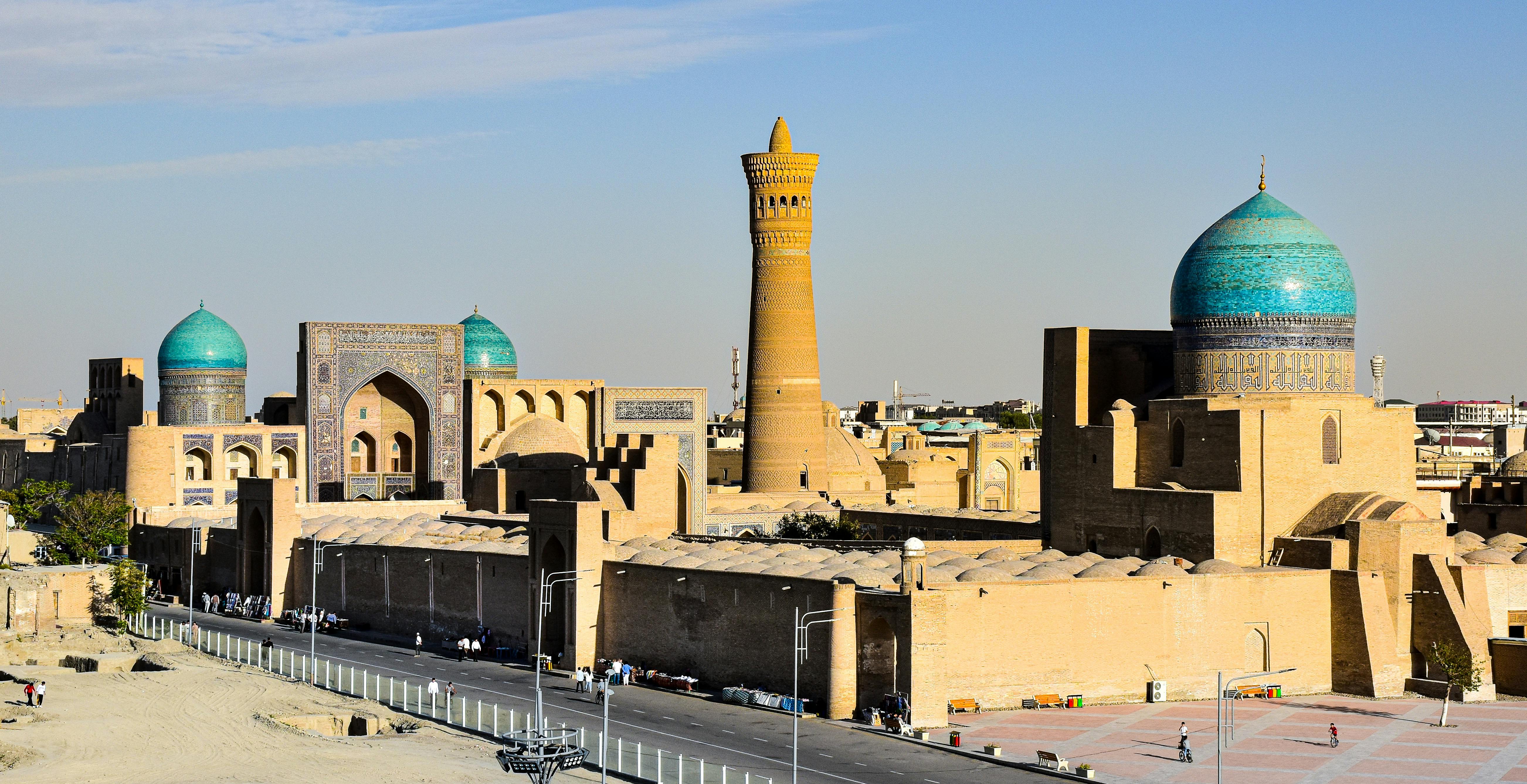
Po-i-Kalyan Complex
This massive complex is the symbolic heart of Bukhara, featuring the iconic Kalyan Minaret and the Kalyan Mosque. Its intricate brickwork and scale are a testament to the city's architectural mastery.
Wikipedia
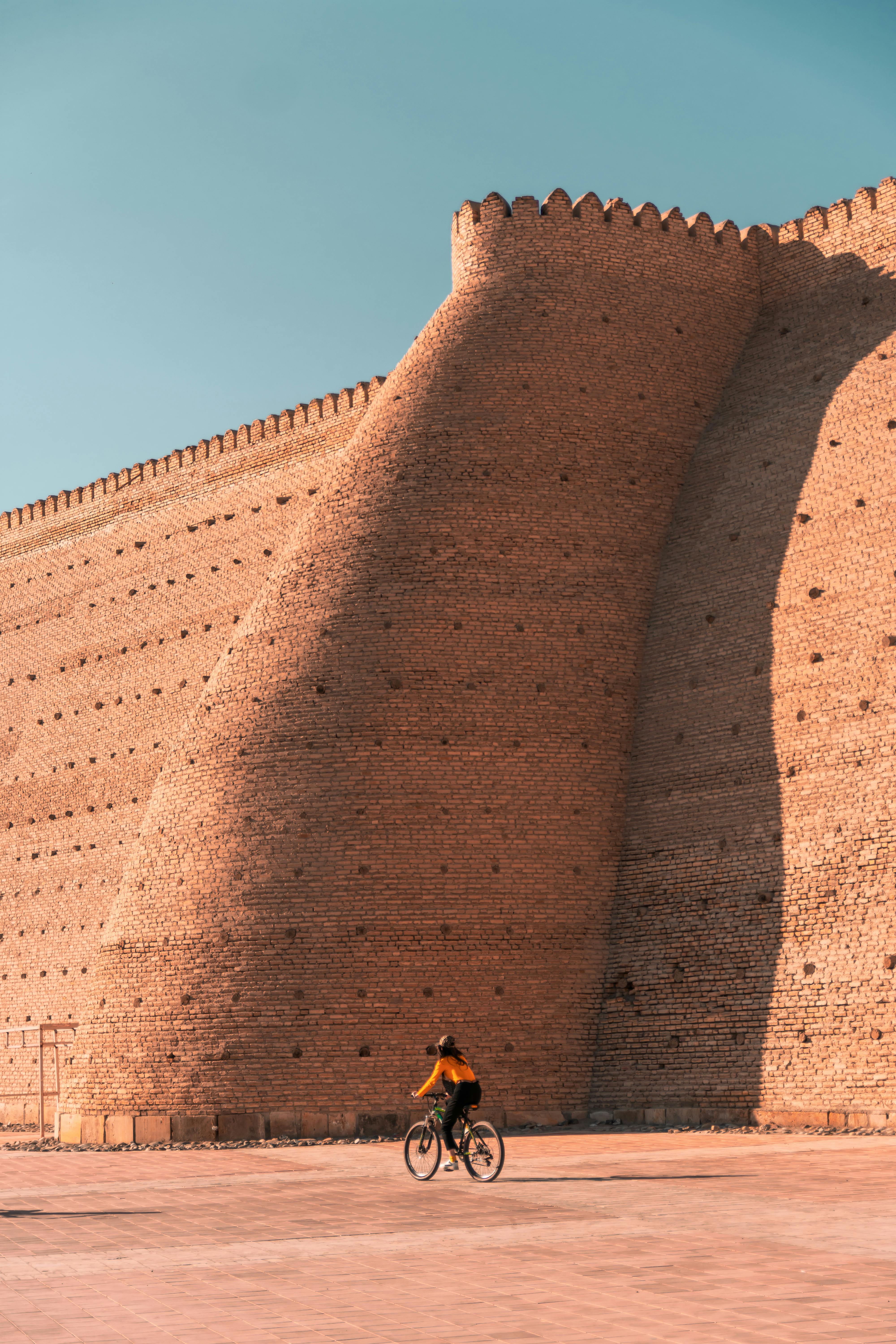
The Ark of Bukhara
The Ark is a massive fortress that served as the residence of the Emirs of Bukhara for centuries. Today, it houses several museums showcasing the history and culture of the region.

Wikipedia
Chor Minor
This charming, smaller madrasa is famous for its four distinctive towers, each topped with a blue tile dome. It is one of the most picturesque spots in the entire city for photography.
Work & Connectivity
Stay connected wherever you work
The nomad community here is real — cafés and coworking spaces where you can work and meet others.
Local Guesthouse Courtyards
Many guesthouses offer peaceful internal courtyards with Wi-Fi, providing the best environment for focused work.
Old Town Cafés
Numerous small cafes scattered around the historic center allow for light work sessions while enjoying traditional Uzbek coffee or tea.
Budget & Costs
What it costs to live in Bukhara
Choose your lifestyle tier. Comfortable = furnished accommodation, local + occasional Western food, transport, leisure.
$803
per month · USD · comfortable lifestyle
ModerateFurnished studio, local restaurants, transport, and weekend trips.
Exchange rates
Check xe.com or your bank for current USD to local currency.
Check xe.com or your bank for current USD to local currency.
🏠 Rent 41%$329/mo
🍽️ Food 34%$274/mo
🚌 Transport 7%$55/mo
💡 Utilities 9%$73/mo
🎭 Leisure 7%$55/mo
🏥 Health 2%$18/mo
Connectivity
Well connected to the world
Internet and transport options for remote workers.
📶
Internet
Good — fibre common
Check local providers.
🏢
Coworking
From ~$80/mo
Dedicated spaces available.
🚌
Local Transit
5 / 10
Scooter and taxi common.
BHK
Bukhara Airport
20 km from centre
tashkent
Safety & Visa
Safe, welcoming, and easy to enter
Safety Score6 / 10
✗ Tap Water✓ Night Safe📞 112 or local emergency number
Visa
Check your entry options
Many nationalities get visa-free or visa-on-arrival. Check official government sources for your citizenship before travel.
Culture & Festivals
Local soul, nomad-friendly
Multiculturalism5/10
Foodie Scene5/10
Remote work
May
Silk and Spices Festival
A vibrant celebration of traditional Uzbek crafts, folk music, and, of course, the spices that defined the Silk Road trade routes.
Bukhara is a slow-paced destination; embrace the 'tea culture' and don't rush through your days. The city truly shines after the day-trip tourists leave in the evening.
Food & Nightlife
A feast for every mood
From street food to cafés and nightlife — every meal is an event.
Street Food
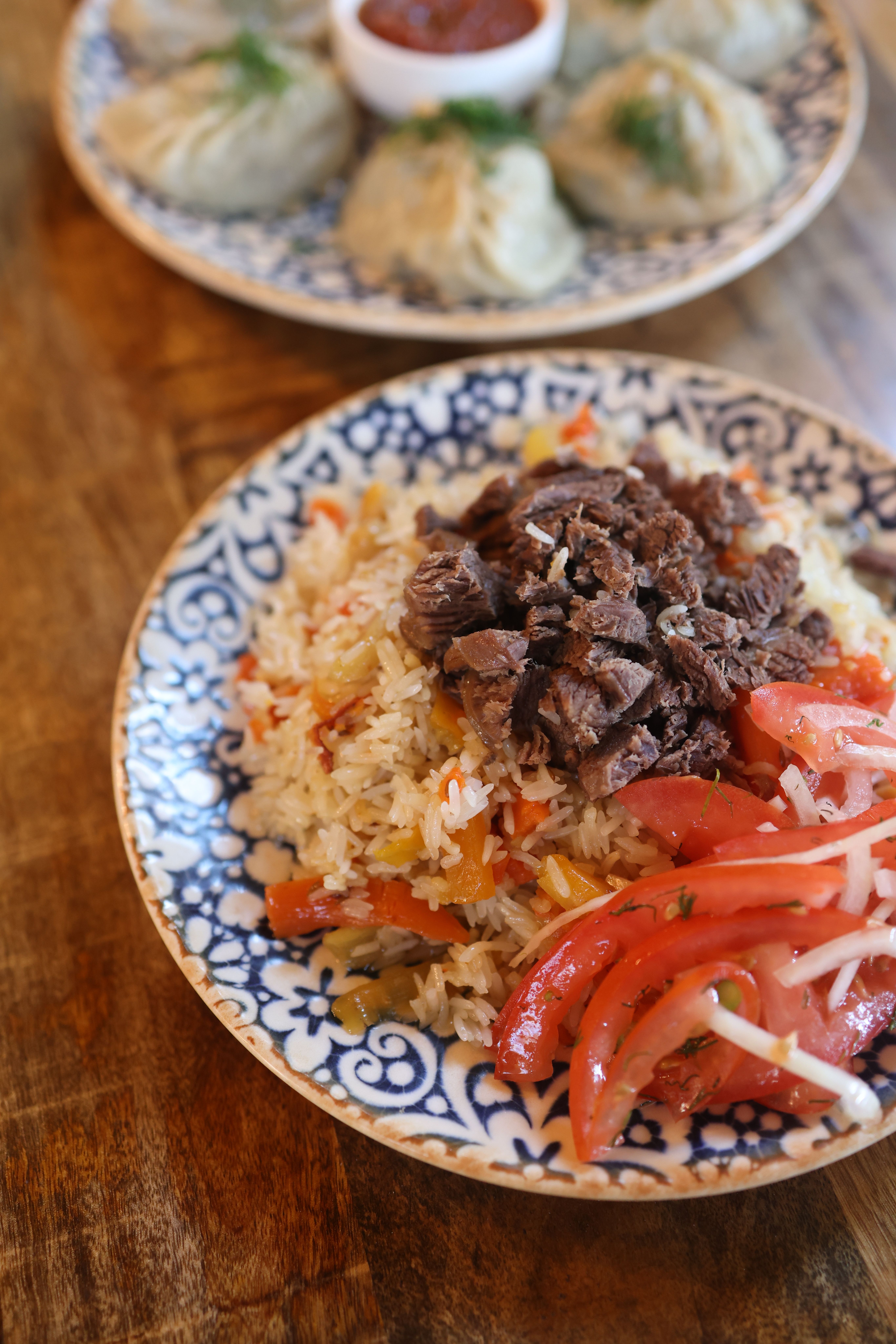
Chaykhanas
Traditional tea houses are the lifeblood of Bukhara, serving steaming plates of plov and lagman for a great price. They are the best places to socialize with locals.
Dining Out
Old City Restaurants
For a slightly more upscale meal, many restaurants in the historic district offer rooftop seating with incredible views of the minarets.
Climate
Best months: Apr, May, Jun, Jul, Aug, Sep, Oct
Avg humidity45%
Avg AQI65
The best time to visit Bukhara is during the shoulder seasons of April to June and September to October. During these months, the temperatures are pleasantly warm and perfect for walking through the historic old town without the extreme heat that peaks in mid-summer.
While summer months like July and August can be quite hot, the evenings remain lovely for outdoor dining. There are no specific 'avoid' months, though winter can bring brisk temperatures, so ensure you have adequate clothing if you choose to work remotely from Bukhara in the colder months.
Monthly temperatures °C
BestAvoidShoulder
Practical Info
Everything you need to know
🏥
Healthcare
Medical facilities are basic compared to Western standards. Ensure you have comprehensive travel insurance and bring any personal medication with you.
💱
Money
The local currency is the Uzbek Som. Cash is still preferred in many smaller shops, although cards are becoming more widely accepted in hotels.
🌐
Connectivity
Public Wi-Fi is not universal, so purchasing a local SIM card upon arrival at the airport or in town is the best way to stay connected.
Tips
Quick tips
- Always negotiate your taxi fare before you get in.
- Learn a few words of Uzbek or Russian to build rapport.
- Dress modestly when visiting mosques and religious sites.
- Carry small denominations of cash for bazaars.
- Bring a universal power adapter for your electronics.
- Drink bottled water instead of tap water.
- Download offline maps to navigate the maze-like alleys.
Further Reading