
Trat · Thailand
Overview
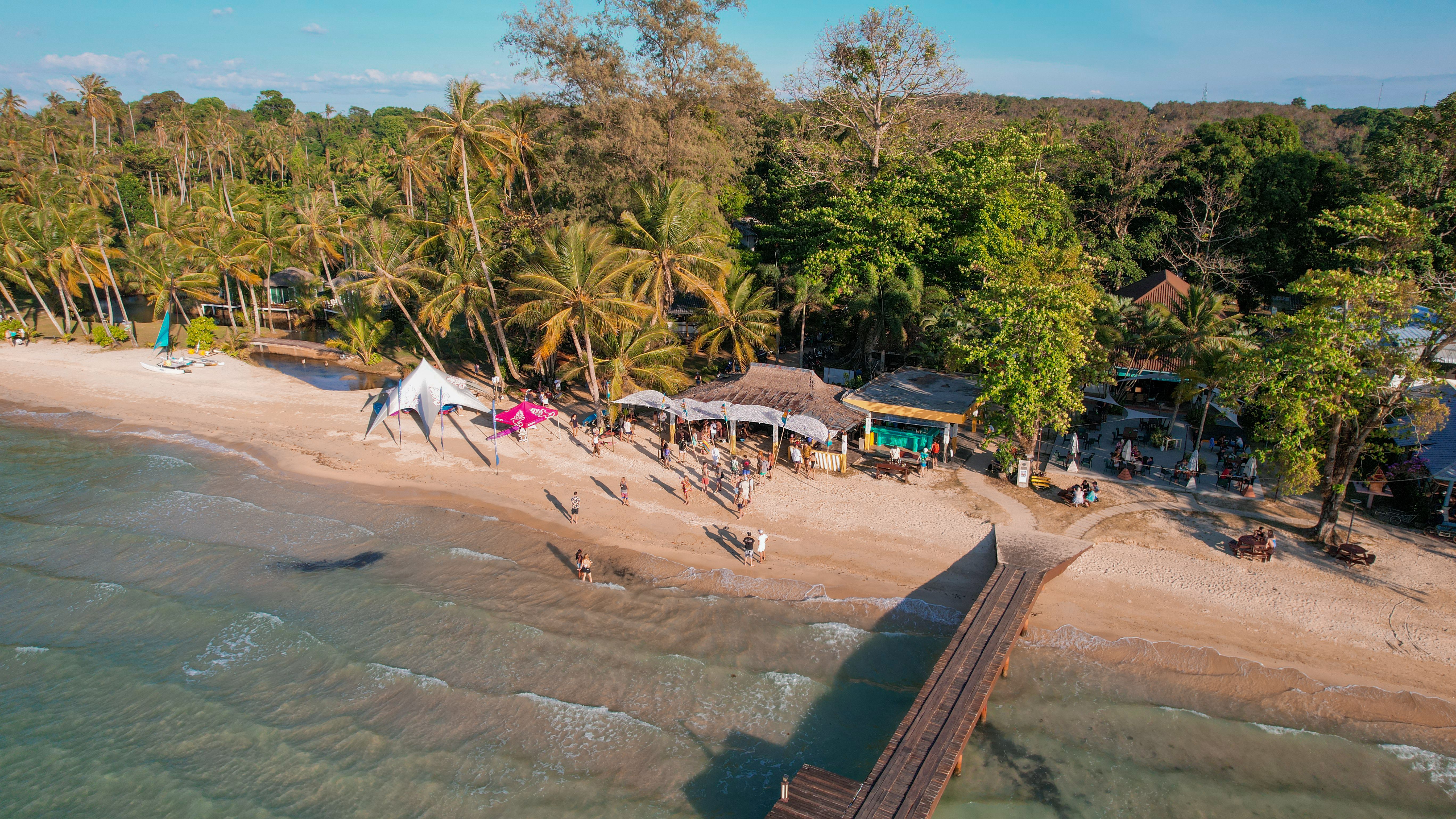
Trat is not just a transit point; it is the quiet, heartbeat gateway to Thailand’s most beautiful eastern archipelagos.
Trat acts as a tranquil, authentic mainland hub before the leap to the popular islands of Koh Chang, Koh Mak, and Koh Kood. While the city itself is not a bustling metropolis, its proximity to pristine beaches and lush national parks makes it an attractive base for those who value nature over urban density. The lifestyle here is distinctly Thai, revolving around local night markets, riverside living, and slow mornings, making it a quiet retreat for deep work.
Remote workers will find the environment ideal for productivity, provided they manage their connectivity expectations. The cost of living in Trat remains low, allowing for comfortable long-term stays in simple guesthouses. Whether you are seeking a base for island hopping or a quiet corner to focus, Trat provides a genuine slice of Thai life away from the heavy tourist crowds.
History
Trat’s history is deeply intertwined with its strategic location on the border with Cambodia.
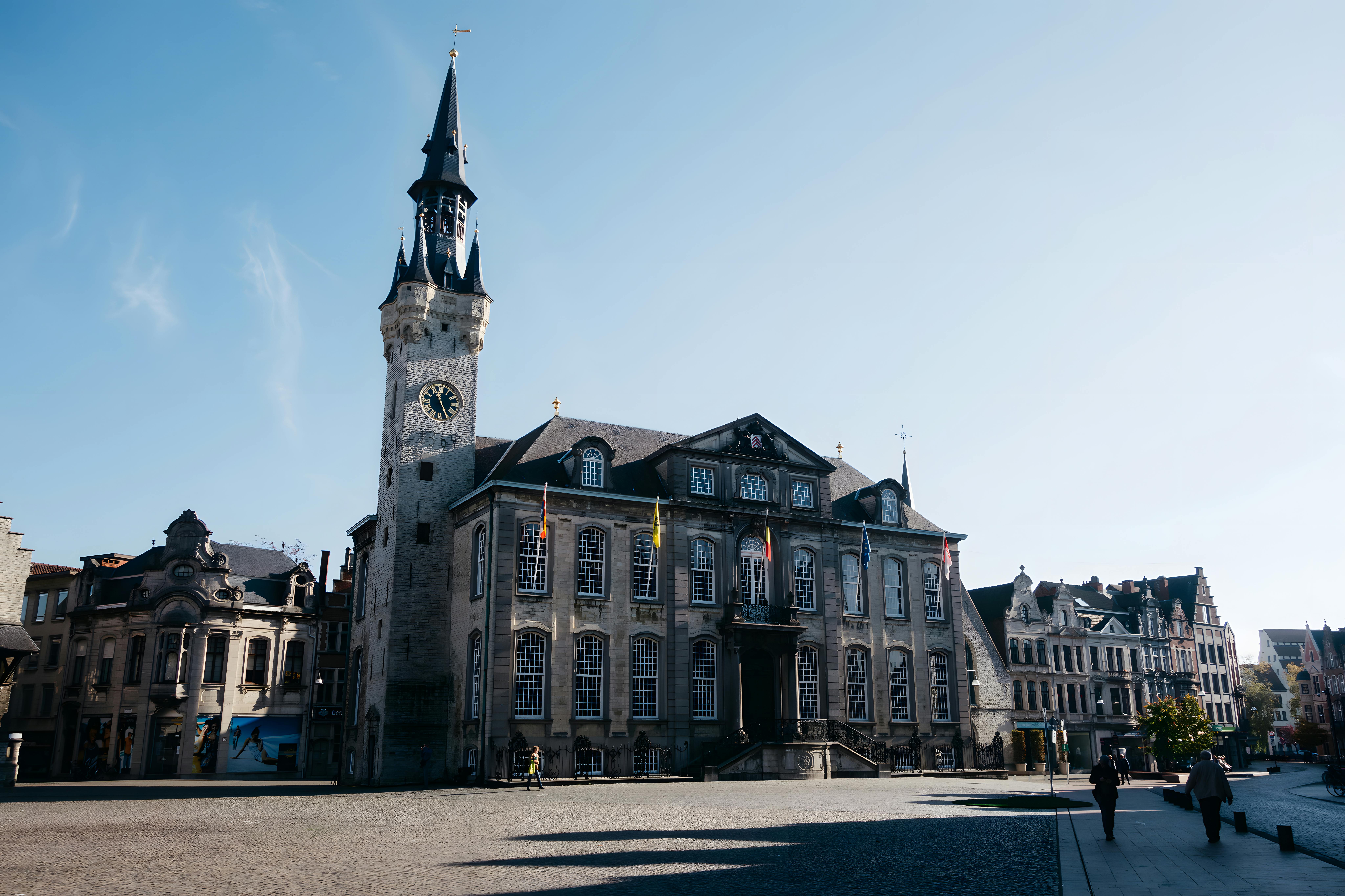
Trat’s history is deeply intertwined with its strategic location on the border with Cambodia. During the 19th and early 20th centuries, the region faced significant pressure from colonial powers, notably France, who sought to expand their influence in Southeast Asia. This period defined the local identity, as residents were fiercely protective of their land and independence.
In the modern era, Trat transformed from a quiet frontier town into the primary logistical hub for the Eastern Thai islands. Since the development of the Mu Ko Chang National Park in the 1980s, the economy has shifted toward tourism, yet the provincial capital has managed to maintain its charming, low-key character and historical architecture.
19th Century
Frontier SettlementTrat began as a key trading and border settlement, serving as a vital link between the Thai interior and the coast.
1904
French OccupationTrat was briefly ceded to the French as part of territorial negotiations to maintain the sovereignty of the central Thai kingdom.
1907
Return to ThailandThe city was returned to Thai administration in a land exchange deal, a day still celebrated locally as a symbol of national pride.
1982
National Park EstablishmentThe declaration of Mu Ko Chang National Park officially positioned the region as a major destination for nature tourism.
Where to Stay
Choose your base camp
Distinct neighbourhoods, different rhythms. Pick the one that fits your work-life balance.
Budget Favourite
Trat Town Center
The heart of the province, featuring affordable guesthouses, local markets, and easy access to buses. It is perfect for those who want to be connected to the local community and daily life.
Transit Hub
Ao Thammachat
Located near the ferry piers for Koh Chang, this area is ideal for those planning frequent island trips. It offers a quieter vibe than the city center while remaining functional.
Places to Go
The experiences that will make you never leave
These aren't tourist checkboxes — they're the experiences that reset your sense of what's normal.
Top Pick
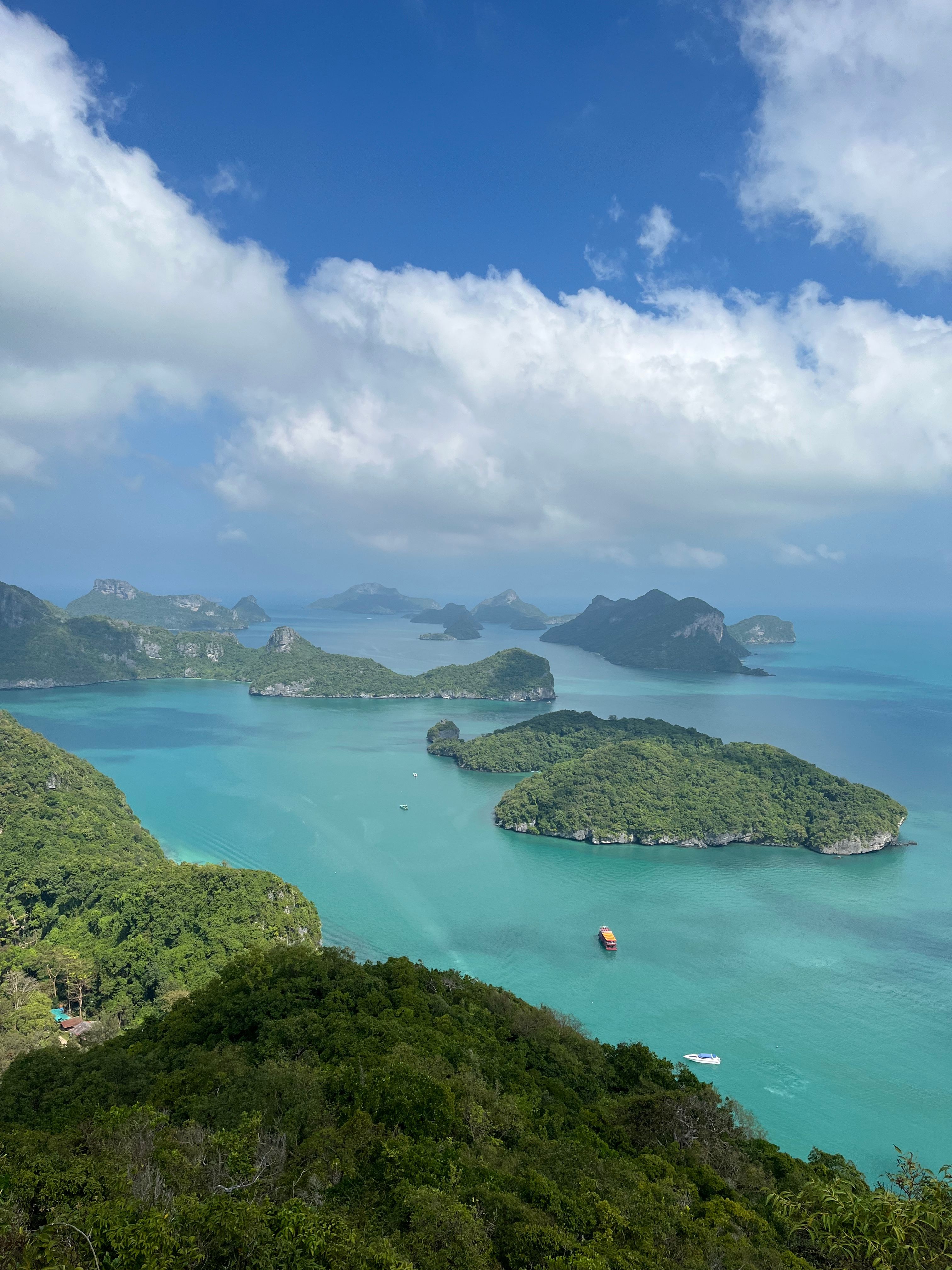
Mu Ko Chang National Park
This massive marine park consists of over 50 islands, offering world-class snorkeling, hiking trails, and hidden waterfalls. It is the main draw for visitors to the region, providing endless outdoor activities.

Tourism Thailand
Wat Phai Lom
A beautiful local temple in the heart of Trat town that showcases traditional Thai architecture and a peaceful atmosphere. It is a great place to experience the local religious culture.

Work & Connectivity
Stay connected wherever you work
The nomad community here is real — cafés and coworking spaces where you can work and meet others.
Local Cafés
While there are no dedicated coworking spaces, several local coffee shops in Trat town offer quiet corners, decent Wi-Fi, and a relaxed environment suitable for getting work done.
Budget & Costs
What it costs to live in Trat
Choose your lifestyle tier. Comfortable = furnished accommodation, local + occasional Western food, transport, leisure.
$730
per month · USD · comfortable lifestyle
ModerateFurnished studio, local restaurants, transport, and weekend trips.
Exchange rates
Check xe.com or your bank for current USD to local currency.
Check xe.com or your bank for current USD to local currency.
🏠 Rent 30%$219/mo
🍽️ Food 30%$219/mo
🚌 Transport 8%$55/mo
💡 Utilities 13%$91/mo
🎭 Leisure 10%$73/mo
🏥 Health 10%$73/mo
Connectivity
Well connected to the world
Internet and transport options for remote workers.
📶
Internet
Good — fibre common
Check local providers.
🏢
Coworking
From ~$80/mo
Dedicated spaces available.
🚌
Local Transit
5 / 10
Scooter and taxi common.
TDX
Trat Airport
20 km from centre
bangkok
Safety & Visa
Safe, welcoming, and easy to enter
Safety Score6 / 10
✗ Tap Water✓ Night Safe📞 112 or local emergency number
Visa
Check your entry options
Many nationalities get visa-free or visa-on-arrival. Check official government sources for your citizenship before travel.
Culture & Festivals
Local soul, nomad-friendly
Multiculturalism5/10
Foodie Scene5/10
Remote work
Mar
Trat Red Cross Fair
An annual event featuring local food, cultural performances, and regional crafts to celebrate the community.
Oct
Trat Independence Day
A celebration marking the return of the province to Thailand with traditional music and ceremonies.
Trat is an excellent base for nomads who plan to visit Cambodia, as it serves as a gateway to the Hat Lek border crossing.
Food & Nightlife
A feast for every mood
From street food to cafés and nightlife — every meal is an event.
Street Food
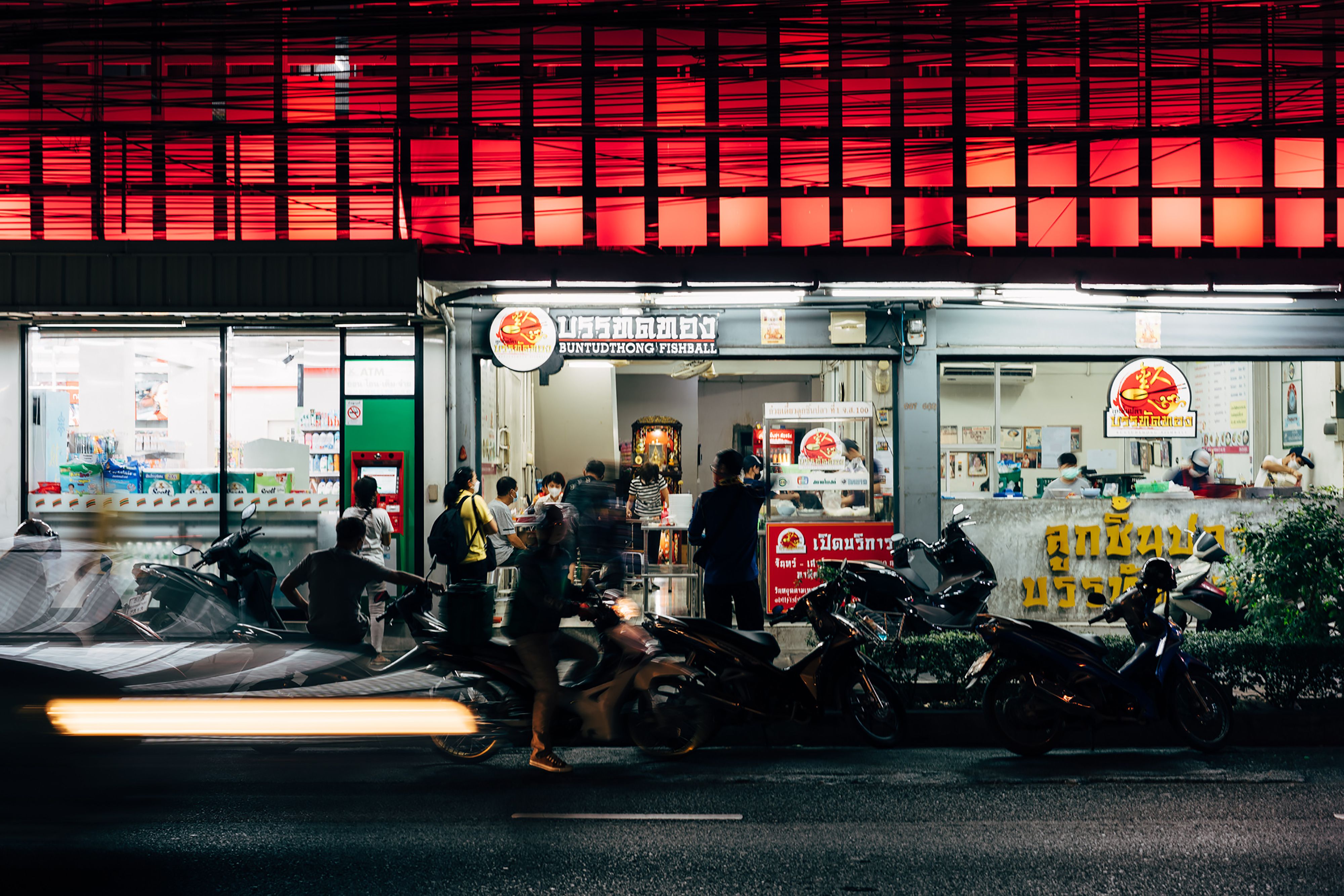
Trat Night Market
The night market is the social and culinary center of the town, offering fresh seafood, spicy som tam, and classic Thai desserts at local prices.
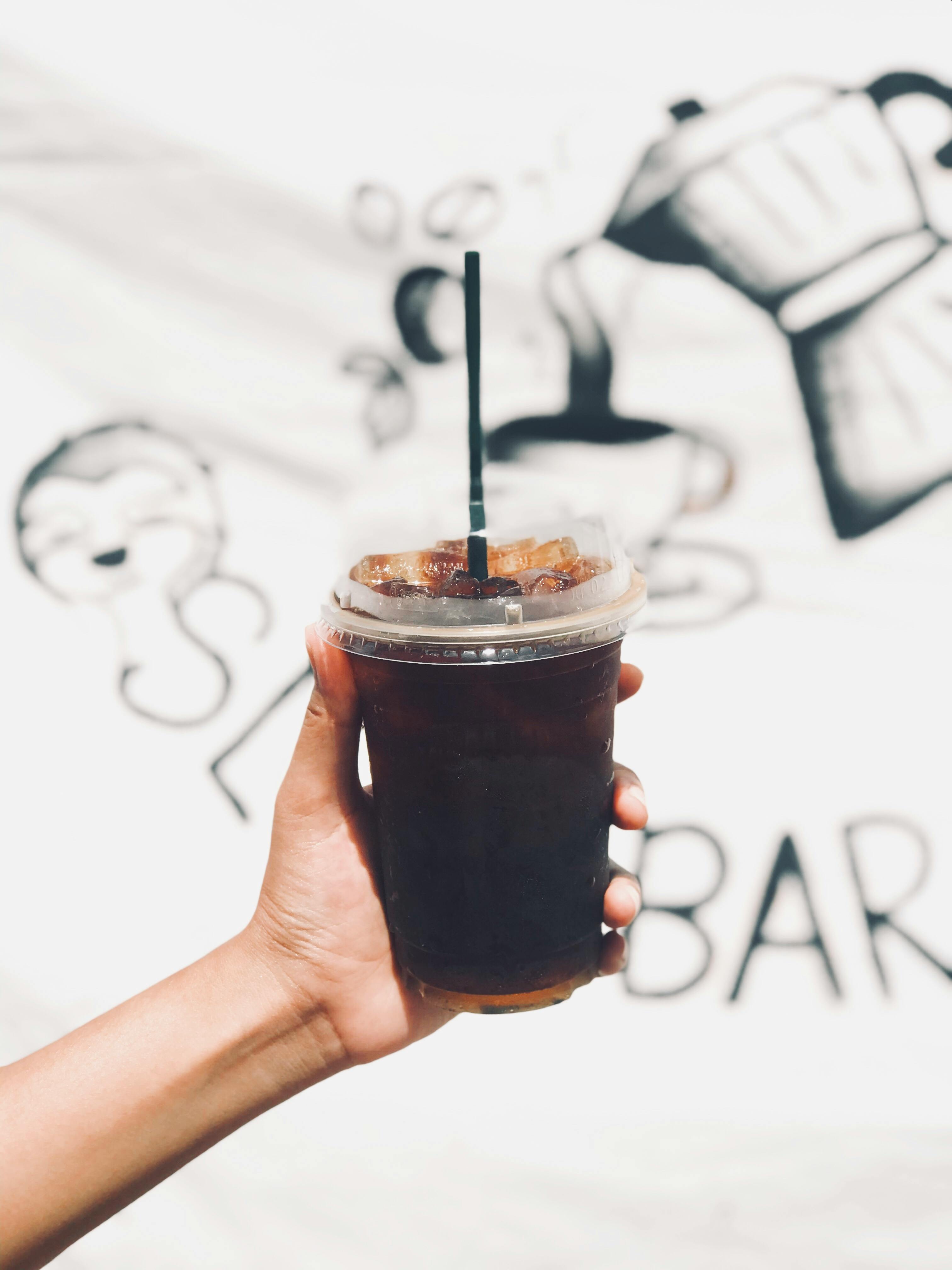
Café Culture
Riverside Cafés
Small, family-run cafes along the river offer a peaceful setting for morning work sessions with a view. Expect high-quality Thai iced coffee and simple snacks.
Climate
Best months: Jan, Feb, Mar, Sep, Oct, Nov, Dec
Avg humidity80%
Avg AQI60
The best time to visit Trat is during the dry season, which spans from November through March. During these months, the weather is stable, making it perfect for both working on the mainland and taking ferry trips to the surrounding islands for weekend getaways. January and February are particularly pleasant, offering clear skies and manageable humidity.
From September through October, you may experience higher rainfall, which can occasionally impact ferry schedules to more remote islands. However, for those staying on the mainland, these months offer a lush, green landscape and fewer visitors, providing an excellent opportunity for a quiet, budget-friendly work retreat.
Monthly temperatures °C
BestAvoidShoulder
Practical Info
Everything you need to know
🏥
Healthcare
Trat has a provincial hospital capable of handling basic medical needs. For complex treatments, patients are often referred to larger facilities in Chanthaburi or Bangkok.
💱
Money
ATMs are readily available throughout the town, but it is wise to carry cash when visiting more remote islands or small villages. Credit cards are accepted in larger hotels, but not in local markets.
🌐
Language & Etiquette
Thai is the primary language; learning a few basic phrases will greatly enhance your experience. Respect for local traditions, especially when visiting temples, is expected and appreciated.
Tips
Quick tips
- Always carry a power bank as electrical outlets can be inconsistent on outer islands.
- Learn basic Thai greetings to build rapport with local business owners.
- Bring a universal adapter for travel.
- Download offline maps before heading to the islands.
- Prioritize island trips during the midweek to avoid weekend crowds.
- Carry a reusable water bottle to save on plastic.
Further Reading